By Andra Weissberger | Country Director Sierra Leone
Sexual and Gender Based Violence is one of the most frequently committed offences in present day Sierra Leone, especially in the provinces where women and girls are traditionally considered as the personal properties of men. Sexual Gender Based Violence (SGBV) in Sierra Leone (SL) is above 90% and is often caused by those closest to the women and girls, in the form of, transactional sex, early marriage, domestic abuse, and Female Genital Mutilation (FGM) (UNDP 2012). The issue of child marriage, rape, child labor and other domestic violence acts are considered a normal way of life by most people in many communities. Most community stakeholders are discouraging victims and their relatives from forwarding SGBV matters to the appropriate systems for legal and punitive measures to be taken against perpetrators; instead they resorted to settlement even when aggravated domestic violence is committed against young women and girls. There are factors that negate the understanding of SGBV context in the provinces, and this is impeding the swift intervention of community volunteers in mitigating SGBV. Among those factors are cultural perception of the role of women and girls, ambiguous interpretation of violence against women and girls, and the lack of reporting and referral pathways.
In support of mitigating the effects of SGBV IsraAID has embarked on a year long program to support the development and stregthening of referral pathways as well as community sensitization on the issues.in the northern district of Kambia.
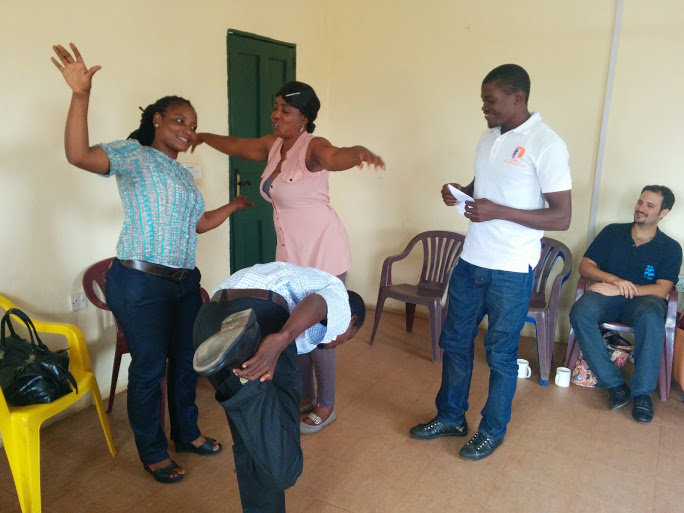
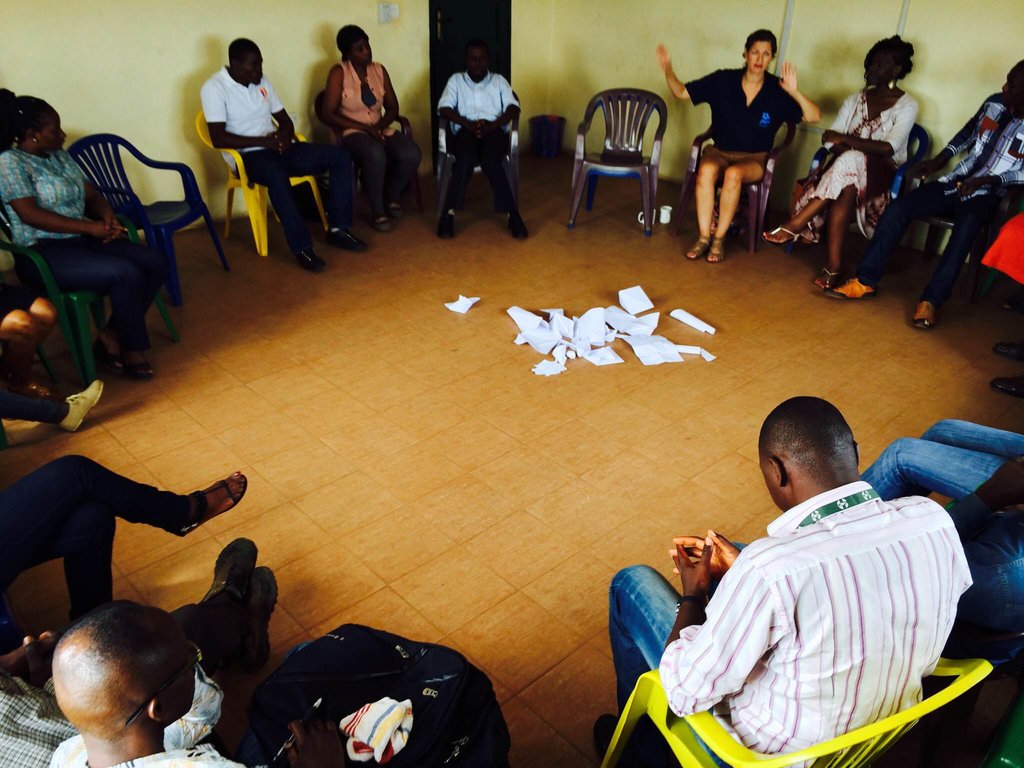
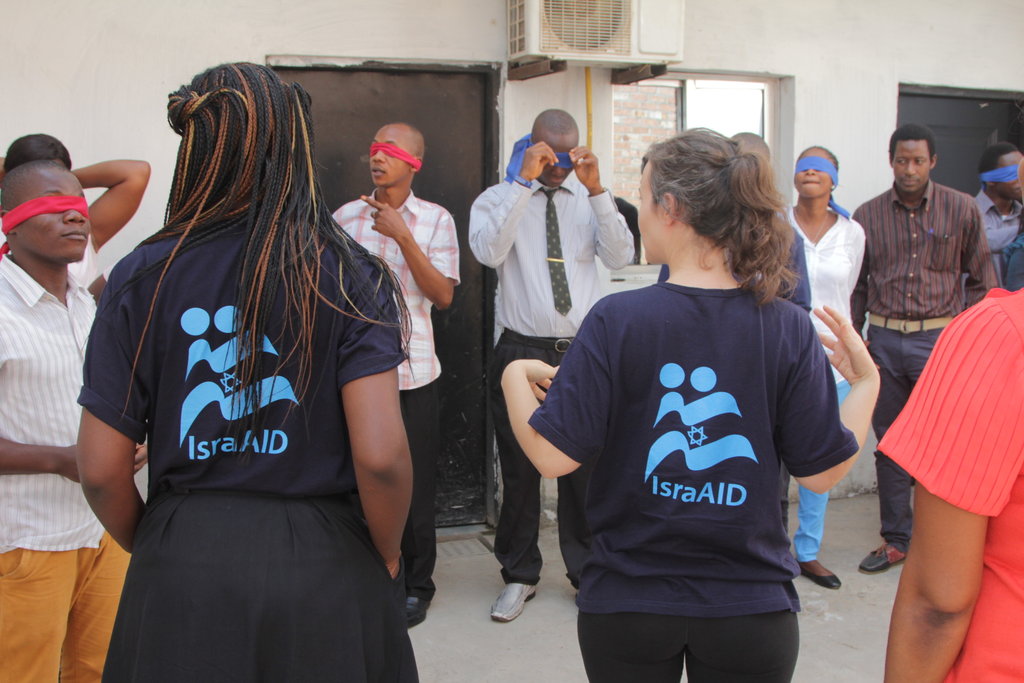
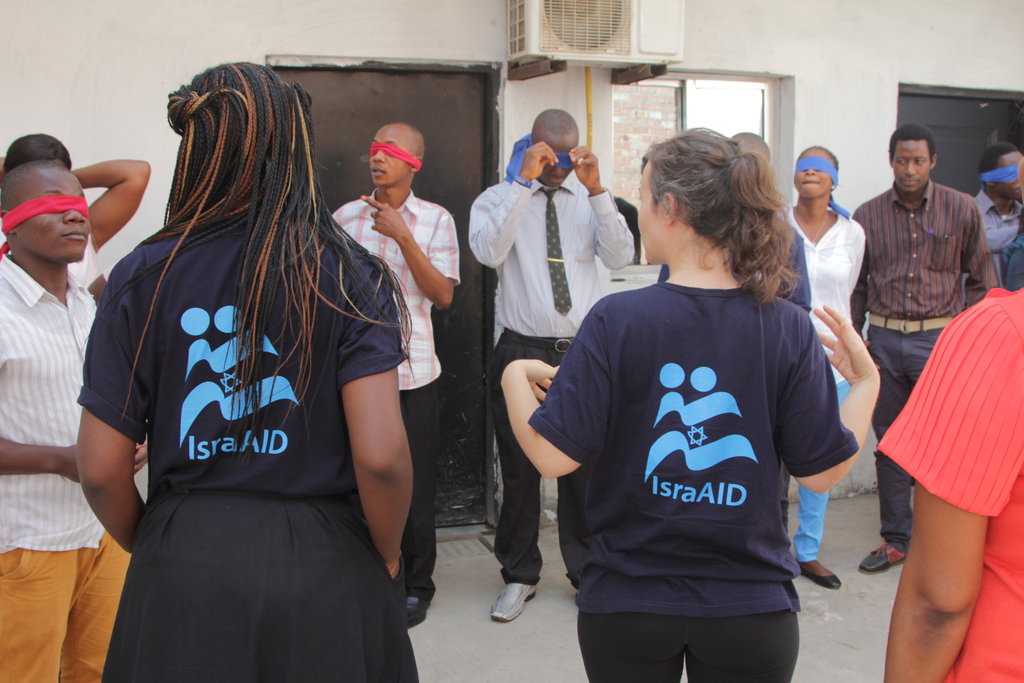
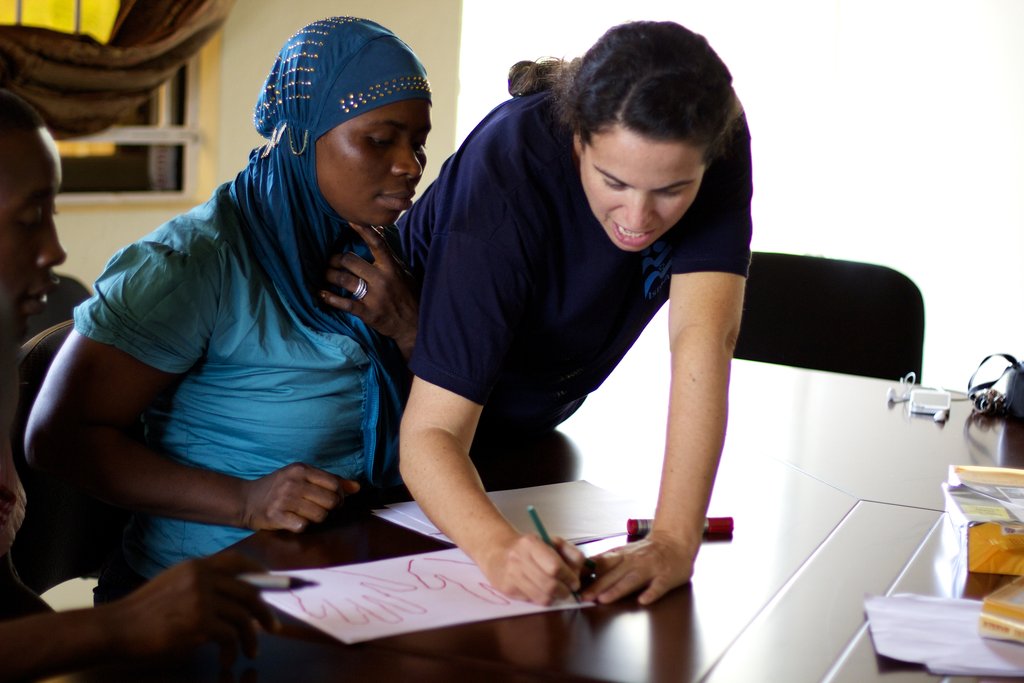
IsraAID has been providing training sessions for volunteers, that fuction as liaison officers in their communities that handle matters of SGBV and report to appropriate authorities when it is deemed necessary. Through this project, IsraAID aims to promote better access to information and community based support following acts of SGBV while supporting the relevant actors who support the community.
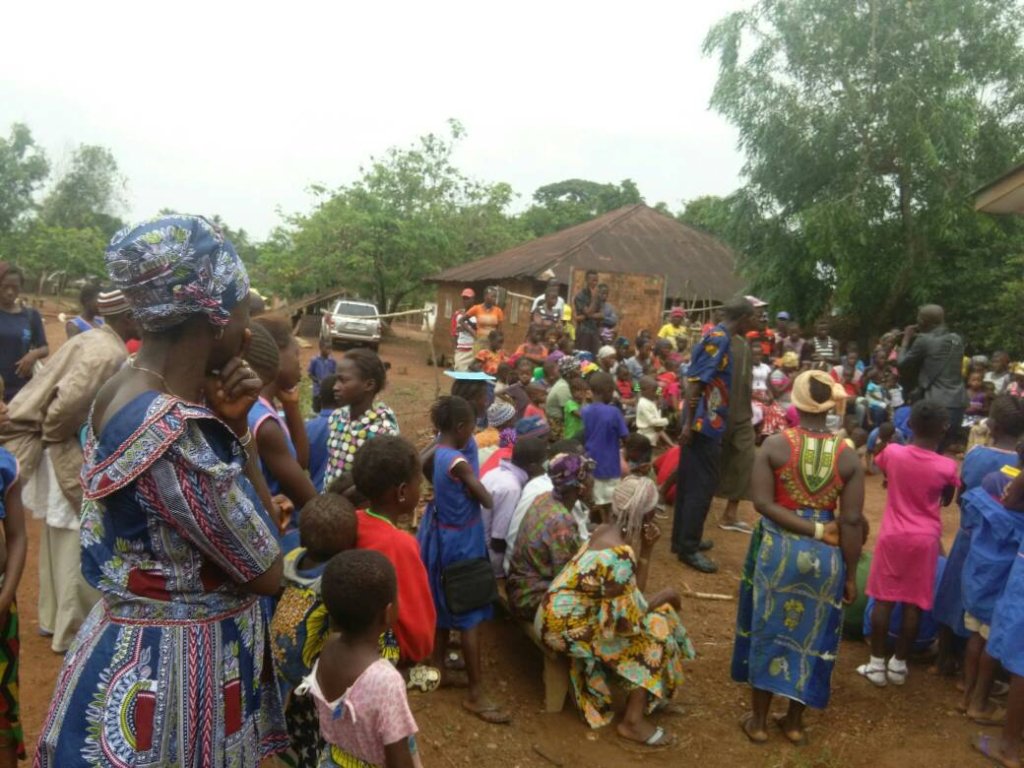
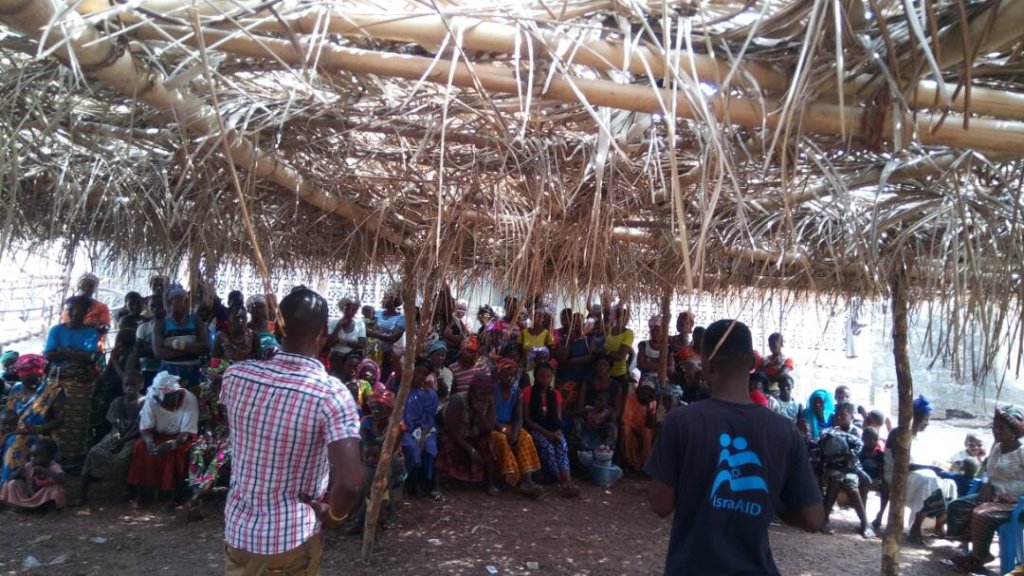
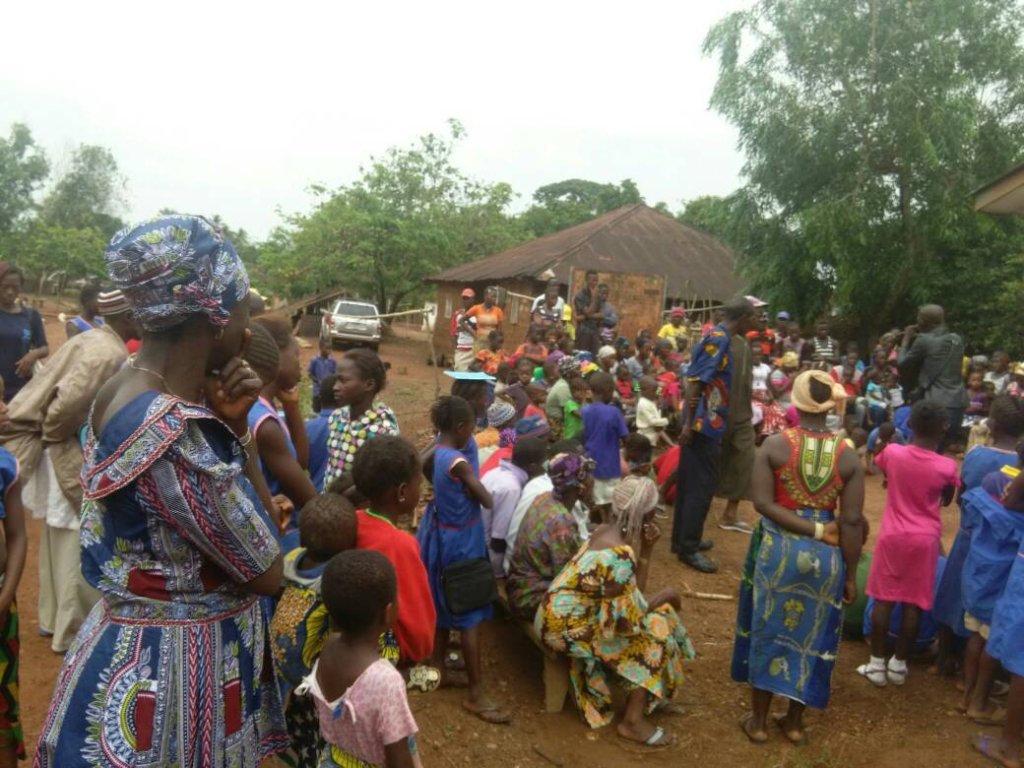
IsraAID with the support of its local partner SHADE successfully completed training with major stakeholders, paraprofessionals, Chiefs, SHADE volunteers, and the Ministry of Social Welfare on strengthening referral pathways and their roles in mitigating cases of Sexual and Gender Based Violence, it was evident that community members were unaware of the available channels to forward their cases, and those who had an idea, were afraid to do so. Following this training IsraAID hosted a series of activites to sensetize the community at large, starting with stakeholder meetings in headquarter towns, starting an ongoing discussion on the radio station, and holding community activities that were designed to reach the general populus. The main intent for the hosting of community events was to provide the grassroots with access to information on the concept of sexual and gender based violence, damaging effects experienced by its victims, and to further validate the presence of volunteers and the various referral pathways. A total of fourteen community events were hosted within the seven chiefdoms in the Kambia district.
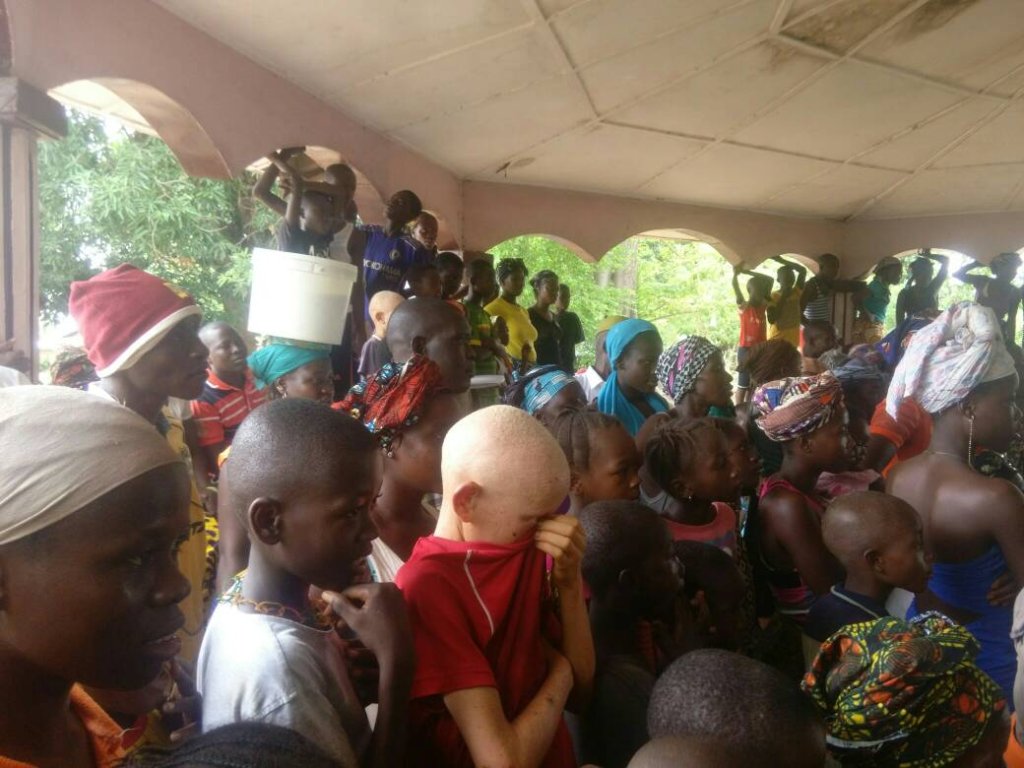
During these events, there was a huge turnout and participation of stakeholders, community members (men, women, children, aged) and SHADE volunteers. The events were designed to be engaging bring the community together to learn about the issues surrounding SGBV and where they can turn for support. In all of the events, it was established that IsraAID in collaboration with SHADE SL had already launched SGBV and referral pathway training with the stakeholders, Chiefs, paraprofessionals etc. and it was crucial that the message be disseminated to the grassroots who are most times vulnerable. With the help of the SHADE volunteers who understood the local language spoken, an interpretation was given on the concept of SGBV, potential effects on victims, information was provided on the existing channels and the role of volunteers in addressing these issues. In order for attendees to further grasp the information, a skit was presented different forms of SGBV; physical abuse and assault, early marriage and rape. Comments and question were made by attendees and the stakeholders reiterated that a collaborative effort was required of every community member in order address issues of SGBV and to foster the growth and development of the various communities. It was concluded that SGBV was harmful and it was essential that the dignity, pride and empowerment of women and girls was secured.
The community events went as planned, hundreds turnout to participants and many key actors within the chiefdom (volunteers, stakeholders, community leaders, women leaders, representatives from Family Support Unit (FSU) and Ministry of Social Welfare, Gender and Children Affairs (MoSWGCA) and so on) were in attendance, which further showed the community the importance of the issues presented as well as their support of ending SGBV in the district.
The people received the field officers with alacrity and were ardent about the event. There were positive reactions such as active listening, attentive, ask questions and gave valuable contributions related to SGBV and referral pathways which proved that they really understood the message. A participant asked “if I don’t have money to report such cases or don’t have transportation fare to contact Family Support Unit (FSU) staff to report a case, what mechanisms have you put in place”, another person asked “please tell me if a female child became a drop-out or got pregnant, who is responsible?” The most pervasive question asked in all the chiefdoms was “what about women who physically abuse their husbands, what mechanisms or policies assign for that”. This further highlights how much work there is to do in the communities, the defensive question shows us there is still a lot more to do. Different comments and contributions were highlighted by the audience. A man contributed, “Women are not property that can be treated as one, but should be treated as humans, and we should love and adore them as they are our mothers, sisters and aunts. Another youth contributed by saying “Children who are under the age of fifteen years are not matured to be initiates into the “Bondo” society to mutilate her genital organs”.
Another success observed was the incorporation of key actors to who took leading roles in the events. For instance, when they served as interpreters, actors; helped in the dissemination of the messages which gave a sense of community ownership.
Finally, after the events there were massive calls from participants commending IsraAID and SHADE, asking questions and explaining their situations to SHADE representatives. There have also been an increase in cases reported which is seen a big win by the FSU. IsraAID with the help of SHADE is supporting the referral pathway actors to support all the cases reproted to seek justice and support where required.
.IsraAID will continue to support the stregthening of the referral pathway and the actors involved as well as engage the communities, meeting them where they are and raising awareness on the issues of SGBV,
Project reports on GlobalGiving are posted directly to globalgiving.org by Project Leaders as they are completed, generally every 3-4 months. To protect the integrity of these documents, GlobalGiving does not alter them; therefore you may find some language or formatting issues.
If you donate to this project or have donated to this project, you can receive an email when this project posts a report. You can also subscribe for reports without donating.