By Country Director | IsraAID Sierra Leone
Ceaseless heavy rainfall on 13th and 14th August left areas of Freetown devastated by mudslides, burying some communities in more than 50 feet of mud and boulders.
The cities insufficient drainage system, poor waste management and overcrowded urban dwellings further amplified the devastation. More than 500 people lost their lives in this natural disaster, and over 900 men women and children registered missing.
Overwhelmingly, this disaster affected the most impoverished families in Freetown, an already vulnerable population who were the hardest hit during the Ebola outbreak and have experienced recurrent flooding over many years. The overcrowded areas and poor structural integrity of the buildings left little hope of resilience in the face of the power of the flood waters.
In the immediate aftermath of the floods water, sanitation, food, healthcare, shelter and psychological support were the essential areas of focus.
"During the morning hours of that day, I heard a big bang on the wall of our house within a short period I realised that the house was falling down. I tried to swim to get out of the house, but unfortunately for me I got a hit on my side by the falling wall of the house which left these bruises on me. There was heavy force of water pouring down from the hill which I have never seen before. In the process of trying to escape from the floods, I saw an iron that I thought will help me out. As I stretch to hang on it the water pressure pushed me to some rubbles where I got serious injuries on my head, hands, and feet. I hit my head twice on the stone. I thought my life was coming to an end—I was hopeless. I also, saw five of my family members struggling in the water and calling for help. I almost got drowned, but fortunately the water took me to the side and throw me on the weed, that was the last thing that I can remember. I only got conscious of myself in the evening hours, and I realised that I am in the hospital. Later, I was informed that the military personnel rescued me from the floods and took me to the Emergency Hospital where I was admitted for two days. Currently, I live with my uncle who is providing me with some support. I don’t reside in the camp provided for us the victims because of the cold, the shelter is a school and we have more than 200 people sleeping here (overcrowded). Also, since the flooding, I have been wearing these clothes. I have lost all my properties to the floods, I have no clothes with me except these ones I am wearing. My major concern for now is how to get a better medical care, food, clothing, and shelter." Francis, 27 years old.
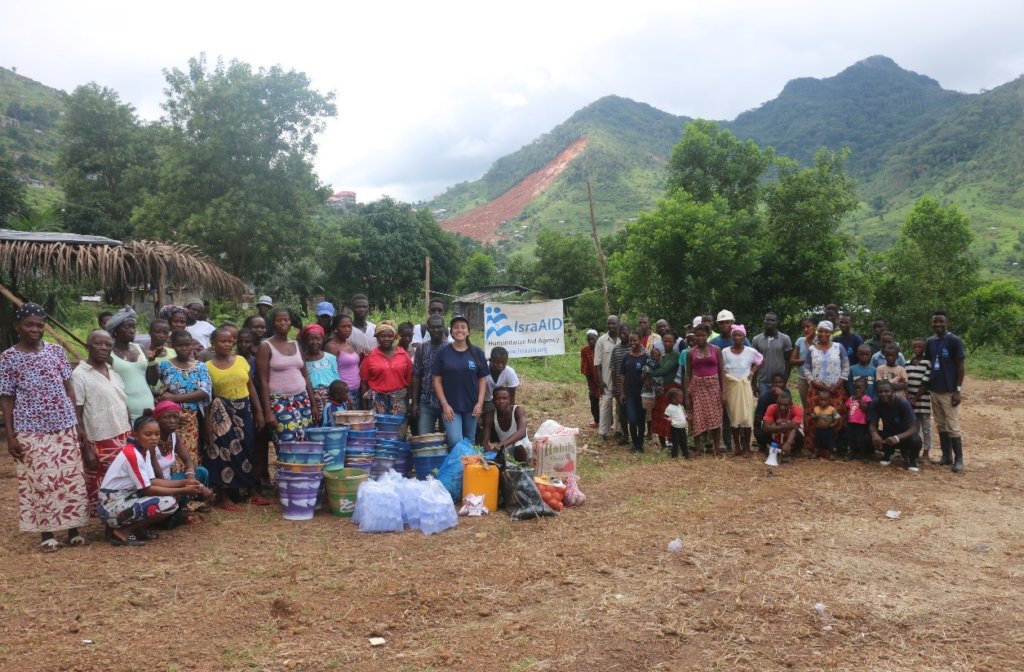
IsraAID began to respond to the crisis just one day after the event and developed an intervention targeting 2 of the worst affected communities Kamayama (757 registered) and Kaningo (1058 registered) which represented 34% of the total affected population. The 2 communities experienced a very different event on the day of the disaster with Kamayama close to the mud slide experiencing many deaths as well as loss of property and possessions, and Kaningo, where no local deaths were registered but most of the bodies ended after being swept down the river from the communities at higher elevations.
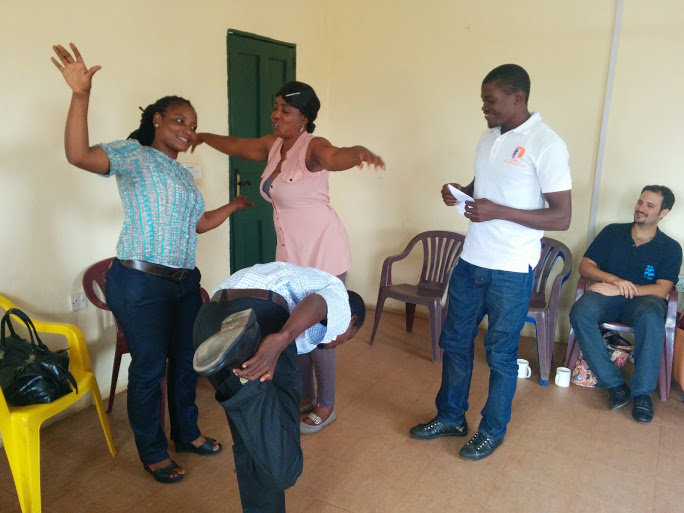
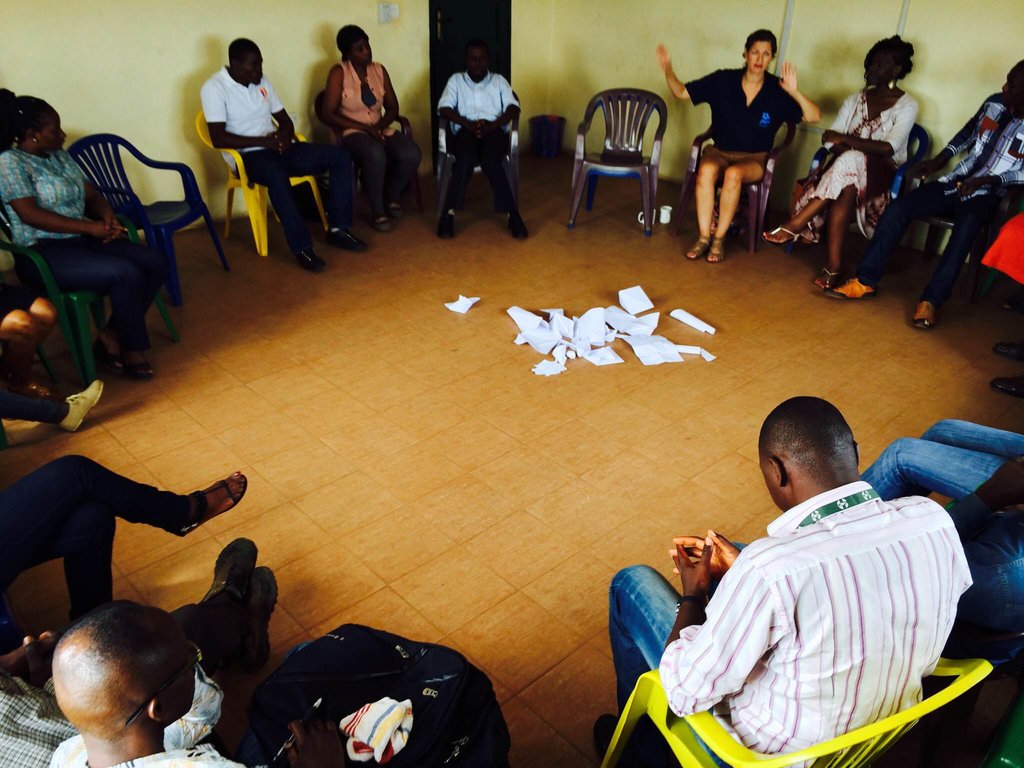
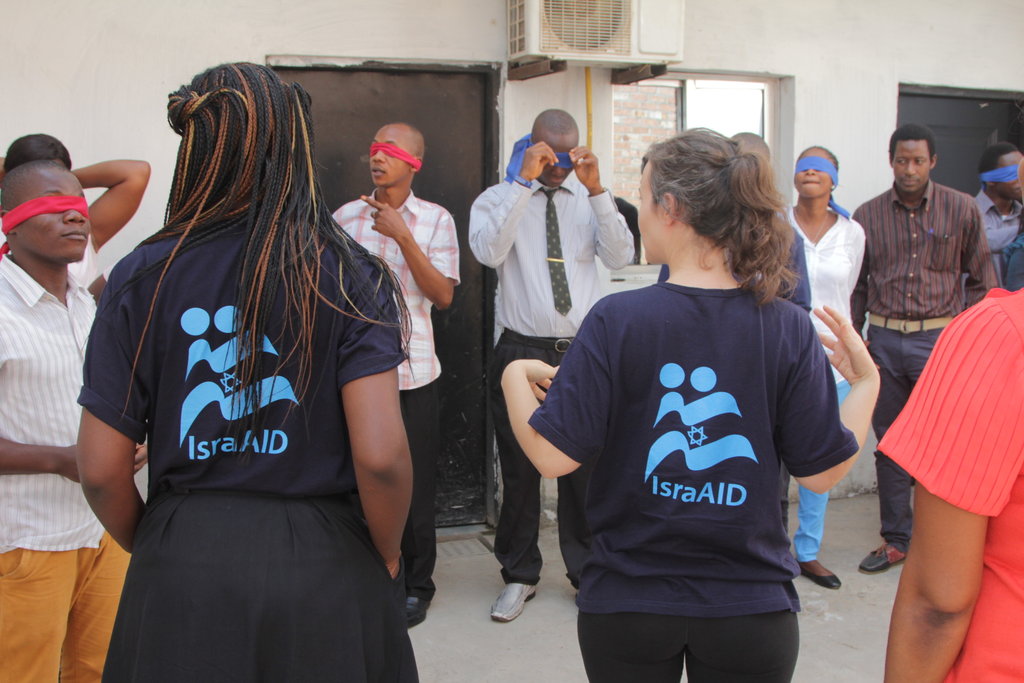
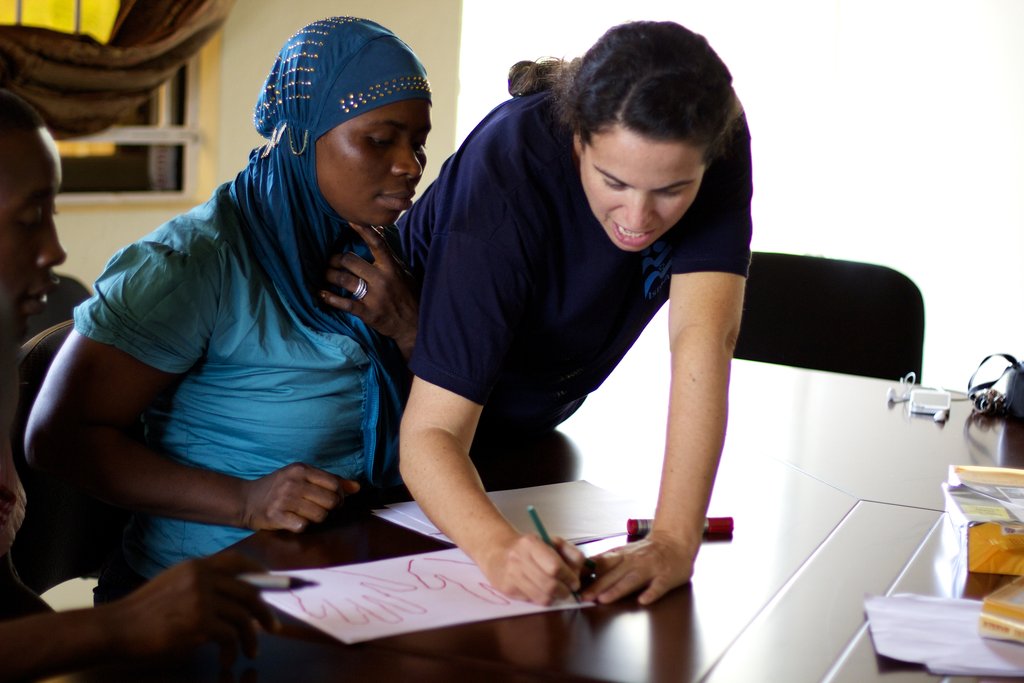
In the 3 weeks following the disaster IsraAID's team rapidly assessed the situation and subsequently designed a response focused primarily on mental health and psycho-social support with health and hygiene promotion messages, construction of sanitation tools and distribution of basic hygiene supplies. IsraAID was able to provide support to Francis and other individuals with the aim of assisting the affected communities to process their grief and experiences and move forward into the recovery phase.
Thank you for supporting IsraAID's work in Sierra Leone!
Project reports on GlobalGiving are posted directly to globalgiving.org by Project Leaders as they are completed, generally every 3-4 months. To protect the integrity of these documents, GlobalGiving does not alter them; therefore you may find some language or formatting issues.
If you donate to this project or have donated to this project, you can receive an email when this project posts a report. You can also subscribe for reports without donating.