By Yotam Polizer | Asia Regional Director
ISRAAID INTEGRATED RESPONSE TO TYPHOON HAIYAN
February 10th, 2014
Leyte, Philippines
Background
On November 8th 2013, the Philippines were devastated by what is being called the most powerful typhoon to have made landfall in modern times. With sustained winds of over 200 kph (peaking at 315 kph), typhoon Haiyan, locally called Yolanda, killed over 6,000 people, injuring more than 27,000 others, displacing approximately 4 million people, and affecting a grand total of 16 million people. 48 hours later, IsraAID's first emergency team left Israel.
PHASE 1: EMERGENCY RESPONSE (NOV-DEC 2013)
Medical Mission
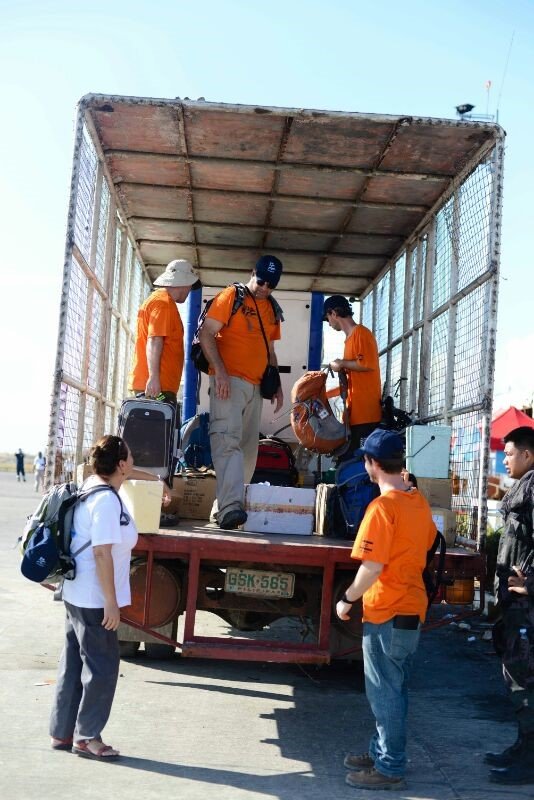
After less than 24 hours spent on preparations and logistics in Cebu (neighboring island), the team travelled to Tacloban city via military plane (C-130) to begin its humanitarian mission. Upon consultation and coordination with municipal and national authorities, as well as OCHA (UN Office for the Coordination of Humanitarian Affairs), the team joined St. Paul's hospital and immediately began treating patients. 3 days later, after seeing hundreds of patients, the team was relieved by a semi-permanent international body, donated their stock of medicine and food/water, and travelled to Ormoc City to consolidate with the arriving second task force, and restock.
Once in Ormoc, at the request of the City Department of Health (CDH), and in coordination with the World Health Organization (WHO), IsraAID adopted the district of Ipil (population 29,571). There, together with the local health personnel (approximately 100), the organization developed a new model for the symbiotic and synergetic combination of international medical teams into the local health infrastructure. This new system was highly successful, earning the commendation of the US government liaison and the WHO, and the subsequent addition of the city's most populous district - Cogon (population 44,596). Within these two districts, IsraAID is providing daily support to local health centers and running mobile health clinics, together with American, German, and Filipino medical volunteers and partners. In addition, the organization was also donated portable water filters and over 1 ton of medical supplies by supporting international organizations, rebuilt the roof of the Ipil District Health Center (DHC), and is in the process of rebuilding the roof of the San Antonio health station and daycare center.
Finally, to help meet the urgent medical needs of some of Ormoc's neighboring municipalities, IsraAID is also organizing 1-2 day weekly mobile clinics in villages from Kananga and Albuera municipalities.
Altogether, since arriving in Ormoc on November 16th, IsraAID treated over 5,000 patients, and provided Tacloban, Ormoc, Kananga, and Albuera municipalities with over 2 tons of medical supplies. In line with the request of the Ormoc CDH, IsraAID provided medical support (both supplies and human resources) until December 31st 2013 and then donated all the remaining supplies to 3 local hospitals and 2 clinics.
Total direct beneficiaries: approx. 5,000
Total indirect beneficiaries: over 30,000 through treatment and the provision of medical supplies
Food and Emergency Relief Distribution
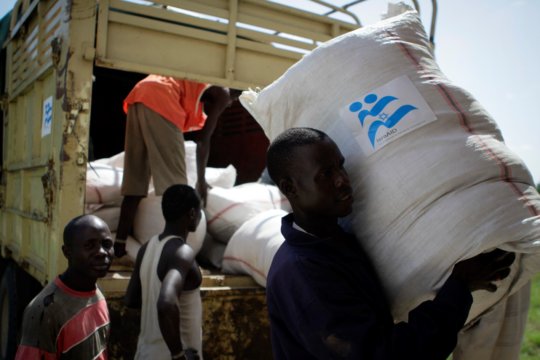
During the beginning of operations in Ipil, it was brought to our attention that in 8 days since the disaster, the local impoverished population had only received 1.5kg of rice per family, creating an urgent and desperate humanitarian crisis. As a result, in partnership with the Shai Fund, IsraAID provided nearly 2,000 families with food packages and emergency supplies. These were coordinated with the local City Social Welfare Department (CWSD) who advised focusing on vulnerable families - those with senior citizens and children under five.
Total beneficiaries: approx. 9,000
Mental Health and Psycho-Social Services
At the same time, and at the request of the Ormoc CDH, IsraAID has taken the lead on Mental Health and Psycho-Social Services (MHPSS), conducting stress-debriefing sessions for 821 teachers, Philippines National Police (PNP) members, the local rescue team, and health workers. In addition, in close cooperation with the municipal coordinator on MHPSS issues, IsraAID began building a 1-year post-trauma training course for local professionals.
PHASE 2: INTEGRATED RECOVERY AND LONG-TERM DEVELOPMENT (JAN-DEC 2014)
Mental Health and Psycho-Social Services
In partnership with Omroc City health department, IsraAID is leading a MHPSS program which provides support and capacity building for targeted groups that are either first responders or that service large pockets of population (namely teachers, health workers, community volunteers and social welfare staff). The program aims to promote the resilience and wellbeing of families through the provision of post and preventive emergency psycho- social services in Ormoc. The program will achieve this goal through the following main objectives:
This 12-month program is being implemented in two phases:
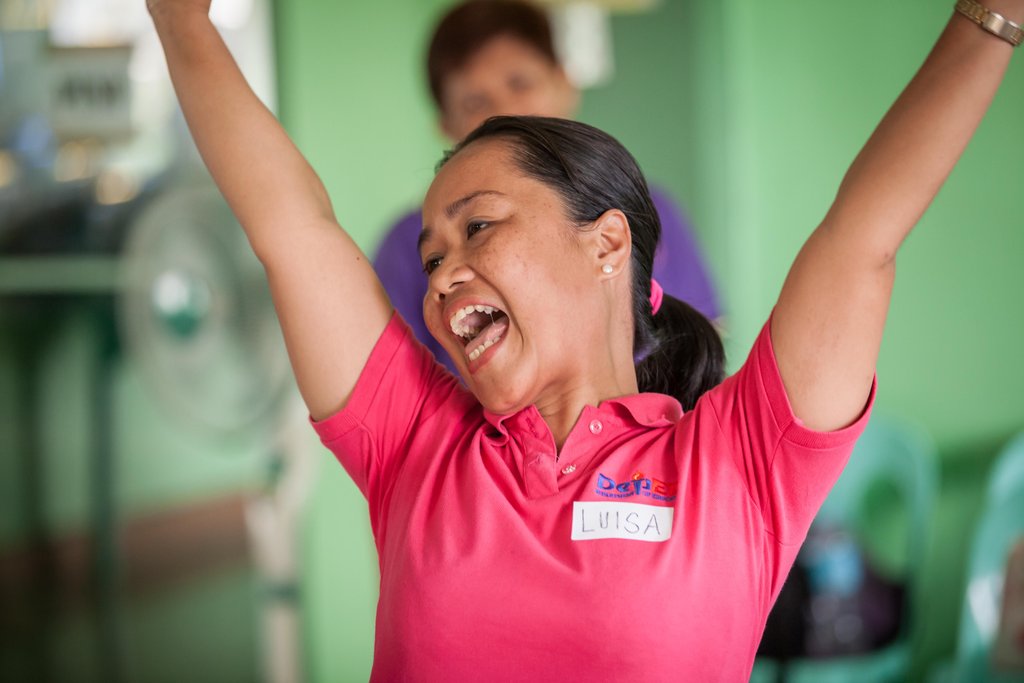
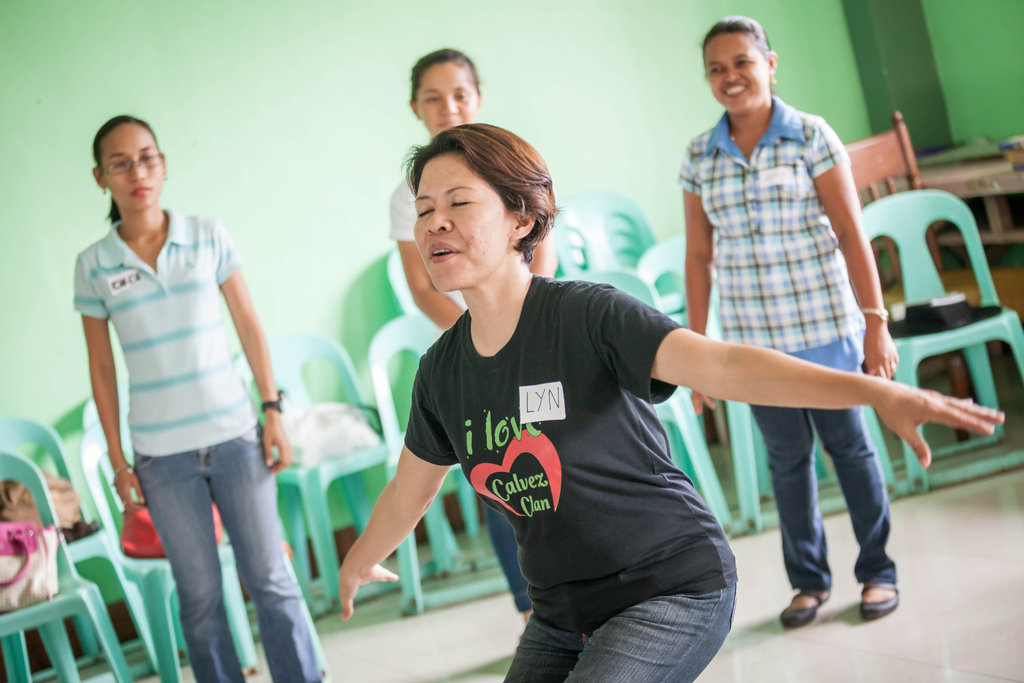
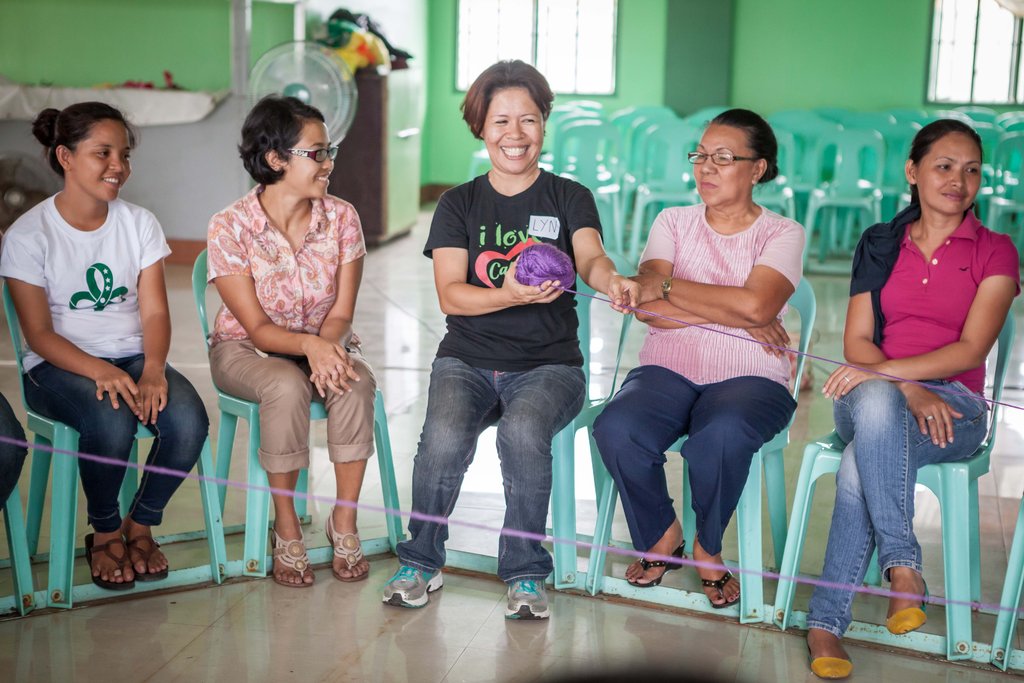
Phase I (January- June) - As a first stage a core team consisting of 20 professional from various departments was established (education, health and social welfare workers). IsraAID senior expressive art therapists provided Training-Of-Trainers (TOT) for this team covering theoretical and practical tools that will enable them to provide basic psycho-social support.
This core team will then become the city’s main trainers of MHPSS and organize 10 additional 2-week long training seminars for 300 teachers, pedagogues, community volunteers, and health/social welfare workers from their respective locations throughout all 6 of Ormoc’s health districts. Furthermore, they are expected to supervise, coordinate and support their trainees.
This phase is intended to equip a large segment of the community with the basic knowledge and skills to understand trauma and respond more effectively to people’s reactions to crisis and disasters.
Phase II (Months June-December) – This segment will provide selected professionals with advanced in-depth expressive arts-based interventions to respond to family needs in their recovery processes. Providing clinical counselling to families - not only individuals, will increase stability and improve care for all members. It helps parents feel confident and secure in their caregiving, which in turn improves children’s psycho-social well-being. This phase includes practicum on the job training and on-going supervision from IsraAID’s highly experienced therapists, designed to provide extensive family counselling skills.
This model is an essential tool for building sustainable local capacity that will not only help families in their on-going recovery from the Typhoon, but also develop skills that will serve communities in future disasters.
Based on IsraAID’s experience from previous projects, this program will have a strong focus on expressive arts therapy techniques. Using the arts as educational and therapeutic tools is based on the understanding that creativity allows the individual to create a unique dialogue between his inner world and the reality around him. Utilizing the arts helps individuals deal with difficulties and social, developmental, emotional, and cognitive developments by combining verbal expression with non-verbal techniques.
Total direct beneficiaries: 315
Total indirect beneficiaries: Over 25,000 through trainings and direct support
From January to date the following milestones were achieved:
The training of trainer’s workshop took place from 7th -24th January 2014 in Ormoc. The TOT was the first stage of several activities streamlined as part of the implementation of MHPSS project. TOT participants, namely the “core team” consisted of 17 professionals from various departments (education, health and social welfare workers).
The main objectives of the 12 day process were to increase participants’ understanding of basic disaster and trauma related psycho-social concepts and strengthen their facilitation skills as well as capability to apply expressive art based techniques of psycho-social care. The overall approach was “learning through experience” and therefore an additional cross cutting objective was to provide participants themselves with a safe space to process their own disaster/ crisis related experiences
Both verbal and written evaluations undertaken at the end of the workshop pointed to the achievement of the objectives of the workshop. The findings and feedback from this training will be incorporated into the overall training package to improve the training delivery in future trainings. The following chart provides the results of that evaluation
Participants were asked to rank each questions from 1 to 5 (1 = objective not met and 5 = Objective met). The above chart shows the average rankings of 4 questions.
The next round of training, facilitated by core team members which will be supported and supervised by IsraAID therapists will start on February 11th and will include 30 participants.
Project reports on GlobalGiving are posted directly to globalgiving.org by Project Leaders as they are completed, generally every 3-4 months. To protect the integrity of these documents, GlobalGiving does not alter them; therefore you may find some language or formatting issues.
If you donate to this project or have donated to this project, you can receive an email when this project posts a report. You can also subscribe for reports without donating.