By Cooperacion Comunitaria AC | Responsible of communication
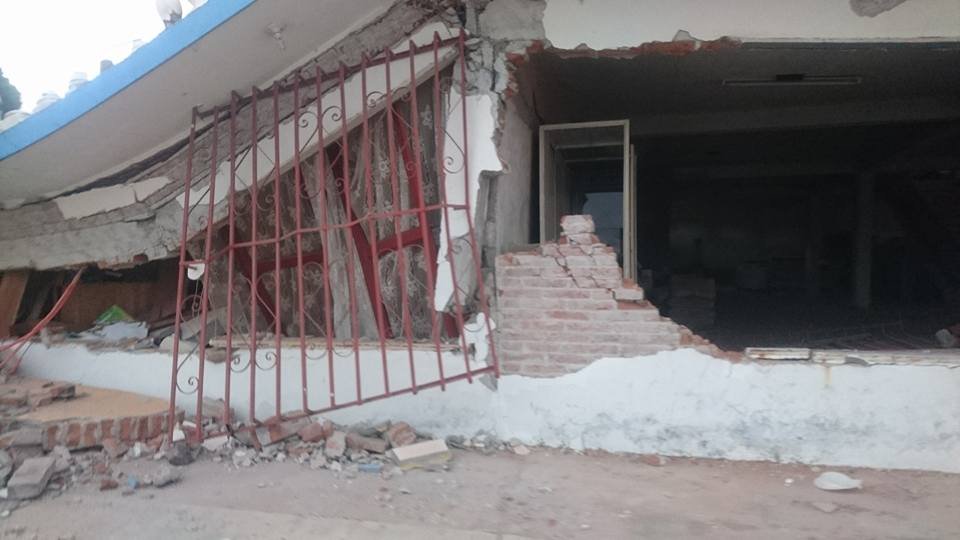
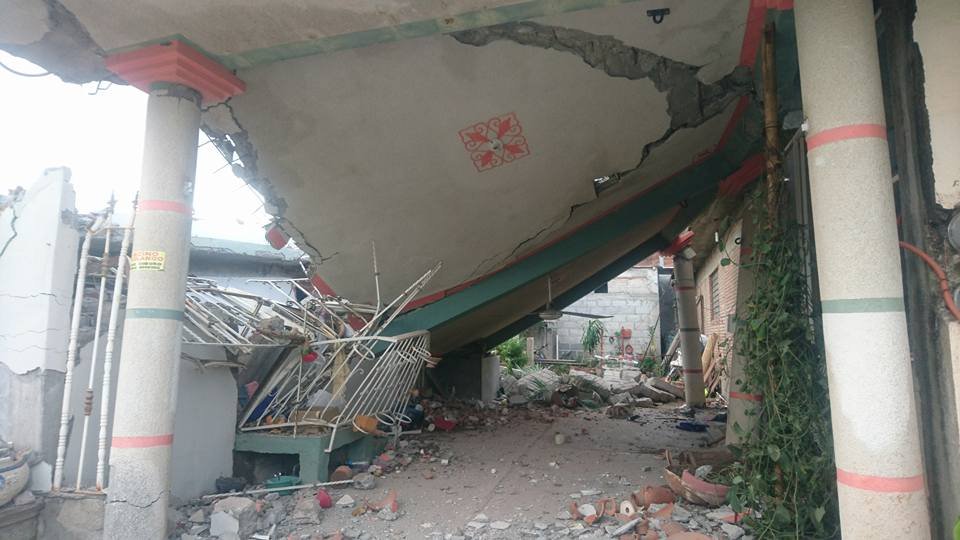
When we arrived to Oaxaca, after the earthquakes in September 2017, we developed the Comprehensive and Social Habitat Reconstruction project along with different communities in the Isthmus of Tehuantepec region.
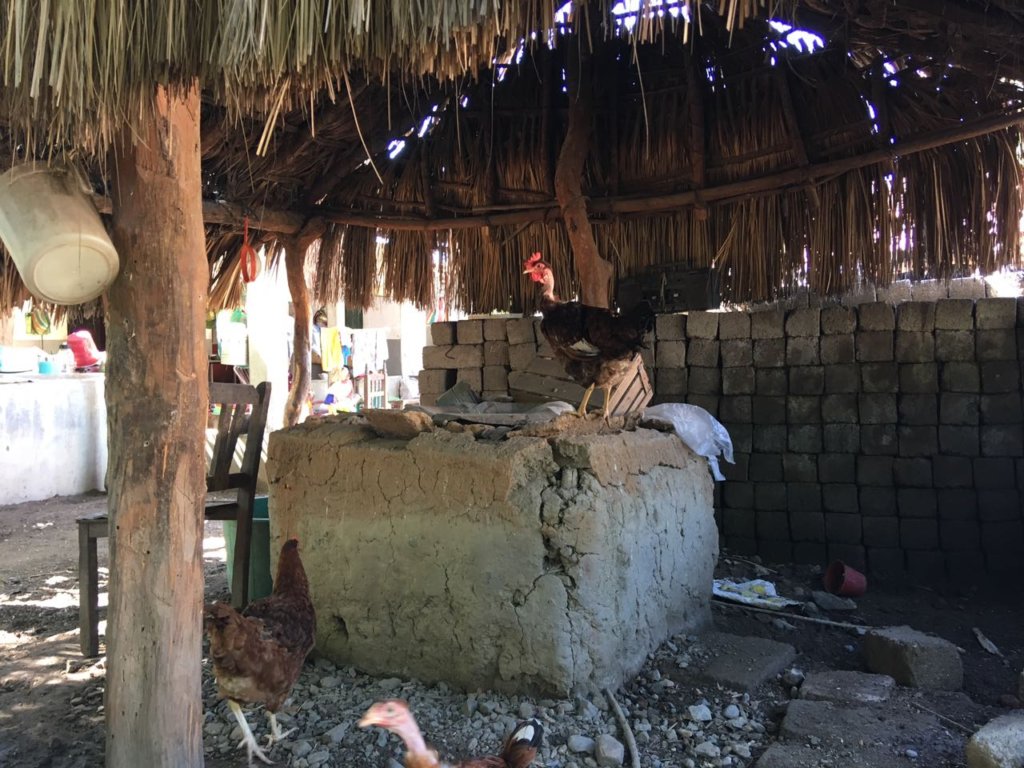
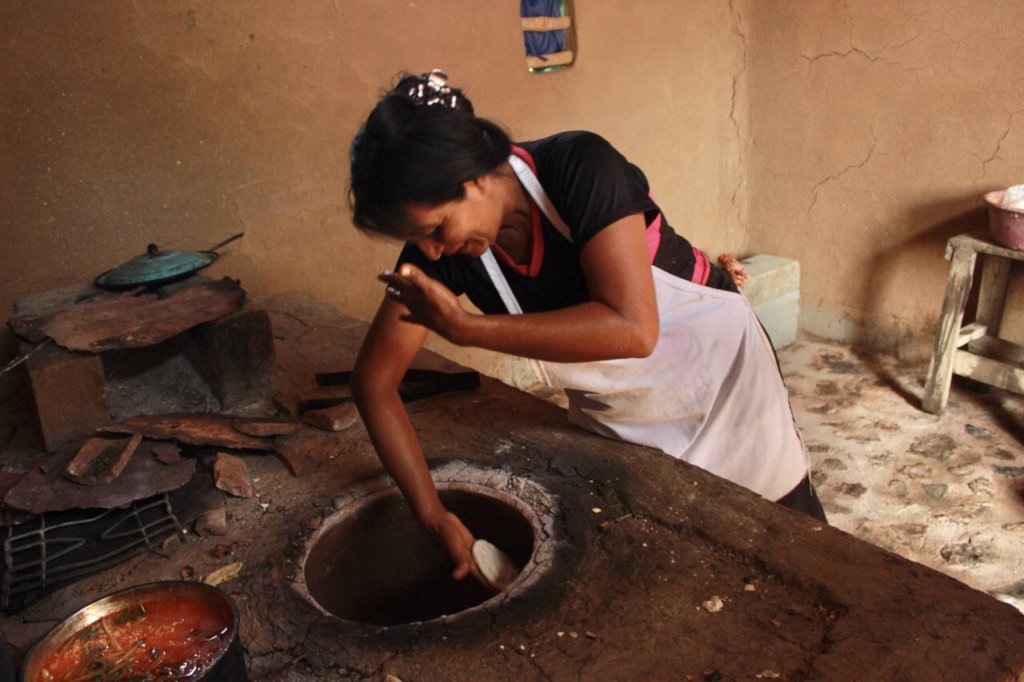
As a result of the first phase of diagnoses, we decided to focus on the construction of the bases of comixcal ovens, used to produce a kind of tortilla toast called totopos, which is one of the main economic activities of the women in the region.
This way, we seek to contribute to the reactivation of local economy, while the process of housing reconstruction advances, as well as the construction of the first Center of Arts and Crafts (CAC or CAO, in the Spanish abbreviation) in Ciudad Ixtepec.
Strengthening productive activities
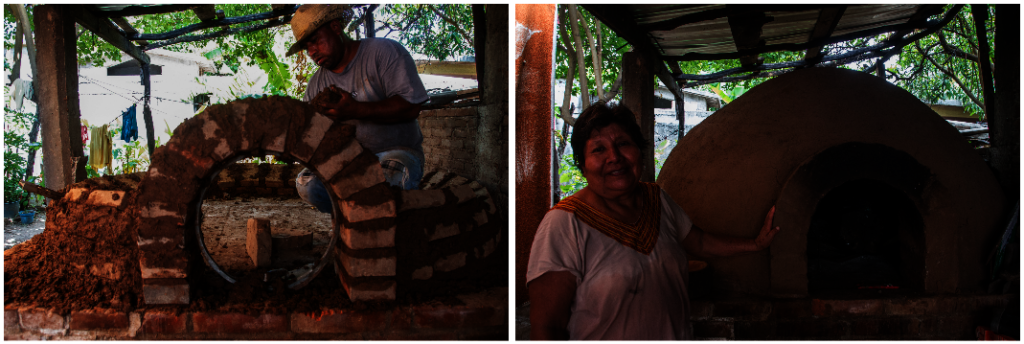
As part of this need to strengthen local productive activities that collapsed due to the earthquakes, we also proposed to build 34 bread traditional ovens, used for self-consumption as much as for commerce. In july, we started with ten people who have a wood shed where the constructive process wouldn’t be affected by the rainy season. Until now, three bread ovens have been finished.
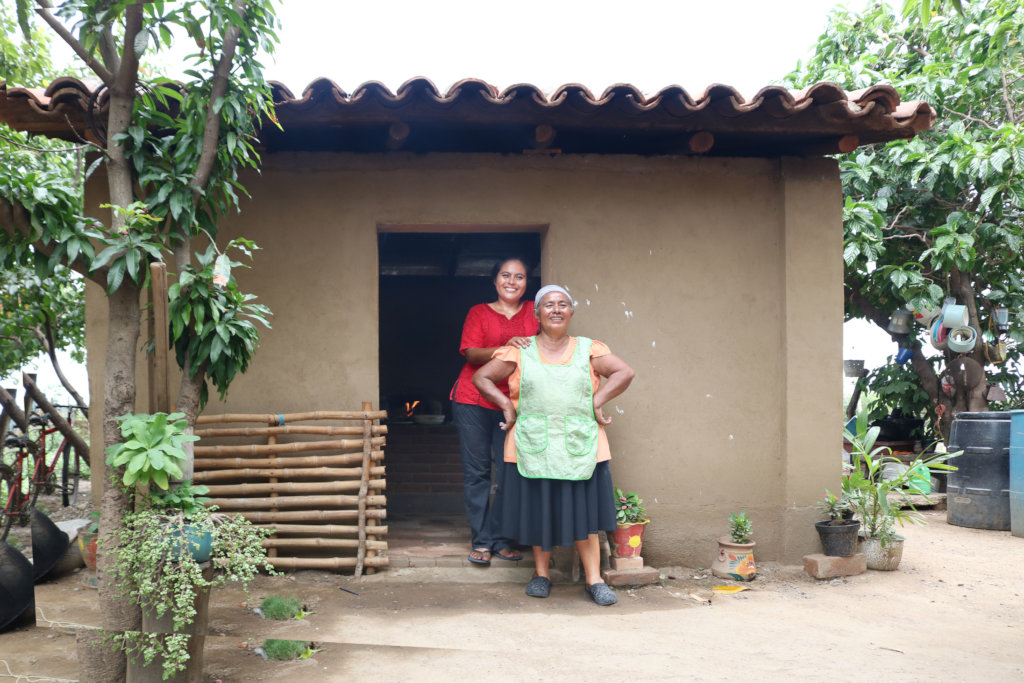
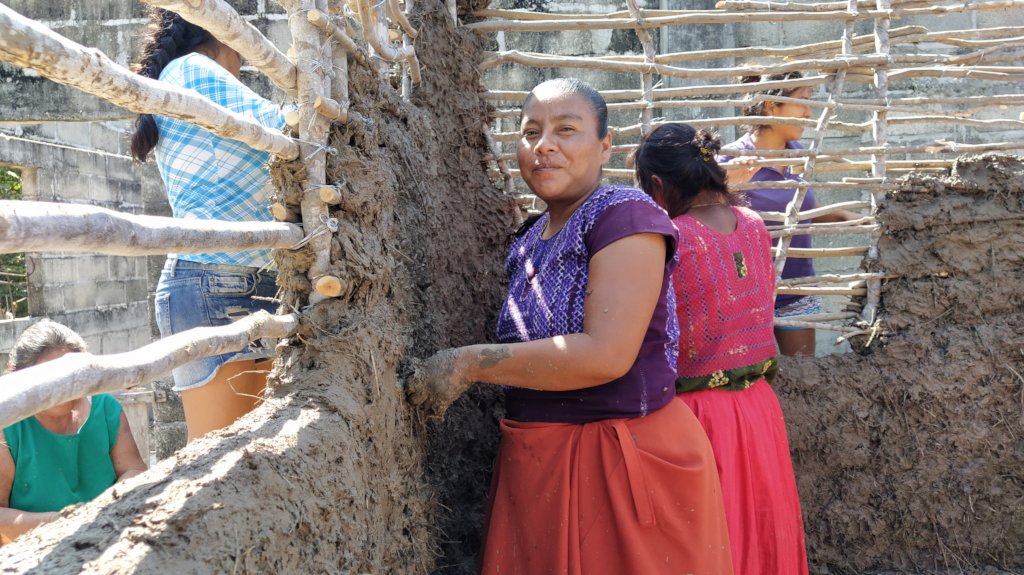
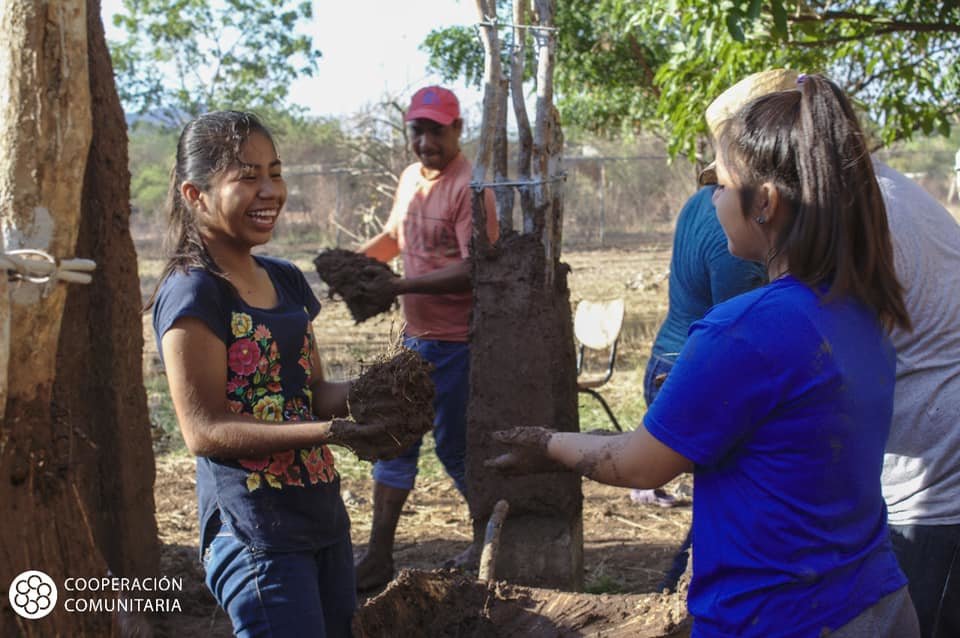
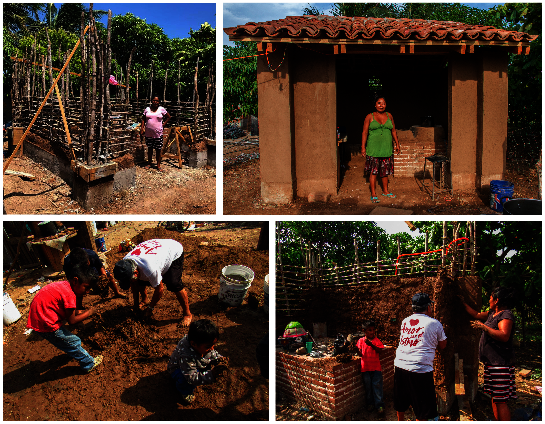
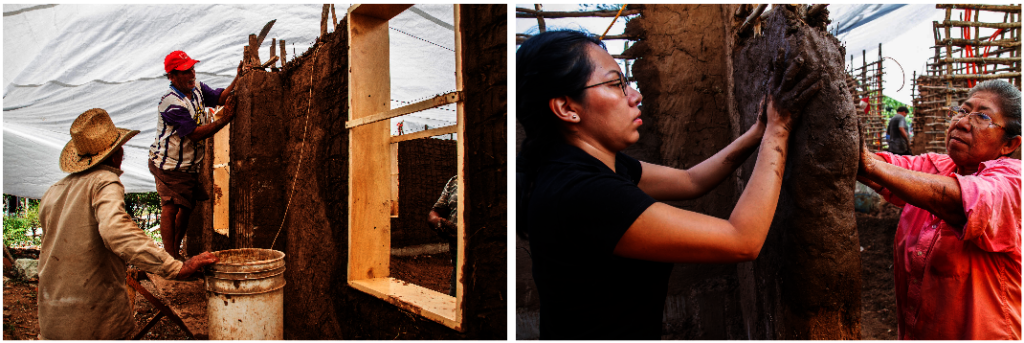
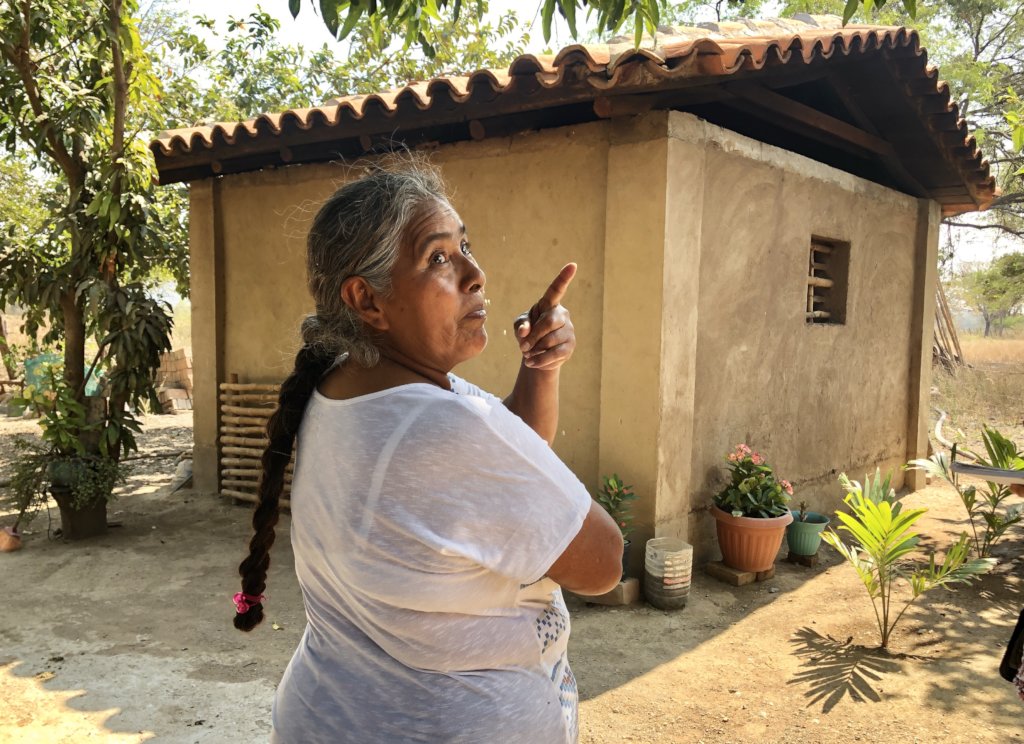
At the same time, we started the construction of kitchens, a productive and family space used mostly by women. The first one was concluded with Venancia and her family, process that served as a hands-on workshop for other women to contribute to the construction by preparing the mud to fill into the walls, and to learn the constructive technique in practice, since they have already observed the process in the CAC construction. This working dynamic constitutes the second school-kitchen done in the region, since the first one was built in the municipality of San Francisco del Mar in the beginning of 2018.
All of this has resulted from a second phase of diagnoses, developed in May, when we could identify that, although most of the kitchens in Ixtepec are still affected, some of them have been rebuilt with perishable or industrial materials, which increase thermal sensation inside, in temperatures that raise up to 45 degrees Celsius, and their structures are not safe, so women lack of a secure and appropriate space.
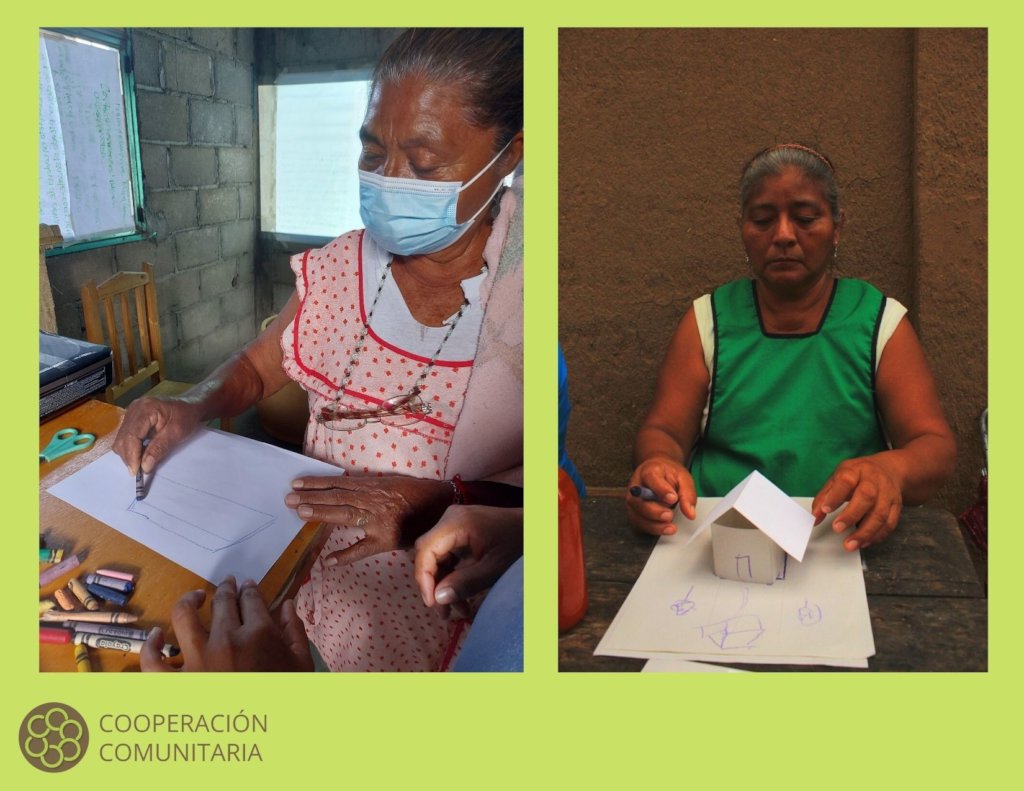
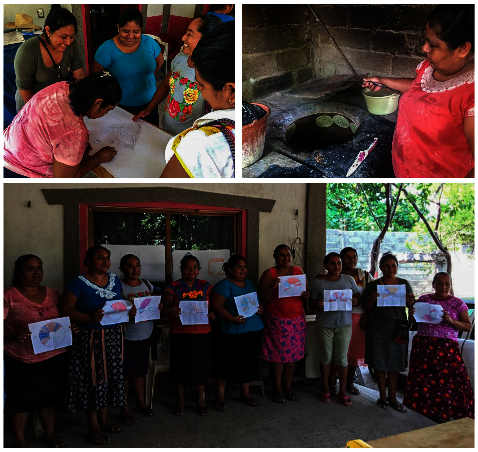
After this, we implemented workshops of collaborative design in Ciudad Ixtepec, but also at the municipalities of Niltepec and Santa María Xadani, where participants proposed the materials and shape needed for the kitchens to be fresh, ventilated and comfortable. At the end, they decided to build with mud, a tile roof and bricks for the floor.
This is how we started working with 42 women in Ixtepec and Niltepec that are willing to do collaborative work in the construction of their own kitchen, as well as supporting others’ building process. Besides, 22 women in Santa María Xadani will participate in the reconstruction of traditional comixcal ovens.
Traditional techniques to diminish deforestation
Along with the people involved in the project, we decided to use the technique of bahareque cerén for kitchens and the CAC, since it recovers the tradition of building with wood and earth. In this case, the use of trunks (from young trees) is substituted with sticks, which contributes to diminish the severe deforestation in the region —that we identified throughout the project— since it only requires trimming, instead of cutting down the whole tree.
This technique comes from El Salvador, and its resistance to earthquakes has been proven in different regions of Latin America, so it has been adapted by the technical team of Cooperación Comunitaria AC to resist the meteorological conditions of the Isthmus.
In the Center of Arts and Crafts, we have led several workshops with voluntaries from different parts of the country, and people from the community, so they can learn the reinforced technique of bahareque cerén (a framework of wooden rods with a stone base, covered with mud and a tile roof) and contribute to the construction.
Advancement in the housing reconstruction
In the case of housing reconstruction, our team led 30 structure reinforcements —from 44 planned— that provide resistance against the strong earthquakes and winds in the region. Also, from 18 constructions of traditional houses proposed, 7 are already in the roofing process to be concluded.
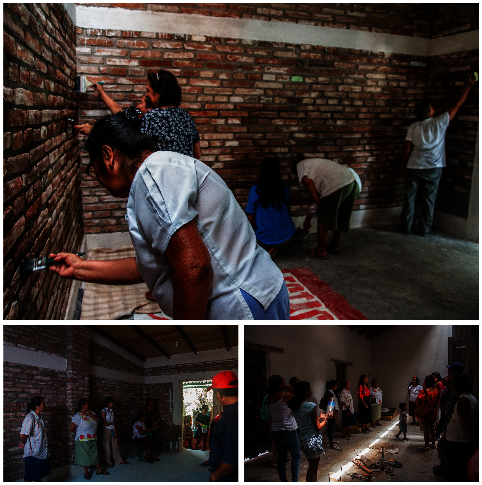
As part of this process, many activities of mutual help have been developed with the participants of the project to support the building advance of each others' houses, such as making natural paint and sealer for the bricks and walls. We also visited the finished houses for each family to share their experience during the process, and for others who haven’t finished to solve their concerns.
Project reports on GlobalGiving are posted directly to globalgiving.org by Project Leaders as they are completed, generally every 3-4 months. To protect the integrity of these documents, GlobalGiving does not alter them; therefore you may find some language or formatting issues.
If you donate to this project or have donated to this project, you can receive an email when this project posts a report. You can also subscribe for reports without donating.