By Tom Webber | U.S. Development Director
Types of BWF Water Projects
Bridgit Water Foundation (BWF) raises funds to design and construct sustainable water projects in the developing world. Because geography, access, geology, and community needs vary widely, BWF implements several proven types of water projects. Each project type is selected to maximize reliability, cost-effectiveness, and long-term benefit for communities experiencing water scarcity. This report outlines the primary water technologies and applications used by BWF.
1.0 Drilled Well Technologies
1.1 Truck-Mounted Drilling Rigs
The location and geology of a project site largely determine the type of drilling technology used. In countries such as India, truck-mounted drilling rigs are the most cost-effective option and are therefore used almost exclusively. These rigs can drill intermediate to deep boreholes efficiently, particularly in favorable geological conditions.
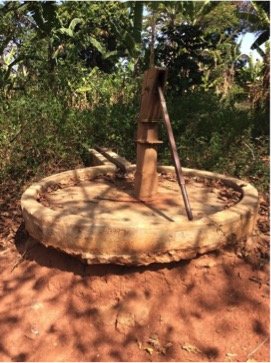
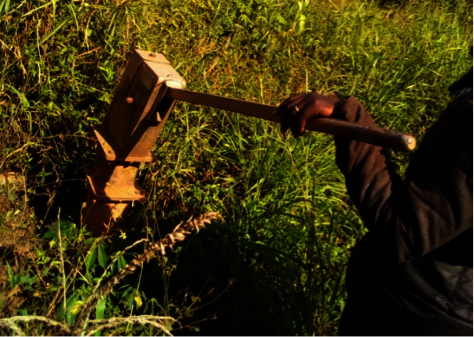
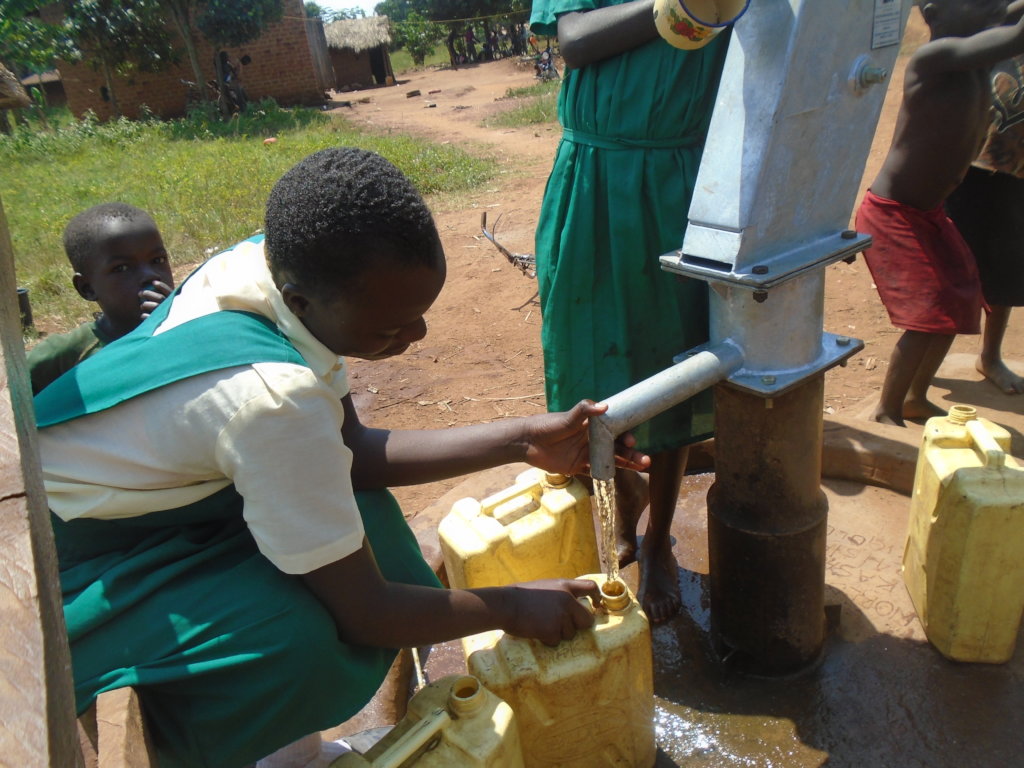
Truck-mounted rigs can access most project sites via existing roads, although some remote or difficult locations may be inaccessible. Wells drilled using this method are typically fitted with durable, hand-operated pumps that are appropriate for rural communities and can be maintained locally.
1.2 Hand-Turned Drilling Rigs (Village Drill)
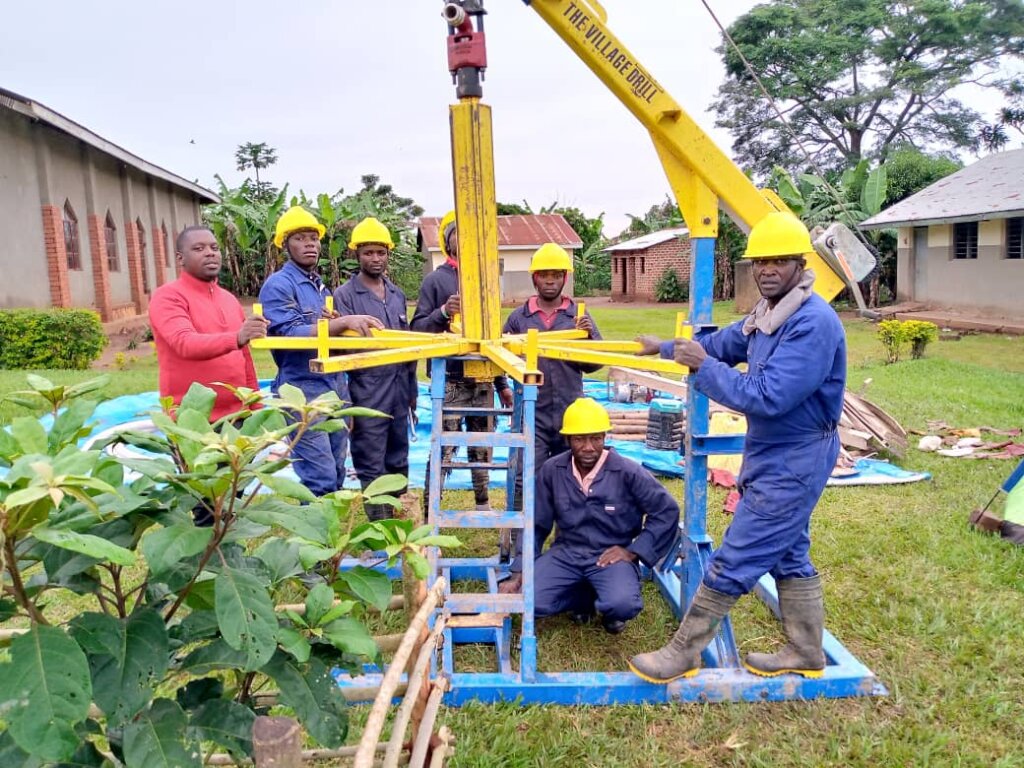
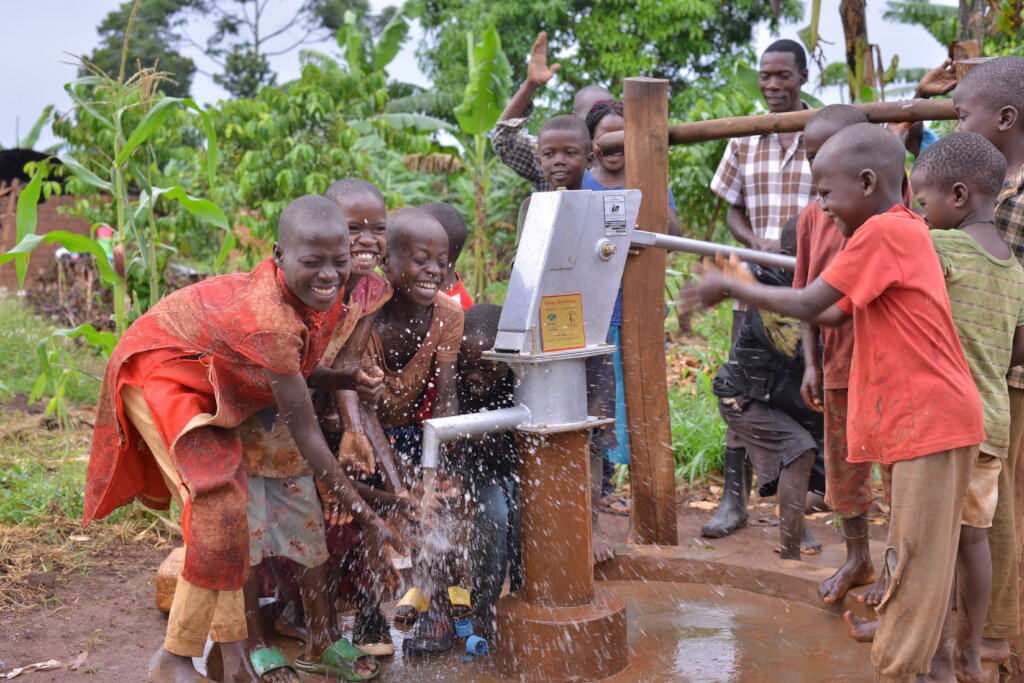
Hand-turned drilling rigs, commonly referred to as the Village Drill, are an appropriate technology for many settings, particularly in Uganda. The rig can be transported on the back of a pickup truck and carried to sites that are inaccessible to heavy machinery.
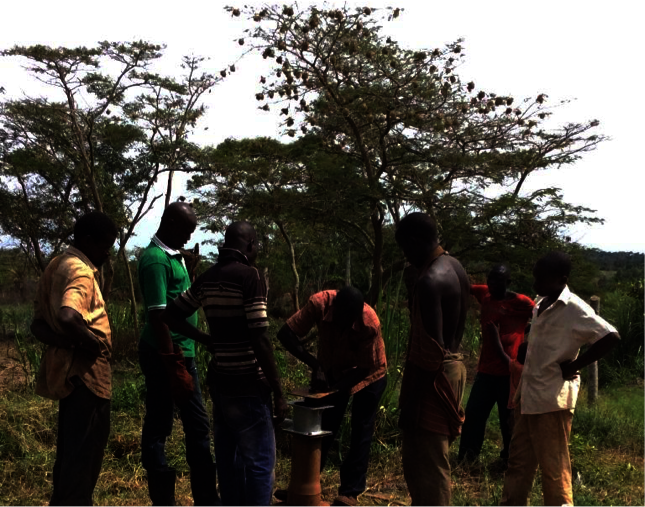
The drilling process uses a trained team of workers who manually rotate the drill string. Despite its simplicity, this method is efficient, reliable, and highly cost-effective for suitable soil conditions. Because of these advantages, the Village Drill is currently the preferred method for drilling new wells in Uganda. As with truck-mounted rigs, these wells are generally equipped with hand-operated pumps.
2.0 Refurbished Wells
The metal components of water wells typically last 10–20 years, depending on usage levels and the mineral content of the water. Over time, galvanized iron (GI) pipes and pump mechanisms deteriorate and must be replaced.
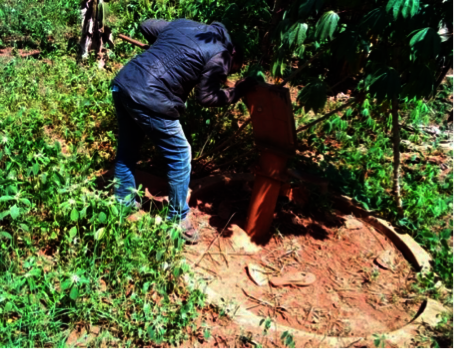
Refurbishing existing wells is significantly less expensive than constructing new wells because drilling is not required. BWF’s experienced teams can rehabilitate a non-functional well in just a few days by:
Refurbishment is often the most cost-effective way to restore access to safe, clean water for a community, extending the life of existing infrastructure while minimizing cost and environmental impact.
3.0 Applications of BWF Water Projects
3.1 Villages
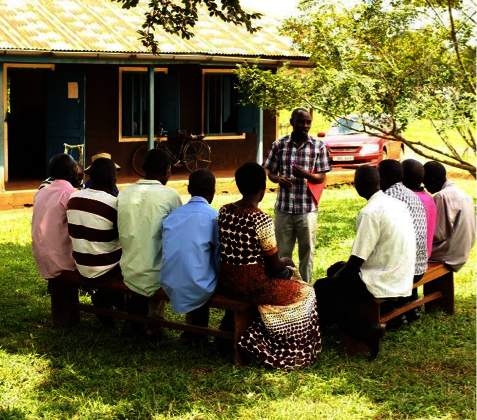
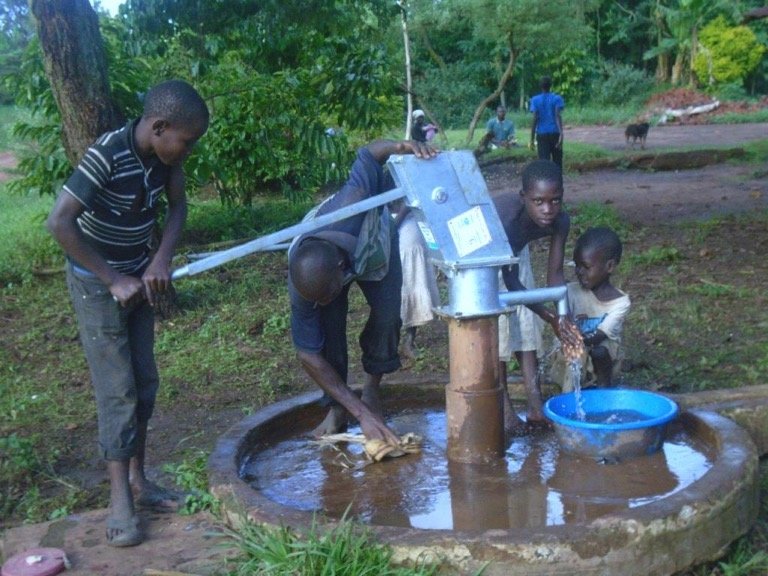
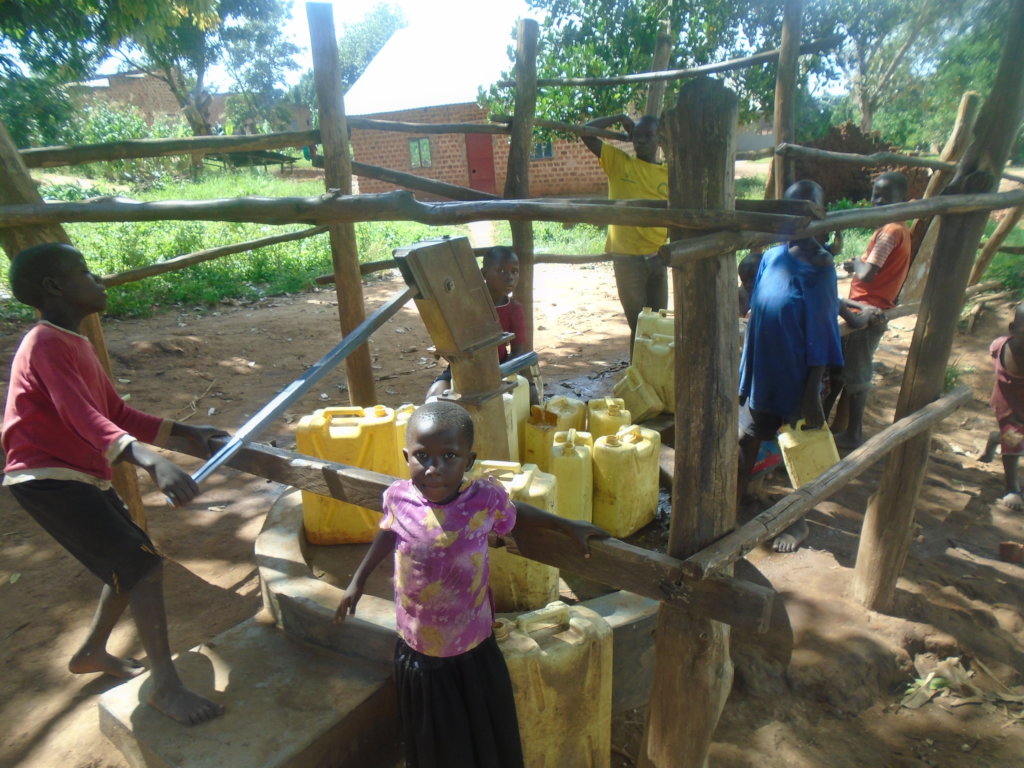
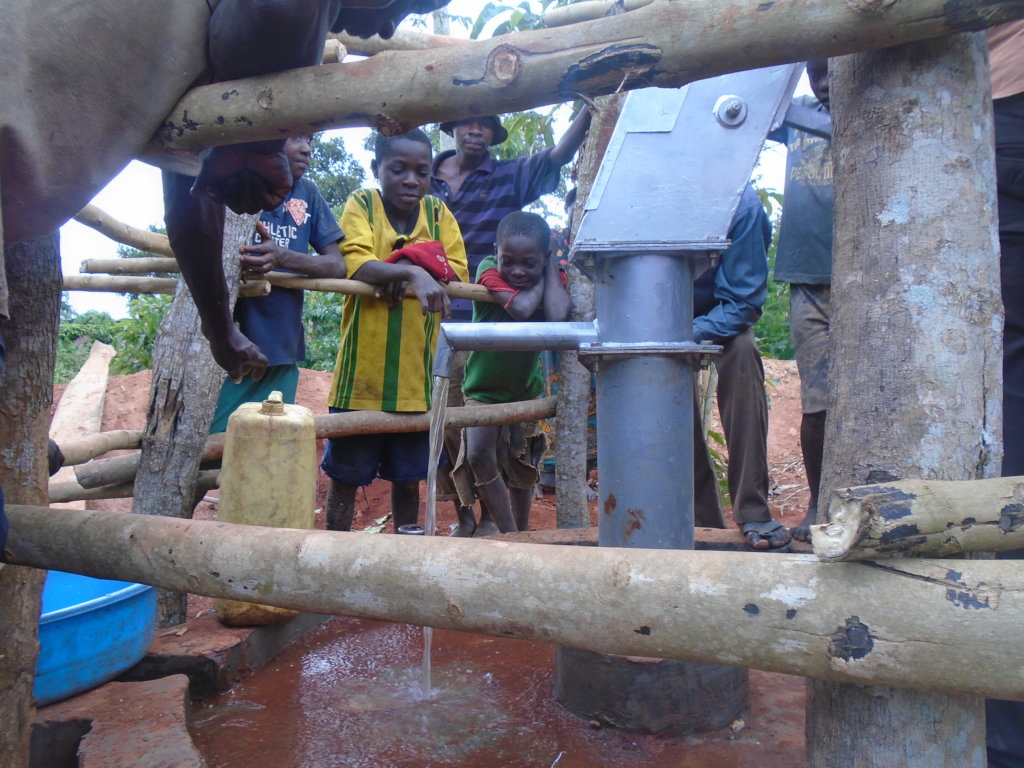
Most people in rural areas of the developing world live in villages, making village wells the most common application of BWF water projects. Wherever possible, BWF sites wells centrally so that households can access safe water within 500 meters of their homes. This reduces the time and physical burden of water collection, particularly for women and children.
3.2 Schools
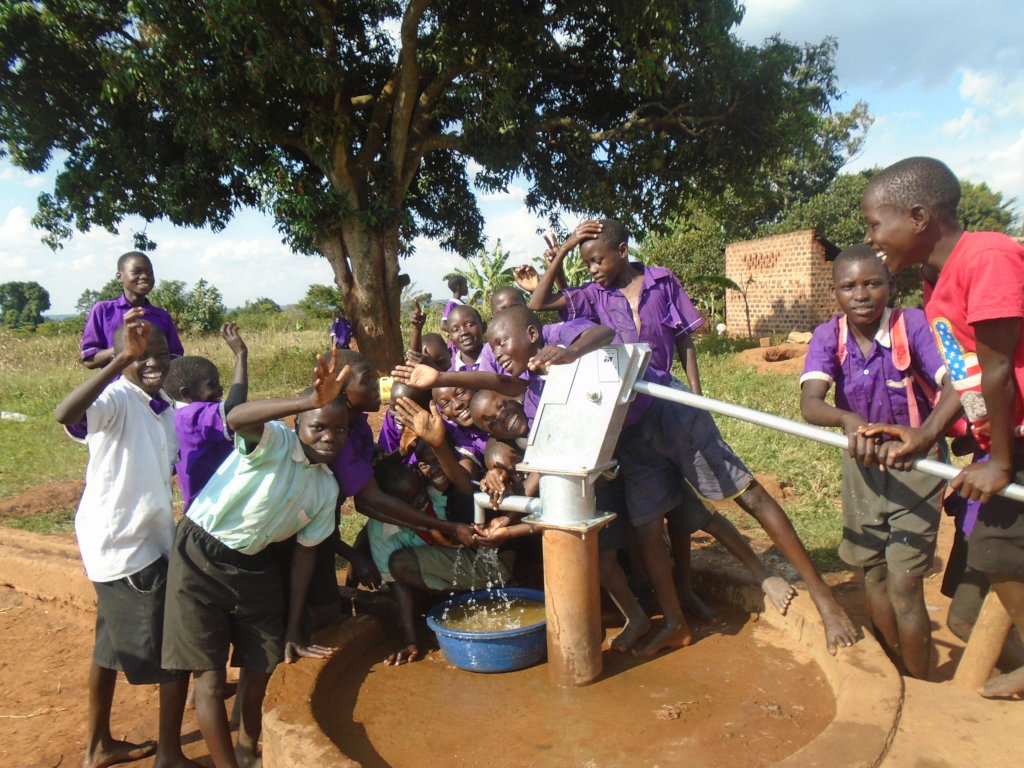
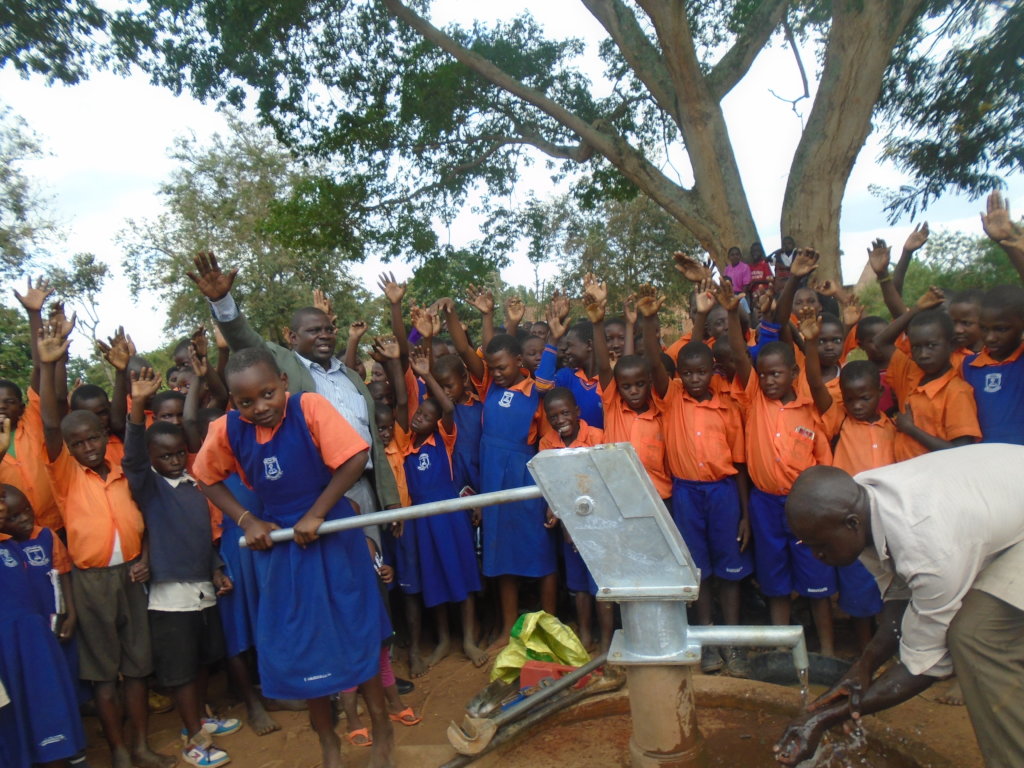
Locating wells at schools allows students to spend their time learning rather than walking long distances to collect water. Because schools are generally located near students’ homes, these wells also provide clean water access to surrounding families, extending the project’s benefits beyond the school population.
3.3 Conservation Areas
BWF supports wildlife conservation by providing water to communities living near protected habitats. In western Uganda, a chimpanzee conservation project supplies water to villages near chimpanzee habitats, reducing the need for villagers to enter protected areas in search of water.
Similarly, BWF’s elephant conservation project in Malawi provides fresh water to communities surrounding the Nkhotakota Wildlife Reserve. By meeting water needs within villages, these projects reduce human-wildlife conflict while supporting both conservation goals and community well-being.
3.4 Health Centers
Regional health centers in rural Uganda serve large populations but often lack reliable access to clean water. In some cases, expectant mothers and healthcare workers must walk several kilometers to collect unsafe water for medical procedures.
BWF wells installed at health centers dramatically improve sanitation, hygiene, and patient care. Some of these facilities are equipped with solar-powered pumps, which, while more expensive than hand-operated pumps, provide a reliable water supply and significant benefits for high-use healthcare environments.
Links:
Project reports on GlobalGiving are posted directly to globalgiving.org by Project Leaders as they are completed, generally every 3-4 months. To protect the integrity of these documents, GlobalGiving does not alter them; therefore you may find some language or formatting issues.
If you donate to this project or have donated to this project, you can receive an email when this project posts a report. You can also subscribe for reports without donating.



Support this important cause by creating a personalized fundraising page.
Start a Fundraiser