By Ruth Nakalembe | Program Officer
1. Introduction
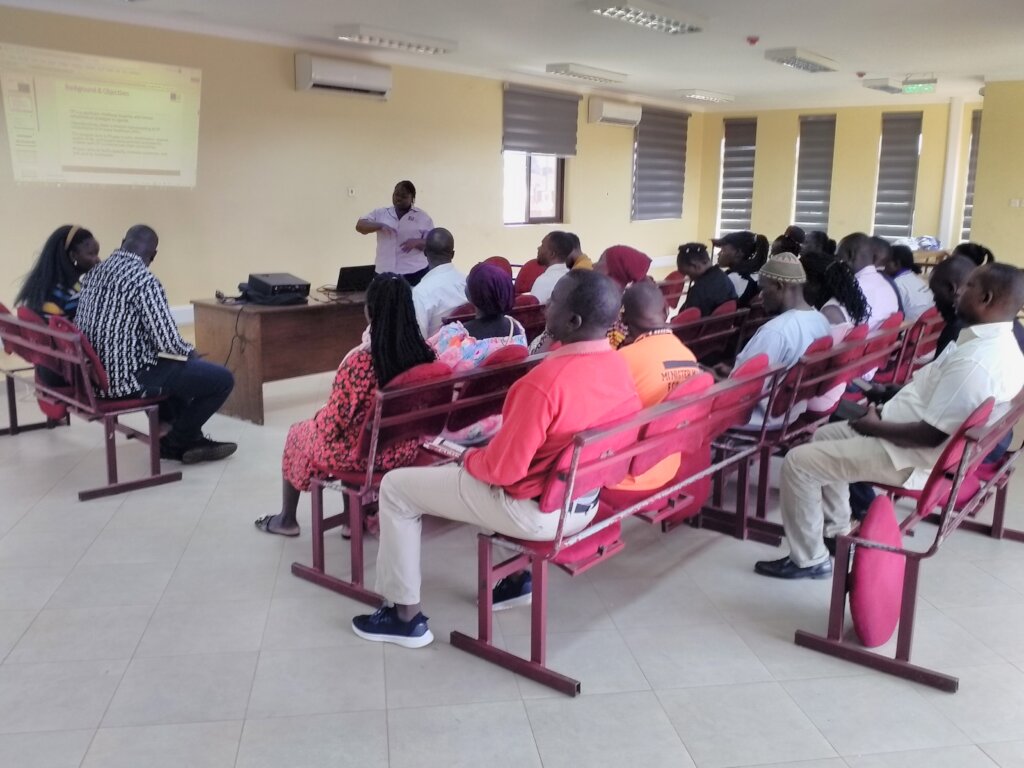
On 26th February 2025 a sensitization meeting was conducted for local leaders to raise awareness about Cerebral Palsy (CP) rehabilitation services and their role in supporting affected families.
1.1 Opening Remarks
The meeting was officially opened by the CFU Administrator, who represented the Executive Director (ED), who welcomed the local leaders to CFU and provided a brief introduction to the organization, including:
The mission and vision of CFU
The services offered at the medical center
The importance of community partnerships in supporting children with cerebral palsy
1.3 Objectives of Senstiztion meeting
The key objectives of the sensitization meeting were to:
Increase local leaders’ awareness and understanding of Cerebral Palsy (CP) and its impact on children and their families.
Share available rehabilitation services and how families can access them.
Address common misconceptions and stigma associated with CP within the community.
Clarify the role of local leaders and VHTs in supporting children with CP and linking families to services.
Promote collaboration between CFU, local leaders, and the community to strengthen inclusive support for children with disabilities.
2. Attendance
A total of 30 participants attended the meeting, including:LC1 and LC2 Chairpersons, Vice Chairpersons, Secretaries for Women Affairs, VHT Coordinators, Youth Leaders,Village Health Teams (VHTs) and Religious Leaders
Participants were drawn from the 10 parishes which included: Makerere 1, Makerere 3, Wandegeya, Bwaise 1, Bwaise 2, Bwaise 3, Kawempe 2, Komamboga, Mpererwe and Kanyanya
3. Key Topics Covered
3.1 Understanding Cerebral Palsy (CP)
3.2 Rehabilitation Services for Children with CP
3.3 Challenges Faced by Children with CP and Their Families
o Some caregivers gave up on seeking help because they felt organizations only took photos of their children without offering tangible support.
o As a result, some caregivers no longer want to engage with CP-related programs.
3.5 Addressing Stigma & Misconceptions
o Families isolate their children, preventing them from getting help.
o Children with CP face discrimination at school and in social spaces.
o Caregivers experience emotional and financial stress.
The Role of Local Leaders in Supporting CP Rehabilitation
3.6 Lessons learnt
5. Recommendations from Local Leaders
Increase community awareness campaigns to reduce stigma.
Train more local leaders and VHTs on CP rehabilitation services.
Introduce income-generating projects to ease caregivers’ financial burden.
Advocate for CP services in local health centers to improve accessibility.
Develop caregiver support groups to sustain engagement and motivation.
7. Conclusion & Call to Action
The meeting successfully raised awareness among local leaders about CP and highlighted the need for realistic caregiver expectations, better communication, and continued engagement.
Call to Action:
Local leaders should actively refer caregivers to CP services using the referral books provided.
Organizations should improve transparency on available support to prevent false expectations.
Project reports on GlobalGiving are posted directly to globalgiving.org by Project Leaders as they are completed, generally every 3-4 months. To protect the integrity of these documents, GlobalGiving does not alter them; therefore you may find some language or formatting issues.
If you donate to this project or have donated to this project, you can receive an email when this project posts a report. You can also subscribe for reports without donating.



Support this important cause by creating a personalized fundraising page.
Start a Fundraiser