By Lior Birger | Germany Psychosocial Project Coordinator
The vast majority of refugees making the journey to Germany are Syrians, fleeing violence and conflict as well as the atrocities of ISIL. More than 55% of Syrians are no longer in their homes, and as funding for refugees in neighboring countries has dwindled, and the situation has become increasingly desperate, a breaking point has been reached, forcing hundreds of thousands to make the treacherous journey to Europe, regardless of the risks.
In the midst of this exodus, European states are completely overwhelmed, and are struggling to deal with the sudden and massive upsurge in the sheer numbers of asylum seekers. Entire families arrive tired, sick, and traumatized, devoid of any belongings, and carrying the burdens and scars of over 4 years of conflict. Organizations are struggling to deal with the flow of asylum seekers, and the stress and trauma of their sheer numbers, and the pain and suffering that they bring with them.
As a result, until a comprehensive solution is found, European states have appealed for aid and expertise to tackle what has been called “Europe’s biggest crisis since World War II”. As such IsraAID has responded offering expertise in psychosocial support, providing specialists who speak Arabic who are able to work with the refugees in their native language.
In the past few months IsraAID has shifted its focus from psychosocial support work inside shelters to different community centers outside the shelters. Outside of the shelters IsraAID has been able to better contribute to the societal and cultural integration of refugees by connecting them to different resources and most importantly, to the people of the communities in which they reside. Along with this shift, IsraAID continued ongoing work in the shelters, providing trainings for staff and volunteers.
Community work outside the shelters
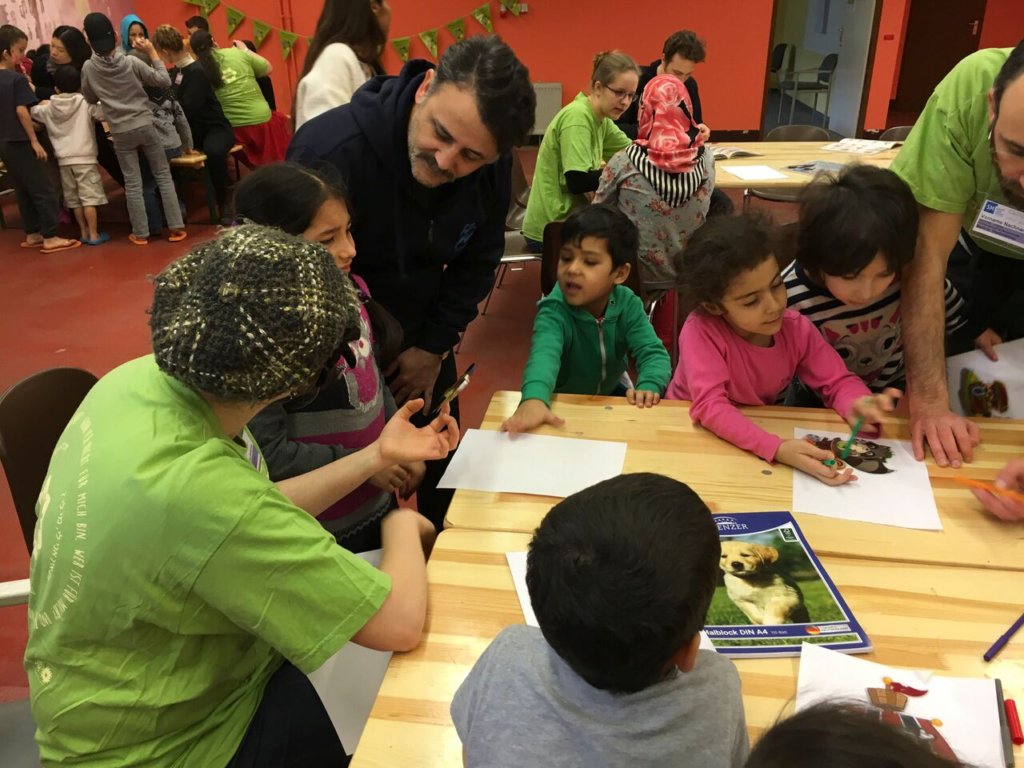
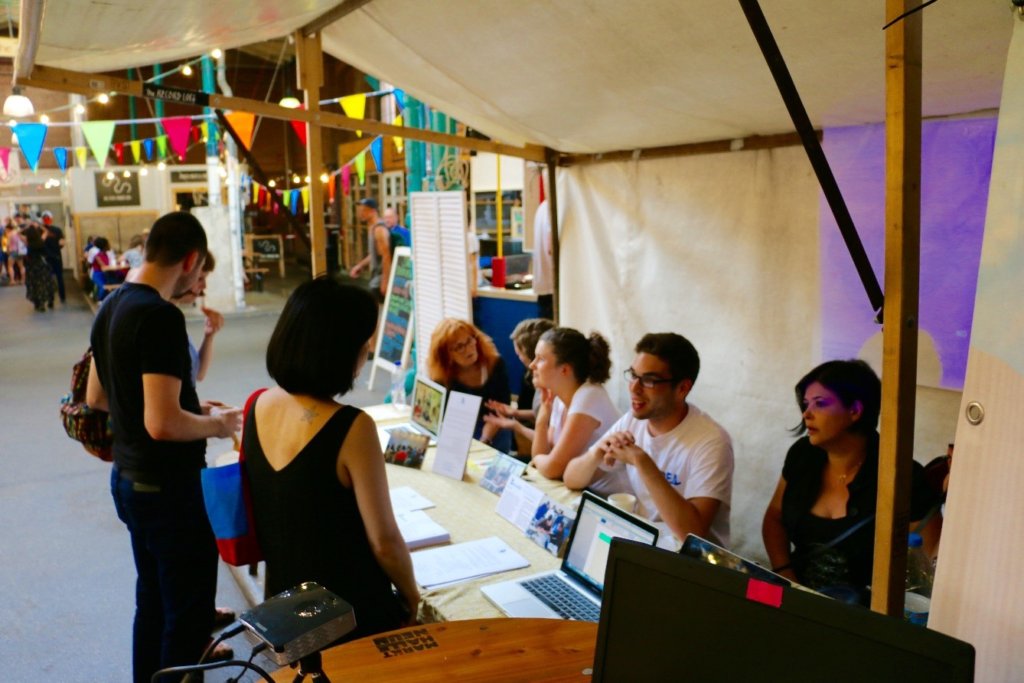
"Magda" youth center (Lichtenberg)- Following a week-long intensive workshops provided by IsraAID in collaboration with Microsoft, IsraAID continued to operate the "Magda" center for refugees once a week, offering workshops in computer skills and writing CVs. The center functions as a safe space for refugees to participate in activities with both volunteers and members of the local Berlin community.
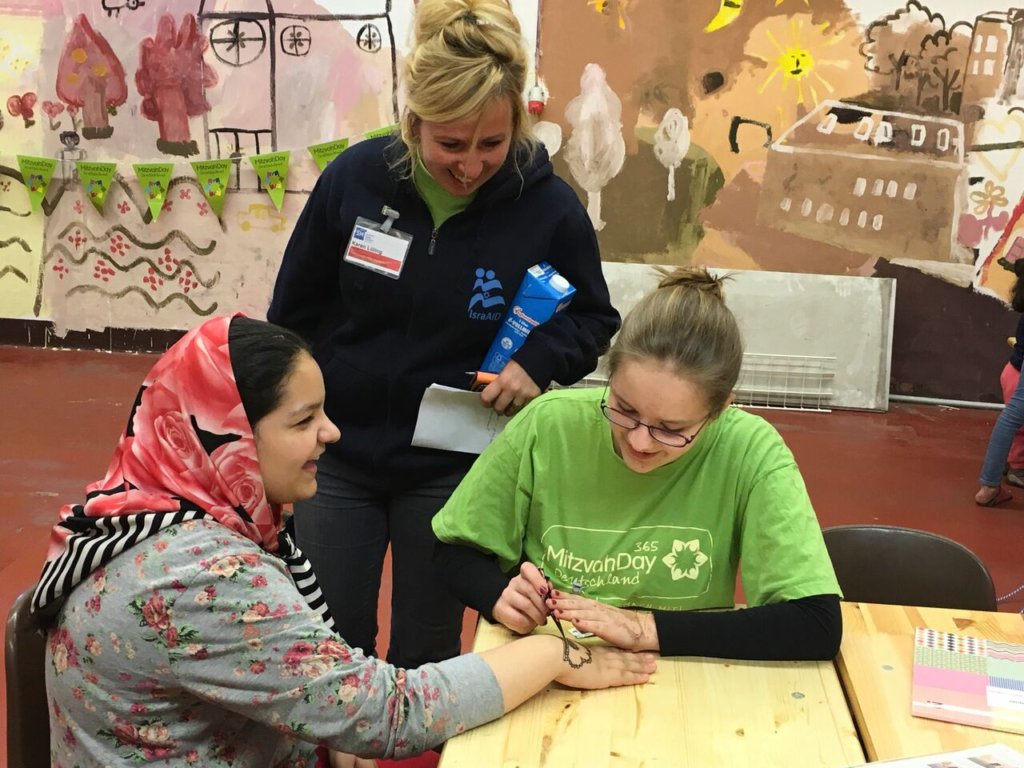
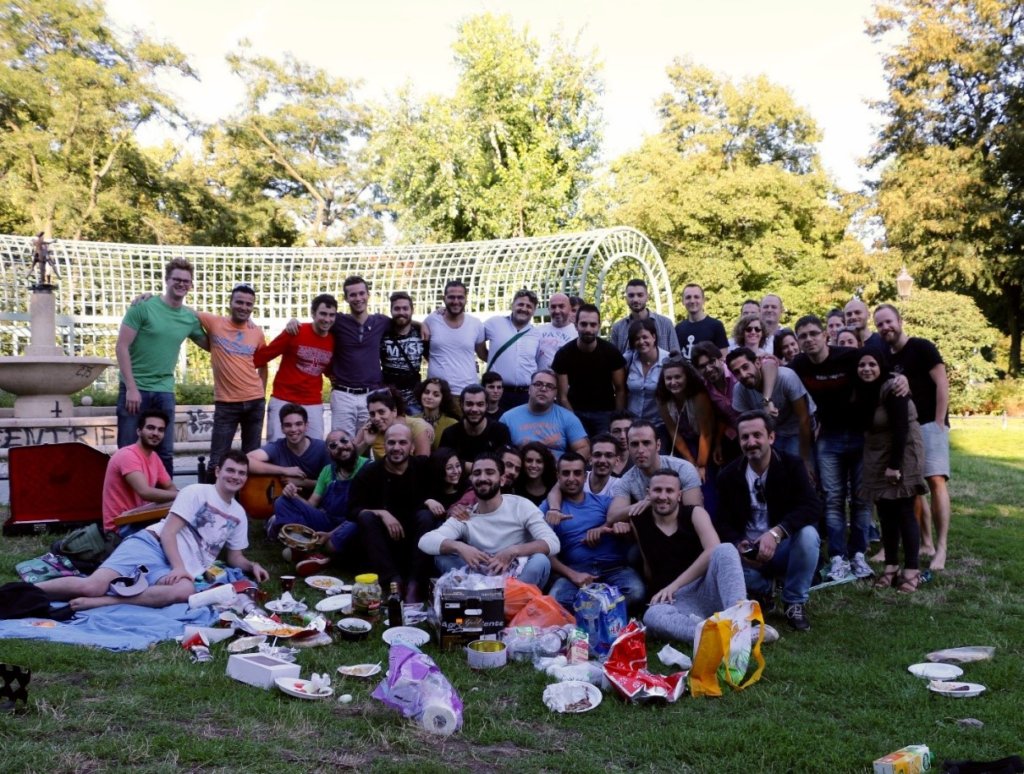
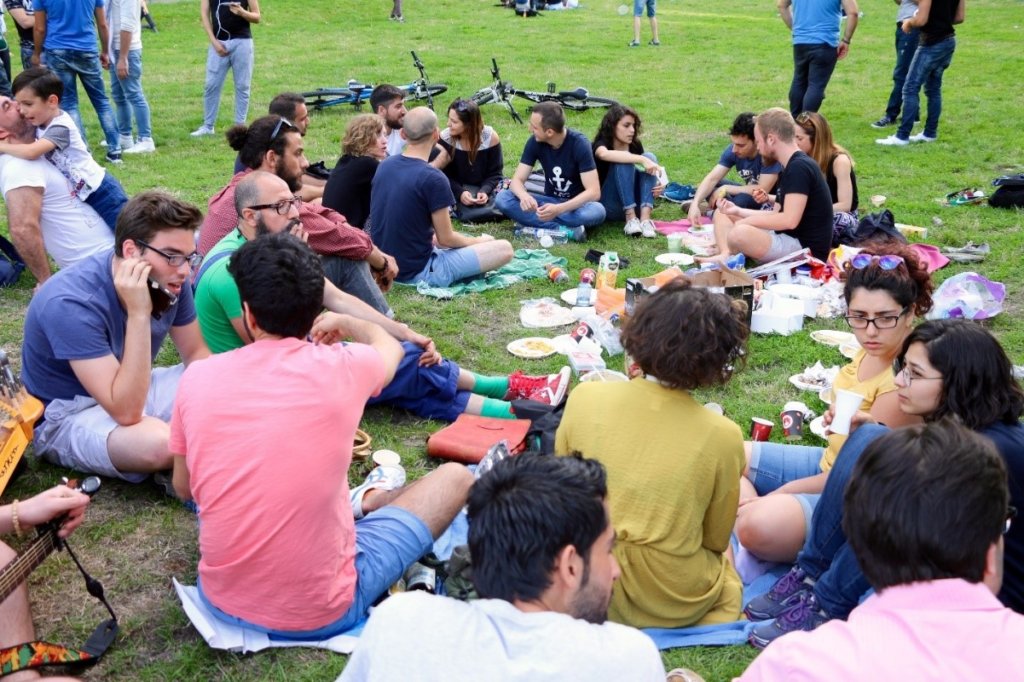
"The mushroom" youth center (Neukolln) - On August 7th IsraAID launched a community program in the Neukolln neighborhood with a barbecue picnic. The event was open to all residents from the neighborhood, which included both immigrants and refugees. IsraAID's work at "The mushroom" will be similar to the work at “Magda”, with the addition of other workshops including bike repair and German lessons.
Graduation at Spandau Shelter
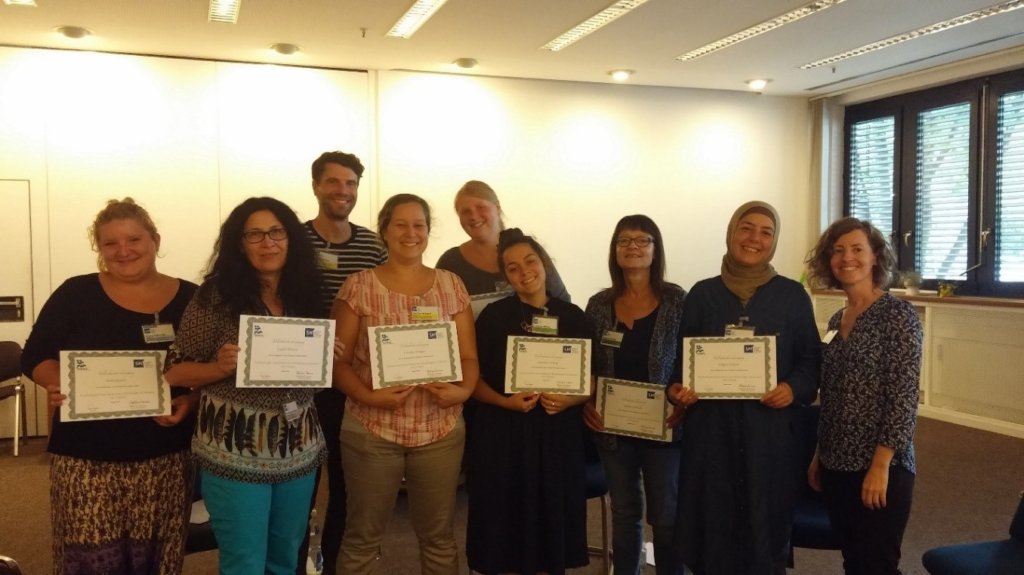
The fourth month training for Spandau shelter staff came to an end at the beginning of August. Twenty-eight participants (from two different groups) received graduation certificates. The course discussed the process of trauma “normalization” began to feel more secure in their interactions with the residents of the shelter, and realized the strength and resiliency that many people have after traumatic experiences. The last meeting included both conclusion and evaluation. The course offered group support and functioned as a space for consultation.
Training for volunteers from the Jewish community
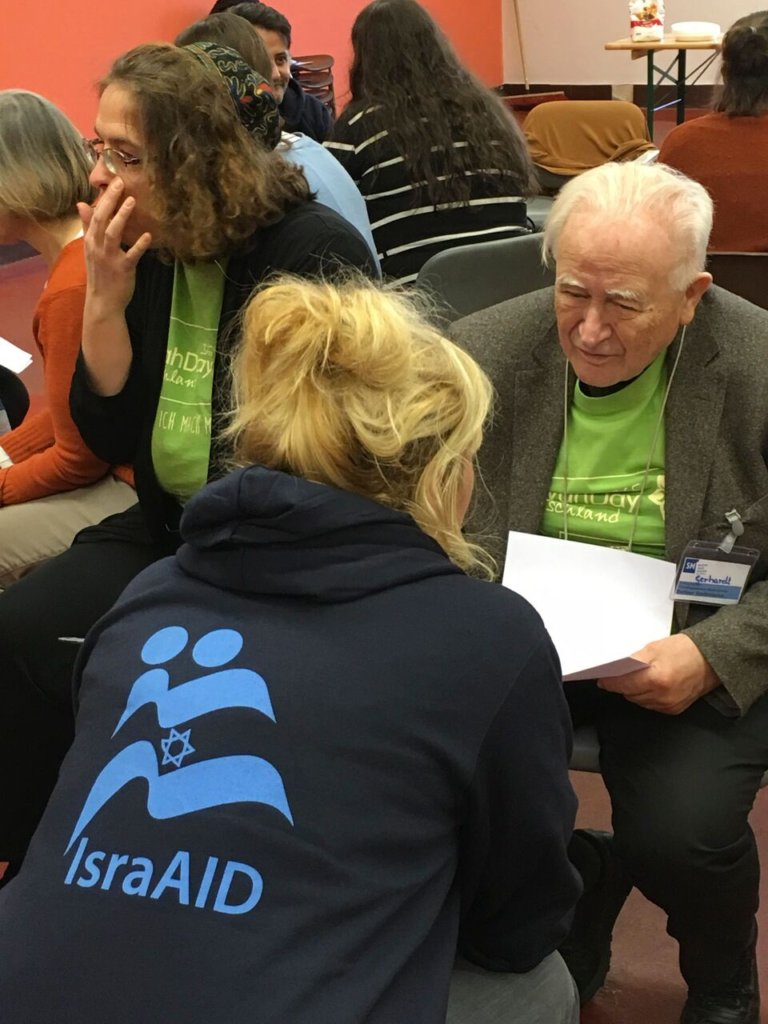
On the 4th of August, IsraAID conducted its fourth training meeting for volunteers. The eight participants, discussed the issues of empowerment and participation. The volunteers were presented with "the ladder of participation" model, which helps question the way power dynamics are manifested in volunteering work. Participants also began to think of ways in which they can create greater refugee participation both in decision making and in other various tasks.
Intern activities
In the past few weeks our group of six interns were involved in different activities:
Project reports on GlobalGiving are posted directly to globalgiving.org by Project Leaders as they are completed, generally every 3-4 months. To protect the integrity of these documents, GlobalGiving does not alter them; therefore you may find some language or formatting issues.
If you donate to this project or have donated to this project, you can receive an email when this project posts a report. You can also subscribe for reports without donating.