By Elin Giertz Andersen | Partnership Officer
Every day, IsraAID’s social workers and therapists meet individuals who have lost everything. They have left their homes, their jobs and schools, and even their families and friends to seek protection in another country. IsraAID’s staff hear the stories of men, women and children who have fled violence and war, that are now suffering from trauma and depression as they struggle to find a sense of purpose in a refugee shelter.
The testimony of Ali, a 33-year-old man from Syria is just such a story: Ali is married and has three children, the oldest is a four-year old girl. On their voyage from Syria to Germany his family was separated - his wife and the two youngest babies fled to Jordan while him and his daughter found their way to Germany. They first lived in a shelter but for the last three months they have been living in their own apartment. Most of the time Ali was very depressed, anxious and full of guilt and sorrow - sometimes he even thought that his daughter would be better off without him.
Ali started meeting IsraAID’s staff regularly as part of an intense counseling process to which he became strongly committed. The staff supported Ali as he struggled to recognize and connect to his feelings, to understand where they came from, and as a result manage them better. In the beginning of the process Ali would still cry most of the time, but after a while things started to change - Ali began smiling more, spending more time outside and meeting friends, enjoying having his daughter by his side, and even started to learn German.
IsraAID’s teams in Germany hold many such workshops and counseling groups for men, women and children. Thousands of asylum seekers and refugees are dealing with the personal and collective trauma from having to flee their countries and now living in this permanent temporary condition in a foreign land. Our social workers and therapists work to create a sense of purpose, an awareness of your own being and surroundings. Through this support individuals like Ali from Syria can better deal with the challenges he is facing and start looking forward to a better tomorrow for him and his family.
IsraAID launched the “Bridges of Hope” program in 2016 in response to the mass influx of asylum seekers to Germany and the many complex challenges involved in their wellbeing and integration. "Bridges of Hope” focuses on providing psychosocial care to these refugees and capacity-building to shelter staff and other relevant stakeholders.
During the spring of 2016, IsraAID extended its operation to Frankfurt, opening a program called Brückenbau – Empowerment of Women Refugees; the program offers psychosocial services to women living in shelters. Women are often the core figure in the family and are especially vulnerable to feelings of depression, guilt and anxiety.
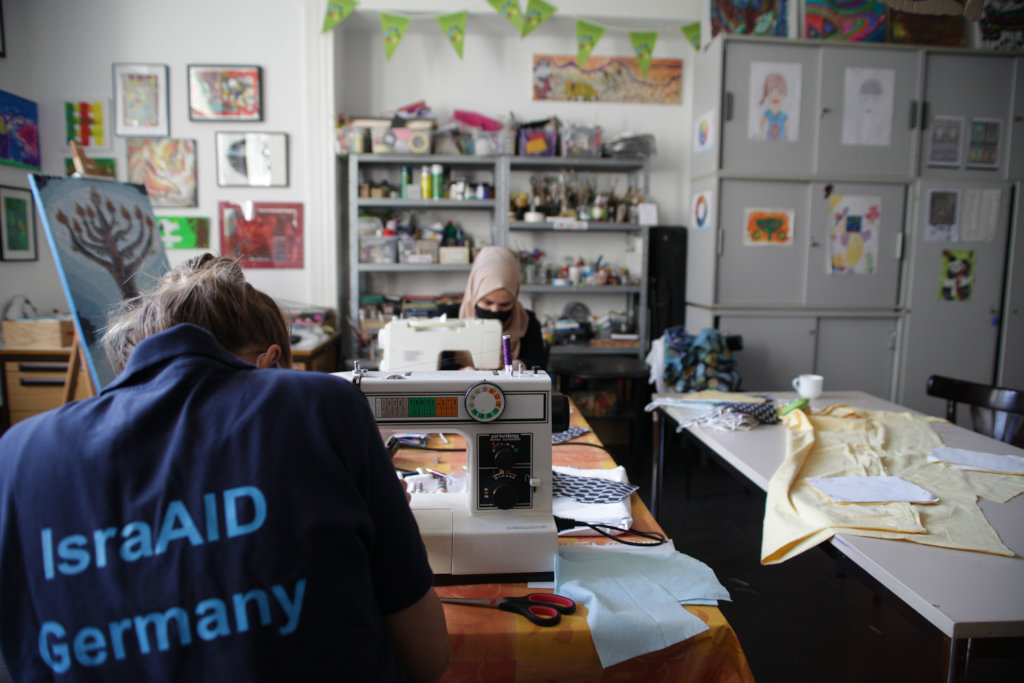
IsraAID runs several other activities in refugee shelters in Brandenburg, Berlin and Frankfurt: offering individual counseling, support groups for children and women, intercultural mediation between the refugees and the shelter staff, German language classes, and shelter services to support the asylum seekers go through the rigorous bureaucratic procedures.
IsraAID Germany is deeply thankful for your contribution to our work – it would not have been possible without it! As the media’s spotlights have turned elsewhere, we stay, but we need your help more than ever to be able to continue our work – thank you!
Project reports on GlobalGiving are posted directly to globalgiving.org by Project Leaders as they are completed, generally every 3-4 months. To protect the integrity of these documents, GlobalGiving does not alter them; therefore you may find some language or formatting issues.
If you donate to this project or have donated to this project, you can receive an email when this project posts a report. You can also subscribe for reports without donating.