Project Report
| Jun 20, 2023
Impact Report
![Pumalin & Liquine]()
Pumalin & Liquine
THE ANDEAN CONDOR
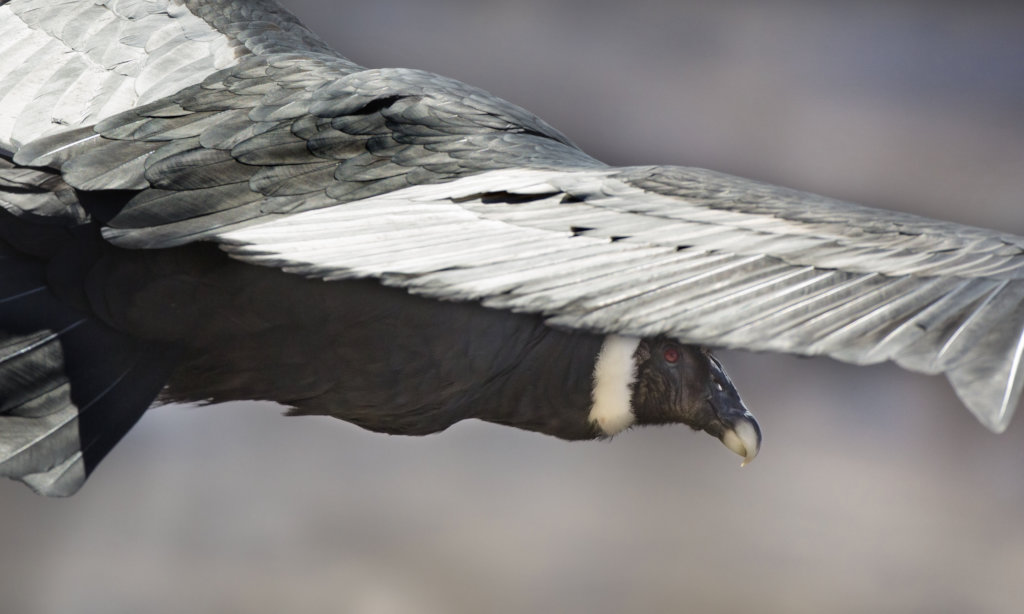
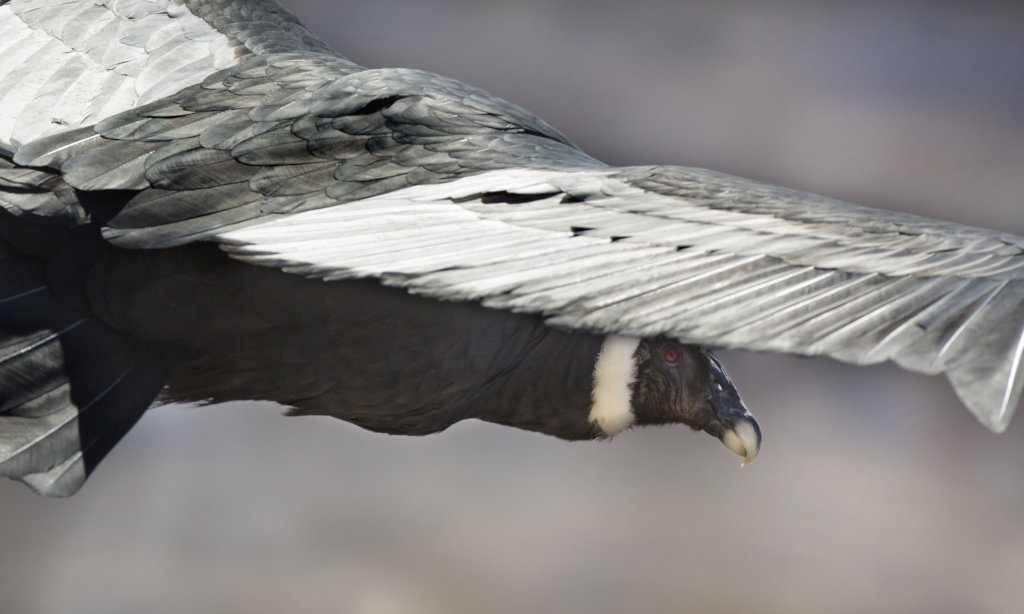
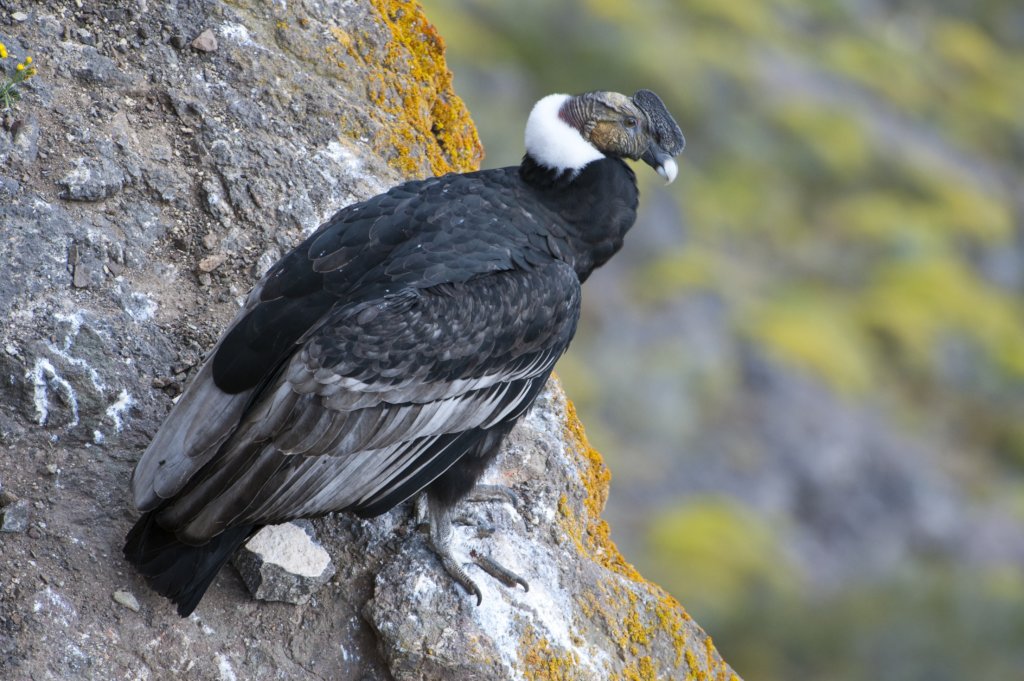
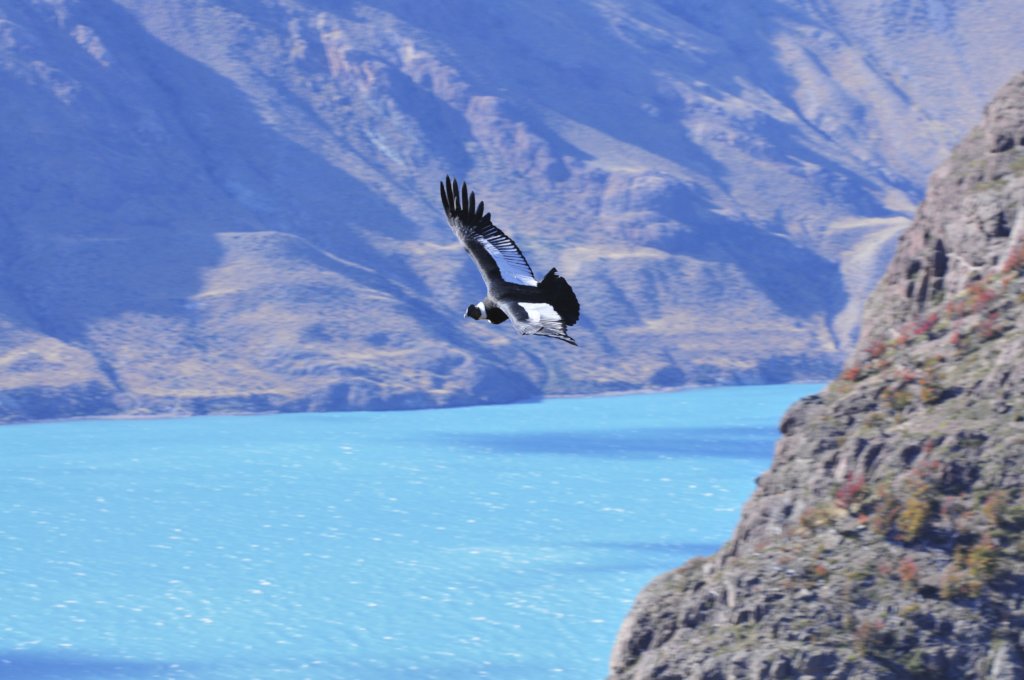
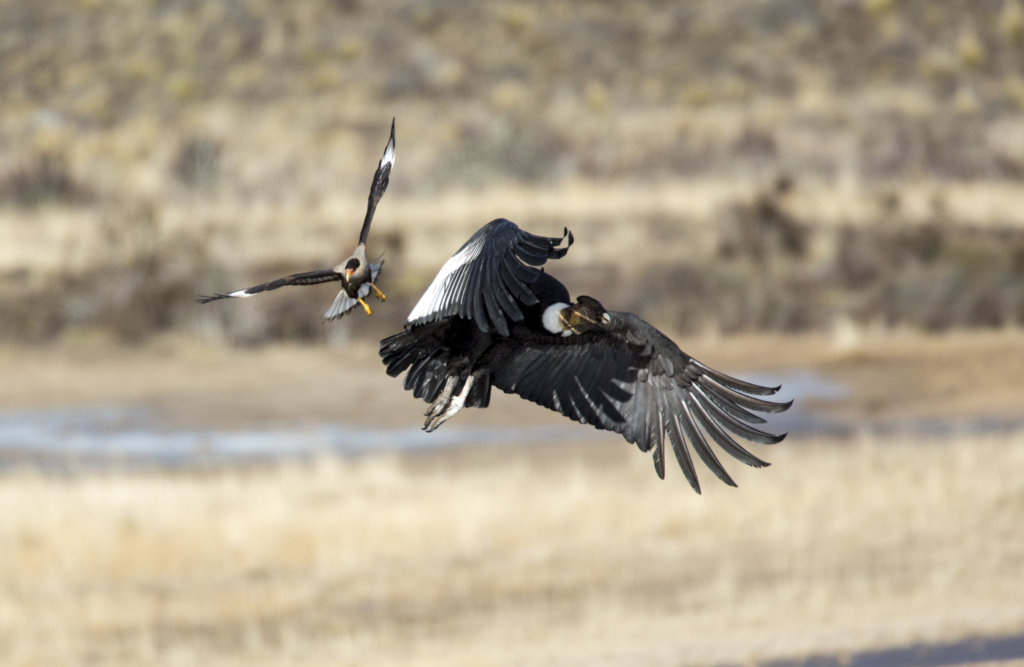
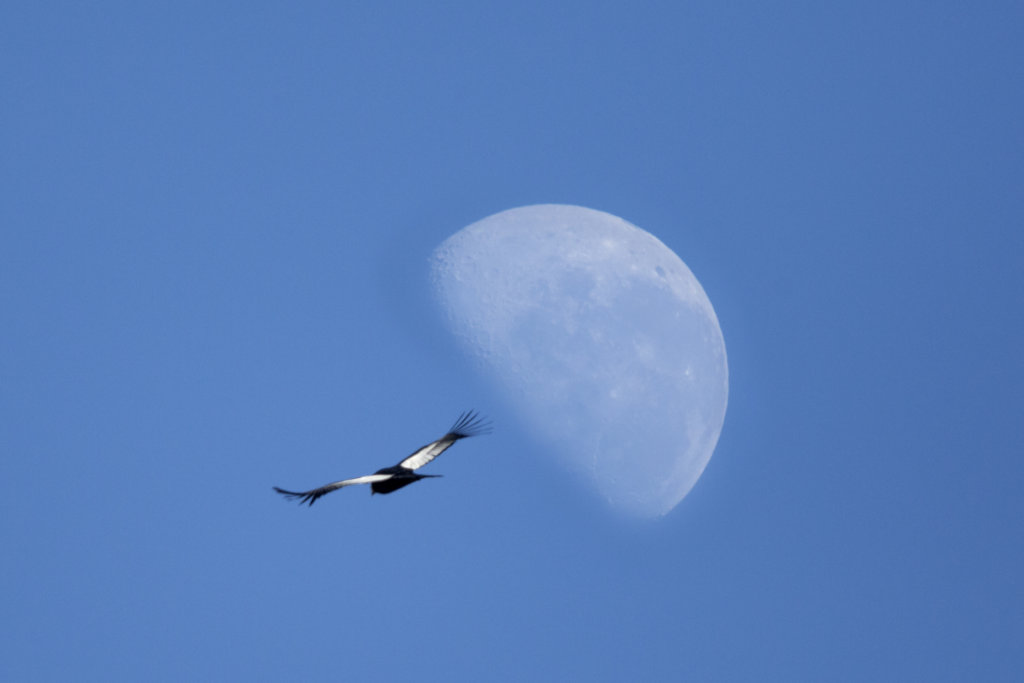
The Andean condor (Vultur gryphus) is one of the largest flying birds on the planet. It has a wingspan of up to 10.5 feet (3.2 meters), which helps it stay in the air for extended periods of time by catching updrafts and thermals. Under good conditions, the condor can fly as far as 190 miles in a single day, soaring as high as 16,400 feet.
It is one of the longest-living bird species, with an average lifespan of 50 to 70 years. Condors are symbols of power, strength, and freedom in the Andes ranges. Patagonia is home to 70% of Chile's condor population, being the largest condor hotspot in the American continent.
ECOLOGICAL ROLE
The Andean condor is a scavenger and primarily feeds on carrion, playing a crucial role in its ecosystem by helping to prevent the spread of disease and accelerating the process of returning nutrients and energy to the natural system. They help keep the ecosystem clean, providing a healthy habitat for human and non-human communities. Condors act as an indicator species for the overarching health of the ecosystem.
THREATS
Hunting, poisoning, entanglement into overhead cables, land development, and reduced food sources are some factors that have caused a significantly diminished population of the Andean condor, which is currently listed as "Near Threatened" on the IUCN Red List of Threatened Species.
HISTORY
In 2015, we released the first two rehabilitated condors in Patagonia National Park. Since then, we have been working to provide continuity to the program, which has been possible thanks to your support!
IMPACT (2021- 2023)
Please watch this video summarizing the process of the release of condors, Pumalín & Liquiñe - link here
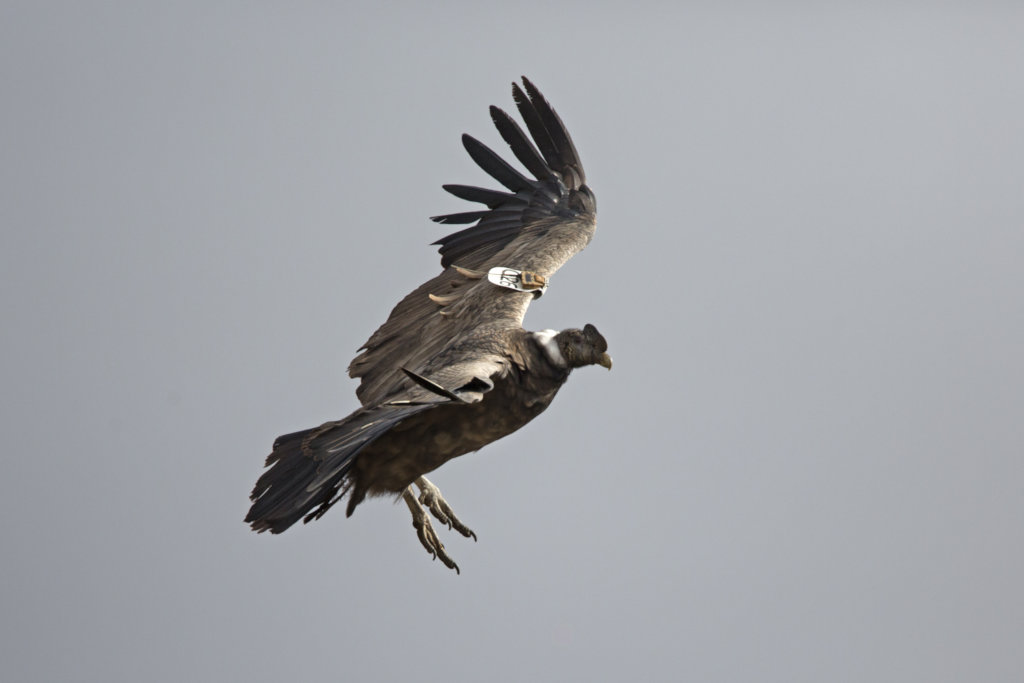
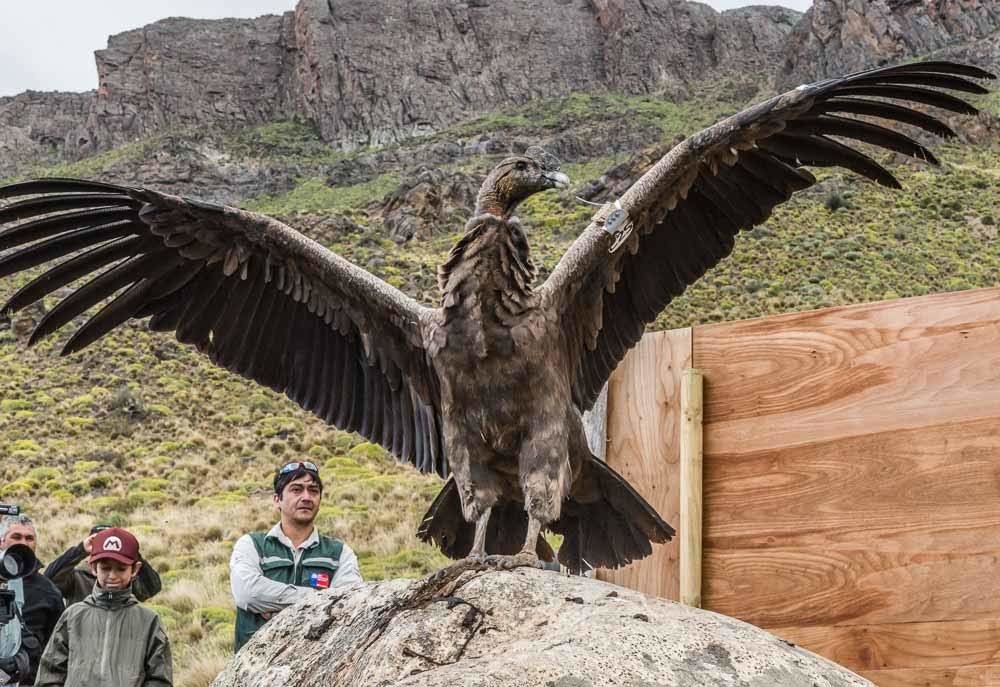
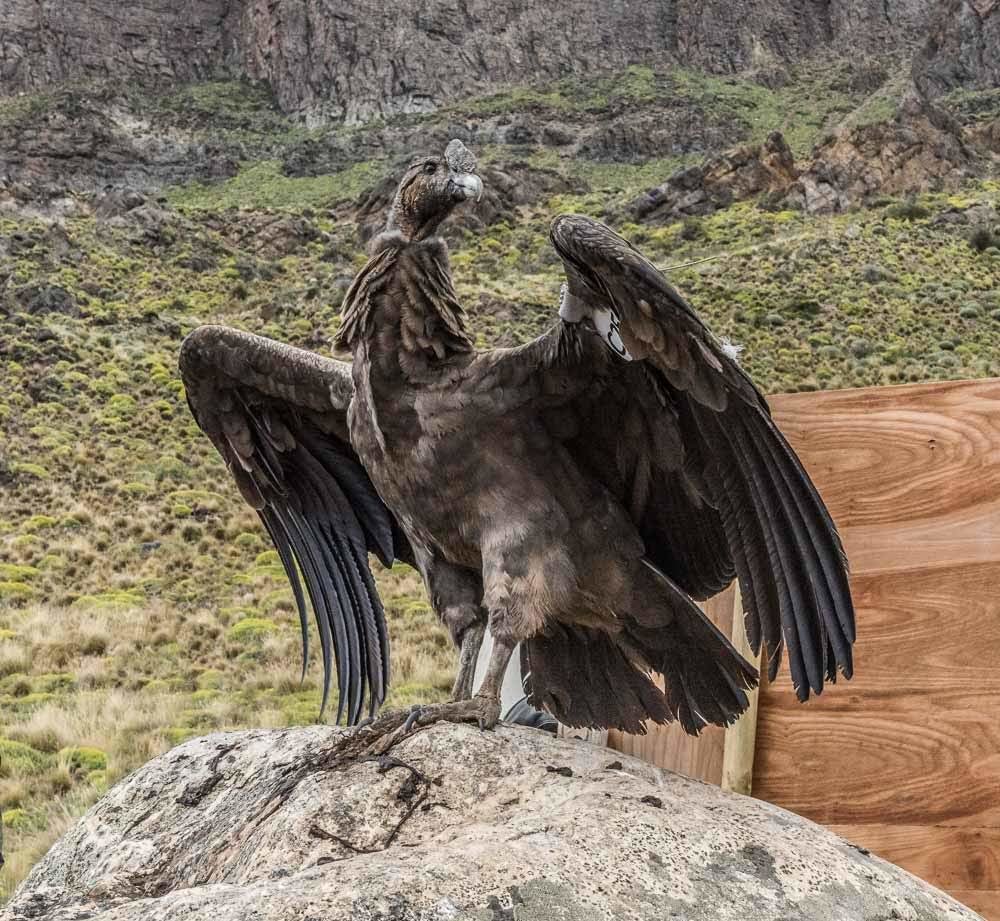
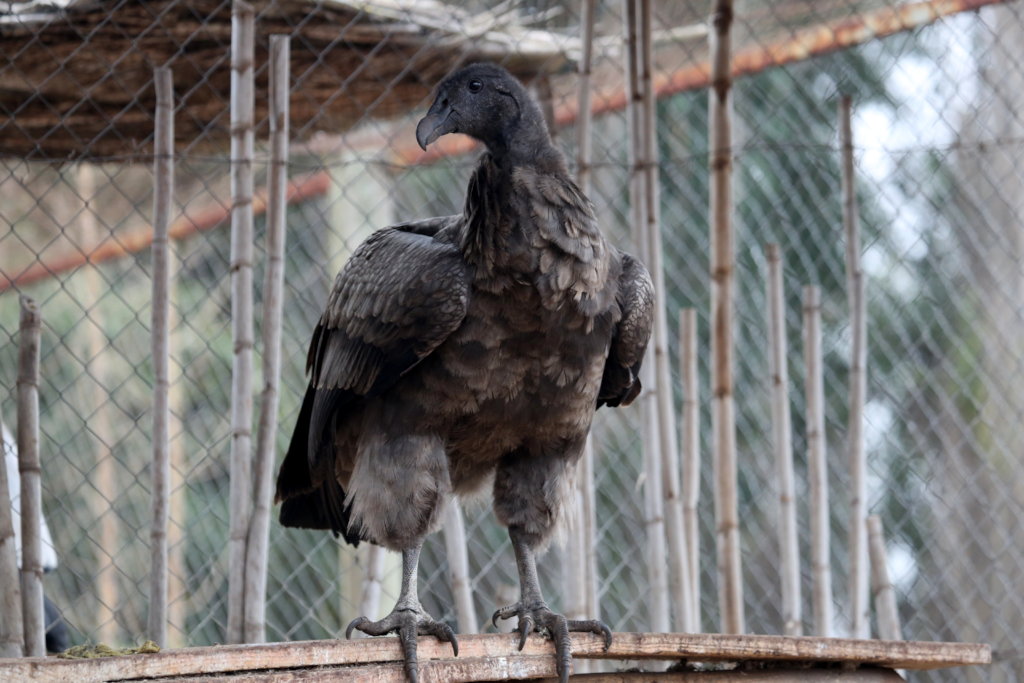
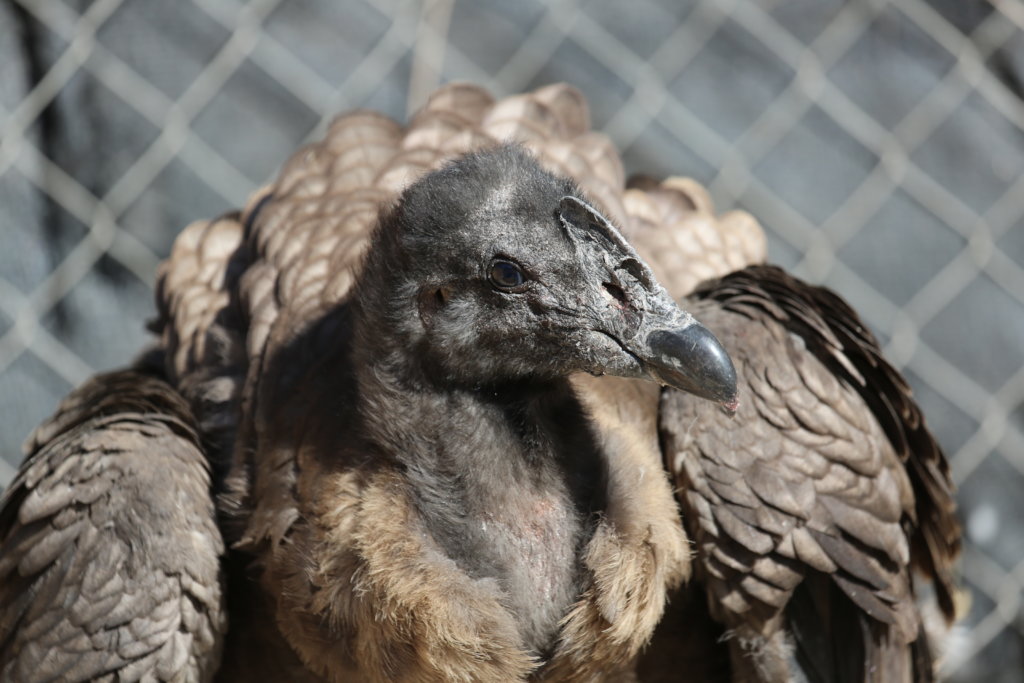
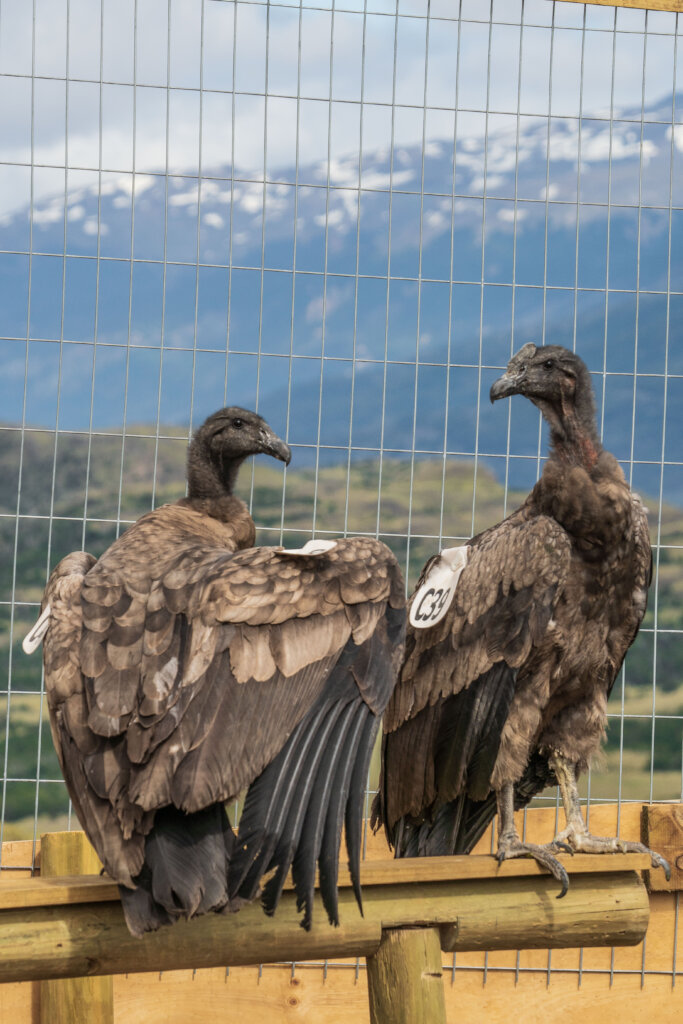
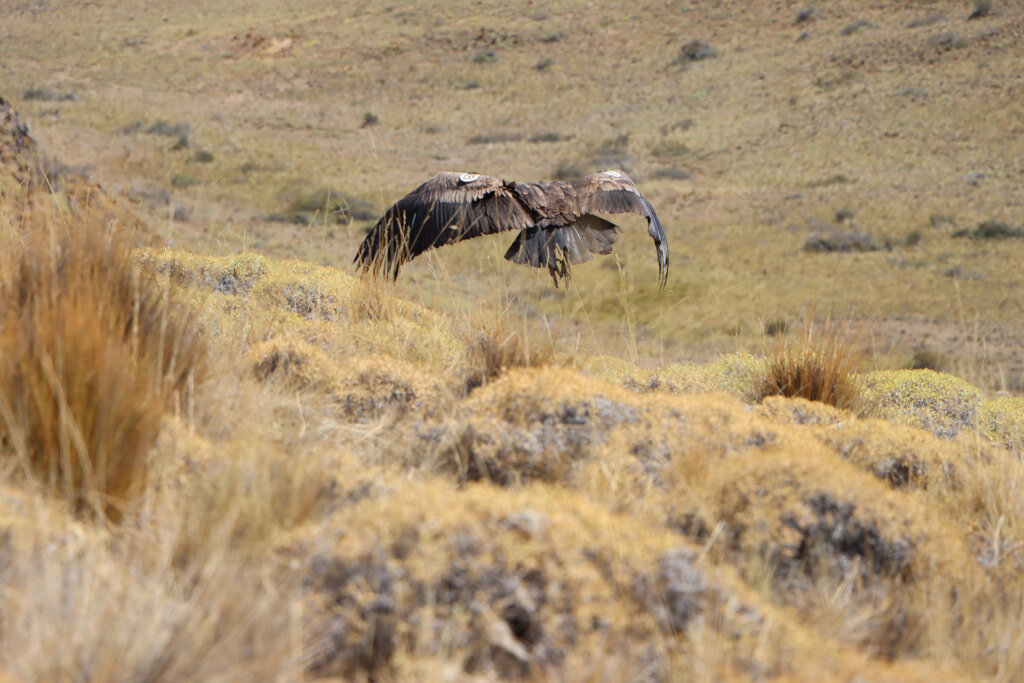
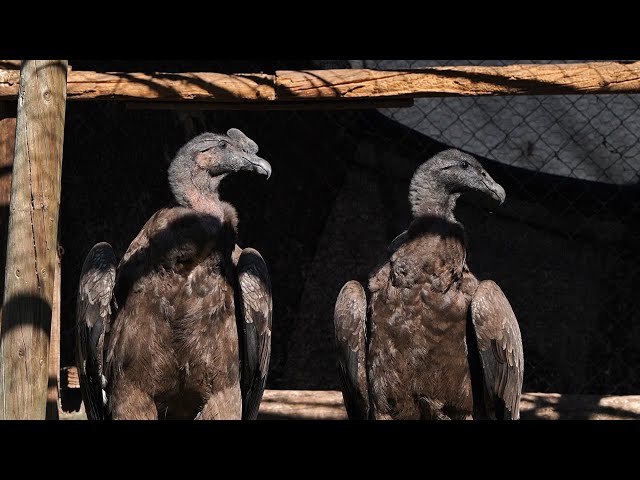
- Two rehabilitated condors (Pumalín & Liquiñe) were released in February 2022 in Patagonia National Park and are flying freely. These juveniles (male and female) were named after the places where they were rescued in 2020 with severe wing damage that prevented them from flying.
- After being transferred to the Rehabilitation Center of Birds of Prey in central Chile, they were transported almost 1,400 miles to Patagonia National Park in December 2021.
- Pumalín & Liquiñe went through a 2-month acclimatization process where they learned how to fly, were fed, and taken care of 24/7 by our team of wildlife rangers. They were successfully released in February 2022 with over 100 people attending (in the middle of the pandemic!), primarily residents of the neighboring towns of the national park.
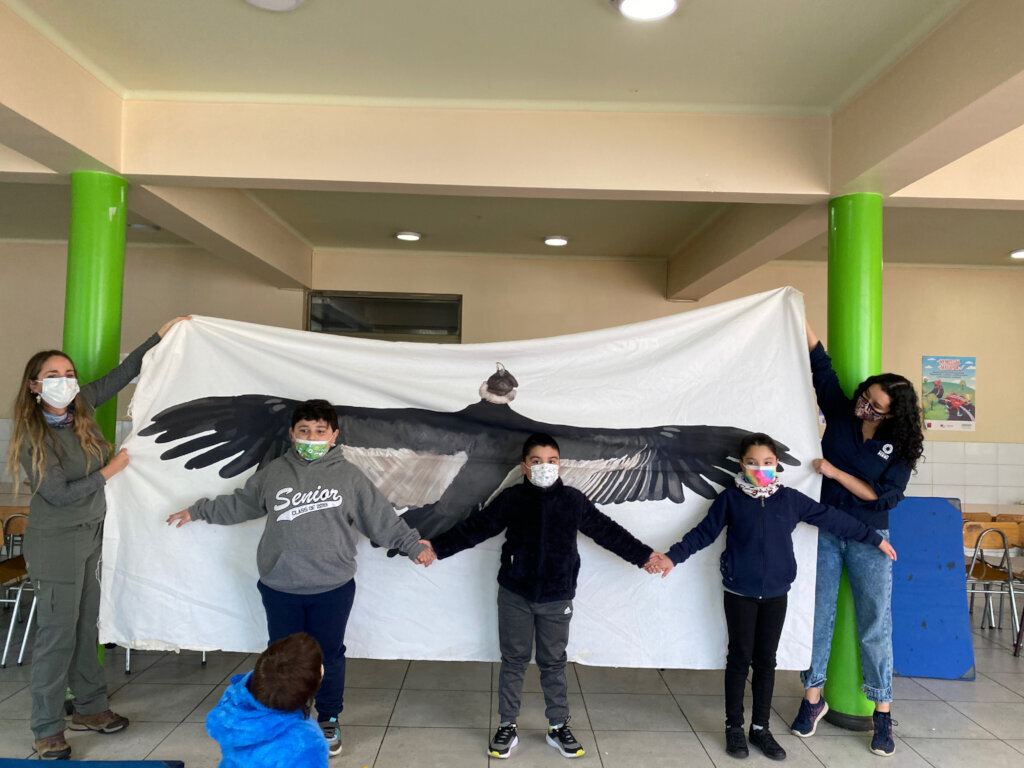
- Environmental education activities with schools of the communities surrounding the park were designed with a focus on condors in the wild. (Cochrane, Mallín Grande, Puerto Guadal, Chile Chico)
- Collaboration agreements and networks have been established and are ongoing with other local NGOs, governmental agencies, organizations such as Chilean Ornithologists association and local communities to strengthen the conservation, research, and education of the species.
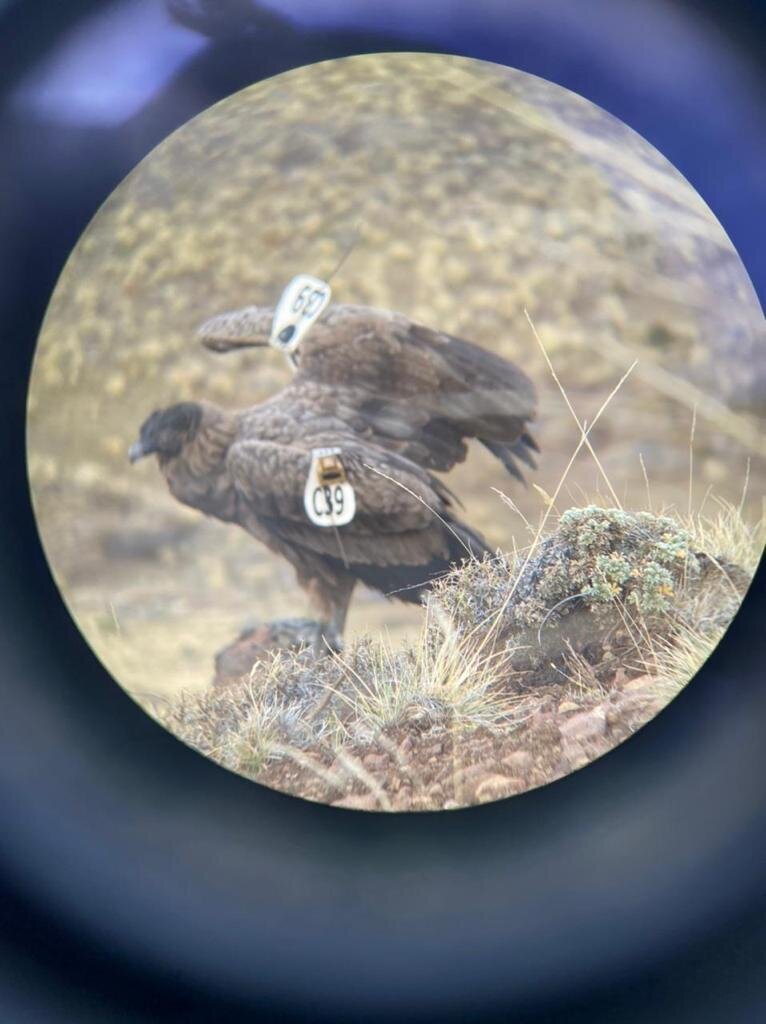
- More than a year of data collection has been obtained through the GPS transmitters installed in one of their wings to monitor them. Their displacement and locations indicate that they are adapting well into the wild. This information will also help us better understand this iconic bird's behavior, flight patterns, routes, nesting and feeding sites, and general ecology, allowing the development of more effective conservation strategies.
NEXT STEPS (2023-2024)
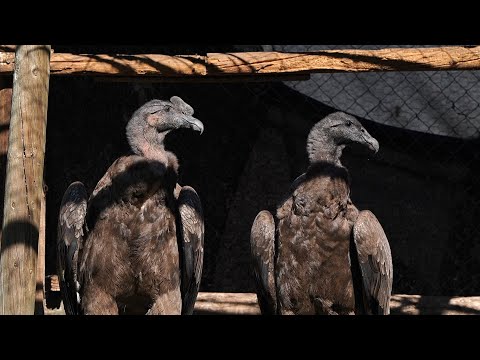
- Transport a minimum of three (maximum of four) Condors from the Rehabilitation Center of Birds of Prey in central Chile to Patagonia National Park. Condor names are Eclipse, Cuyén, Bahual, and Kendro. Tentative transport date of the condors is November 2023.
- Eclipse: Male, born in December 2020. One previous release was not successful, determined he had an infection in one wing.
- Cuyén: Female, two years old, born in captivity in December 2021.
- Bagual: Rescued in the Aysén region after falling from its nest in March 2022. Estimated birthdate is December 2021.
- Kendro: Male, rescued from the central region in December 2020 after being poisoned. He has not yet fully recovered and his condition needs to be evaluated closer to the translocation date.
- Condor acclimation pens upgrades and improvements: we need to heighten the roof of the pens to provide more space for them to practice flying and extend the length because we will have more condors than last year. We expect to release them in January 2024.
- Upgrade the staff facilities for 24/7 wildlife rangers’ monitoring needs.
- Continue and increase community outreach activities with local communities.
- Collaborating with the University of Chile for the processing of GPS transmitter data to streamline the analysis and collection of information. In October 2023, we will start working with the university's technical team to advance with the methodology.
New challenges:
The bird flu which is worrying given the wide spread of the virus in birds around the world and the increasing reports of cases in mammals, including in humans. This could make the Chilean authorities more cautious about bird transfers and potentially delay the permits.
![Pumalin being released]()
Pumalin being released
![Monitoring Liquine]()
Monitoring Liquine
![Activities with local schools previous the release]()
Activities with local schools previous the release
Links: