By Emily Higgins | Director of Ocean Science
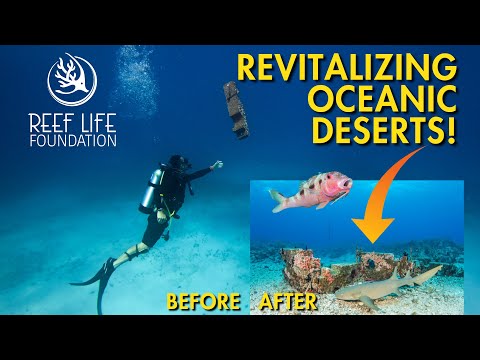
This week, Reef Life Foundation is deploying the world's first nanotechnology kelp restoration artificial reef systems in Halifax, Nova Scotia!
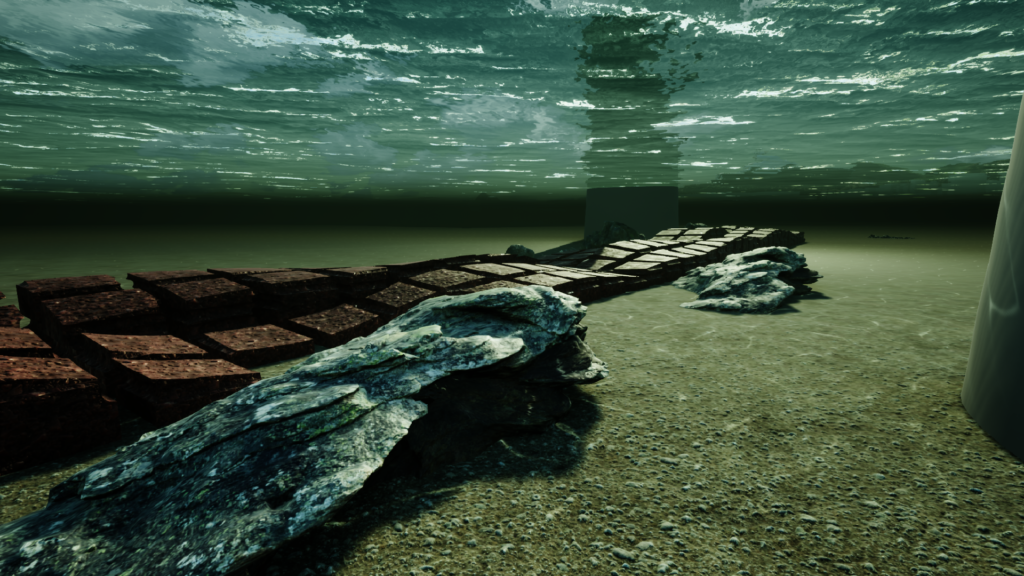
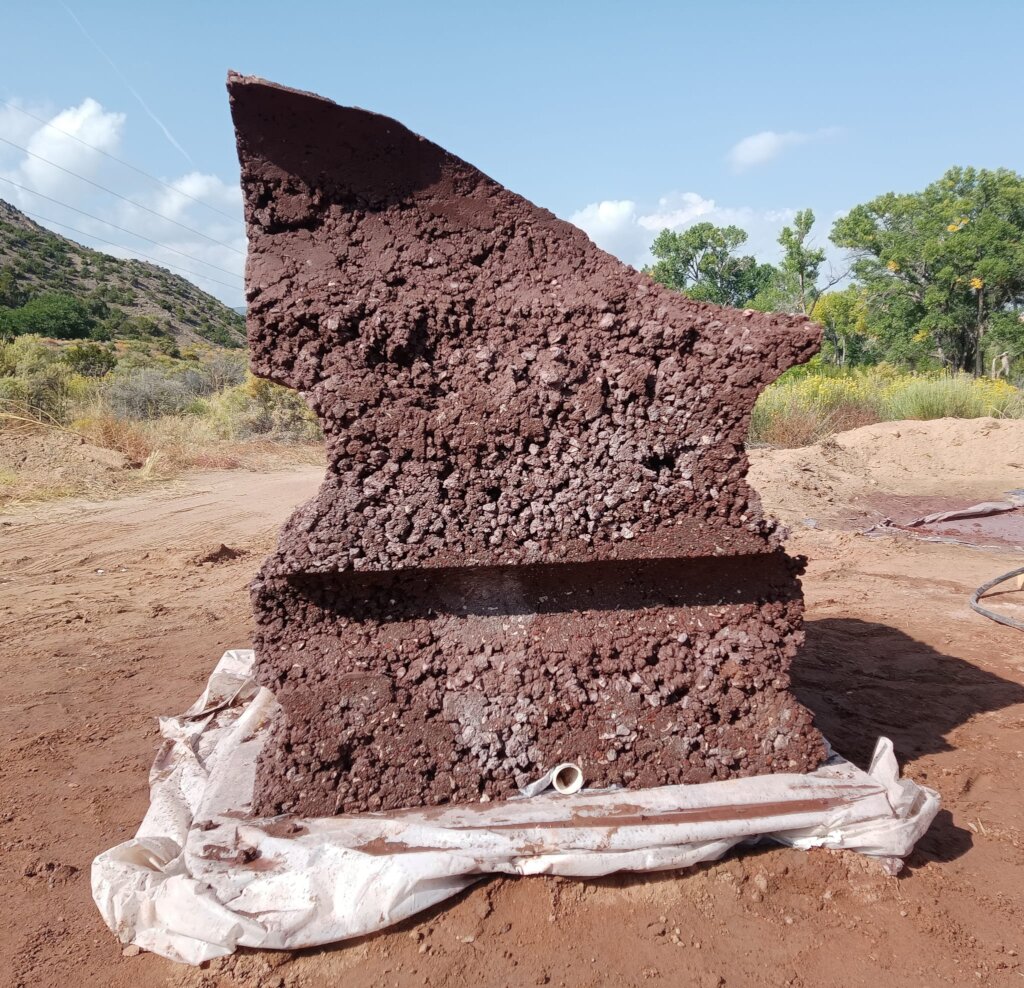
This will be the flagship cold water, or "temperate ecosystem" project for Reef Life Foundation in collaboration with IntelliReefs. The aim of this large scale artificial reef deployment in Dartmouth Cove is to ascertain the efficacy and impact of Oceanite for kelp forest, oyster bed, and near-shore fisheries restoration. This project follows the recent announcement of the UN Decade of Ocean Science for Sustainable Development's endorsement of Reef Life & IntelliReefs' Decade Action.
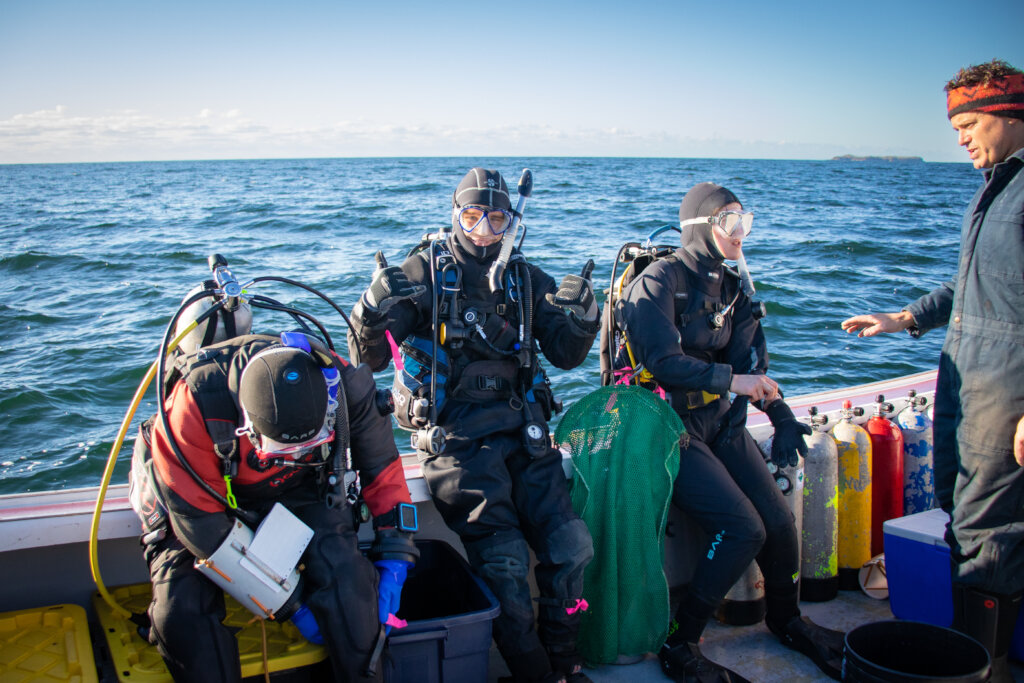
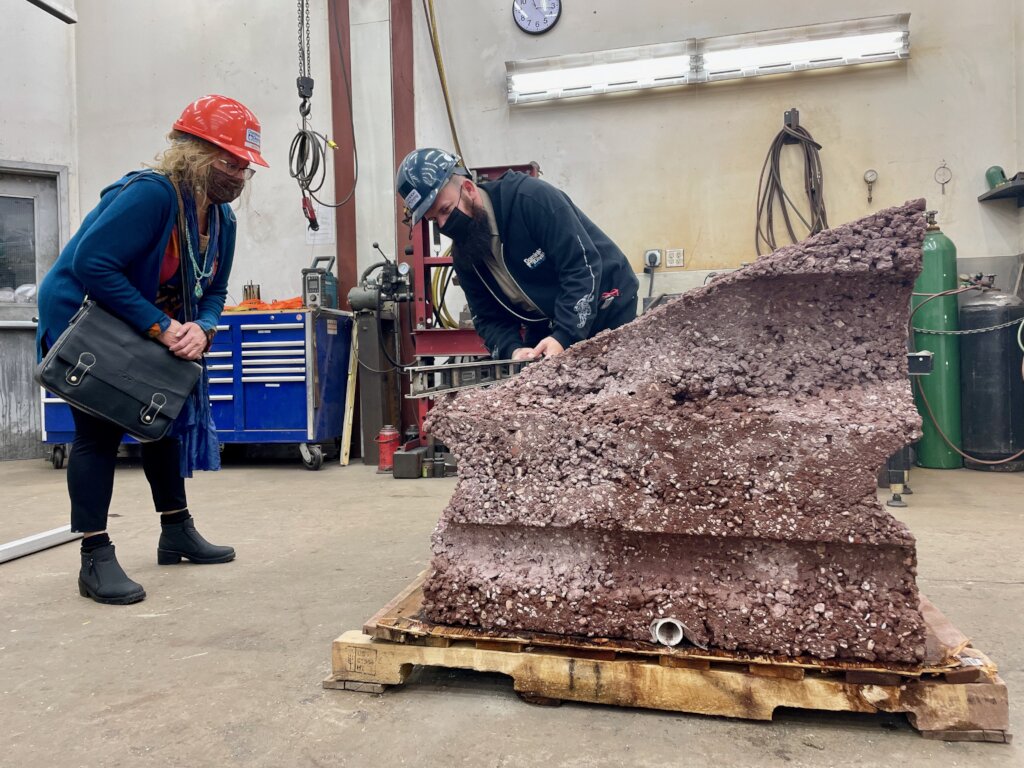
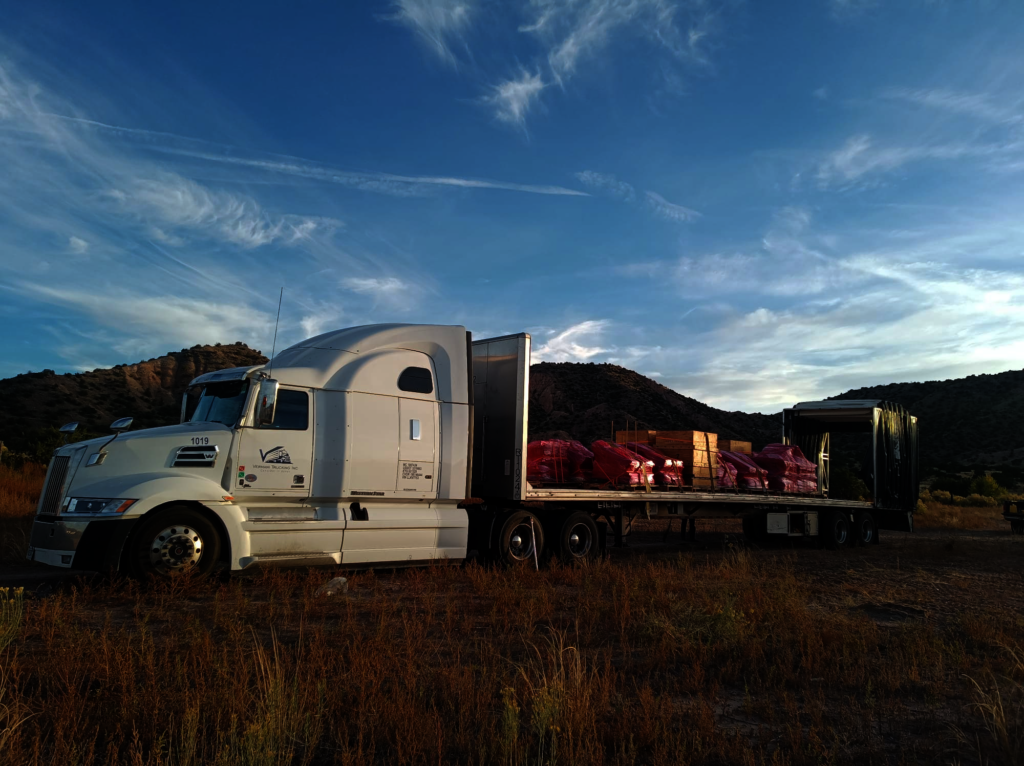
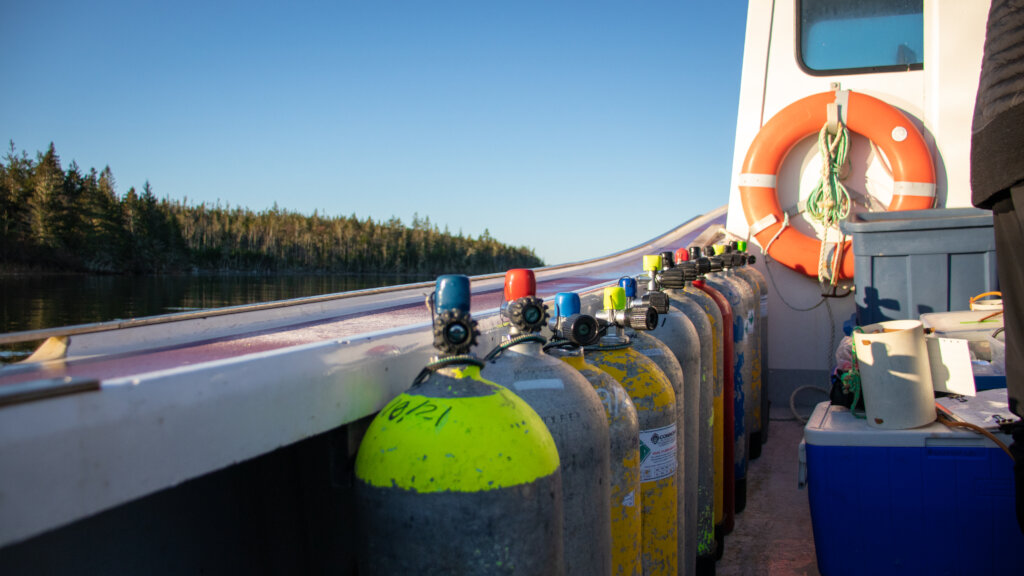
In September, Reef Life received their first shipment of ReefShip restoration modules made from Oceanite nanotechnology at the Centre for Ocean Ventures and Entrepreneurship (COVE) in Dartmouth, Nova Scotia. For all of November 2021, Reef Life Foundation is on the ground with IntelliReefs in Nova Scotia and collaborating with researchers at Dalhousie University to deploy and monitor a series of small to large-scale experiments to test the benefits of Oceanite to temperate water kelp forest ecosystems.
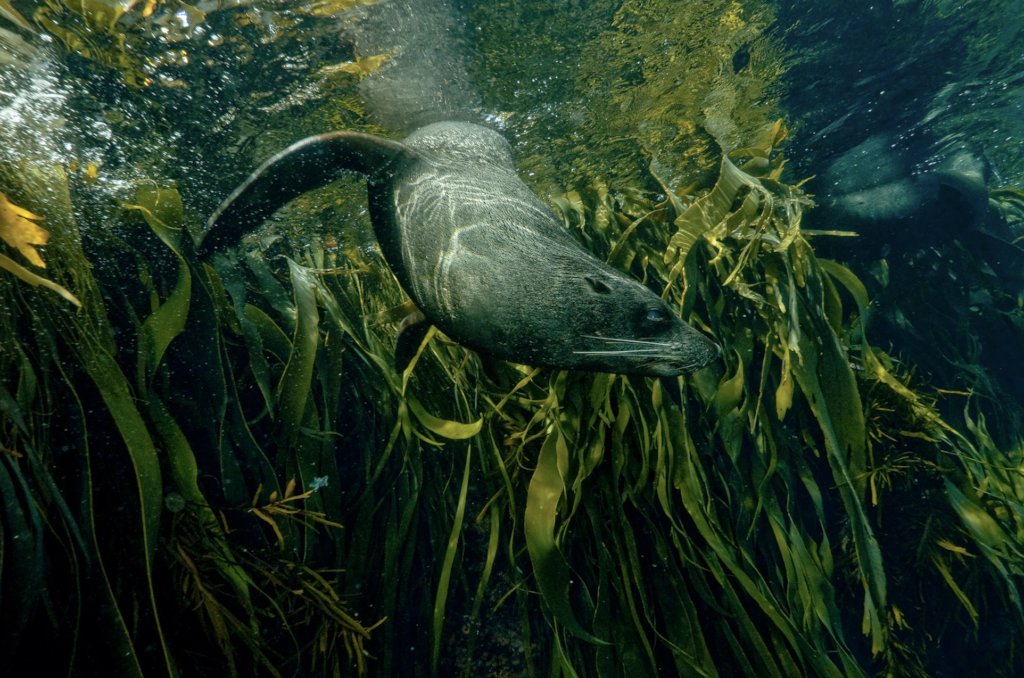
Kelp forests are one of the most productive and biomass-dense ecosystems on the planet and provide food, nutrients,
and habitat for commercially important fish and invertebrate animals. Kelp are brown algae that grow in cold, shallow, nutrient-rich waters, and can be found on every continent worldwide. Their root system, called a “holdfast”, fastens itself to hard underwater substrates - like boulders and bedrock. Just like trees on land, they use carbon dioxide and light to photosynthesize, creating one of the largest carbon sequestering biomes on Earth.
When kelp break from their holdfasts due to age or weather, they transport the carbon in their tissues to the deep ocean. This not only provides deep sea animals with a food source, but also commits carbon into long-term storage in sediment. Some species of kelp can grow up to 65m long, and research has shown that kelp forests along the southern coast of Australia sequester over 1.3–2.8 teragrams of carbon per year. This region alone contributes ~3% of the total global carbon sequestration.
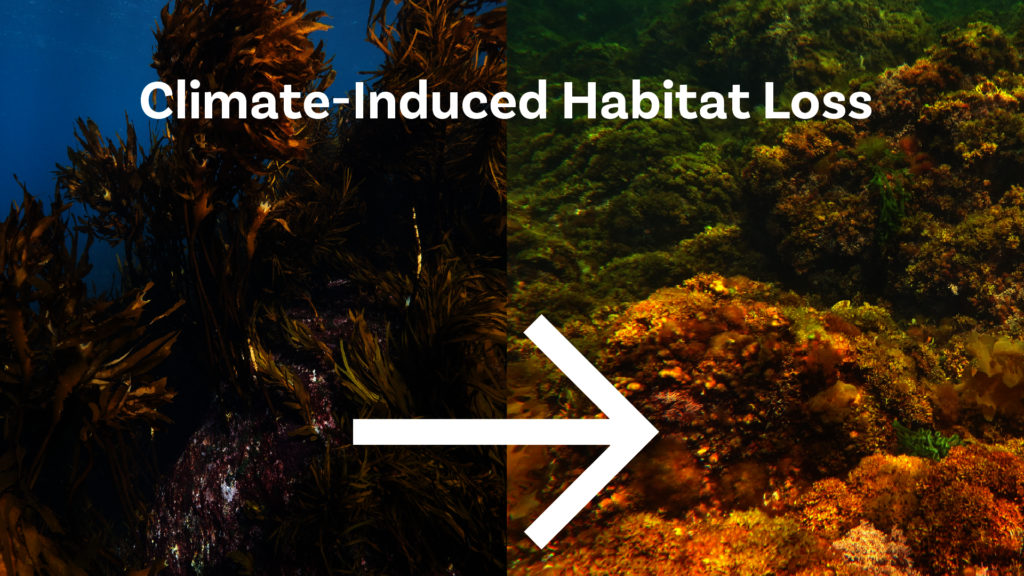
Around the world, massive kelp beds are rapidly declining due to coastal development and erosion, warming waters, invasive species, poor water quality, pollution, and overfishing. As a consequence of losing these lush underwater forests, fisheries and ocean-based economies around the world are in serious jeopardy. As with many other regions in the world, Nova Scotia’s prolific kelp beds are steadily declining. Researchers from Dalhousie University have documented an 85-99% decline in kelp biomass over the past 4-6 decades along the eastern shore of Nova Scotia.
Links:
Project reports on GlobalGiving are posted directly to globalgiving.org by Project Leaders as they are completed, generally every 3-4 months. To protect the integrity of these documents, GlobalGiving does not alter them; therefore you may find some language or formatting issues.
If you donate to this project or have donated to this project, you can receive an email when this project posts a report. You can also subscribe for reports without donating.