By Jayant Sarnaik | Project Leader
Dear Supporters,
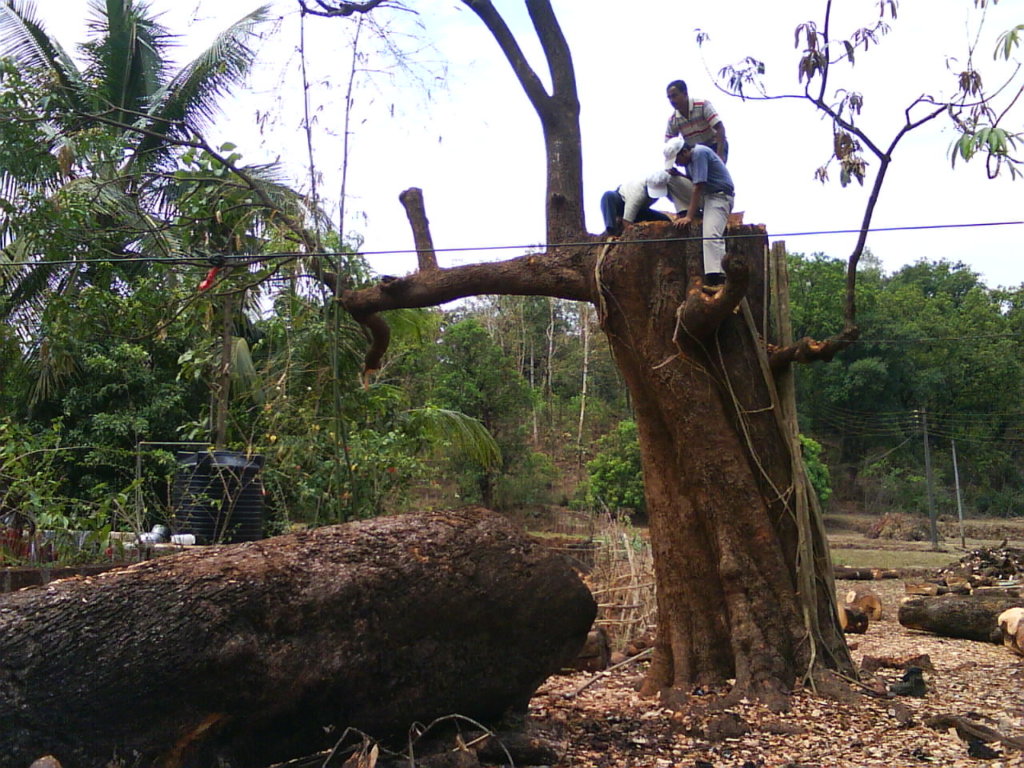
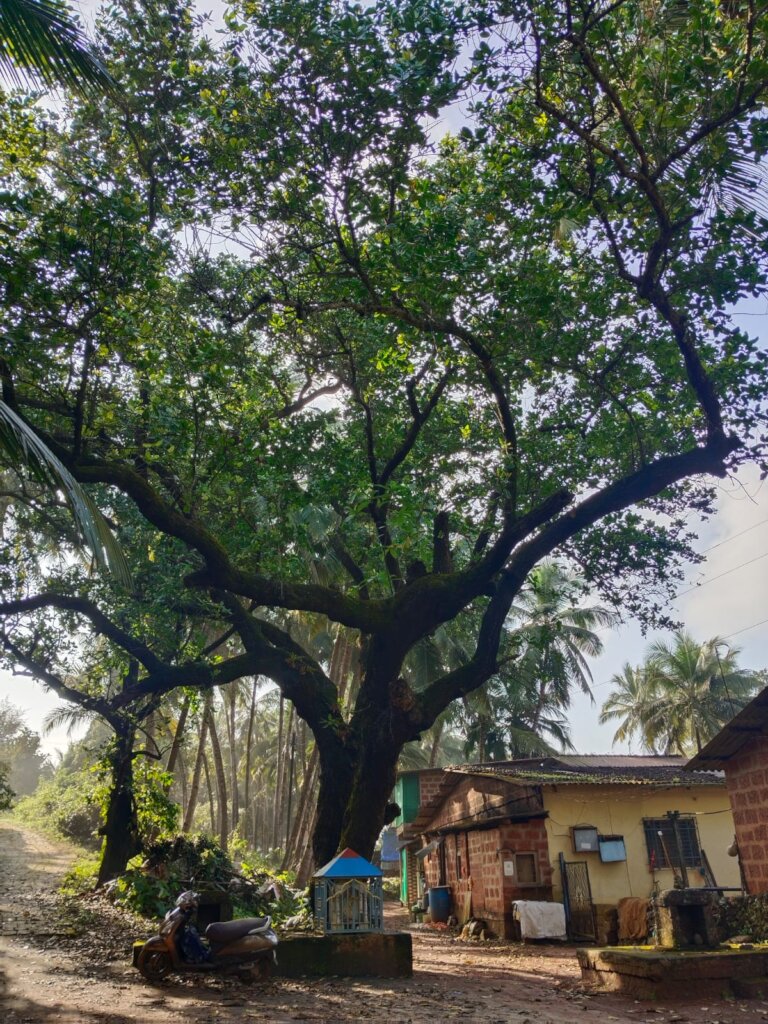
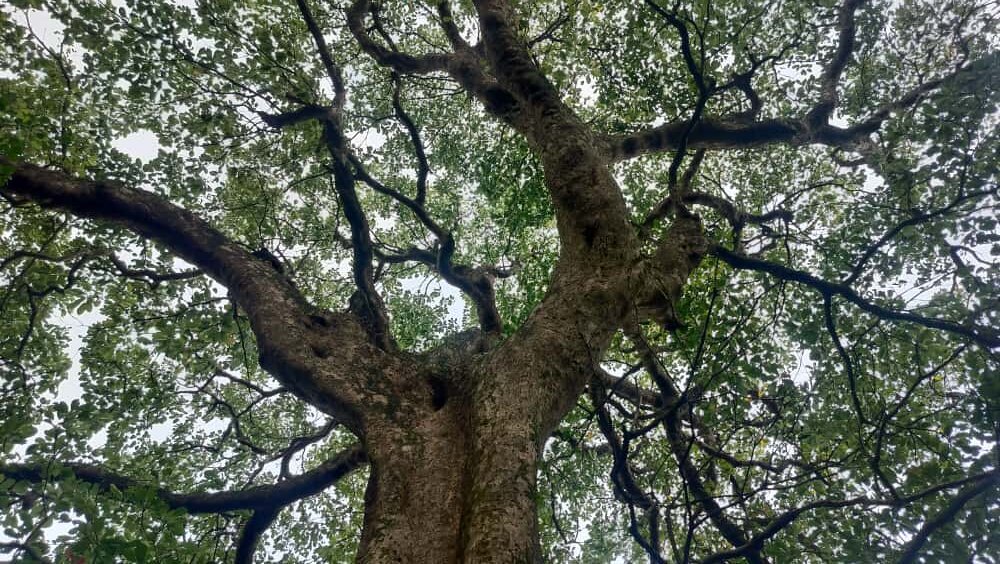
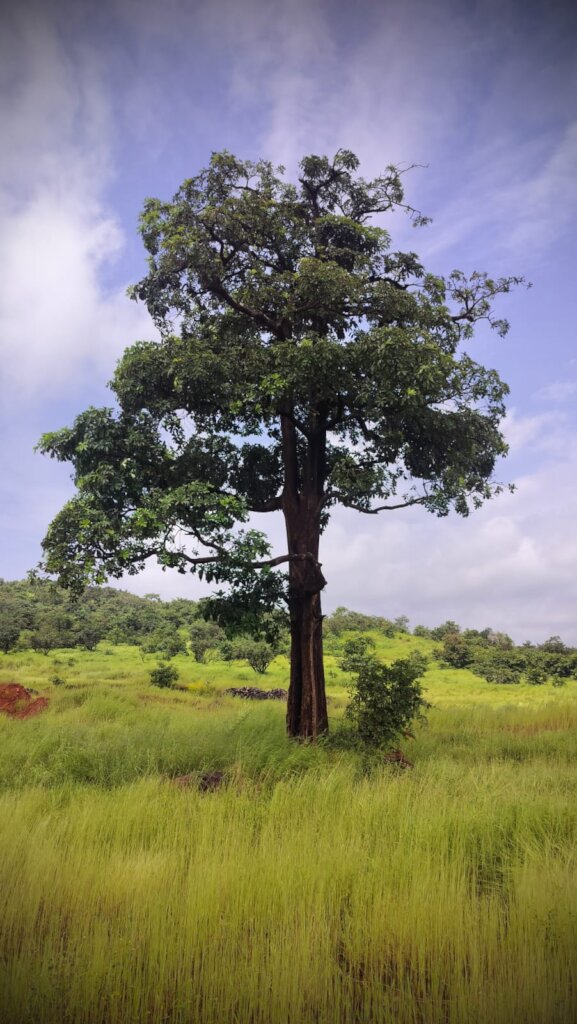
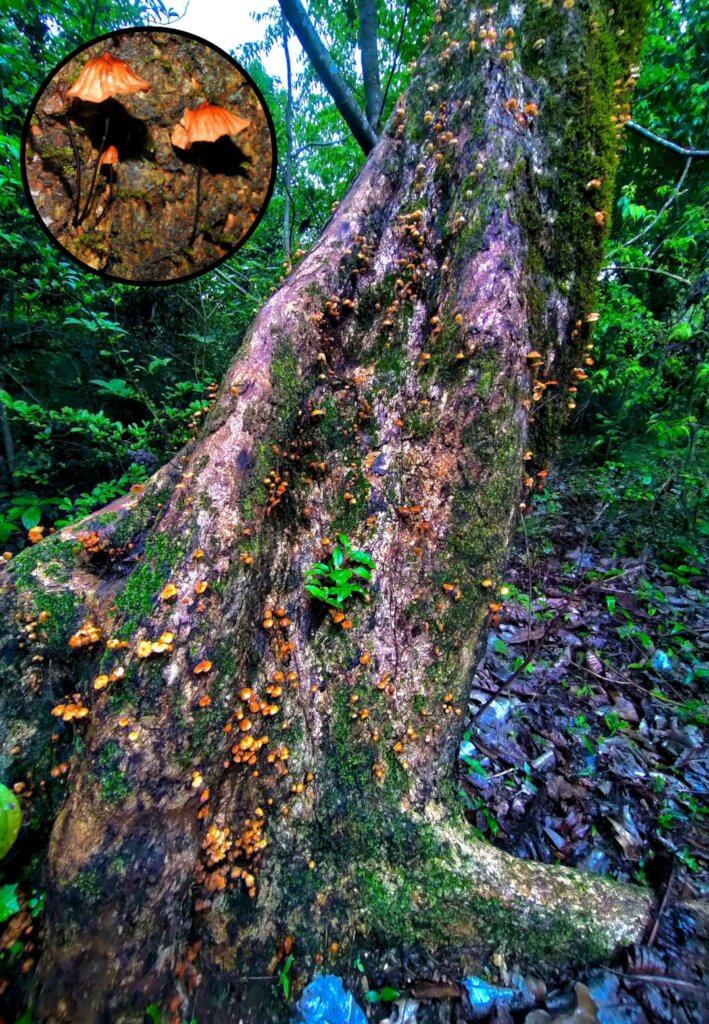
In this update, I wish to share our team's efforts to create awareness about the crucial role of Alexadrian laurel ( Calophyllum inophyllum) in protecting our shoreline. This tree is found in coastal regions of India, many countries of South east Asia, Polynesian islands and Africa. Interestingly enough its seeds are transported to the shores of far away countries due to ocean currents. Once it gets established, it stands tall and strong for protecting the coastal communities from storms and cyclones and also avoids erosion of shoreline on grounds of its deep roots and wide canopy. Due to lack of knowledge about contribution of tree in reducing the impact of climate change on coastal ecology and communities, these trees were felled for making boats and to meet energy needs. In process, the population of this tree is decreasing on the West coast of India.
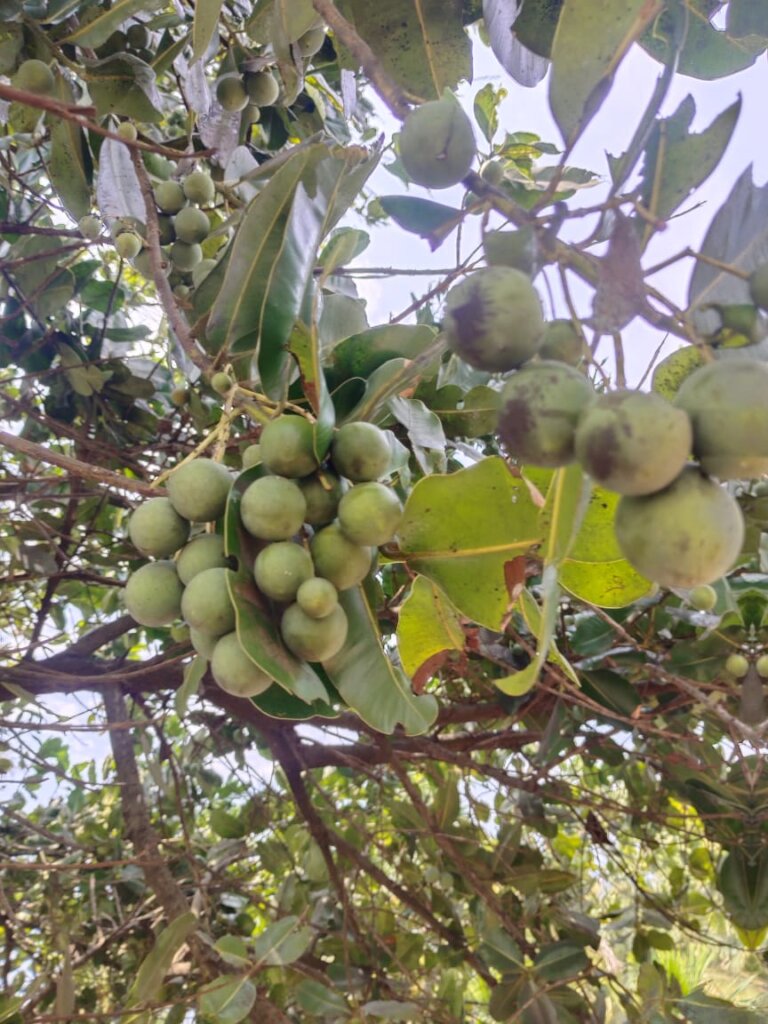
Through our research, we have also found out that the seeds of this tree are rich in oil. This oil has important medicinal properties as well as it is easily combustible, making it an ideal choice for biofuel production. In our search for economically attractive species for restoration of salt water ingressed and degraded lands in coastal areas, we have found this unique alternative.
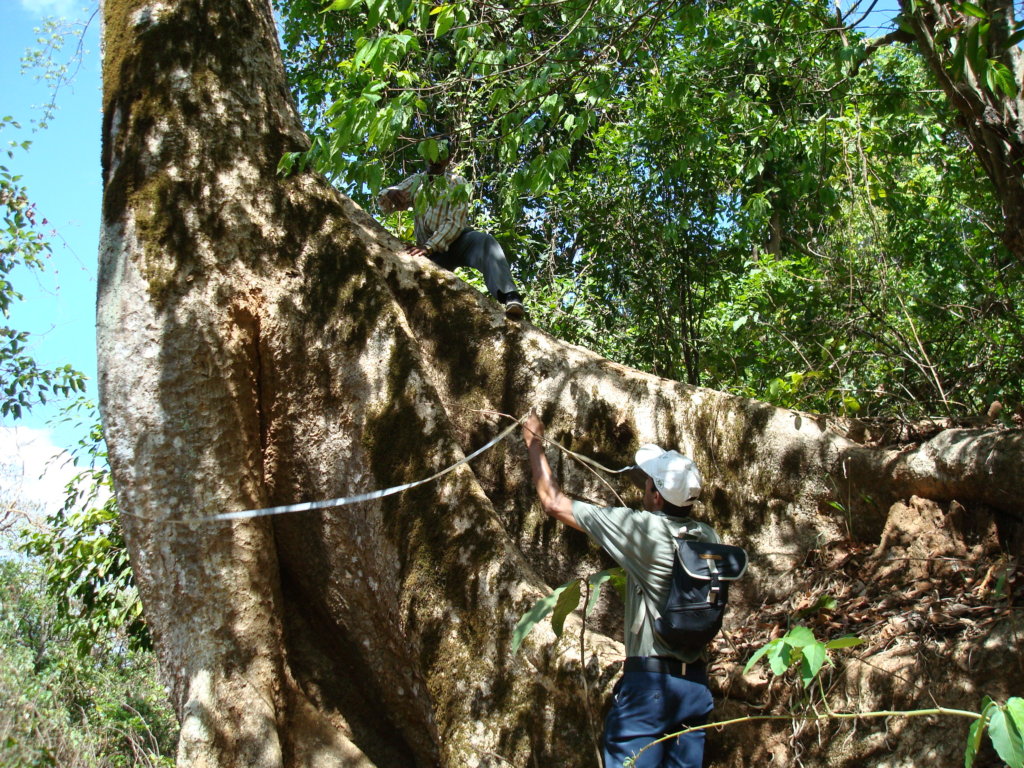
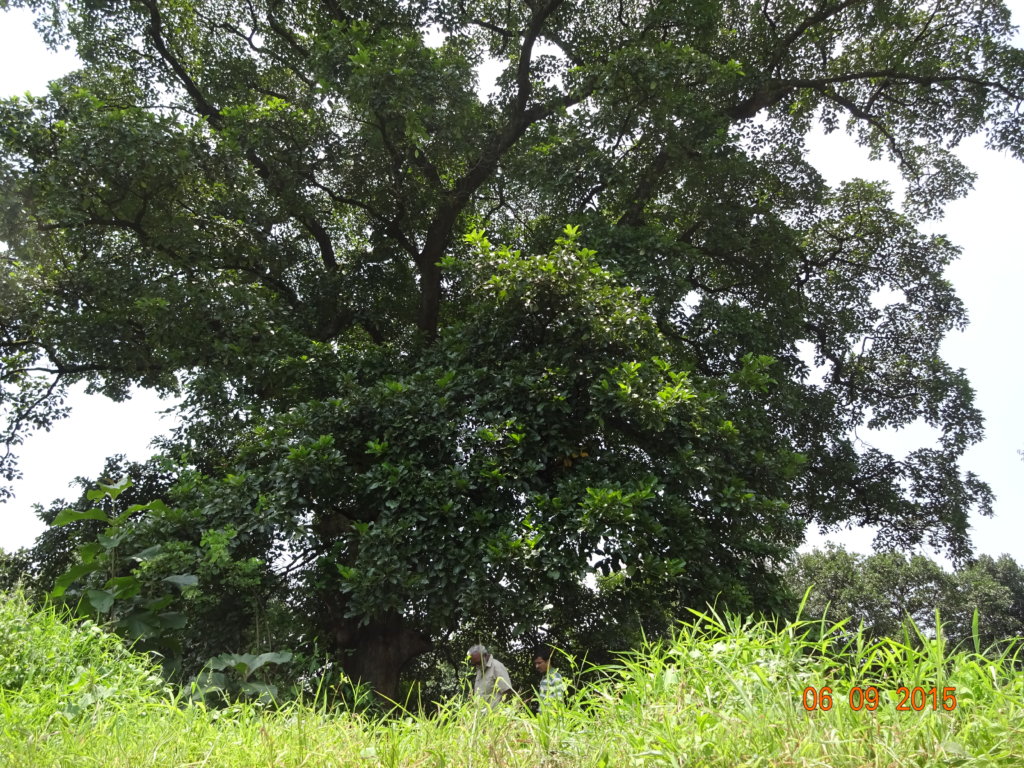
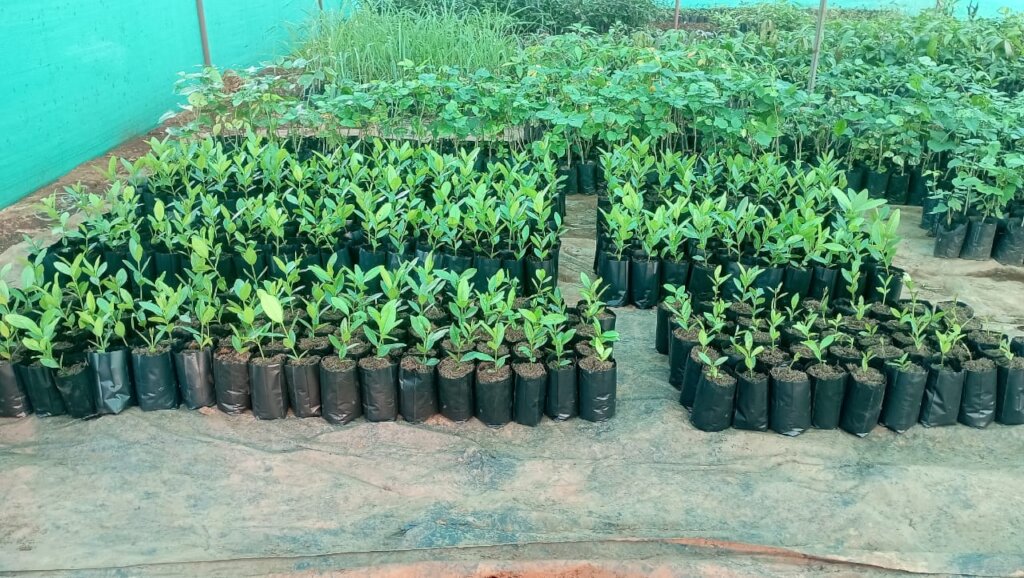
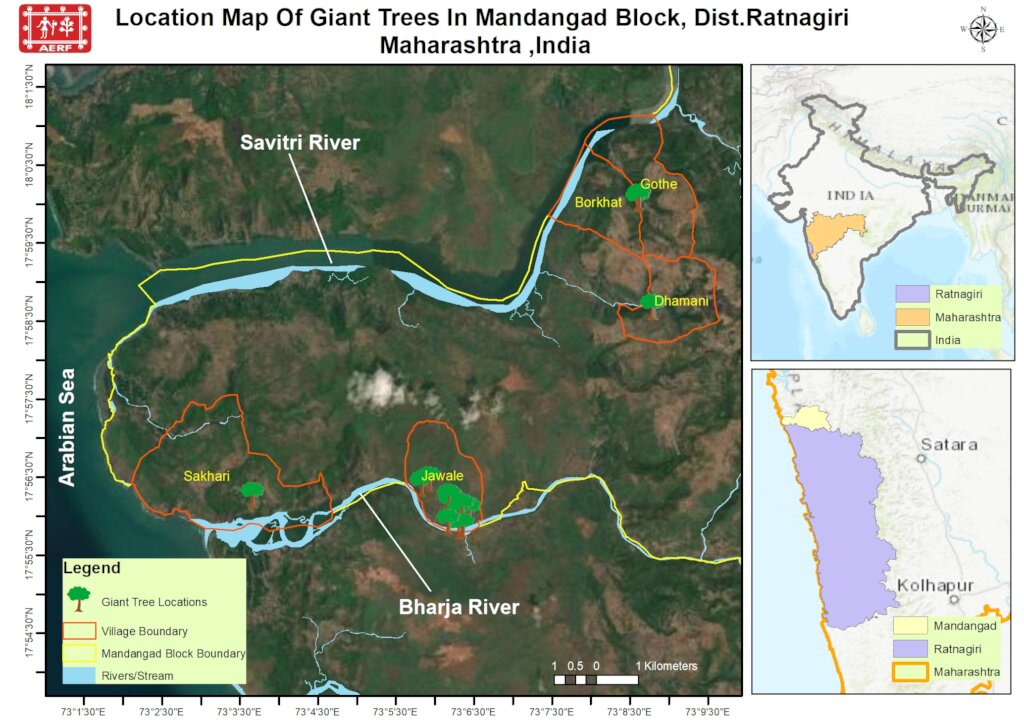
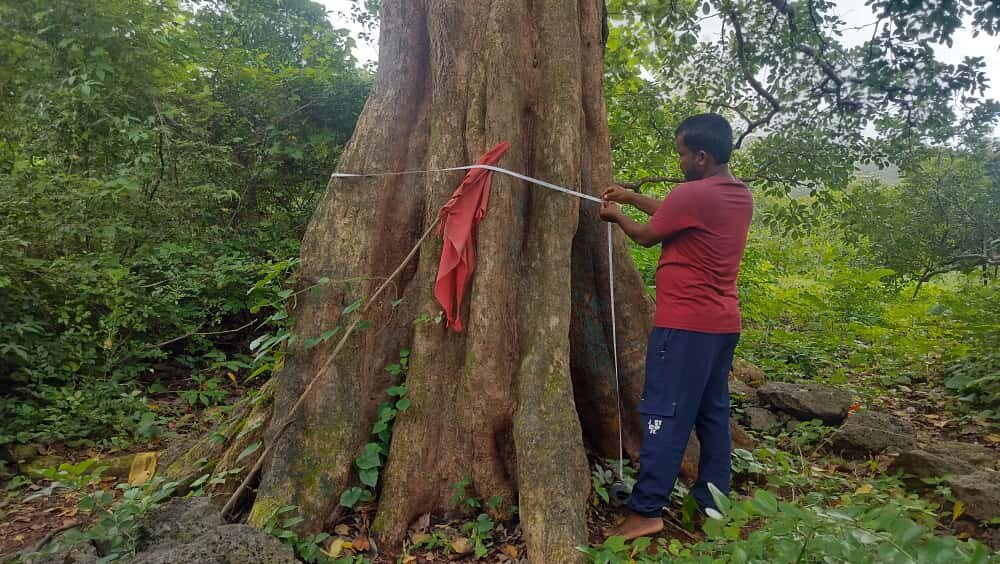
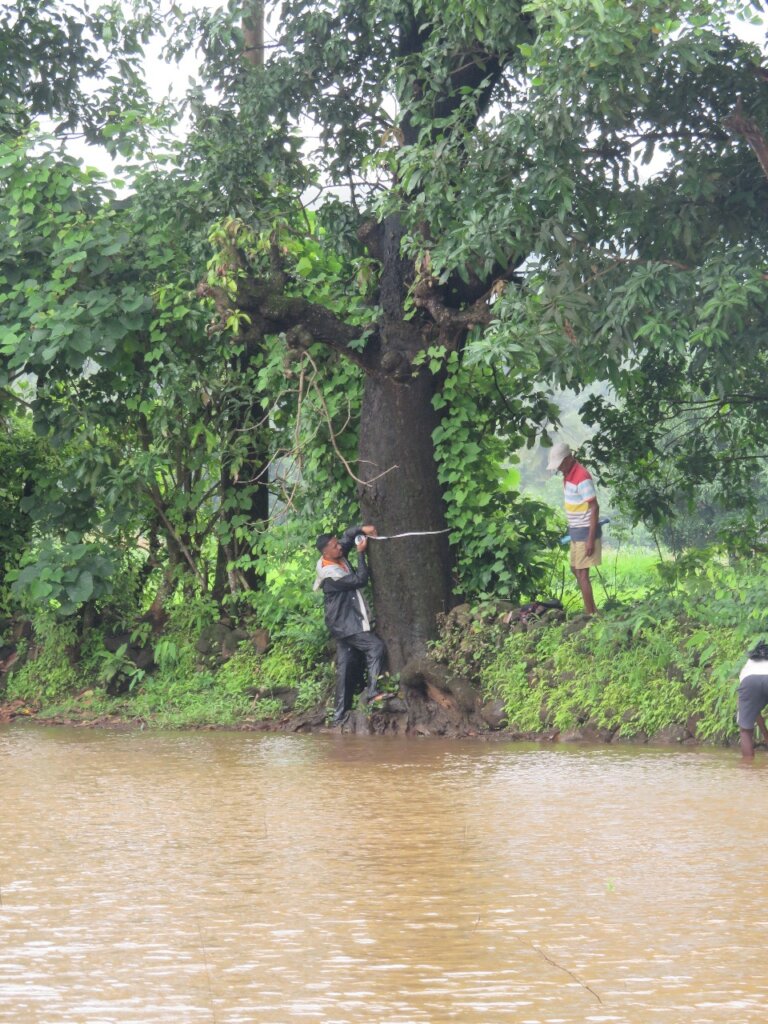
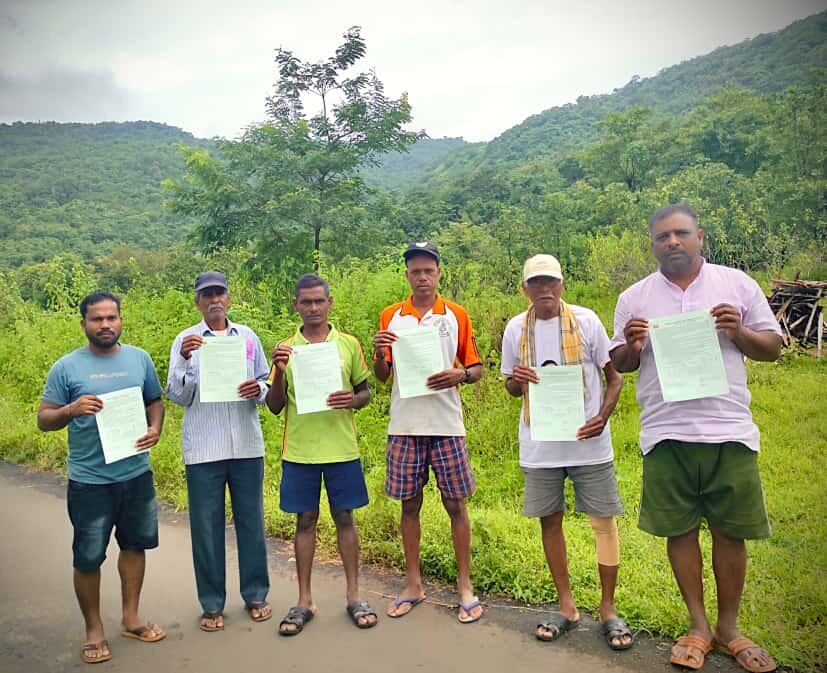
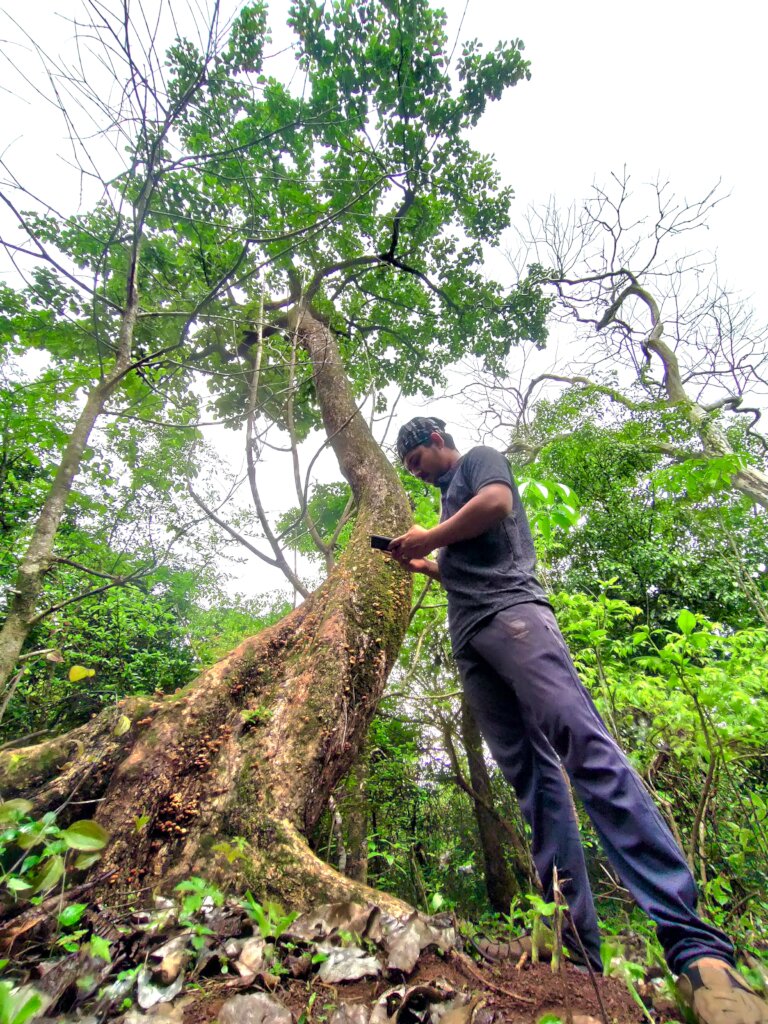
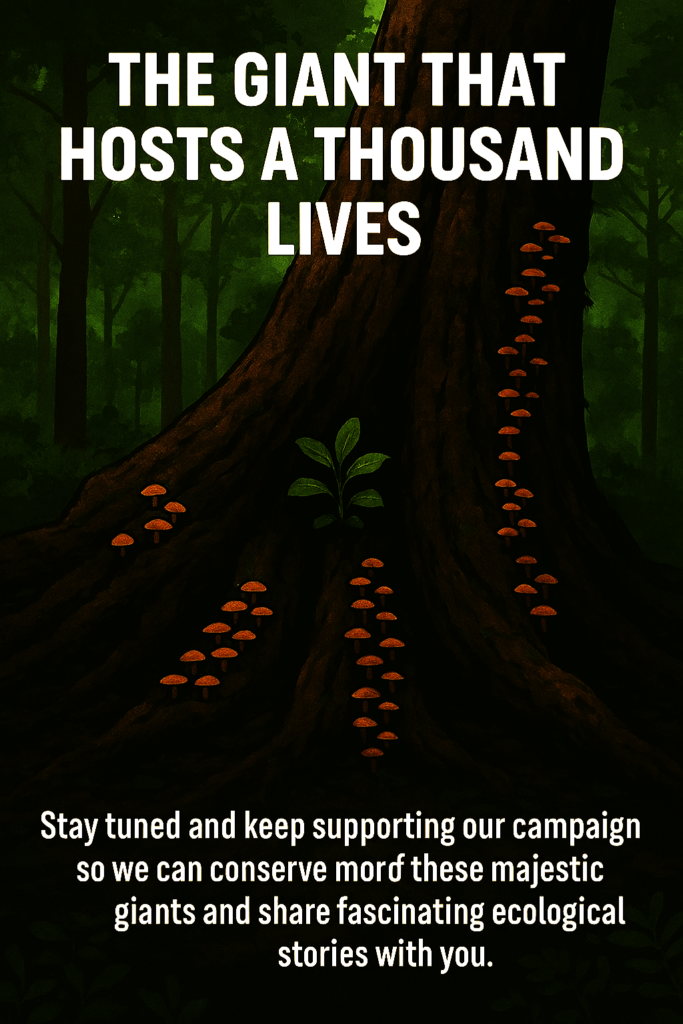
Our team not only found 5 giant trees of Alexandrian laurel in coastal areas of Ratnagiri district, they collected over 1000 seeds of this tree which we have used for raising the next generation of Alexandrian laurel.
We will be planting these saplings in the coming year and slowely but surely scale these operations to raise and plant 10,000 saplings of Alexandrian laurel on west coast of India.
We have often experienced that nature leaves many clues behind for us to restore and build a resilient and sustainable planet in every sense. We must possess the curiosity and grit to decipher these clues.
Thanks for your continued interest in this important work.
Best
By Jayant Sarnaik | Project Leader
By Jayant Sarnaik | Project Leader
Project reports on GlobalGiving are posted directly to globalgiving.org by Project Leaders as they are completed, generally every 3-4 months. To protect the integrity of these documents, GlobalGiving does not alter them; therefore you may find some language or formatting issues.
If you donate to this project or have donated to this project, you can receive an email when this project posts a report. You can also subscribe for reports without donating.



Support this important cause by creating a personalized fundraising page.
Start a Fundraiser