By Anna Cryer | Conservation Admin and Communications Officer
De-snaring Meru
A key part of the Saving Meru’s Giant’s programme is the Twiga Team. A team of five, the Twiga Team are a formidable force in detecting and removing snaresin Meru National Park.
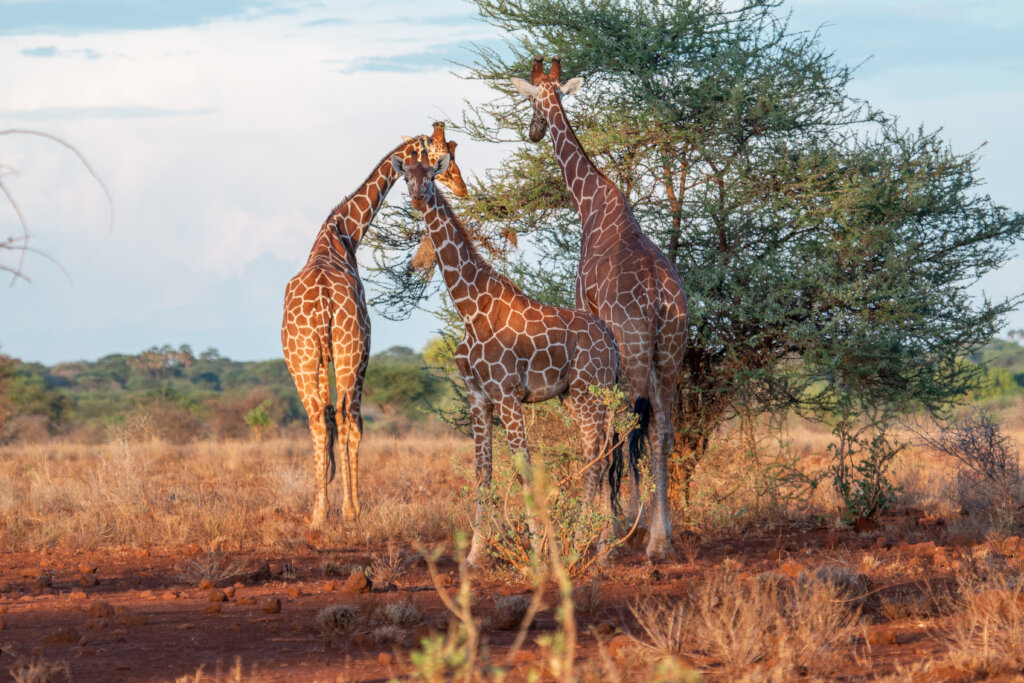
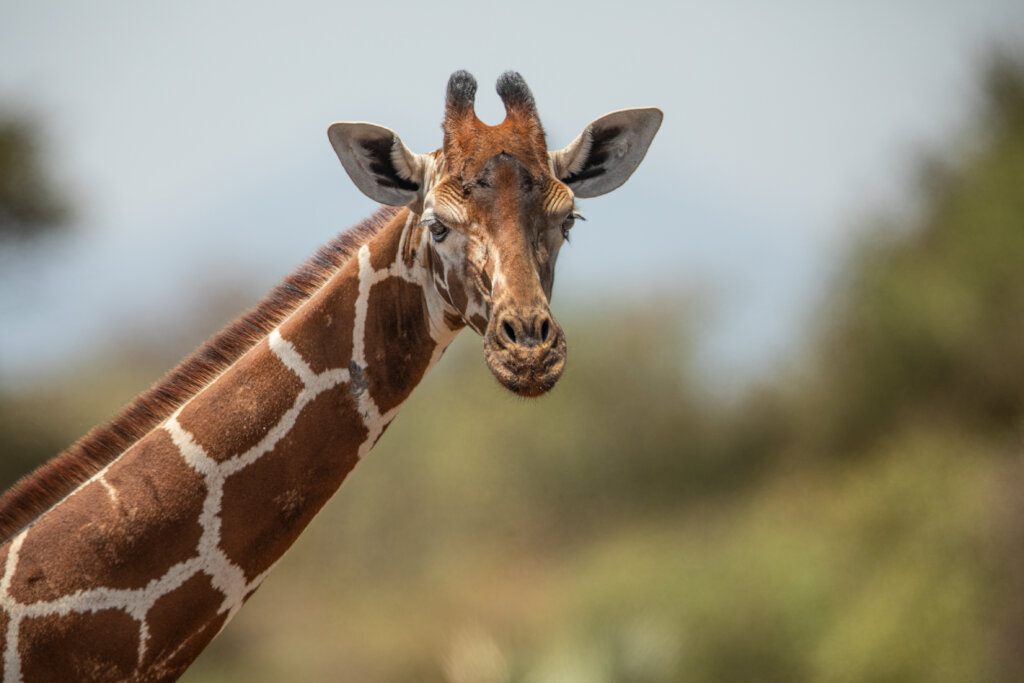
Snares pose a major threatto Meru’s wildlife. These metal traps are indiscriminate, and any animal can become easily trapped in these often well disguised wires. Poachers enter into the national park to set snares, aiming to trap all forms of wildlife. For many, this is for subsistence purposes although commercial poaching is also common. Giraffes, with their long, slim legs are particularly at risk. Can you spot the snare below?
An animal trapped in a snare will suffer immensely. Even in instances where an animal is able to break free from the snare, they may be left with severe injuries which make them vulnerable to infection, disabilities and predation by carnivores. Last June, Born Free, the Kenya Wildlife Service and Elsa Kopje Meru Lodge all worked together to save a lion with a snare round his neck. Cases make the Twiga Team more determined than ever.
In the last year, the Twiga Team have been busy, covering almost 1000km on 226 patrols. In total, from April 2024 to March 2025, the Twiga team removed nearly 500 snares!
Many of the snares found by the team are close to water sources. This puts animals at increased risk aswater points can be limited, particularly in drier periods. Animals needsafe access to water but unbeknownst to them, danger is lurking. Understanding the spatial patterns of poachinghelps the Twiga Team target their patrols.
Alongside removing snares to reduce poaching, the Twiga Team, along with other SMG team members,also conduct community sensitisation meetings on bushmeat poaching. We cannot effectively reduce poaching without addressing the root causes which are driving people to engage in this illegal activity. These meetings not only build relationships between Born Free and the communitybut help us better understand why people are poaching and what we can do to minimise issues such as food insecurity and poverty, which contributes significantly to poaching.
The Twiga Team work closely with the Kenya Wildlife Service (KWS) rangers and are always looking for areas of improvement. Last year, a feedback session was held with the KWS rangers, Twiga Team and other key personnel to better inform and plan anti-poaching strategies. Born Free are proud to work with partners such as the KWS to protect wildlife.
The Twiga Teamaren’t slowing down. Since they began in 2022, they’ve removed 1,635 snares. In the coming year, they’ll continue working tireless to protect giraffes, elephants and all of Meru’s wildlife.
Project reports on GlobalGiving are posted directly to globalgiving.org by Project Leaders as they are completed, generally every 3-4 months. To protect the integrity of these documents, GlobalGiving does not alter them; therefore you may find some language or formatting issues.
If you donate to this project or have donated to this project, you can receive an email when this project posts a report. You can also subscribe for reports without donating.



Support this important cause by creating a personalized fundraising page.
Start a Fundraiser