By Anna Cryer | Conservation Admin & Communications Officer
The mighty bee is protecting crops and generating income sources in Meru, Kenya.
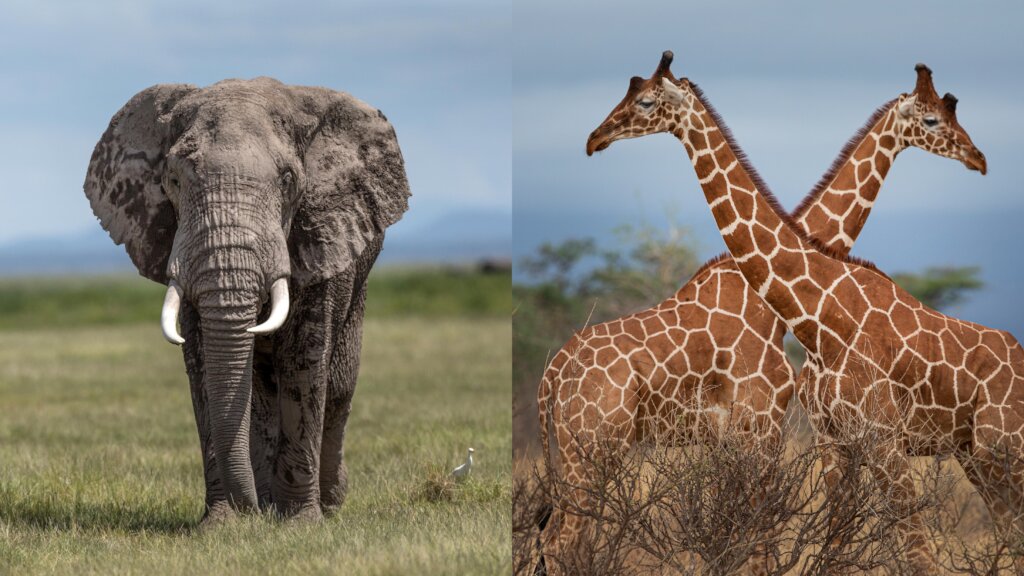
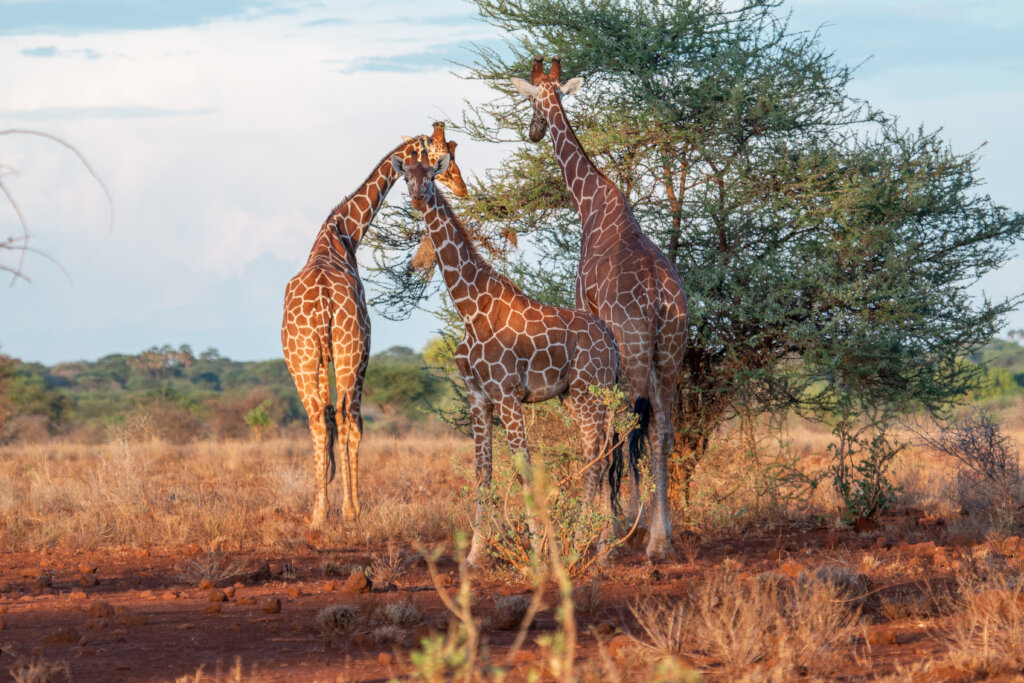
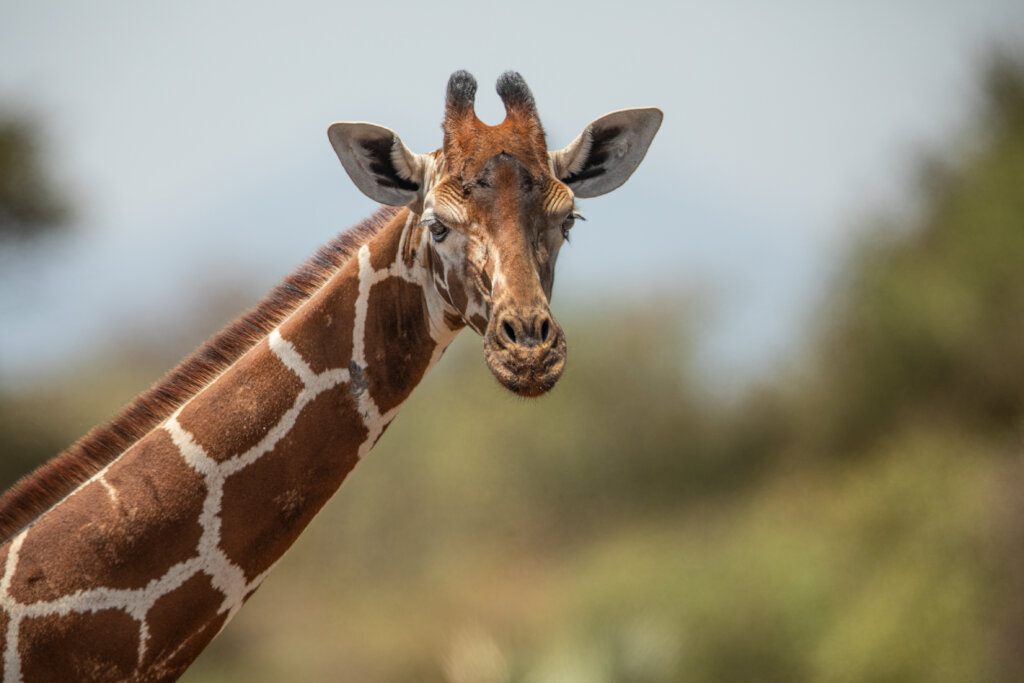
Our programme, Saving Meru’s Giants, is working to do just as its name suggests, saving the elephants and giraffes of Meru. But how are bees involved in Saving Meru’s Giants when these tiny creatures seem worlds apart in size and strength?
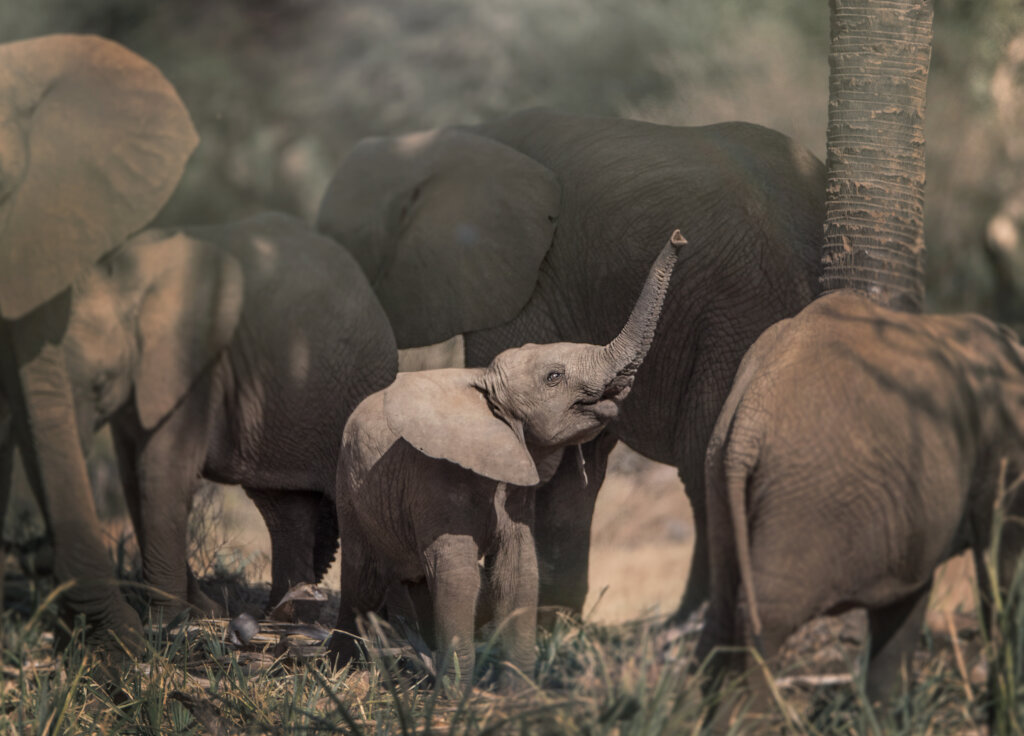
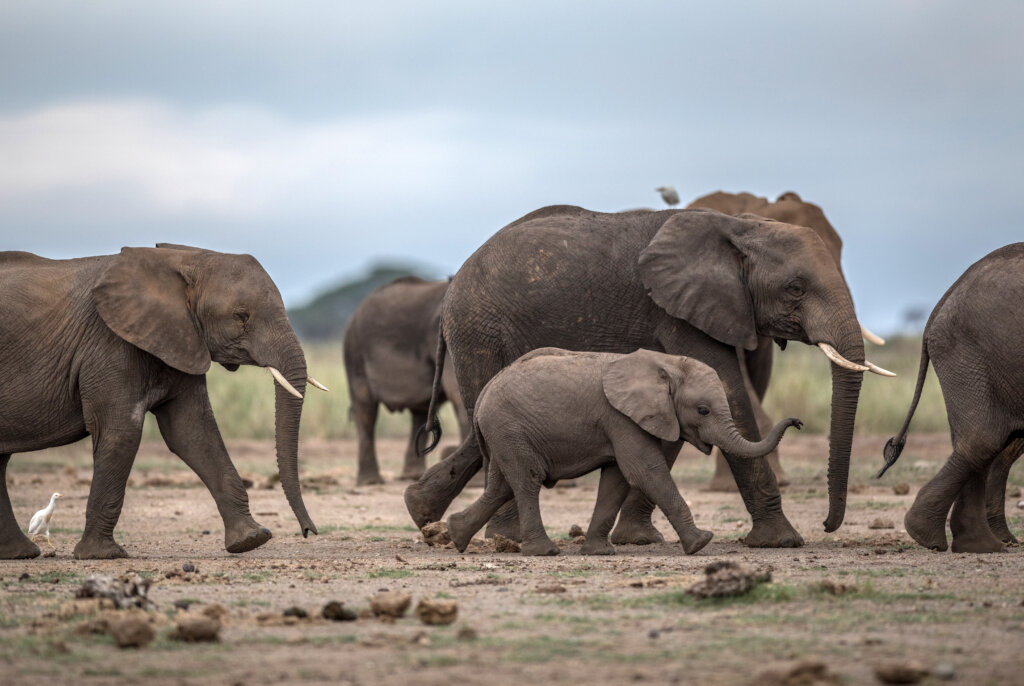
By their very nature, elephants need to eat huge amounts of food every day to sustain their giant size.It is this endless search for sustenance that often brings elephant into conflict with farmers as they can eat and trample crops. While grasses, leaves, bark and shrubs might be suitable, nutrient and calorie dense, crops like maize and mangoes are powerful lures to a hungry elephant. Months of backbreaking labour by farmers can vanish in a single night, taking food and income away from their families. Elephants, not comprehending the human costs of their crop raiding habits,also suffer. Farmers are pushed to their limits and may strike back against elephants with fatal consequences.
Our Saving Meru’s Giant programme is working with farmers to prevent this and reduce conflict with elephants. By doing this, we are protecting wildlife and farmers.
So how do bees come in to this?
Despite an elephants might size, they’re wisely afraid of a swarm of bees. Elephants have very sensitive skin in and around their trunks and around their eyes. The threat of bee stings is enough to convince elephants to move away. A creature weighing mere grams has the power to deter animals weighing several tonnes.
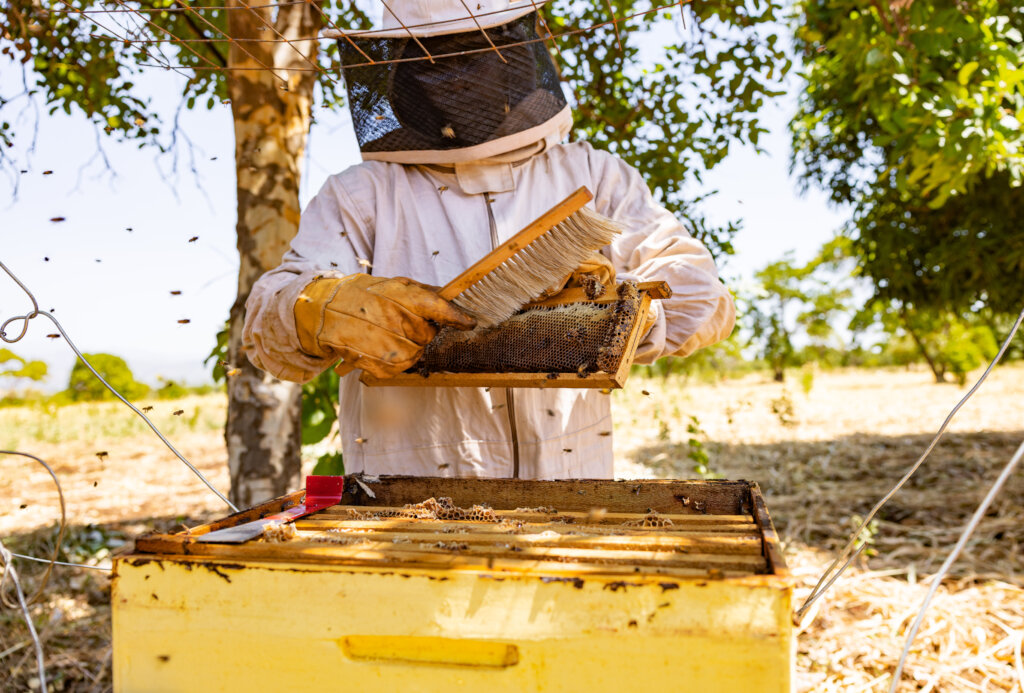
Utilising this natural phenomenon, beehive fences were first trialled by Save the Elephants over a decade ago and have now become a tool used across many landscapes where elephants roam. A wire fence connects hanging beehives together around a farm, forming a protective barrier around crops and when something knocks the wire, such as an elephant’s leg, the hives swing and shake. This movement can cause the bees to swarm and protect their hives from an intruder. Elephants will then usually leave the farm to avoid any bee stings.When the bees are particularly active, the deterrent effect is even stronger and elephants will also instinctively avoid the area so as not to come into contact with the fence.
Using this concept and adapting it to the Meru environment, Born Free has installed 22 beehive fences, made up of 294 beehives, to farmers living around Meru National Park, who have suffered for decades from lost crops and income. Our beehive fences are transformative: they offer security and safety for both people and elephants. Farmers who once demonised the elephant, weapons in ready hands, now gently tend to buzzing colonies and spread the word of living peacefully alongside these giants. The same fields which were once battlegrounds between human efforts and elephant hunger are becoming sources of golden honey, liquid prosperity flowing from what was once conflict.
The Saving Meru’s Giant’s team work with farmers to install the hives, provide training on how to care for the hives and how best to harvest honey, providing income diversification and shoring up vulnerabilities in the communities against, for example, climate change.
Keeping bees is no simple task however, and although this tool is relatively simple in design, any beekeeper will know that bees need to be carefully looked after to ensure they remain in the hive and it stays productive. Our team doesn’t simply install the beehive fences, we partner closely with each and every farmer to provide ongoing support and training to ensure these tiny bees, guardians of the crops, are cared for.The SMG team begin with an introduction to bees’ workshop, explaining their biology and basic bee colony management skills. They will go on to provide training on honey extraction and processing.
To stock the hives initially, farmers try to naturally attract new bee colonies. Bees are fussy however and attracting them takes work.
“Even a single cobweb can stop bees colonising a hive” explains Patrick Kanake, one of our Community Conservation Ambassadors and Saving Meru’s Giant’s bee expert “Farmers need to clean the hives regularly to ensure that it is ready for the bees to move in and there is nothing that will deter them such as other insects.
“There are tricks however to help attract bees, farmers can make a paste using lemongrass and wax and put it at the entrance of the hive to get it smelling good!”
Native bees, already accustomed to the rhythm of local seasons and weathered by familiar storms, make the strongest, most enduring partners. When nature needs a gentle nudge, the SMG team provide farmers with a frame of bees carefully sourced from nearby areas. This is only used however if all measures to attract bees naturally have been exhausted.
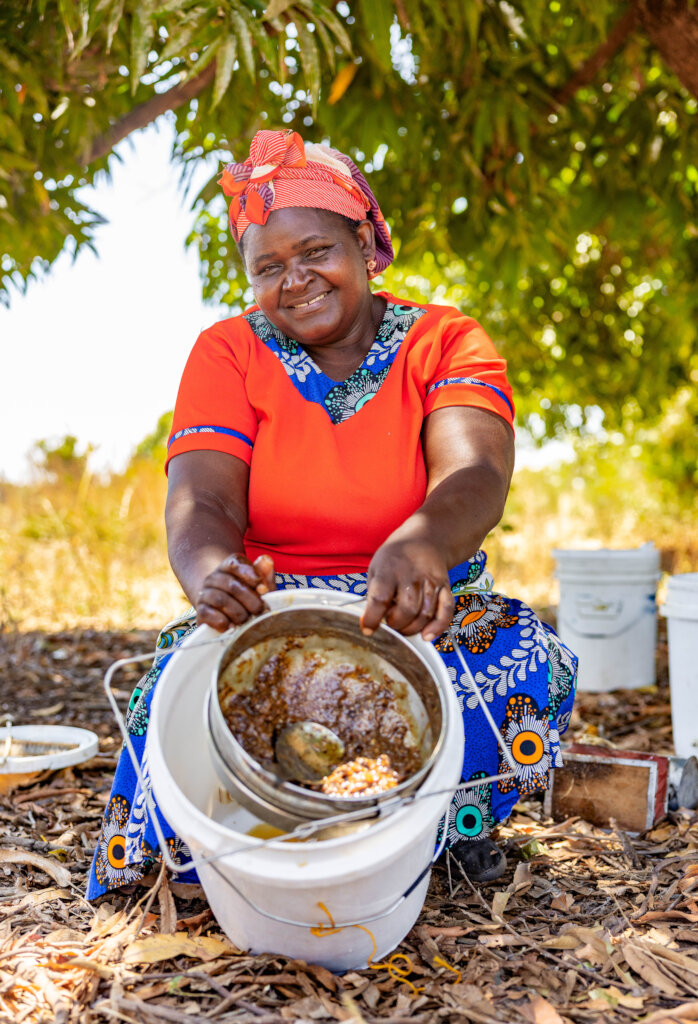
From these effective defences comes a sweet reward. The honey extracted from every hive is either eaten by the farmers and their families or sold in local markets. When conditions are favourable, each hive can be harvested twice a year and can produce on average 13kg of honey.
“The beehives have greatly benefited me, and now I see elephants like friends” says Susan, one of the beehive fence recipients,“I’ve seen the importance of these animals being around. Since installing the hives, elephants have not visited my farm, and I believe they will be deterred from raiding my crops due to the beehive fence.”
The SMG team are steadfast in their commitment to provide the training and essential tools to farmers in the Meru landscape. You can support our work by donating today.
Links:
Project reports on GlobalGiving are posted directly to globalgiving.org by Project Leaders as they are completed, generally every 3-4 months. To protect the integrity of these documents, GlobalGiving does not alter them; therefore you may find some language or formatting issues.
If you donate to this project or have donated to this project, you can receive an email when this project posts a report. You can also subscribe for reports without donating.



Support this important cause by creating a personalized fundraising page.
Start a Fundraiser