By Teresa (Terry) Whatley | Founder/Director
If you have ever had a close encounter of the bird kind and didn’t know what to do, please read on. If you’ve never had a bird situation to deal with, please read on. You may have a bird encounter in your future. You never know.
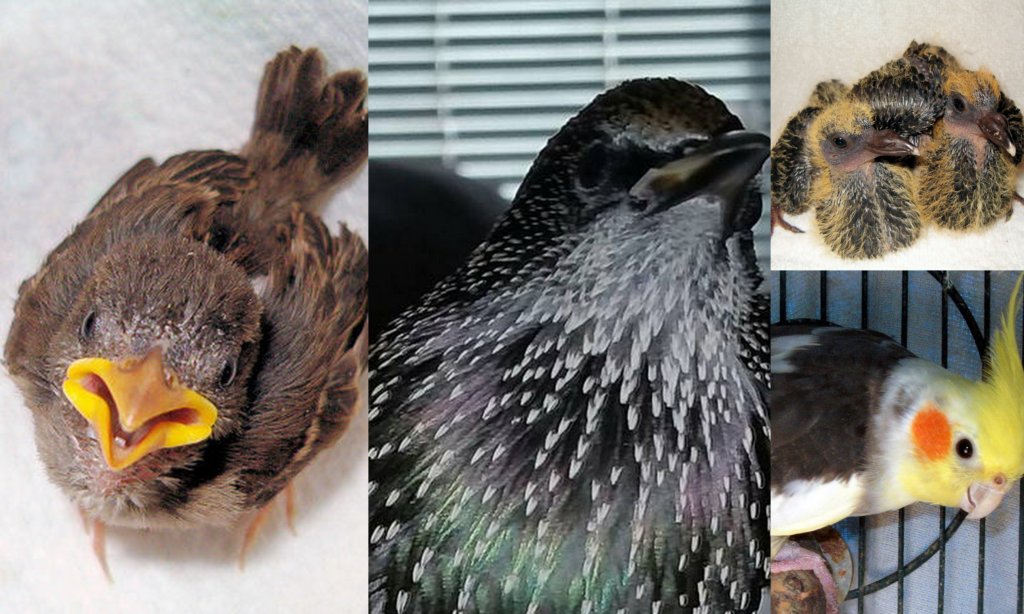
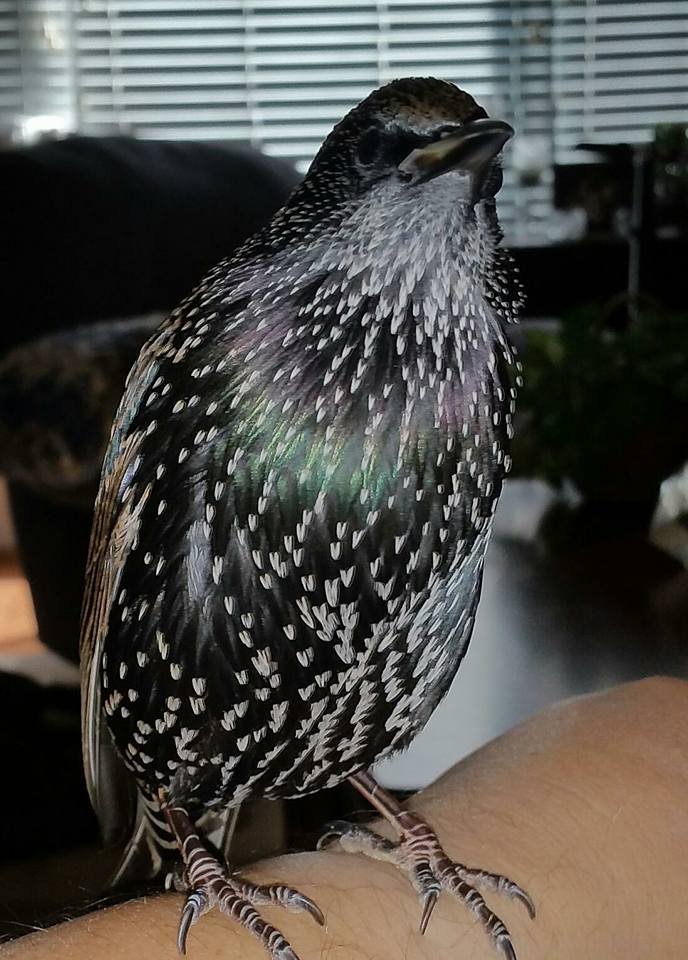
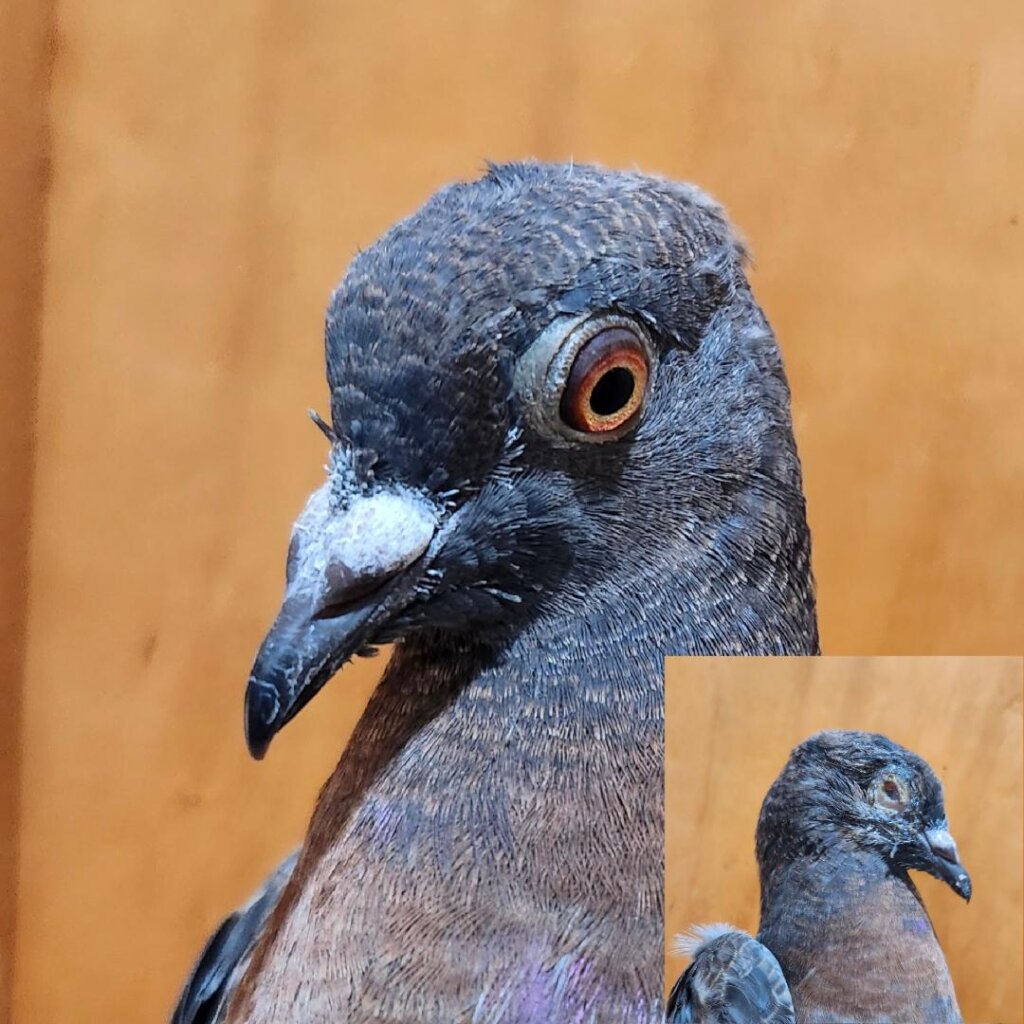
Baby bird season here in Southern California has now started. There will be numerous situations where baby birds are in distress and in need of help over the next six to seven months. As the baby bird season progresses, there will be fledgling birds that may need assistance. On a year around basis, there are birds of all ages that are victims of window strikes, predator attacks, in danger because of where they are, or simply sick or injured. Without your help, most of these birds will not survive.
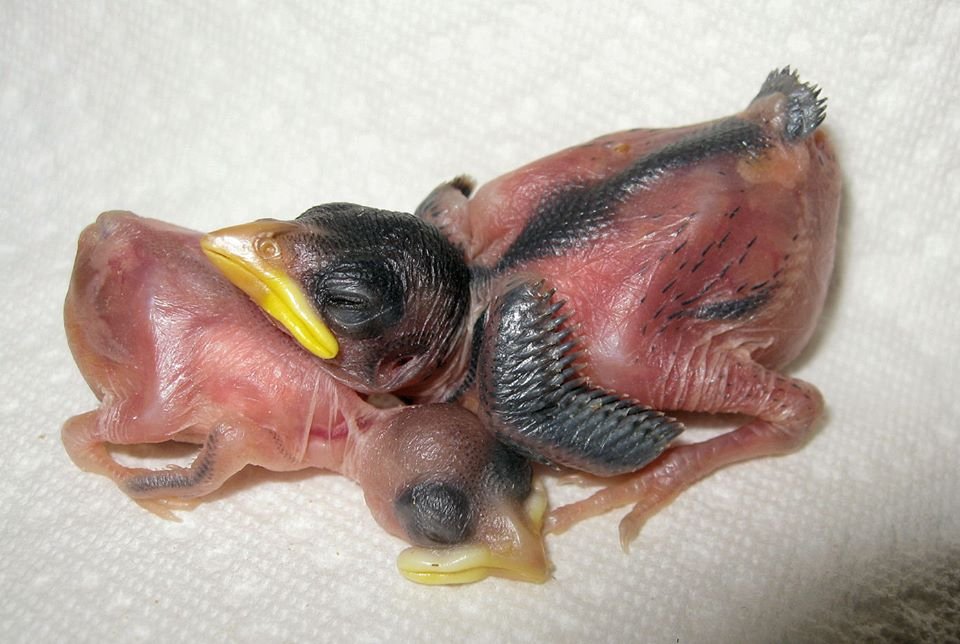
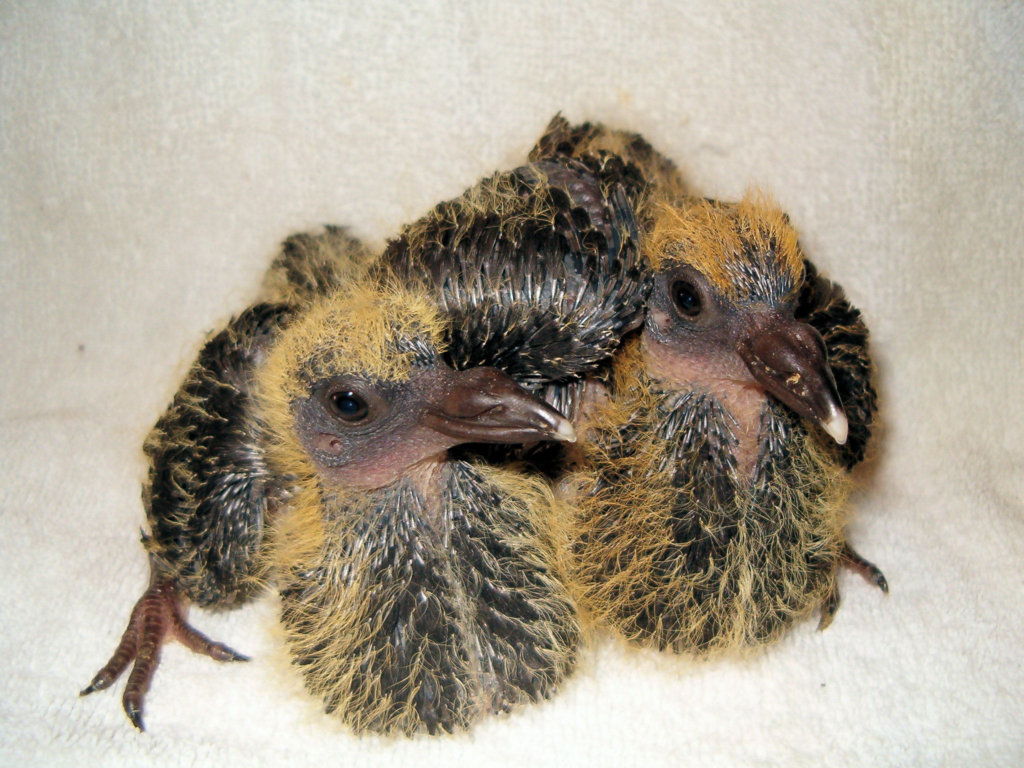
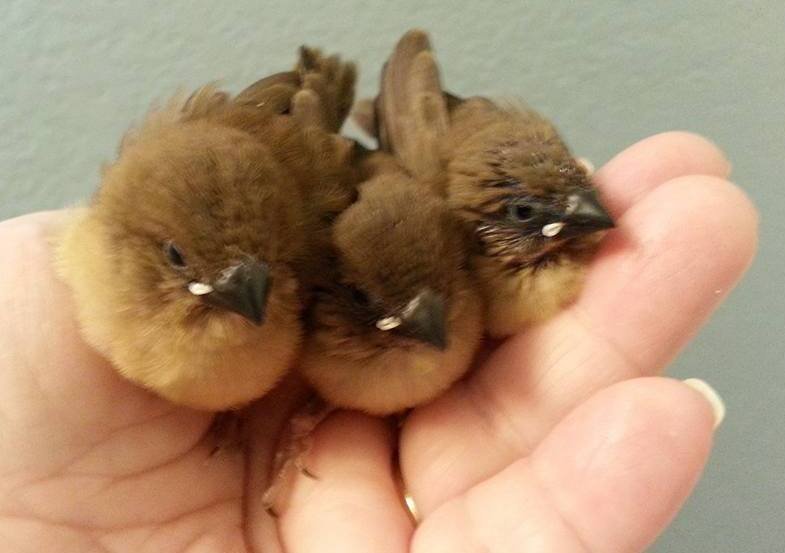
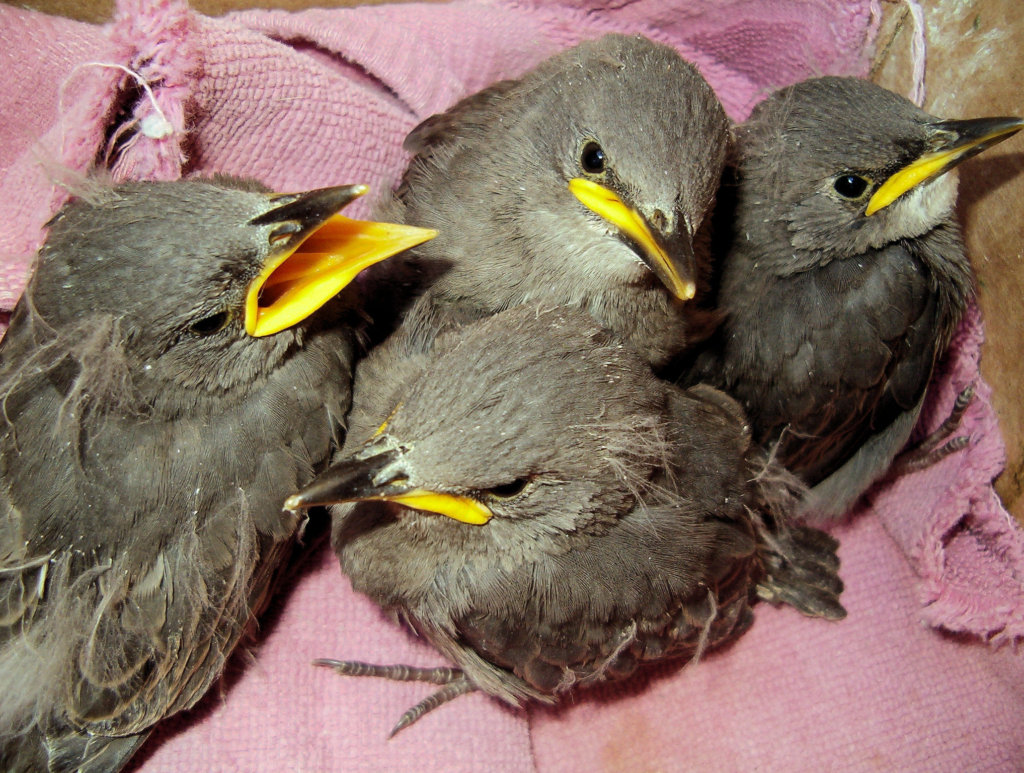
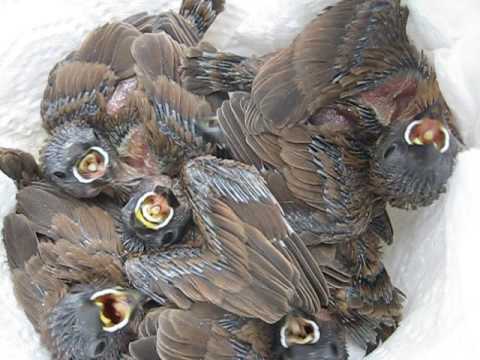
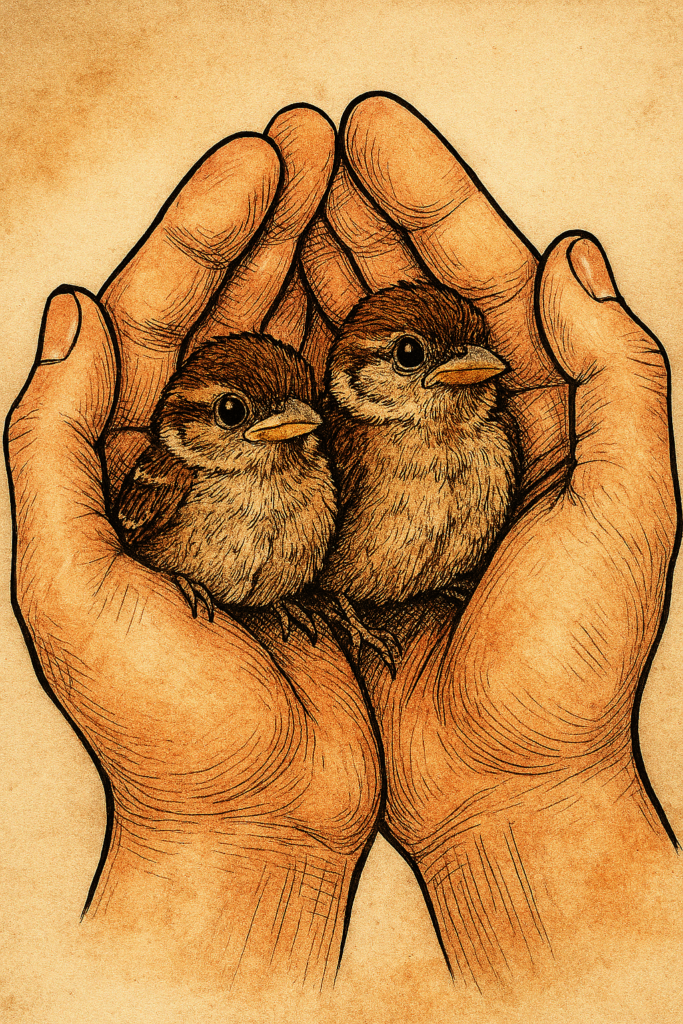
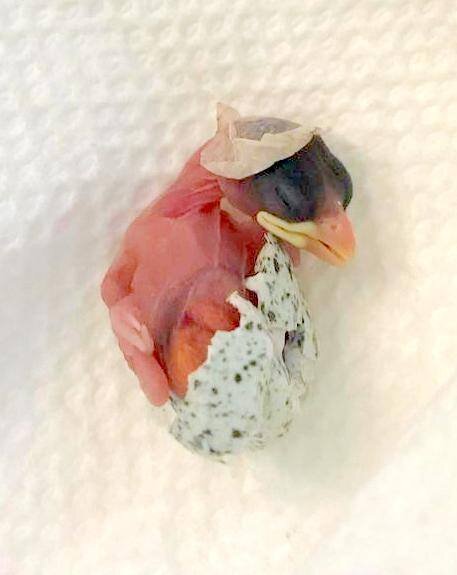
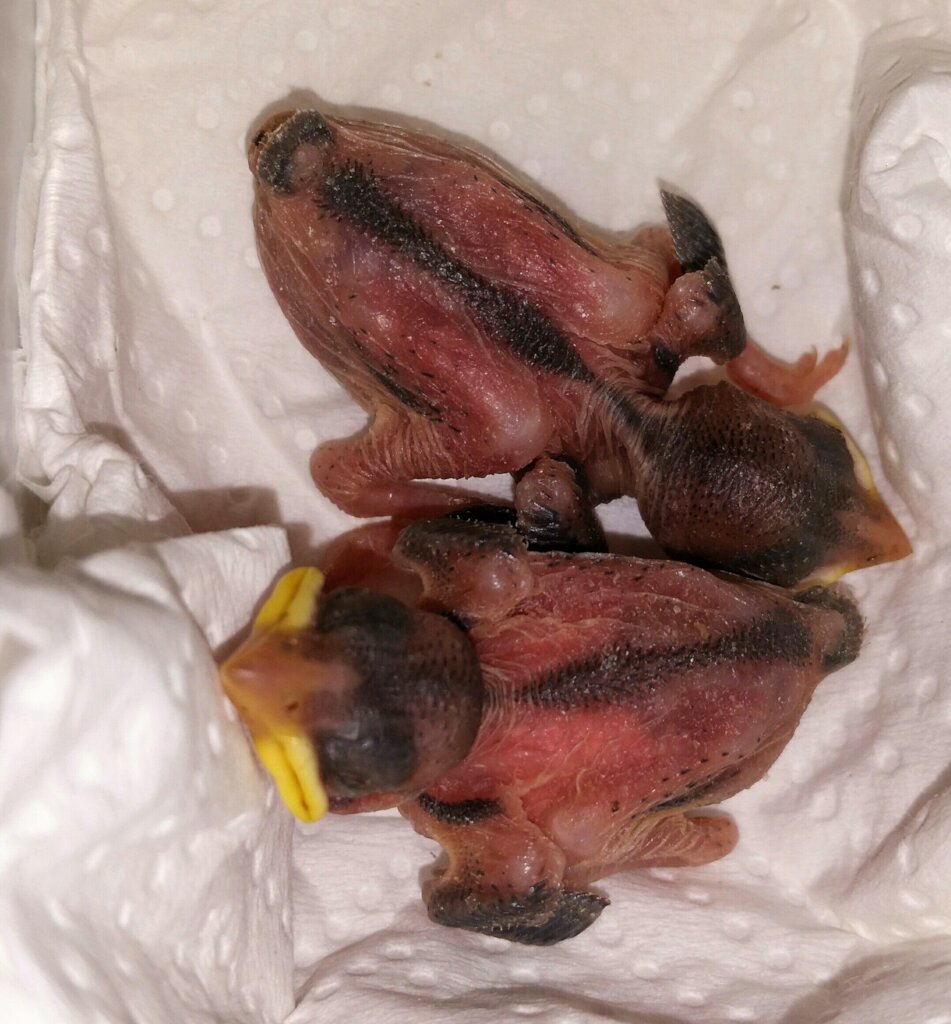
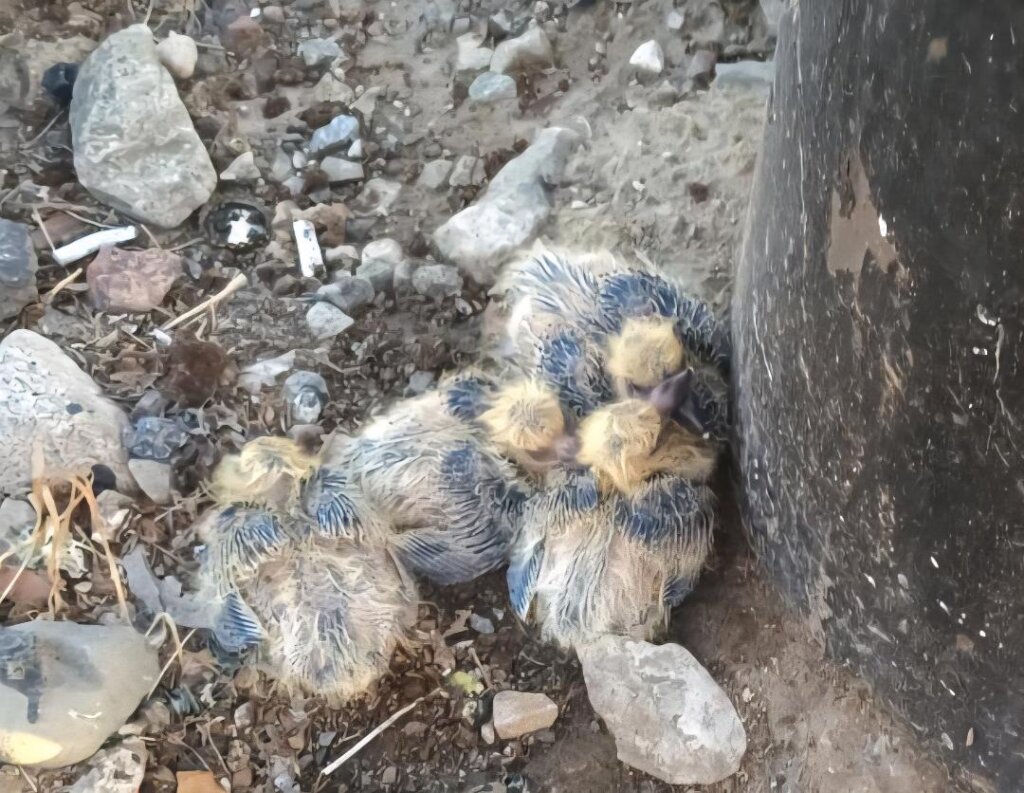
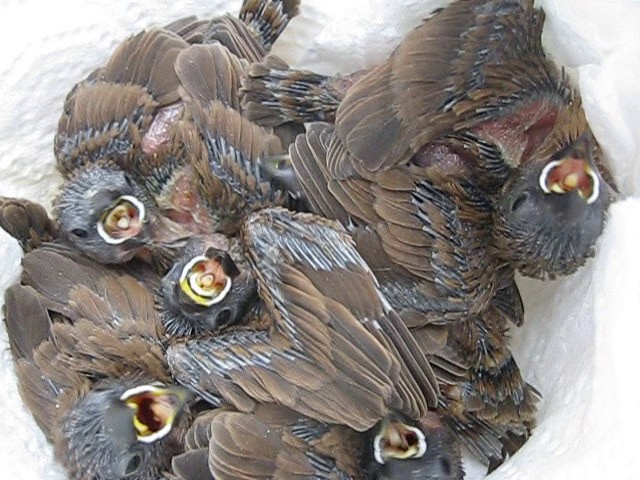
Baby birds fall into two categories: hatchlings and nestlings. Hatchings are just what the term implies. Newly hatched and completely helpless. Nestlings are a bit older but still in the nest and in need of parental care. If you see hatchlings or nestlings on the ground, they need your help. If the hatchling or nestling is uninjured and seems to be ok, it is best to put them back in the nest they fell from. If you don’t know where the nest is or cannot access it, you need to get the baby bird safe in a small container on soft fabric or tissue and keep it very warm. Very warm means 95-100 degrees ambient temperature. You can accomplish this with a heating pad, rice sock, hot water bottle, or an actual incubator/brooder. Any hatchlings or nestlings that cannot be renested will need to be placed with a local rehabilitator for that species. In the case of non-native birds, it’s not illegal for you to keep them and raise them, but it’s a daunting task. Don’t try to do it without talking to someone who has experience.
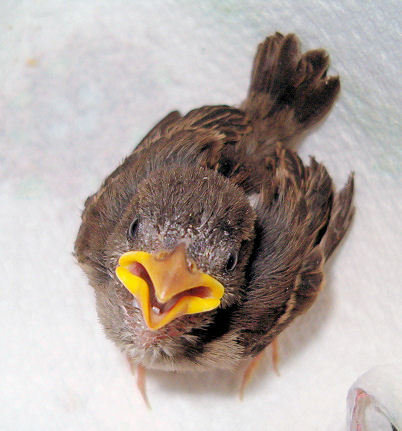
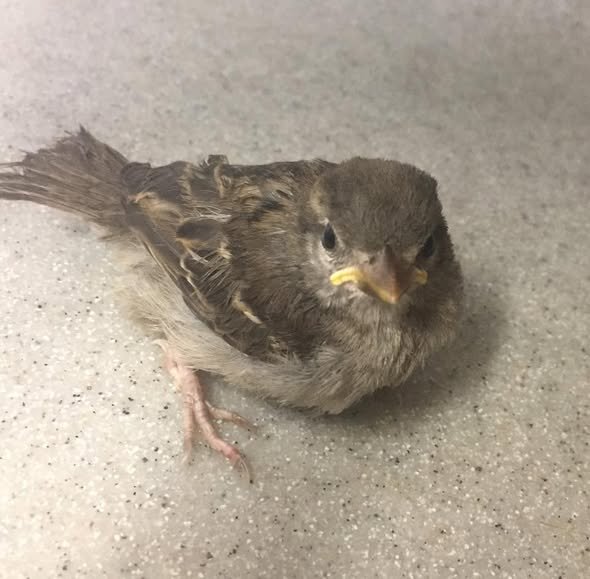
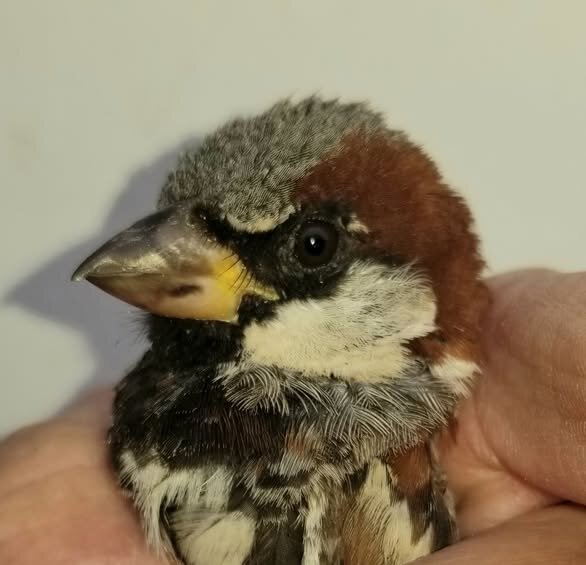
Fledglings are a whole different thing. Fledglings are older youngsters that have most of their feathers and have left the nest on their own. It’s a very vulnerable time for them, but it’s a rite of passage. If they are healthy and their parents are there to teach them the ways of the world, they should be ok. They do not need to be rescued even though they are not yet flying well. Keep an eye on them, but don’t intervene unless something is amiss.
In the case of window strikes, the bird may just be stunned but is also sometimes injured. You should safely confine the bird and observe for several hours or for a day. If it’s able to fly away, that’s great. If not, it definitely has to get to a rescue or rehab facility. Sadly, there are often broken bones from window strikes.
Predator caught or sick or injured birds ALWAYS need to go to a rescue or rehabilitator. These birds will need medication and possibly veterinary care.
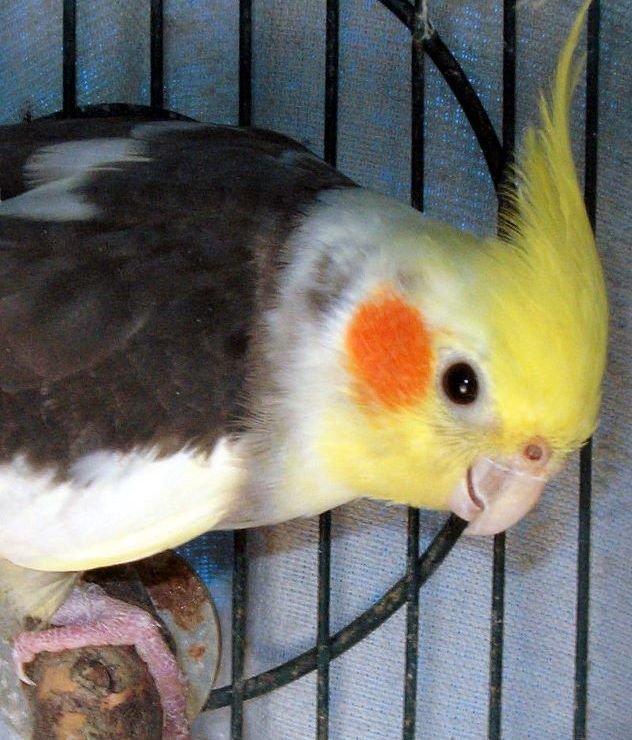
Any bird that is in a precarious situation needs your immediate help. Pet birds have no real survival skills and need to be rescued and gotten to safety as soon as possible. Please, if there is any doubt, do your best to safely confine the bird immediately. Take pictures and go on social media later to figure out the rest of it. Do not just leave a potentially pet bird on its own while you “research”. It will end badly for the bird in most cases if you do this. With wild birds, if you think it's in trouble, it probably is, so please do your best to intervene and help.
If you feel something is amiss with a bird you are seeing, then please do something. If you’re wrong and the bird is ok and a wild bird, you can just release it. If you’re right, and the bird needs help, then you just saved its life. Never ever release a domestic bird once you have rescued it. That’s a death sentence.
We thank you for your generous support on GlobalGiving and are looking forward to your continued support in the upcoming Little X Little fundraiser in March!
By Teresa (Terry) Whatley | Founder/Director
By Teresa (Terry) Whatley | Founder/Director
Project reports on GlobalGiving are posted directly to globalgiving.org by Project Leaders as they are completed, generally every 3-4 months. To protect the integrity of these documents, GlobalGiving does not alter them; therefore you may find some language or formatting issues.
If you donate to this project or have donated to this project, you can receive an email when this project posts a report. You can also subscribe for reports without donating.



Support this important cause by creating a personalized fundraising page.
Start a Fundraiser