By Freda Catheus, Guyto Desrosiers, and Brian Stevens | Beyond Borders Staff
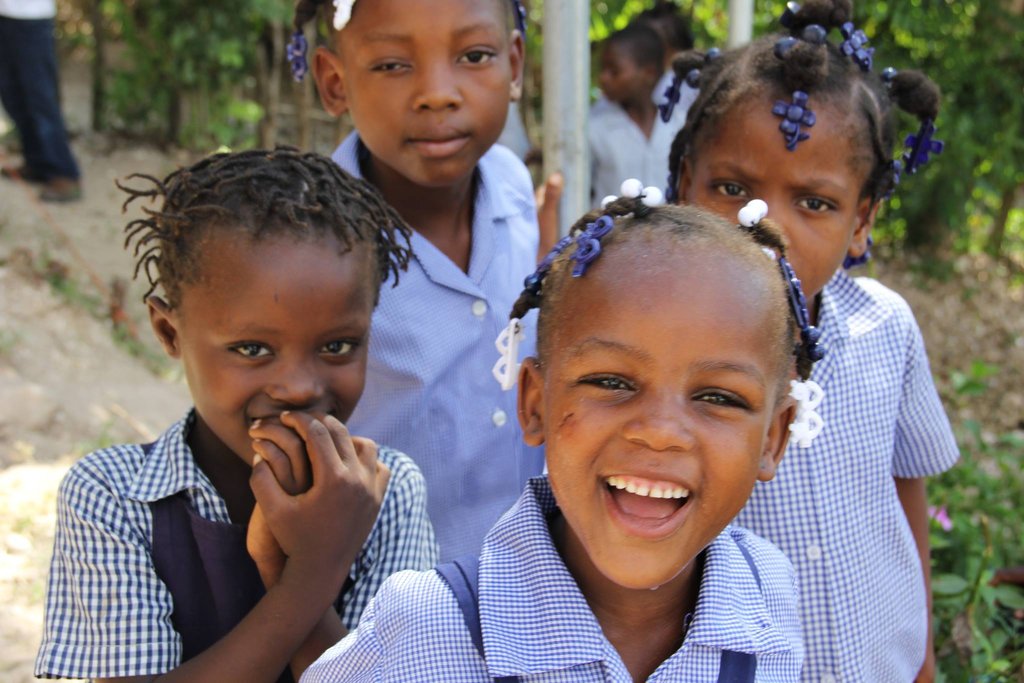
Thank you for your generous support for the Schools Not Slavery initiative. We’re deeply grateful for your steadfast generosity and solidarity with children and families on Lagonav Island. Thanks to you, Beyond Borders’ Model Community Initiative moved from promise to proof this past fiscal year, advancing child protection, expanding access to learning, and strengthening household livelihoods despite daunting national challenges. This is a high-level look at what your support made possible in the fiscal year that ended in July.
At a Glance:
Protecting Children & Ending Exploitation
Your support fueled a coordinated approach—community mobilization, survivor-led organizing, advocacy with authorities, and hands-on casework. New coordination committees for Child Protection Brigades and Survivor Networks are developing their leadership capacity and carrying forward prevention, referrals, and public pressure for accountability (including calls for stronger judicial response to sexual violence). When children were in danger, trained teams acted: liberation, safe placement, and follow-up care anchored by psychosocial, medical, legal, and educational support.
Equipping Survivors to Heal and Lead
Survivor-focused groups offered safe spaces to process trauma and rebuild confidence, while literacy classes opened doors to information, income, and participation. Savings-and-loan groups (AVEK) helped members stabilize budgets, invest in livelihoods, and maintain a solidarity fund for emergencies—practical tools that reinforce dignity and self-reliance.
Opening School Doors—and Improving What Happens Inside
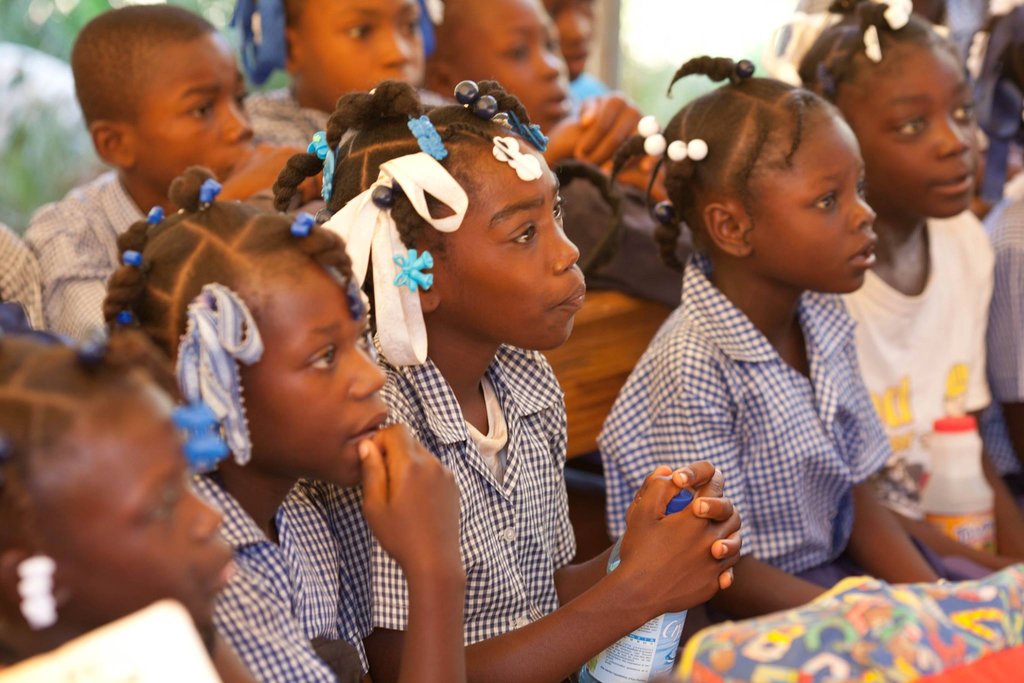
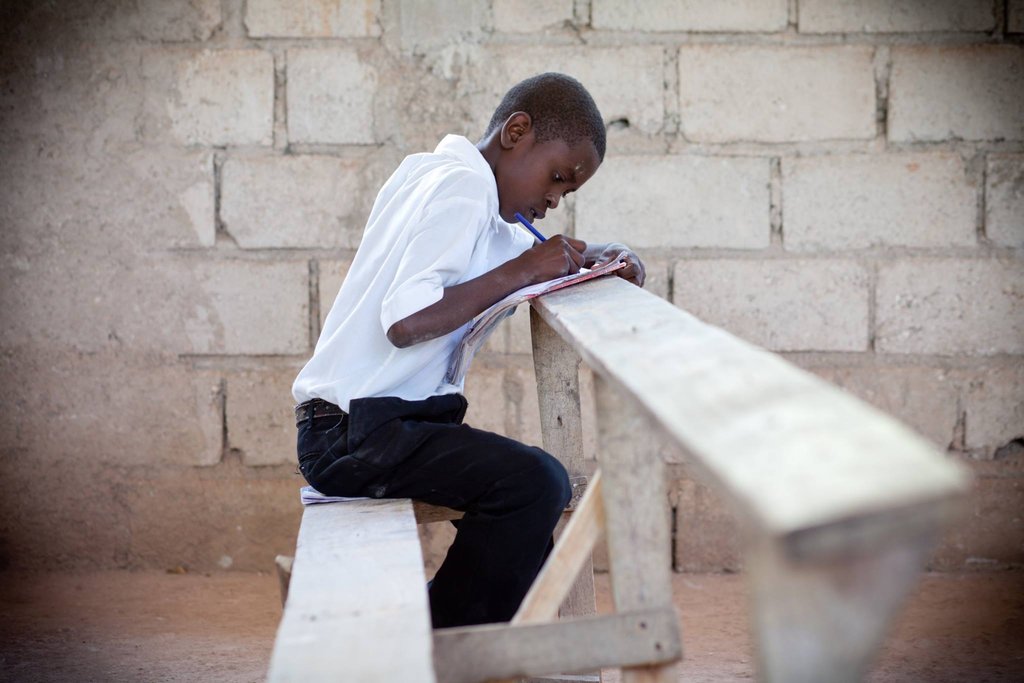
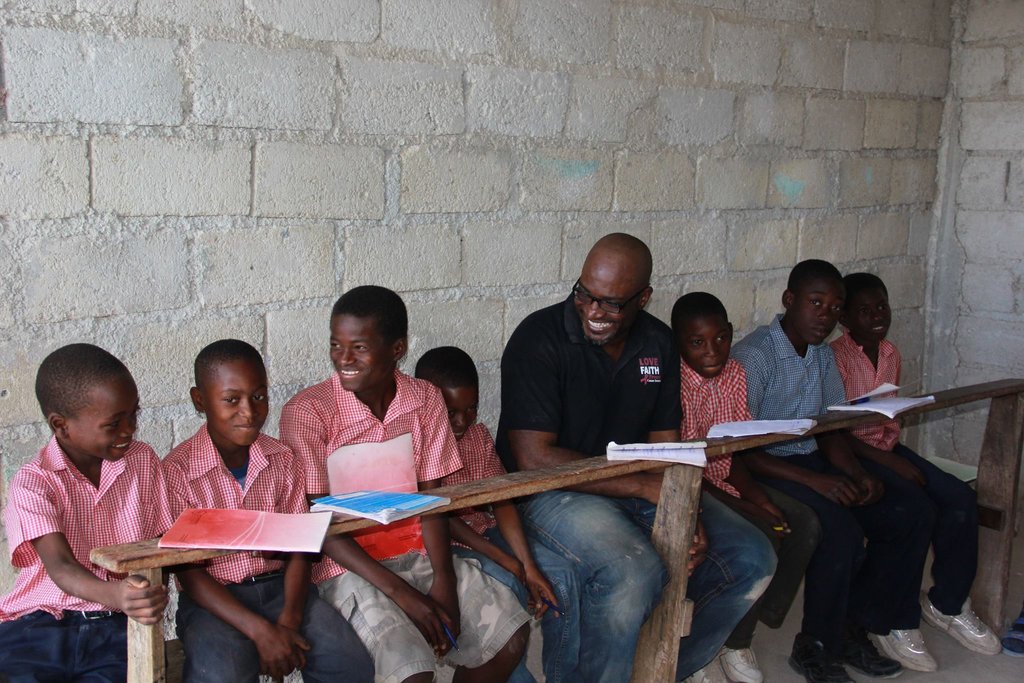
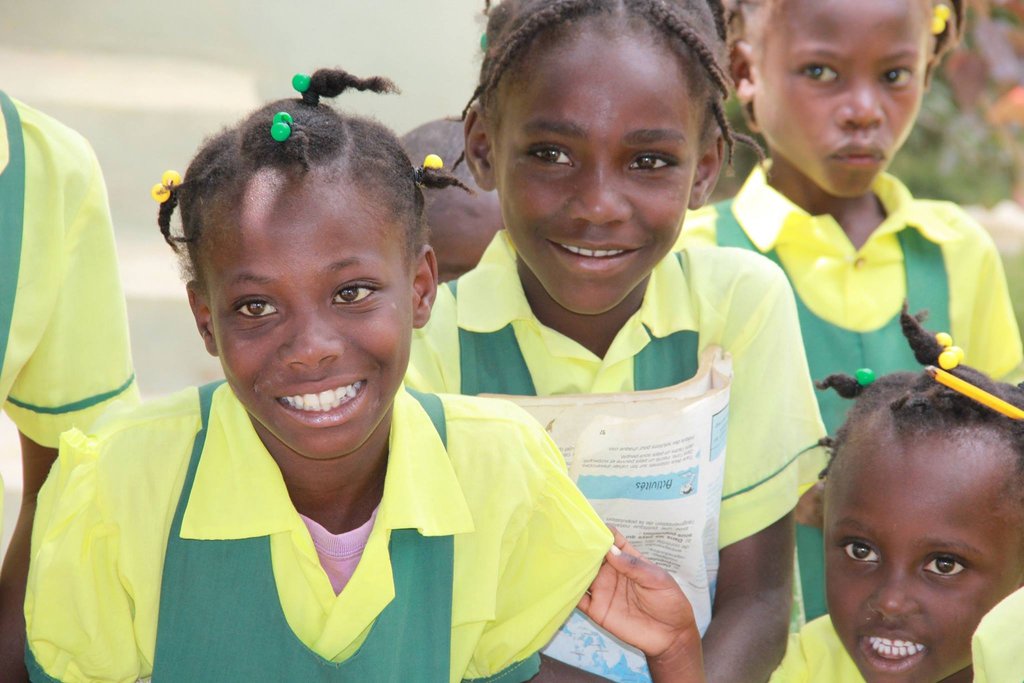
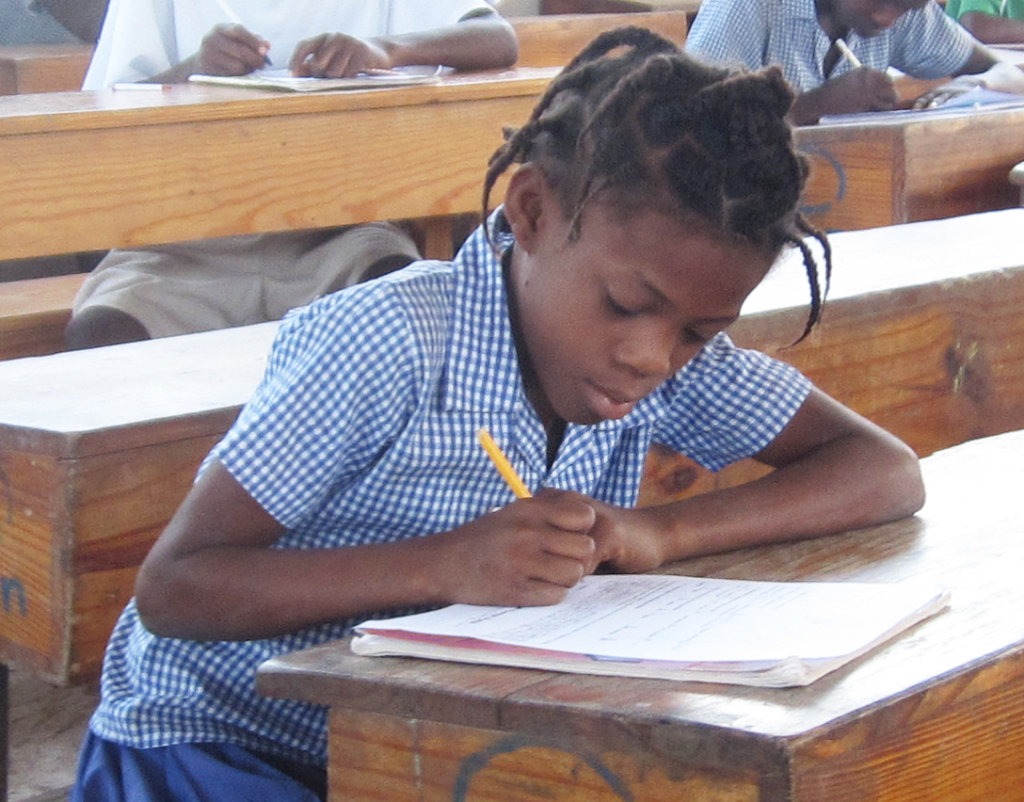
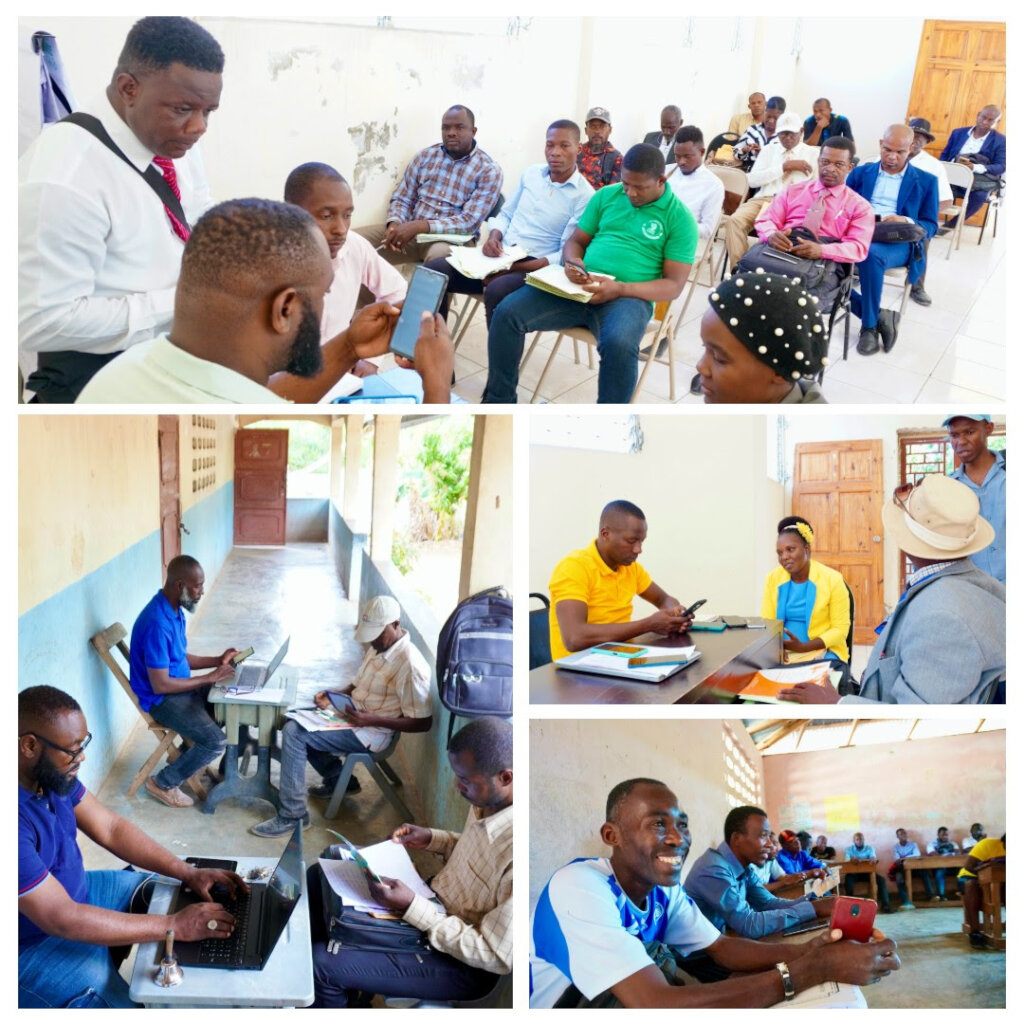
Education platforms brought together parents, educators, and local officials to remove barriers that keep children out of school—covering fees, addressing drop-outs, and coordinating follow-up. With logistics support, the district education office reached schools that had rarely seen supervision and led teacher trainings focused on active, nonviolent classrooms. The emerging Education Database will allow stakeholders to track enrollment, retention, and school-quality indicators and act earlier when a child is at risk of leaving school.
Building Livelihoods that Last
The Family Graduation Program paired weekly coaching with practical supports—safe housing and sanitation, assets for income generation, basic literacy, health and hygiene, veterinary services, and savings access. Families reported better living conditions, improved food access, and new income streams from climate-smart home gardens and other activities. Savings groups strengthened resilience against shocks by enabling small loans for school costs, productive investments, and home improvements.
Stories of Change You Helped Spark
Survivors of restavèk who once carried the weight of trauma now facilitate meetings in their communities, support peers through savings groups, and speak publicly about children’s rights. Stories like theirs—moving from surviving to leading—are becoming more common as survivors gain skills, solidarity, and platforms to influence local decisions.
Empowering Adult Survivors of Child Slavery to Lead: Lisiana’s Story
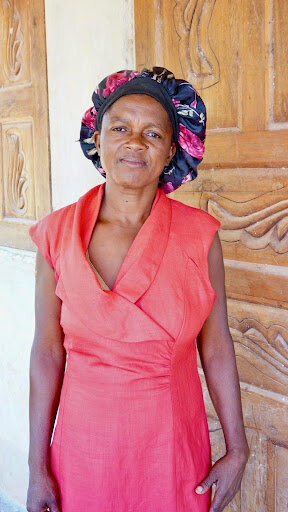
“My name is Lisiana. I’m 49 years old, a mother of 10, and the president of the Survivors’ Network Coordination in my community. I was born in Fon Plezi and have lived here all my life. Before this role, I went through very hard times.
When I was 10, my aunt convinced my mother to send me to Port-au-Prince for school. But instead of studying, I became a domestic worker. At just 10 years old, I did all the housework, went hungry, was beaten, and slept alone. School was never an option. One day, desperate and exhausted, I ran away—hiding on a boat to Lagonav. Another aunt took me in, but life was no different. I suffered the same abuse. I left again, with only a few clothes a cousin hid for me, and went to live with my grandmother. She tried to help, but I had to work in the market and could only attend school part-time. I became a mother very young, without skills or support.
What changed my life was joining the Survivors’ Network. Through training, I began to understand myself, recognize the abuse I suffered, and start to heal. Now, as president, I’m proud to help others. Thanks to education efforts by the Survivors Network chapter more children here go to school and more adults understand how to treat children with respect. My goal is to make sure no child in our community suffers as I did.”
Strengthening Education on Lagonav: Francois’s Story
Francois—a father, education technician, and school inspector from Gran Lagon—shared his appreciation for the Beyond Borders partnership with the District School Office (BDS):
“I want to congratulate and express my appreciation for the way Beyond Borders works in partnership with the District School Office (BDS)—carrying out school supervision activities and providing training to build education networks that support BDS’s work.”
Thanks to this partnership, the BDS is more present in rural communities, has stronger oversight of local schools, and now manages a functioning database—improving everything from school supervision to data management. Inspectors can travel more easily, BDS can gather education stakeholders together, and even the renovation of the BDS office is underway with support from new partners.
Because of these changes, schools are more accountable, resources reach where they’re needed most, and children on Lagonav have a better chance at a quality education.
Challenges We Faced—and How We Adapted
Country-wide insecurity, transport disruptions, inflation, and drought affected travel, procurement, and even access to animal feed and medicines. The team adapted by sequencing activities differently, partnering more closely with local government, prioritizing rainwater harvesting, and reinforcing financial controls and monitoring. These measures protected core services and deepened local ownership during a difficult year.
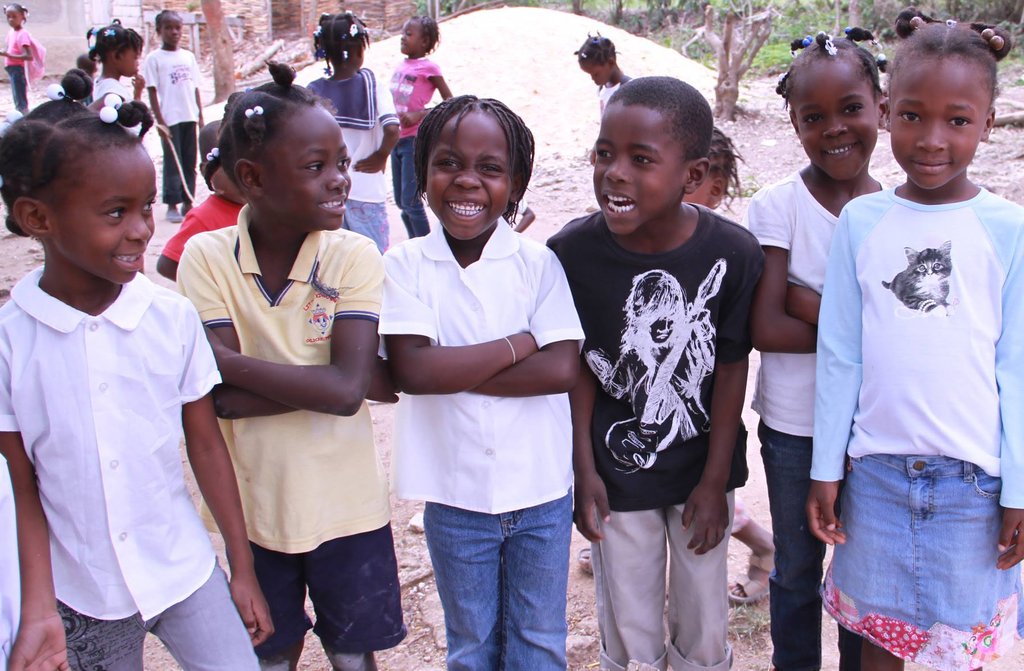
Thank you. Your generosity is helping communities on Lagonav protect children, keep students in school, and move families from extreme poverty toward stability and hope. With your continued support, local leaders are building systems that will endure—so every child can grow up free, safe, and educated.
Links:
Project reports on GlobalGiving are posted directly to globalgiving.org by Project Leaders as they are completed, generally every 3-4 months. To protect the integrity of these documents, GlobalGiving does not alter them; therefore you may find some language or formatting issues.
If you donate to this project or have donated to this project, you can receive an email when this project posts a report. You can also subscribe for reports without donating.



Support this important cause by creating a personalized fundraising page.
Start a Fundraiser