By Coleen Hedglin | Co-Executive Director
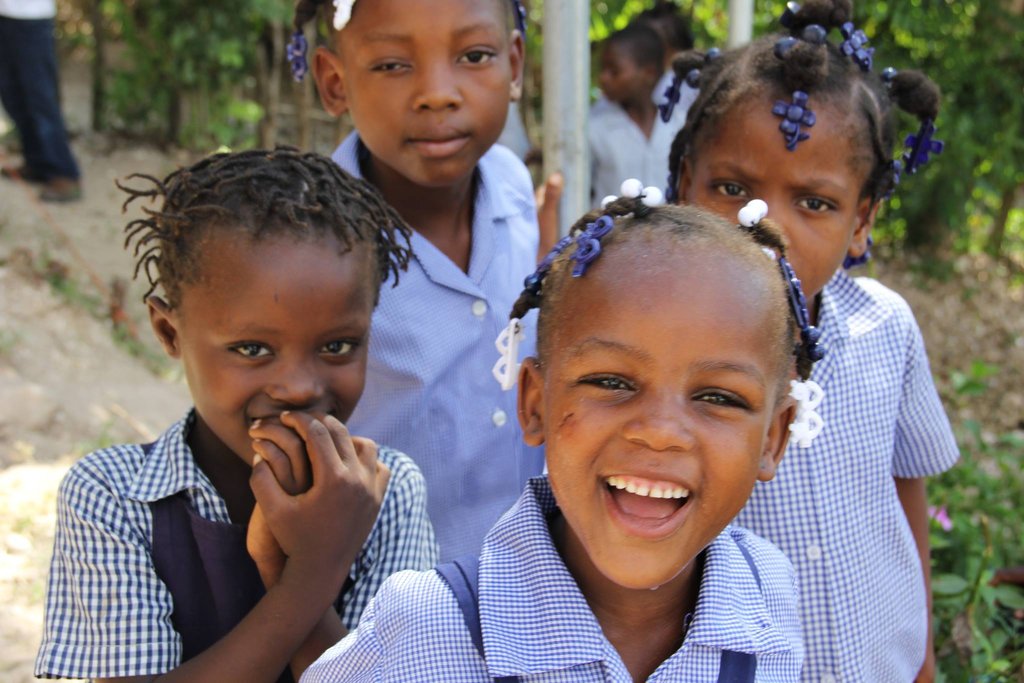
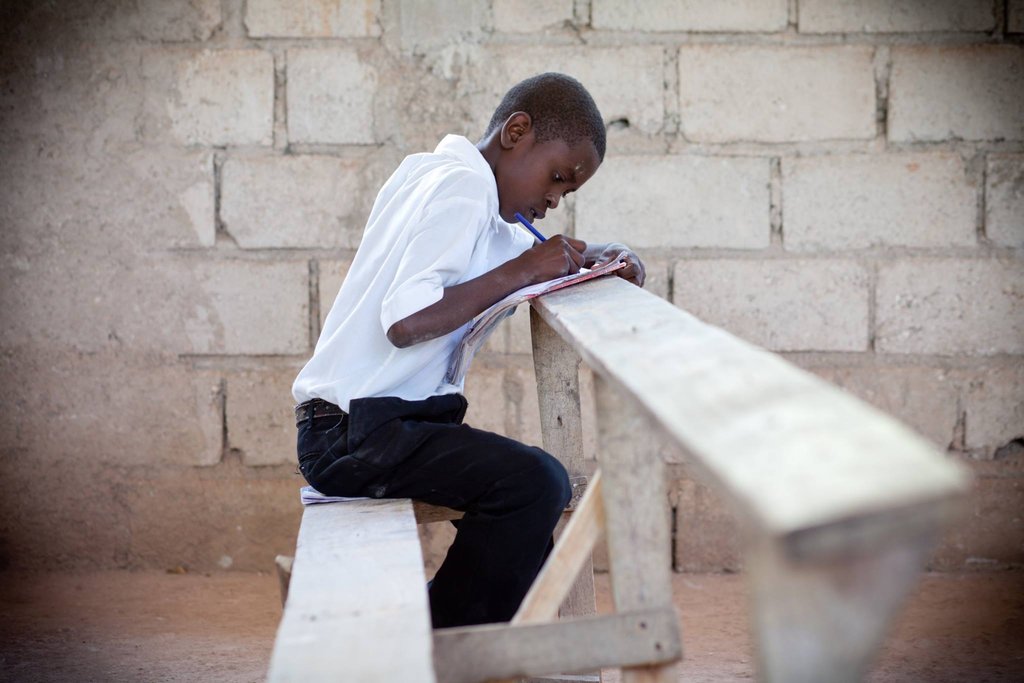
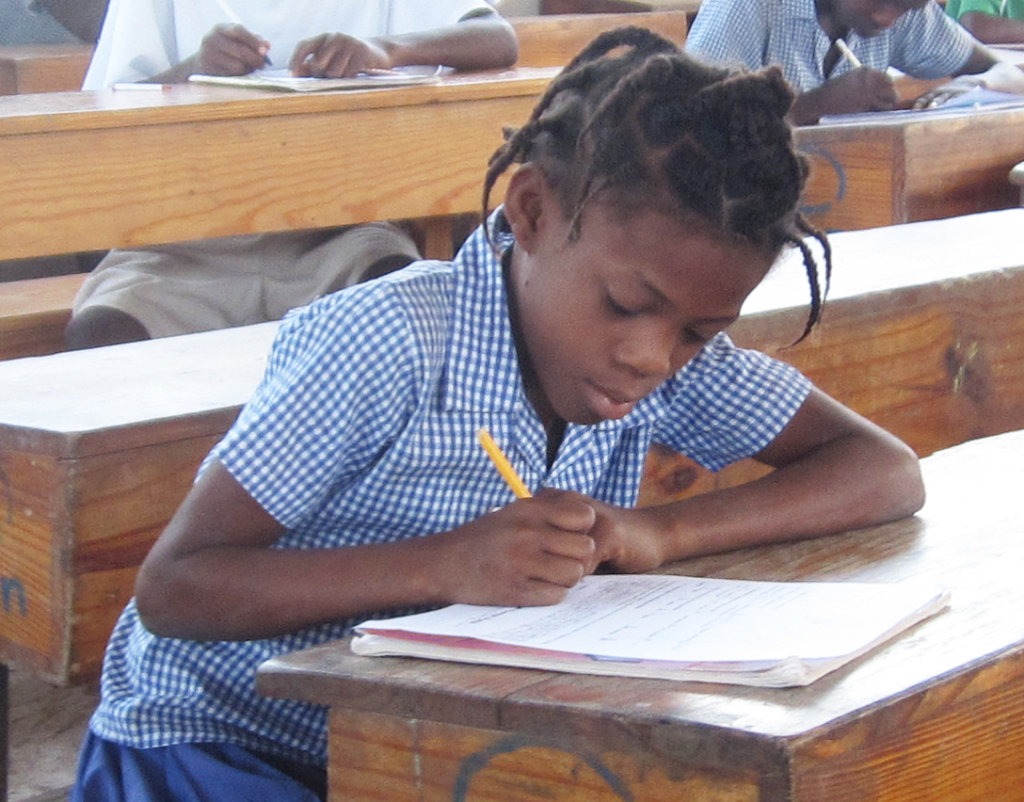
Despite increasingly challenging sociopolitical conditions in Haiti, this quarter we continued steadfast in our commitment to ensuring the rights of children to enter the classroom and live free from violence.
Our work in education and child protection is inextricably linked: as we strengthen schools to become safe spaces for high-quality learning, and as we support communities to create safety nets of neighbors to help out-of-school children enroll or return to the classroom—including those returning home from servitude—we are dismantling systems of isolation that push children into servitude in the first place.
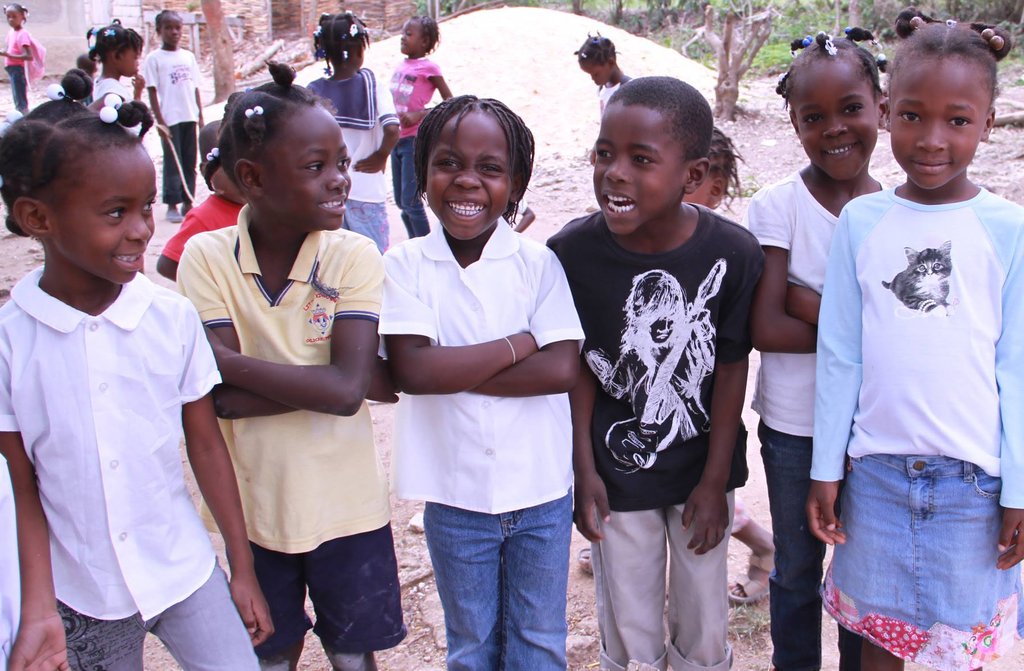
The successes achieved this quarter—from the liberation of children to the training of teachers—demonstrate how education and freedom walk hand-in-hand to create a community where every child has a true sense of belonging.
Safeguarding Education: Networks Drive Improvements Island-Wide
On Lagonav Island, Beyond Borders is working with communities, schools, school district personnel, and local leaders and organizations to identify gaps in school access and ensure that no child misses out on school. We are also working to improve education quality by cultivating closer collaboration with the Lagonav School District.
This quarter, 13 community-led Education Platforms—networks of educators, community leaders, and organizations—held 20 strategic meetings to develop action plans, strengthen leadership, and align on shared education priorities. They also focused on organized advocacy to ensure local school districts meet their obligations to rural areas.
With Beyond Borders’ training and support, Platforms improved planning, documentation, and communication systems. At the same time, they coordinated to identify children out of school or at risk of dropping out and connect them with learning opportunities. Platforms also tapped local resources to carry out their action plans—drawing on both community support and external partners—fostering shared responsibility, local ownership, accountability, and sustainability in education.
Highlights:
Strengthening Education Quality
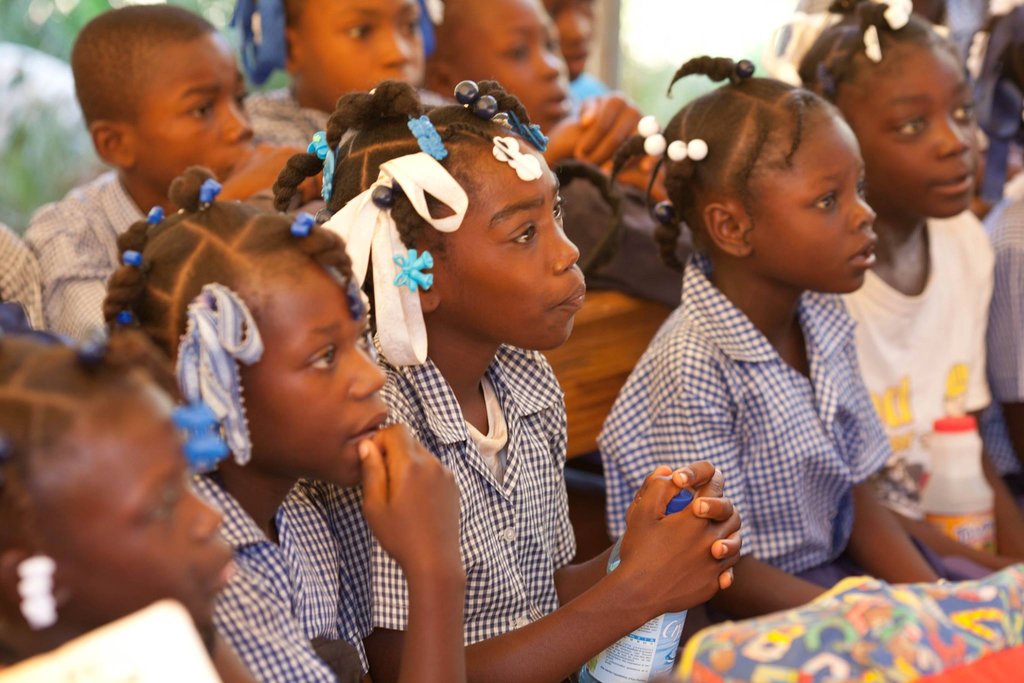
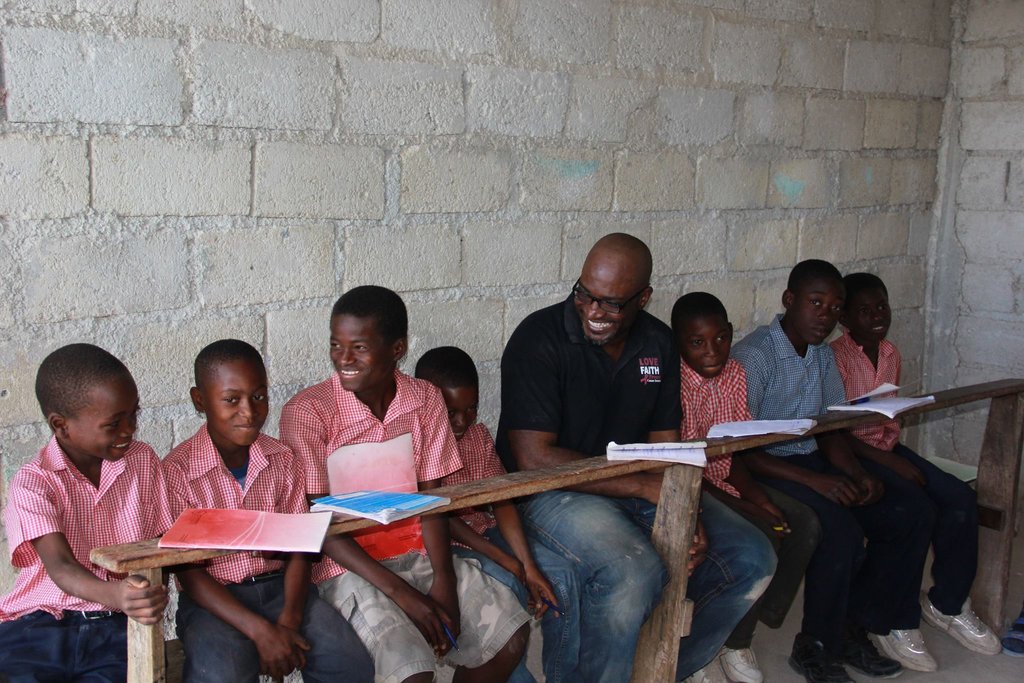
Improving education quality is a top priority on Lagonav Island. Through our partnership with the Matènwa Community Learning Center (MCLC), 39 teachers from eight schools received professional development this quarter. Training focused on participatory, nonviolent, and inclusive teaching methods, effective classroom management, and native-language literacy instruction that helps children not just learn content, but also learn how to learn. MCLC and Beyond Borders are also conducting an island-wide impact evaluation to measure long-term outcomes from years of sustained teacher training.
At the same time, Beyond Borders continued working closely with the Lagonav School District to strengthen coordination across the island. District Inspectors conducted school supervision visits, and the team refined and expanded a centralized education database covering all schools. The database tracks school conditions, teacher performance, and enrollment, enabling schools, communities, and district leaders to make informed decisions to improve access and quality.
Together, teacher training, evaluation, and stronger coordination are helping ensure that every child on Lagonav has the support to learn and thrive.
Highlights:
Safeguarding Their Rights: Protecting Children
Ensuring the safety and well-being of children is a central pillar of Beyond Borders’ work to end child domestic servitude. During the quarter, Child Protection Committees, neighborhood Survivors Network Groups, and Beyond Borders staff worked together to ensure children in need of protection received tailored, community-based support for safe recovery and reintegration. These interventions strengthened children’s safety, stability, and access to support, helping to ensure that they are protected from exploitation and have the foundation to thrive.
Local Leaders Mobilize to End Child Slavery
Strengthening local structures is key to building a sustainable movement to end child domestic servitude. During the quarter, 8 neighborhood Survivors Network Groups and 7 Child Protection Committees were supported to develop and begin implementing their own annual community action plans, including awareness-raising activities, community dialogue, and organizational development. These efforts enhanced planning, communication, and leadership within each group, making them more effective in responding to individual cases of exploitation and supporting broader community needs.
In Gwo Mòn, in Haiti’s Atibonit Department, Beyond Borders provided training, technical support, and guidance to RJM (Relijye Jezi Mari) to deliver sector-specific, dialogue-based child protection training to 420 community members. This participatory approach strengthened local capacity to protect children from exploitation and abuse.
New Communities Join the Movement
Beyond Borders launched programming in 13 new communities on Lagonav Island, bringing the island’s child rights movement closer to critical mass. In collaboration with neighborhood Survivors Network Groups and partner organization FOKA (Fondasyon Konesans ak Libète Ayiti), communities were selected and prepared for participation through participatory social mapping exercises. These exercises helped neighbors and program staff understand each community’s unique situation, identify local leaders, and recognize families and children most at risk.
These preparatory activities laid the foundation for the next phase of interventions, in which communities will carry out education, mobilization, and organizing activities, establish their own Child Protection Committees and Survivors Network Groups, and integrate into the broader movement to end child domestic servitude.
Strengthening Local Movement Leadership
During the quarter, Beyond Borders worked with seven Child Protection Committees and six neighborhood Survivors Network Groups to strengthen local leadership and coordination in ending child domestic servitude. Activities included assessing organizational capacity, developing tailored training plans, and supporting committees to establish coordination structures and plan collective actions. These efforts helped networks improve planning, communication, and strategic leadership, making them more effective in addressing both individual cases of exploitation and broader community needs.
By reinforcing these local structures, Beyond Borders ensures that communities are better equipped to protect children and advocate against restavèk practices. Stronger committees and survivor groups create a foundation for lasting change, enabling coordinated interventions, community mobilization, and shifts in social norms that perpetuate child domestic servitude.
Survivor Healing and Leadership
During the quarter, adult survivors of child domestic servitude—many of whom are also parents—participated in survivor-led well-being groups, savings and loan associations, and literacy centers. As a result, participants strengthened their emotional well-being, stabilized their financial situations, and built foundational literacy skills. These gains support survivors in caring for their children by keeping them at home and enrolled in school, reducing the pressures that lead families to send children away into domestic servitude. At the same time, improved well-being, economic stability, and literacy free survivors—mentally and practically—to step forward as leaders, strengthening advocacy and community mobilization efforts to end child domestic servitude.
Nathalie’s Transformation: From Survival to Emotional Control
Nathalie, a survivor of restavèk living in Sou Fò, Granlagon, Lagonav, struggled for years with severe emotional dysregulation due to trauma. When faced with negative emotions like anger, she experienced severe palpitations, felt like she was suffocating, and sometimes even lost consciousness.
After joining her community’s Survivors Network Well-Being Group, Nathalie gradually learned coping skills to help her self-regulate through breathing exercises and other techniques taught in the group. She became more confident and social, able to engage positively with others in her group.
Her transformation was most evident during a heated family conflict. Previously, such situations would have led to panic and chaos. This time, Nathalie stayed fully aware and in control, saying, “I am here, I am in control of myself, I will not lose consciousness!” She was able to discuss the situation calmly, demonstrating a remarkable shift from emotional overwhelm to self-regulation.
Nathalie credits the Well-Being Group with helping survivors reclaim aspects of the childhood that exploitation took from them, and she hopes every community can benefit from similar support to find peace and emotional control.
Thank You
None of this would be possible without you. Because of your support, Haitian communities are building the skills, networks, and structures to protect children, strengthen families, and drive lasting change. Every leader, teacher, and network group trained and supported—and every community mobilized—brings us closer to ending child domestic servitude and helping children thrive in safety. Thank you.
Project reports on GlobalGiving are posted directly to globalgiving.org by Project Leaders as they are completed, generally every 3-4 months. To protect the integrity of these documents, GlobalGiving does not alter them; therefore you may find some language or formatting issues.
If you donate to this project or have donated to this project, you can receive an email when this project posts a report. You can also subscribe for reports without donating.



Support this important cause by creating a personalized fundraising page.
Start a Fundraiser