By Valeria | somewhere between circuits and cellar shelves
We finally made it.
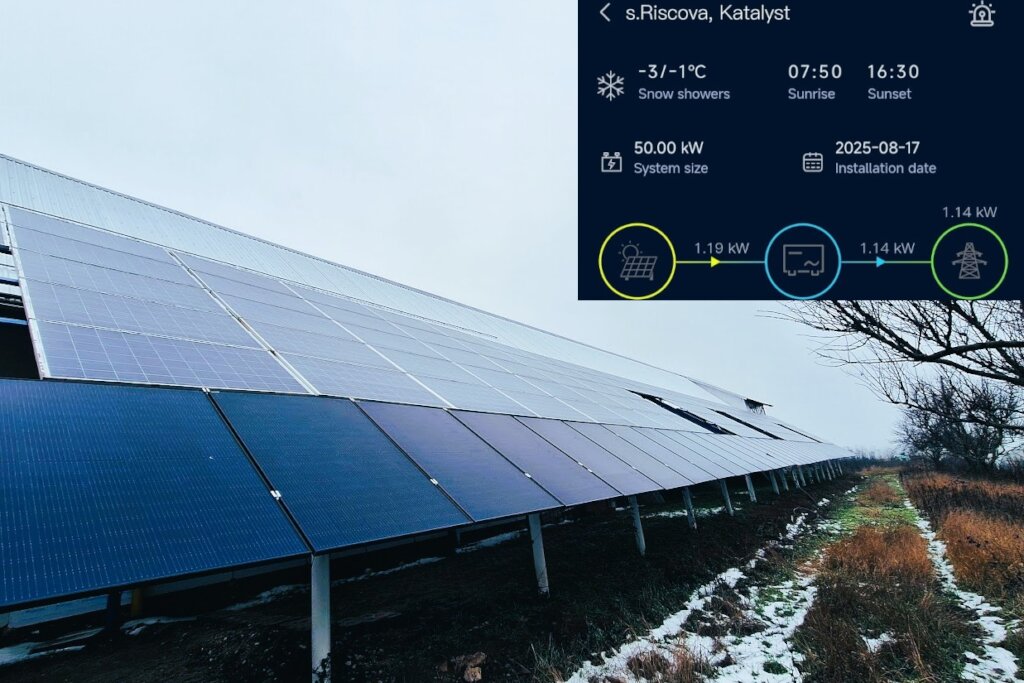
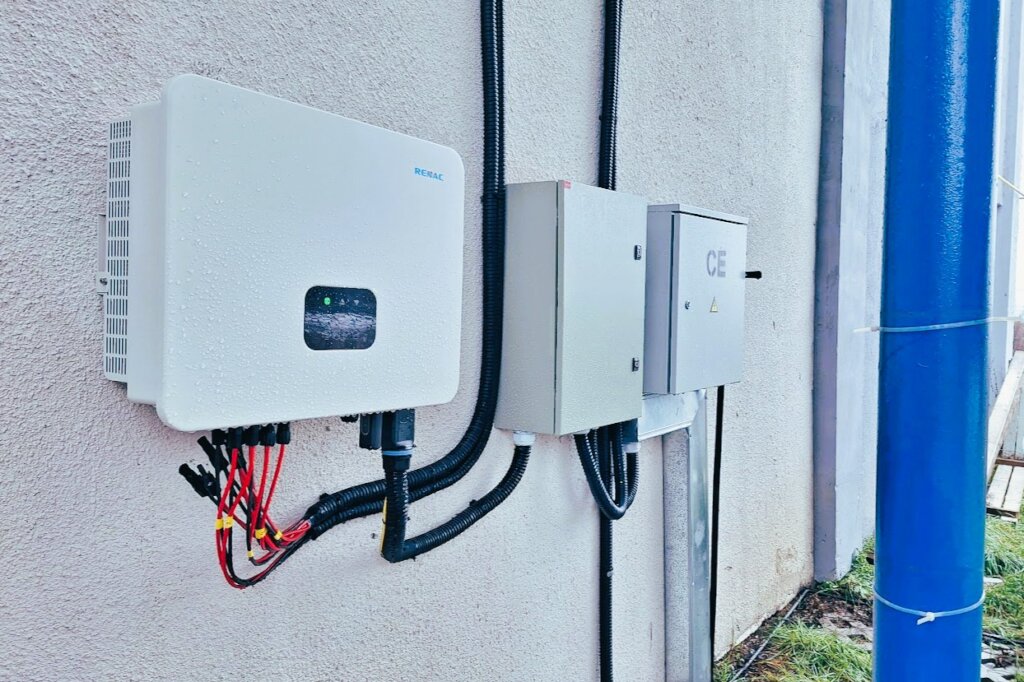
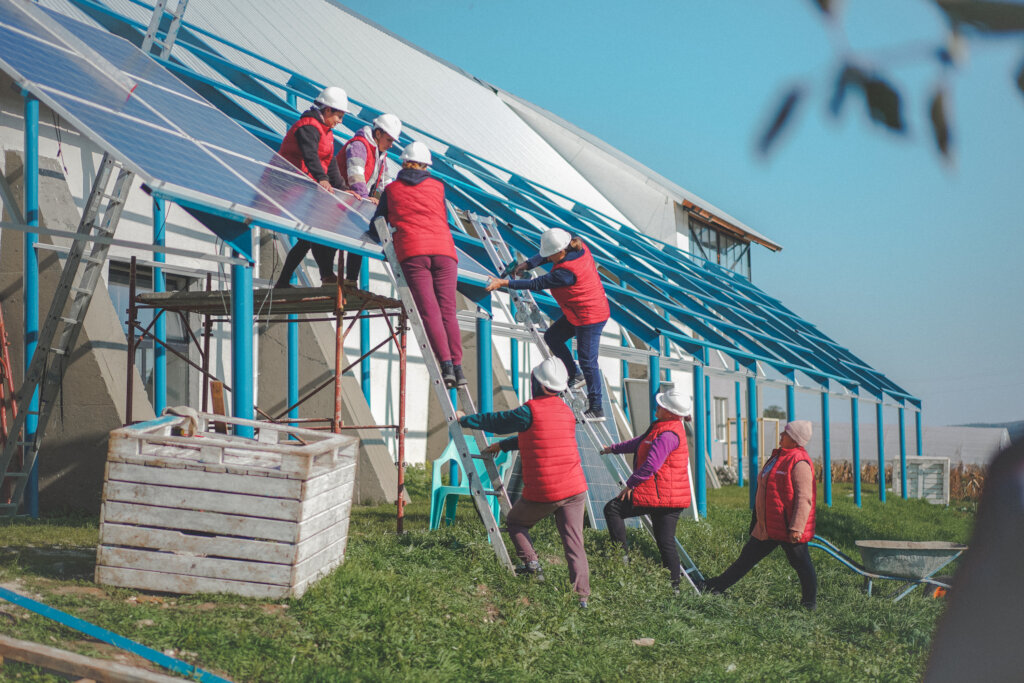
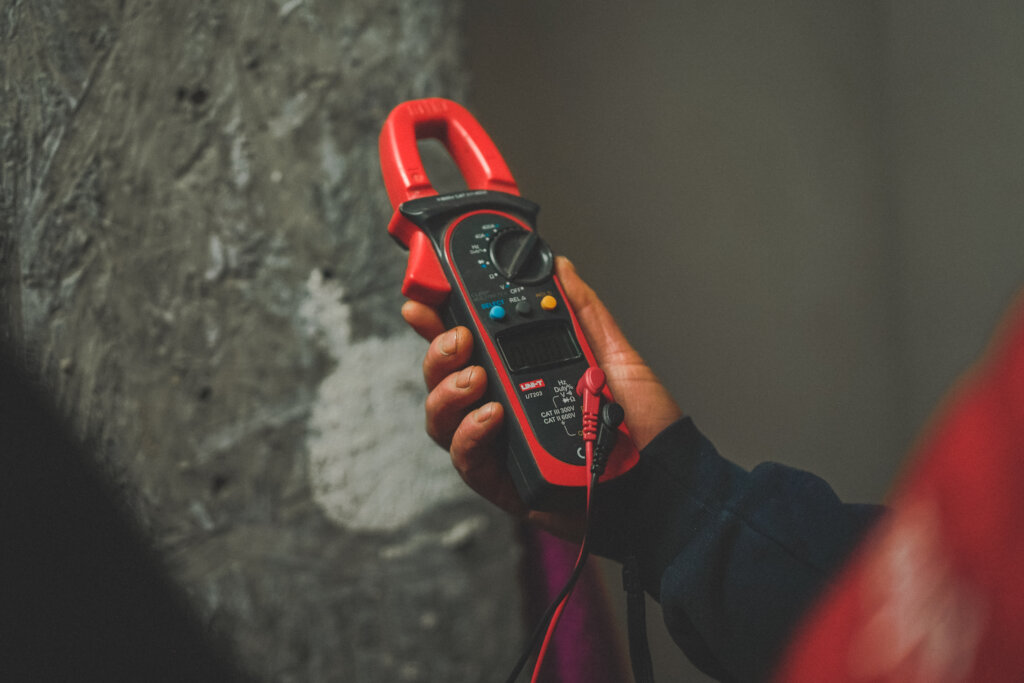
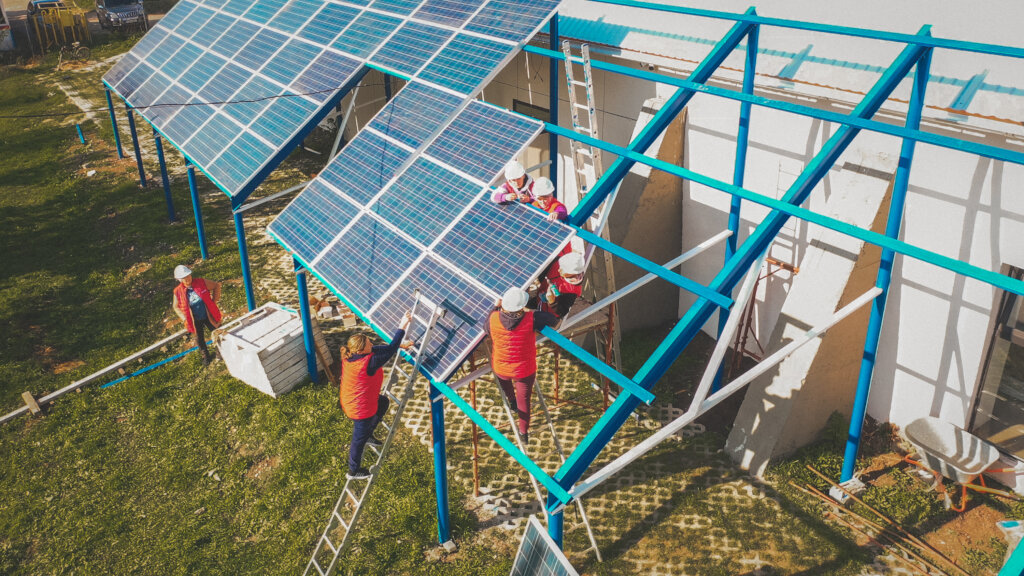
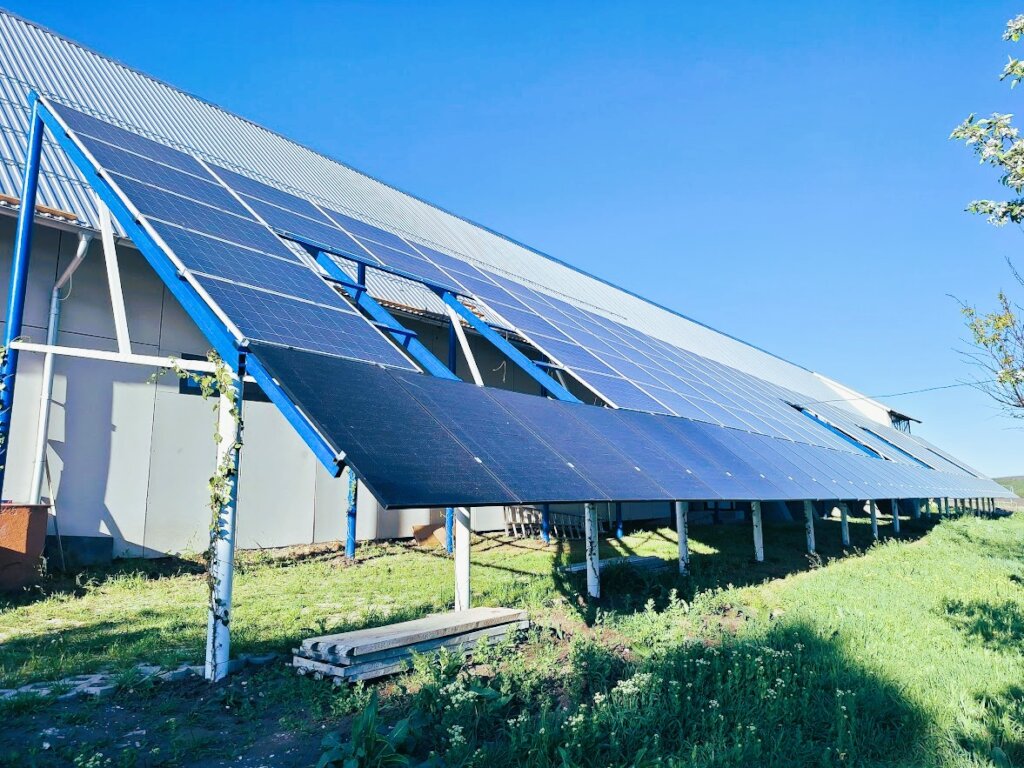
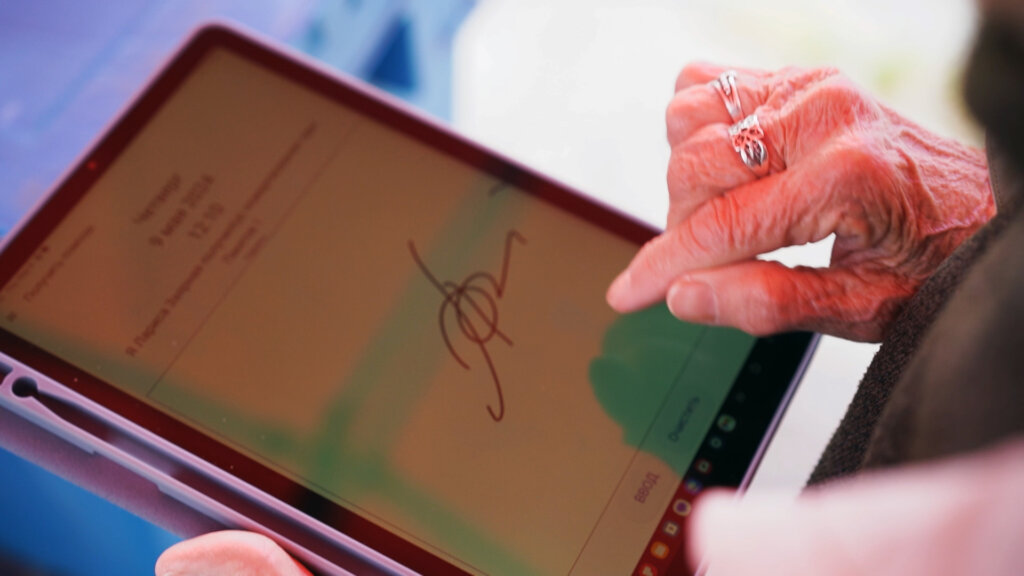
After months of chasing signatures and navigating the energy grid’s version of hide-and-seek, the final approval came through at the end of 2025. Our solar feed-in contract was signed — and for the first time, the energy our panels produce doesn’t just sit there, waiting. It flows.
Yeah... It was hell of a road to get there... Thank you for your patience!
The kilowatts are officially going where they’re supposed to: into the grid, and then back into our ovens, fridges, blenders, and yes — now also into juice.
Because once the system was finally up and running, we felt ready to take on another energy-hungry operation. So we opened our doors to a local startup — a small family from a nearby village who had spent the last few years pressing apples in their garage and building a modest juice delivery business. They’d created something real, gritty, and full of heart… until they were forced to move.
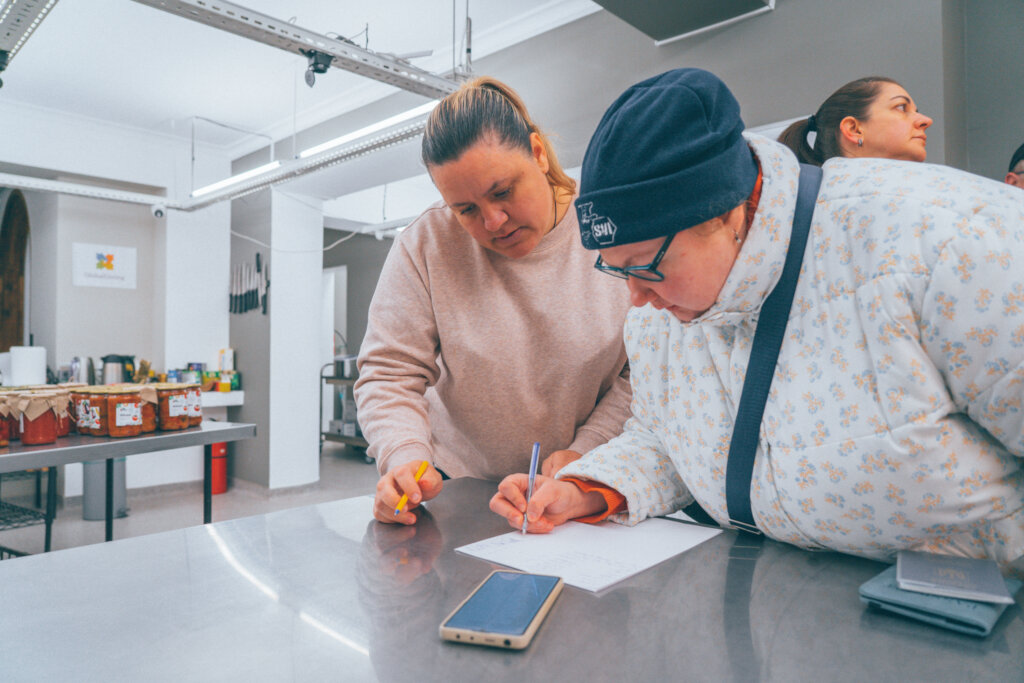
For us, it was a natural fit. Long before the refugee crisis, Katalyst began as Moldova’s first food business incubator — built exactly for this kind of moment: helping local food entrepreneurs find space, stability, and a path to grow. We had the room. We had the power. And we shared a stubborn love for honest, local food.
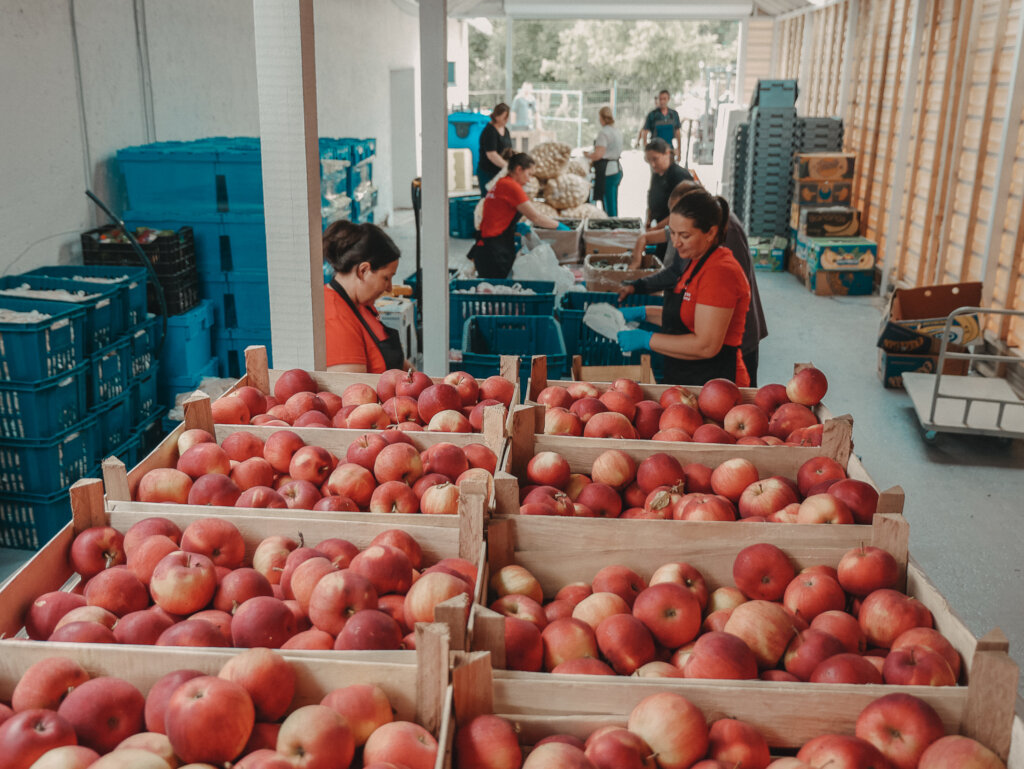
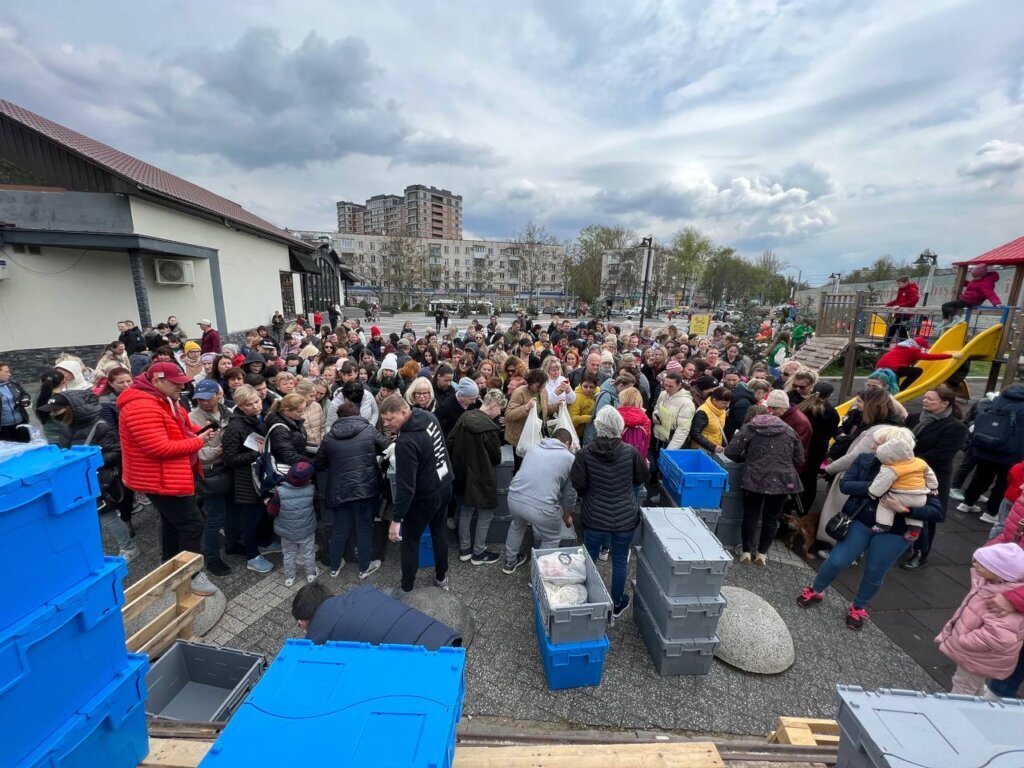
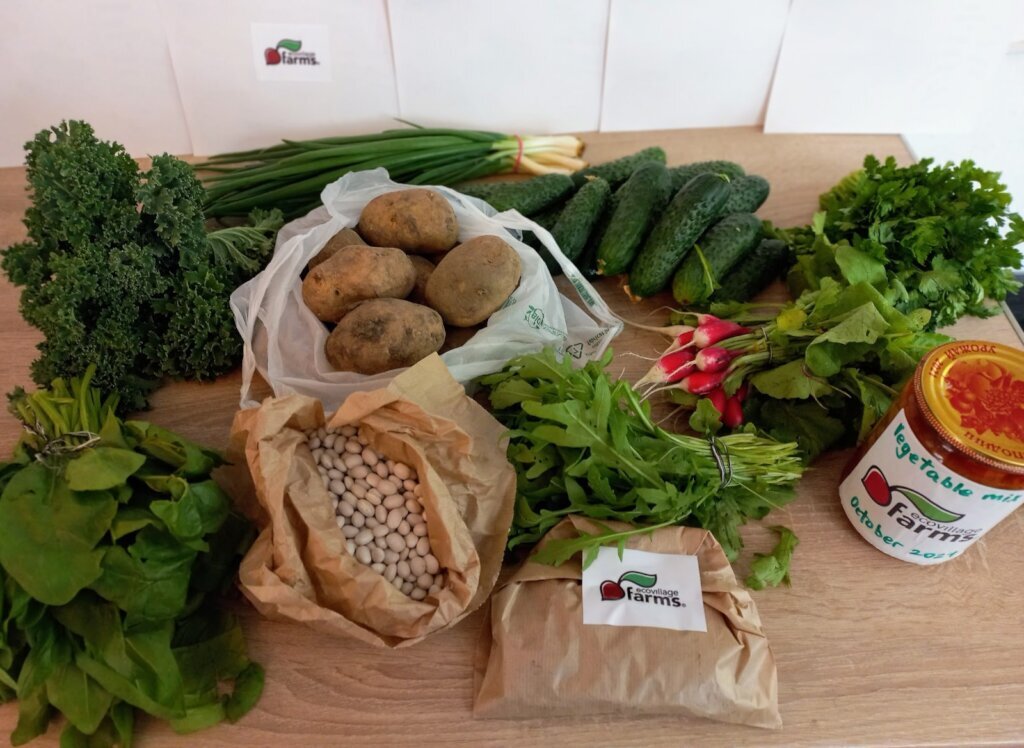
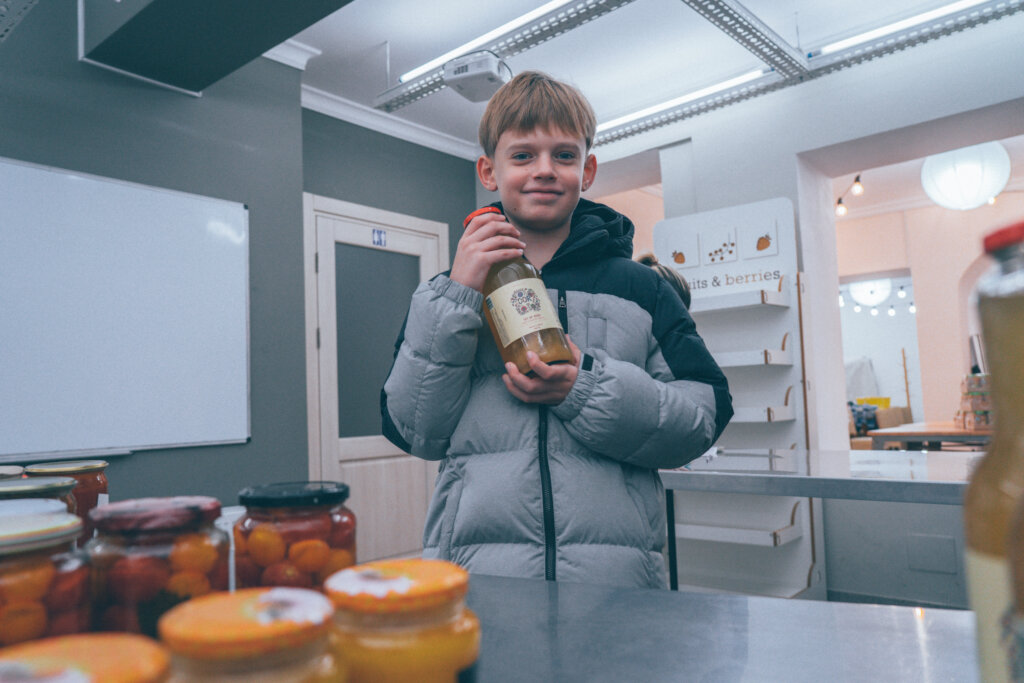
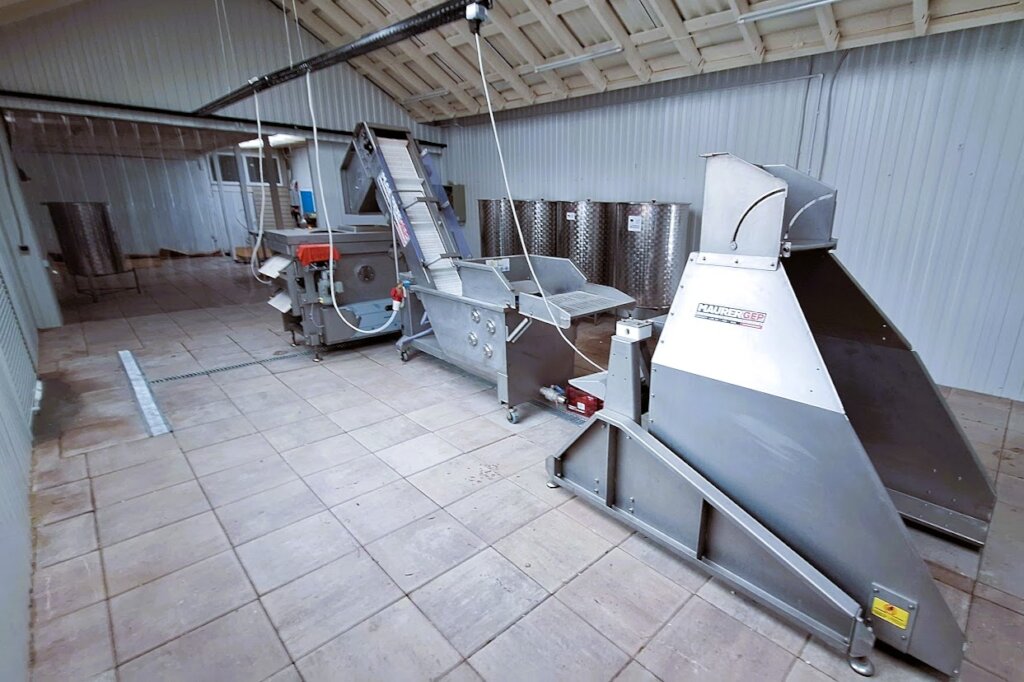
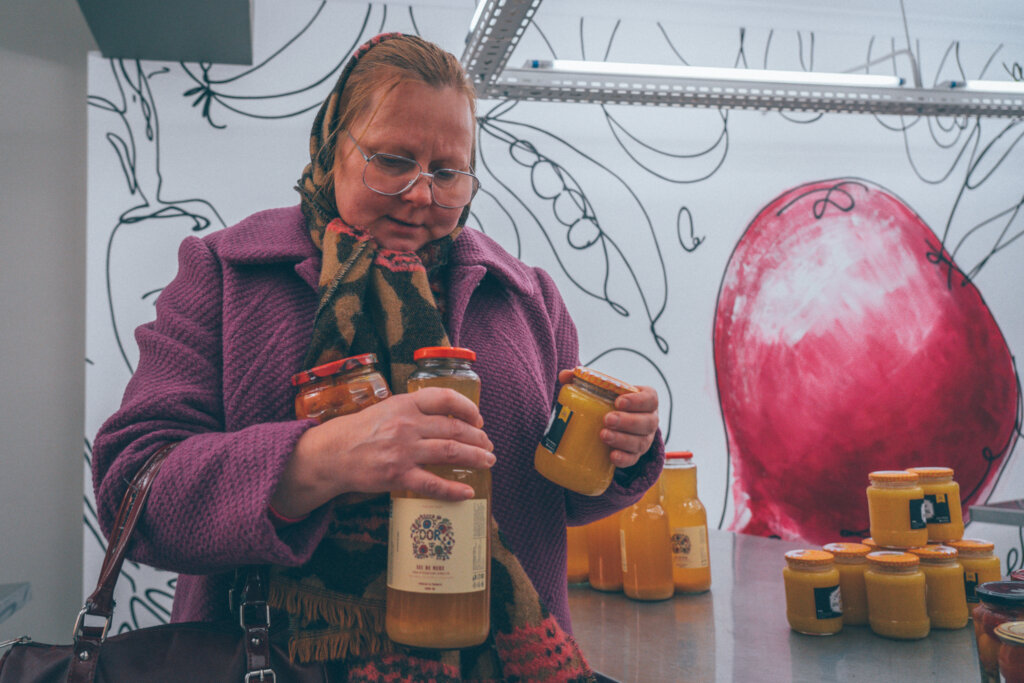
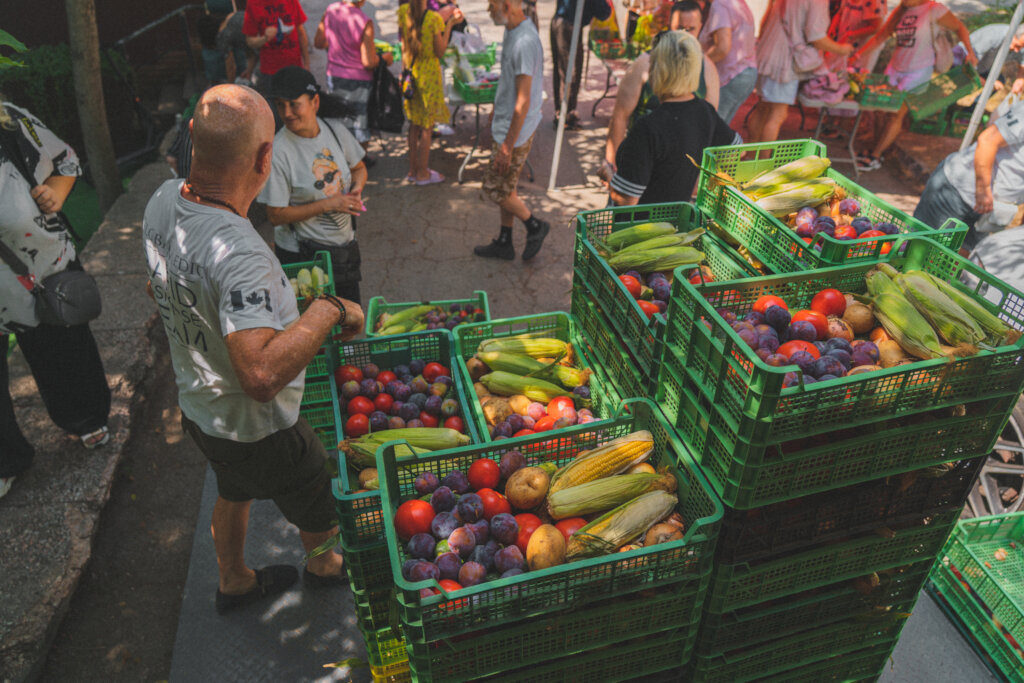
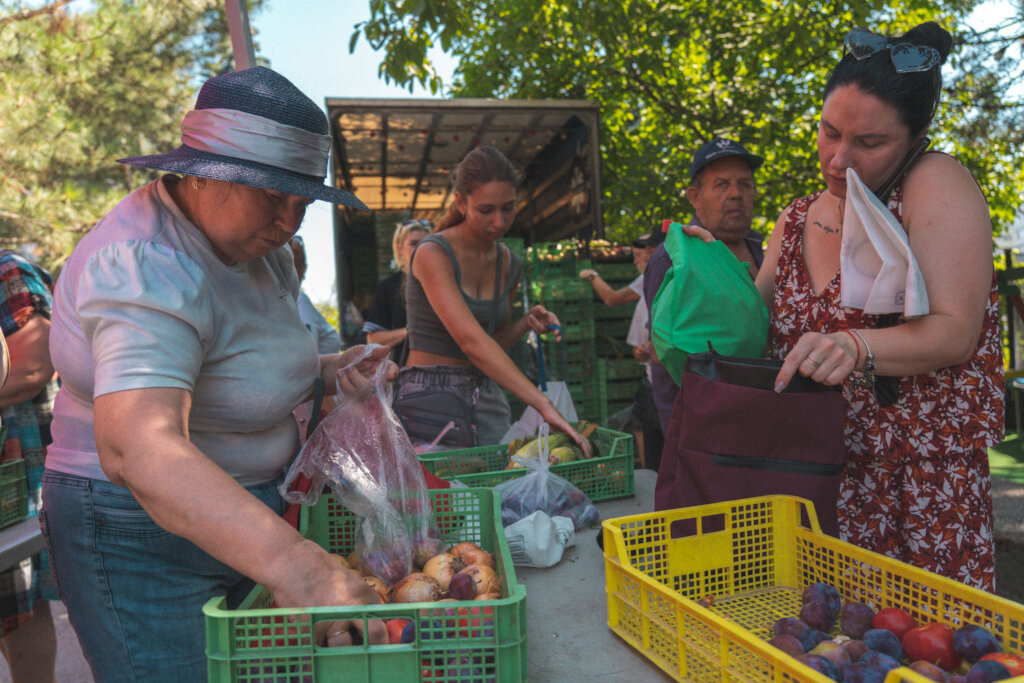
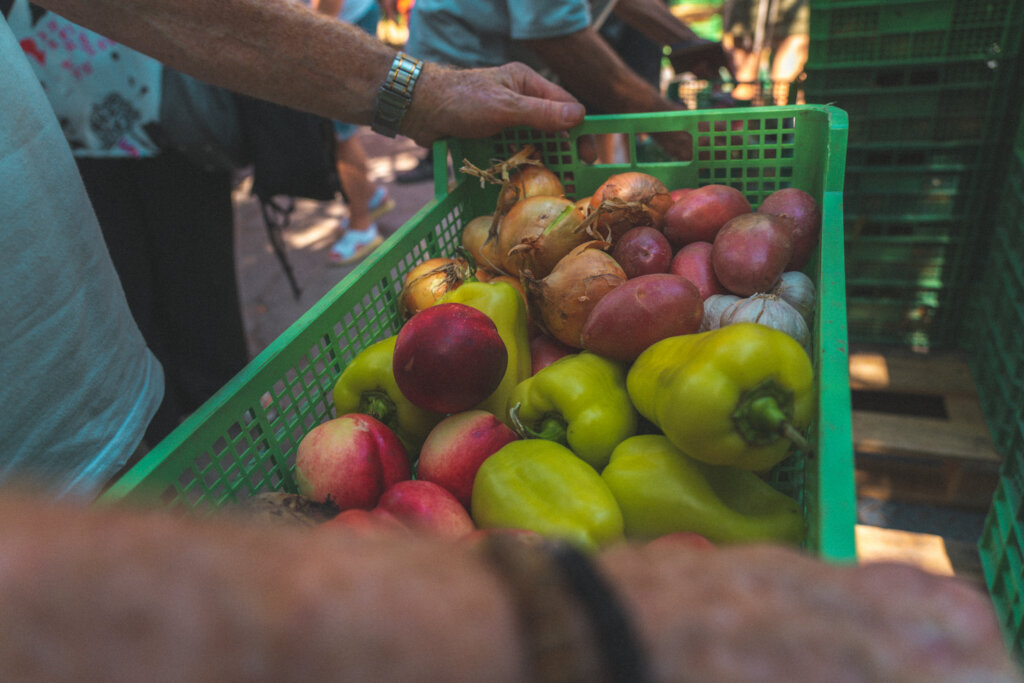
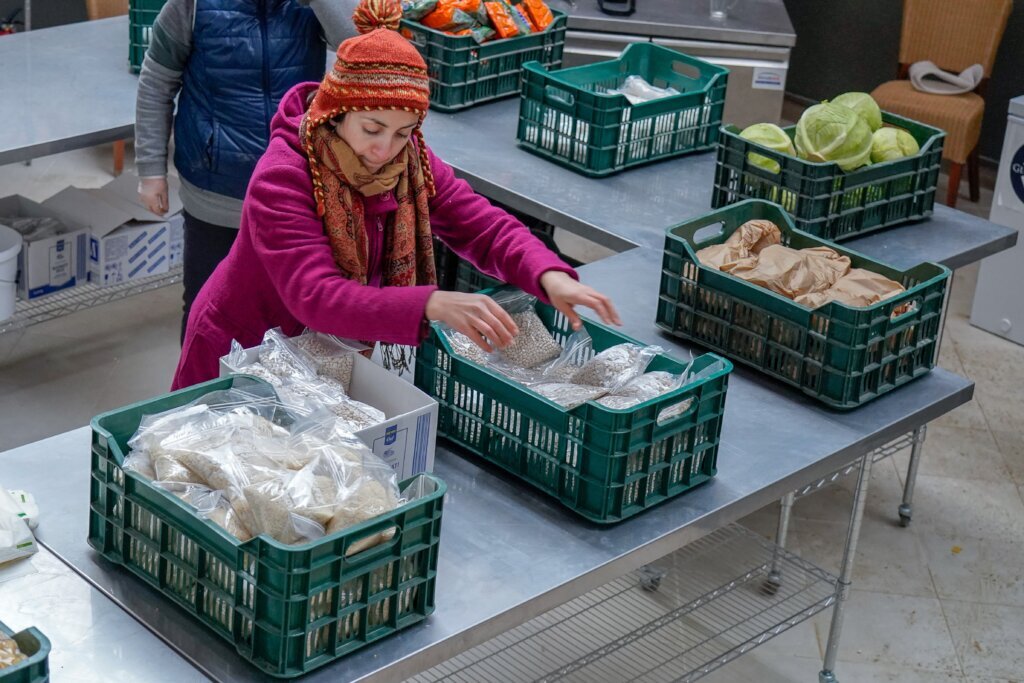
So at the end of 2025, this apple juice startup has moved it's operatoins to our premises in Rîscova. And now, the same solar kilowatts you helped make possible will be pressing fresh apples into unfiltered juice — the kind our Ukrainian beneficiaries especially appreciate during long winter months. Alongside jars of pickled veggies and honey from small local producers, it’s the natural directly pressed apple juice has been flowing into our winter packages for refugees. A small but tangible comfort — especially when the landscape is grey, and the news even greyer.
That’s how this place works. Not always fast, not always easy. But one layer at a time, one signature at a time, one crate of apples at a time.
Thanks for sticking around.
Because every small watt, every local jar, every winter smile — begins with someone who didn't give up.
By Valeria | somewhere between energy bills and solar wires
By Valeria | an appreciator of hard work and good food
Project reports on GlobalGiving are posted directly to globalgiving.org by Project Leaders as they are completed, generally every 3-4 months. To protect the integrity of these documents, GlobalGiving does not alter them; therefore you may find some language or formatting issues.
If you donate to this project or have donated to this project, you can receive an email when this project posts a report. You can also subscribe for reports without donating.



Support this important cause by creating a personalized fundraising page.
Start a Fundraiser