By Hiba Hamzi | Program Coordinator
Background;
Throughout years, women in Lebanon have been placed in a frame of silence, inactivity, and dependence. Despite what women have of thoughts, opinions, skills, degrees, strength, creativity, ideas and will, they are usually placed aside, leaving the platforms for those who were deemed as more qualified to make decisions within the family and the whole society. Accordingly, there are many factors that affect women’s participation in decision-making such as:
- Fixed monthly income: Women's access to a fixed monthly income contributes to their participation in decision-making, especially if women actively participate in the financial aspect of the family, which leads to acceptance and respect of their opinion.
- Having a high academic degree affects the level of skills of women and reduces gender differences in improving their role in the political, social and economic duties.
- Women’s full attention to household chores and needs of all family members.
Unemployment has always been a major challenge for women and girls in Lebanon, and the economic deterioration in the country further decreased their chance to find jobs or pursue a career in Beirut, one of the Lebanese poorest areas. Women and girls in Beirut have struggled with unemployment and shortage of job opportunities due to the absence of intervention and guidance within the areas.
Although slight efforts were exerted by local and international organizations up to date, no changes or effective results were reached. Accordingly, this PRA underscores the working and employment challenges facing Women and girls in Akkar and suggest means to enhance the employment status.
Women and girls have been suffering for decades from inequality inflicted on them by traditions and norms, especially on the matter of unemployment.
The current situation in Lebanon worsened women’s condition in specific as it lessened their employment opportunities. Indeed, many people were dismissed from their work, others closed their own business projects and the fresh graduates lost their opportunities to get employed.
Women and girls are deprived of their right to work due to the following reasons:
- Absence of written contracts, which means that most women do not have official work contracts that would preserve their rights as employees.
- Absence of insurance and paid holidays, or sick leaves, which are the basic rights for any worker.
- Absence of end of service indemnity or retirement reimbursement
- Women and girls are usually less paid than men as they receive not more than 80% of the men salary.
Main Achievements;
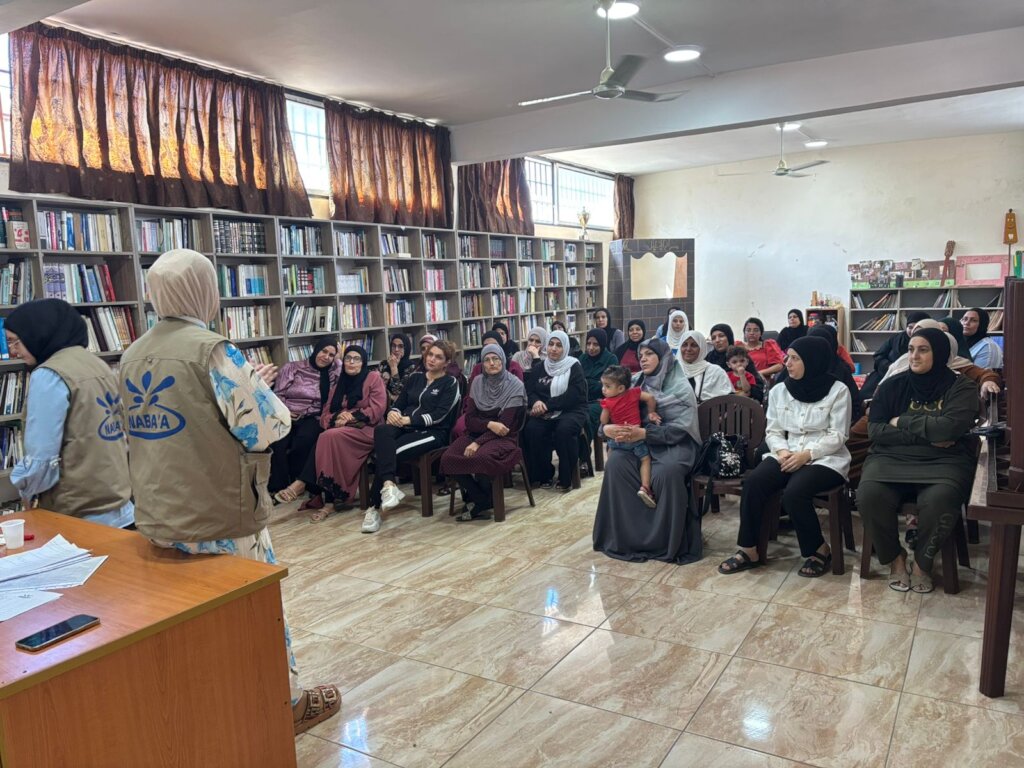
- The first training for the girls was about managing small business.
It aims to boost girls’ skills in business management and to make them learn the ways of running their own projects after finishing the vocational training.
During this training, they acquired the main business standards, and learned the way of conducting a labor market study for the purpose of detecting what small business can succeed within their areas.
The second training was conducted on the about Lebanese labor law.
This training aims to make students more aware of the Lebanese labor law with a great focus on the employers’ and employees’ responsibilities and rights, which makes them acknowledge their rights when they start working.
The third training was conducted on digital learning.
This training allow girls to know more about social media and the new techniques of learning based on digital media and acknowledge the ways of marketing and selling products.
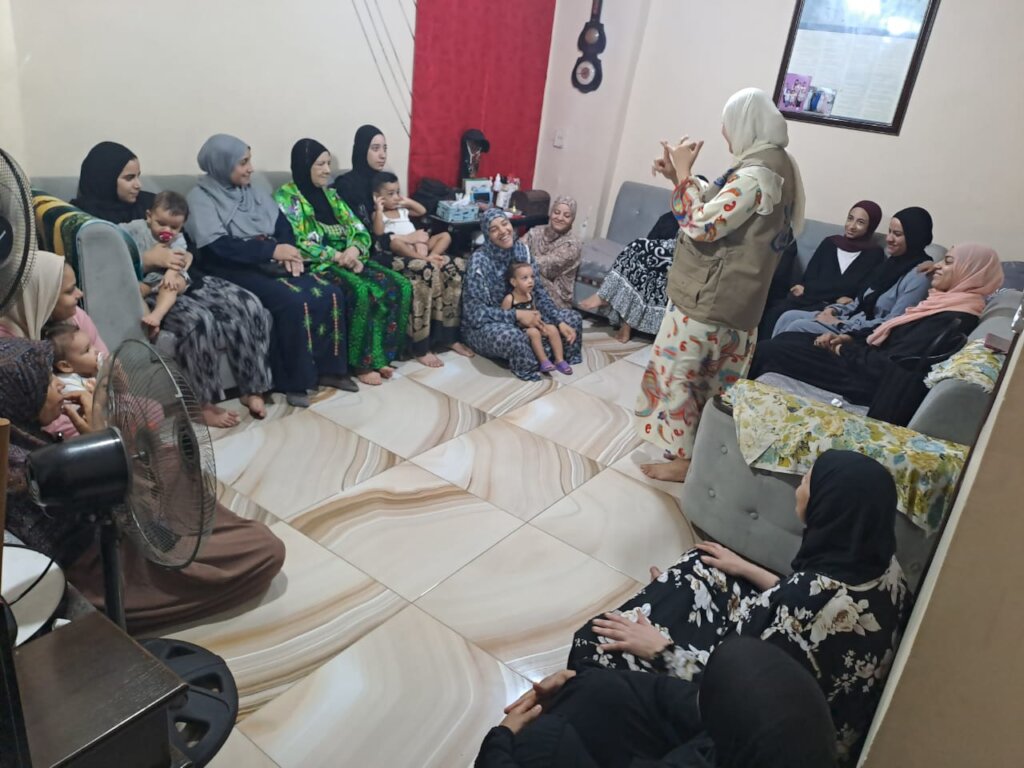
After finishing the trainings for adolescent girls, the trainings for women and girls committee were conducted, knowing that they were trained on four topics.
The remaining four topics were conducted during August and September.
The Fourth training was conducted about women rights programming.
In terms of democracy, women are as represented as men. Having both men and women involved in decision-making broadens the perspectives, increases creativity and innovation, diversifies the pool of talents and competences, reduces conflicts, and improves the process of decision-making.
Gender stereotypes are of the main barriers that limit women’s participation in politics similar to the concept of women being less legitimate and able to drive than men.
Gender-based violence against women in politics is one of the most serious challenges and violations of women’s rights. Female candidates and politicians are often targeted because of their identity as women, harassed with sexual comments, or accused of sexual and moral impropriety.
Women empowerment is giving legitimate power or authority to perform the tasks. If women were empowered they would be able to participate in the planning and decision making task and contribute to the development programs and activities individually.
The fiftth training was conducted on the 26th of August about the ways to invest in the skill of women and girls.
Case Study
Impact of Conflict on a 9-Year-Old Palestinian Girl Living in Ain al-Hilweh
Camp
The subject of this case study is a 9-year-old Palestinian girl residing in the camp with her parents and four siblings. She holds the third position in the family hierarchy. Previously, she demonstrated a high level of independence, attending school and engaging in various activities on her own due to the proximity of the school to her home. However, her life took a drastic turn after witnessing the impact of war within the camp. Pre-War
Independence:
Before the conflict, the girl used to go to school independently, manage tasks such as visiting the association, and actively participate in community
activities. Her self-sufficiency was notable, and she navigated daily responsibilities with ease.
Post-War Behavioural Changes:
The child's behaviour witnessed a significant transformation after being exposed to the harsh realities of the war in the camp. She developed intense fears, experiencing difficulty sleeping alone. Moreover, she refrained from attending school and withdrew from participating in any communal activities. Even when she did engage, it was only in the company of her mother.
The most noticeable change has been the girl;
Reluctance to attend school, a stark contrast to her previous independent approach. The fear and trauma experienced during the conflict have created a substantial barrier to her education, impacting her overall well- being.It is essential to acknowledge the role of the girl's parents, particularly her mother, in shaping her current behavior. The child is
newfound dependency on her mother reflects a coping mechanism in response to the heightened anxiety and fear resulting from the war aftermath.rofound anxiety that has enveloped her.This case study illustrates the profound impact of conflict on the life of a 9-year-old Palestinian refugee girl;
During interviews with the mother, she expressed satisfaction with the intervention, highlighting the noticeable improvements in her daughter demeanor. The child is increased involvement in both individual counseling and communal activities was attributed to the positive influence of the psychosocial support.
Conclusion:
This case study underscores the effectiveness of a psychosocial support intervention in addressing the psychological impact of conflict on a child and her family. The positive outcomes, as evidenced by the mother observations, emphasize the importance of holistic approaches that involve both the child and the caregiver in the healing process. Ongoing support and follow-up sessions continue to be crucial for sustaining the positive
Links:
Project reports on GlobalGiving are posted directly to globalgiving.org by Project Leaders as they are completed, generally every 3-4 months. To protect the integrity of these documents, GlobalGiving does not alter them; therefore you may find some language or formatting issues.
If you donate to this project or have donated to this project, you can receive an email when this project posts a report. You can also subscribe for reports without donating.



Support this important cause by creating a personalized fundraising page.
Start a Fundraiser