By Tyler French | Innovation and Partnerships Director
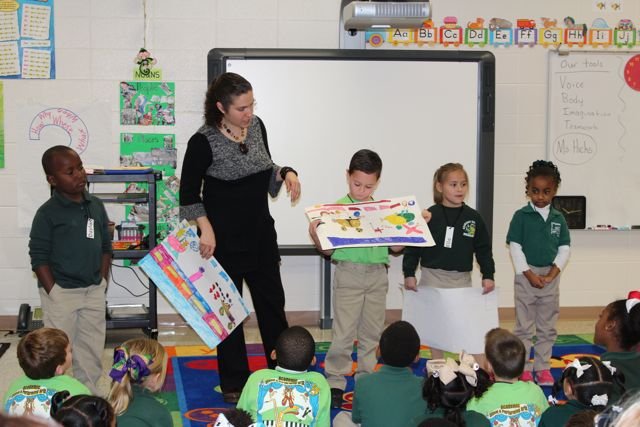
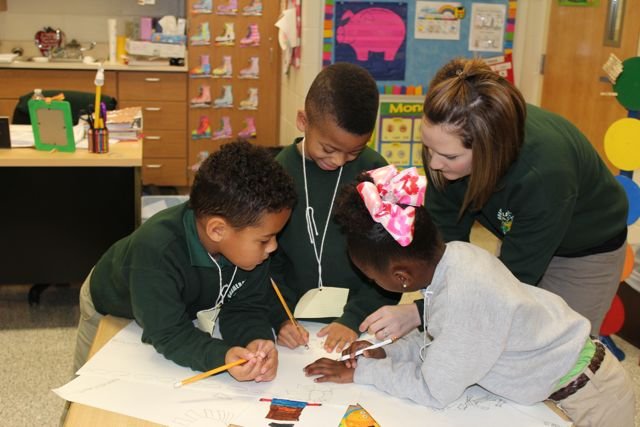
STEAM education, as with most models of engaging students, is most effective when deeply connected to the conversations happening in the world around us. We recognized students come into our classrooms primed by these conversations and are ready to dive into them when prompted. Through our residencies in all subjects, we welcome these opportunities to engage with these conversations and integrate both local and national current issues into our lesson plans. I wanted to share with you an outcome from a recent event that highlights the necessity of supporting integrated educational models where science, technology, engineering, arts, and mathematics are tied back to the world around us.
On October 5, 2019, a group of family, friends, new acquaintances, and strangers gathered at the Strathmore Mansion for our Amplify US! event. We were there to share in poetry, storytelling, and conversations about race, difference, and connection. In addition to professional poets, community members, and an excited audience, two youth performers who we have previously engaged in our programming lit up the stage with their poetry and storytelling.
It’s difficult to capture in words the feeling of the room. The conversations were not necessarily easy or without discomfort, but all were warm and caring. They felt urgent and necessary. Every person who showed up was meant to be there. People lingered longer than usual, already late for a Saturday evening. The performances and conversation created a kind of gravitational force and held us there. Primed by the performances, audience members leaped into conversation with each other, discussing aspects of their lives rarely shared with strangers. The conversations engaged intergenerational connections across race and nationality and the event spilled over its end time as audience members were reluctant to end their conversations.
Why this urgent need for dialogue?
In 2017 Montgomery County Police reported a 26% increase in bias incidents compared to the prior year (linked below). Of the incidents reported, roughly half were motivated by bias toward religion and half were motivated by bias toward a race or ethnicity. Over that year, there was a 48% increase in the number of incidents in which a school or college was a target of a bias incident. Among known subjects of all bias incidents in 2017, the dominant offender group is males (44 of the 53 known subjects were males). Additionally, 33 of the 53 subjects were under the age of 18, a 267% increase over 2016.
As you can see from these statistics, the impact of these incidents is very much connected to our work in schools. By bringing these conversations into our STEAM residencies, we ensure more students are able to add their voices to the conversation, to be a part of dreaming up solutions. I would like to invite you to follow our programming and the conversations our students are adding their voices to by joining us on Facebook, or following along in our blog.
Links:
Project reports on GlobalGiving are posted directly to globalgiving.org by Project Leaders as they are completed, generally every 3-4 months. To protect the integrity of these documents, GlobalGiving does not alter them; therefore you may find some language or formatting issues.
If you donate to this project or have donated to this project, you can receive an email when this project posts a report. You can also subscribe for reports without donating.



Support this important cause by creating a personalized fundraising page.
Start a Fundraiser