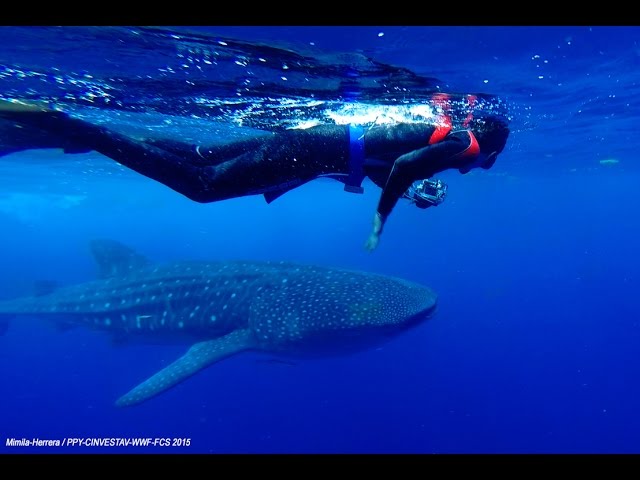
Strengthen Education for Whale Sharks Conservation

by Pronatura Peninsula de Yucatan A.C.
Play Video
Strengthen Education for Whale Sharks Conservation

Project Report | Jul 1, 2025
What are they eating?

By Emanuel Mimila Herrera | Project manager

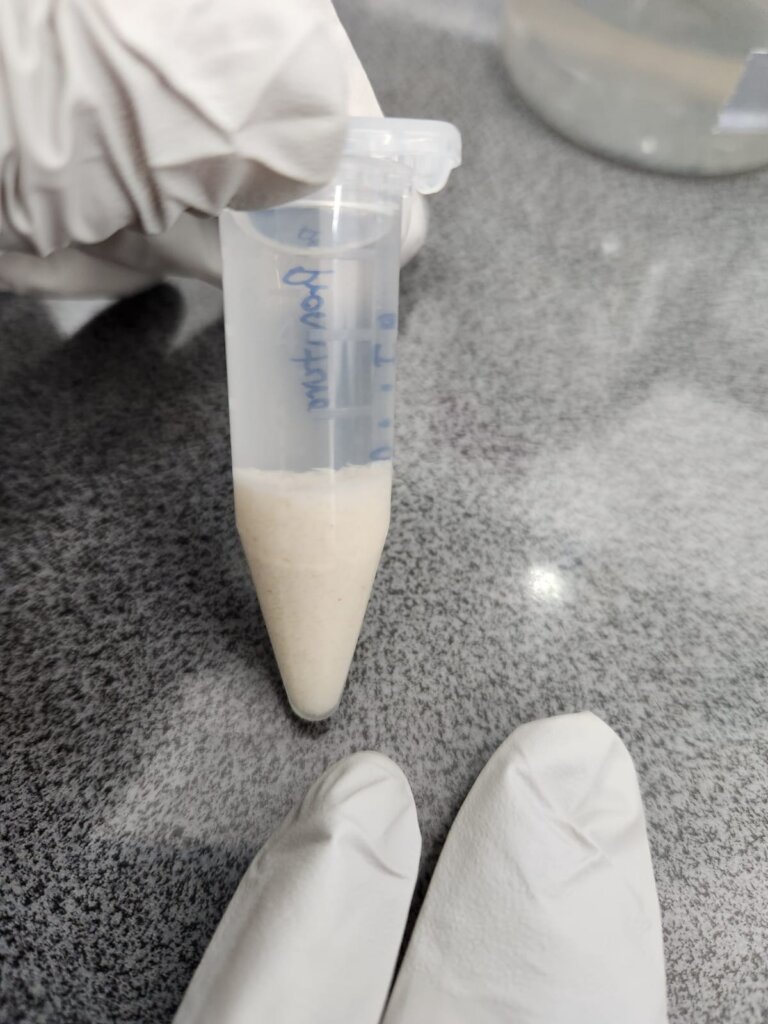
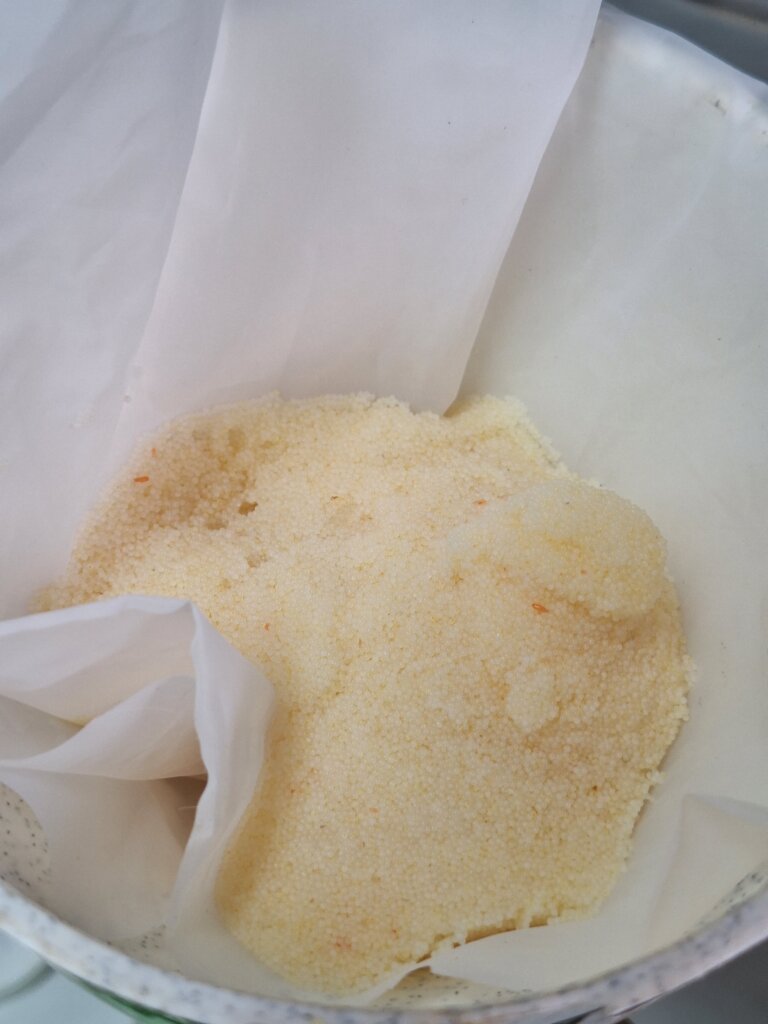
Sample of fish eggs being analyzed in lab

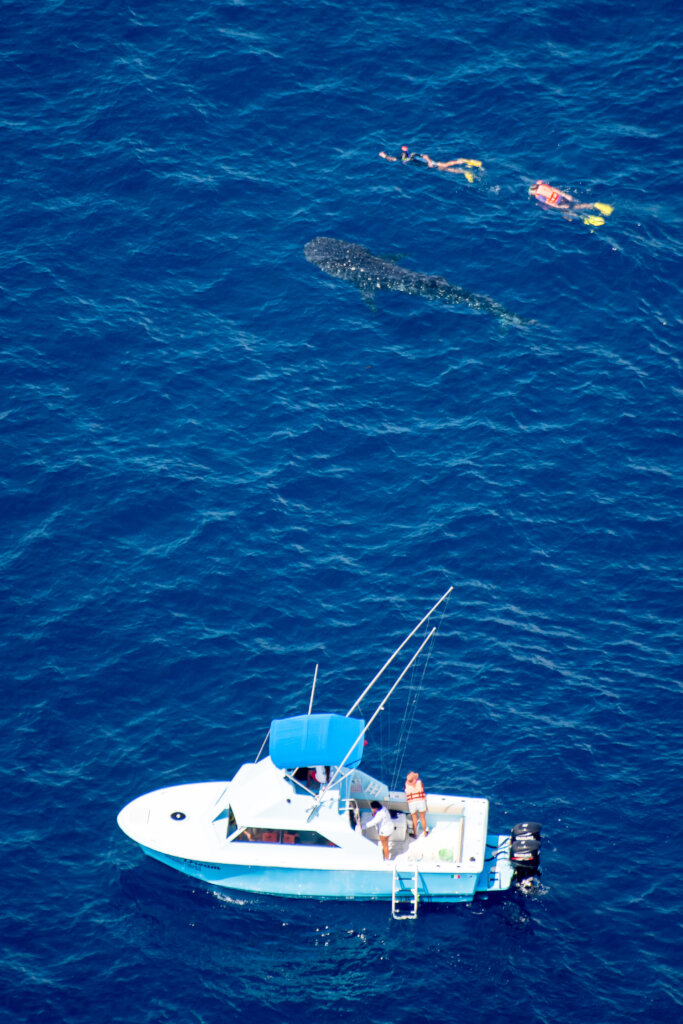
Do you remember that, in the previous report, we said we had observed whale sharks feeding on schools of small fish during aerial surveys? Well, our brief communication note has been published! This is the first article with photographic evidence of whale sharks feeding on fish in the Mexican Caribbean. It's likely that, when zooplankton abundance is low, some whale sharks seek alternative food sources. This is undoubtedly an important finding for the understanding of whale shark ecology, reached thanks to aerial monitoring.

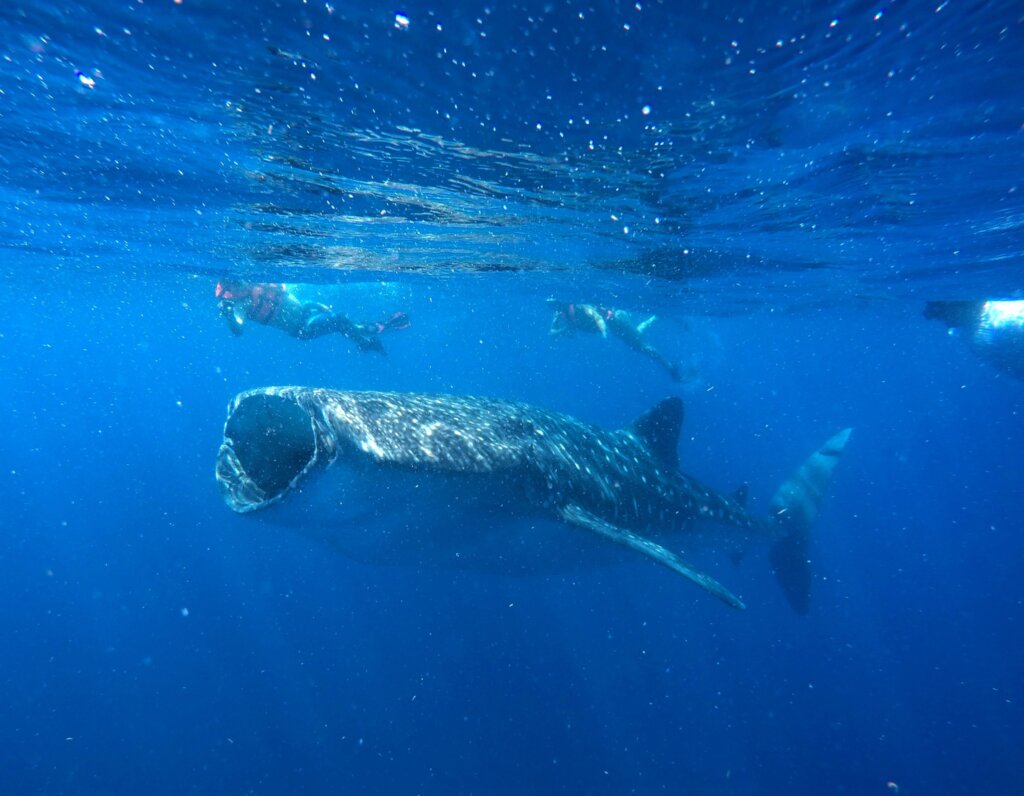
These results coincide with the results of our environmental DNA analysis of samples obtained from whale shark feeding areas. Through these analyses, which we carried out in alliance with a research center (Cinvestav Mérida) and a local college (Tecnológico de Valladolid), we identified that a species of tuna Euthynnus alletteratus, the smallest of this kind of fish group, is responsible for spawning in the whale shark aggregation area. These fish eggs are the whale sharks' primary food source, and the main reason whale sharks form “constellations" (name given to groups of whale sharks because their spotting patterns resemble star constellations in the night sky) between May and September in the Northern Mexican Caribbean waters. During these months, this small tuna species, locally called "bonitio", releases millions of eggs somewhere in the water column, so whale sharks aggregate to feed on them and recover energy to continue their life cycle. Another group of fish that we identified as part of the whale sharks’ diet, through environmental DNA analysis, was sardines. As we described in our most recent publication, sardines could be an additional food source for whale sharks. We still have to identify which sardine species are consumed by whale sharks as they pass through the Mexican Caribbean.

In June 2025, we began our field trips to continue monitoring the whale sharks and their habitat. During these trips, we observed that whale sharks are closer to land than they were last year. However, the abundance of whale sharks does not seem encouraging. Although tour operators reported groups of 15 sharks at the beginning of June, these numbers declined as the days passed. The average number of whale sharks per day for June 2025 is 10 individuals, the lowest number for this month of the last three years. Food samples are being analyzed in the lab, but at first glance, it is evident that the amount of food was lower than last year.

Although the numbers are not what we expected for the beginning of this season, we are hopeful that as the days go by, the number of whale sharks and the amount of food will increase compared to last year. We are seeking resources to continue the census, because we currently lack funding for this important activity in 2025. But we are not giving up; we continue working with the local people, guides, captains, the authorities responsible for marine protected areas and tourism planning, and with all our allies like you to join forces to conserve this wonderful species.

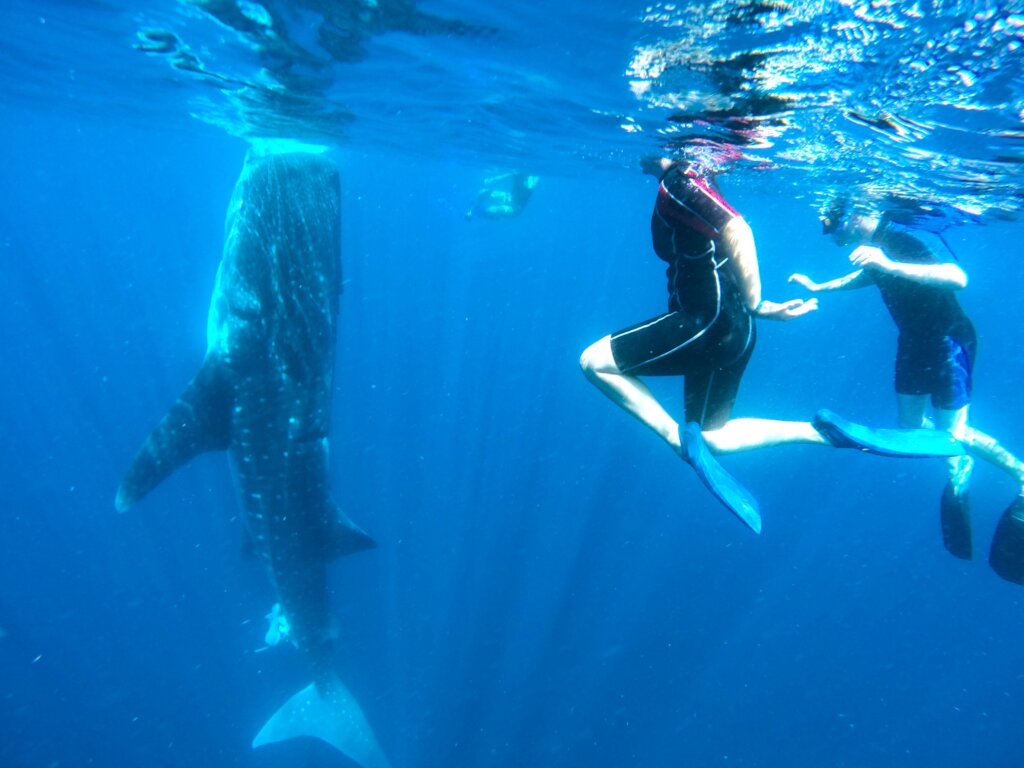
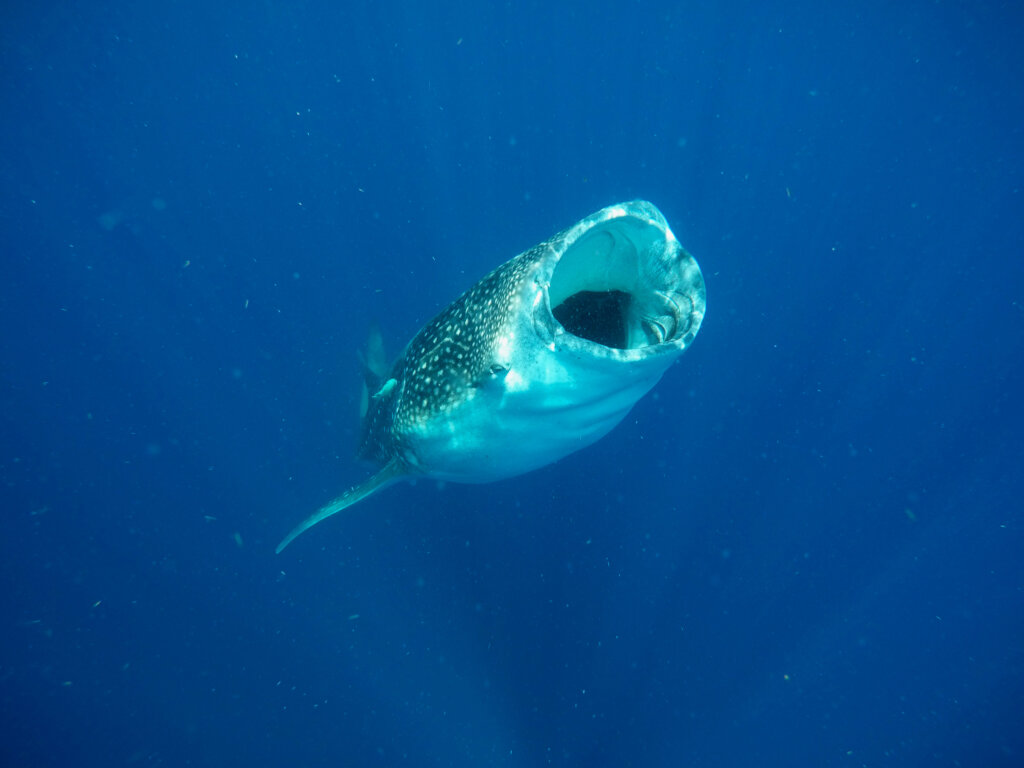
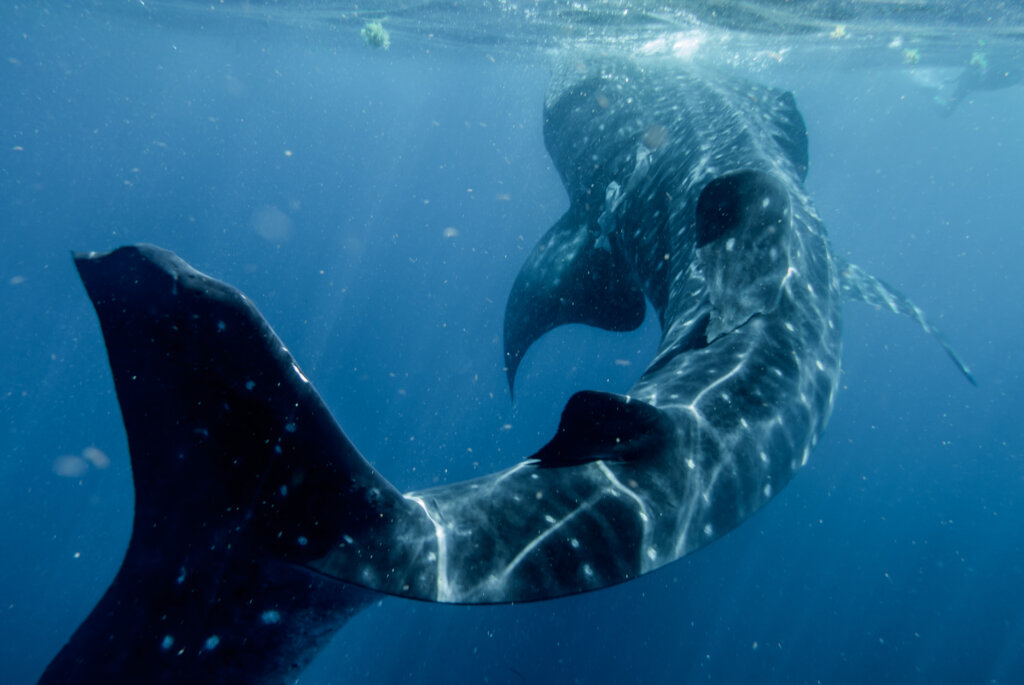
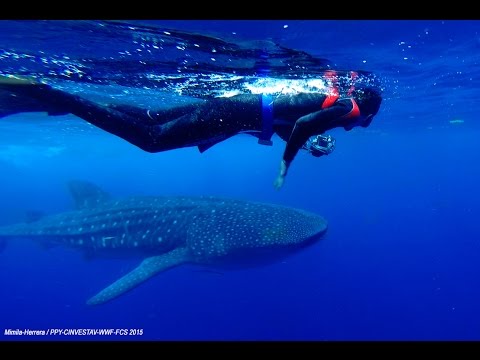
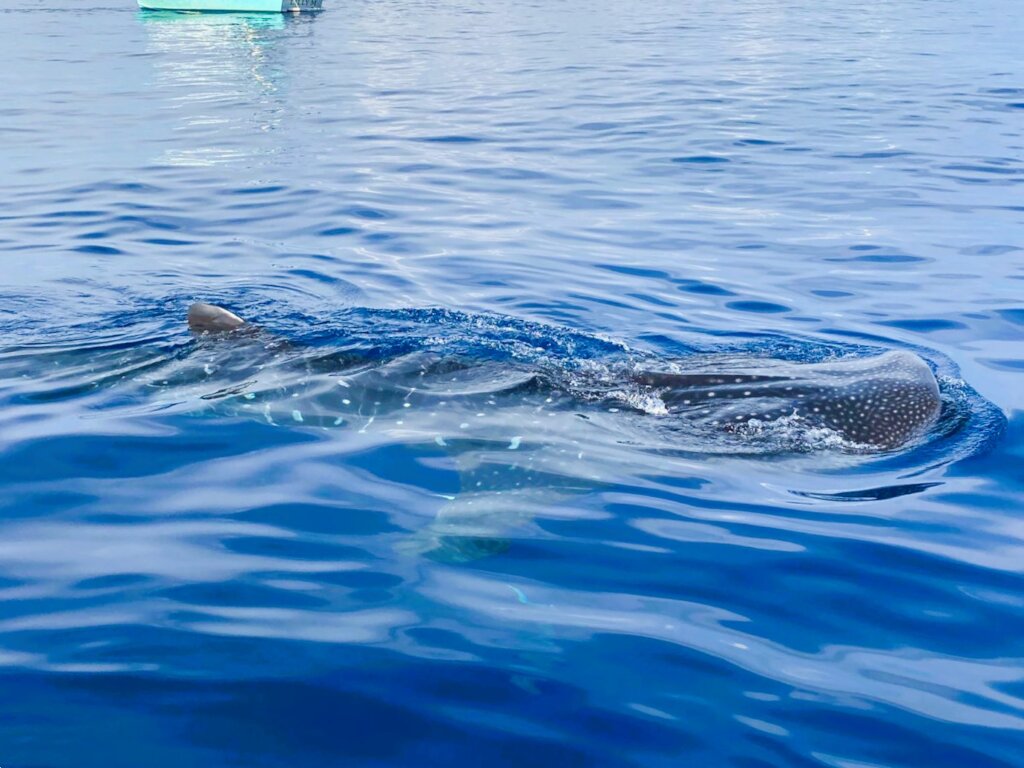
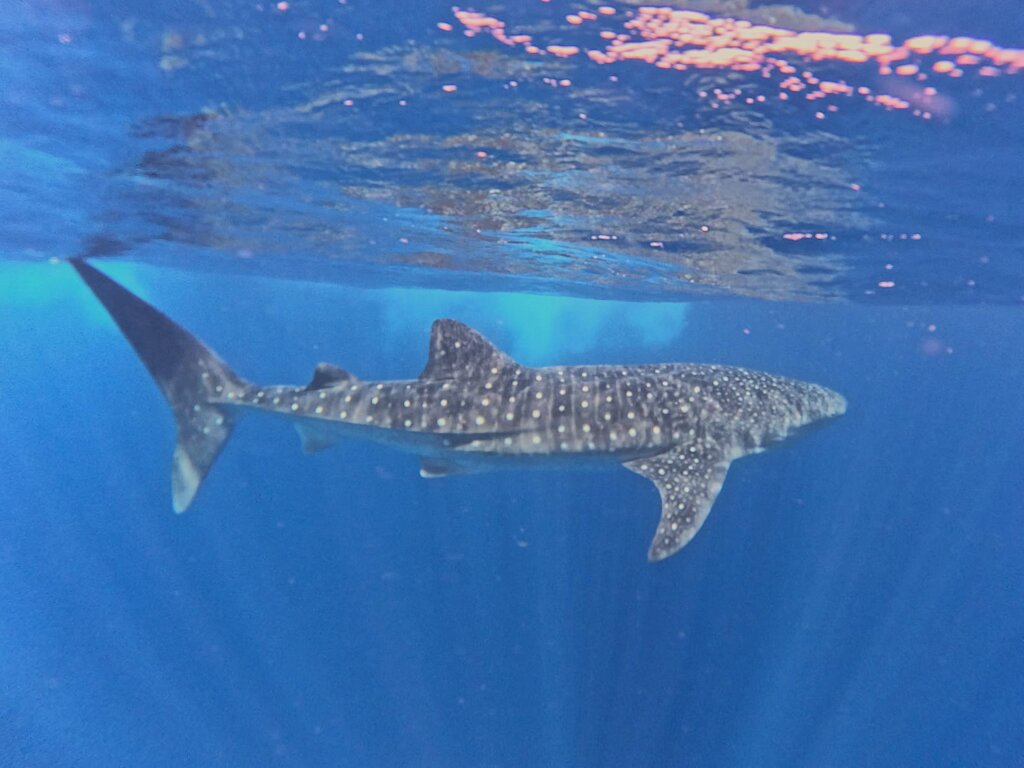
Swimming peacefully in Mexican Caribbean
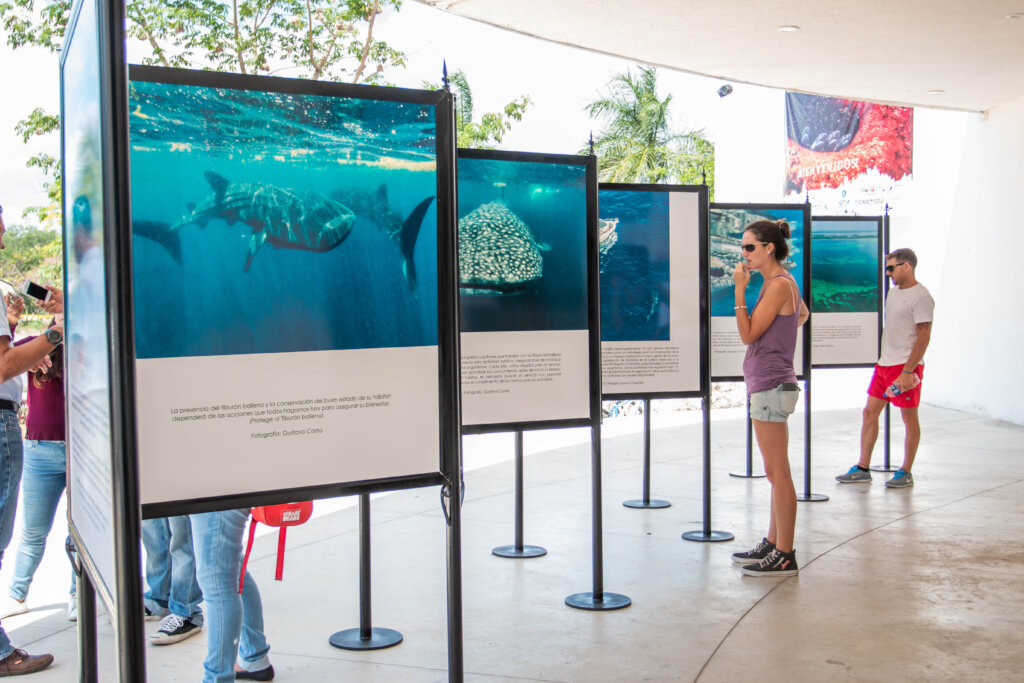
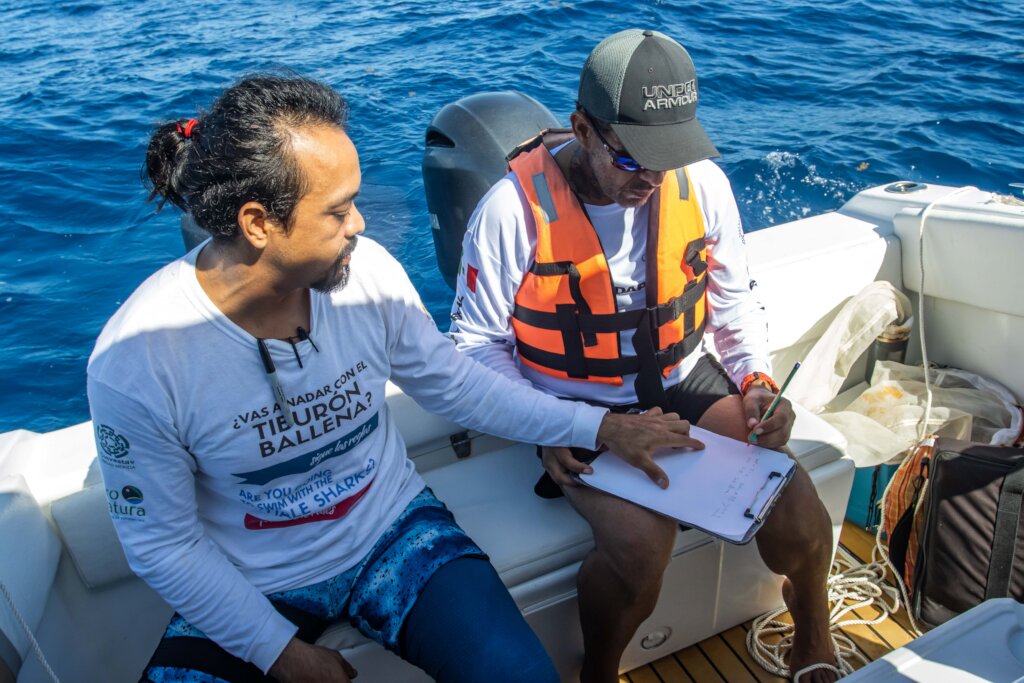
Biol. Emanuel, explaining monitoring methods
Ana, one of our students, collecting zooplankton
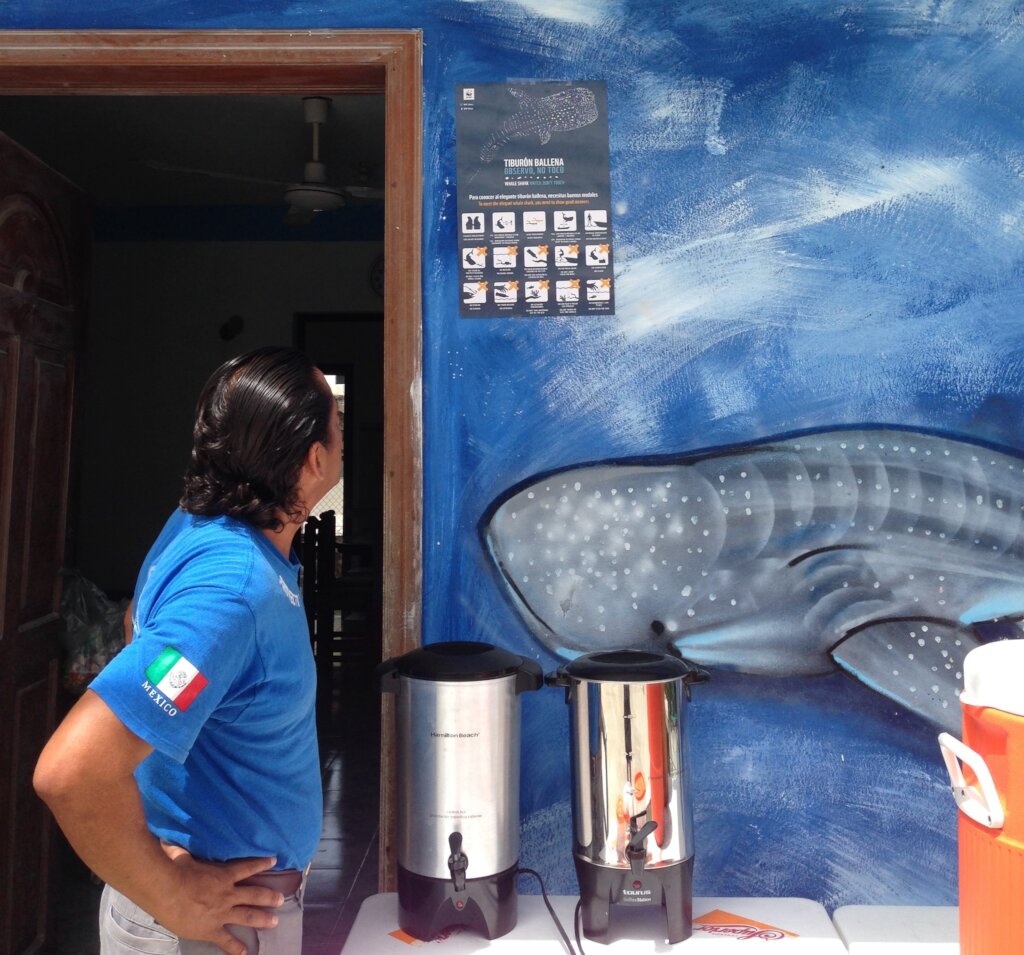
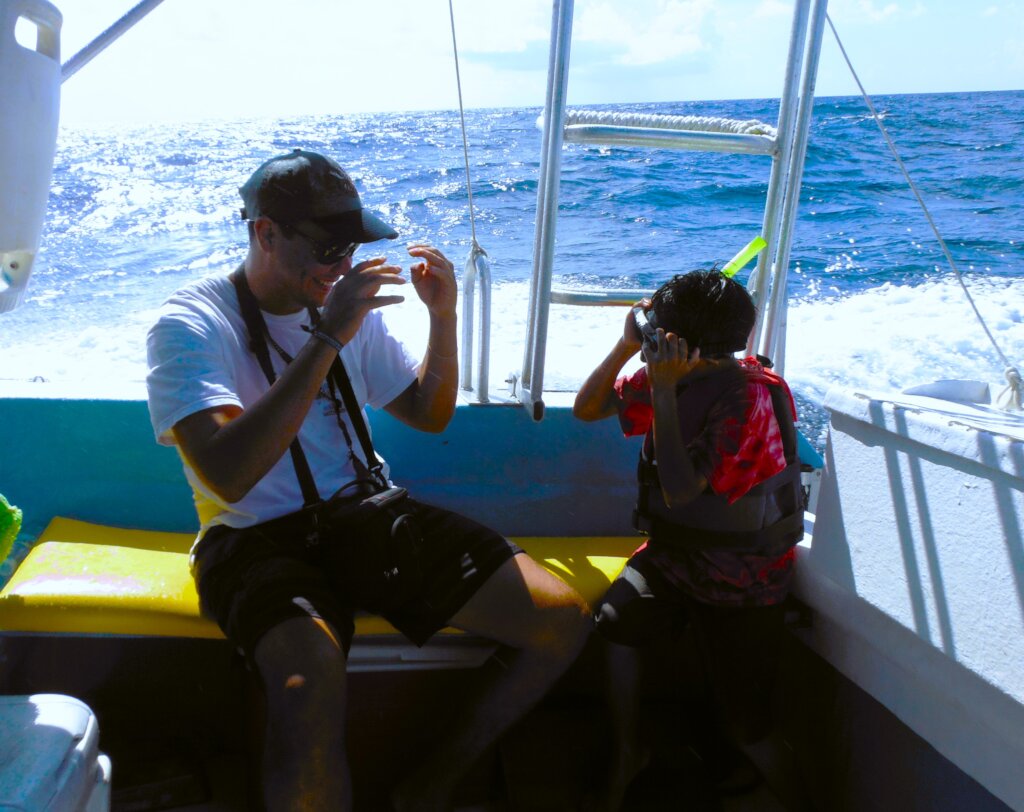
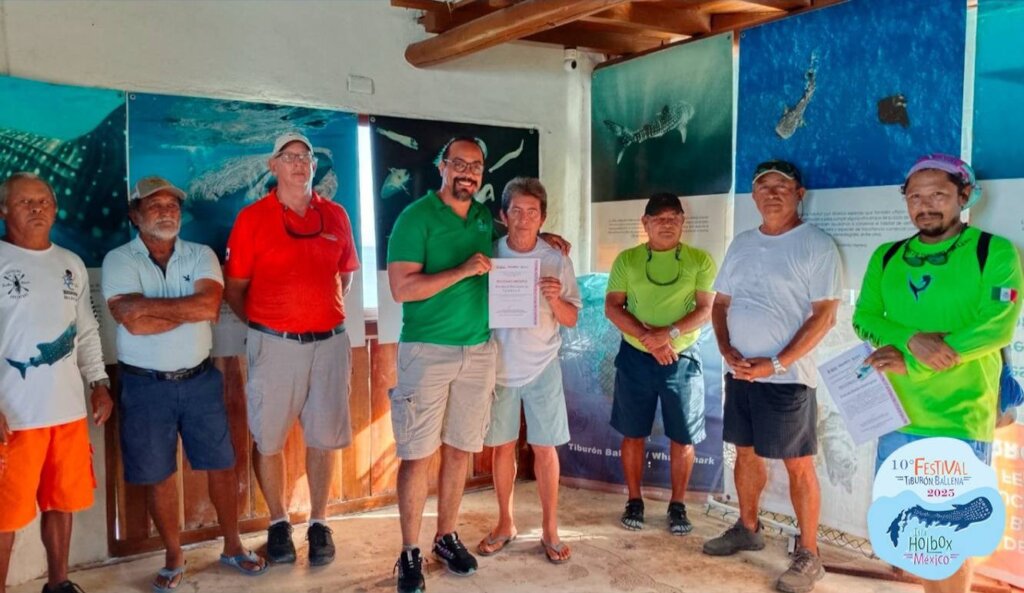
Allies for whale shark sustainable tourism

Links:

Share on Twitter Share on Facebook

Mar 5, 2025
2024 achievements: the good, the bad and the next

By Emanuel Mimila Herrera | Project manager

Nov 14, 2024
Work at the sea: a collective effort for whale shark conservation

By Emanuel Mimila Herrera | Project manager

About Project Reports

Project reports on GlobalGiving are posted directly to globalgiving.org by Project Leaders as they are completed, generally every 3-4 months. To protect the integrity of these documents, GlobalGiving does not alter them; therefore you may find some language or formatting issues.

If you donate to this project or have donated to this project, you can receive an email when this project posts a report. You can also subscribe for reports without donating.


Sign up for updates

Organization Information

Pronatura Peninsula de Yucatan A.C.

Location: Merida, Other - Mexico
Website:
Facebook: Facebook Page
Project Leader:
first4580647 last4580647
United States
$515 raised of $40,000 goal
 
19 donations
$39,485 to go
Donate Now
lock
Donating through GlobalGiving is safe, secure, and easy with many payment options to choose from. View other ways to donate

Pronatura Peninsula de Yucatan A.C. has earned this recognition on GlobalGiving:

Help raise money!

Support this important cause by creating a personalized fundraising page.

Start a Fundraiser

Learn more about GlobalGiving

Teenage Science Students
Vetting +
Due Diligence

Snorkeler

Our
Impact

Woman Holding a Gift Card
Give
Gift Cards

Young Girl with a Bicycle
GlobalGiving
Guarantee

Get incredible stories, promotions, and matching offers in your inbox

WARNING: Javascript is currently disabled or is not available in your browser. GlobalGiving makes extensive use of Javascript and will not function properly with Javascript disabled. Please enable Javascript and refresh this page.