By Holly Budge | Founder of How Many Elephants NGO
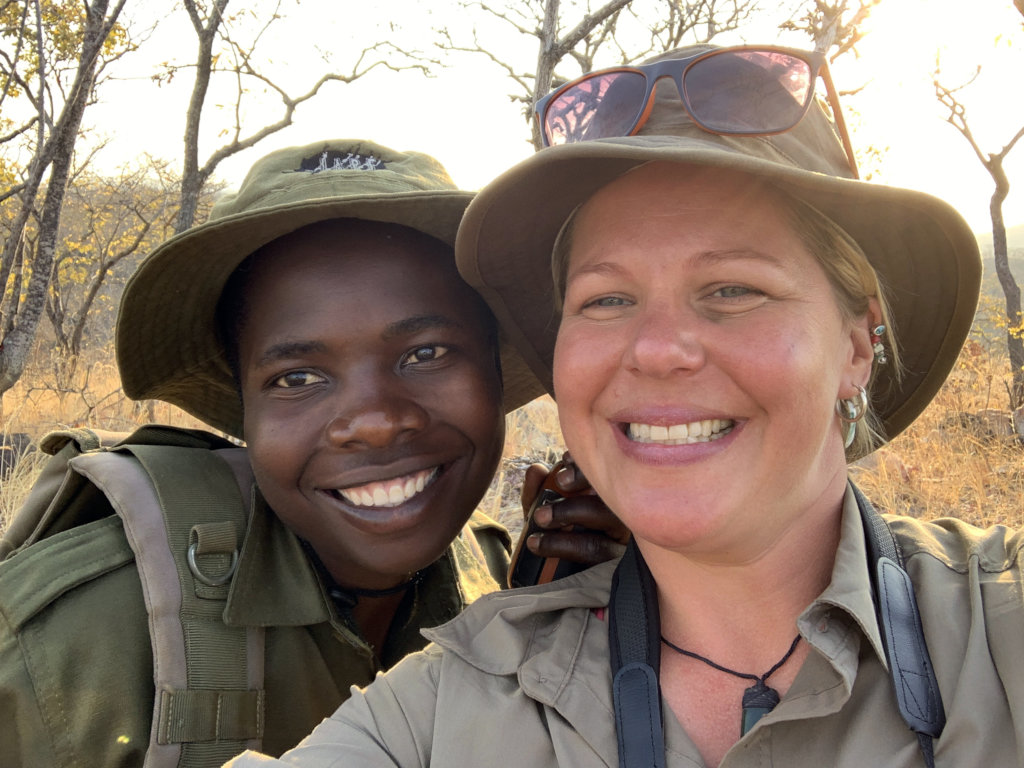
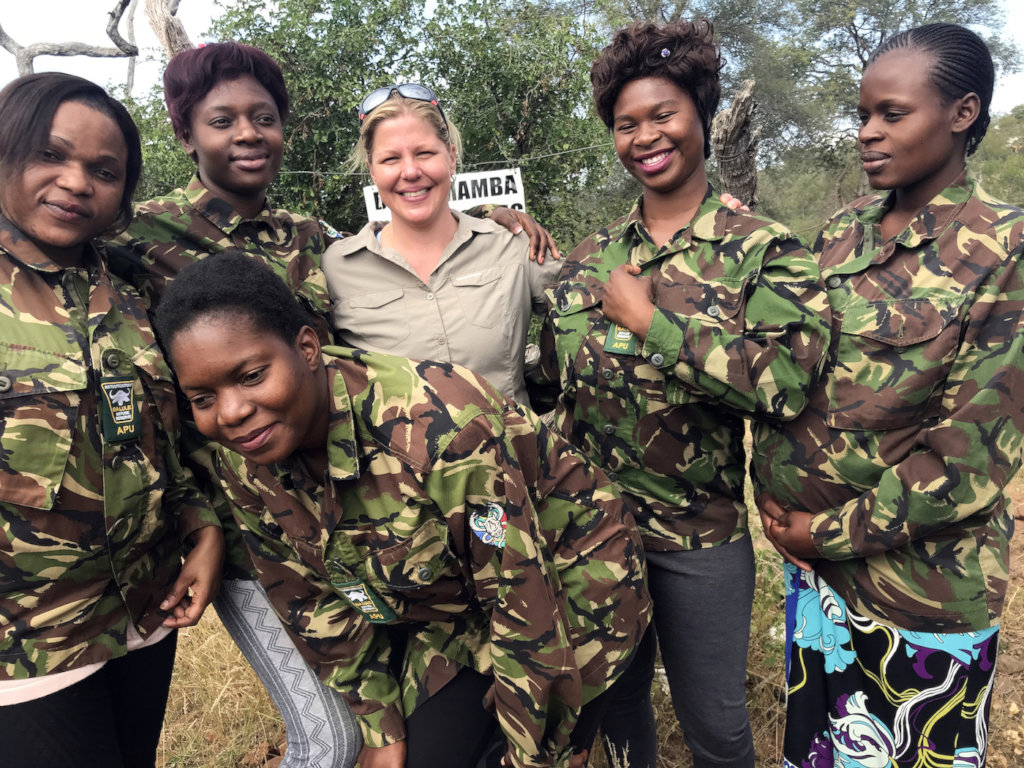
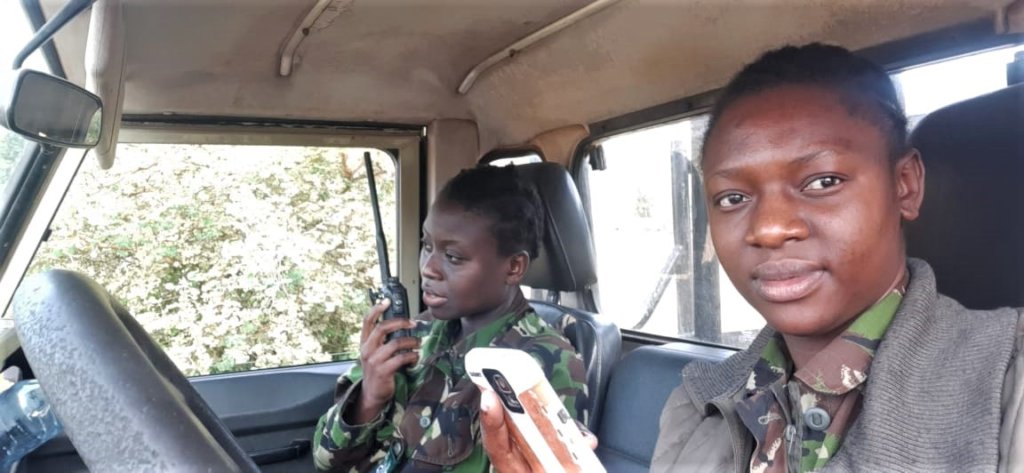
We are delighted to have issued a grant of £4878 to Wildlife Works in Kenya, which has taken a leadership position in promoting gender equity within conservation law enforcement, creating pathways for women to join field patrols, and, most recently, taking on technical support roles through drone operations.
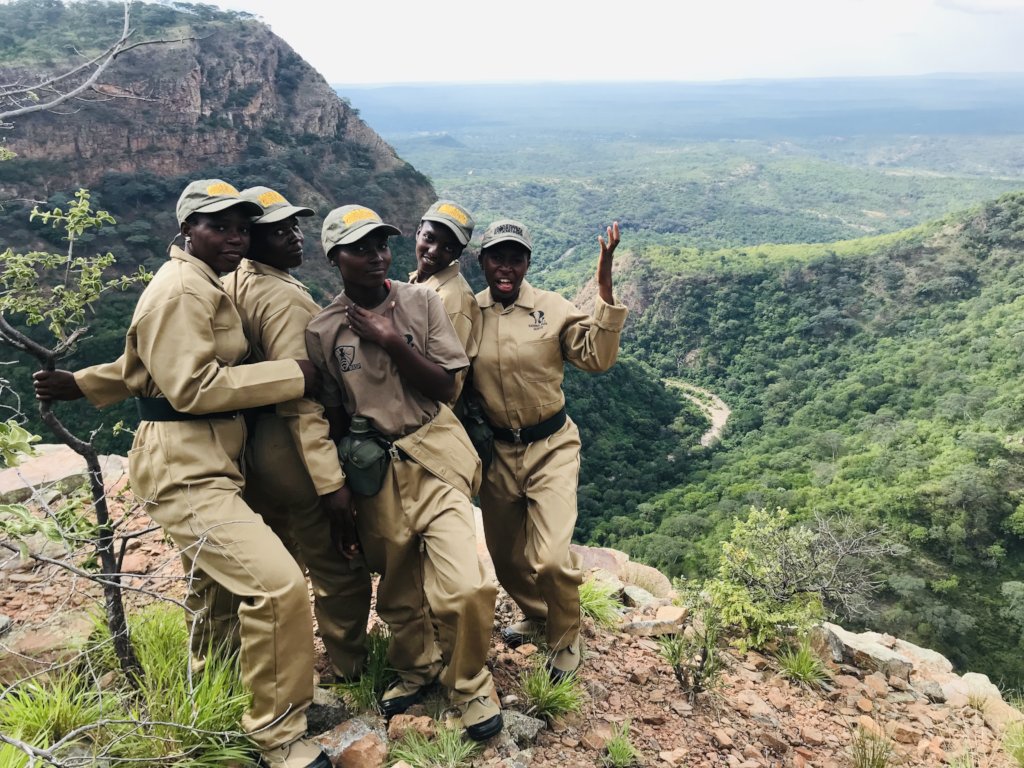
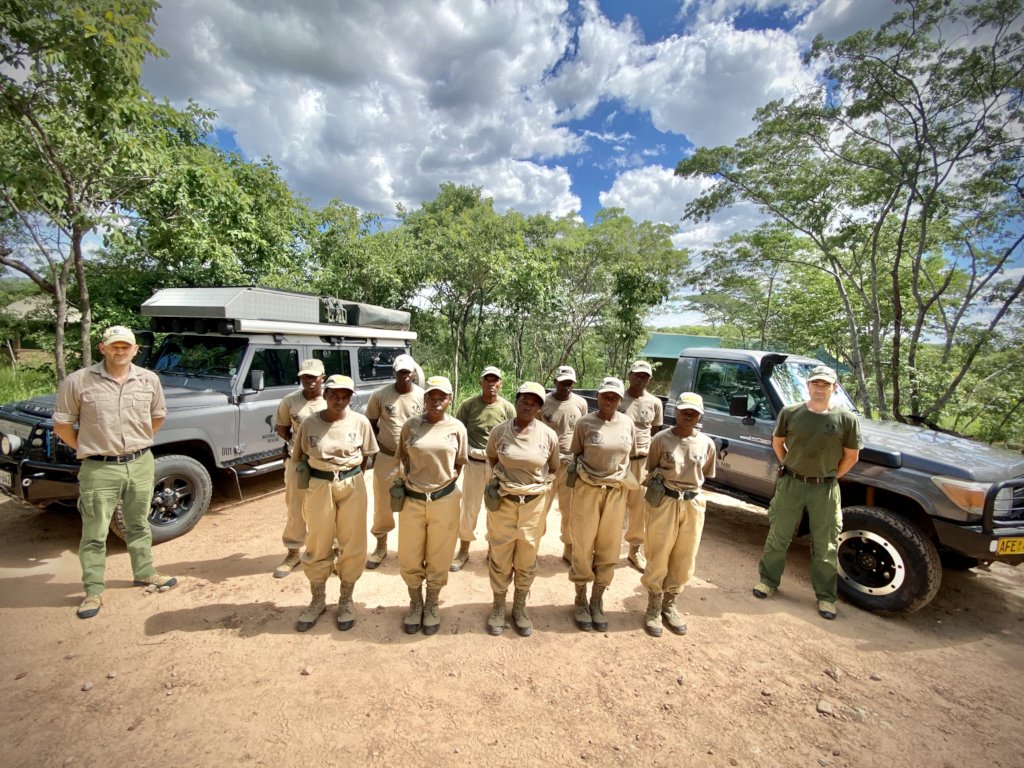
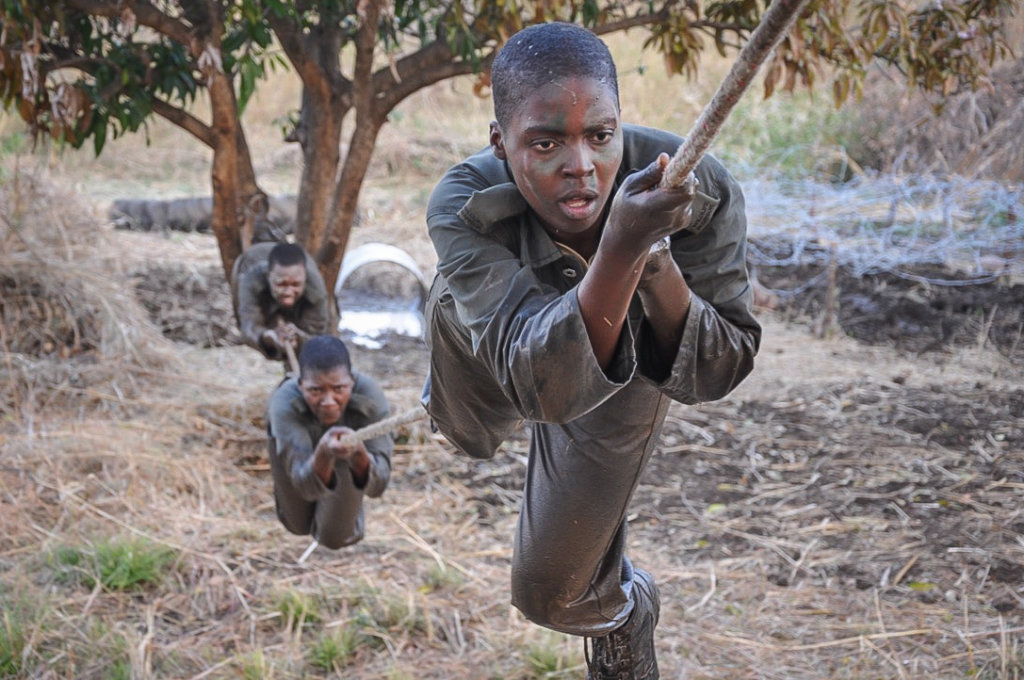
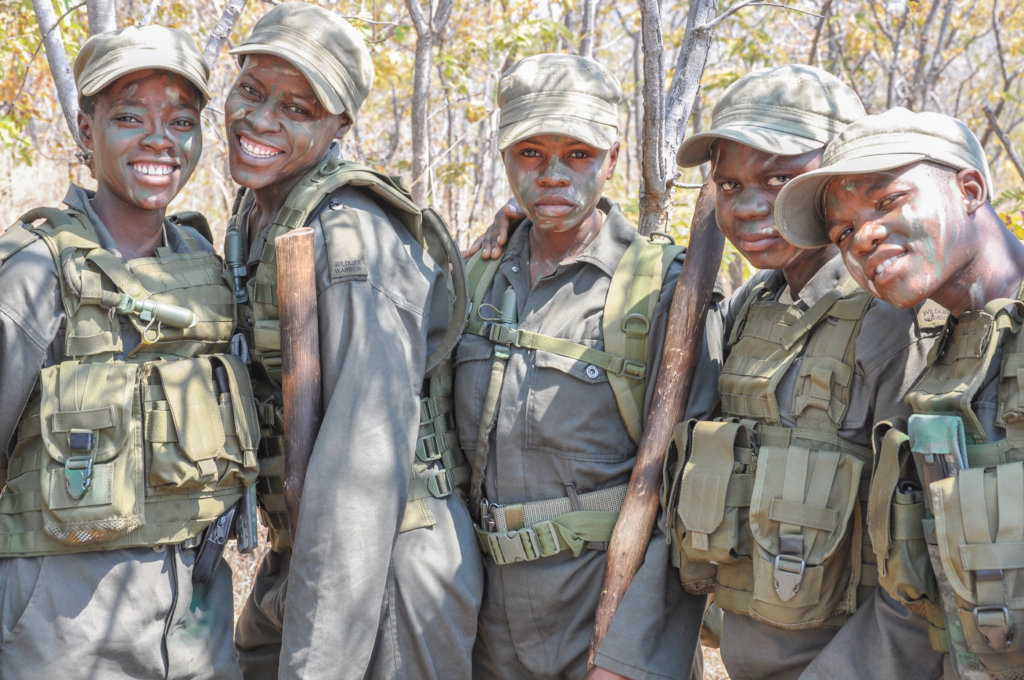
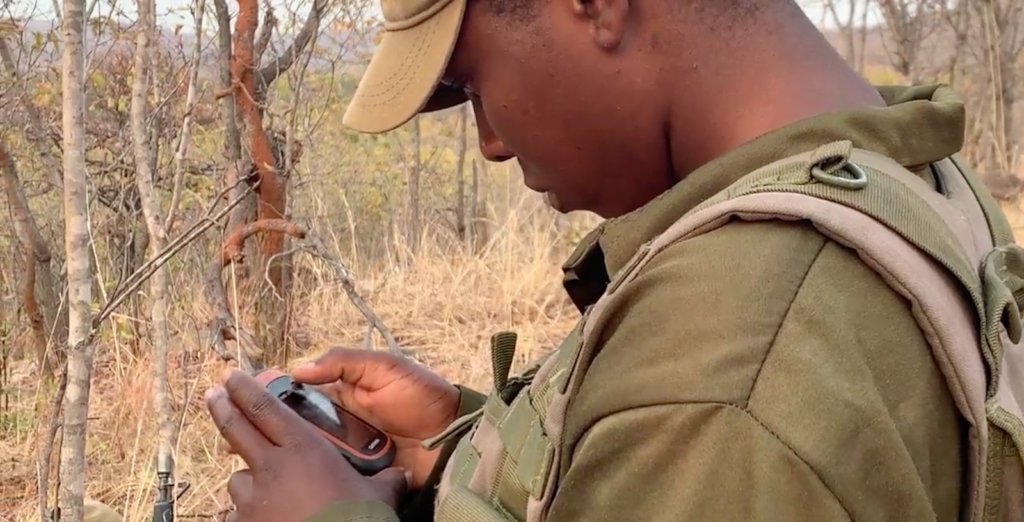
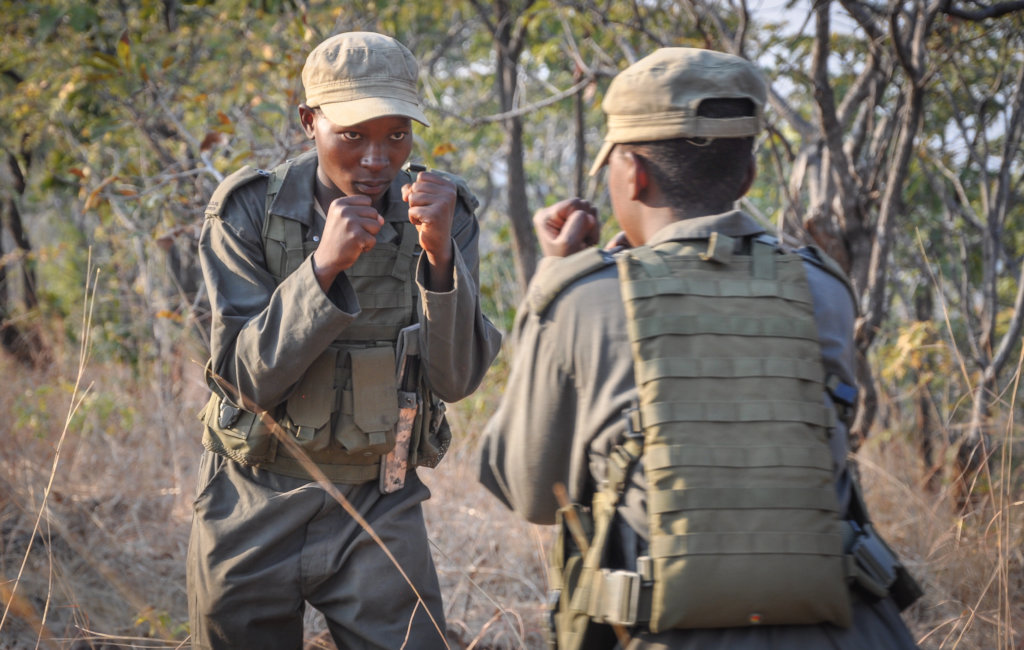
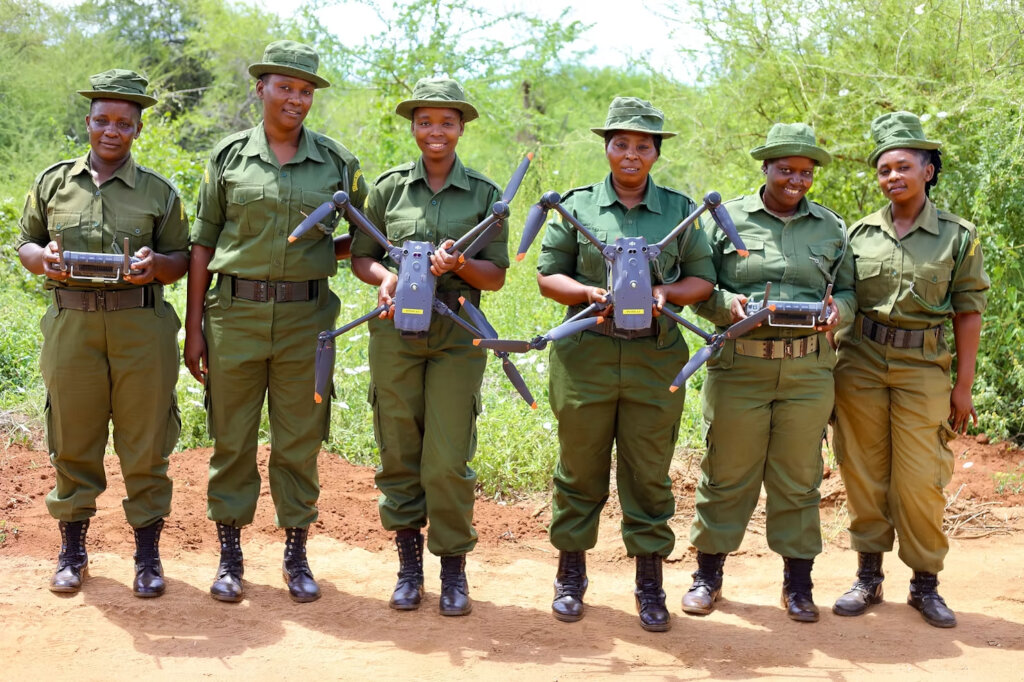
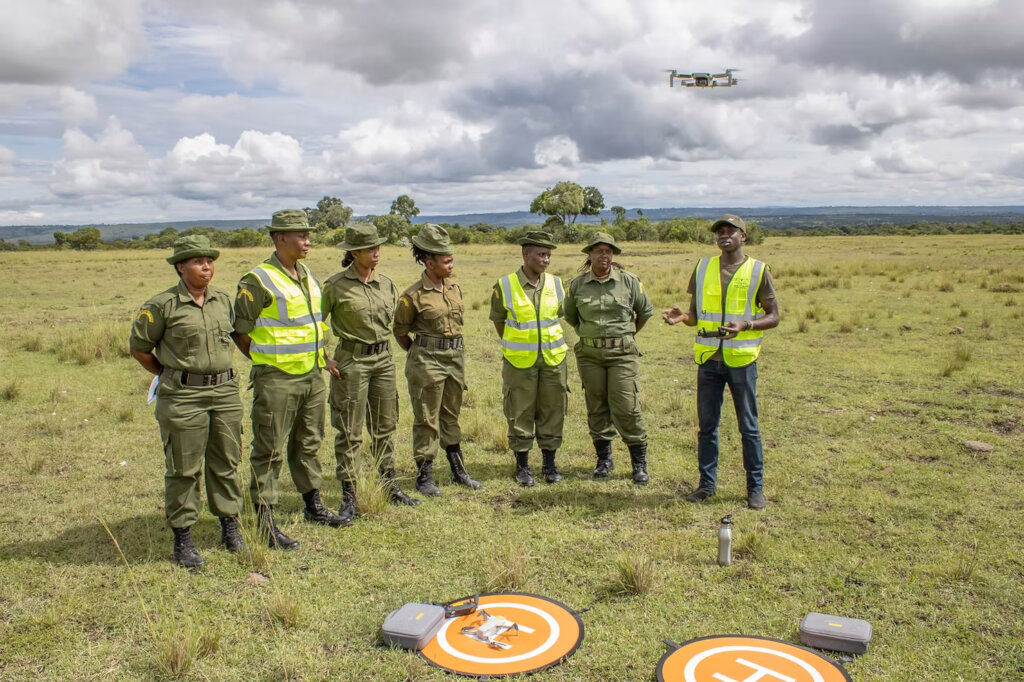
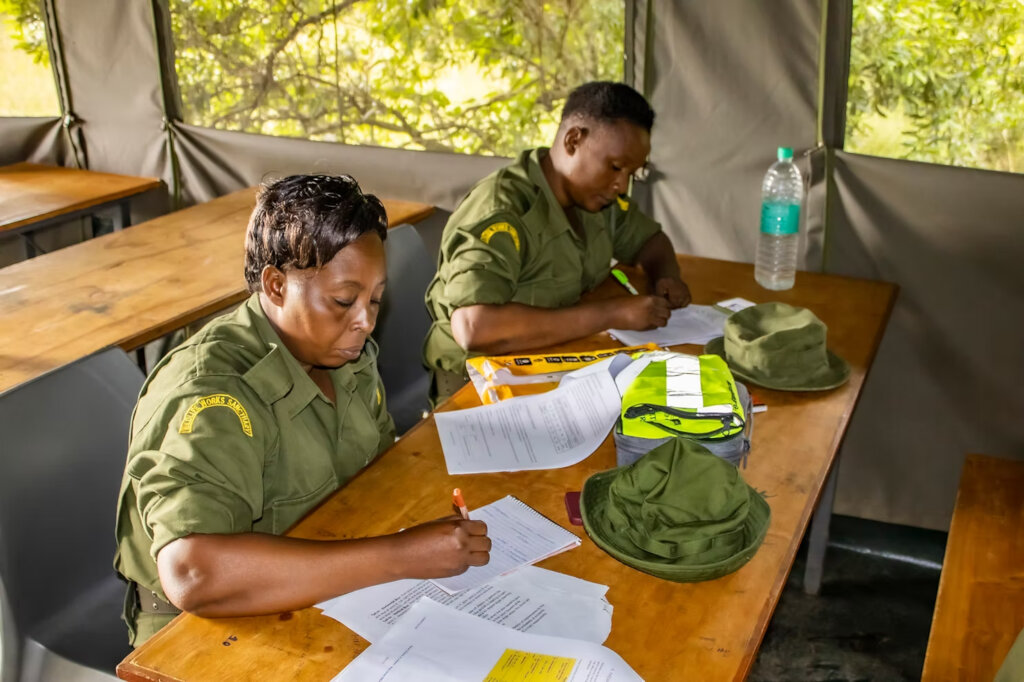
Their Head of Training is Constance Mwandaa, who has developed from a junior ranger position and is now an officer in charge of the ranger training team. In early 2025, they launched Team Owl, the first all-female drone unit. Comprising 11 women selected from their ranger programme and surrounding communities, Team Owl completed a certified drone operator course delivered by LEAD Conservation and partners, who also supplied the drone systems and technical support. Their training included aerial surveillance, mapping, wildlife tracking, and tactical support to ground-based ranger patrols.
Team Owl became operational in July 2025, supporting ground teams with real-time aerial data for wildlife monitoring, illegal activity detection, human-wildlife conflict response, and wildfire response coordination. They operate as technical enablers, working alongside field ranger units to significantly enhance the reach and responsiveness of the conservation operations. Importantly, the team will be based at Ranger HQ, allowing them to deploy rapidly to operational areas for the duration of specific operations and responses, but also remain connected to their families and communities when not in the field. This operational model recognises the critical role that women play not only in conservation but also in the social fabric of their households and communities.
“Being a drone pilot has made us realize that there’s truly no job a woman cannot do. Ranger security was once a male dominated field, but now women are not just part of it: we are excelling at it,” says Jane.
About Wildlife Works:
Wildlife Works is the world’s leading REDD+ project developer, protecting threatened forests, wildlife, and local livelihoods through market-based conservation. They design and implement community-led forest conservation projects that generate verified carbon credits while delivering direct economic and ecological benefits to local communities. Their approach is based on the belief that conservation must be driven by those who live closest to the threat. By linking forest protection to job creation, education, health services, and access to clean water, they make forest preservation more economically viable than deforestation. This has resulted in real, measurable reductions in emissions from deforestation and degradation (REDD+), while improving wellbeing in vulnerable communities.
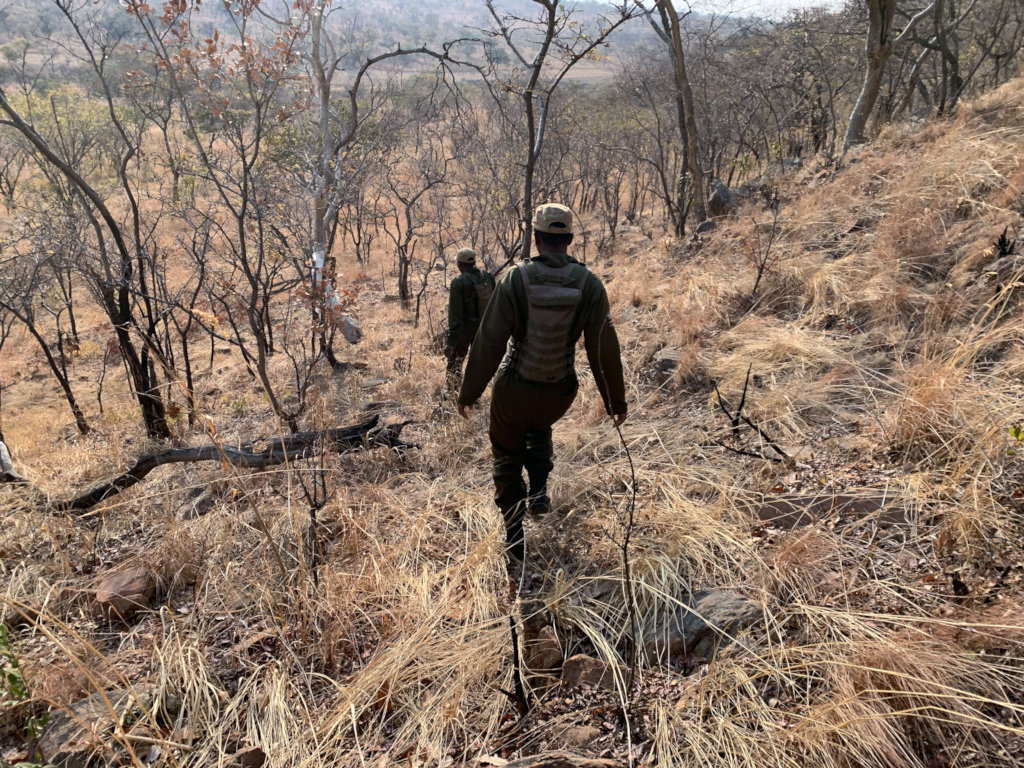
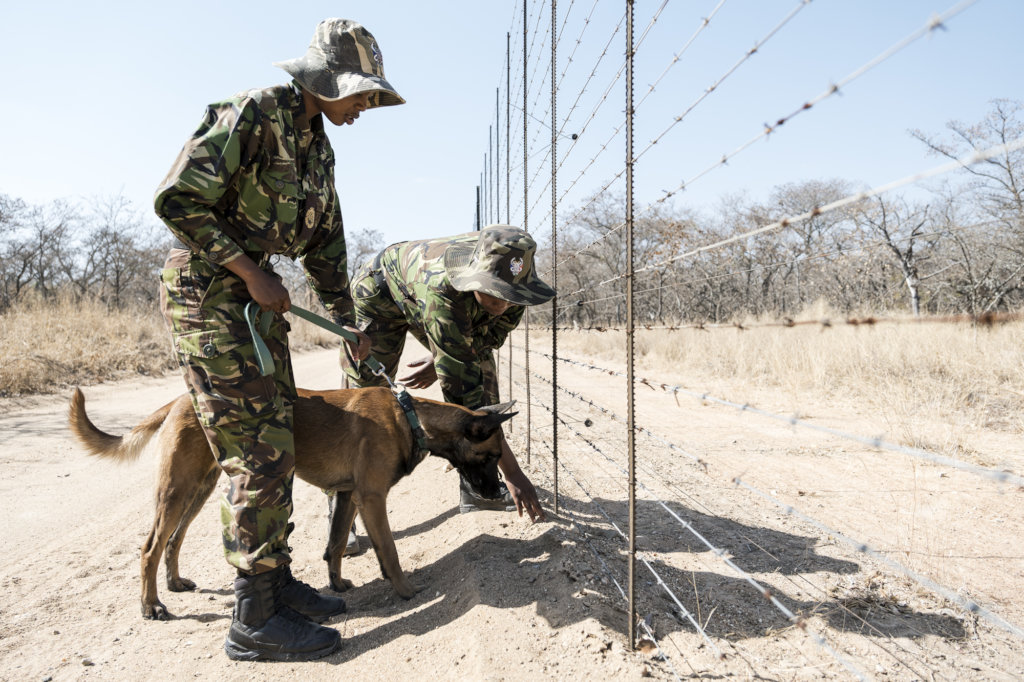
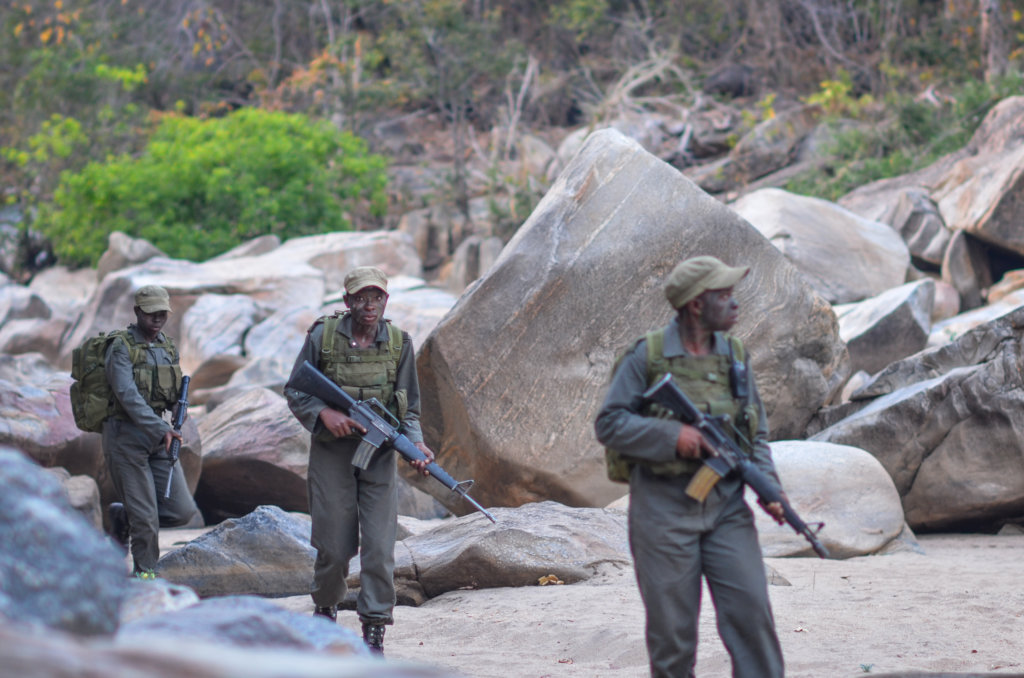
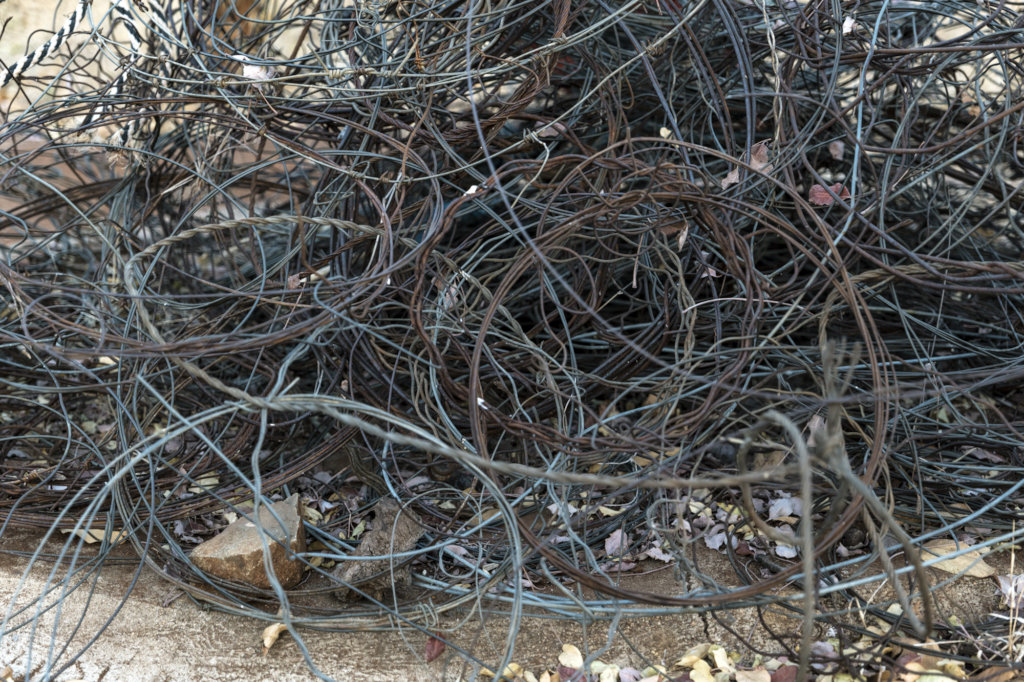
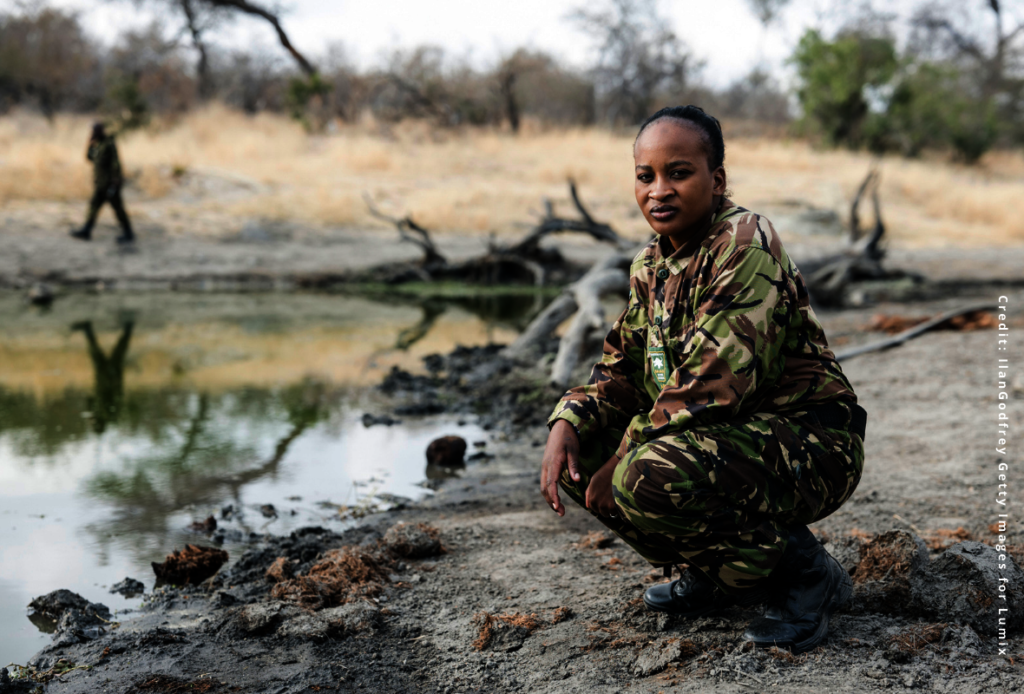
Their flagship initiative is the Kasigau Corridor REDD+ Project (KCRP) in south-eastern Kenya. Covering over 500,000 acres, the project connects two of Kenya’s most important national parks (Tsavo East and Tsavo West). It protects critical elephant migration routes, biodiversity-rich habitats, and water catchment areas. The project employs more than 350 staff, including over 100 rangers, many of whom are recruited directly from local communities. The Wildlife Works ranger programme is the operational backbone of our field presence. Rangers conduct daily patrols to prevent poaching, remove snares, respond to illegal logging and grazing, and support peaceful human-wildlife coexistence. Over time, they have strengthened this programme by integrating modern tools and approaches, including intelligence-led deployment, aerial surveillance, enhanced inter-agency coordination, and a growing emphasis on professionalism, training, and inclusion.
With your support, we help enable sustainable, long-term participation of women in frontline conservation roles.
Links:
Project reports on GlobalGiving are posted directly to globalgiving.org by Project Leaders as they are completed, generally every 3-4 months. To protect the integrity of these documents, GlobalGiving does not alter them; therefore you may find some language or formatting issues.
If you donate to this project or have donated to this project, you can receive an email when this project posts a report. You can also subscribe for reports without donating.



Support this important cause by creating a personalized fundraising page.
Start a Fundraiser