By Sophie Birkett | Head of Operations
Dear Supporter,
Over the last 18 months we have looked at multiple pieces of land both in Bombolulu and in the surrounding areas. While we have found several pieces of land that were suitable and within our price range, our lawyer was unable to find the correct title deeds, meaning there was no proof that the land belonged to the person who was selling it to us. Other plots have, upon surveying, proved smaller than they appeared in the title deeds, deeming them too small to build a school on. The price of land in Bombolulu and its surrounding areas has risen drastically in the last few years as the area is becoming more developed. It is an incredibly difficult climate in which to purchase land.
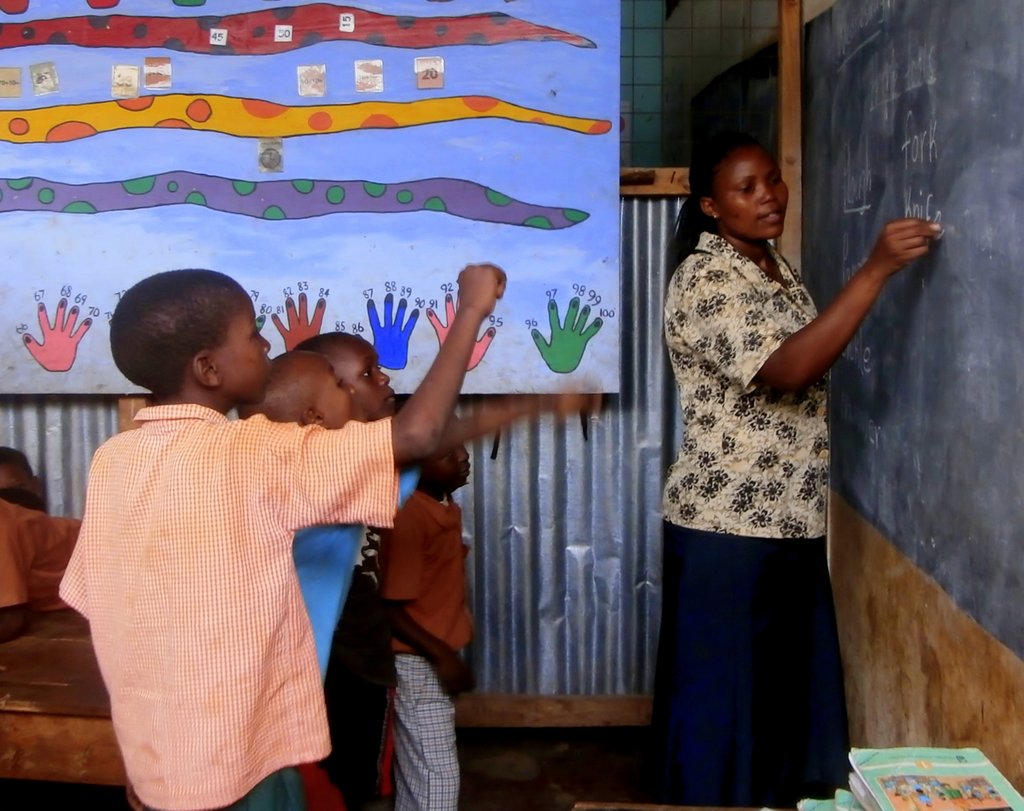
Going forward, Olives have had to review their options. The first was to come to an agreement with the landlady and create a two year plan. Olives have a signed a three year rent agreement stating that the rent will not change for the agreed period of time. We are using a portion of the donations to renovate the existing structure. Making improvements on the roof, which will help to block out sounds from other classrooms, install glass slat windows to allow more light into the classrooms, and re-plaster the walls and put down new floors in the classroom.
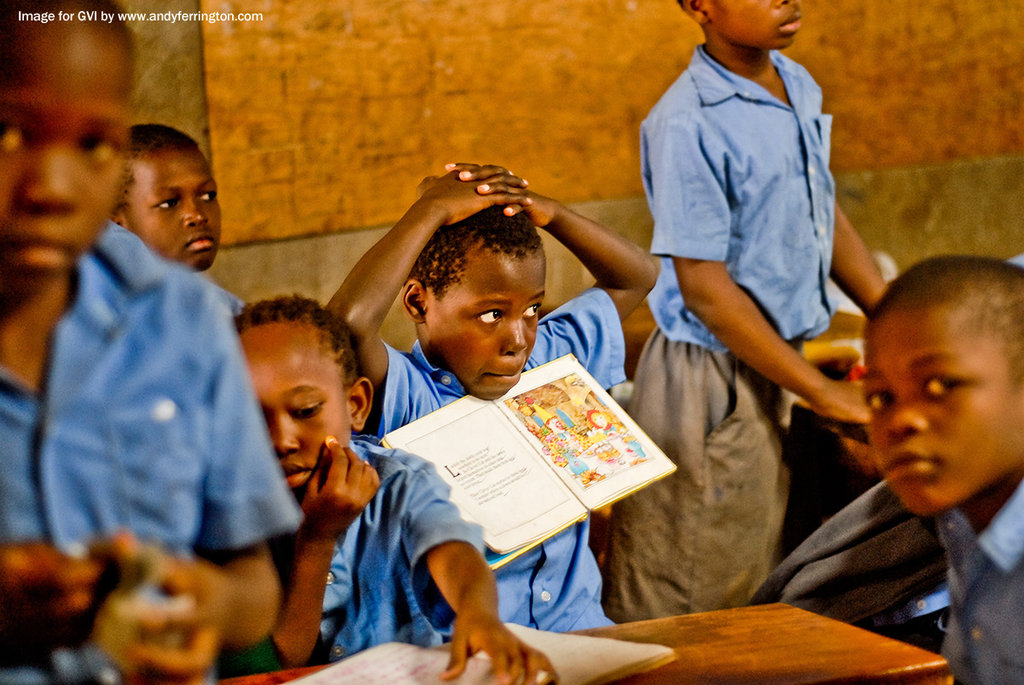
A monthly contribution will be made over the next two years towards the teacher’s wages. This would mean that Olives’ teachers would remain consistent, which in turn has a positive impact on student academic results. Grades and results are extremely important to Kenyan parents, and improved grades will mean that parents are more likely to keep their children in education. Supplementing teachers’ wages frees up money that can then be used to pay school fees for children who come from impoverished families and are unable to afford them. Olives aim is to create a 60:40 balance, with 60% of the students paying the minimal school fees (£3.50/$6 per month), while the other 40% are supplemented. Families’ circumstances change day by day, so every month Steven reviews who is able to pay the fees, and who isn’t. The fees generated from those capable of paying go towards the teachers’ wages.
The remaining funds have been invested in to an income generating programme The objectives of the programme is to run an efficient and profitable business that will reinvest in its future to ensure that the business continues and provides regular revenue to help cover the running costs (rent payments) of Olives Rehabilitation Centre. This will enable the school to continue to offer an education that provides their students with a brighter future.
The income generating programme is a Tuk tuk business which is based on owning and renting out of two tuk tuks. Tuk tuks have become an affordable form of transport to many of Mombasa’s residents since their introduction. They take children to school, mothers to market, and families to weddings, not to mention that they are the only practical means of transport in Mombasa’s Old Town
The tuk tuk will be rented to a driver who will subsequently use it to generate an income for his or herself. This area could also be expanded on in future years by buying more tuk tuk’s generating more income.
In this way, we hope to help Olives become self-sufficient while maintaining an environment more conducive to learning.
Thank you for supporting this program.
All the best
GVI Mombasa
Links:
Project reports on GlobalGiving are posted directly to globalgiving.org by Project Leaders as they are completed, generally every 3-4 months. To protect the integrity of these documents, GlobalGiving does not alter them; therefore you may find some language or formatting issues.
If you donate to this project or have donated to this project, you can receive an email when this project posts a report. You can also subscribe for reports without donating.