By Nancy Kitangwari | Administration & Finance Officer
PROGRESS REPORT
We are delighted to share our progress achieved over the past three months. During this period, a variety of activities were implemented to promote personal growth, skill development, and wellbeing. These initiatives fostered learning, strengthened emotional resilience, enhanced social and interpersonal skills, encouraged creativity, and supported practical problem-solving. At the same time, they contributed to a safer, more connected, and engaged community by promoting collaboration, shared responsibility, and positive social interactions.
1. INTRODUCTION & CONTEXT
During October–December 2025, families in our programme communities faced economic pressures, increased childcare responsibilities, and challenges associated with school transitionsand holiday periods. These factors affected children’s learning routines, emotional wellbeing, and overall family dynamics.
The programme responded by providing structured after-school engagement, parental guidance, psychosocial support, and community-based child protection interventions. This context shaped both the implementation strategy and the observed outcomes, as higher participation and engagement reflected families’ reliance on supportive structures during this period.
2. AFTER-SCHOOL PROGRAMME
Reach and Participation
Academic Progress and Tuition Support
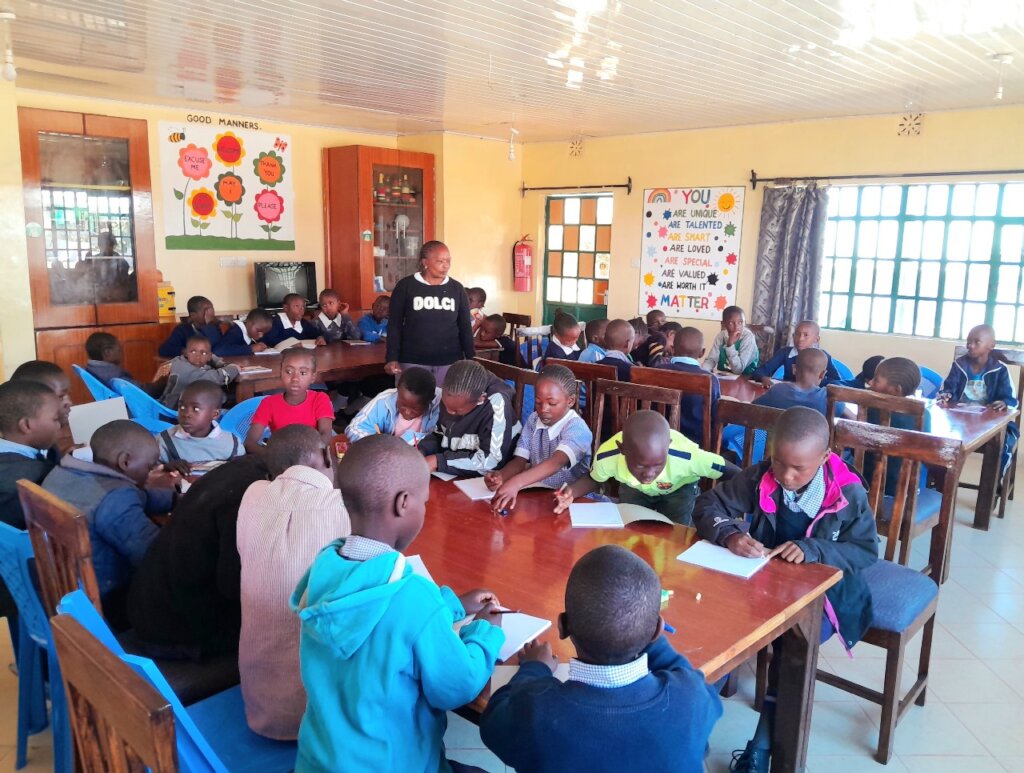
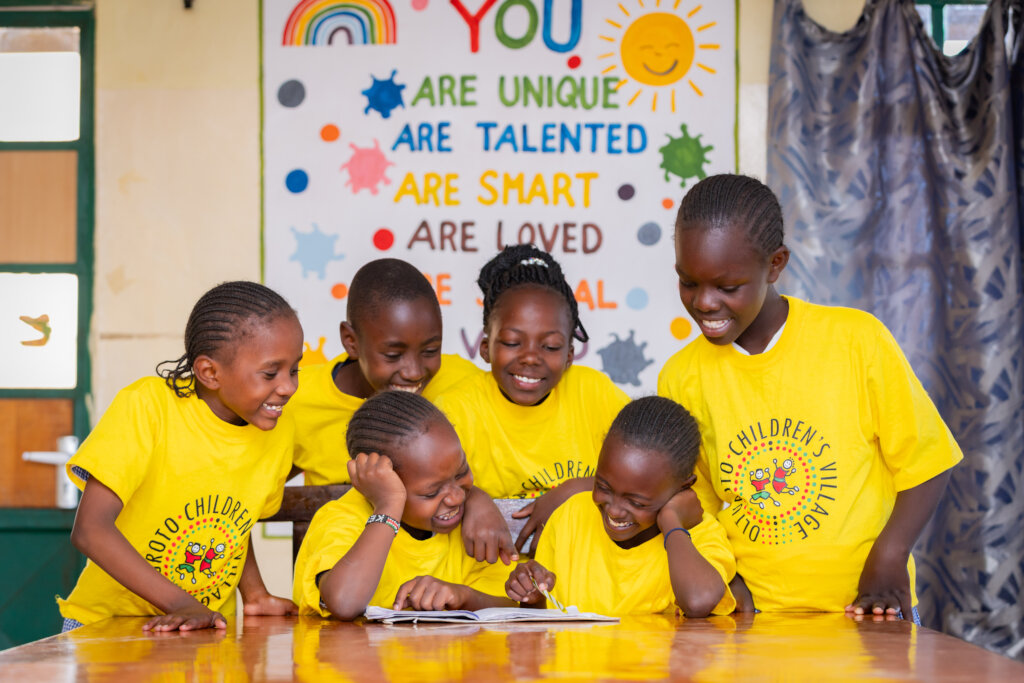
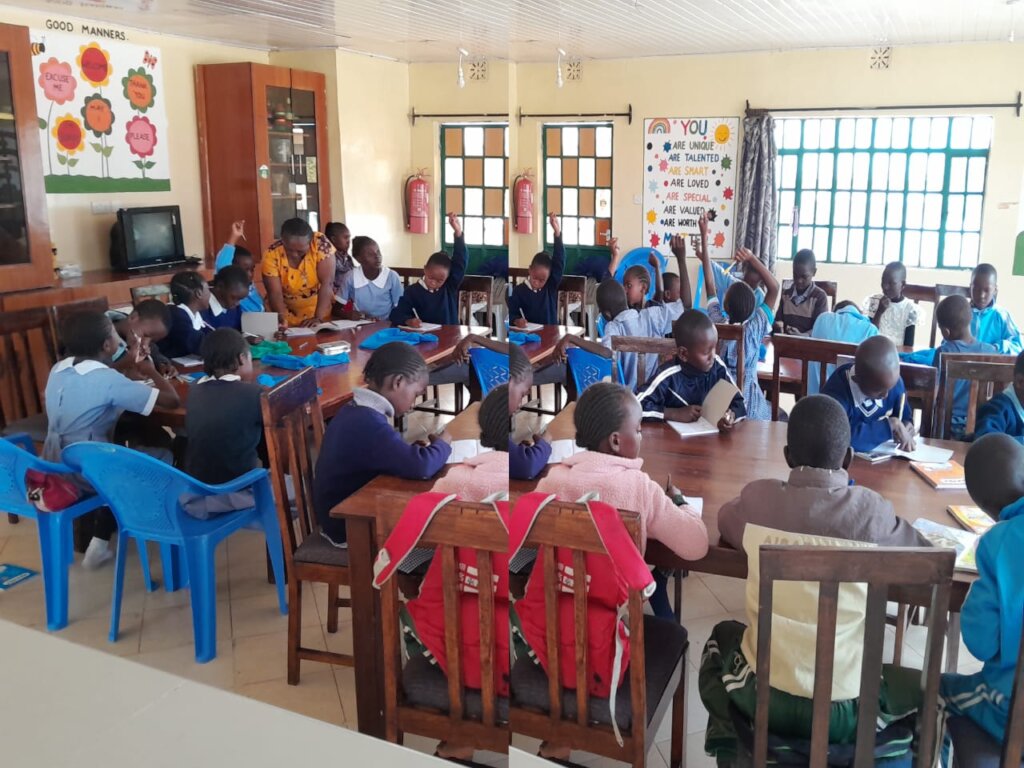
Structured tuition sessions continued to reinforce learning across key subjects. Participants received guided academic support tailored to their individual learning levels, with additional attention provided to those requiring extra assistance. The programme emphasized consistency, confidence-building, and maintaining effective learning routines. Interactive and practical approaches encouraged curiosity, engagement, and a love for learning, ensuring steady academic progress during the transition between school terms.
Literacy remained a priority through structured reading initiatives that cultivated a habit of reading and storytelling. Storybooks were issued and collected consistently, promoting responsibility and accountability among learners. Regular reading activities supported vocabulary development, critical thinking, creativity, and overall cognitive growth.
Extracurricular Activities
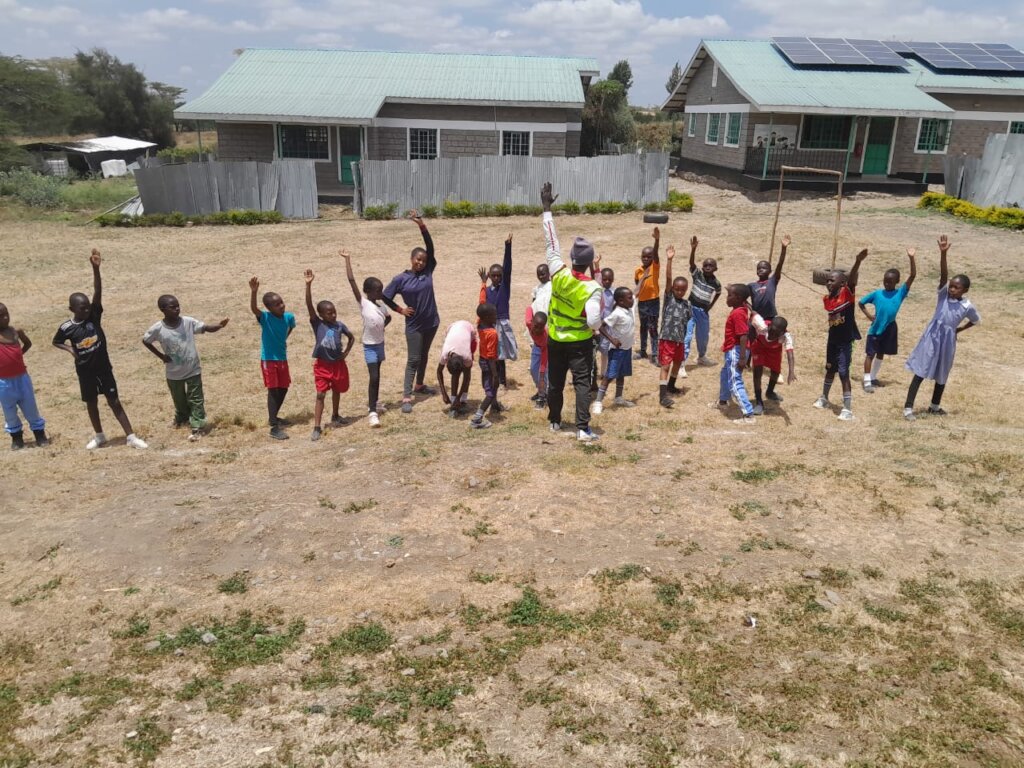
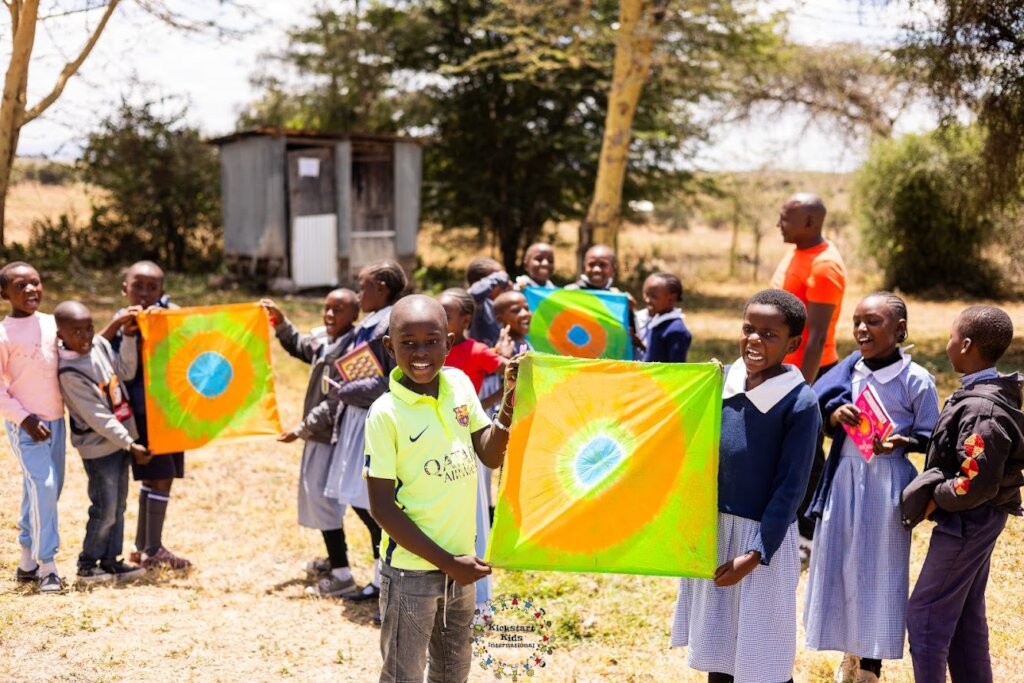
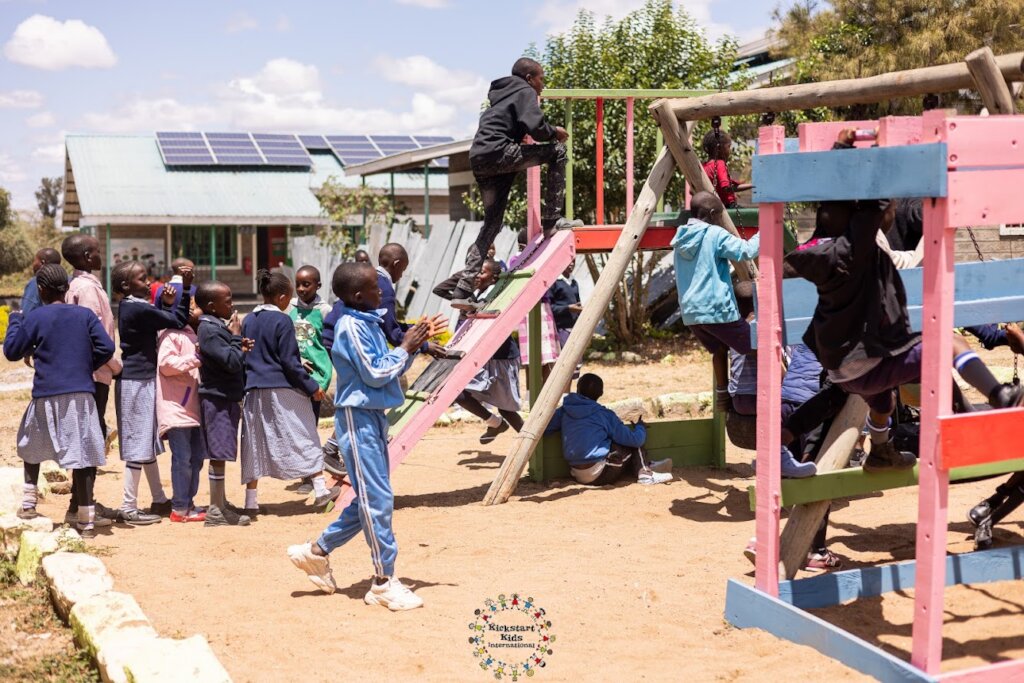
Children engaged in sports, creative arts, and practical projects, promoting teamwork, discipline, self-expression, and confidence. Friendly competitions and hands-on activities fostered collaboration, problem-solving, and positive peer interaction, contributing to a well-rounded and dynamic learning environment
Empowering Through Support and Counseling
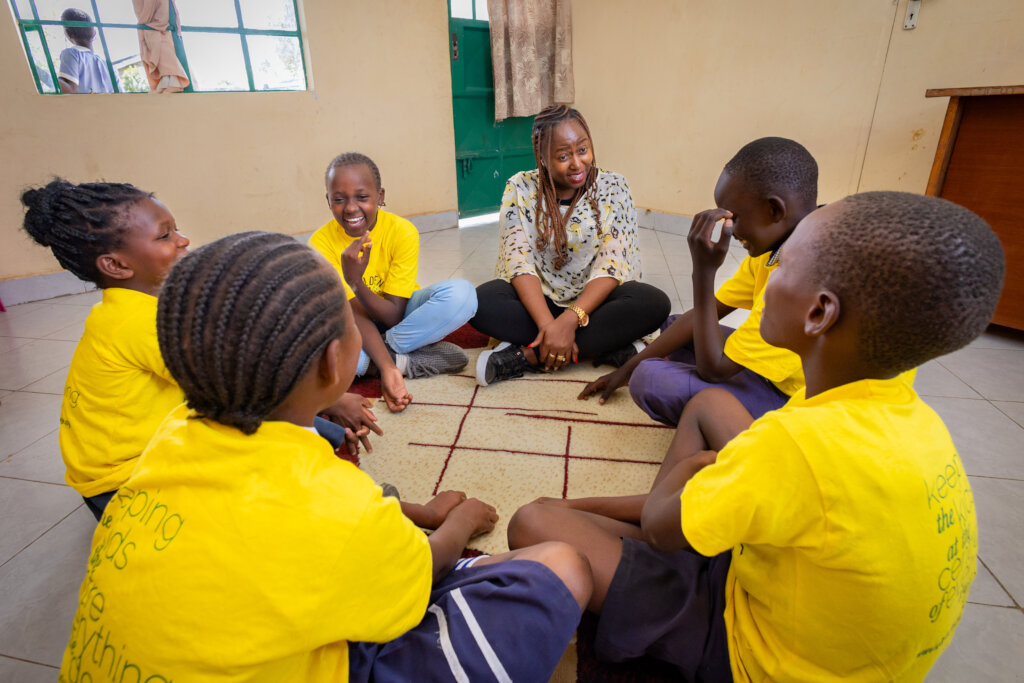
Psychosocial support continued throughout the quarter via individual and group counseling sessions, addressing emotional regulation, behavioral challenges, interpersonal relationships, and overall wellbeing. These sessions, inclusive of community members, strengthened resilience, improved decision-making skills, and reinforced support networks, contributing to a more engaged and empowered community.
Over the three months, children and parents participated in targeted counseling activities:
Impact: These counseling and psychosocial support activities helped children improve emotional regulation, strengthened parent-child relationships, and prepared families to navigate school transitions and the holiday period safely, contributing to overall wellbeing and community resilience.
Family Bonding and Child Participation
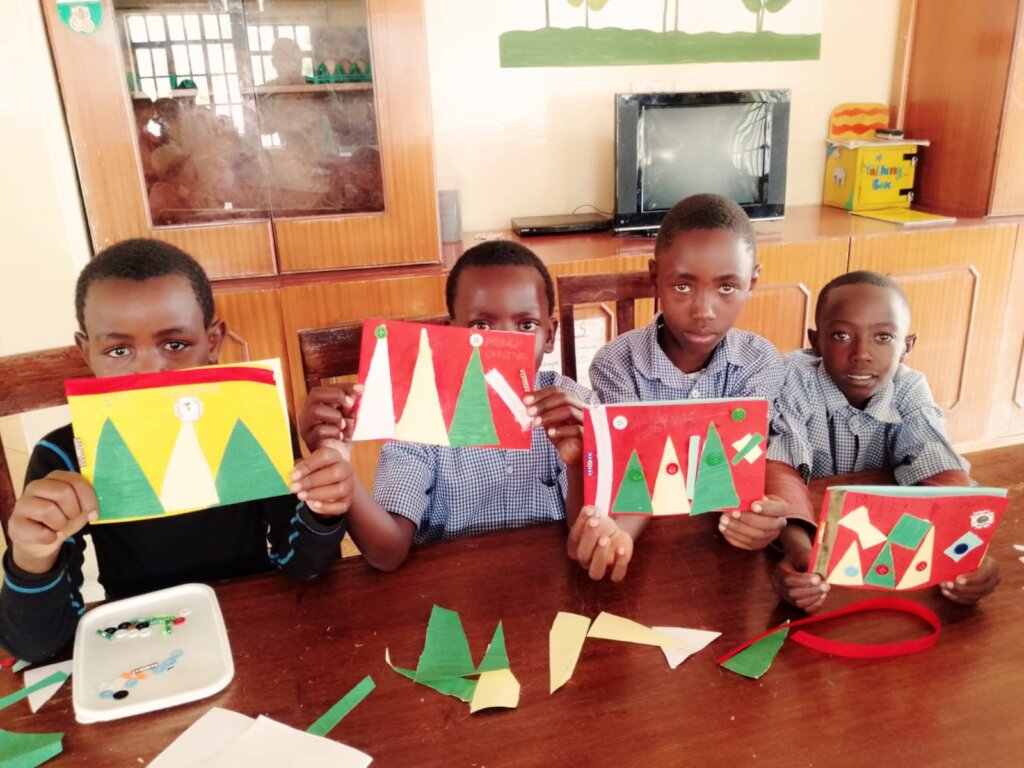
Children created Christmas cards with personalized messages for their parents and guardians, which were presented during a special mass event. This activity promoted emotional expression, gratitude, creativity, and positive family relationships.
Thanksgiving Prayer
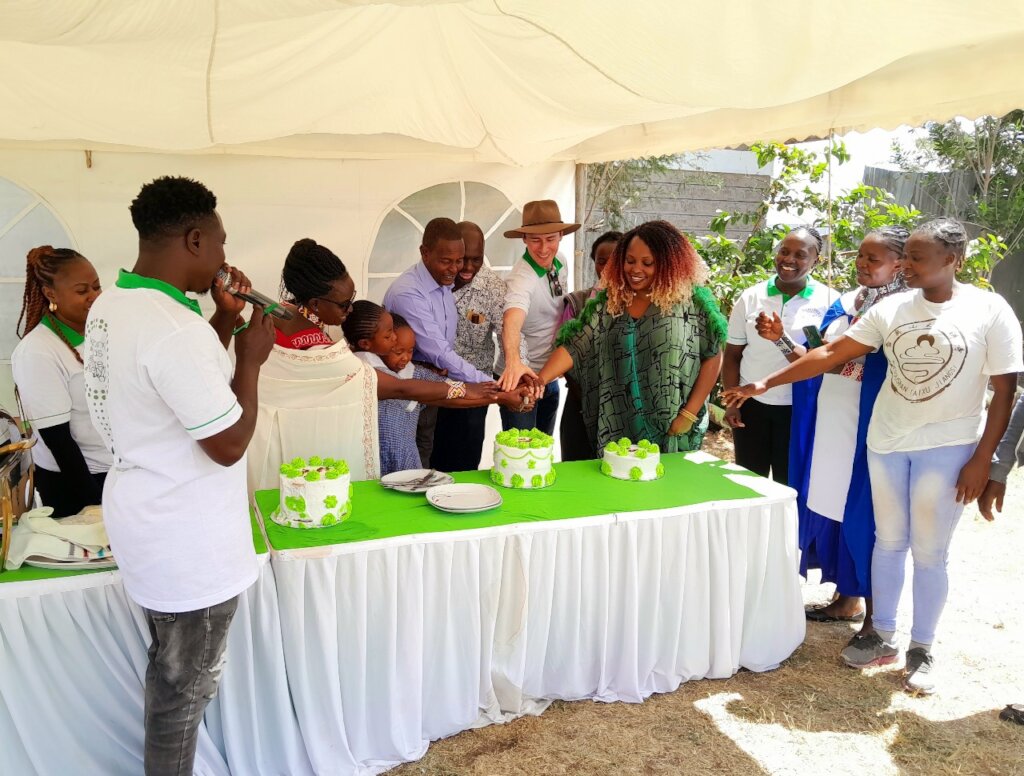
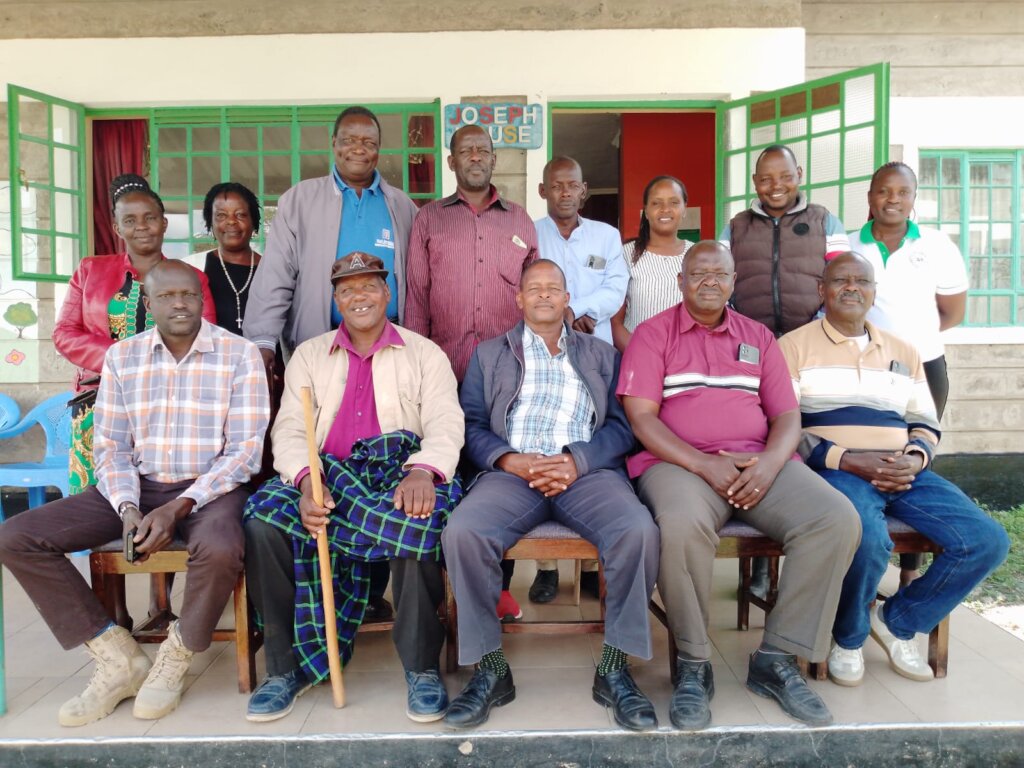
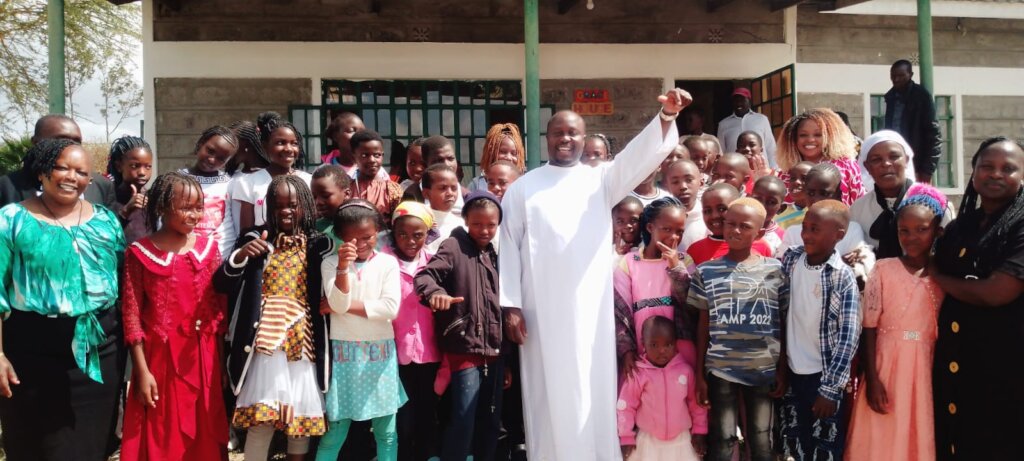
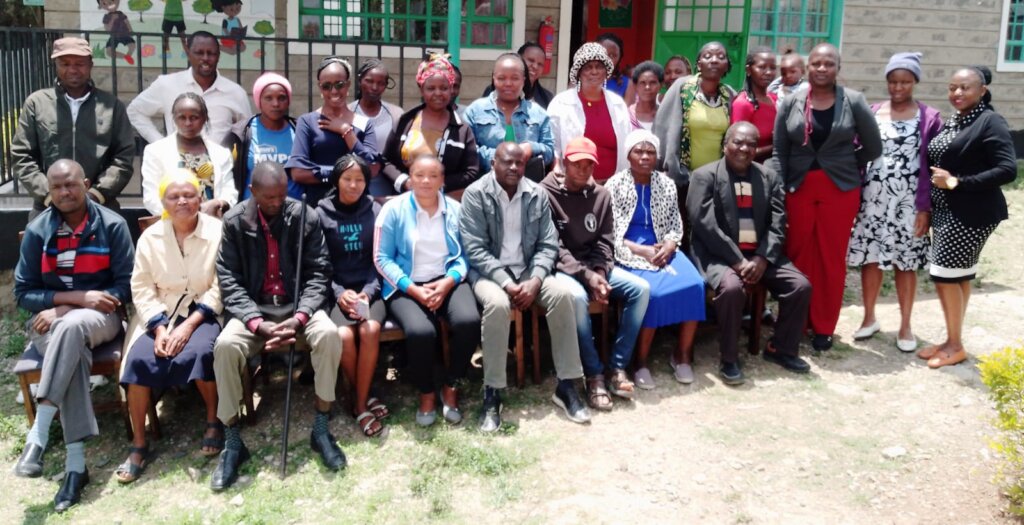
A special mass held in December brought together children, parents and guardians, Community Child Protection Committee members, church members, and staff to give thanks and reflect on the year. The event fostered unity, strengthened community bonds, and reinforced shared responsibility for child wellbeing and protection.
End-of-Year Celebration
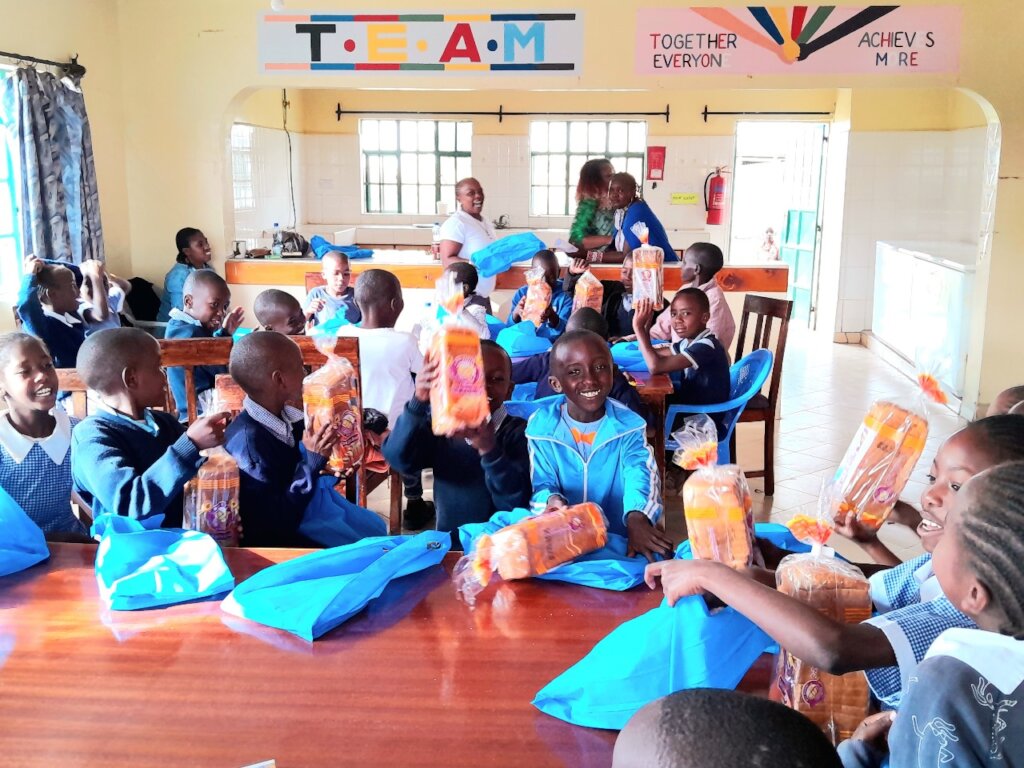
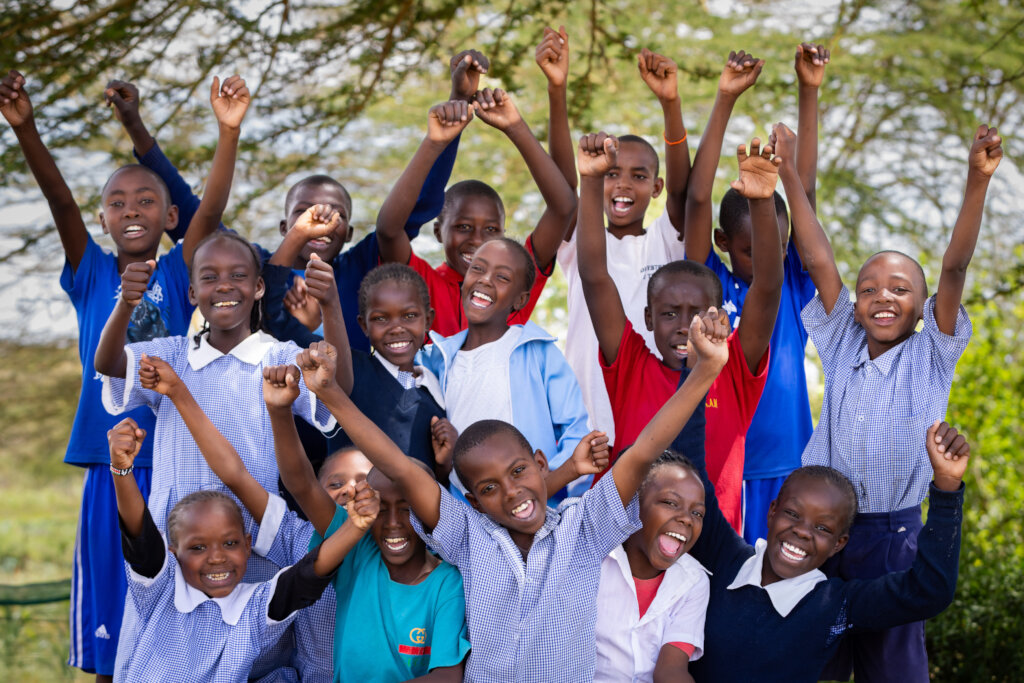
A year-end party celebrated children’s achievements, participation, and friendships. The event provided a joyful environment for social interaction and recognition, supporting emotional wellbeing and a strong sense of belonging.
3. FAMILY ASSESSMENTS AND TARGETED SUPPORT
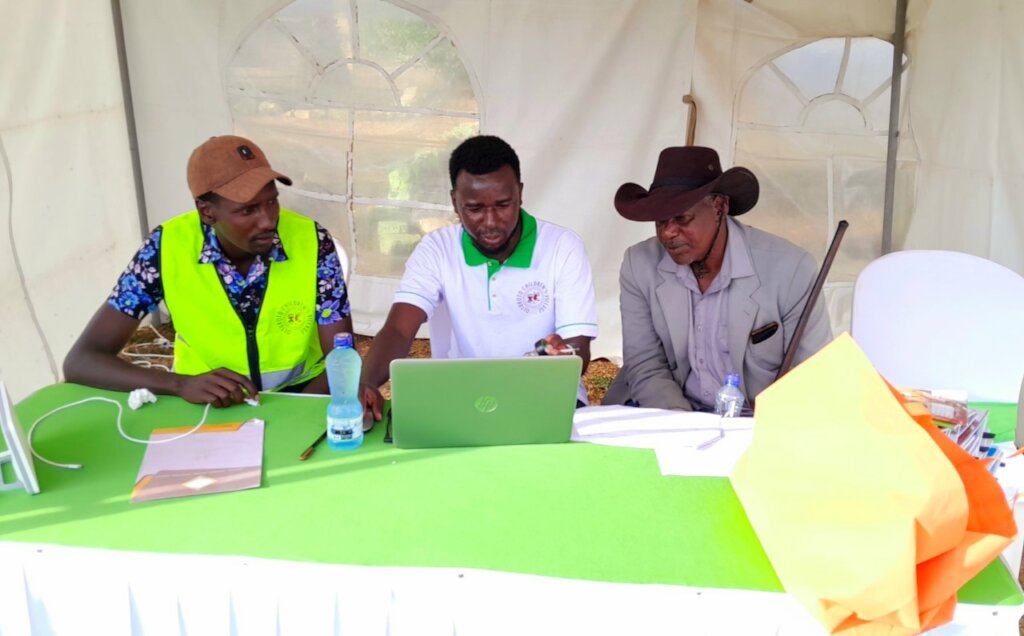
Household assessments were conducted for families identified through the programme and the Community Child Protection Committee to identify vulnerabilities and inform targeted support, follow-up, and referrals. These assessments strengthened the programme’s ability to address holistic child and family needs beyond academic support.
4. COMMUNITY CHILD PROTECTION COMMITTEE & DRUG SENSITIZATION
The programme strengthened community-based child protection through active engagement of the Community Child Protection Committee (CCPC).
Planning for NACADA drug sensitization activities was initiated, with school-based awareness sessions scheduled to begin in January. These efforts reinforced community accountability, prevention mechanisms, and child protection structures.
5. PARENTAL ENGAGEMENT
Parental engagement remained a core component of the programme.
Regular engagement sessions encouraged dialogue, feedback, and collaboration with parents, guardians, and community members. Participants shared suggestions for enhancing programme activities, including sports, creative projects, holiday sessions, and academic support. Individual counseling sessions further strengthened family guidance and support networks.
6. CROSSCUTTING LESSONS & OPPORTUNITIES
Key Insights
Emerging Outcomes
These insights demonstrate not only what the programme delivered, but how it strengthened children, families, and the wider community, creating a sustainable foundation for continued learning, wellbeing, and protection
7. CONCLUSION
This reporting period highlights the programme’s continued commitment to holistic child development through academic support, psychosocial care, family involvement, and community-based protection mechanisms. The increasing participation of children and parents reflects growing trust, relevance, and community ownership of the programme.
We sincerely appreciate your continued support in helping create a safer, more empowering environment where children can thrive, families are strengthened, and the community works together to ensure child wellbeing and protection.
Project reports on GlobalGiving are posted directly to globalgiving.org by Project Leaders as they are completed, generally every 3-4 months. To protect the integrity of these documents, GlobalGiving does not alter them; therefore you may find some language or formatting issues.
If you donate to this project or have donated to this project, you can receive an email when this project posts a report. You can also subscribe for reports without donating.



Support this important cause by creating a personalized fundraising page.
Start a Fundraiser