By Doreen Kansiime, Immaculate Nakisita, Robin Marsh | Program Leaders, Advisor
This short progress report let’s you know how the 1,000 Women’s Gardens and ASRH Gatherings for Young Mother Gardeners continue to work together promoting holistic solutions to poverty and gender inequality.
It also presents some new results from our Impact Study of 1,000 Women’s Gardens, which is soon to be completed and released.
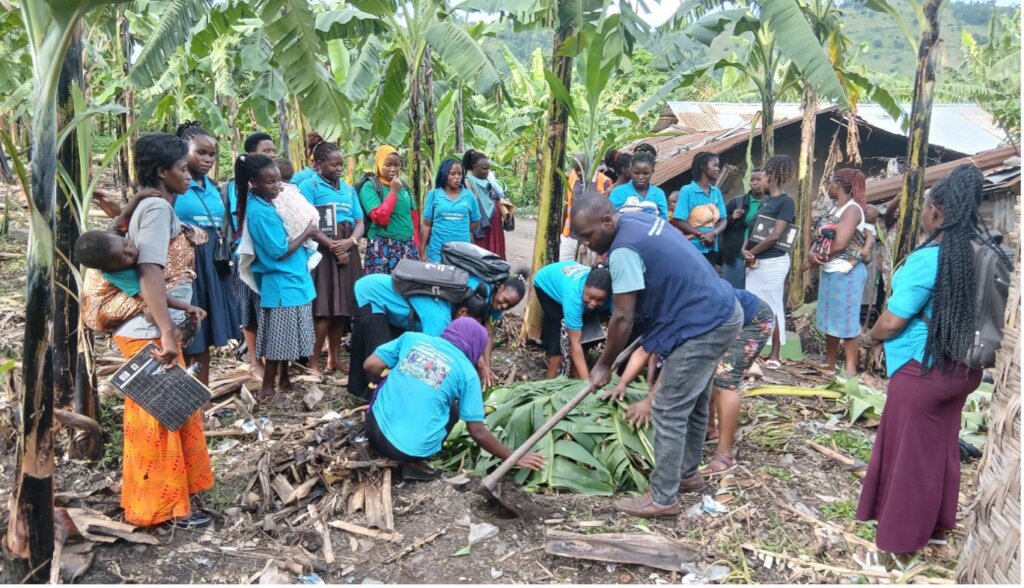
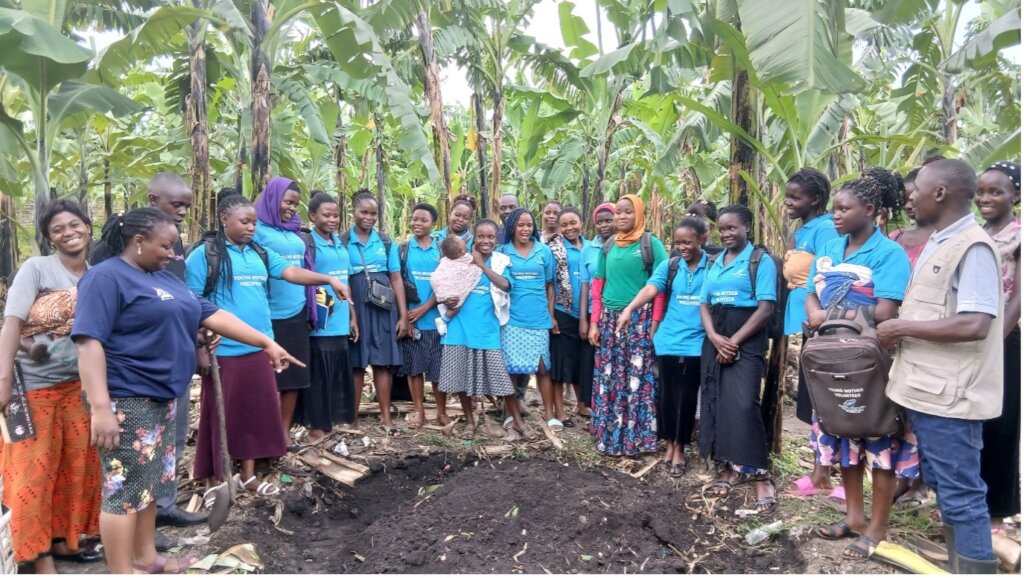
Phase 9 - Trainings on Biochar, Composting and Organic Pest Management
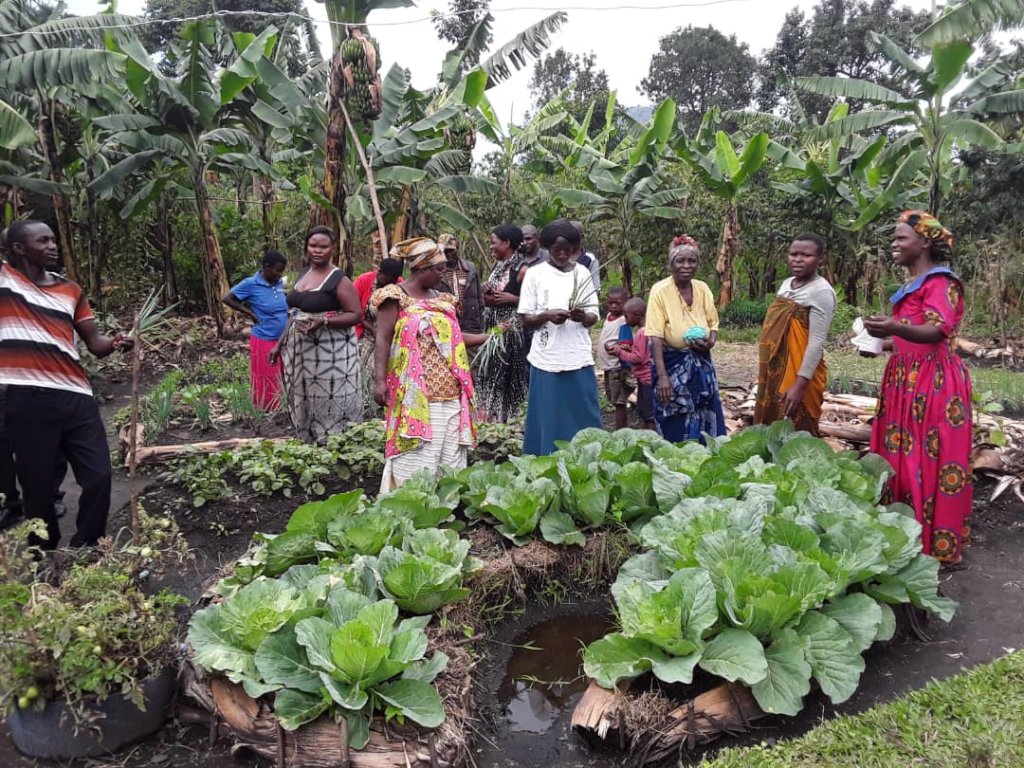
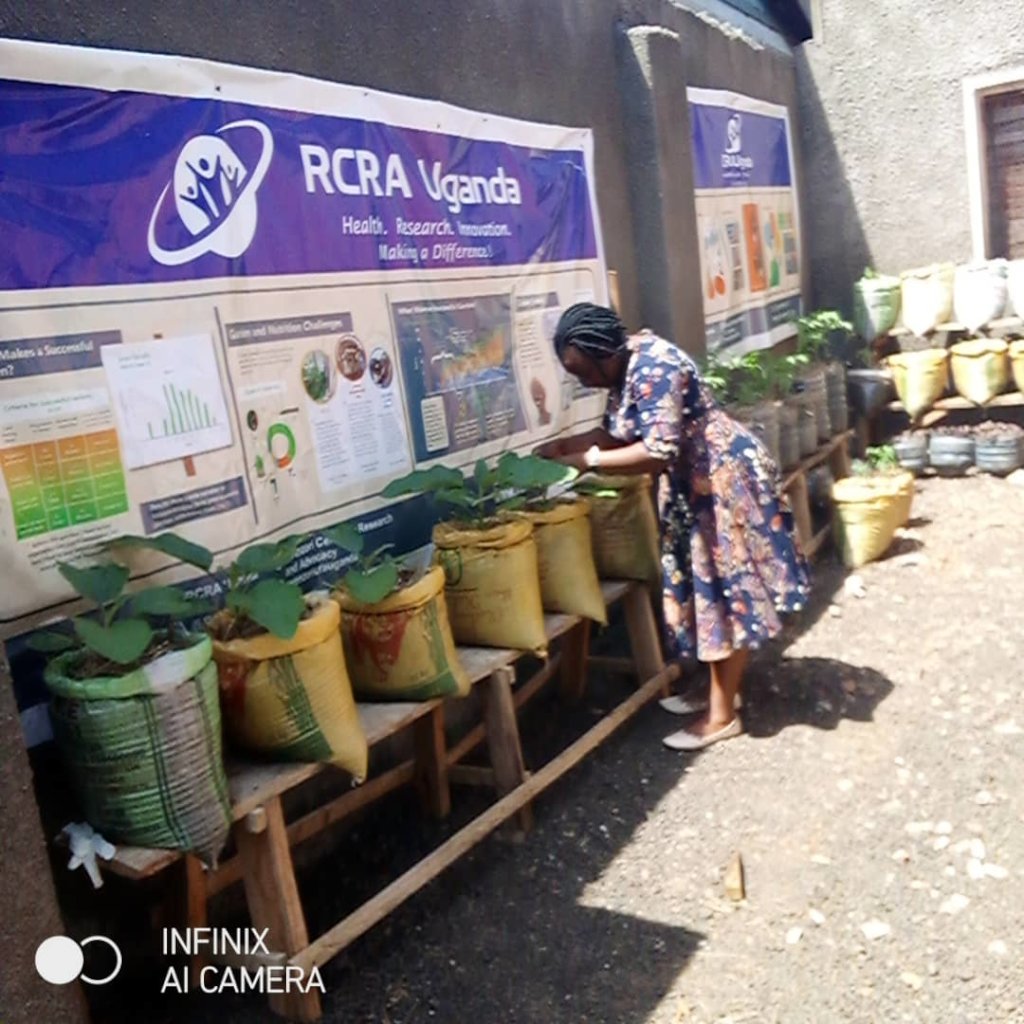
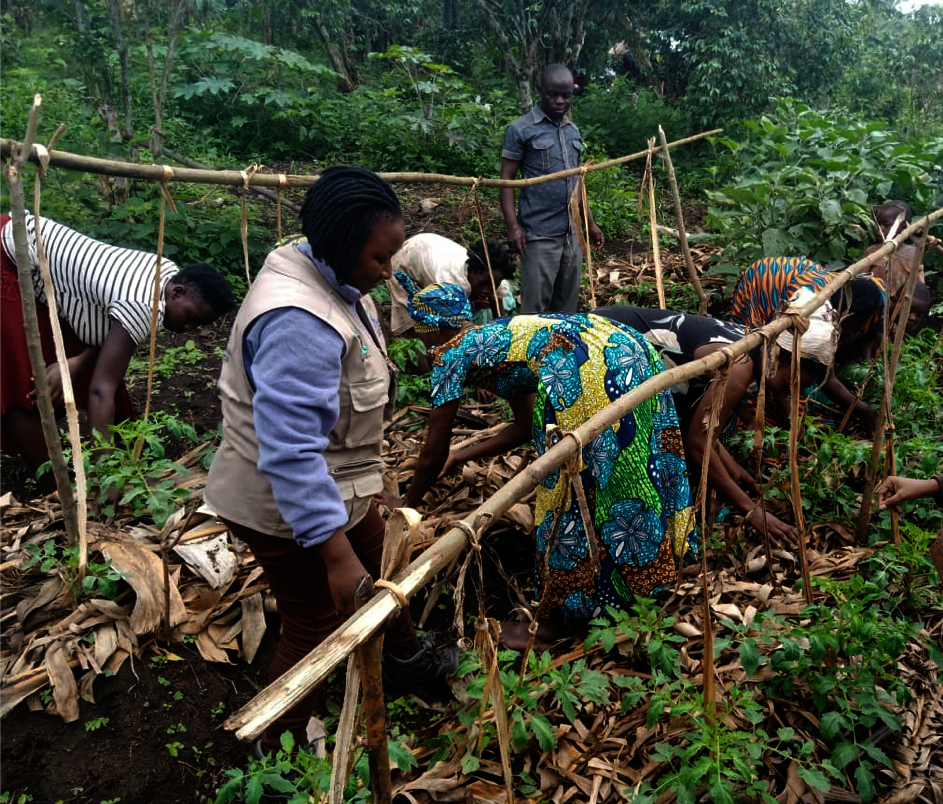
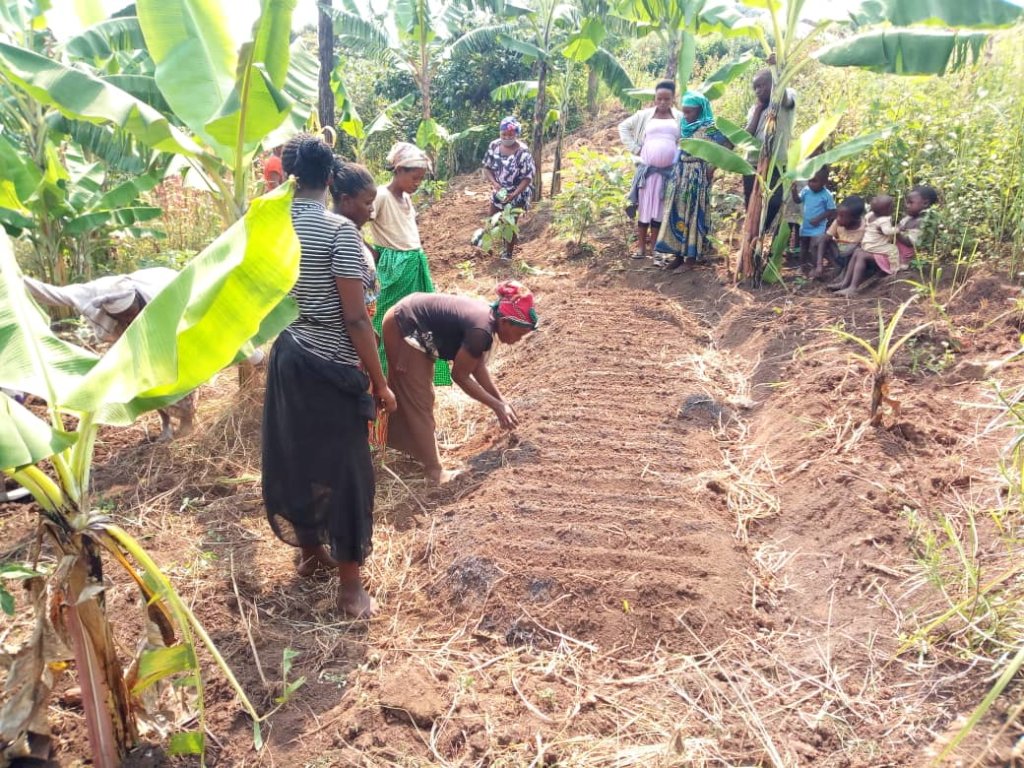
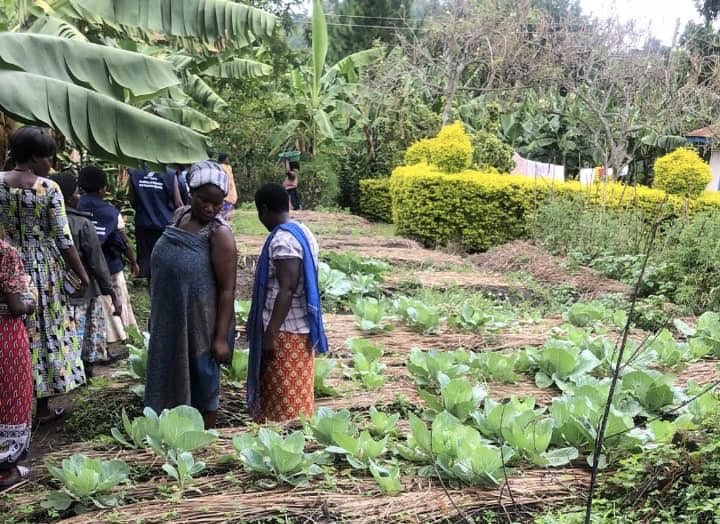
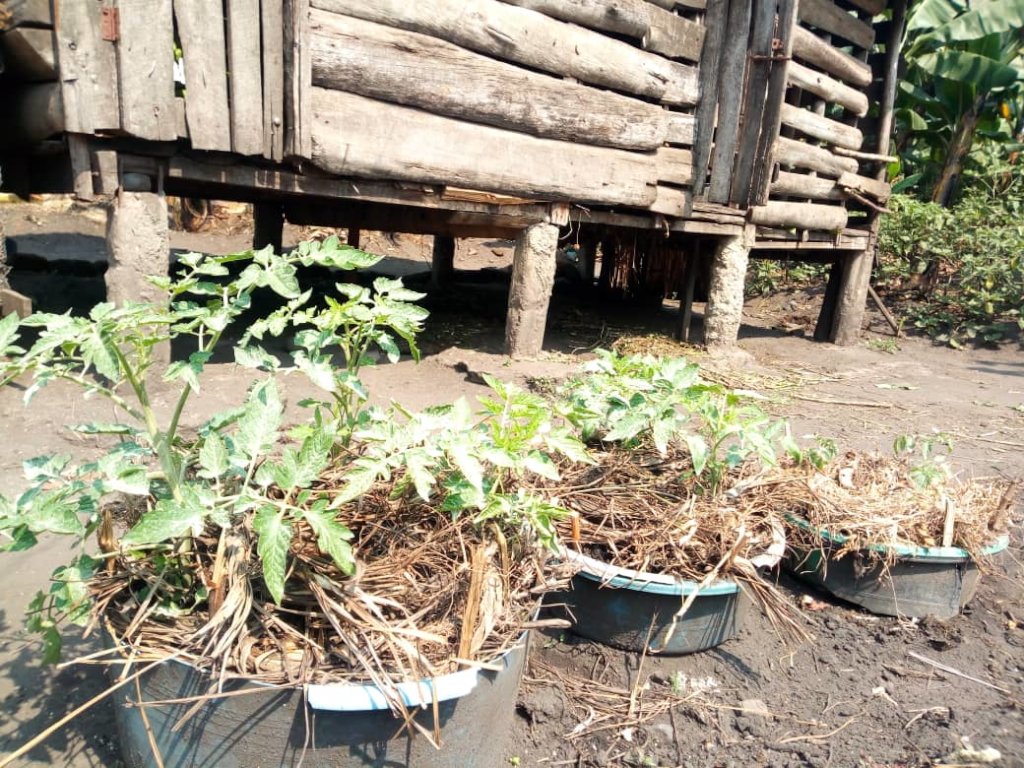
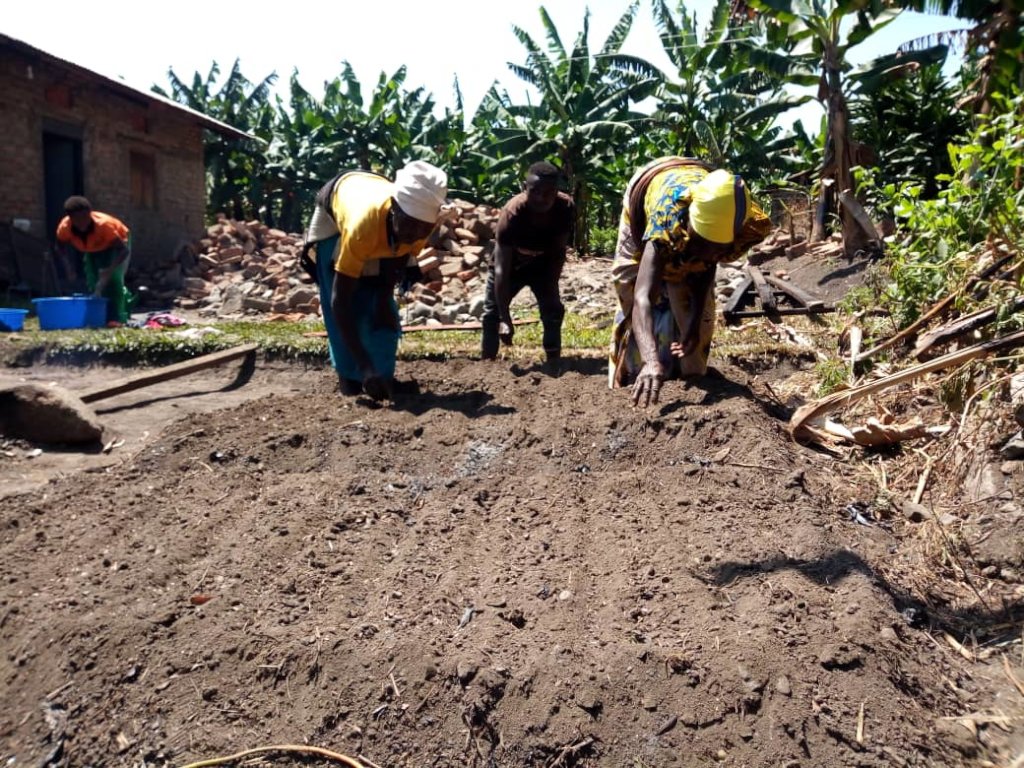
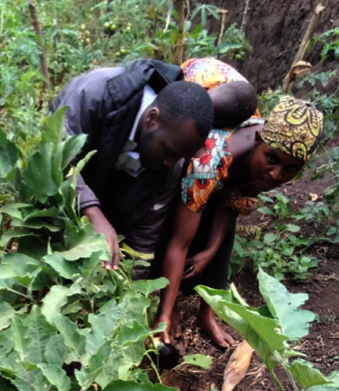
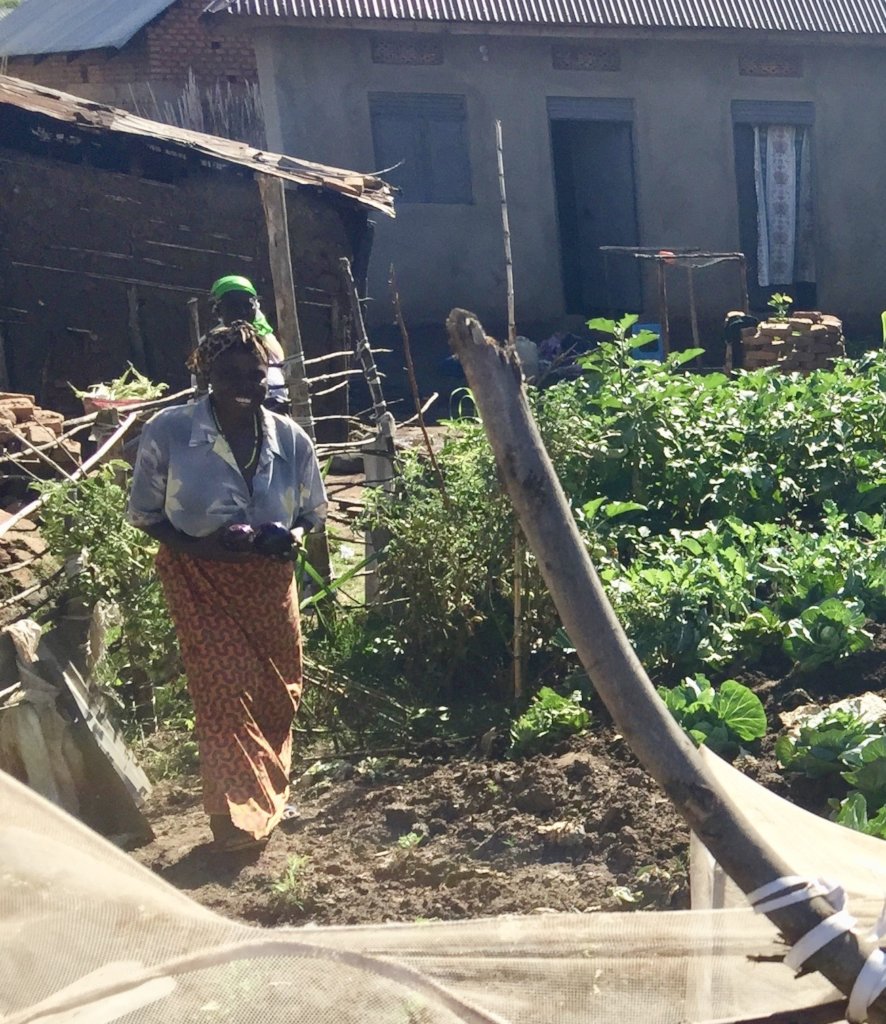
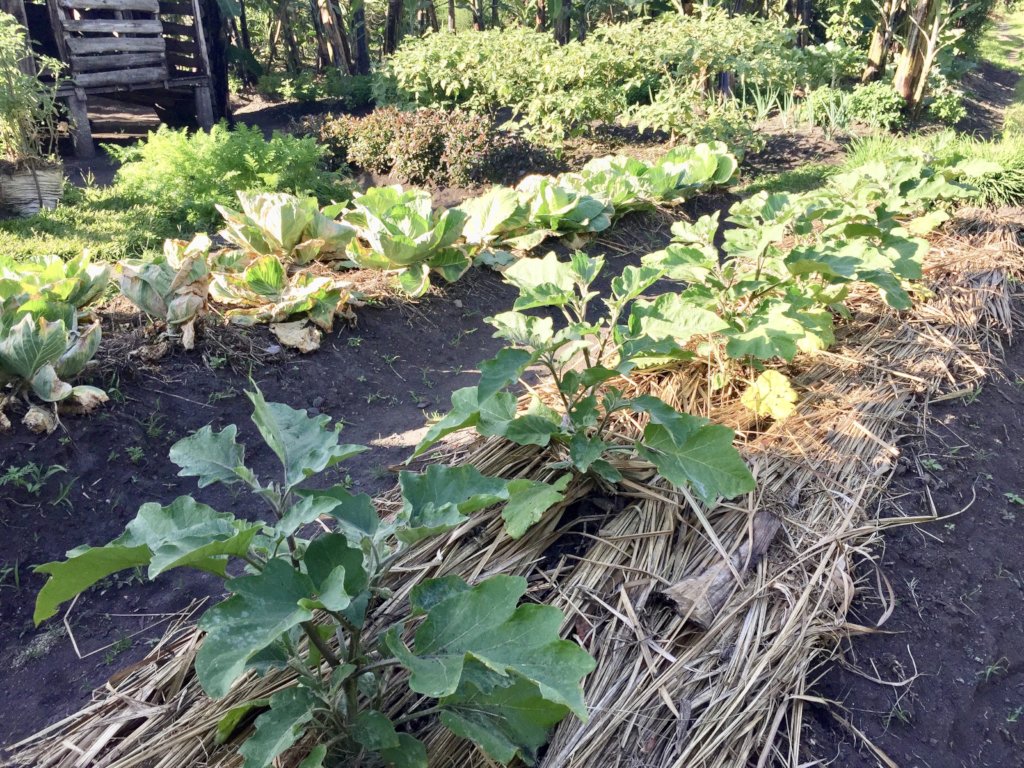
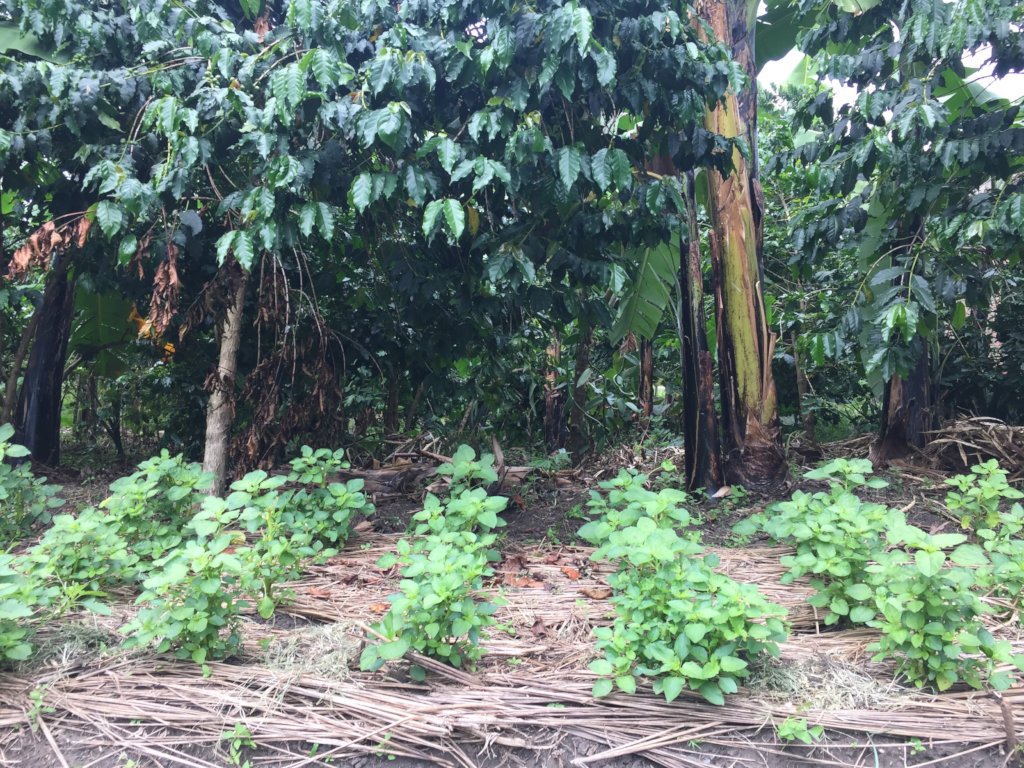
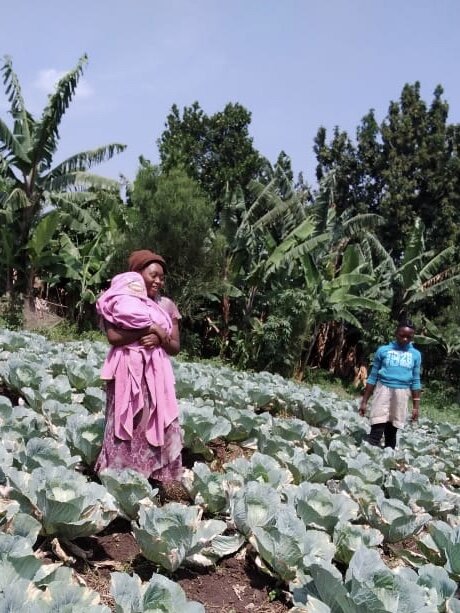
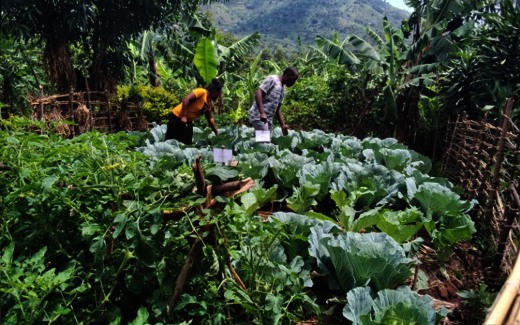
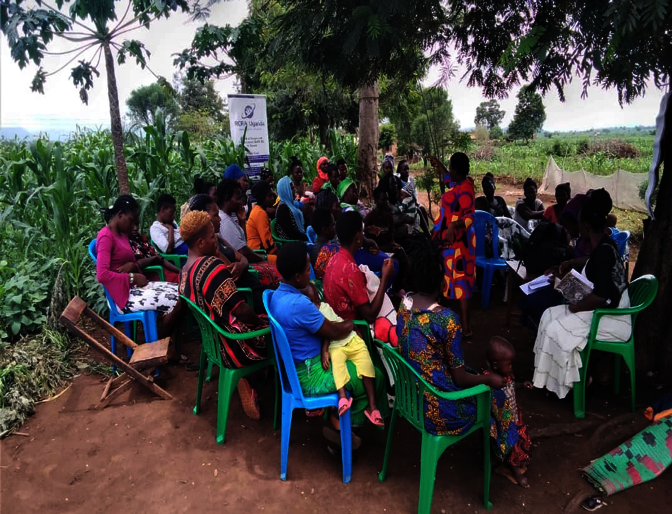
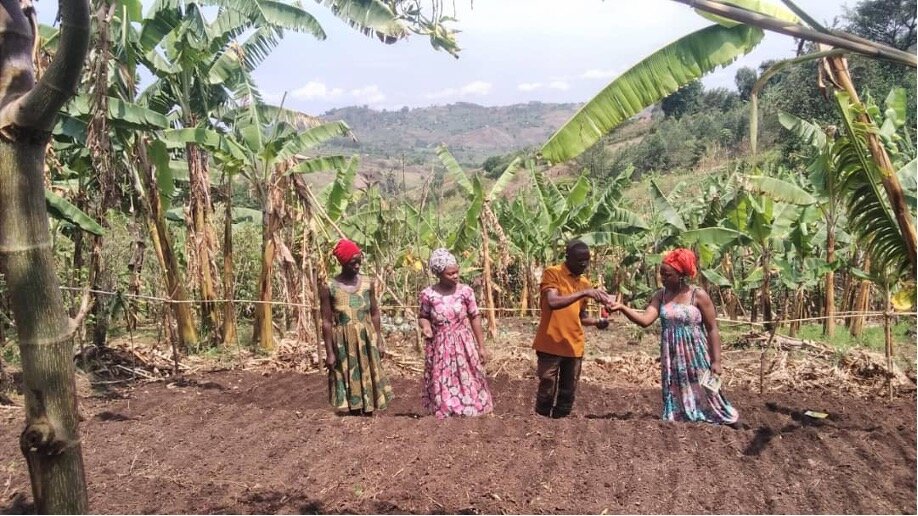
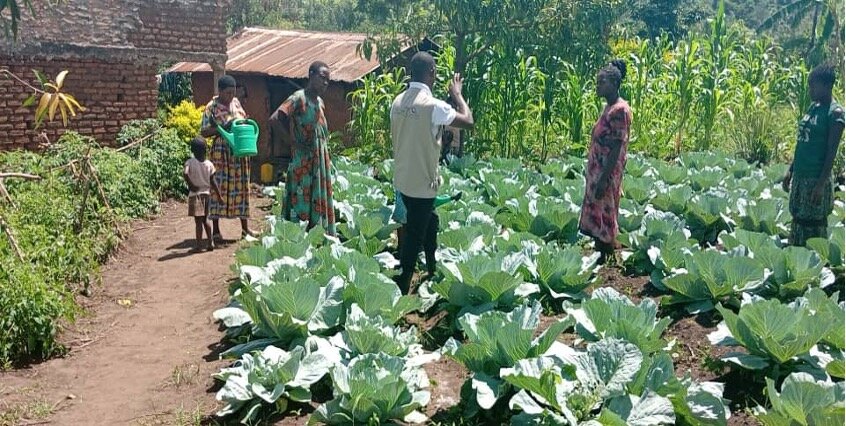
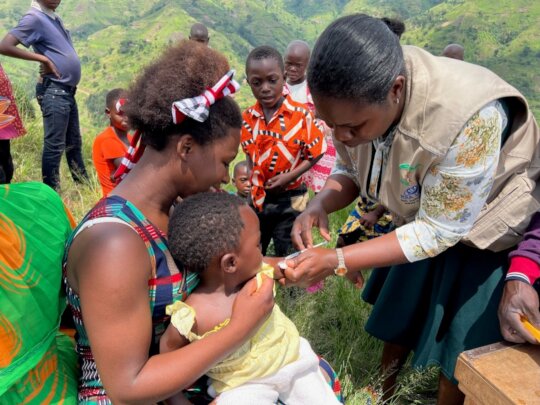
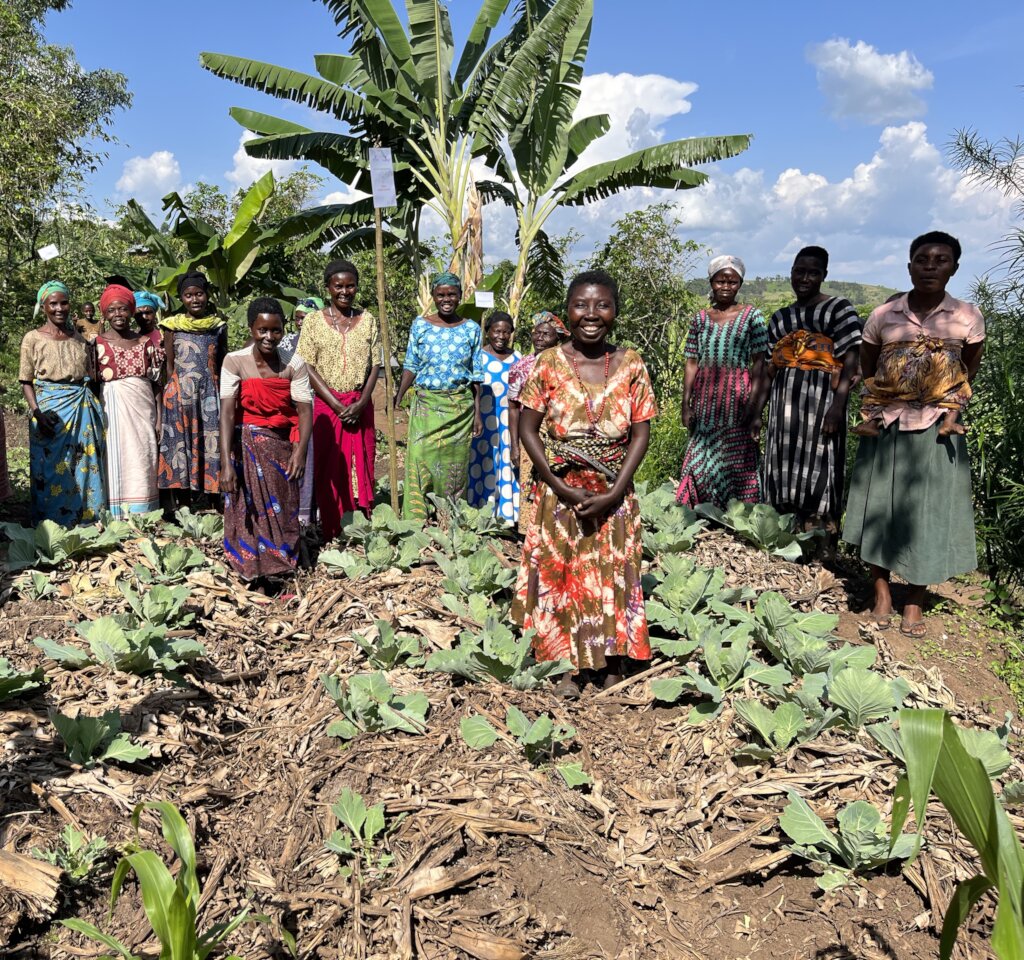
Phase 9 of the gardening program has focused training on amending tired soils to allow for continual gardening, practices for soil and water conservation, and combatting pest and disease with pest scouting and botanical pesticides. A special training was held for the Young Mother Volunteers in biochar and composting with local materials to enhance soil fertility, knowledge that they transfer to the 500 young mothers they serve. The training enables year-round gardening for food and income, breaking the cycle of food insecurity, poverty and dependence on men for basic needs (see photos).
New Results on Garden Successes and Women’s Empowerment
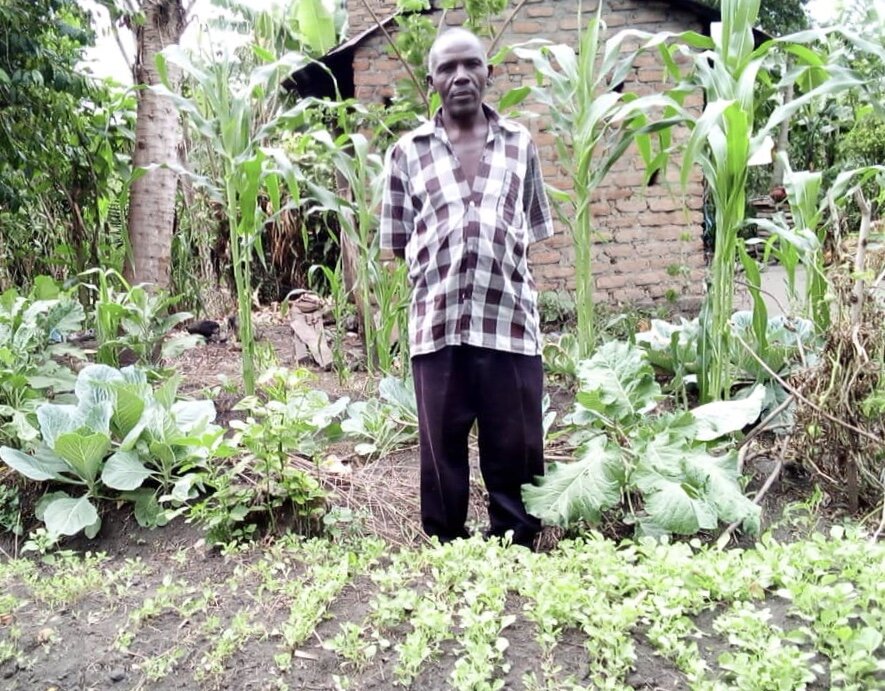
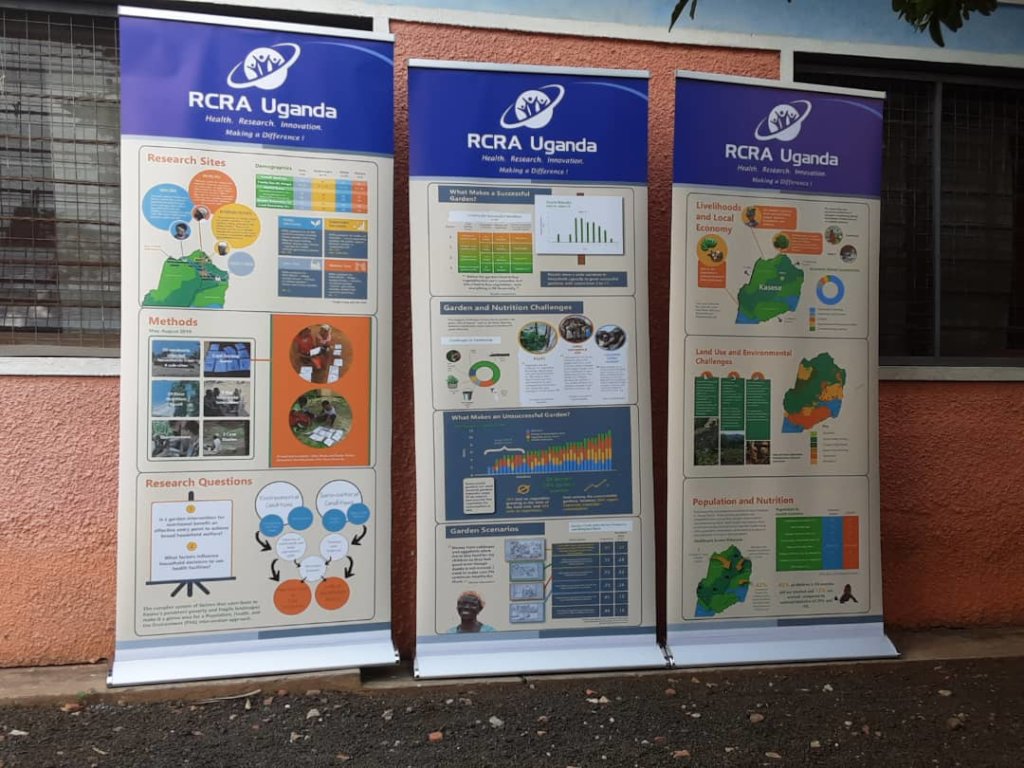
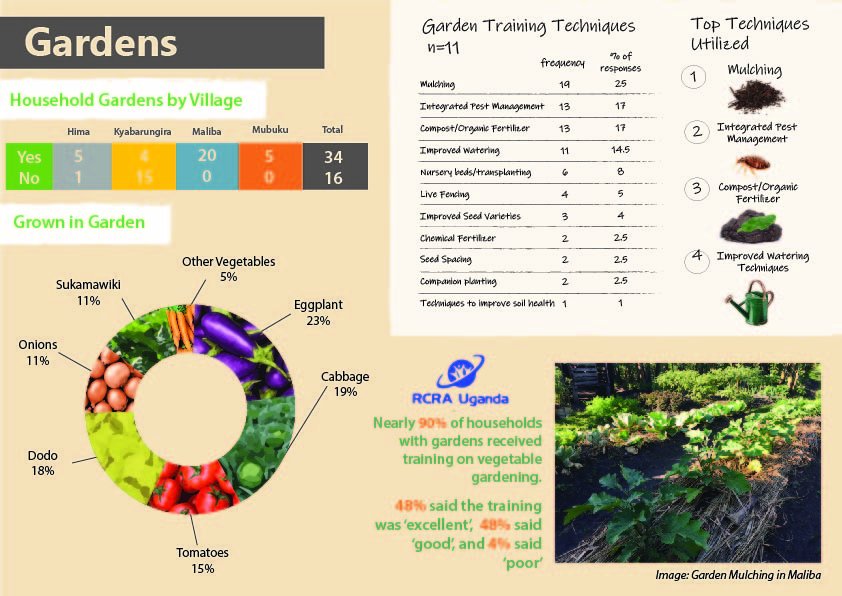
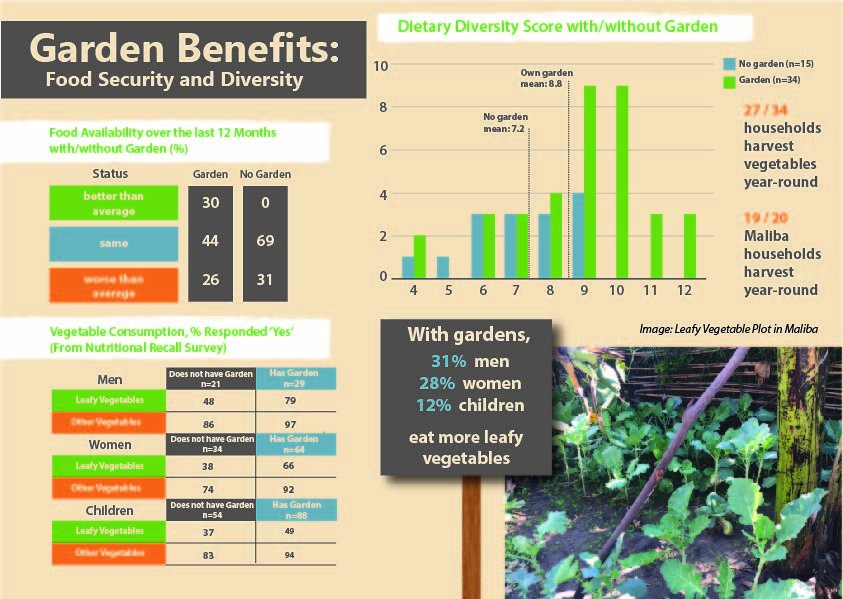
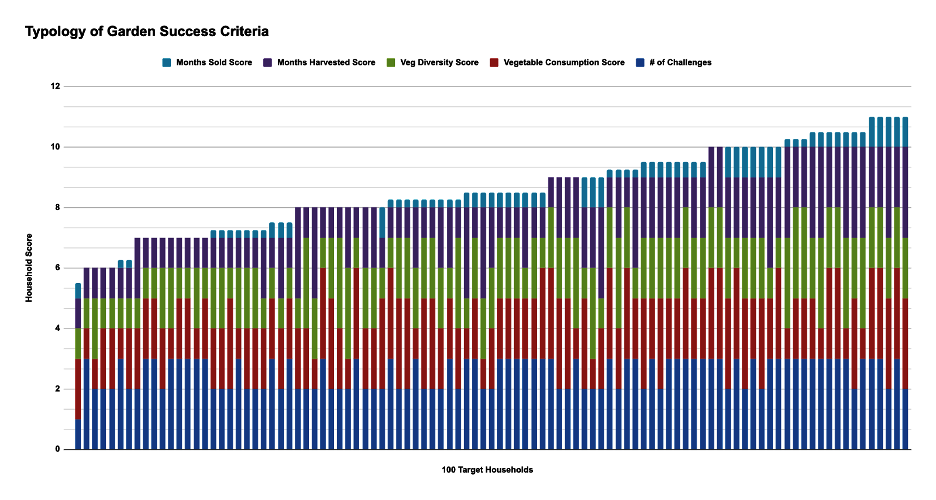
For the impact study, we developed a garden typology using 5 variables that are key indicators of a thriving vegetable garden. The variables are garden diversity (no. of crops), number of garden challenges experienced, number of months harvesting, number of months selling vegetables, and change in vegetable consumption before and after establishing the garden. Garden diversity is important both for home nutrition and resilience to climate/pest problems, and market price volatility.
“We no longer worry about what our families will eat; we at least eat meat or fish twice a week especially on every market day” (community gardener/young mother)
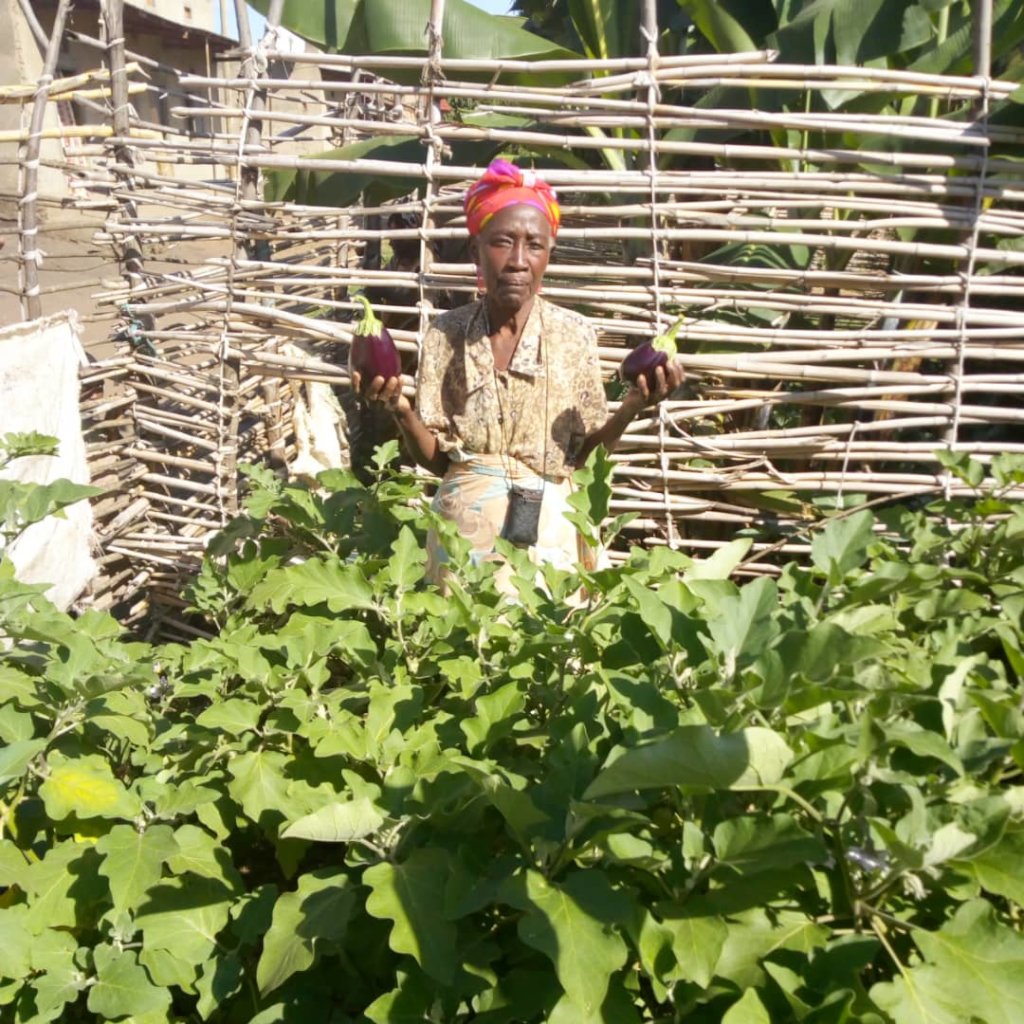
The mean score for the 100 target households is 9.4 out of a maximum of 13, with a SD of 2.11. All variables have medium to high scores (see typology diagram), with the exception of months selling vegetables, where the lowest quartile do not produce enough surplus to sell at all. One explanation is garden size. We found a statistically significant relationship between garden typology score and garden size in sq meters. This explains the interest of many gardeners to expand their gardens and protect them with fences.
“Before I started doing vegetable gardening, my whole mind and body was always troubled because of immunity related issues and feeding, which is not the case as of now. I feel so much relaxed because I can now harvest my own vegetables and feed my kids and family. These days, if I find that my children have prepared food without the greens, I don’t feel okay.” (target hh)
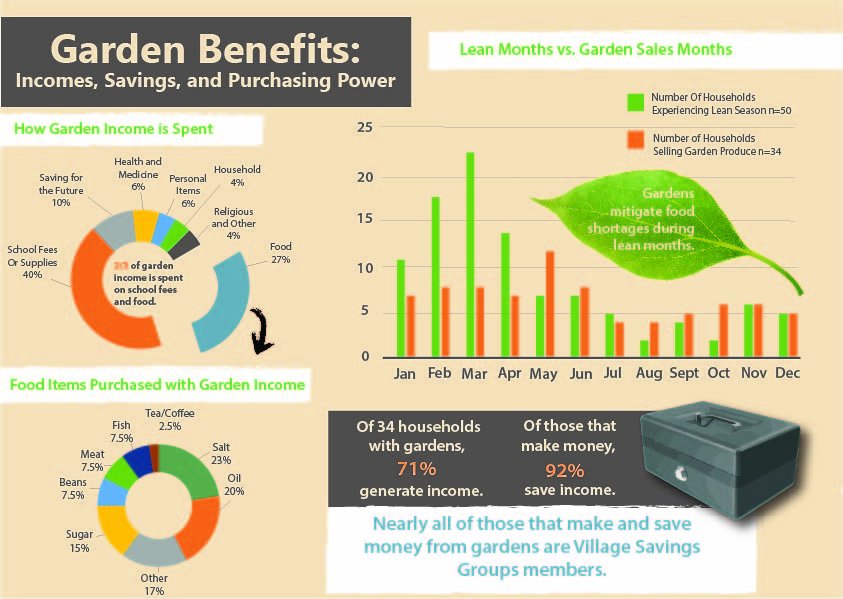
The study asked a number of questions exploring gardening impacts on women’s socialization, self-confidence and other indicators of empowerment. All respondents highlighted that vegetable gardening has increased their opportunities to socialize with other women. Additionally, 85% of women said that it was easier to keep their children enrolled in school, due to the income generated from gardens helping to pay school fees. More than half of respondents are motivated to themselves return to school, particularly the young mothers, or pursue additional skills training.
“We have achieved a lot as women, we have not benefited alone but also our families. I thank God because my children have been able to go back to school.”
In response to questions on how gardening has impacted their relationships with their husband and/or family members, most gardeners expressed less stress and more agreement in their households due to more food and money. Nearly 80% said that they are now more respected in their households due to their ability to support their family with food and income. Many emphasized that their income generating capacity both improved their relationships with their husbands and their sense of self-reliance.
"We used to depend on our husbands for everything needed in the house unlike now. We are financially independent, very few men provide for their families."
“I am no longer on the level of begging for everything from my husband, so I am able to save something from my sales at home to cater for some of my family’s expenditures. Especially medicine for my young kids."
The complete report and shorter versions will be available for distribution, and to all of you, in the next few months. Stay tuned!
Transforming Discriminatory Gender Norms
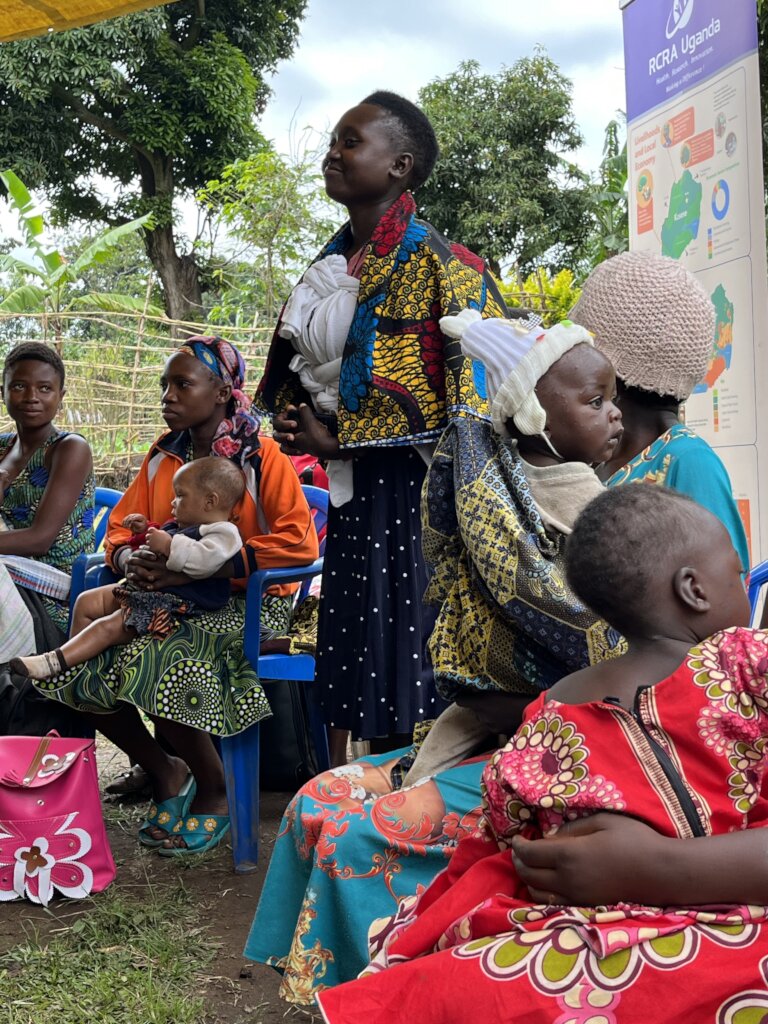
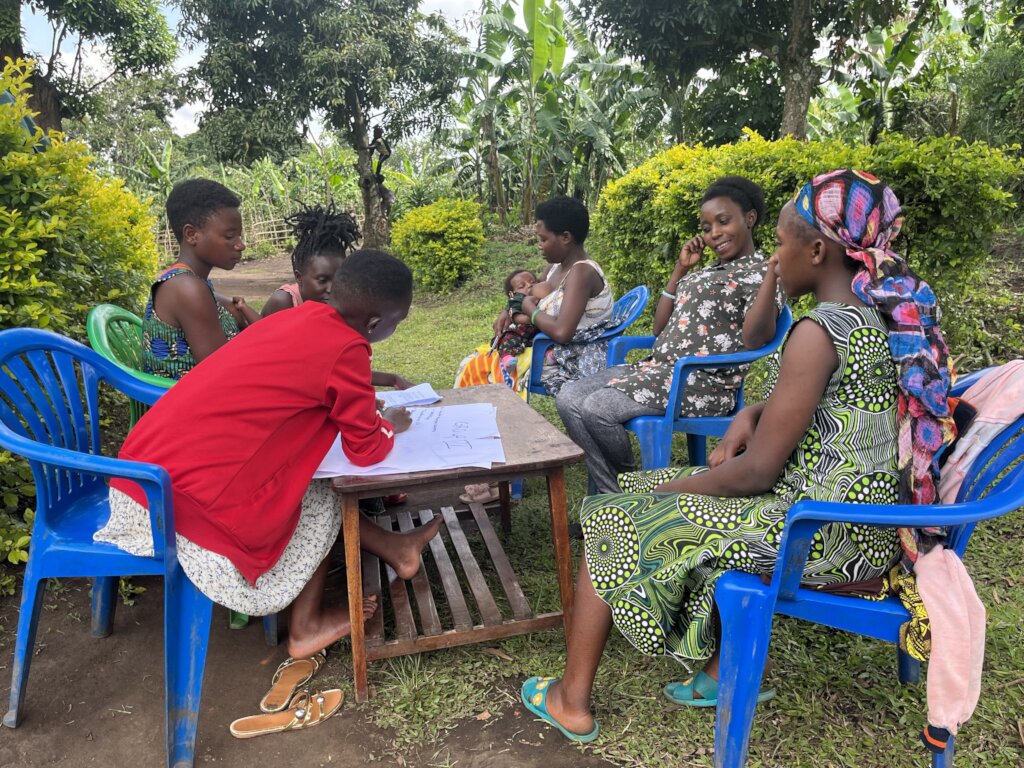
In an earlier progress report, we wrote about the 25 Mixed Gender Dialogues organized by the ASRH Gatherings program. These successful dialogues reached all 500 young mothers and more than 200 adolescent boys. The Dialogues, facilitated by the Young Mother Volunteers, had two major themes: Cultural/Gender Norms and Healthy Relationships. The mixed groups discussed existing norms, those they find discriminatory and need changing, and how to go about achieving change toward greater gender equality. Girls and boys sometimes disagreed and it was helpful to be open about these differences and discuss them. Some ideas that emerged for challenging/changing norms were:
The suggestions to involve parents and community leaders (religious, cultural, political) to discuss harmful norms and raise awareness were repeated again and again by the adolescents. As a result, the ASRH Gatherings program organized two other Dialogues with Community Leaders and Parents of Young Mothers. Next report we will discuss the results of these important events.
All of our partners are greatly appreciated and needed – readers, donors, advisors. Our cost-effective work is lifting up thousands of women and children, and contributing positively to the environment by building soils, conserving water, and using local materials with no packaging. Please continue to support this work through GlobalGiving. Thank you!
Warm regards,
Doreen, Naki, Robin and Jostas with Rebecca Gerny (Cal alum)
Project reports on GlobalGiving are posted directly to globalgiving.org by Project Leaders as they are completed, generally every 3-4 months. To protect the integrity of these documents, GlobalGiving does not alter them; therefore you may find some language or formatting issues.
If you donate to this project or have donated to this project, you can receive an email when this project posts a report. You can also subscribe for reports without donating.