By Benson Omor | Programs Manager
Summary of Progress
With support from GlobalGiving, AMURT implemented comprehensive community- and facility-based intervention to improve treatment adherence and psychosocial wellbeing among Children and Adolescents Living with HIV (CALHIV) with high viral load in Mombasa County. The project reached 214 CALHIV across all six sub-counties.
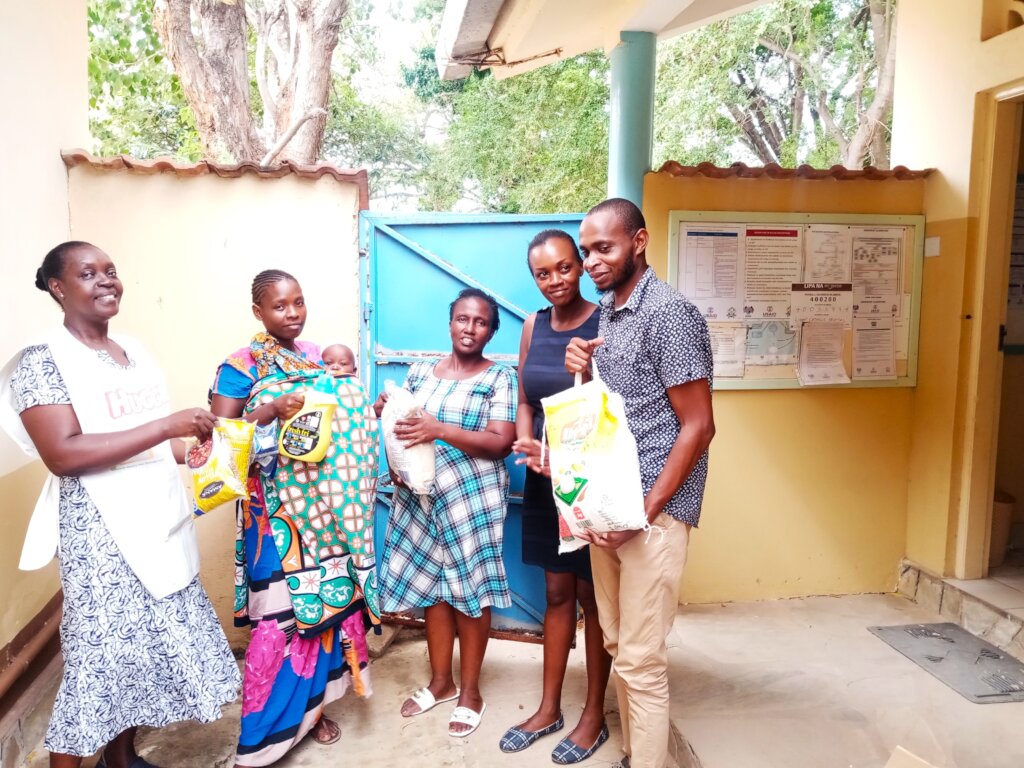
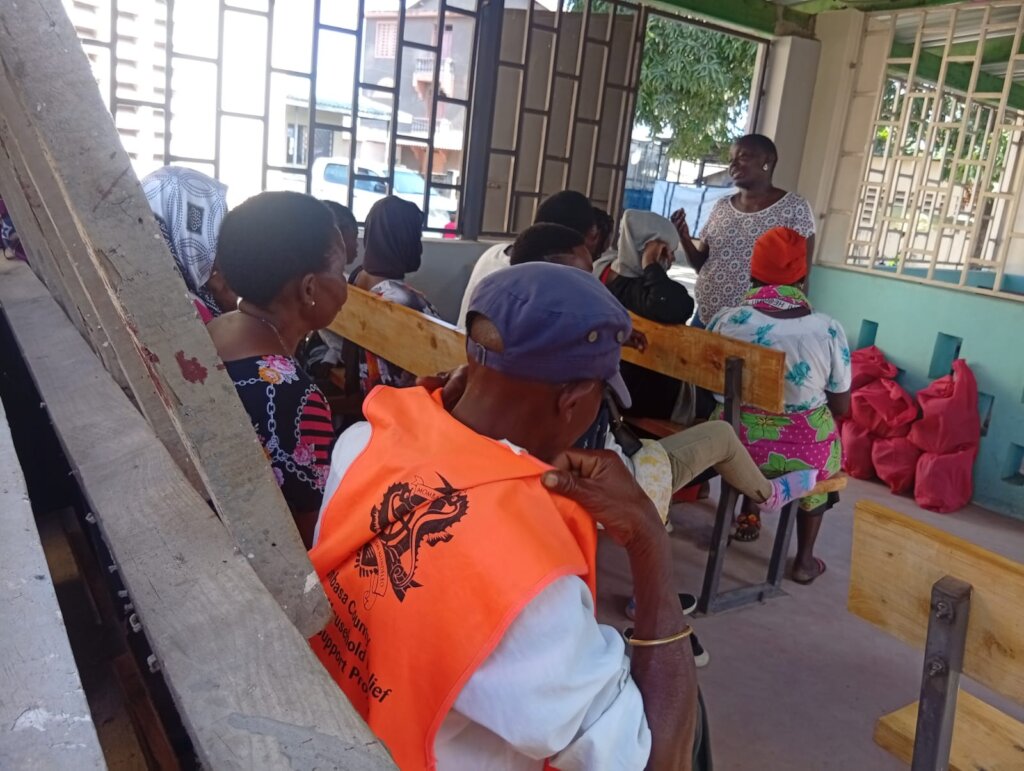
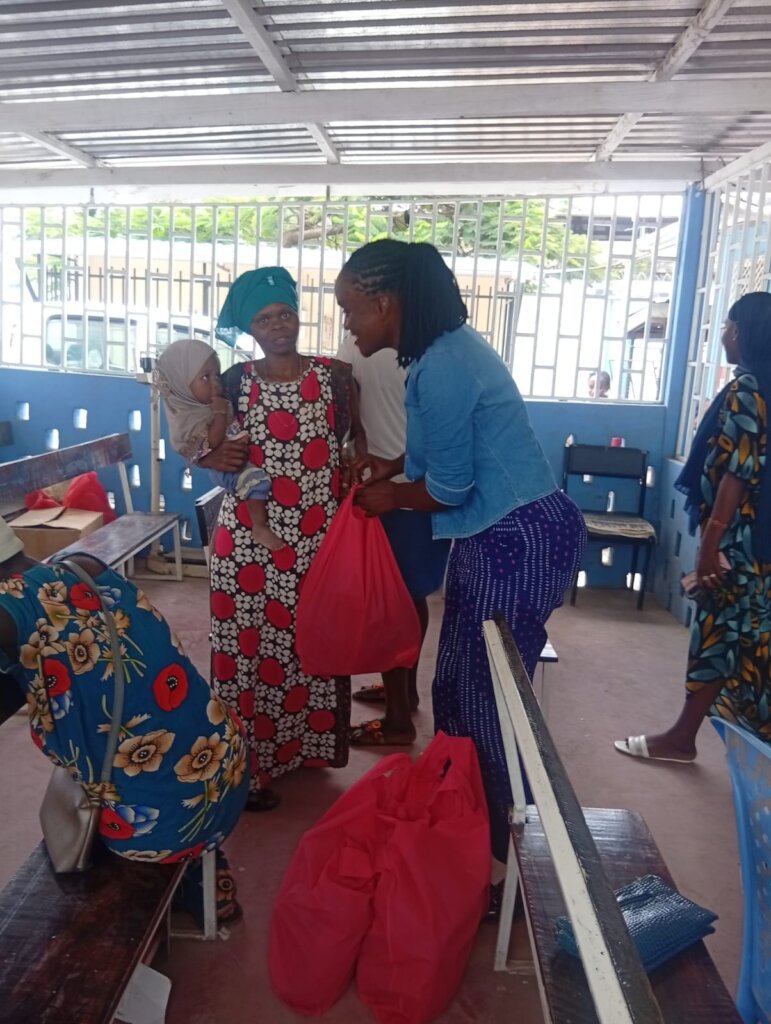
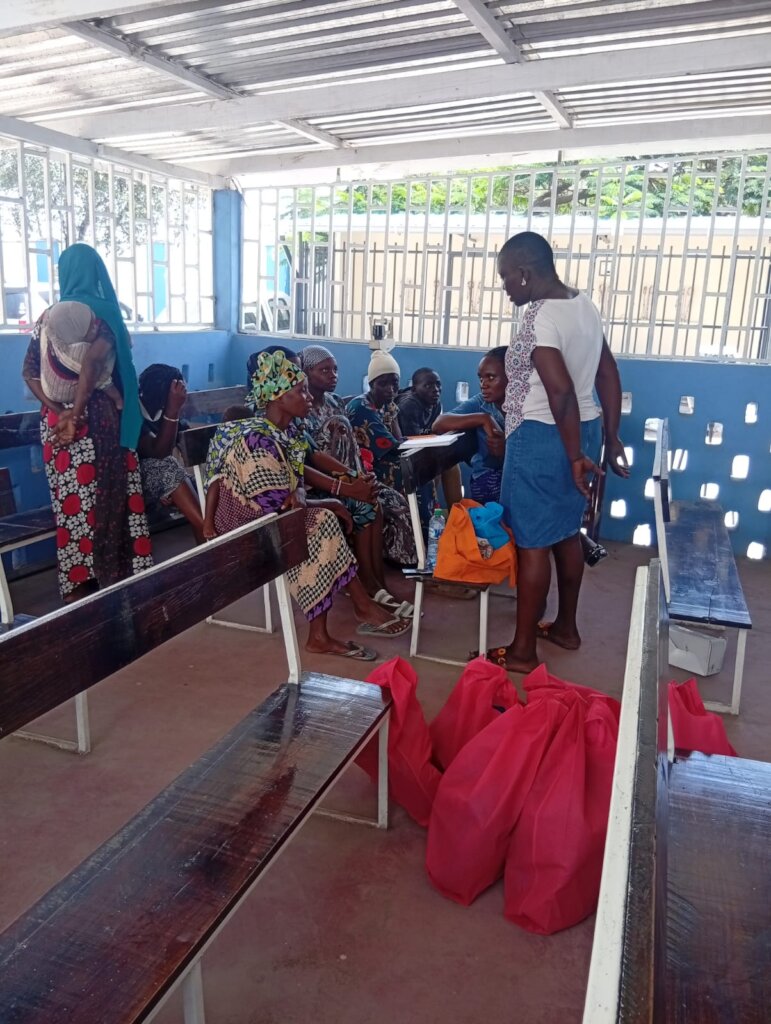
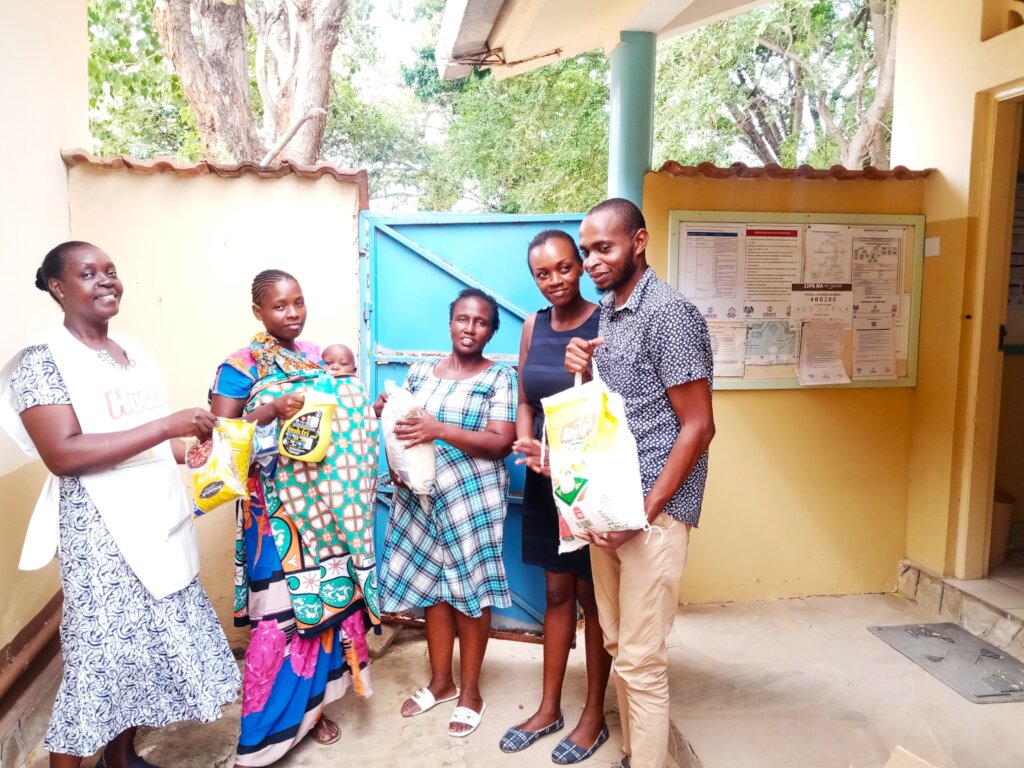
Key interventions included home visits, adherence assessments, psychosocial counselling, caregiver mentorship, and close coordination with health facilities and Sub-County AIDS and STI Coordinators (SCASCOs). Transport to Care and nutritional support in terms of Food Baskets were provided to the most vulnerable households.
These efforts strengthened caregiver treatment literacy, reduced missed clinic appointments, and enhanced community - facility collaboration - critical factors in supporting sustained viral suppression.
Activities Implemented
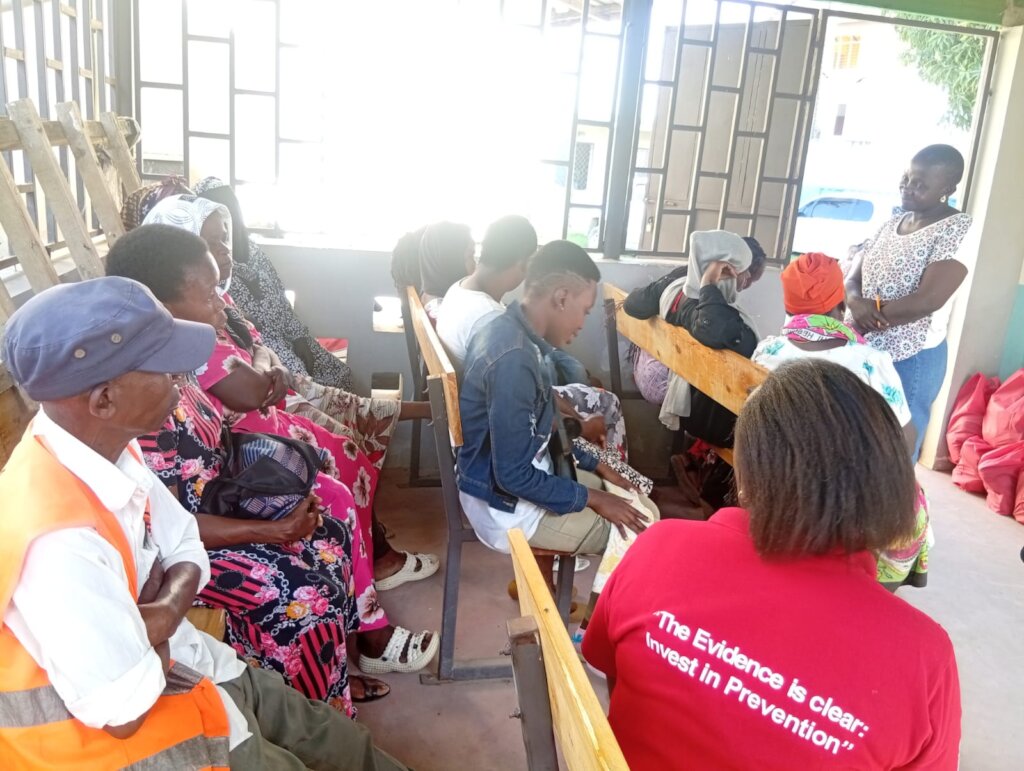
The project focused on improving health outcomes for Children and Adolescents Living with HIV (CALHIV) through a range of integrated interventions. A total of 214 CALHIV were supported with the aim of improving viral load suppression, as confirmed through facility viral load reports. In addition, adherence and psychosocial wellbeing were strengthened by engaging 214 caregivers through counselling and follow-up, with evidence documented in counselling records and follow-up tools.
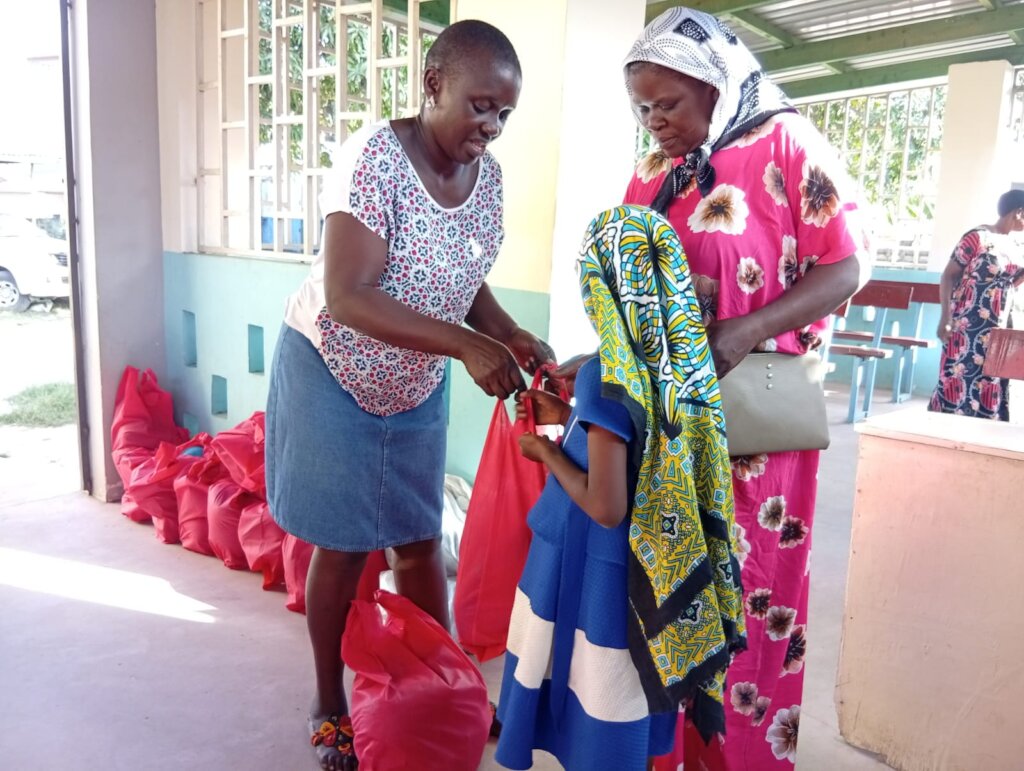
Home visits and counselling sessions were conducted for CALHIV households as planned. All scheduled visits were completed in line with the implementation plan, and these activities were documented through mentor mother reports. To further enhance treatment adherence, nutritional support was provided through the distribution of food baskets. Food baskets were planned for 214 CALHIV, and all 214 beneficiaries received the support as intended. Distribution lists signed by caregivers served as the means of verification for this intervention.
Summary and highlight of the key activities
Improved viral load suppression among Children and Adolescents Living with HIV (CALHIV)
Enhanced treatment adherence and psychosocial wellbeing among CALHIV and their caregivers
Strengthened household-level support through home visits and counselling
Improved treatment adherence through provision of nutritional support
Results and Indicators
The project tracked performance against key indicators by comparing planned targets with achieved results. For viral load suppression, the target was to support 214 Children and Adolescents Living with HIV, and this target was fully achieved, with all 214 CALHIV supported as evidenced by facility viral load reports.
Similarly, the project aimed to improve adherence and psychosocial wellbeing by engaging 214 caregivers. This target was fully met, with all 214 caregivers engaged through counselling and follow-up, as documented in counselling records and follow-up tools.
Home visits and counselling sessions for CALHIV households were implemented as planned. The number of visits completed matched the planned number, with mentor mother reports serving as verification. Nutritional support through food baskets was also delivered as planned. Food baskets intended for 214 CALHIV were distributed to all 214 beneficiaries, with signed distribution lists from caregivers confirming delivery.
Summary of Indicators highlighting what was planned and achieved
Indicator 1: Planned vs Achieved
Improved viral load suppression among Children and Adolescents Living with HIV (CALHIV)
Indicator 2: Planned vs Achieved
Enhanced treatment adherence and psychosocial wellbeing among CALHIV and their caregivers
Indicator 3: Planned vs Achieved
Strengthened household-level support through home visits and counselling
Indicator 4: Planned vs Achieved
Improved treatment adherence through provision of nutritional support
Results Achieved This Period:
Quantitative results (numbers reached, services delivered)
Qualitative results (behavior change, improved wellbeing, skills gained)
People reached
Target Population:
Children and Adolescents Living with HIV (CALHIV) aged below 19 years with high viral load, and their primary caregivers, in Mombasa County.
Number Planned for This Period:
214 Children and Adolescents Living with HIV (CALHIV)
Number Reached This Period:
214 Children and Adolescents Living with HIV (CALHIV)
Total Reached to Date:
214 Children and Adolescents Living with HIV (CALHIV)
Category
Details
Gender
Boys and Girls
Age
Children and Adolescents (0–18 years)
Disability Status
Not systematically captured during this reporting period
Story of Change
Amina* not her real name is a 14-year-old adolescent living in Likoni Sub-County, Mombasa County. Before the project began, Amina struggled with taking her HIV medication consistently. She had not been fully disclosed to about her HIV status and often felt confused, angry, and afraid. Side effects from the medication, combined with fear of stigma at school, led to missed doses and frequent clinic absences. Her mother, who is her primary caregiver, was overwhelmed and unsure how to support her adherence needs.
Through the GlobalGiving-supported project, a mentor mother began making regular home visits to Amina’s household. Together with the case manager, they provided age-appropriate disclosure counselling, psychosocial support, and treatment education for both Amina and her mother. The project also provided a food basket, which helped Amina take her medication with proper nutrition and reduced treatment-related discomfort.
Over time, Amina became more confident and began to understand the importance of taking her medication daily. Her mother reports that Amina now reminds her when it is time for medication and attends clinic appointments without resistance. The emotional tension in the household has eased, and both caregiver and child feel supported.
“Before, I was scared and tired of the medicine. Now I understand why I take it, and I feel stronger,” Amina shared.
This story reflects how psychosocial support, caregiver engagement, and consistent follow-up can transform adherence outcomes for adolescents living with HIV
Challenges and Learnings
Challenges Encountered
The project faced several interconnected challenges affecting adherence among Children and Adolescents Living with HIV (CALHIV). Caregiver fatigue and emotional stress limited consistent supervision of treatment routines, particularly in households caring for multiple dependents or orphaned children. Delayed or poorly managed disclosure processes led to confusion, denial, and resistance to medication among adolescents. Stigma in schools and communities continued to discourage clinic attendance and consistent drug intake, especially for boarding school students. Economic hardship further constrained caregivers’ ability to attend clinic appointments and provide adequate nutrition, while occasional negative staff attitudes at health facilities affected adolescent engagement.
How We Responded
The project adapted by strengthening family-centred psychosocial counselling and increasing the frequency of mentor mother home visits to support both adolescents and caregivers. Disclosure processes were approached more carefully, using age-appropriate counselling and close coordination with caregivers and health workers. Transport facilitation and food basket support helped reduce economic barriers, while regular coordination meetings with Sub-County AIDS and STI Coordinators (SCASCOs) and facility staff improved follow-up, referral pathways, and youth-friendly service delivery.
Key Lessons Learned
Sustained viral suppression among CALHIV requires more than access to medication. Continuous psychosocial support, empowered caregivers, and adolescent-friendly services are critical. The project demonstrated that trust-based relationships, consistent follow-up, and flexible community-facility collaboration significantly improve adherence outcomes. Addressing emotional wellbeing alongside clinical care is essential for long-term success.
Use of funds
Eighteen percent (18%) of the grant funds were used under the personnel budget. These funds catered for one social worker and stipends for two mentor mothers who provided comprehensive psychosocial support to CALHIV. Their responsibilities included individual and group counselling, conducting home visits, facilitating support groups, and linking beneficiaries to community and government social services. These efforts were aimed at improving adherence, retention in care, and viral load suppression.
Seventeen percent (17%) of the funds were allocated to Transport to Care. This budget line supported at-risk families of CALHIV by covering essential transportation costs to health facilities. The transport support enabled children and caregivers to attend clinic appointments, collect HIV treatment, access viral load testing, and receive nutrition services. This intervention was particularly critical for vulnerable households facing financial constraints and long distances to health facilities. By ensuring consistent access to care and nutrition-related services, the project contributed to improved treatment adherence, retention in care, and better health outcomes, including enhanced viral load suppression.
Thirty-six percent (36%) of the funds were spent on food baskets. These funds were used to provide nutritional support to at-risk families of CALHIV. The food baskets addressed food insufficiencies among vulnerable households and ensured that children on antiretroviral therapy had access to adequate and nutritious meals, which is essential for treatment effectiveness. This support improved adherence, reduced treatment interruptions, and strengthened the overall health and wellbeing of CALHIV. It also reduced household economic strain, enabling families to prioritize clinic attendance and adherence to medical guidance. Overall, the intervention contributed to improved retention in care, better nutritional outcomes, and enhanced viral load suppression.
Twenty-seven percent (27%) of the funds were used for psychosocial support. This covered transport and vehicle-related costs for social workers and mentor mothers to conduct home visits, counselling sessions, and follow-up activities with CALHIV and their caregivers. These activities enabled consistent psychosocial support, improved treatment adherence, strengthened caregiver engagement, and supported sustained retention in care.
The remaining two percent (2%) of the funds were used for transport-related needs when the project vehicle broke down and to ensure the safe and timely delivery of food baskets to beneficiary households. This support helped vulnerable families continue accessing essential nutritional assistance without interruption.
Sustainability and next steps
How the Benefits of the Project Will Continue
The project strengthened caregiver capacity, community mentorship, and linkages with health facilities, ensuring that benefits extend beyond the funding period. Caregivers are now better equipped with treatment literacy and psychosocial skills to support consistent adherence among CALHIV. Mentor mothers and community health workers remain embedded within the communities and will continue to provide follow-up, encouragement, and linkage to Comprehensive Care Clinics (CCCs). Coordination with Sub-County AIDS and STI Coordinators (SCASCOs) and facility teams has institutionalized improved referral, reporting, and adolescent-friendly service delivery.
Planned Activities for the Next Quarter / Post-Project
In the next phase, AMURT plans to intensify caregiver education sessions with emphasis on disclosure support, treatment literacy, and adolescent mental health. Continued home visits and psychosocial counselling will be prioritized for high-risk households. The project will also engage schools to promote stigma reduction and discreet adherence support for school-going adolescents. Regular case conferencing between community and facility teams will be maintained to monitor adherence and viral load outcomes.
Gaps and Remaining Needs.
Despite progress, gaps remain in sustained psychosocial support, economic resilience for vulnerable households, and availability of youth-friendly spaces within health facilities. Continued funding is needed to scale mentorship, expand nutritional support, and strengthen school-based interventions. Addressing these gaps is essential to achieving long-term viral load suppression and improved quality of life for CALHIV.
Project reports on GlobalGiving are posted directly to globalgiving.org by Project Leaders as they are completed, generally every 3-4 months. To protect the integrity of these documents, GlobalGiving does not alter them; therefore you may find some language or formatting issues.
If you donate to this project or have donated to this project, you can receive an email when this project posts a report. You can also subscribe for reports without donating.



Support this important cause by creating a personalized fundraising page.
Start a Fundraiser