By IsraAID Staff | IsraAID Israel
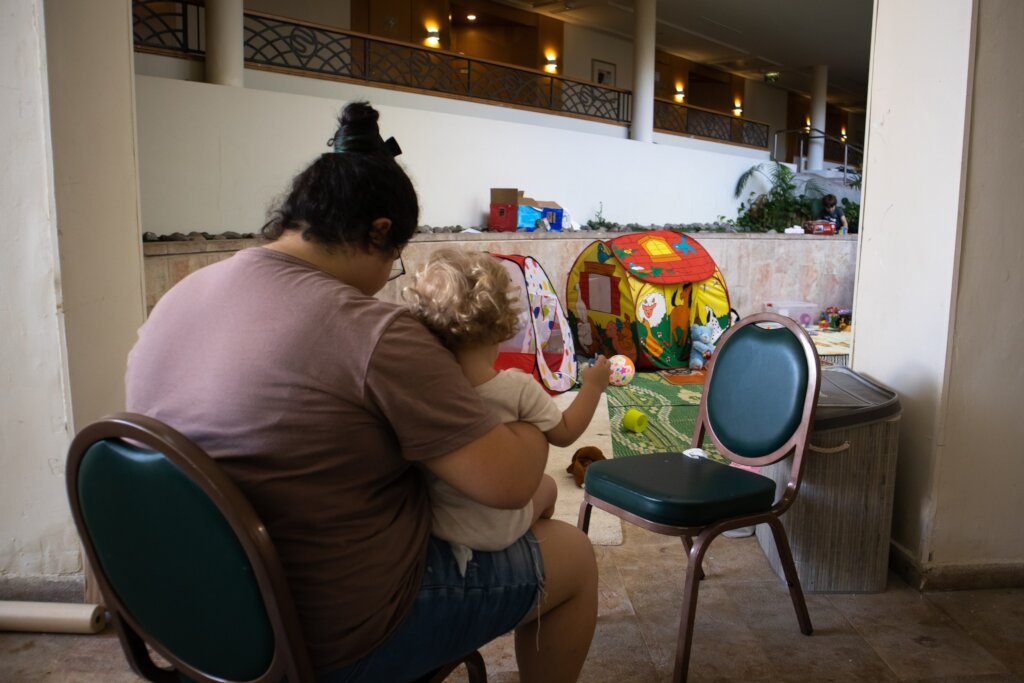
Nearly two years after Hamas's unprecedented October 7 attack on southern Israeli communities, IsraAID is transferring dozens of our emergency response initiatives to local partners and the communities themselves. This response, IsraAID's first large-scale emergency mission in Israel, includes deep partnerships with more than 10 displaced kibbutz and moshav communities from the Gaza border area.
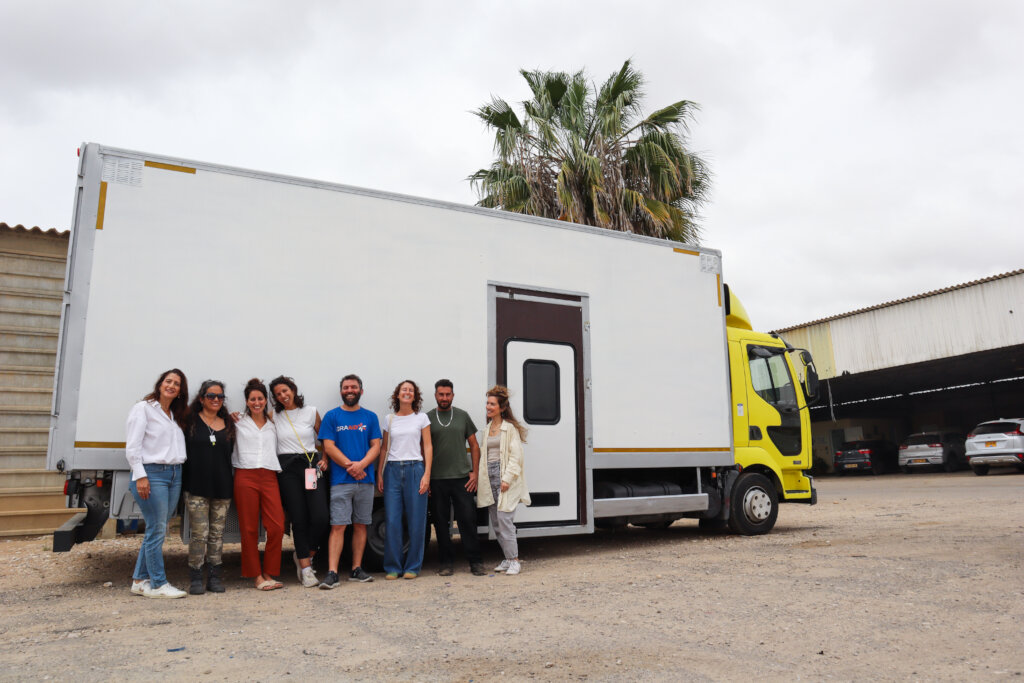
A significant milestone this month was the handover of our Roving Art Therapy studio truck to the Eshkol Community Resilience Services. This mobile studio will continue to travel weekly to communities across the Eshkol region, providing therapeutic and creative outlets for residents while equipping local therapists with the necessary tools and training for long-term impact.
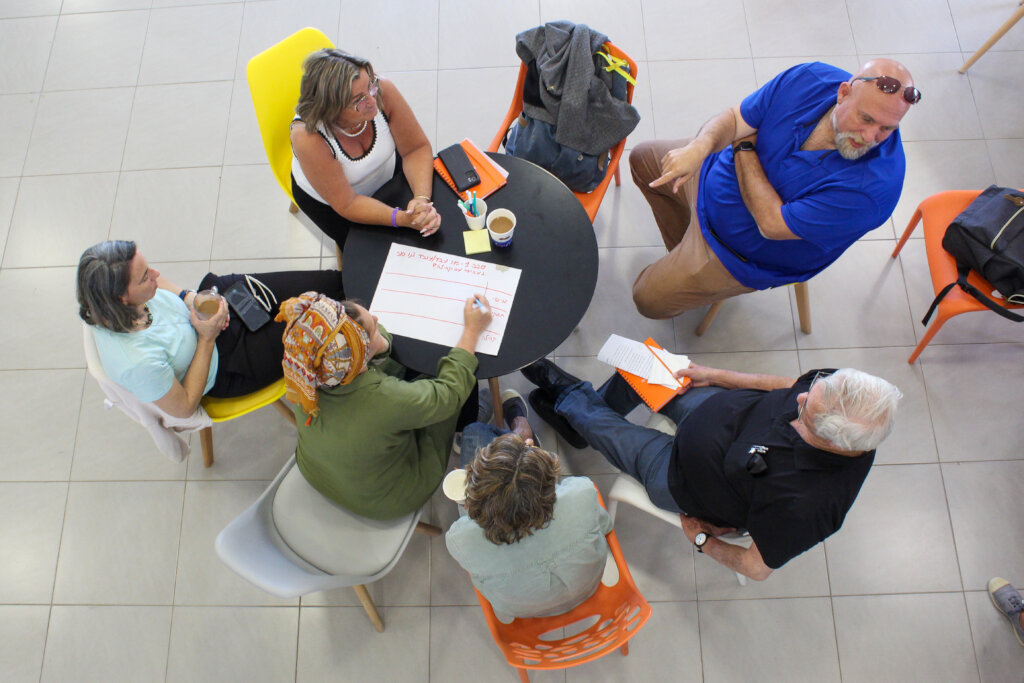
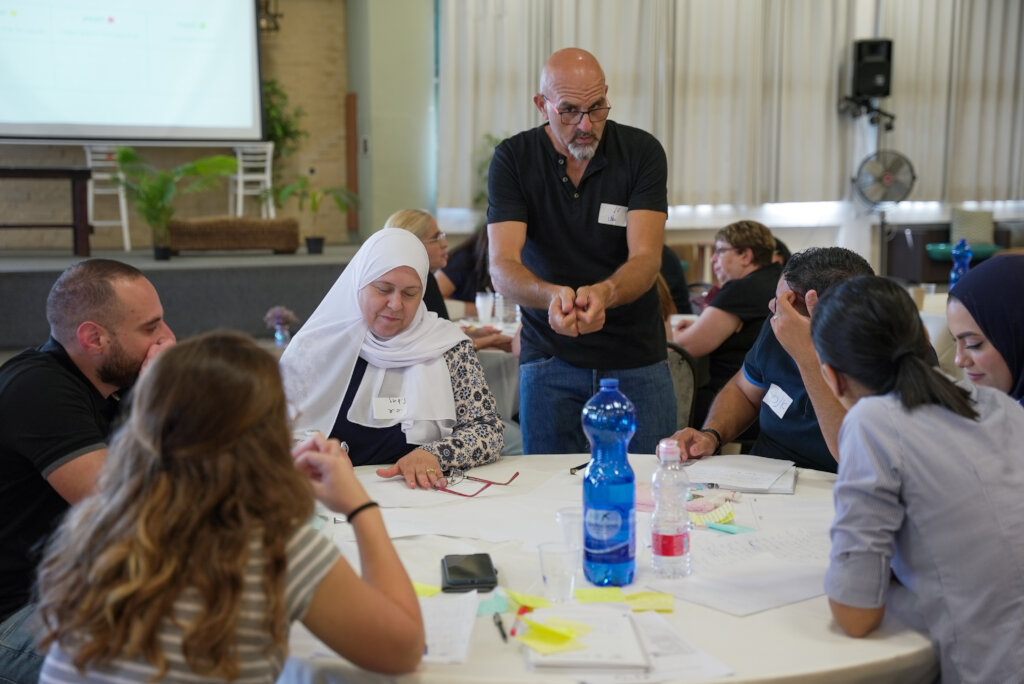
To strengthen the impact and sustainability of our programming, we facilitated several closing community-building and psychosocial support (PSS) activities. In Moshav Yevul, for example, residents designed and participated in a weekend retreat incorporating art, writing, nature, and cold therapy. In a nearby kibbutz, welfare staff—who have been supporting displaced families for months— took part in a guided team building and recovery day led by a PSS expert in the Negev Desert. At the same time, in a community severely affected by direct violence, IsraAID supported targeted PSS activities for vulnerable groups, including bereaved mothers, orphaned young adults, families, and community workers. These activities created peer group spaces for sharing, rest, and collaborative planning for the future.
As part of our long-term strategic collaboration with the Arab-Jewish Center for Empowerment, Equality, and Cooperation (AJEEC), we co-hosted a two-day seminar for Bedouin community organizers from the south. Participants toured our Northern Resilience Centers and engaged in hands-on learning to gain practical tools for adapting and implementing resilience models within their communities.
As our initiatives in the south gradually transition to local leadership, we plan to hand over all programming in the early summer months.
Meanwhile, in northern Israel, we are building on lessons learned in the south to collaboratively identify and respond to the evolving needs of displaced communities as they begin to return home. We are currently focusing on children who experienced prolonged isolation during school closures as well as on Arab communities navigating complex challenges around emergency preparedness and protection in the context of the ongoing conflict To support these efforts, we continue to work closely with established partners, including the Israel Association of Community Centers (IACC), Kochav Hatzafon, and local community leaders and organizations, to co-develop tailored, sustainable programming.
As the collapse of the recent ceasefire brings renewed uncertainty across Israel, our teams remain grounded in flexibility, responding day by day while continuing to work toward long-term, community-led recovery. From the south to the north, we are committed to supporting partners and local leaders in fostering resilience, healing, and preparedness for whatever lies ahead.
Project reports on GlobalGiving are posted directly to globalgiving.org by Project Leaders as they are completed, generally every 3-4 months. To protect the integrity of these documents, GlobalGiving does not alter them; therefore you may find some language or formatting issues.
If you donate to this project or have donated to this project, you can receive an email when this project posts a report. You can also subscribe for reports without donating.



Support this important cause by creating a personalized fundraising page.
Start a Fundraiser