Project Report
| Aug 22, 2013
Education is a universal human right
By Elizabeth Droggitis | MADRE Staff Member
In its recent issue of Nomadic News, MADRE sister organization the Indigenous Information Network (IIN) wrote about the importance of education for girls from nomadic and pastoral communities. Education is a universal human right, and yet many girls face barriers to accessing it.
Lack of adequate sanitation facilities and affordable sanitary napkins mean that during menstruation, girls often avoid school altogether. And a heavy workload at home, including household chores and looking after younger siblings and sick family members, also contributes to girls’ poor attendance in school.
But most importantly, IIN reported that social attitudes must be changed to ensure that all Kenyan girls receive the education they deserve. For girls from poor communities, forced early marriage is common, as families resort to getting money from dowries. By sensitizing nomadic and pastoral communities about the benefits of continued education for girls, we can help ensure that education is accessible and tailored to the life cycle needs of all adolescent girls.
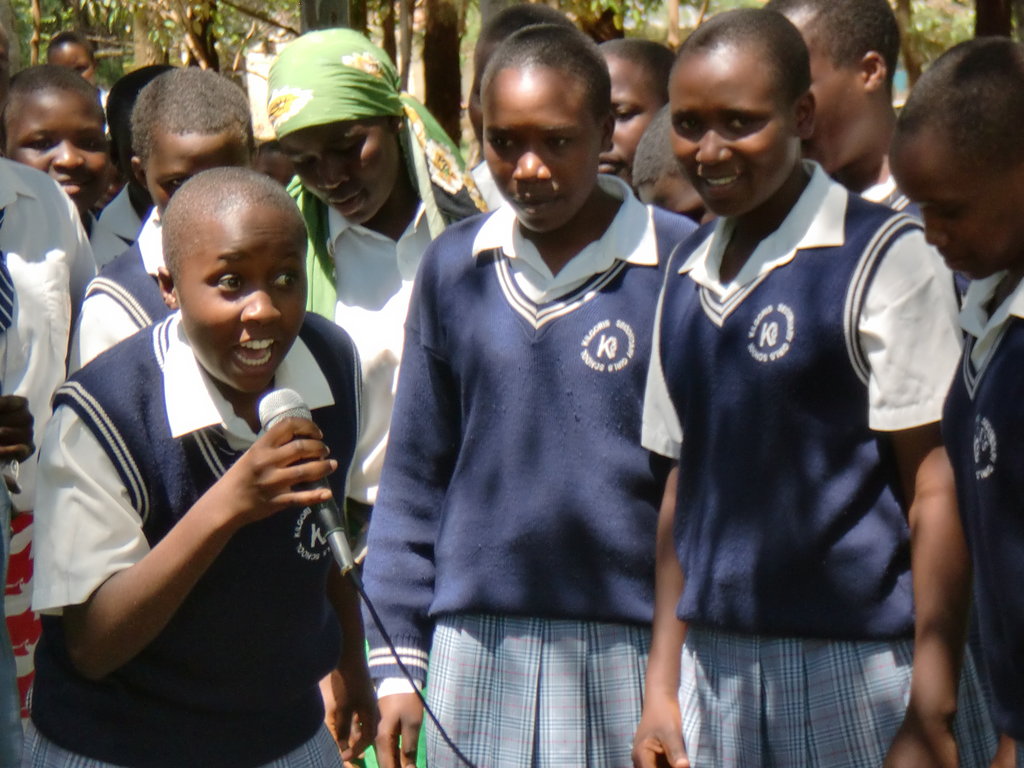
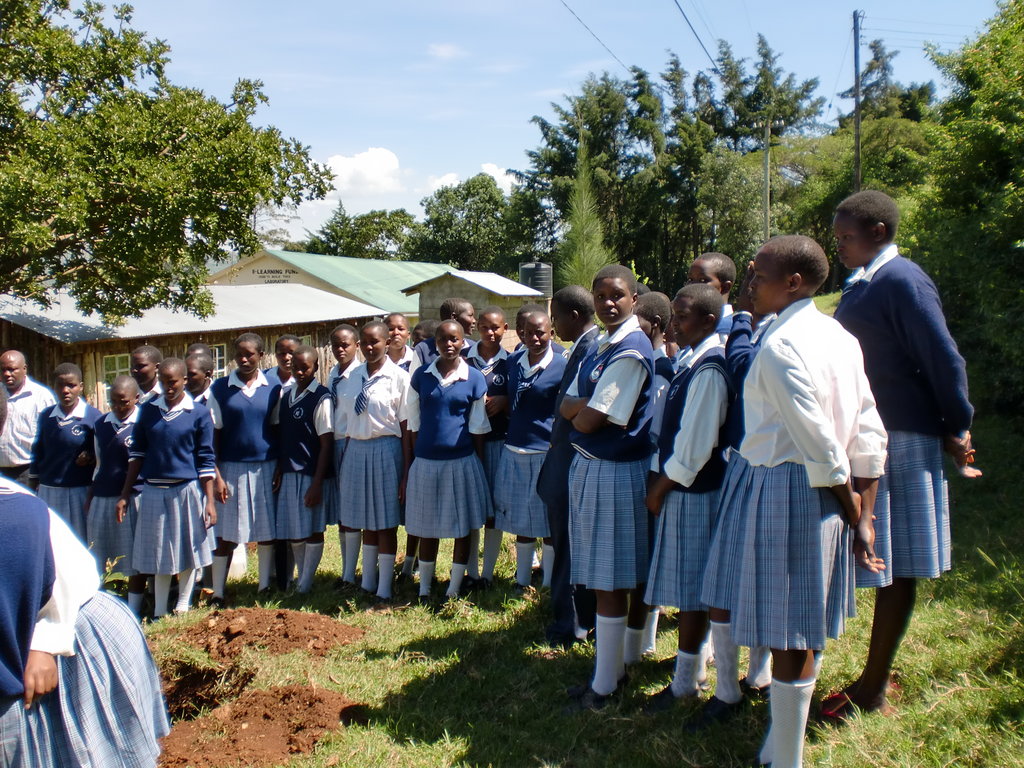
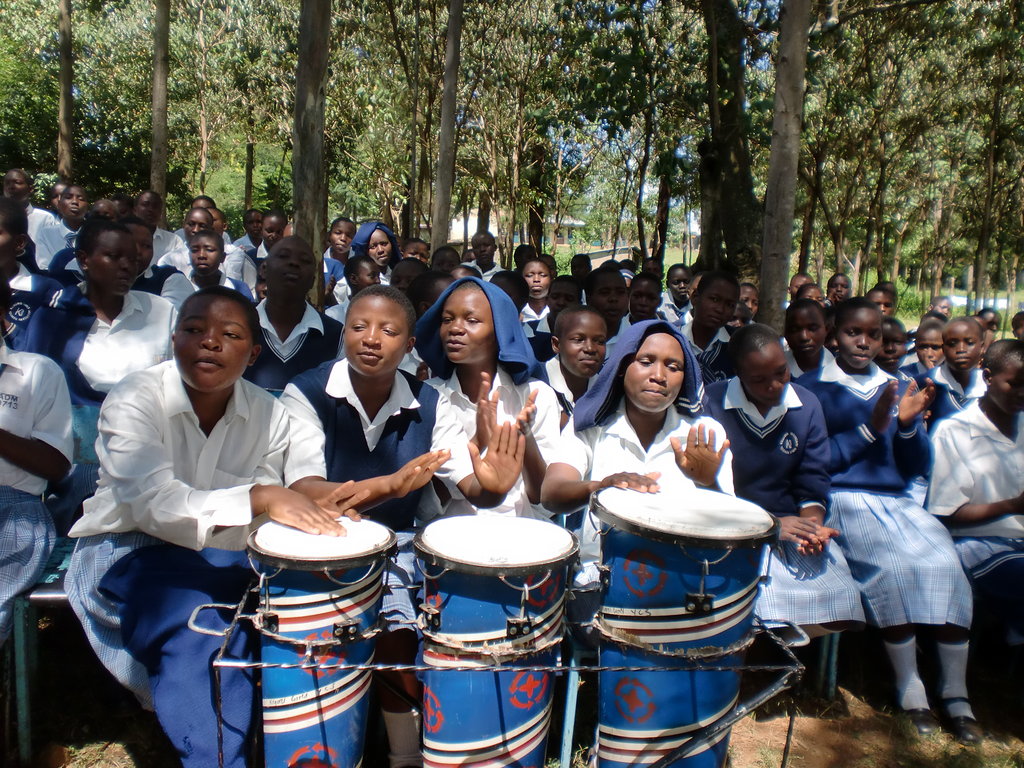
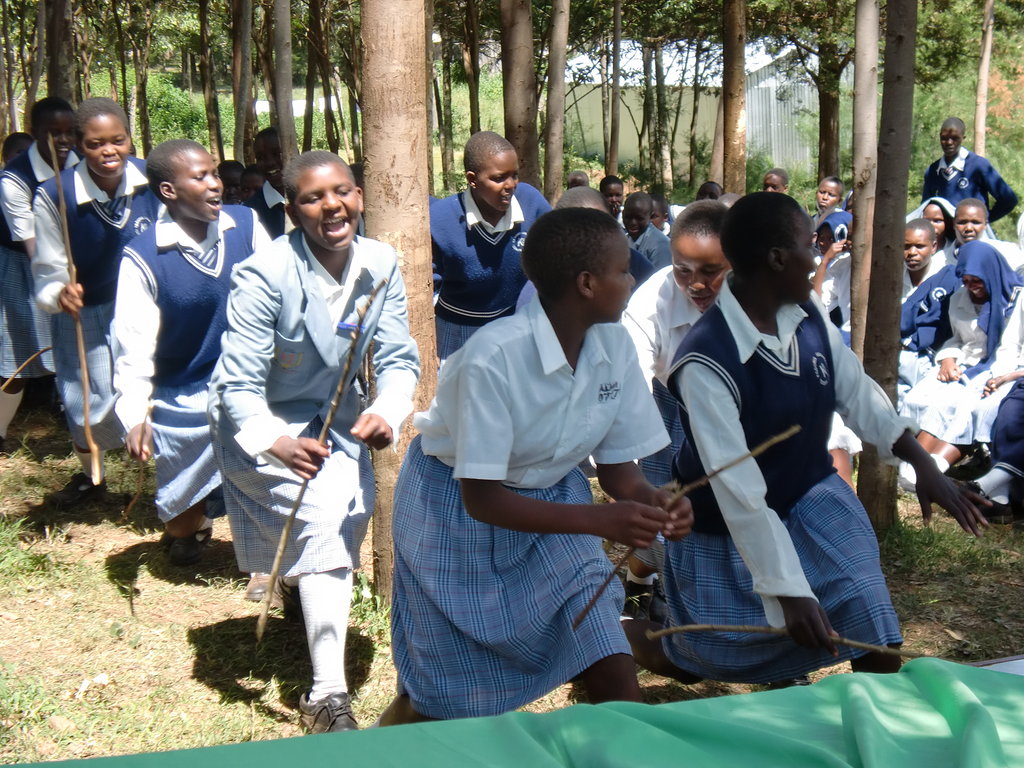
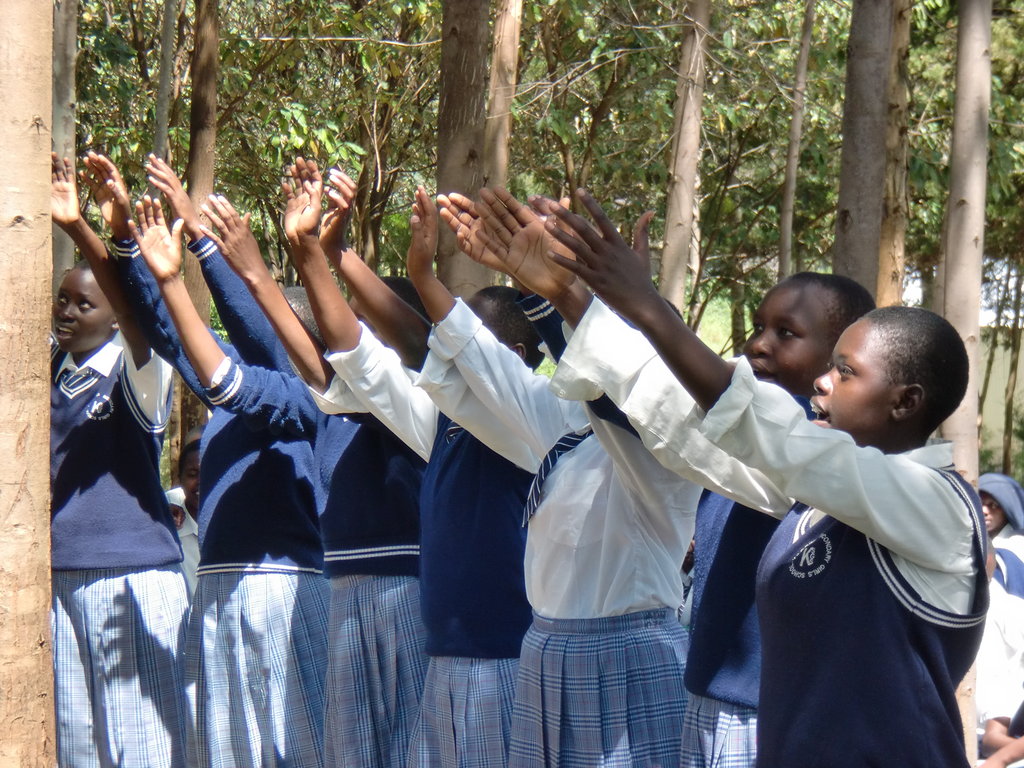
At the schools in the Nanyori Shelter Network that you help support, girls from nomadic and pastoral communities receive the education and support they deserve. Here, they are protected from the harmful, traditional practices, like female genital mutilation and early forced marriage, and can learn and thrive.
In May, after Lucy Mulenkei, director of IIN, visited New York, she brought back with her a donation of school supplies and feminine hygiene products put together through the generous support of our MADRE community. With these new notebooks, crayons, markers, sanitary pads and panty liners, girls in the Nanyori Shelter Network will continue to study and live in health and comfort throughout the year. Thank you!
![Share on Twitter]()
![Share on Facebook]()
May 24, 2013
Lucy Visits New York!
By Elizabeth Droggitis | MADRE Staff Member
Lucy Mulenkei, director of our Kenyan sister organization the Indigenous Information Network, was in New York this week for the twelfth session of the United Nations Permanent Forum on Indigenous Issues (UNPFII). The UNPFII is a yearly session hosted at the United Nations that gives Indigenous Peoples from around the world the chance to discuss the issues and challenges they are facing as well as to share recommendations for how to address them. At the UNPFII, Lucy moderated a MADRE panel that hosted Indigenous women from around the world to discuss and share strategies for combating violence against Indigenous women.
With Lucy in town, MADRE took the opportunity to put together a shipment of Helping Hands donations for the shelter schools for young girls that MADRE and Lucy operate together in Kenya. The Nanyori Shelter Network educates and shelters young girls who are escaping female genital mutilation and forced marriage. With your support, we are able to provide Lucy with the supplies she needs to keep the shelter schools up and running. Lucy will return to Kenya with school supplies including notebooks, pens, paper and crayons. We were also able to donate toiletries, soap, toothpaste, vitamins and over-the-counter medicines for the shelters.
Thank you for your support!
![Share on Twitter]()
![Share on Facebook]()
Feb 25, 2013
Nanyori Prepares for the Kenyan Elections
By Elizabeth Droggitis | MADRE Staff Member
The March 4 elections in Kenya are fast approaching and Lucy Mulenkei, director of the Nanyori Shelter Network, is worried. She is haunted by the wave of violence that swept the country in the 2007 election season, when political discontent sparked widespread chaos. “We are worried that violence will erupt and are concerned about keeping our girls safe,” she wrote to MADRE Executive Director Yifat Susskind last week. “We hope we can count on your support again.”
The escalation of violence after the 2007 elections left 1,000 Kenyans dead and 650,000 internally displaced. Women and girls reported 3,500 acts of sexual violence to the police. In fact, we know that rape was systematically used as a weapon during those terrible days. MADRE was quick to act, helping Lucy keep her school in Kilgoris open during the crisis, so that girls would not have to travel home through the dangers of the countryside.
This year’s elections will take place in an even more volatile context. Already, as this recent New York Times article shows, people are being killed--targeted for their ethnicity and political allegiance. Lucy's 60 schoolgirls may again need emergency shelter.
To prepare, MADRE and Lucy are working around the clock to ensure that the Nanyori Shelter Network, normally closed for break in March, will remain open during the elections so that no student will have to risk their safety by traveling home. Your support will help provide three months of staff, food, stockpiles, and security guards to ensure that Lucy’s 60 students remain safe and cared for. Thank you for standing up for girls' safety.
![Share on Twitter]()
![Share on Facebook]()