By Jessica Bailly | Director of Development
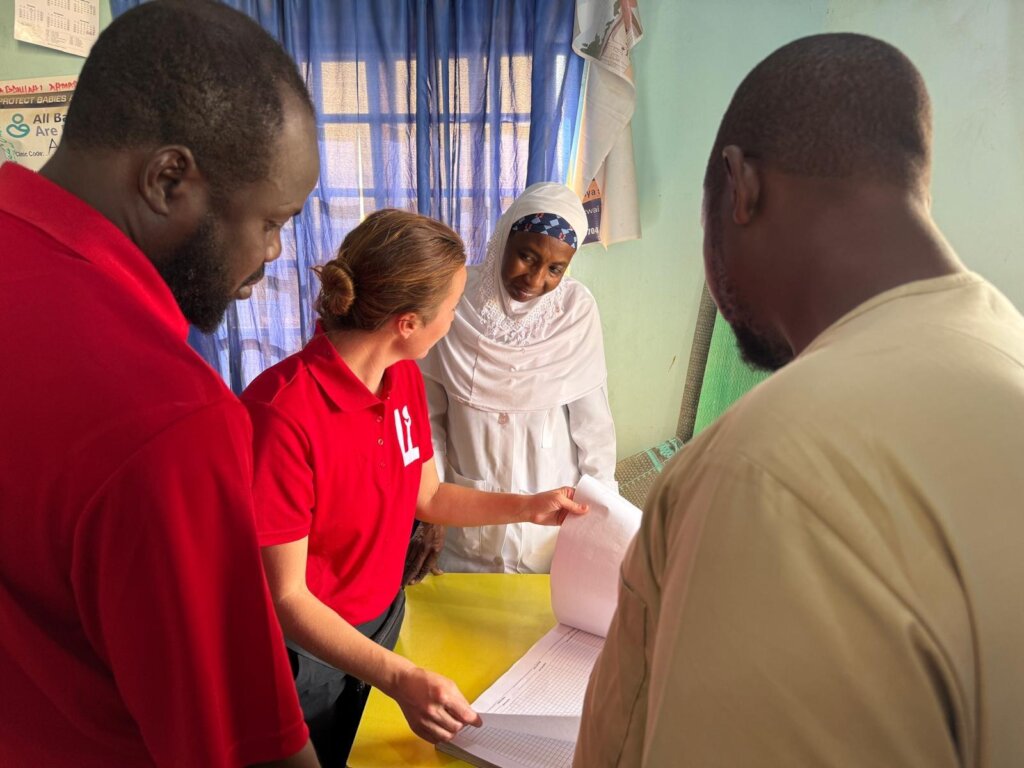
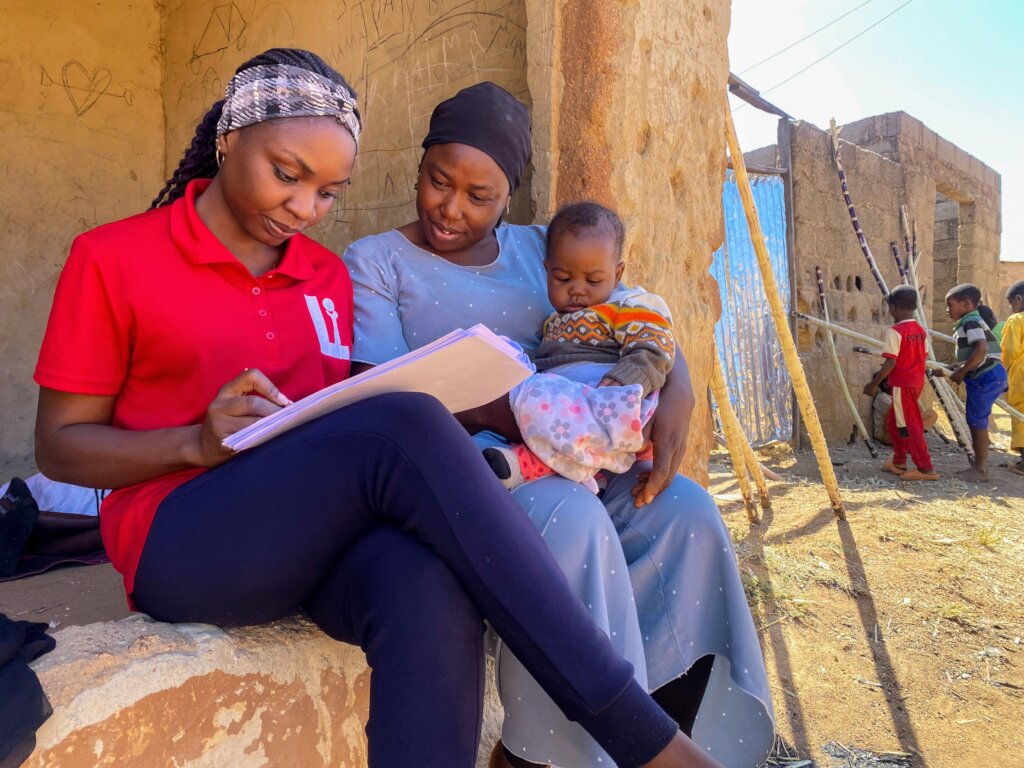
Leadership Initiatives is currently working with the Dungal, Bayara-South, and Buli communities to strengthen community-driven public health knowledge and improve access to essential health information. Since the start of this initiative, community-engaged interns have worked to build a strong, research-based understanding of daily health realities in Northern Nigeria. Through ongoing mentorship, participants have examined how social, economic, and environmental factors influence health and shape the decisions families make when illness occurs. This hands-on learning model allows interns to deepen their public health knowledge while developing practical tools that directly support households.
To ensure that public health work reflects lived experience, Leadership Initiatives developed and implemented a comprehensive baseline health survey across partner communities. Interns learned how to design culturally relevant survey questions, gather both quantitative and narrative data, and analyze household health-seeking patterns with cultural and contextual sensitivity. This research process provided meaningful insight into common household routines and the barriers families encounter when seeking formal care, particularly during periods of illness.
Findings across communities revealed that families consistently expressed a desire to seek care early, yet financial hardship frequently delayed treatment or led households to seek informal remedies. Many respondents noted that long travel distances and lack of transportation made clinic access difficult, while limited health literacy sometimes contributed to delayed decisions or uncertainty about when professional care was needed. Concerns around medication costs and potential misdiagnosis added additional layers of hesitation. These findings reinforced that improving health outcomes is not solely a matter of clinic availability. Social, economic, and informational barriers play an equally critical role in determining whether families obtain timely care.
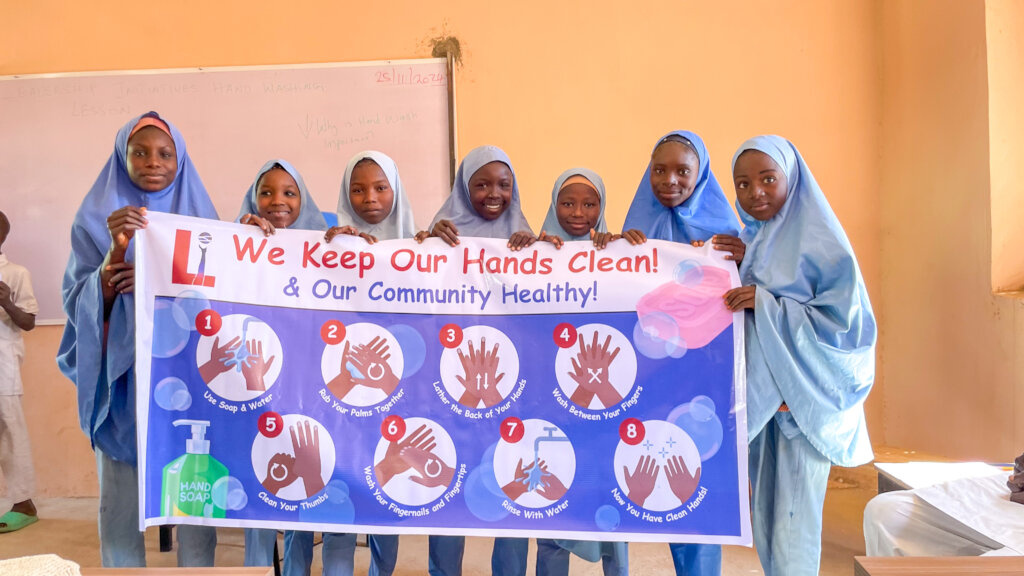
Using these insights, Leadership Initiatives is developing a culturally grounded public health campaign designed for low-resource and mixed-literacy environments. Visual infographics and instructional tools are being created to help families recognize symptoms early, understand biological risk factors, take practical, low-cost steps at home, and navigate when and how to seek urgent medical attention. These materials are being designed for distribution in households, markets, clinics, and community gathering spaces, with an emphasis on clarity, accessibility, and cultural relevance.
In the coming months, Leadership Initiatives will also facilitate community workshops to strengthen understanding of maternal and child health concepts, including the First 1000 Days. Workshops will incorporate demonstrations, discussion prompts, and locally relevant examples drawn from survey findings. The goal is to create a welcoming environment where families can ask questions, share experiences, and build confidence in their health knowledge while respecting cultural norms and community values.
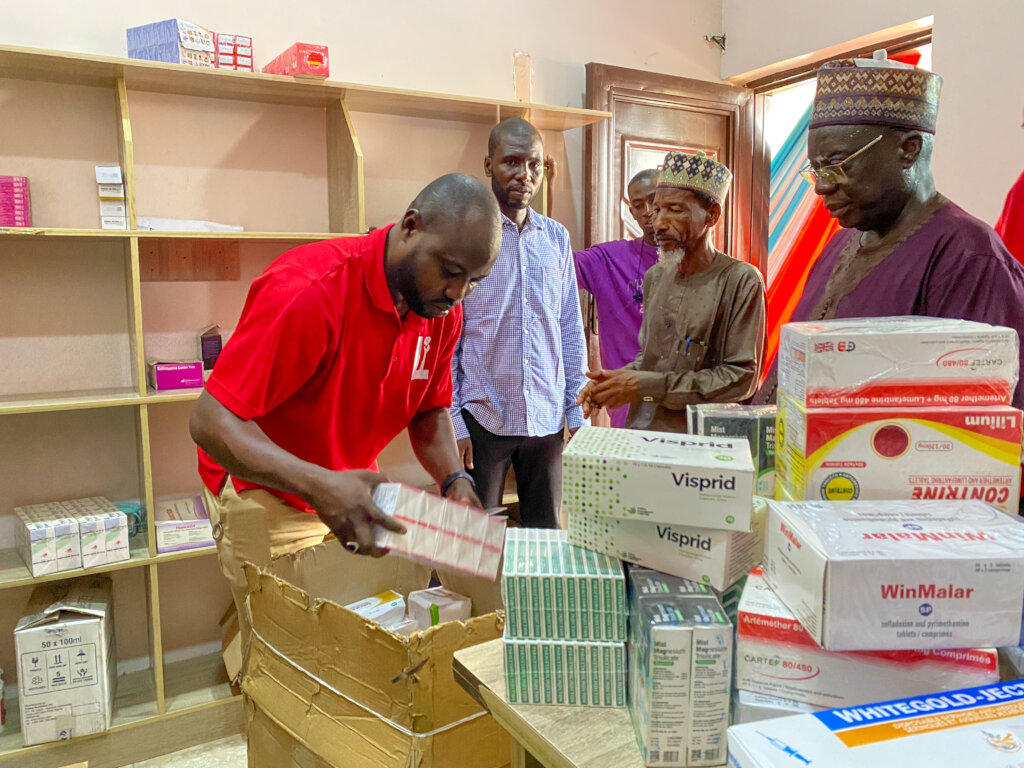
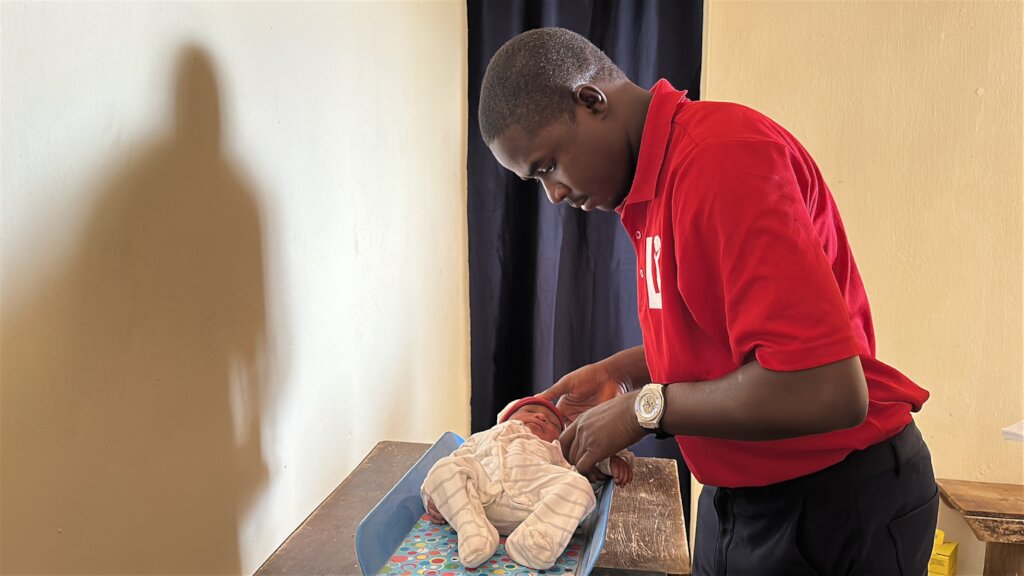
Beyond educational support, Leadership Initiatives is expanding access to physical healthcare across Northern Nigeria by developing maternity and primary health clinics. A new maternity clinic is being constructed to provide safe delivery services, prenatal care, and emergency support for mothers who currently face long travel distances or unaffordable private clinic fees. Additional primary healthcare facilities are under construction to offer basic laboratory diagnostics, immunizations, primary care consultations, and health education outreach. These infrastructure efforts aim to reduce preventable illness and maternal and child mortality by bringing affordable, reliable healthcare closer to families who have historically lacked consistent access. Insights collected through the internship program help inform the educational strategies that will support these clinics once operational.
Through community-driven research, data-informed educational tools, and long-term clinic development, Leadership Initiatives is working to improve health outcomes in Northern Nigeria. The findings gathered from the Dungal, Bayara-South, and Buli communities continue to shape both educational outreach and clinical priorities, ensuring that health solutions remain grounded in the daily realities of families in the region. Leadership Initiatives remains committed to strengthening local capacity, improving access to care, and supporting healthier futures for communities across Northern Nigeria.
We are grateful for your generosity, which makes this partnership and real-world learning possible.
Thank you for your support,
Leadership Initiatives
By Marshall Bailly | Executive Director
Project reports on GlobalGiving are posted directly to globalgiving.org by Project Leaders as they are completed, generally every 3-4 months. To protect the integrity of these documents, GlobalGiving does not alter them; therefore you may find some language or formatting issues.
If you donate to this project or have donated to this project, you can receive an email when this project posts a report. You can also subscribe for reports without donating.



Support this important cause by creating a personalized fundraising page.
Start a Fundraiser