By Amna Hassan Kazmi | CEO
Innovation on Wheels continues to be one of Alif Laila Book Bus Society’s most transformative outreach initiatives—bringing hands-on science, robotics, digital skills, and creative learning directly to underserved communities.
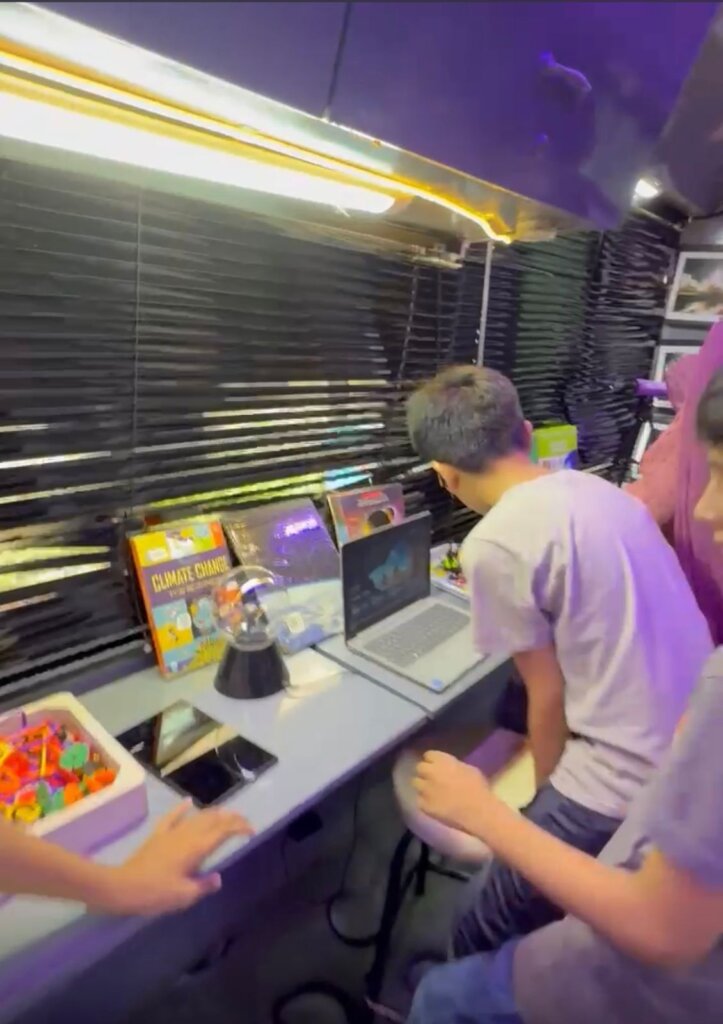
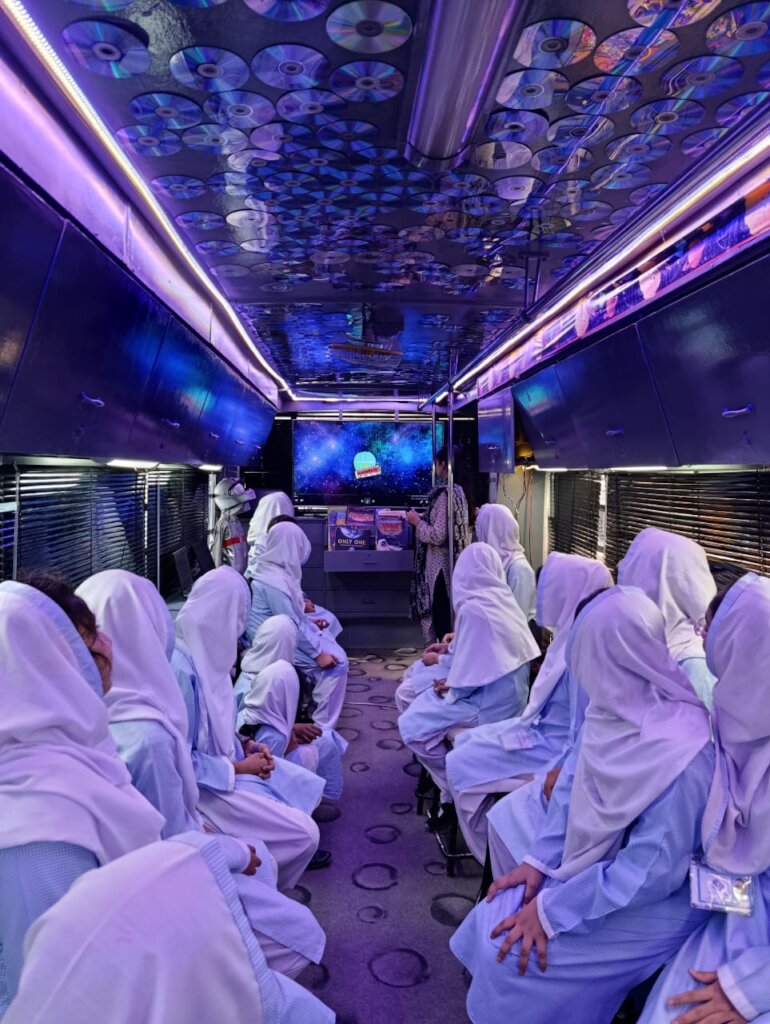
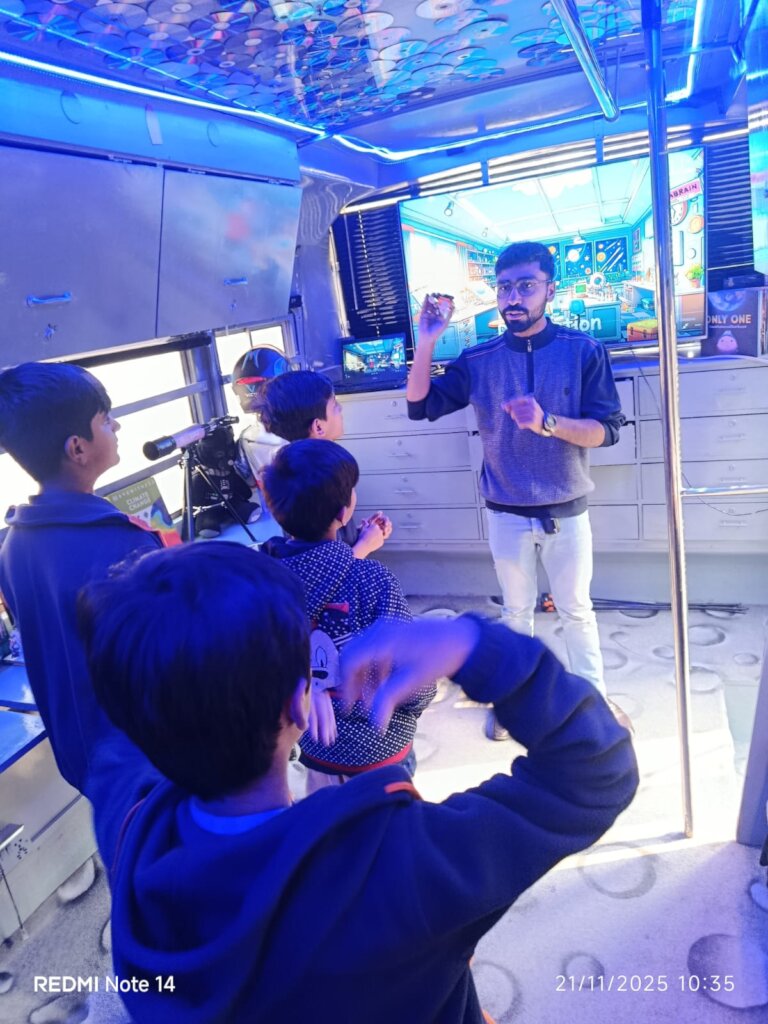
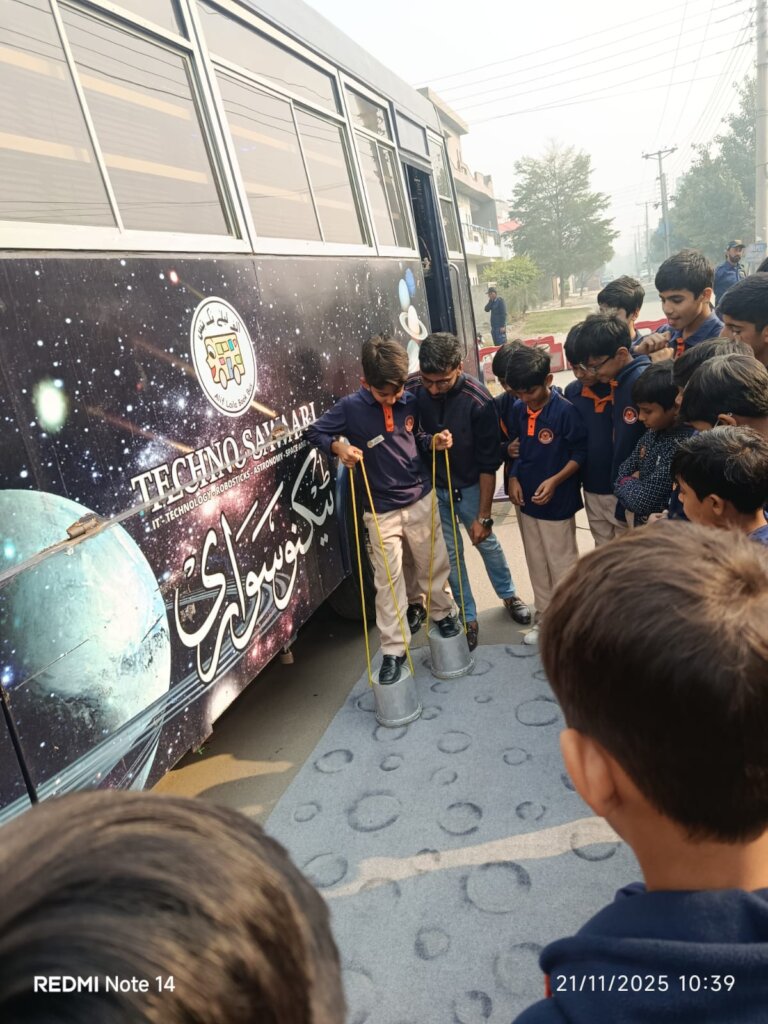
Designed for children who rarely get access to technology or interactive STEM activities, this travelling classroom turns ordinary school grounds into spaces of exploration and discovery. Over this quarter, it successfully immersed young learners in robotics, coding, astronomy, IT skills, and digital creation—boosting their confidence and strengthening problem-solving abilities.
The program directly contributes to:
SDG 4 – Quality Education
SDG 5 – Gender Equality
SDG 8 – Decent Work & Economic Growth
SDG 10 – Reduced Inequalities
Program Overview 1. Reach & Frequency
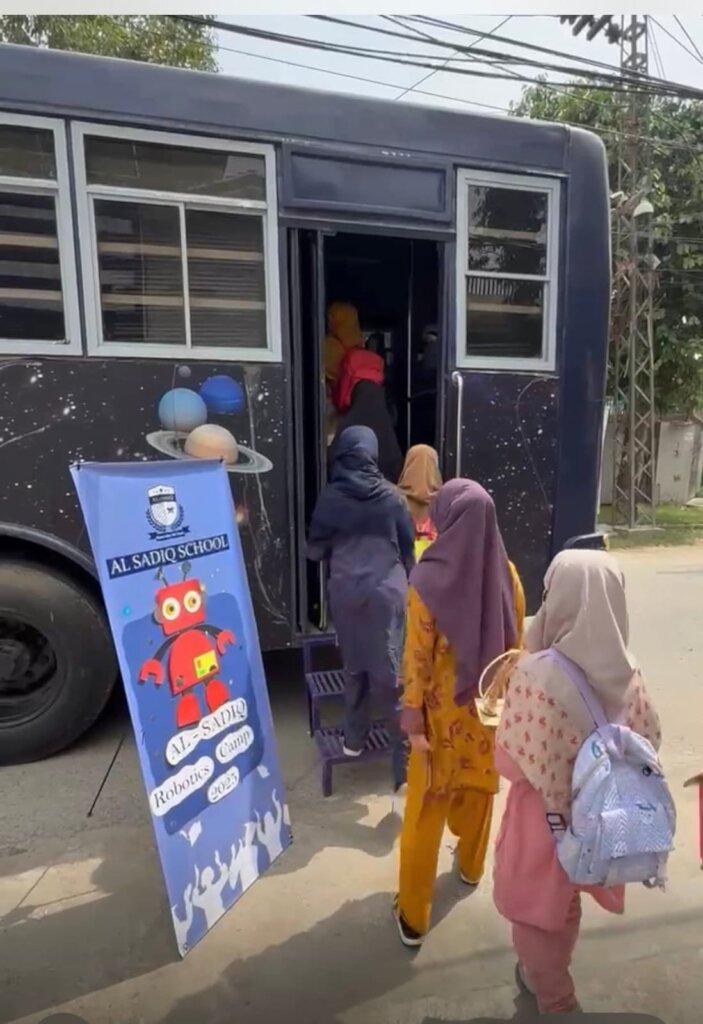
Operating through scheduled bookings, the travelling classroom visited schools and communities as requested.
Children Reached (Quarterly): ~300–350
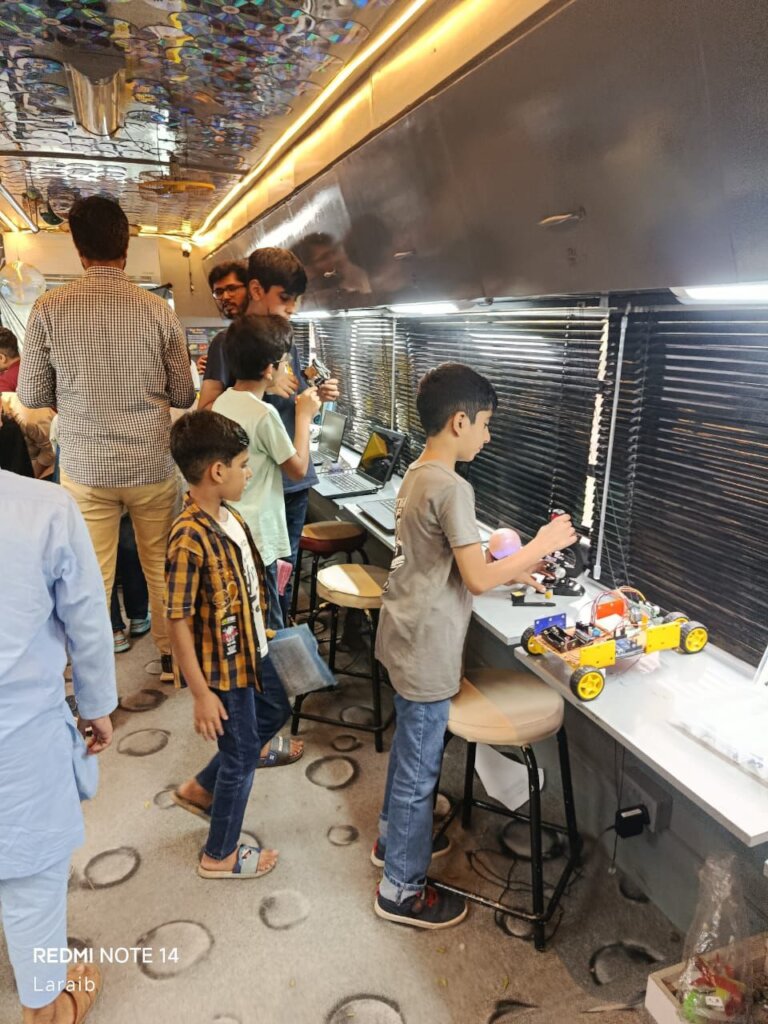
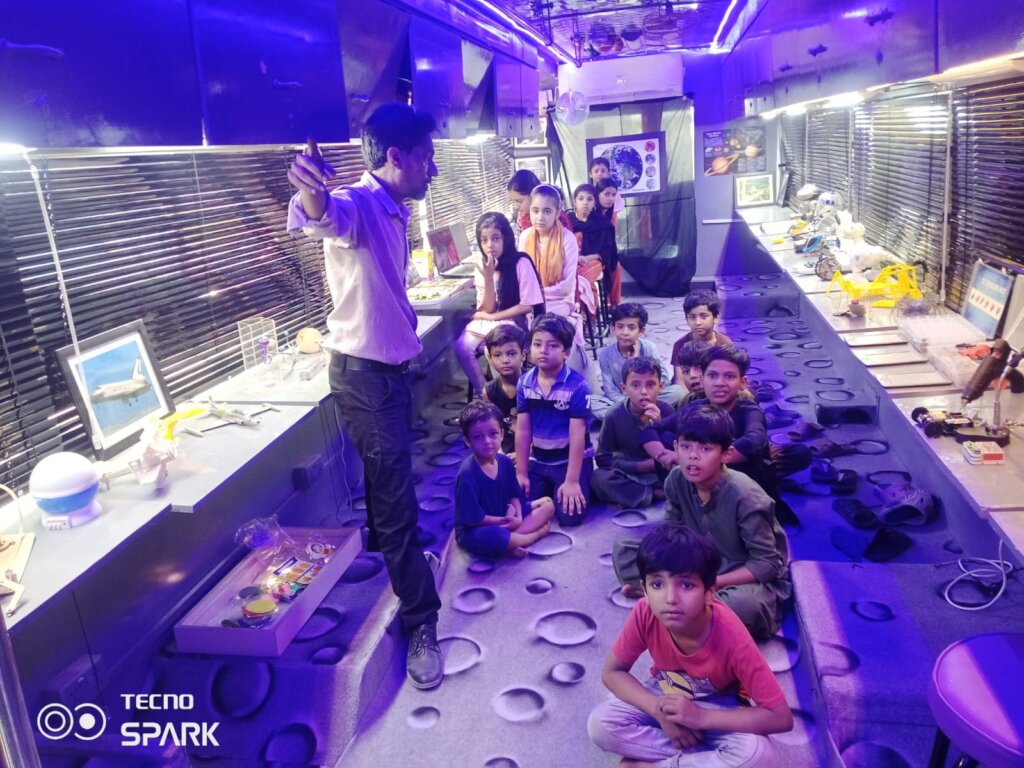
Average Group Size: 15–25 learners per session
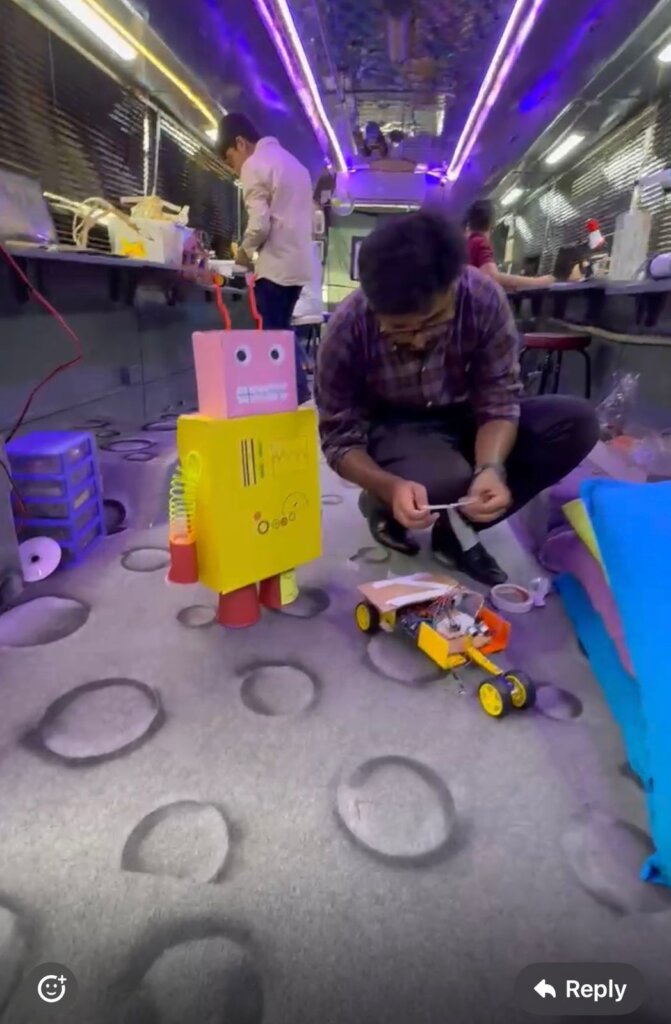
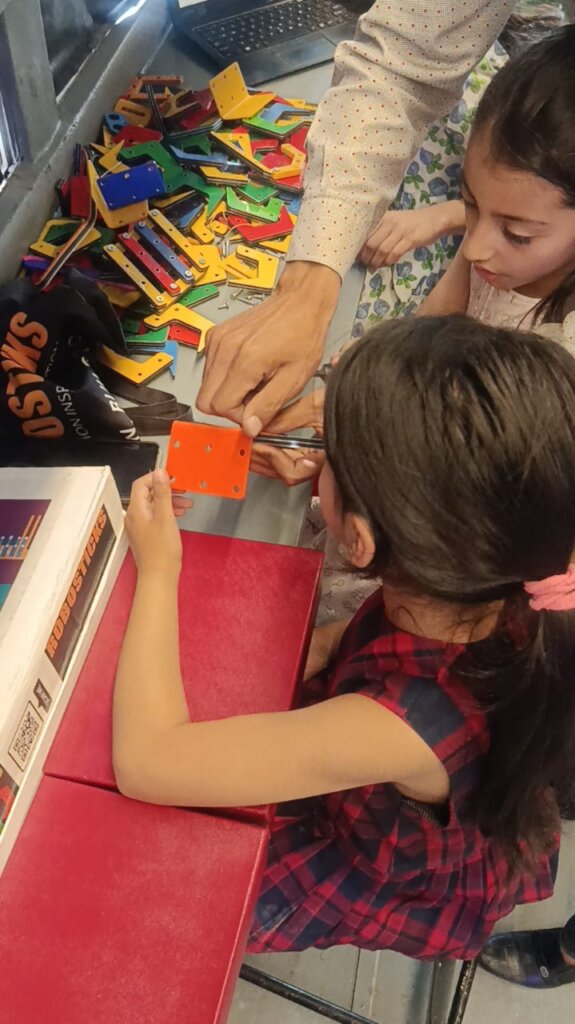
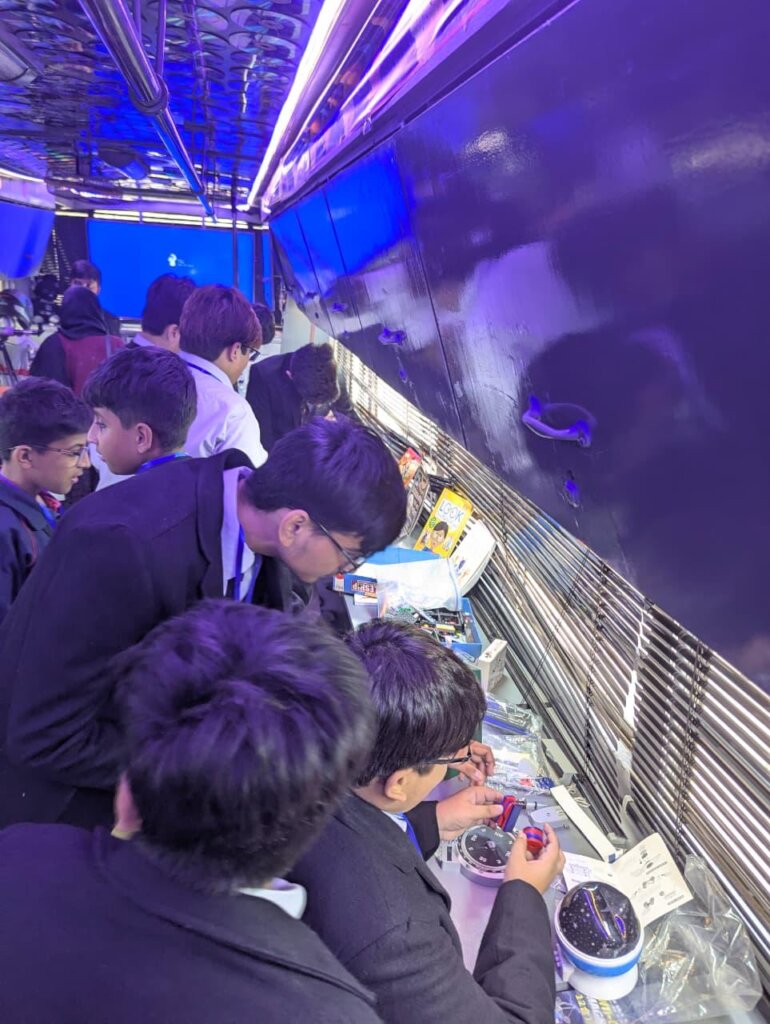
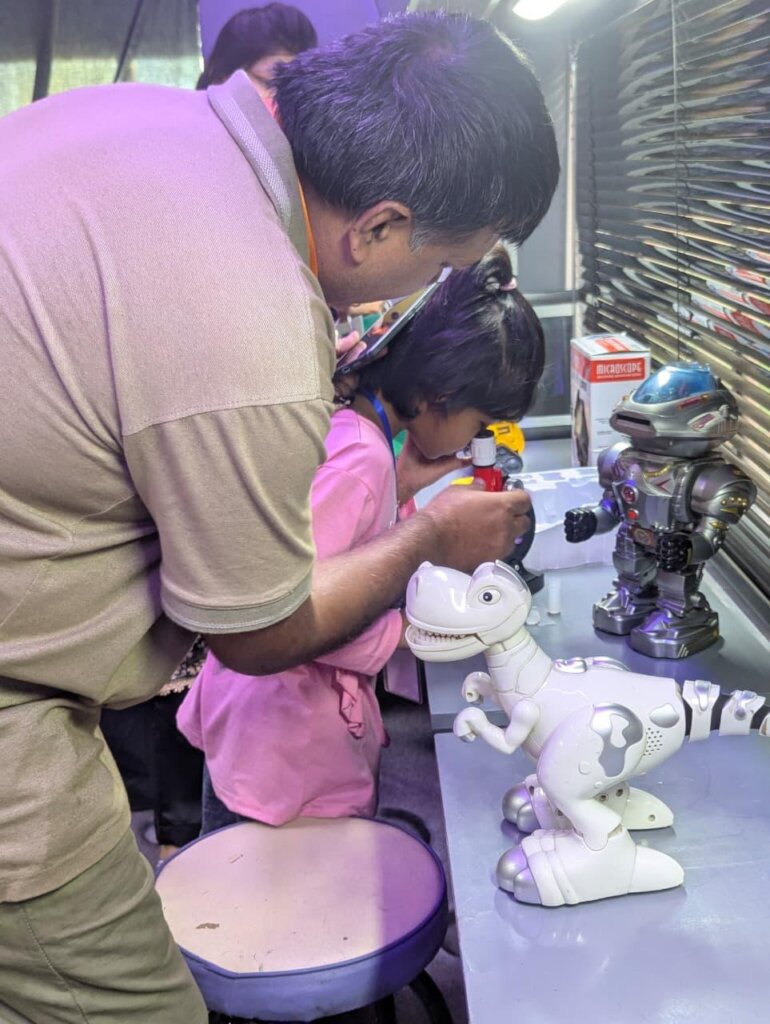
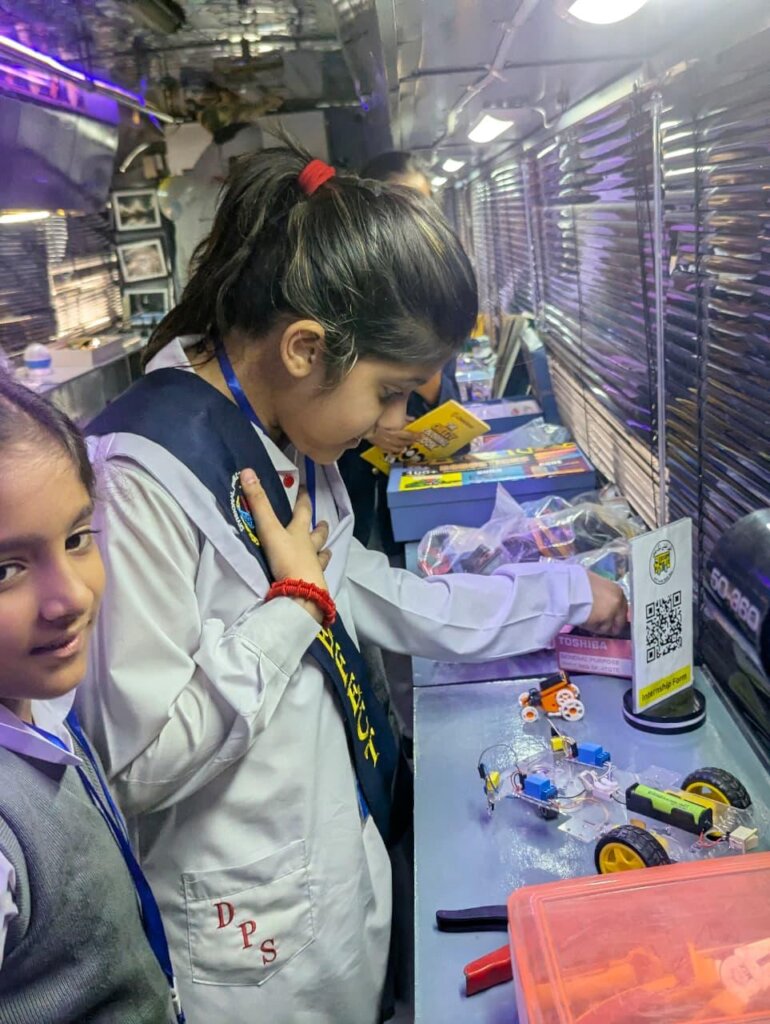
Session Format: Hands-on robotics, coding, astronomy demonstrations, engineering concepts, and digital creativity activities
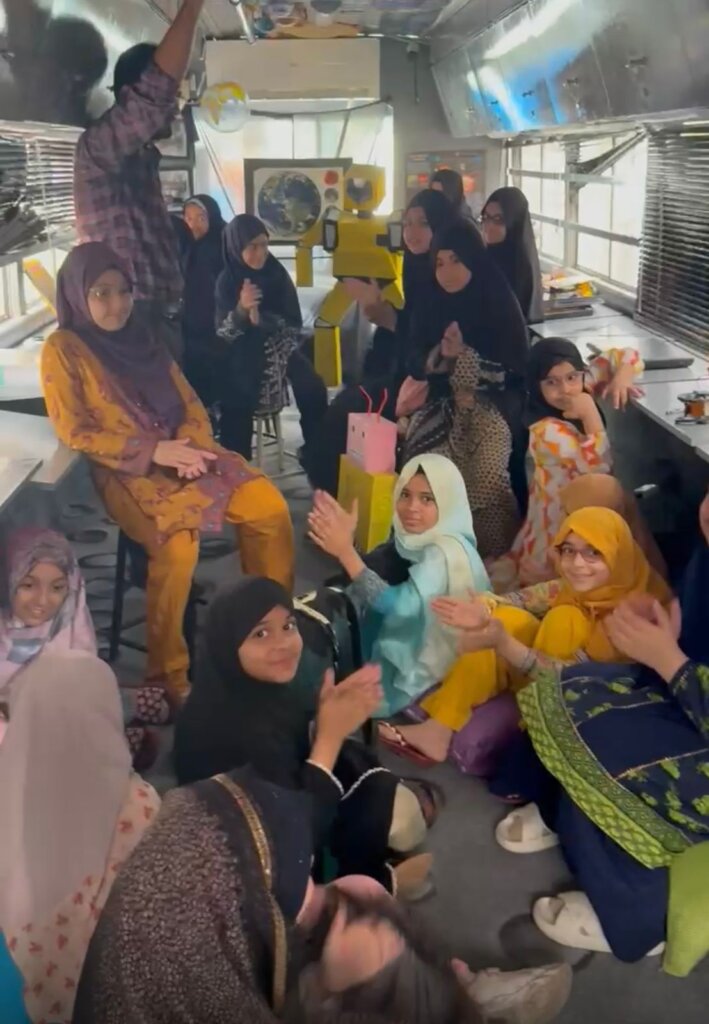
Each visit created an inclusive, engaging environment where children explored learning in new and meaningful ways.
Schools & Learning Centers Visited This Quarter
SCIL School (Field trip)
ALS (Two-day visit – November 15–16)
FRT (November 12)
The Lahore City School (November 1)
The Punjab School (Five-day program)
Al Sadiq School (July 29)
These visits provided equal opportunities for girls and boys, supporting SDG 5 by ensuring gender-inclusive access to technology education.
Highlights of Learning Activities Hands-On Exploration
Electronics & Circuits: Children learned how sensors, actuators, motors, and batteries work.
System Controllers: Introduction to how systems are controlled and coordinated using microcontrollers like Arduino.
Automation Concepts: Children explored automation and real-world applications through simple control systems.
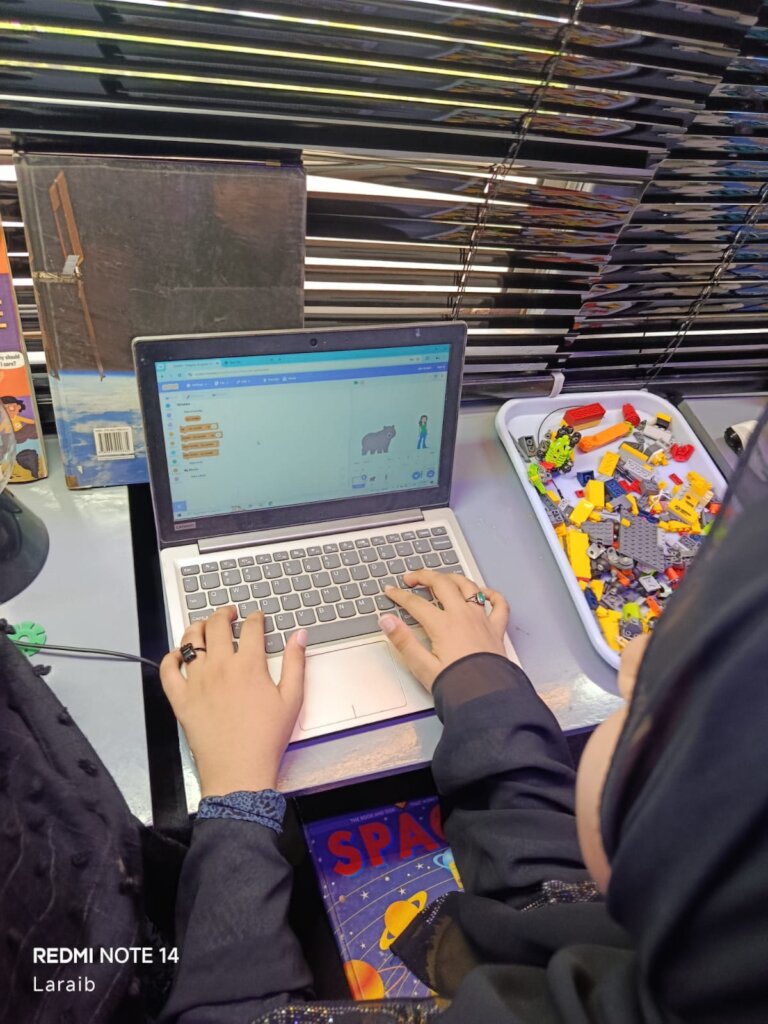
Coding in C++: Basic Arduino programming helped children bring their projects to life.
Robotics Tasks: Small engineering challenges improved critical thinking and teamwork.
Science & Creativity
Astronomy: Using a telescope to observe stars sparked wonder and curiosity.
Digital Design: Canva sessions taught poster making, slide design, and visual communication.
IT Tools: Learning Google Docs and Scratch introduced documentation skills and creative coding.
These activities support SDG 8 by introducing future-relevant skills and SDG 10 by reducing disparities in access to technology.
Children’s Reflections
Their reactions show how deeply they connected with the experience:
“It feels like a space adventure!” – Age 10
“I learned so many new things today!” – Age 12
“I want to live here forever!” – Age 9
Children who had never seen a robot or touched a circuit became confident explorers within a single session—supporting SDG 4 by delivering high-quality, inclusive learning.
Educators’ & Parents’ Feedback Teachers observed:
Increased confidence
Stronger problem-solving skills
Higher engagement with science
Improved teamwork and communication
Parents shared:
Appreciation for bringing technology directly to their children
Visible increase in curiosity
Greater enthusiasm for learning
Pride in children’s new skills and creativity
Their feedback reinforces the program’s alignment with SDG 10 by offering meaningful access to learning opportunities.
Quarterly Impact Summary
Children strengthened foundational STEM understanding through hands-on work.
Robotics and coding boosted logical reasoning and creativity.
Astronomy and digital tools expanded their imagination and world-view.
Girls participated confidently, fulfilling SDG 5 goals of equal access.
Educators and parents observed positive behavioral and academic changes.
Challenges & Adaptation Challenge:
Preparing and packing the equipment for each visit is time-consuming due to multiple learning stations, delicate components, and safety considerations.
Solution:
The team developed a streamlined setup and pack-up system, ensuring that sessions begin promptly and children receive maximum time for exploration.
Conclusion – A Moving Classroom Opening Doors to the Future
Throughout this quarter, Innovation on Wheels has empowered hundreds of children with learning opportunities they would not have otherwise received, bringing quality education (SDG 4), gender-inclusive participation (SDG 5), future-ready skills (SDG 8), and equal opportunities (SDG 10) into the heart of underserved communities.
The excitement, curiosity, and confidence shown by children demonstrate that mobile science and digital learning can transform educational journeys one stop, one session, and one child at a time.
With continued support, we look forward to reaching many more communities and expanding this journey of creativity, innovation, and possibility.
Project reports on GlobalGiving are posted directly to globalgiving.org by Project Leaders as they are completed, generally every 3-4 months. To protect the integrity of these documents, GlobalGiving does not alter them; therefore you may find some language or formatting issues.
If you donate to this project or have donated to this project, you can receive an email when this project posts a report. You can also subscribe for reports without donating.



Support this important cause by creating a personalized fundraising page.
Start a Fundraiser