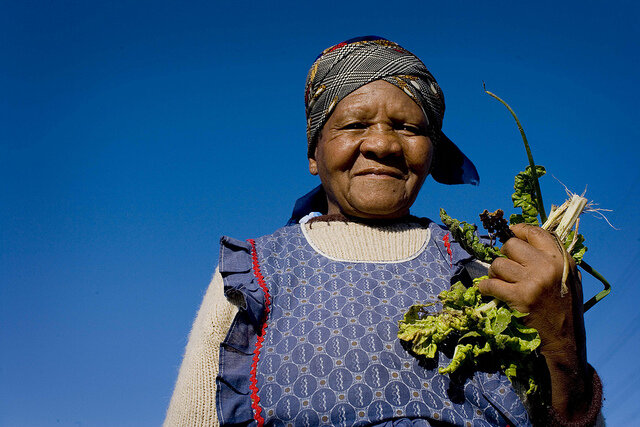
Older people in the DRC represent a vulnerable and often marginalized population, living in precarious conditions and with limited access to health care, basic resources, and social support. Many of them suffer from chronic diseases, malnutrition, and a lack of appropriate care. In the cities of Bukavu and Goma, the situation is exacerbated by insecurity and a lack of community awareness of the rights of older people.
In the DRC, older people are generally a vulnerable group, and little has been done to date to address their specific needs or to recognize their unique capacities and contributions. Humanitarian interventions often fail to take into account the specific needs of older people and use discriminatory systems against them, sometimes undermining their ability to earn a living on their own.
A solution to support older people in the DRC involves creating inclusive humanitarian programs that address their specific needs and recognize their contributions. This could include targeted healthcare services, social support networks, and skills-based training for income-generating activities. Anti-discrimination policies should be integrated to prevent age-based biases, empowering older adults to maintain their independence and enhance their role within communities.
Long-term impacts include greater economic independence for 200 older adults, reduced poverty rates, and improved health outcomes due to targeted support and healthcare. Recognizing older adults' skills fosters intergenerational learning and stronger social cohesion, enhancing community resilience. Anti-discrimination policies ensure sustained dignity and inclusion, helping shift societal perceptions about aging.



Support this important cause by creating a personalized fundraising page.
Start a Fundraiser