By Sarah Nielsen | Impact Manager
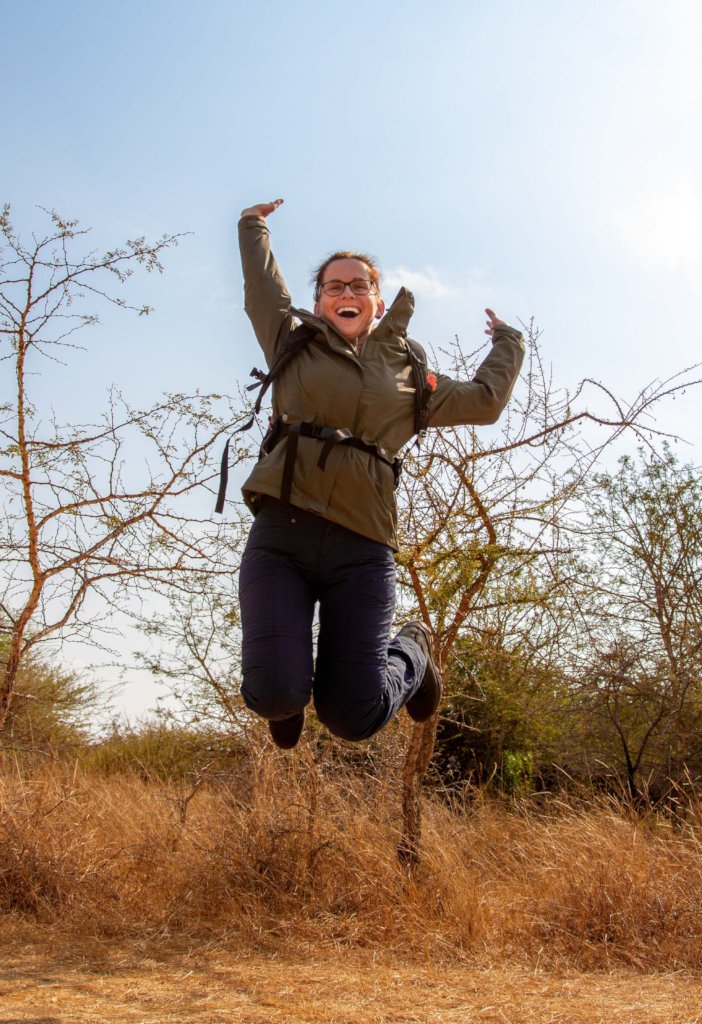
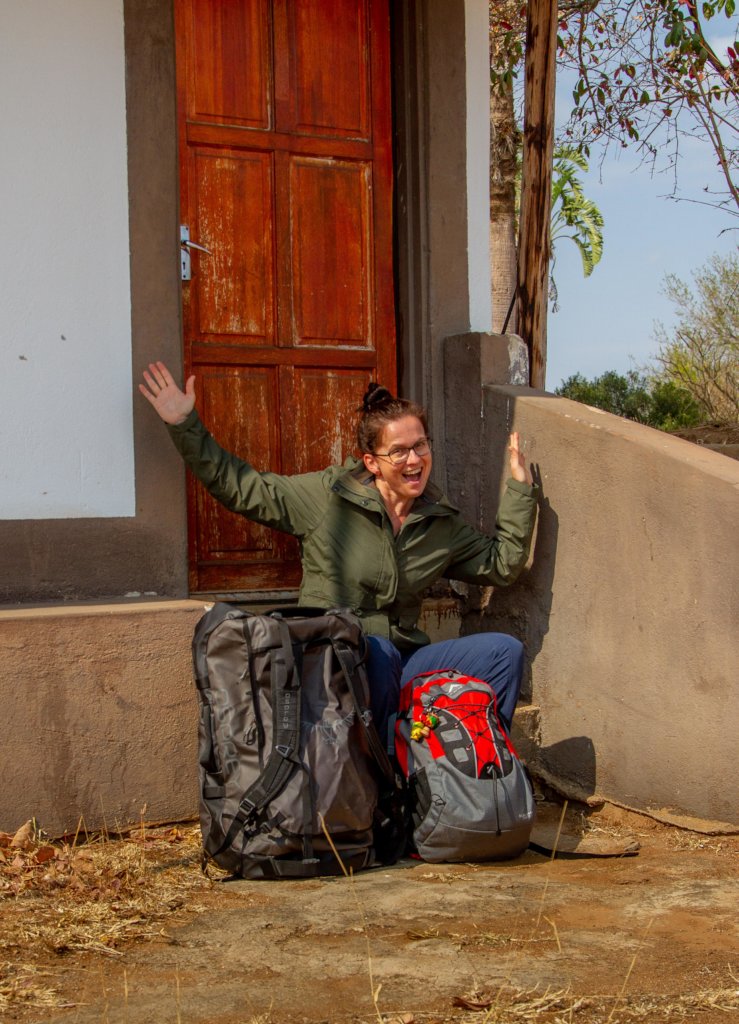
Every year I try to push myself a bit further out of my comfort zone. In the past I jumped out of planes or off bridges, moved countries and even made the bush my new home. But nothing compares with the experience I had 4 weeks ago.
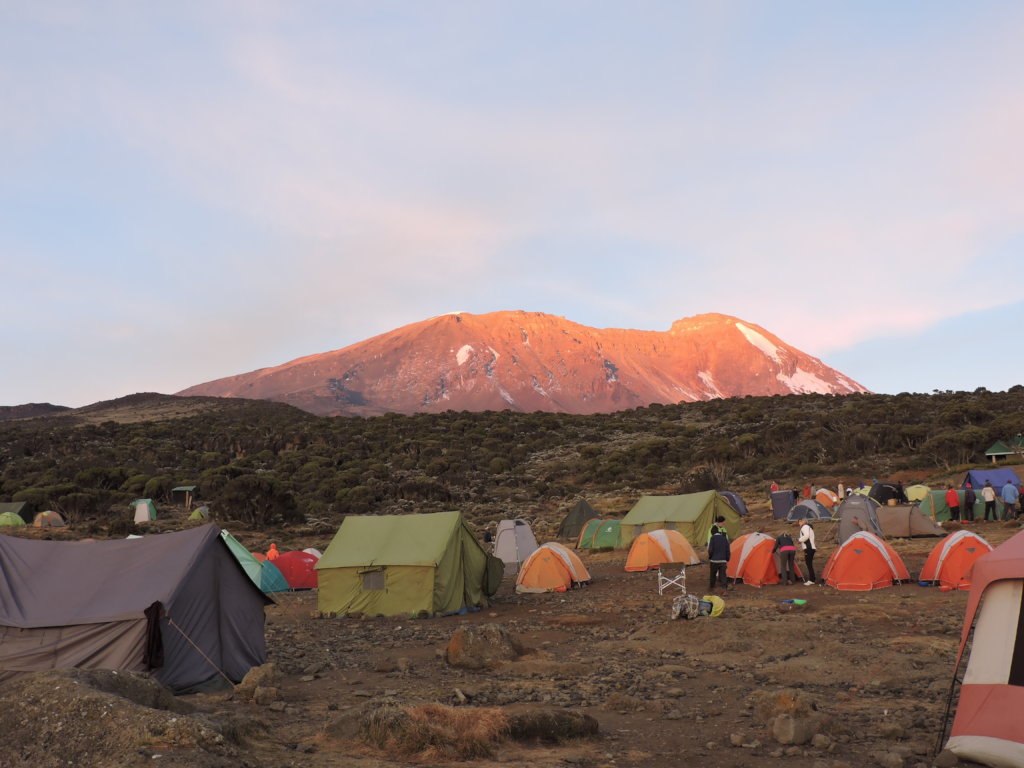
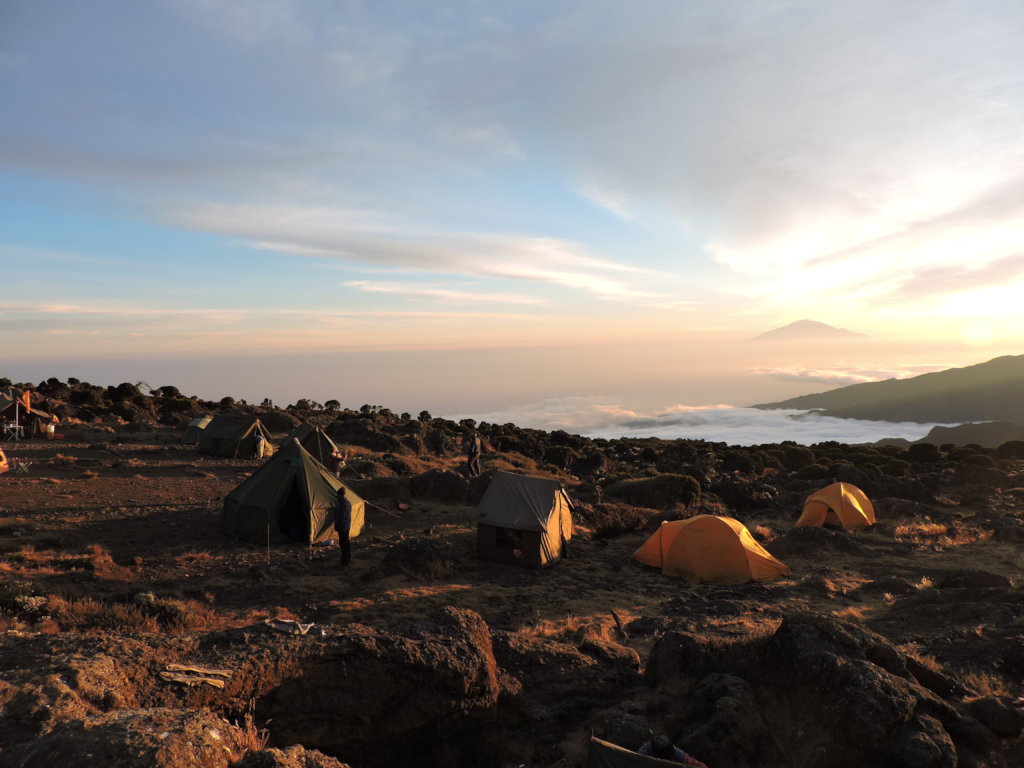
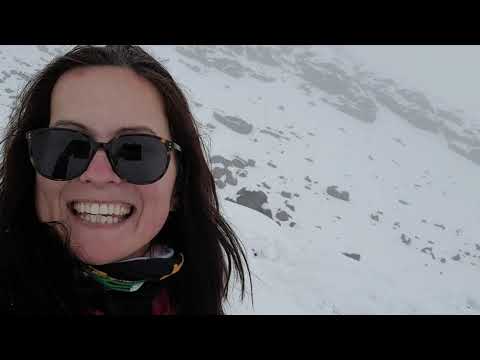
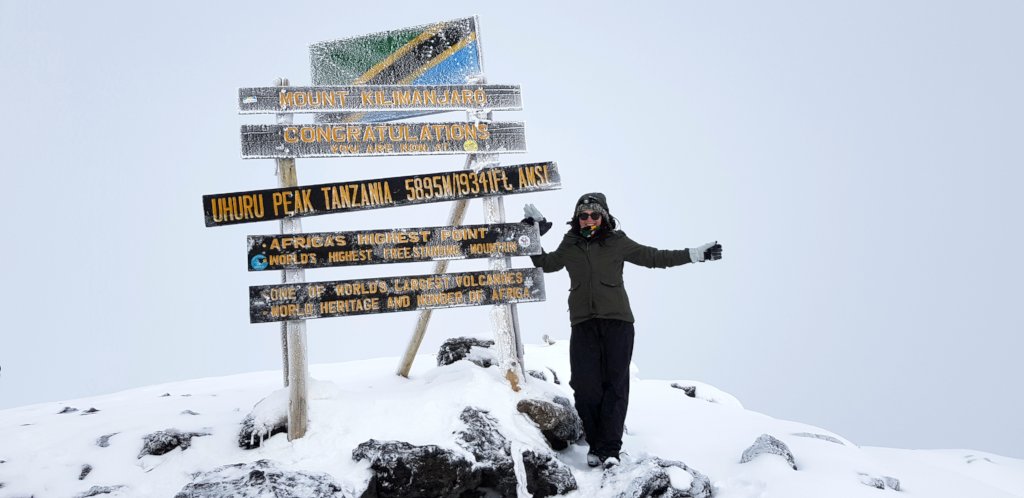
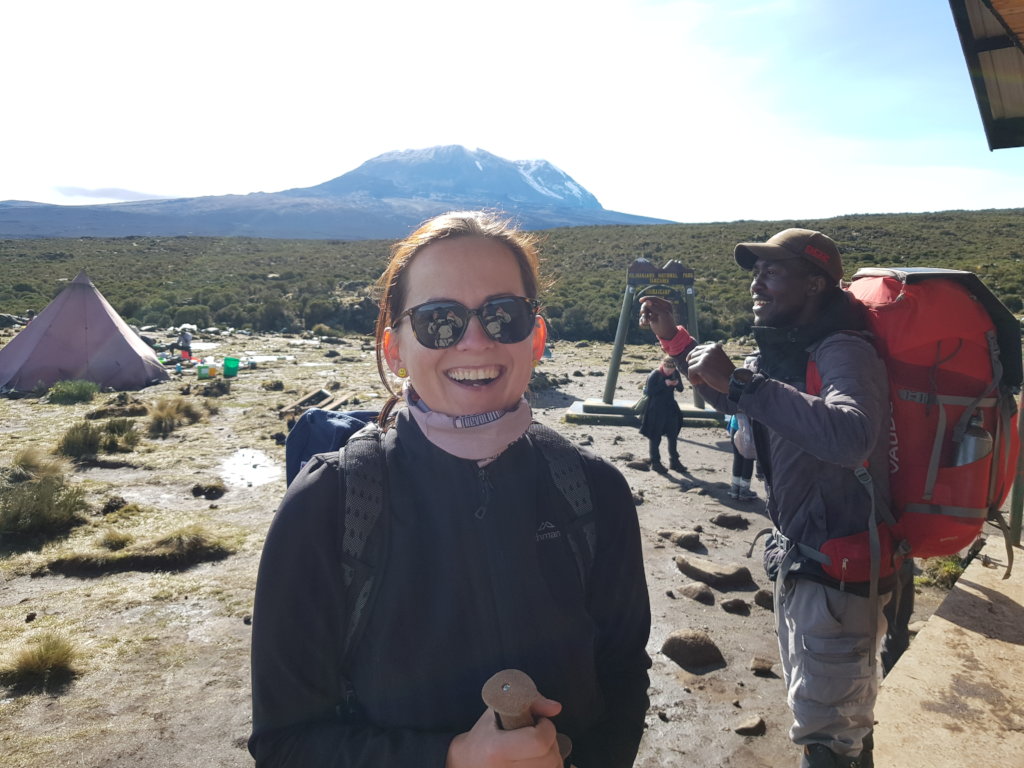
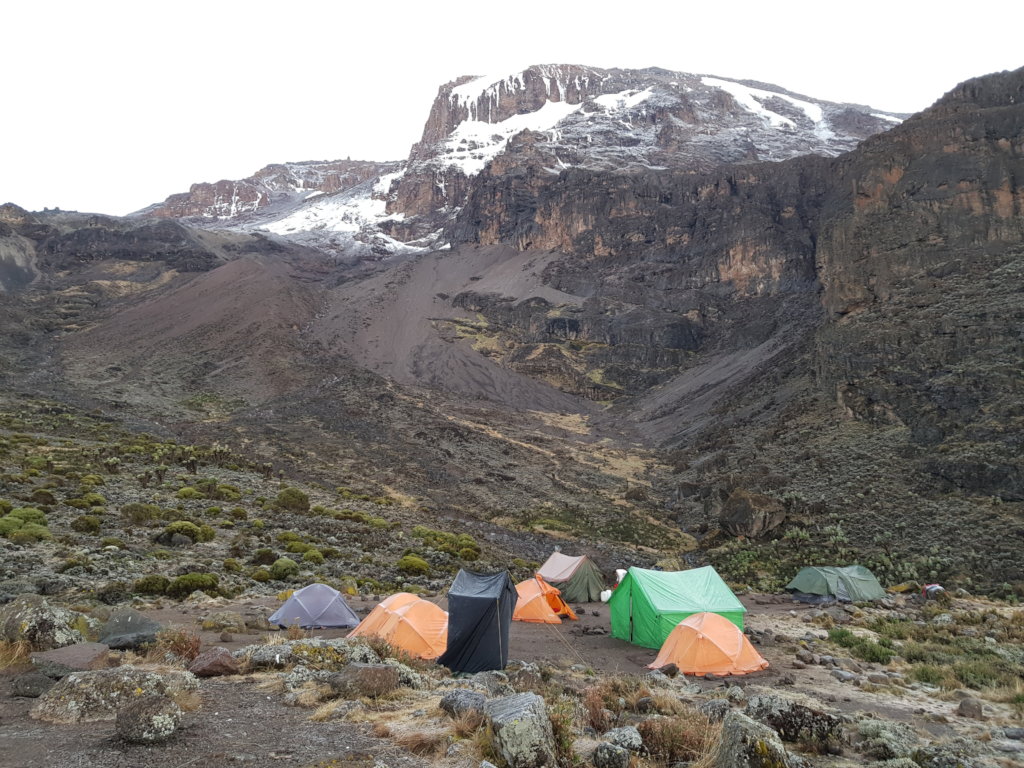
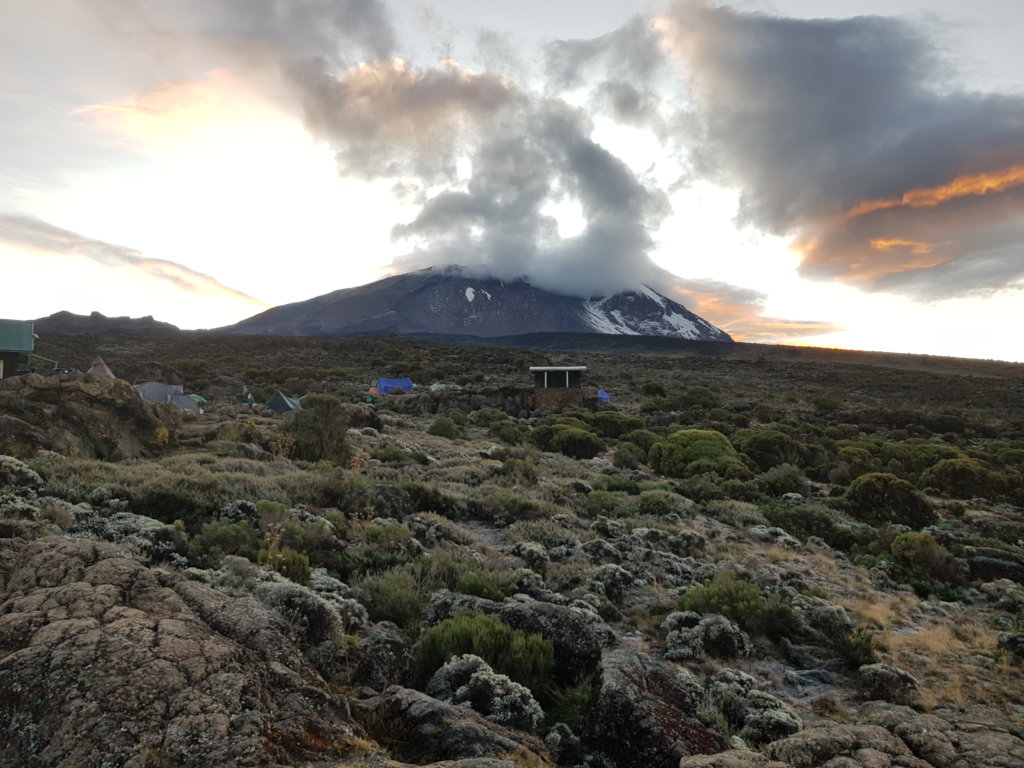
On the 12 October I embarked on my journey up the highest mountain in Africa, Mount Kilimanjaro, 5,895 meters above sea level. I didn’t just do it for myself but to raise vital funds to protect the majestic animals surrounding our home. It took me 8 days to hike to the summit conquering changing altitudes, icy temperatures and severe mountain sickness. ‘Severe’ doesn’t even cut it. The summit hike was a challenge beyond anything I ever did. At about 5000m above sea level I got severe mountain sickness. It was horrendous. Never, in my 37 young years, have I ever felt so helpless physically. Nausea, no food or water the entire steep hike up and down. I’m a huge believer in mind over matter but my entire catalogue of positive mindset exercise was almost useless against my run down, exhausted and empty body. At the end I couldn’t even carry my own poles anymore, even lifting my head was too much. All I could do to not collapse was to focus all my energy and mental strength solely on my legs. “Left, right, left. Right… One step at a time”. On that last day, it took me 7.5 hours to reach the summit and 3 hours to get back to base camp (with a little help of the snow and bum sliding). But base camp wasn’t the final destination for that day. We had another 4 hours hike to our much lower campsite.
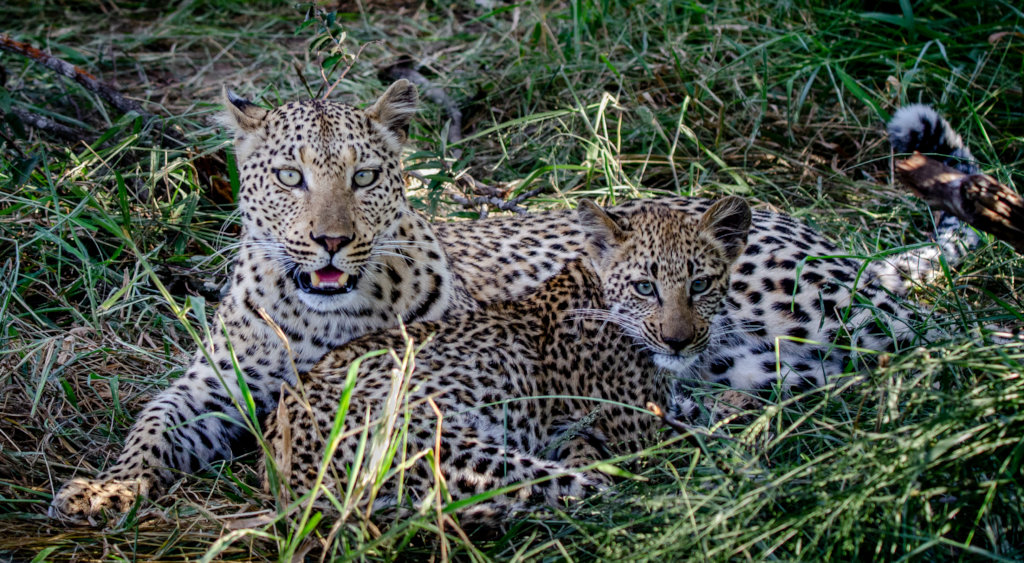
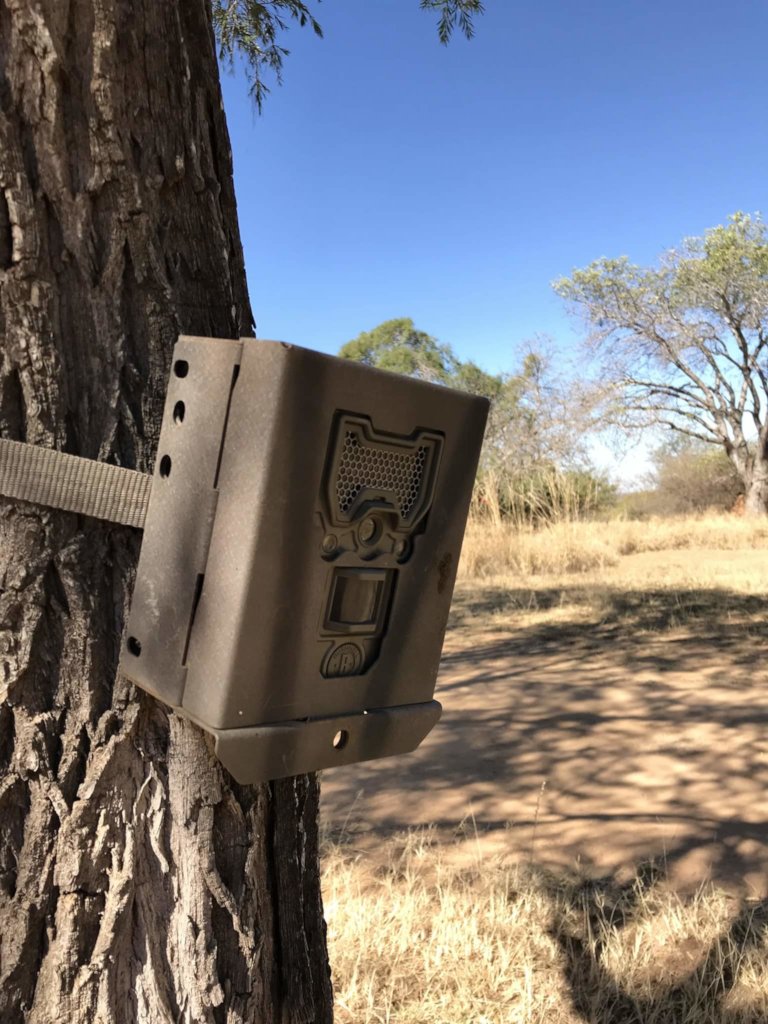
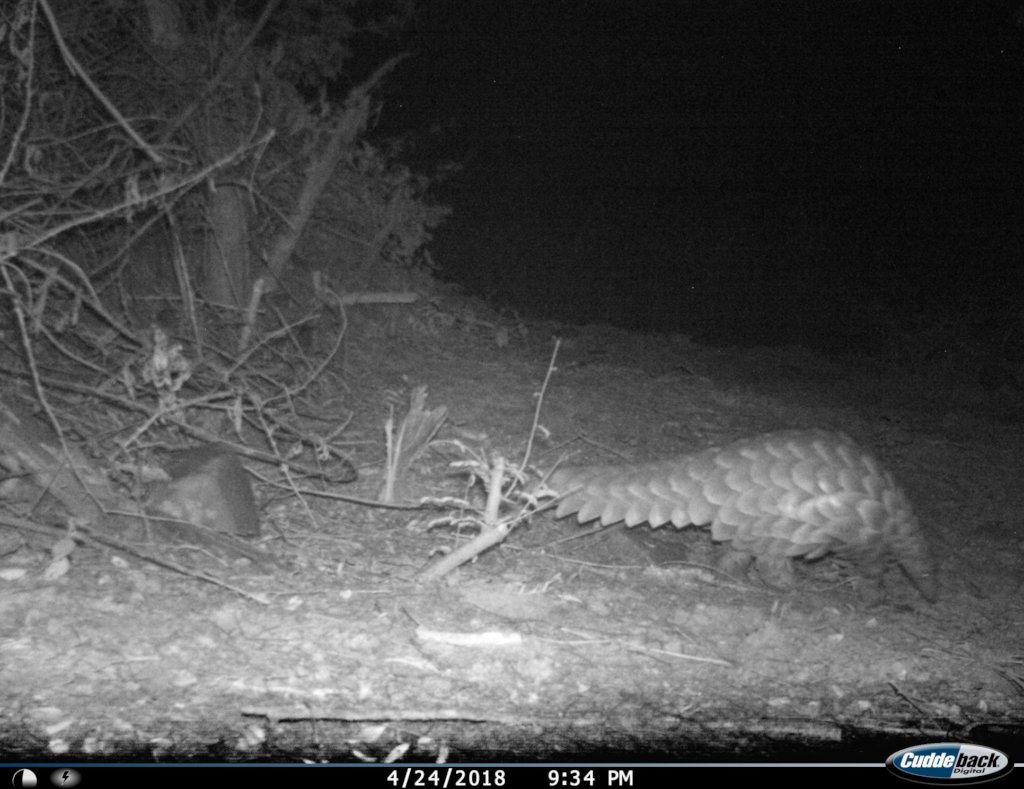
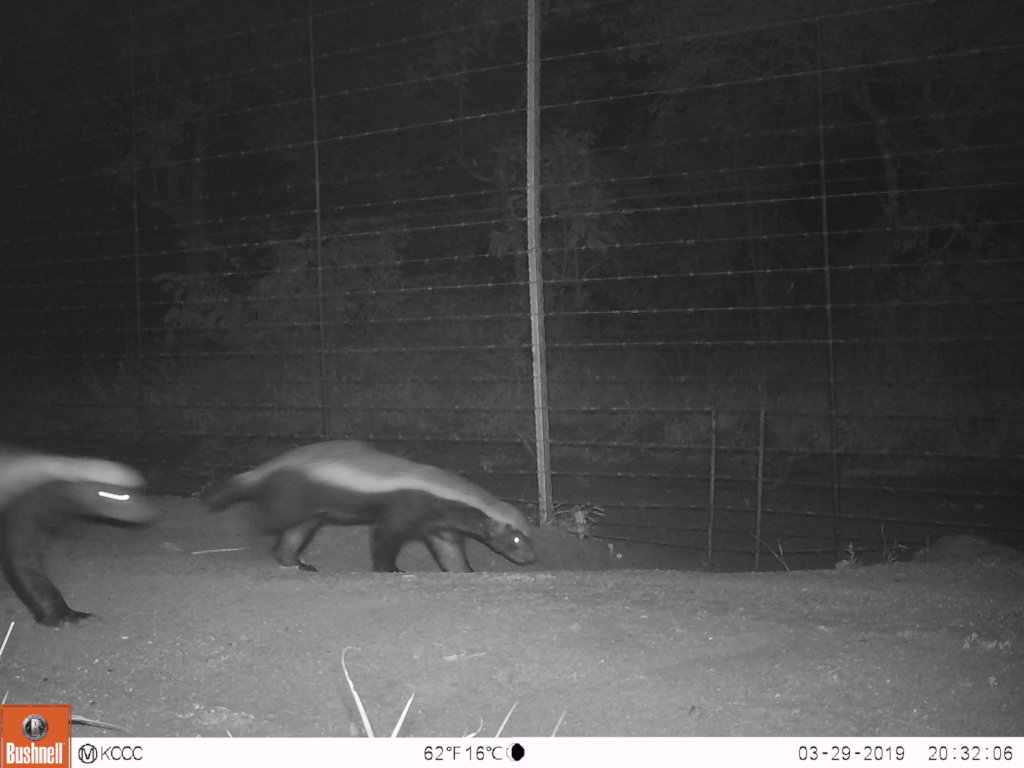
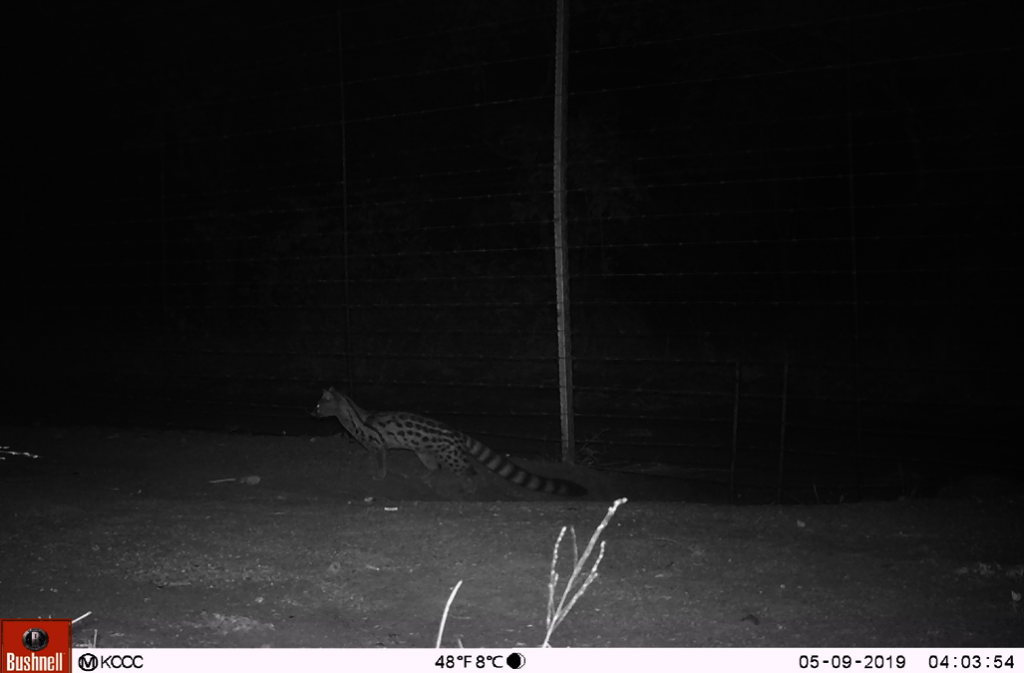
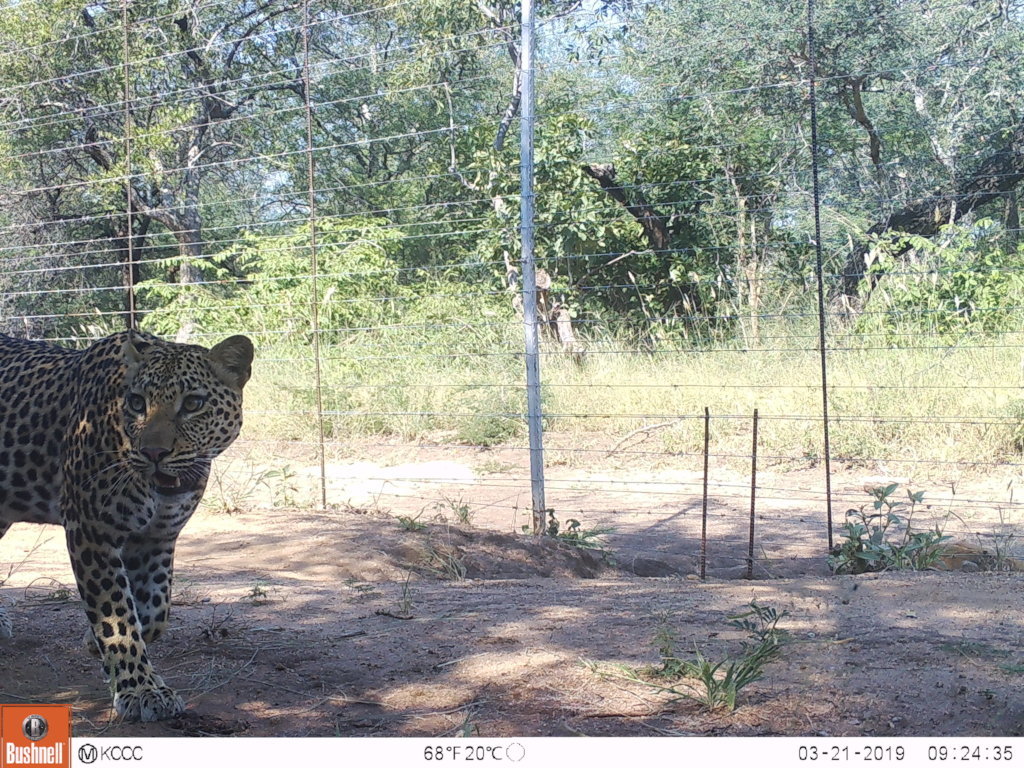
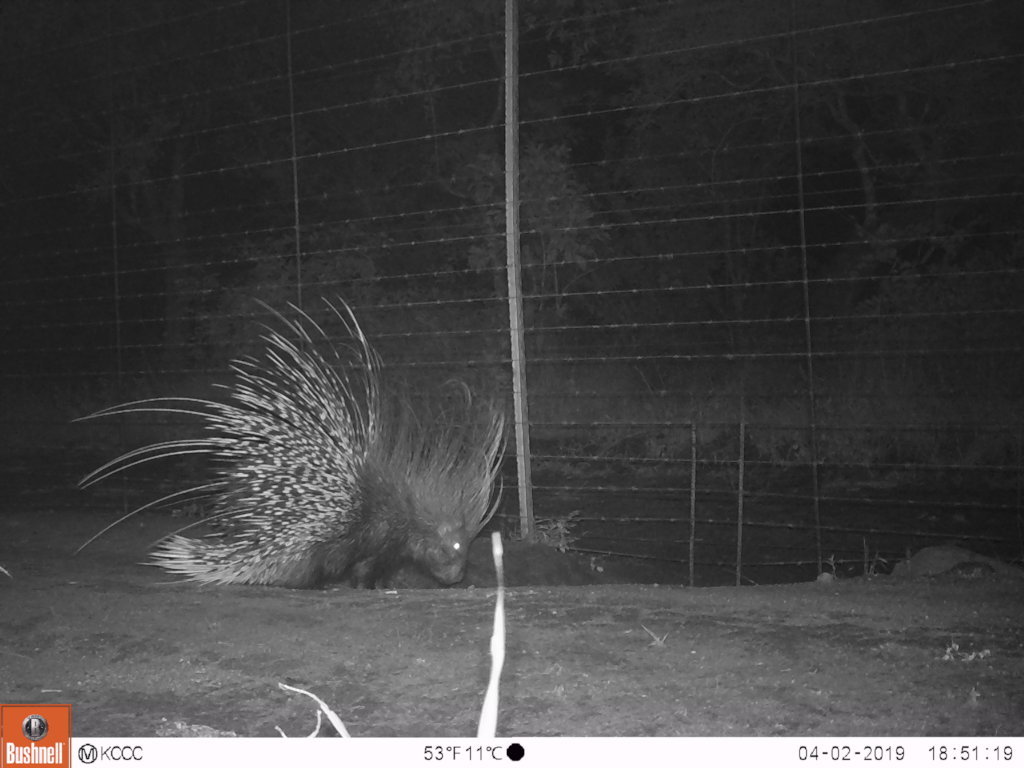
Still, weeks after the hike, I look at the photos and videos daily, in awe of the beauty and breath-taking natural landscape. I would do it all over again, including the rain, ice, snow and exhaustion. I made memories of a lifetime and I did it for all of us that believe in a better world and the future of those amazing species such as leopards, pangolins, civets, wild cats and honey badgers. As you know, their populations are thought to be decreasing, yet no one actually knows for certain how many exist in the wild. Leopards alone are considered Vulnerable on the IUCN Red List. Without knowledge of their ecology, habitat preferences and population sizes, it is possible that these animals will begin to slip away without us even realizing. In order to more effectively conserve those amazing species in their natural habitats we heavily rely on camera traps to study, learn and understand more about their secretive lifestyles!
- Nici
Project reports on GlobalGiving are posted directly to globalgiving.org by Project Leaders as they are completed, generally every 3-4 months. To protect the integrity of these documents, GlobalGiving does not alter them; therefore you may find some language or formatting issues.
If you donate to this project or have donated to this project, you can receive an email when this project posts a report. You can also subscribe for reports without donating.