Project Report
| Feb 1, 2026
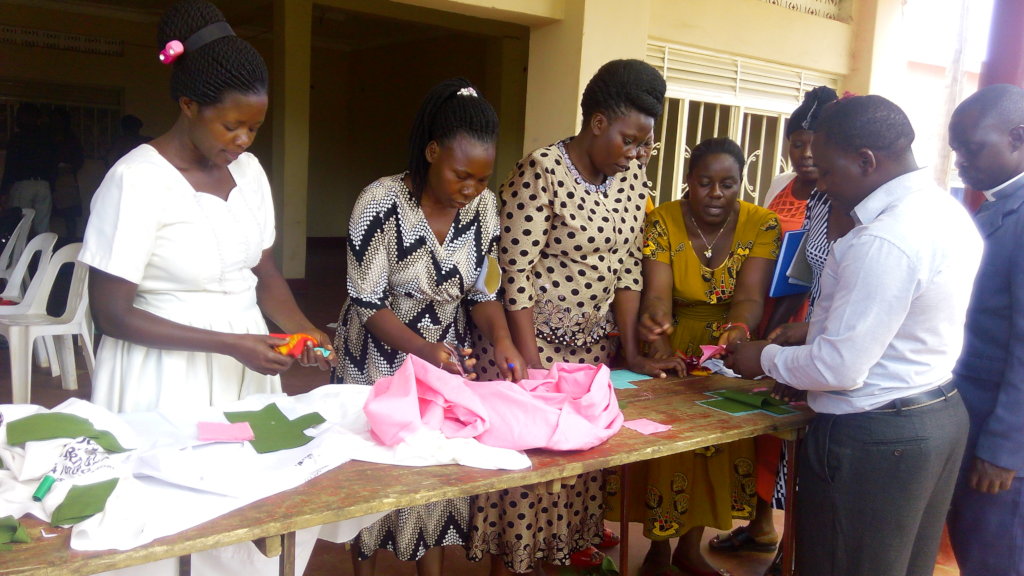
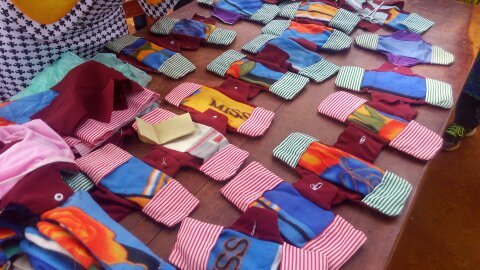
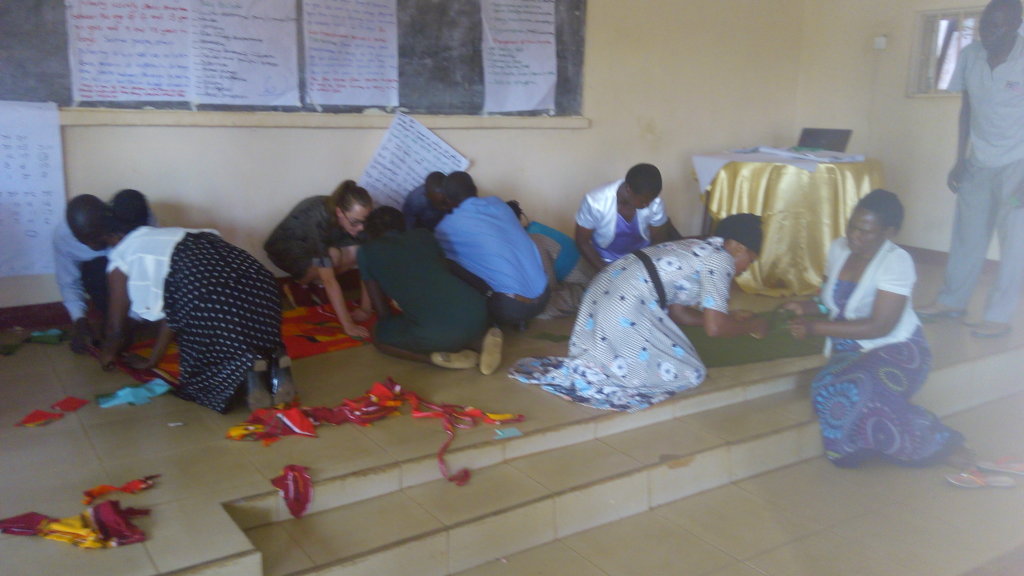
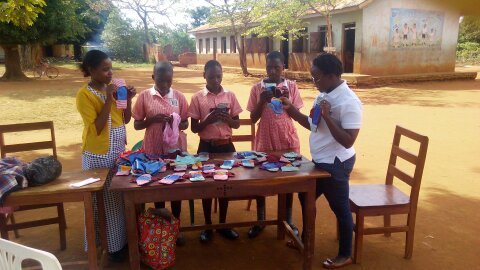
SUPPORTING BOYS, MEN AND WOMEN IN MENSTRUAL HEALTH
![]()
Summary:
The African Child and Youth Development Initiative (ACYDI) in partnership with OVCEG (Uganda), CSOs, and other stakeholders in the HIV affected communities have implemented the Community Led Monitoring (CLM) aimed to enhance health service delivery and HIV prevention efforts in 52 isolated islands of Buvuma district. The project has brought together different multi-stakeholders through a participatory approach such as community members men, boys, and AGYW contributed to strengthening quality, access, and accountability in health service delivery (non disease specific) and not limited to Menstrual Hygiene Management (MHM).
Key Achievements:
- Data collection conducted in all the 5 facilities mapped in Buvuma district.
- Both CLM Monitors actively and adequately participated in the activity.
- 15 health worker interviews were interviewed across the 5 facilities mapped.
- A total of 30 beneficiaries’ interviews were interviewed across the 5 facilities, of which 11 were men and 19 women.
- A significant number of patients were aware of HIV, TB, Malaria and Expanded program of immunization (EPI) services at health facilities.
- Significant findings were revealed from the analysis
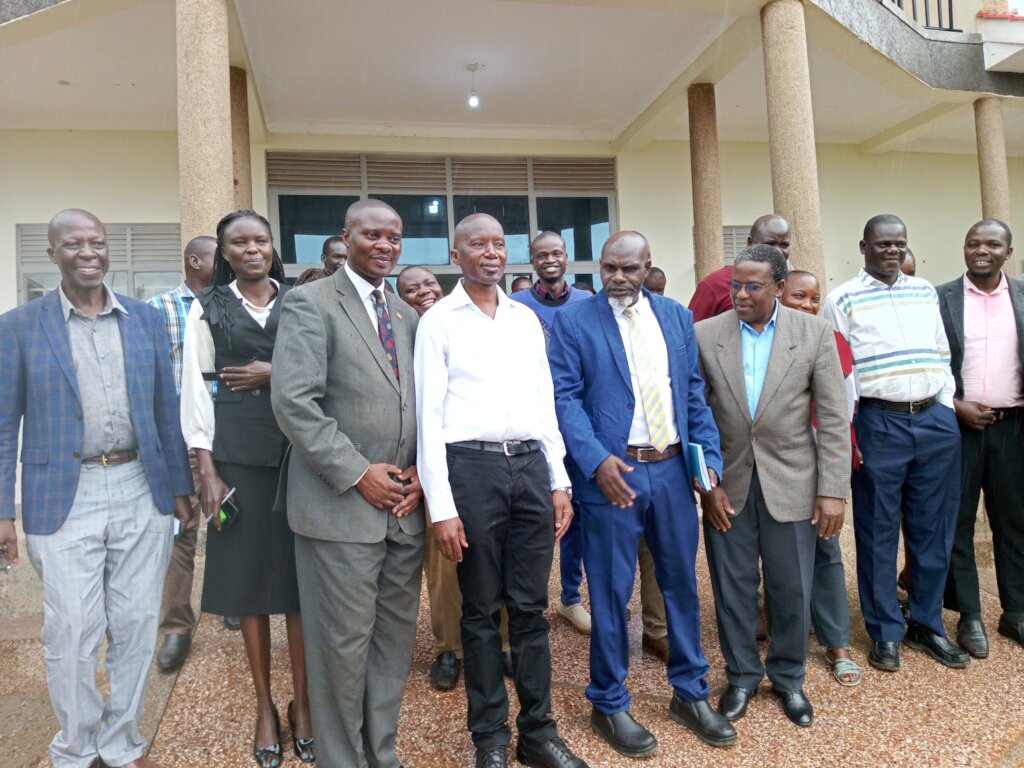
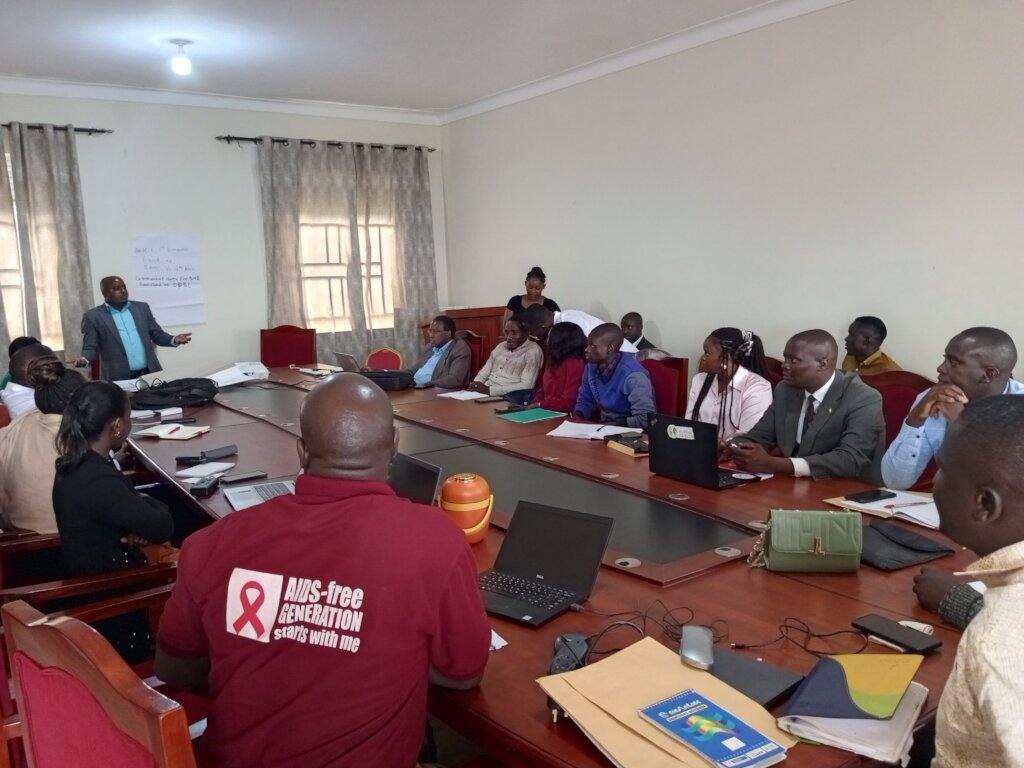
- The meeting provided solutions to the problems identified during the data collection by the CLM Monitors.
- The stakeholders and other CSOs pledged support in improving HIV prevention services in Buvuma district, including increasing access, reducing stigma, and enhancing health education.
- The meeting with CSOs engaged the duty bearers and stakeholders in evidence-based monitoring, advocacy and long-term impact and Menstrual Hygiene Management (MHM)
- The advocates and CSO networks pledged to continue monitoring the health service deliveries and follow up the progress and provide feedback to ensure that challenges are addressed, and services are improved.
- The CSO networks pledged support in improving HIV prevention services, including increasing access, reducing stigma, and enhancing health education.
Challenges encountered:
- CSO networks noted that some health services such as menstrual hygiene and HIV prevention services, PrEP (Pre-Exposure Prophylaxis), may not be consistently available or accessible to all community members.
- Insufficient IEC materials e.g. brochures, banners etc
- Cultural and linguistic barriers where health facilities noted that health education materials may not be culturally or linguistically appropriate for all community members, which have created barriers to understanding and accessing HIV prevention services and health interventions such as MHM.
- Lack of life jackets for the ACYDI staff while travelling via water using boat water transport to conduct activities in the island facilities like Nkata Centre III and Lubya Health centre III.
- Lack of Youth-Friendly Services and inadequate services for young people, Men, AGYW where CSO networks expressed concerns.
Lessons Learnt:
The MHM project used a multi stakeholder approach where several Civil Society Organisations (CSOs), CBOs and communities participated such as health facilities, boys, men, women, AGYW, CSOs networks, people living with disabilities, female sex workers, women, boys, CLM Monitors at the community, and steering communities from the affected communities.
Recommendations:
- To increase funding support to health services such as menstrual hygiene and HIV prevention services, health and nutrition and, PrEP (Pre-Exposure Prophylaxis).
- Provision of sufficient IEC materials e.g. brochures, banners etc
- Translation of all training materials and content into local languages such as Luganda so that culturally or linguistically appropriate for all community members in understanding and accessing HIV prevention services and health interventions such as MHM.
- Provision of life jackets for the ACYDI staff while travelling via water using boat water transport to conduct activities in the island facilities (Lake Victoria)
- Establish Youth-Friendly Services for young people, Men, female sex workers (FSW), AGYW and develop targeted MHM health education programs for these specific populations.
- Establishment of monitoring and evaluation framework to track progress and assessing the effectiveness of the recommendations.
- Increase community outreaches to promote MHM and HIV prevention services and encourage uptake.
![]()
![Share on Twitter]()
![Share on Facebook]()