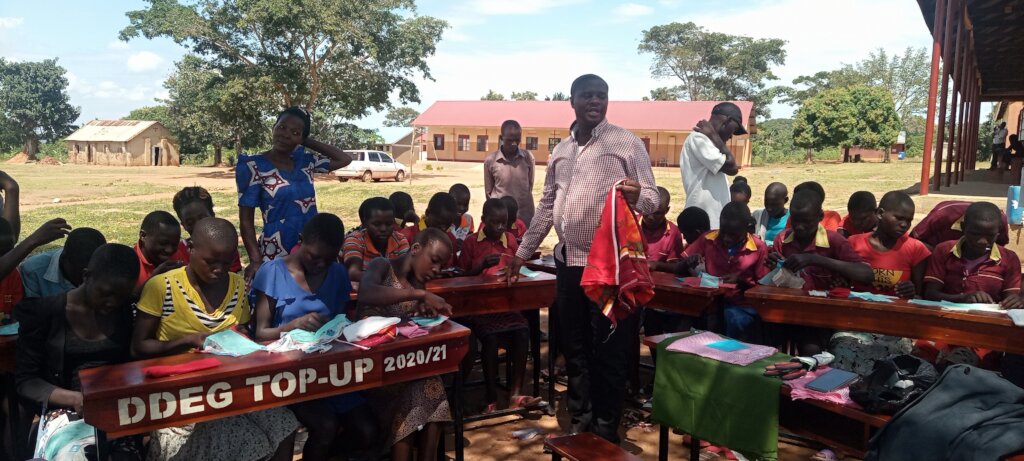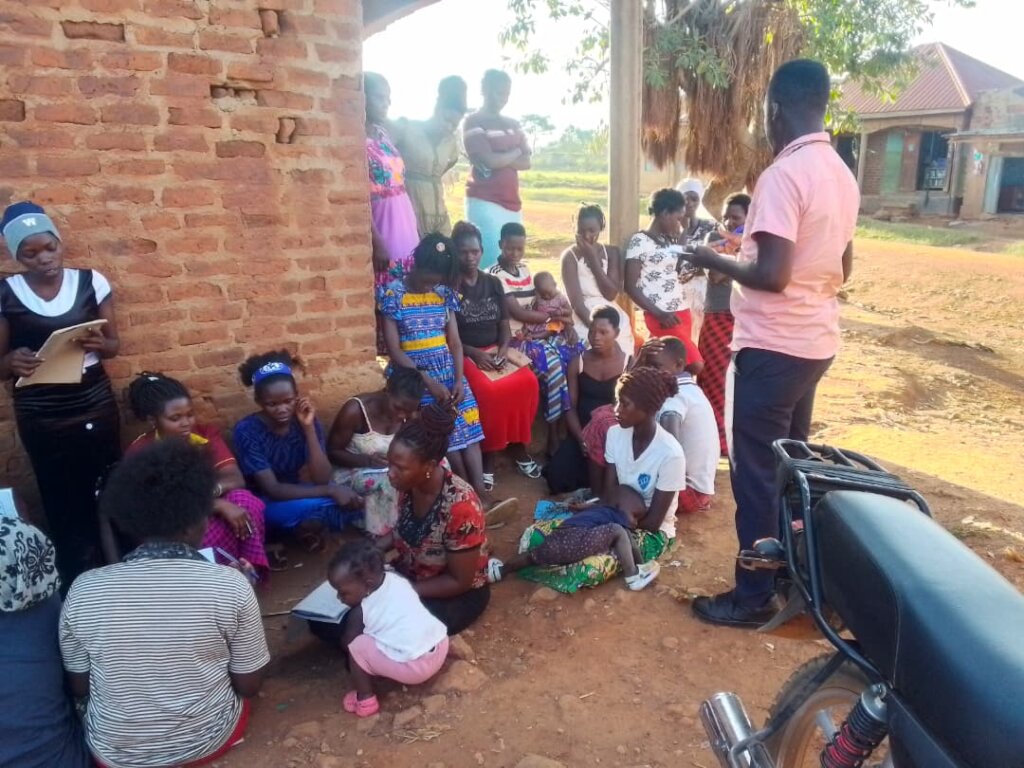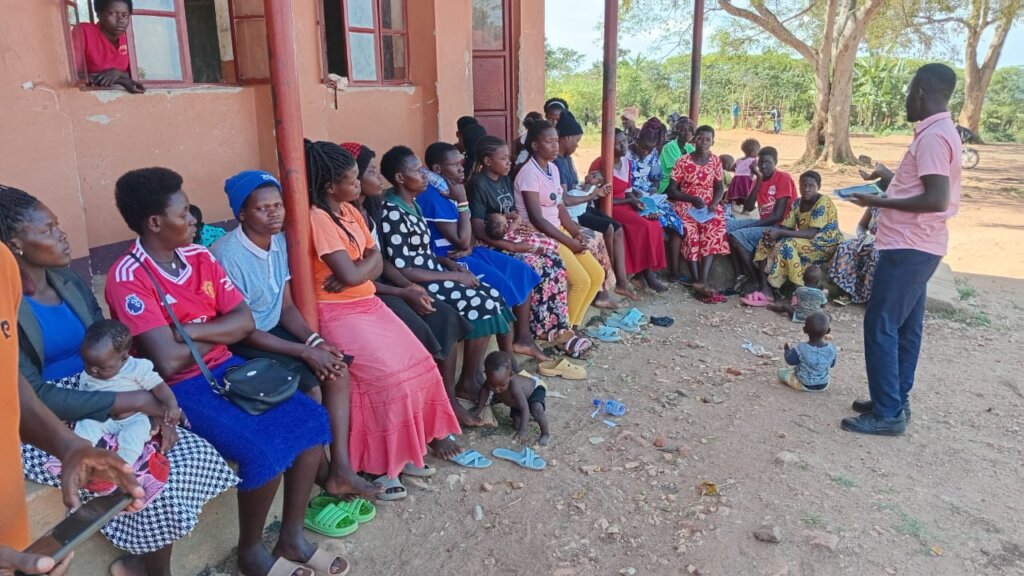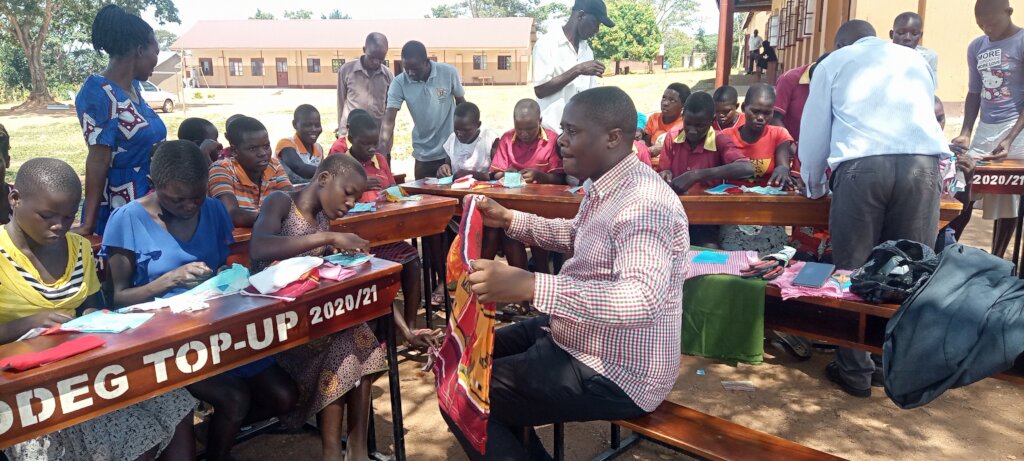
Train 150 AGYW (10-24 Years) on Menstrual Hygiene

by African Child and Youth Development Initiatives (ACYDI)
Train 150 AGYW (10-24 Years) on Menstrual Hygiene

Project Report | Dec 13, 2025
EMPOWERING AGYW IN MENSTRUAL HEALTH AND HIV

By Dr Kikonyogo Robert (PhD) | Executive Director

Summary:

The island communities often face unique challenges in accessing healthcare services due to geographical isolation, limited resources, and inadequate infrastructure. Community-led monitoring can provide valuable insights into the experiences of healthcare users and help identify areas for improvement. Given that the population in Buvuma is a fishing community, available data (UBOS 2014) indicates that HIV prevalence in Buvuma islands is as high as 11.5% and is above the national prevalence of 5.5%. According to the Uganda Population HIV Impact Assessment (UPHIA 2020), Uganda’s current national HIV Prevalence is 5.5% among adults aged 15 to 49 years. The prevalence is higher among women at 7.1% compared to men at 3.8%. The African Child and Youth Development Initiative (ACYDI) in partnership with OVCEG and other stakeholders in the HIV affected communities have implemented the Community Led Monitoring (CLM) aimed to enhance health service delivery and HIV prevention efforts in 52 isolated islands of Buvuma. The CLM has brought together multi-stakeholders e.g. Adolescent Girls and Young Women (AGYW), men, and boys contributed to strengthening quality, access, and accountability in health service delivery especially on this key performance indicator of Menstrual Hygiene Management (MHM).

Key Achievements:

  • Data collection was conducted in all the 5 health facilities mapped in Buvuma district.
  • All stakeholders actively and adequately participated in the data collection activity.
  • 15 FGDs were interviewed across the 5 health facilities mapped.
  • 25 Health workers were interviewed across the 5 health facilities mapped.
  • 3 Focused groups were interviewed per facility mapped.
  • 5 health facilities staff were interviewed per health facility mapped.
  • Data collection was successfully done regardless of the little time allocated.
  • A total of 75 beneficiaries were interviewed across the 5 health facilities
  • A significant number of patients were aware of MHM, HIV, TB, Malaria at the health facilities.
  • The duty bearers pledged support in improving HIV prevention services, including increasing access, reducing stigma, and enhancing health education.
  • The stakeholders and duty bearers pledged support in improving HIV prevention services, including increasing access, reducing stigma, and enhancing health education.
  • The duty bearers pledged to be monitoring the health service deliveries and follow up the progress.

Challenges encountered:


  • The inadequate Health Education and awareness where participants expressed a need for more information about HIV prevention methods, including PrEP and PEP (Post-Exposure Prophylaxis).
  • Lack of CLM MHM IEC materials e.g. brochures, banners etc. for project visibility
  • Lack of life jackets for the staff while travelling using boat water transport to go and collect data in the island facilities like Nkata Health centre III. and Lubya Health centre III.
  • Lack of AGYW and Youth-Friendly Services and inadequate services for young people where community members expressed concerns that HIV prevention services may not be tailored to the needs of young people, which can create barriers to access.
  • The long distance to the facilities making it inaccessible by the community members, hence very few patients at the facility to be interviewed.
  • Most people move from island to island to seek for healthcare and because of the high transport costs, they end up not coming to the facility.


Lessons Learnt:


  • Data quality and accuracy was very key where all quantitative and qualitative data was entered into the DHIS system.
  • The multi stakeholder approach was used where several CSOs, CBOs and community had participated in activities implementation such as health facilities, boys, men, women, AGYW, CSOs networks, people living with disabilities, female sex workers, women, boys, CLM Monitors at the community, and steering communities from the affected communities.
  • The health facility feedback and insights from the staff will inform the MHM and CLM project improvements and to strengthen the service delivery.
  • There is need for capacity building of health workers.
  • Mult-stake holder approach was very key where different stakeholders participated e.g DHO’s office, Bio stat, steering committee, interviews from different stakeholders (FGDs) where active community participation from the affected persons was very crucial for successful data collection


Recommendations:

  • Develop an action plan to implement the recommendations, including timelines, responsible individuals, and resources required.
  • Develop targeted AGYW health education programs for specific populations, including young people, AGYW, Boys, men and key populations.
  • Establish a monitoring and evaluation framework to track progress and assess the effectiveness of the recommendations.
  • Establish community feedback mechanisms to ensure that community concerns and suggestions are heard and addressed.
  • Establish youth-friendly clinics or services that cater to the specific needs of young people.
  • Implement and enforce strict confidentiality protocols to protect client information.
  • Increase community outreaches and engagement to promote MHM and HIV prevention services and encourage uptake.
  • Provide life jackets to the team to ensure safety during the island visits.
  • Provide training for healthcare providers on stigma reduction, confidentiality, and non-judgmental service delivery.
  • Provision of project IEC materials e.g. brochures, banners etc. for project visibility
  • Regularly review data to identify trends, challenges, and areas for improvement.
  • Strengthen supply chain management to prevent stockouts and ensure consistent availability of HIV prevention commodities.
  • Train peer educators to provide health education and support to young people.
Share on Twitter Share on Facebook

About Project Reports

Project reports on GlobalGiving are posted directly to globalgiving.org by Project Leaders as they are completed, generally every 3-4 months. To protect the integrity of these documents, GlobalGiving does not alter them; therefore you may find some language or formatting issues.

If you donate to this project or have donated to this project, you can receive an email when this project posts a report. You can also subscribe for reports without donating.


Sign up for updates

Organization Information

African Child and Youth Development Initiatives (ACYDI)

Location: Kampala/Mukono Uganda - Uganda
Website:
Facebook: Facebook Page
X / Twitter: Profile
Project Leader:
first2415482 last2415482
United States
$206 raised of $3,885 goal
 
6 donations
$3,680 to go
Donate Now
lock
Donating through GlobalGiving is safe, secure, and easy with many payment options to choose from. View other ways to donate

African Child and Youth Development Initiatives (ACYDI) has earned this recognition on GlobalGiving:

Help raise money!

Support this important cause by creating a personalized fundraising page.

Start a Fundraiser

Learn more about GlobalGiving

Teenage Science Students
Vetting +
Due Diligence

Snorkeler
Our
Impact

Woman Holding a Gift Card
Give
Gift Cards

Young Girl with a Bicycle
GlobalGiving
Guarantee

Get incredible stories, promotions, and matching offers in your inbox

WARNING: Javascript is currently disabled or is not available in your browser. GlobalGiving makes extensive use of Javascript and will not function properly with Javascript disabled. Please enable Javascript and refresh this page.