By Sahar Gul | Project Leader
Dear Partner,
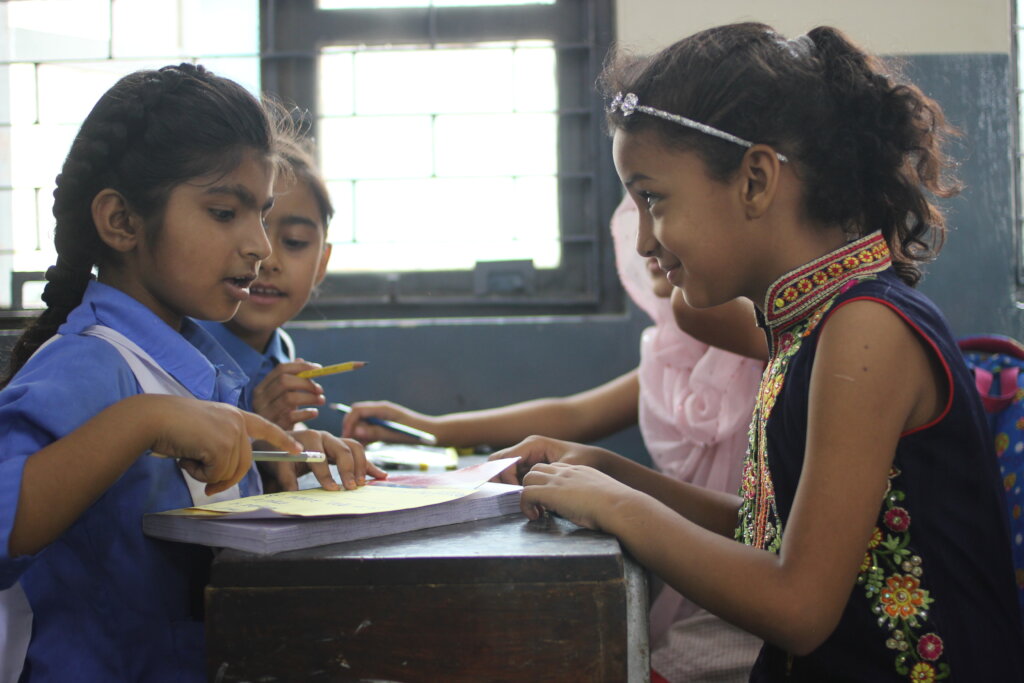
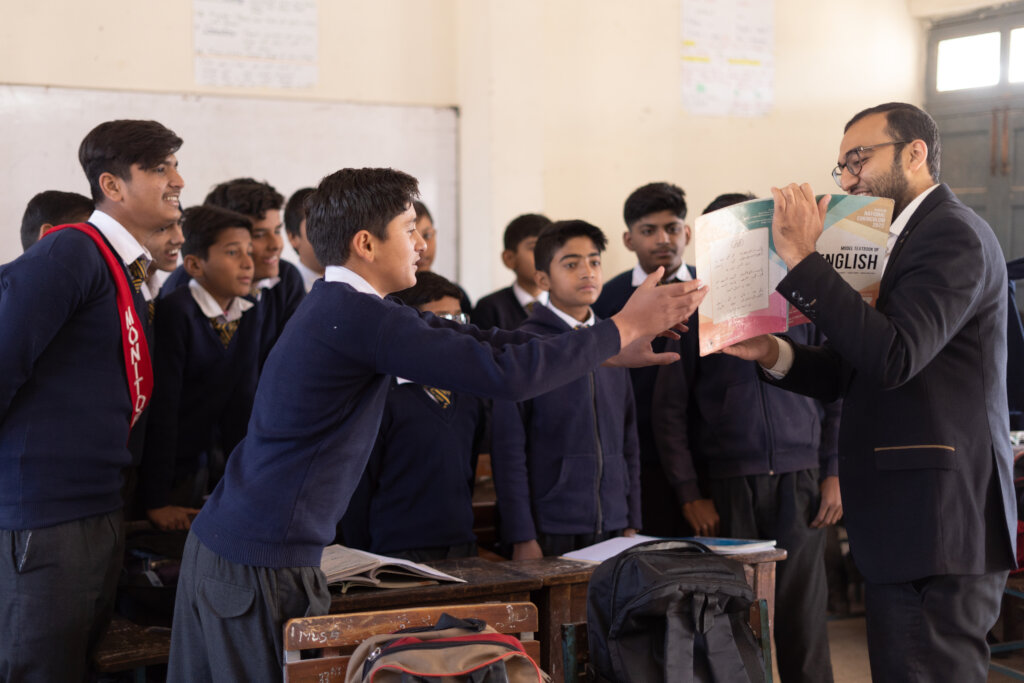
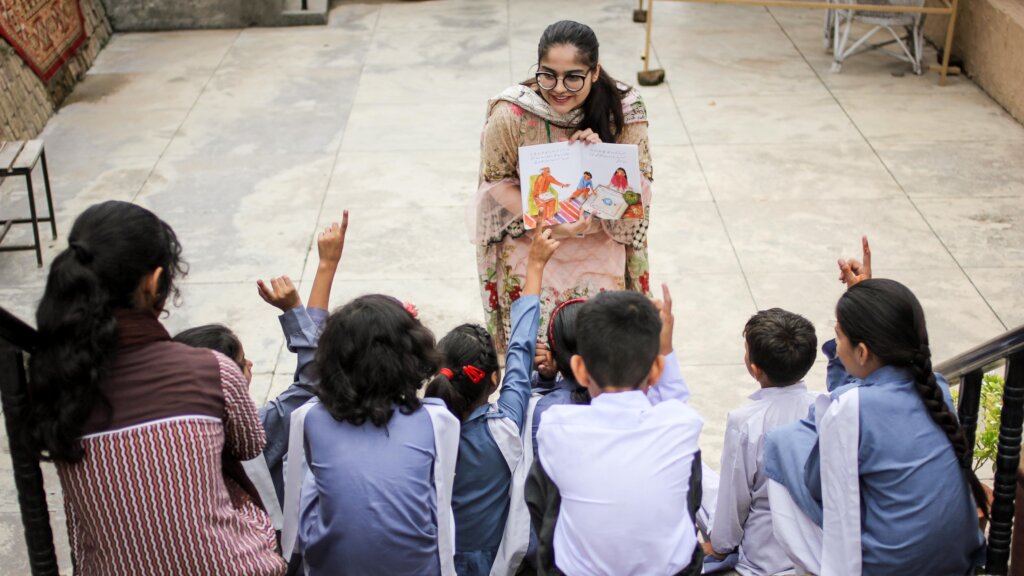
We hope you and your loved ones are doing well. With your support, Teach For Pakistan classrooms across Islamabad and Karachi are buzzing with new energy. This August, more than a hundred new Fellows stepped into schools for the first time – young leaders ready to learn, teach, and grow alongside their students. Meanwhile, our second-year Fellows returned to classrooms they now know deeply, leading change from within and working toward long-term initiatives that will strengthen their schools for years to come.
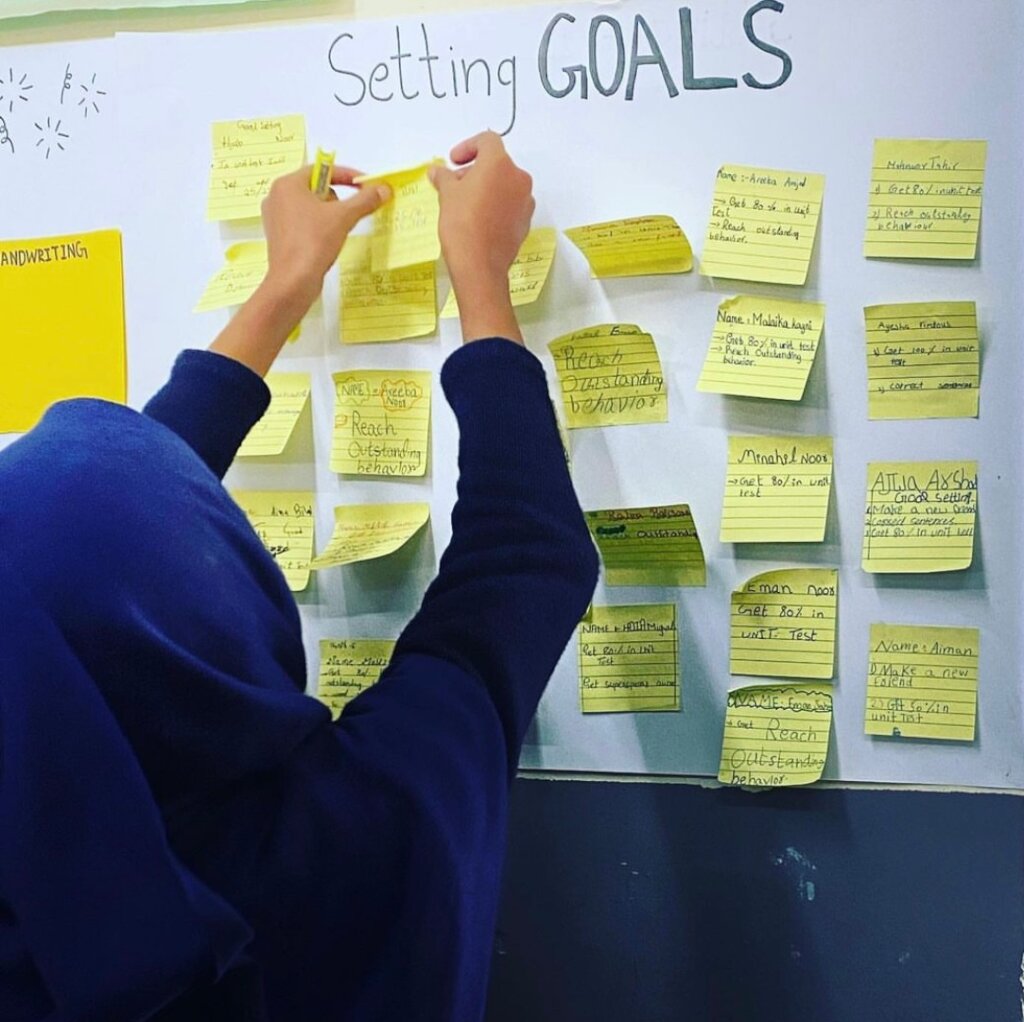
At the heart of the second year of Fellowship are Community Partnership Projects (CPPs) – Fellow-led initiatives designed and implemented in collaboration with students, parents, and school staff to meet local needs and create sustainable impact beyond the Fellowship.
Second-year Fellows have been designing and defending their projects, translating their classroom learning into action. Eighty Fellows have successfully developed twenty-five CPPs that will launch next month across schools in Karachi and Islamabad. The focus of these CPPs ranges from student enrichment and wellbeing programs to efforts focused on parent–teacher engagement, digital literacy, and climate action, each rooted in the belief that when communities come together around children’s learning, transformation lasts.
This report will offer a glimpse into two classrooms that capture this moment – one from a first-year Fellow helping her students rediscover science and the world around them, and one from a second-year Fellow cultivating and refining her students’ entrepreneurial ventures.
Arifa’s Classroom: Bringing Science to Life
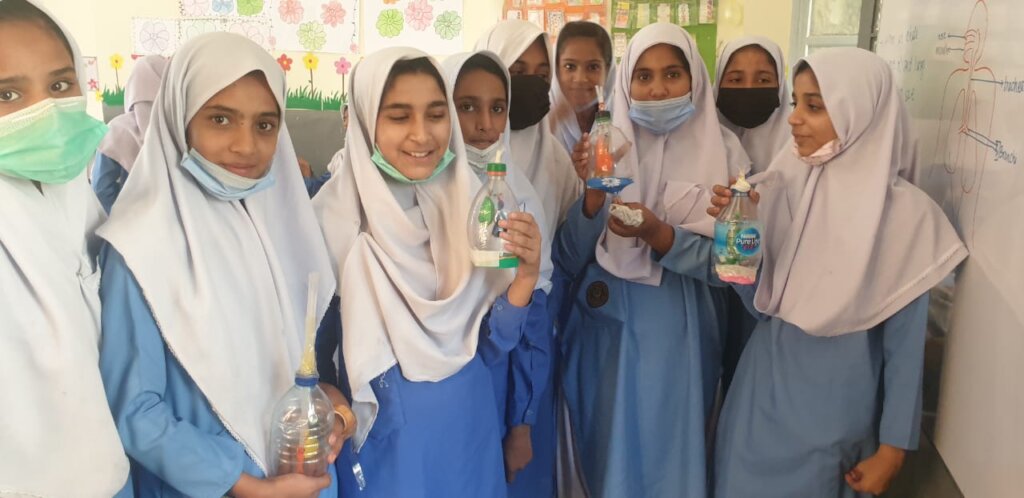
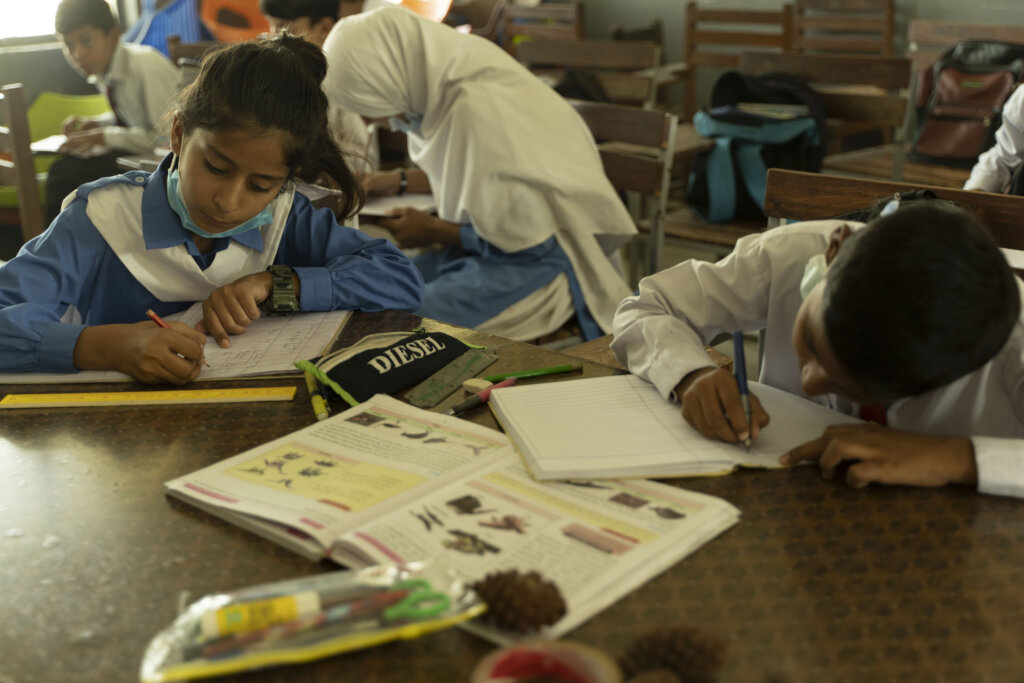
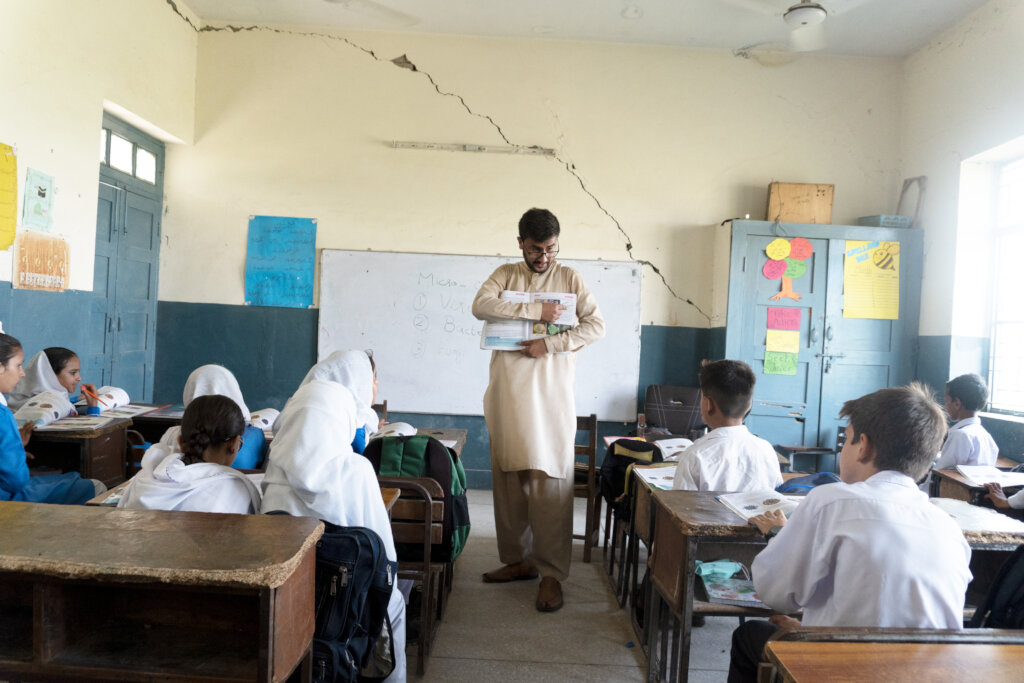
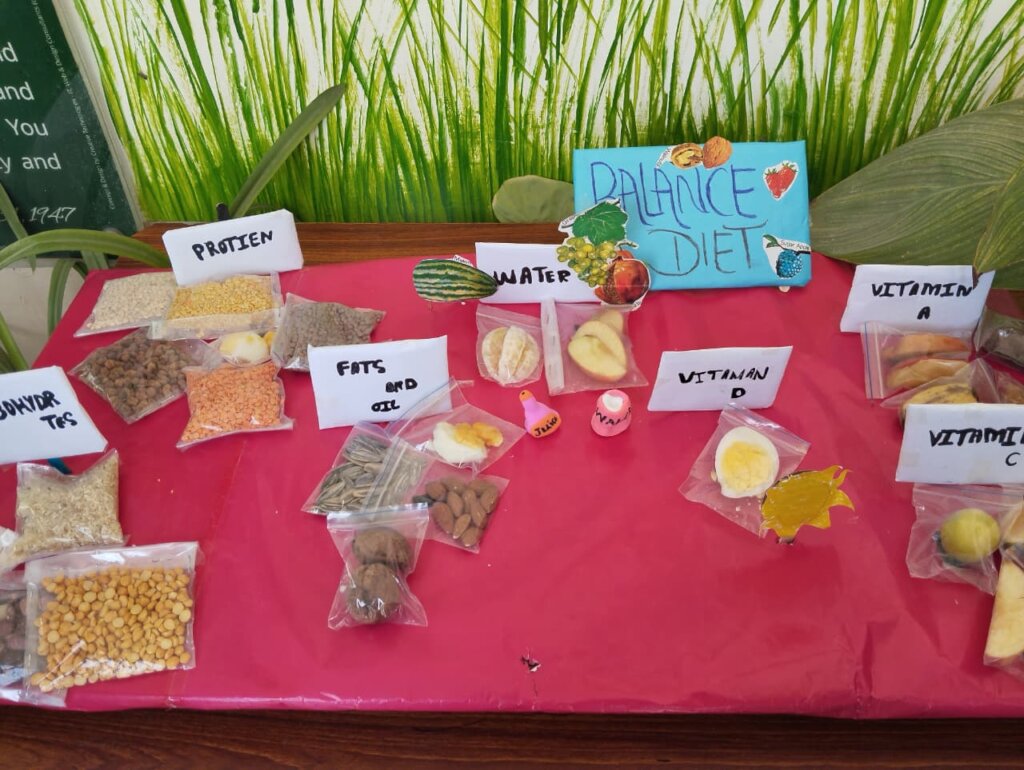
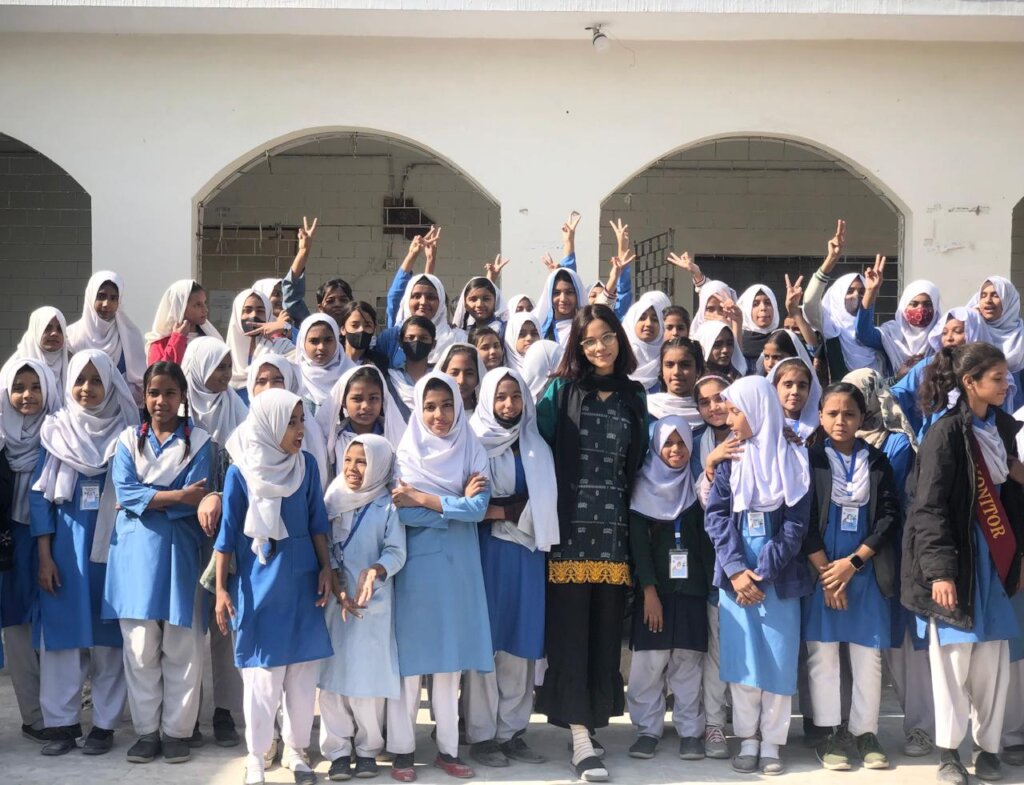
This August, Fellow Arifa stepped into a government school in Islamabad's Tarnol area where she began teaching science to over a 100 inspired and eager young 5th graders. As she settled into the new rolem, Arifa noticed that her students were bright and curious but treated science as something to memorize instead of explore. Their relationship with the world around them was separate from what they learnt in their science textbooks. Arifa wanted them to instead experience science as it exists all around them, as something they could observe, question, and explore. To do so, she organized a science-fair for her students fow which they would research, choose a topic to present, and then work in groups to build models. The classrooms came alive with color and excitement: groups of girls proudly displayed models of the digestive system, while others built exhibits about balanced diets using real fruits and vegetables to represent vitamins and nutrients.For many, it was the first time that their curiosities were encouraged and enabled, in addition to connecting them with their learning. The pride and confidence it sparked have since transformed how they approach learning – with curiosity, ownership, and joy.
Math Meets Entrepreneurship: Mawa’s Classroom
At a government girls’ school in Karachi’s Korangi area, Fellow Mawa teaches Mathematics to 239 girls in Grades 7 and 8. During her visits around the school community, she discovered that many of her students run small home-based businesses: making candles, painting calligraphy, stitching clothes, or applying mehndi. When Mawa began teaching a unit on profit and loss, she realized her students already understood these ideas intuitively. They simply hadn’t connected them to math, and Mawa decided to conduct an activity to do just that.
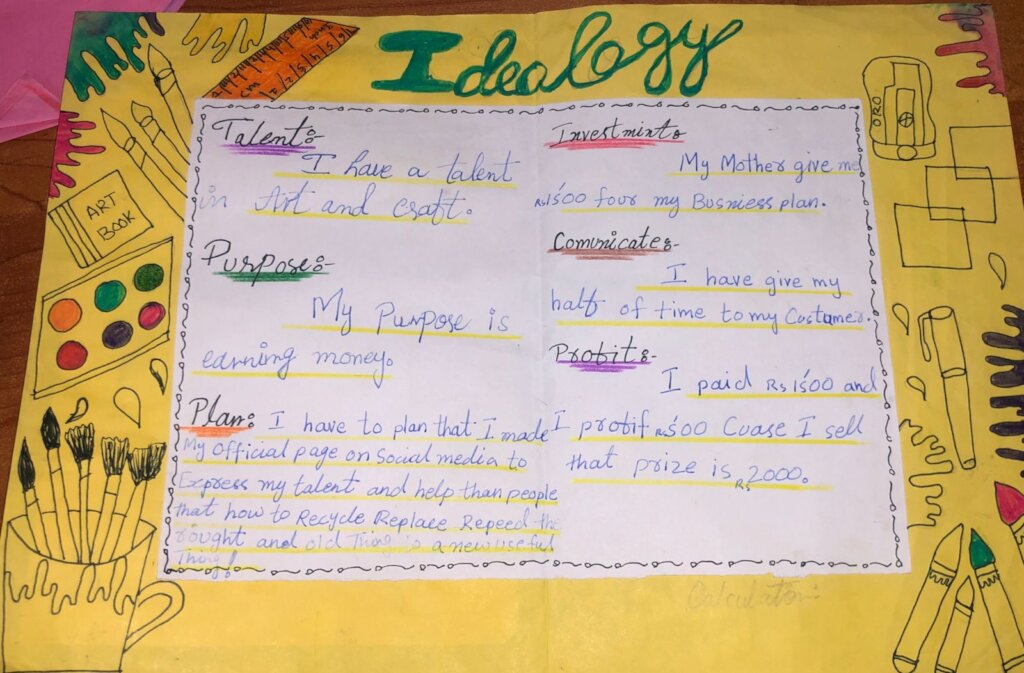
Over the course of a week, she turned her classroom into a small business incubator. Her students identified their talents, reflected on why they wanted to pursue them, and created business plans — calculating investment, pricing, costs, and profit. The exercise revealed remarkable creativity and confidence. One student, who already runs an embroidery venture, shared that she has now learnt to embed Shopify into her business to manage online orders. For her classmates, that moment changed everything: technology and entrepreneurship no longer felt distant, but possible.
By the end of the week, the classroom was alive with presentations, ideas, and a deeper relationship with learning. Students explained their products, their target customers, and how they would break even. Mawa’s students began to see math not just as numbers, but as a tool for empowerment and a way to understand and shape their futures.
Thank You
This year, more than 180 Fellows are teaching and leading across Islamabad and Karachi, inspiring thousands of children to learn with curiosity and confidence. This work is made possible by your belief in our mission.
Thank you for continuing to stand with Teach For Pakistan. The movement you’ve helped build continues to grow – one Fellow, one classroom, and one community at a time.
Links:
Project reports on GlobalGiving are posted directly to globalgiving.org by Project Leaders as they are completed, generally every 3-4 months. To protect the integrity of these documents, GlobalGiving does not alter them; therefore you may find some language or formatting issues.
If you donate to this project or have donated to this project, you can receive an email when this project posts a report. You can also subscribe for reports without donating.



Support this important cause by creating a personalized fundraising page.
Start a Fundraiser