By Donatien Ndizeye | M&E Leader
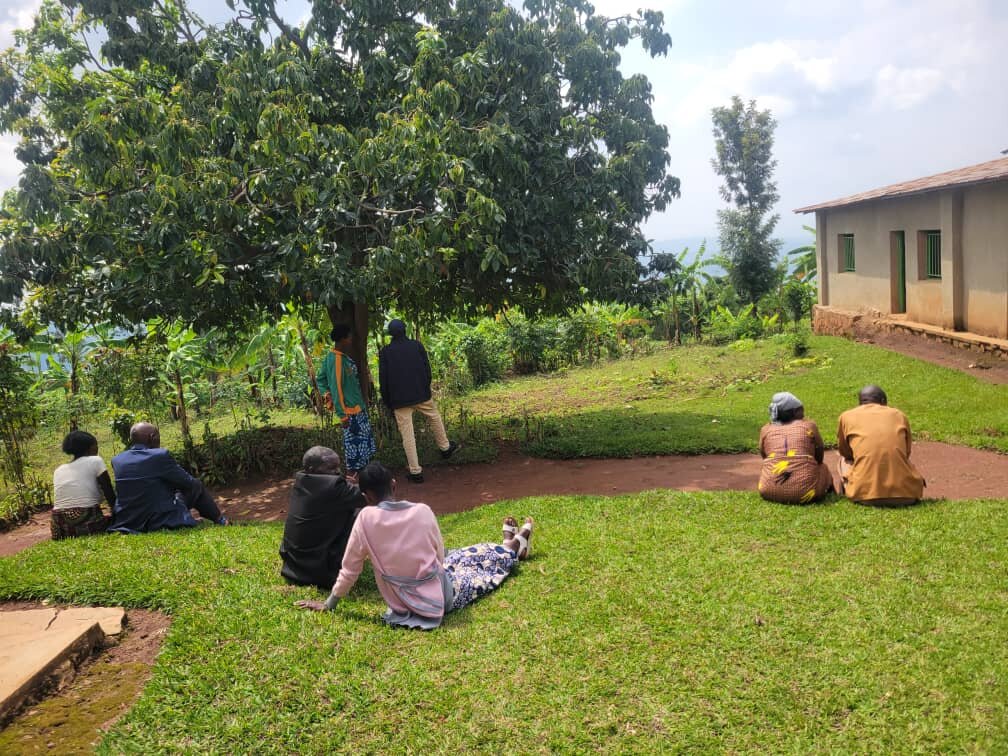
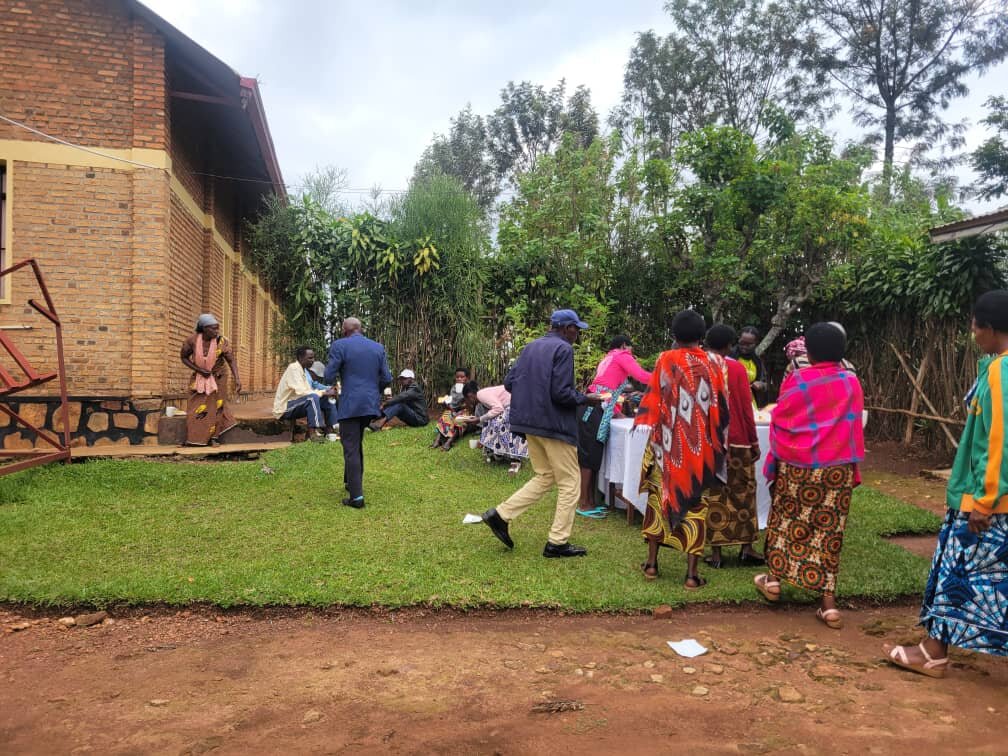
The Alternative to Violence Program (AVP) was implemented in Rutunga Sector, Gasabo District from December 17 to December 19, 2025. This transformative three-day program aimed at fostering peace, reconciliation, and healing among participants who had faced personal and community-level trauma, particularly the release of prisoners and genocide survivors. The training was designed to empower participants to resolve conflicts peacefully, promote understanding, and rebuild relationships that were once affected by violence.
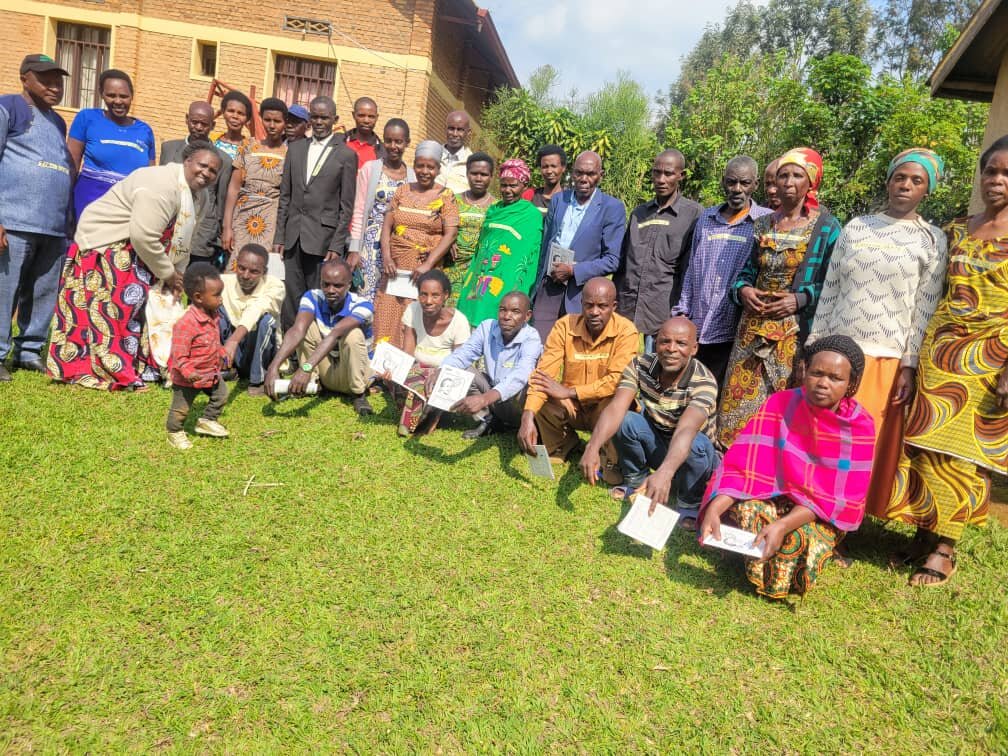
The program involved 30 participants, which included 16 couples—both former prisoners who had been released and genocide survivors, alongside their partners. These participants came from diverse backgrounds, and many had experienced immense trauma during the genocide period, leading to ongoing tension, misunderstandings, and emotional scars. The goal of the AVP was to equip these individuals with the tools for reconciliation, healing, and peaceful coexistence.
Objectives of the Program
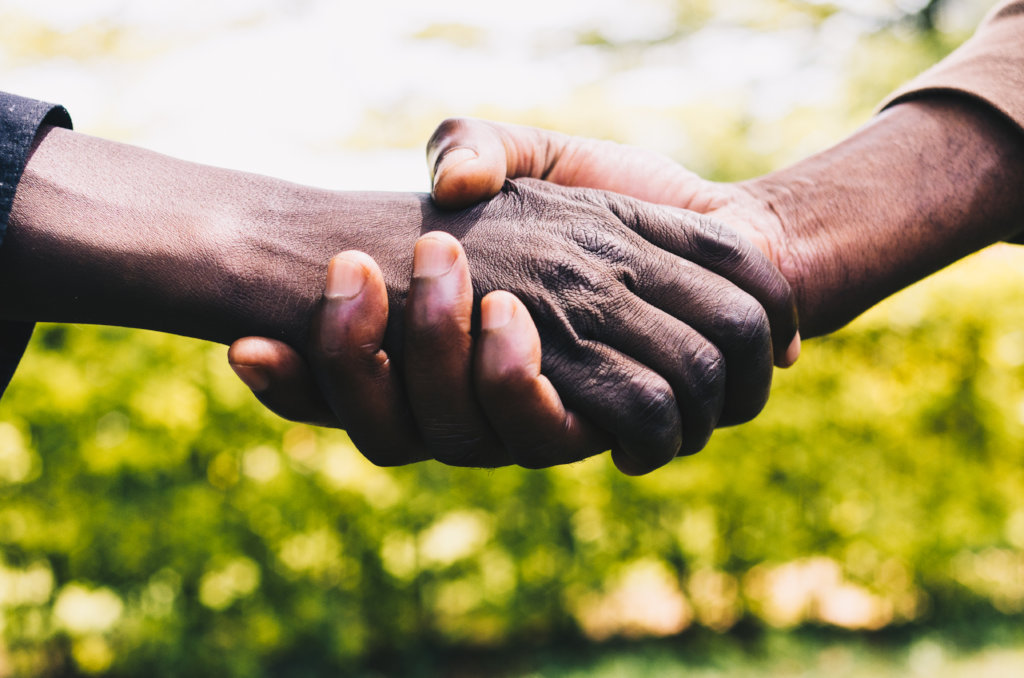
Promote Reconciliation: The primary aim was to support the reconciliation process between genocide survivors and former prisoners, helping them to overcome historical grievances and rebuild trust.
Conflict Resolution and Peace Building: Training participants in practical conflict resolution skills, including how to manage anger, resolve disputes, and avoid violence in the future.
Empowerment: Empower individuals with knowledge and skills to take charge of their lives and relationships, ensuring they are better equipped to handle challenges in a non-violent and constructive manner.
Healing and Restorative Justice: Provide a platform for emotional healing through facilitated dialogue, sharing of personal stories, and fostering empathy between the participants.
Methodology
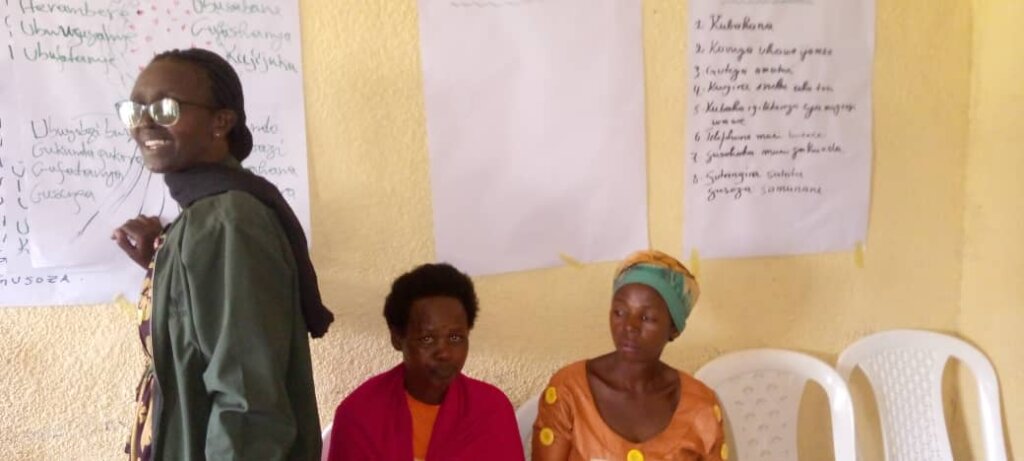
The AVP program followed a structured approach that focused on both theoretical and practical components. The training included group discussions, role-playing activities, team-building exercises, and testimonies that allowed participants to share their experiences.
Key Components of the Program:
Facilitated Discussions: Facilitators guided participants through group discussions focused on the themes of violence, reconciliation, and peacebuilding. Participants were encouraged to openly discuss their past experiences, especially as it related to the impact of the genocide, and to express their concerns about their relationships.
Role Play Exercises: Participants took part in role-playing scenarios designed to simulate common conflict situations in their daily lives. This activity allowed them to practice peaceful communication and conflict de-escalation techniques, as well as understand each other’s perspectives.
Testimonies and Storytelling: Many participants shared their personal testimonies, including the hardships they had faced, their emotional struggles, and their paths toward healing. This exercise helped in building empathy and understanding among the participants, particularly between survivors and former prisoners.
Team-Building Activities: Participants worked together in groups to solve challenges, enhancing their trust and cooperation. The collective nature of these activities helped in reinforcing the values of unity and mutual respect.
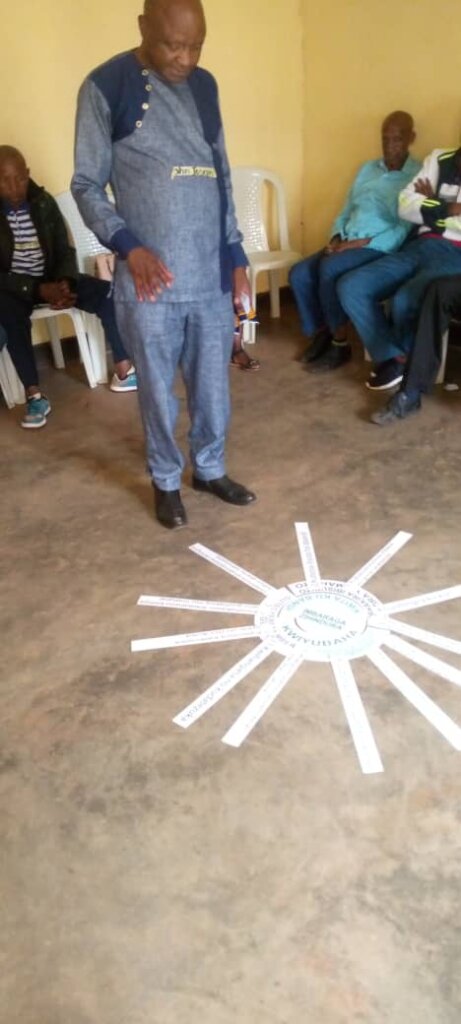
Peace Circles: Participants engaged in peace circles where everyone had an equal chance to speak and be heard. This helped break down barriers and allowed for open communication between individuals who had previously been divided by trauma.
Outcomes
By the end of the three-day program, the participants demonstrated significant progress in their reconciliation journey. Several key outcomes were observed:
Successful Reconciliation: Many of the couples reported that their relationship had significantly improved, with mutual trust being rebuilt. They acknowledged the healing power of understanding and the need for forgiveness, which was crucial for moving forward.
Positive Feedback from Participants: The majority of the participants expressed deep gratitude for the program, citing the therapeutic nature of sharing their stories and being heard. The testimonies provided participants with an opportunity to confront past traumas in a safe, supportive environment.
Improved Communication Skills: Participants reported that they had learned how to communicate more effectively and without resorting to violence. The techniques for conflict resolution helped many couples approach disagreements in a more constructive manner.
Restored Relationships: Several couples mentioned that, through the exercises and discussions, they were able to restore their relationships and were determined to continue practicing the principles of peace and understanding in their daily lives.
Cultural and Emotional Healing: The program helped bridge the emotional and cultural divide that had previously existed between the genocide survivors and former prisoners. It facilitated a deeper understanding of each other’s pain and struggles, allowing for healing on both a personal and communal level.
Challenges and Observations
While the program was largely successful, there were some challenges that needed to be addressed during the course of the training:
Emotional Resistance: Some participants initially expressed resistance or discomfort when discussing their past trauma, especially genocide survivors who found it difficult to forgive former prisoners. Facilitators worked patiently to ensure that everyone felt heard and validated.
Trust Issues: Trust was a significant challenge at the start of the program. However, over the course of the three days, the team-building exercises, role-playing, and peace circles contributed to a gradual rebuilding of trust between participants.
Diverse Needs: The participants had varying emotional needs, with some requiring more individualized support. The facilitators adapted the program to cater to these needs, offering additional support when necessary.
Conclusion
The AVP held in Rutunga Sector from December 17-19, 2025 was a remarkable success in promoting healing, reconciliation, and peace. Through structured activities, open discussions, and shared experiences, the program helped mend the relationships between genocide survivors and former prisoners. The positive testimonies shared at the end of the program confirmed the power of peace-building initiatives in breaking down barriers of hatred and mistrust.
The successful completion of this program is a testament to the resilience of the human spirit and the importance of fostering empathy, understanding, and peace in post-conflict societies. The participants left the program with renewed hope and a sense of empowerment, ready to contribute positively to their communities.
Project reports on GlobalGiving are posted directly to globalgiving.org by Project Leaders as they are completed, generally every 3-4 months. To protect the integrity of these documents, GlobalGiving does not alter them; therefore you may find some language or formatting issues.
If you donate to this project or have donated to this project, you can receive an email when this project posts a report. You can also subscribe for reports without donating.



Support this important cause by creating a personalized fundraising page.
Start a Fundraiser