By Lucija Rozic | Team Member
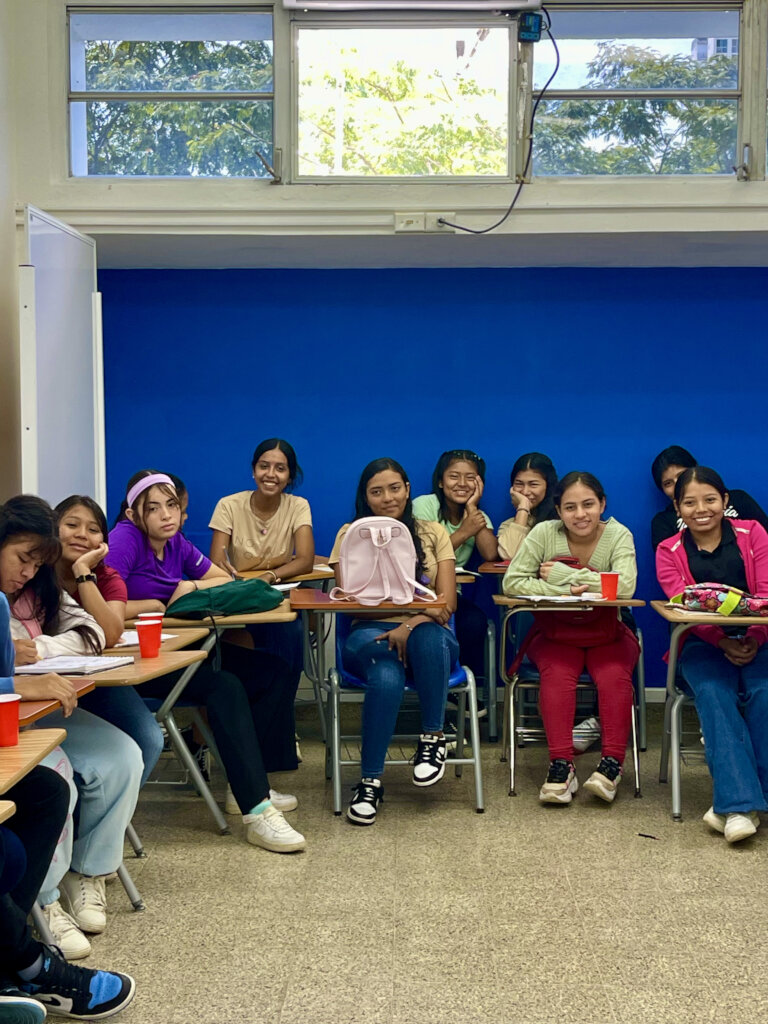
This year, the Empowering Youth Transition became a steady bridge for dozens of adolescents and young adults preparing for life beyond residential care.
Throughout 2025, we accompanied young people at different stages of transition: some still living in care, others rebuilding their lives with family, and many taking their first steps into independent adulthood. What we saw consistently was this: when young people receive stable guidance and a supportive community, their confidence grows, their curiosity reawakens, and their sense of possibility expands.
Strengthening life skills and personal development
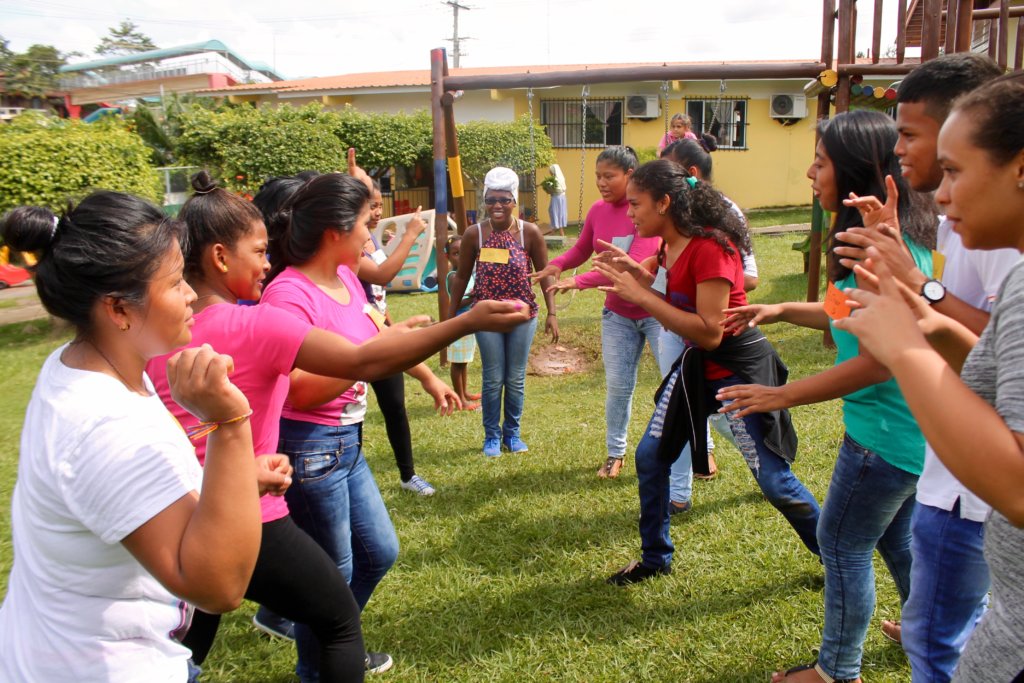
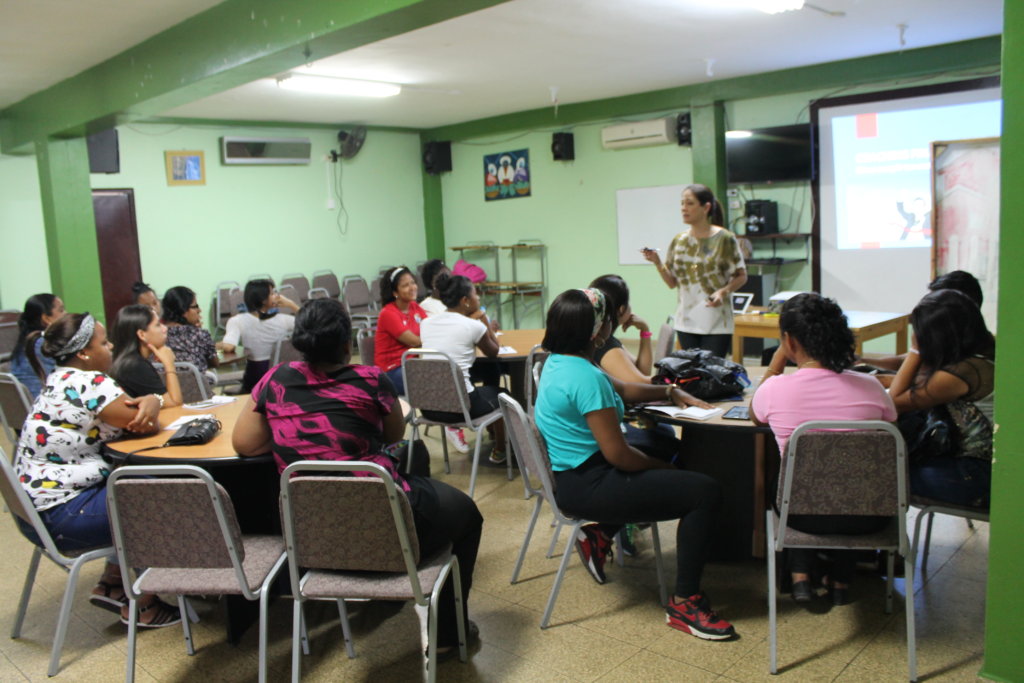
Young people participated in weekly workshops focused on emotional intelligence, communication, self-awareness, decision-making, healthy relationships, and self-advocacy. These sessions became safe spaces where they could explore who they are and who they hope to become.
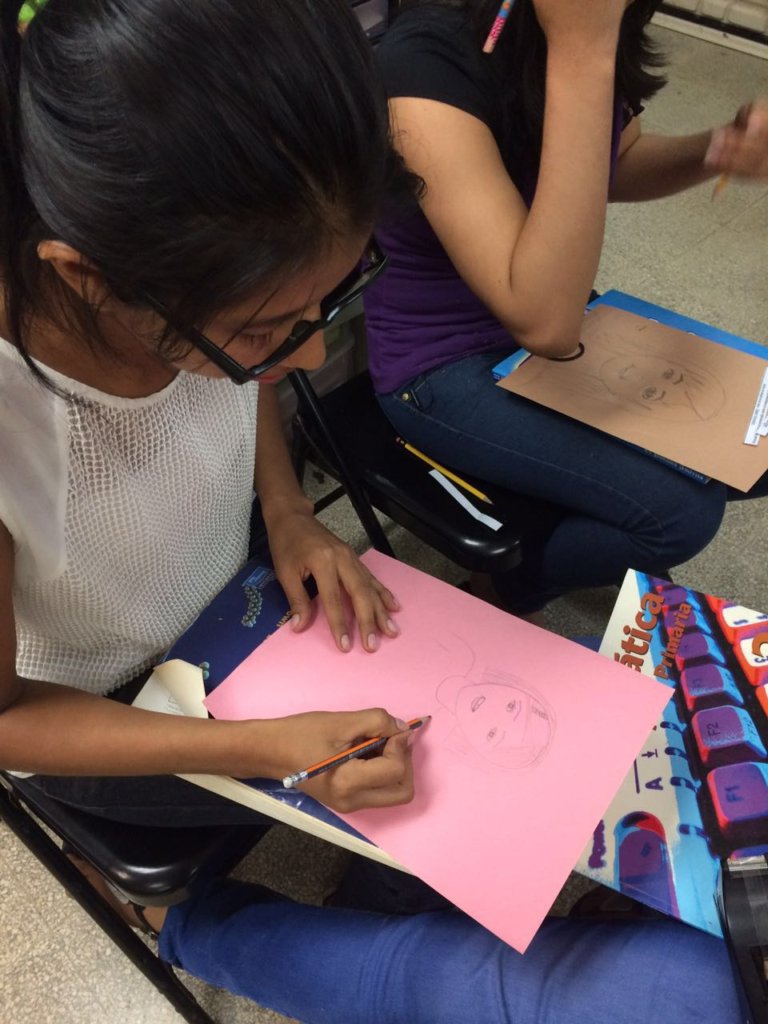
Experiential learning played an important role.
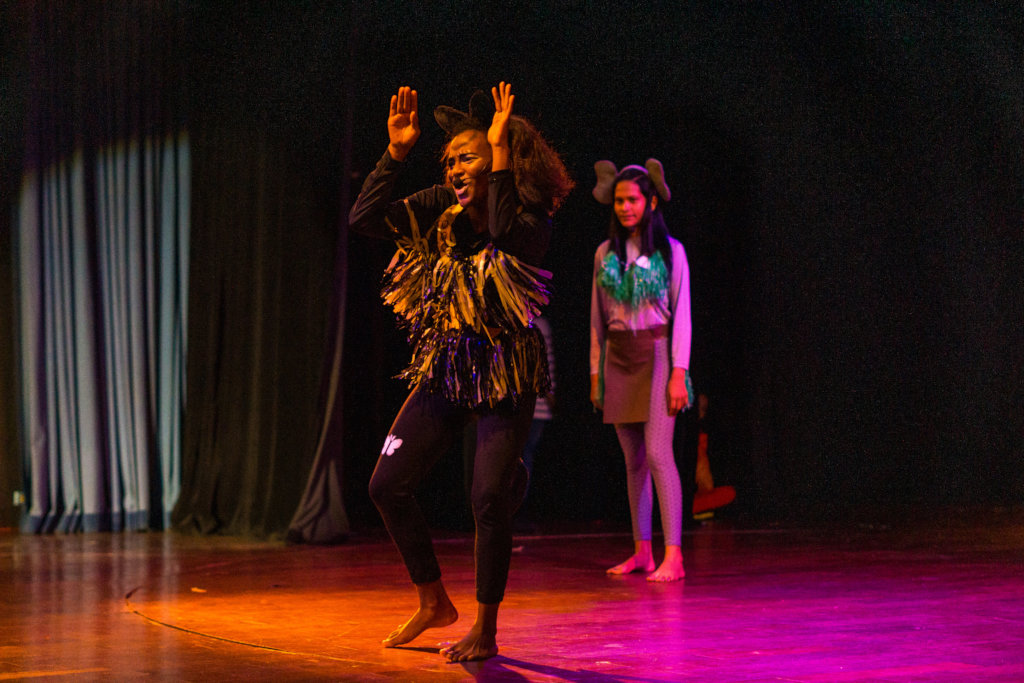
Visits to museums, cultural spaces, historic sites, and workplaces offered perspectives far beyond their everyday environment. Many said it was the first time they felt connected to the world outside their home or shelter — the first time they could imagine a different future.
Employability & mentoring: opening doors
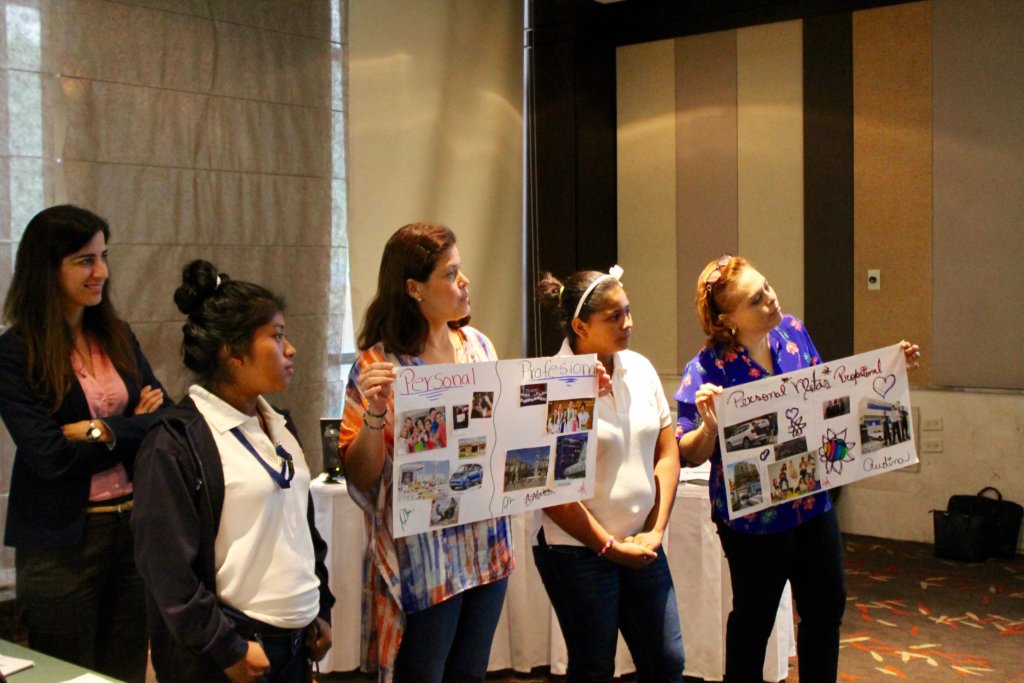
A strong emphasis was placed on employability this year. Through mentors, HR professionals, and volunteer facilitators, youth received support in:
vocational exploration
digital skills development
resume creation and interview practice
understanding workplace expectations
building confidence in professional settings
More importantly, mentoring gave them something deeply meaningful: consistent adults who listened, encouraged, and believed in them. For young people who often navigate adulthood alone, this connection became a stabilizing force.
Mental health: the foundation of everything
Our therapeutic services continued to anchor the program.
Youth were supported through anxiety, trauma history, emotional regulation, and the uncertainty of making long-term decisions. Clinical supervision strengthened our crisis-response capacity, allowing us to intervene with clarity and care during moments of instability.
Every emotional step forward strengthened their ability to engage in learning, employment, and relationships.
Challenges that shaped our year — and what they taught us
Transition is never linear, and this year reminded us of that truth many times.
We supported young people through unstable housing situations, academic pressure, delays in accessing specialized psychiatric care, emotional crises, and moments when external systems could not respond as quickly as needed.
Yet instead of slowing progress, these challenges strengthened our resilience and helped refine our approach. We improved communication systems, worked more closely with shelters, universities, and families, and adapted our programming to meet young people exactly where they were.
From these experiences, several lessons emerged clearly:
Consistent mentoring creates safety — and safety creates progress.
Real-world experiences accelerate motivation, identity, and future planning.
Youth thrive when caregivers and institutions act as partners, not observers.
Emotional wellbeing remains the foundation for academic and employment success.
Strong community networks — volunteers, companies, educators, allies — multiply impact.
These learnings will shape our priorities and strategy for 2026 and continue guiding how we walk with youth as they move toward independence.
Project reports on GlobalGiving are posted directly to globalgiving.org by Project Leaders as they are completed, generally every 3-4 months. To protect the integrity of these documents, GlobalGiving does not alter them; therefore you may find some language or formatting issues.
If you donate to this project or have donated to this project, you can receive an email when this project posts a report. You can also subscribe for reports without donating.



Support this important cause by creating a personalized fundraising page.
Start a Fundraiser