By Katie Sill | Program Manager
One of the ways that the Story Tapestries team ensures that the design for our virtual Classroom will be impactful is to stay up to date on research that can inform our model. We recently came across a Research Brief from the Center for Promise titled Defining Webs of Support: A New Framework to Advance Understanding of Relationships and Youth Development that discusses the frameworks of webs of support that are effective in positively impacting youth. This report, written by Shannon M. Varga and Jonathan F. Zaff, defines "Webs of Support" as the "intersection of a multilayered ecology filled with a network of relationships that provide social supports."
The report helpfully breaks that down for us:
Relationships with people
Relationships with institutions
Relationships with their broader environment
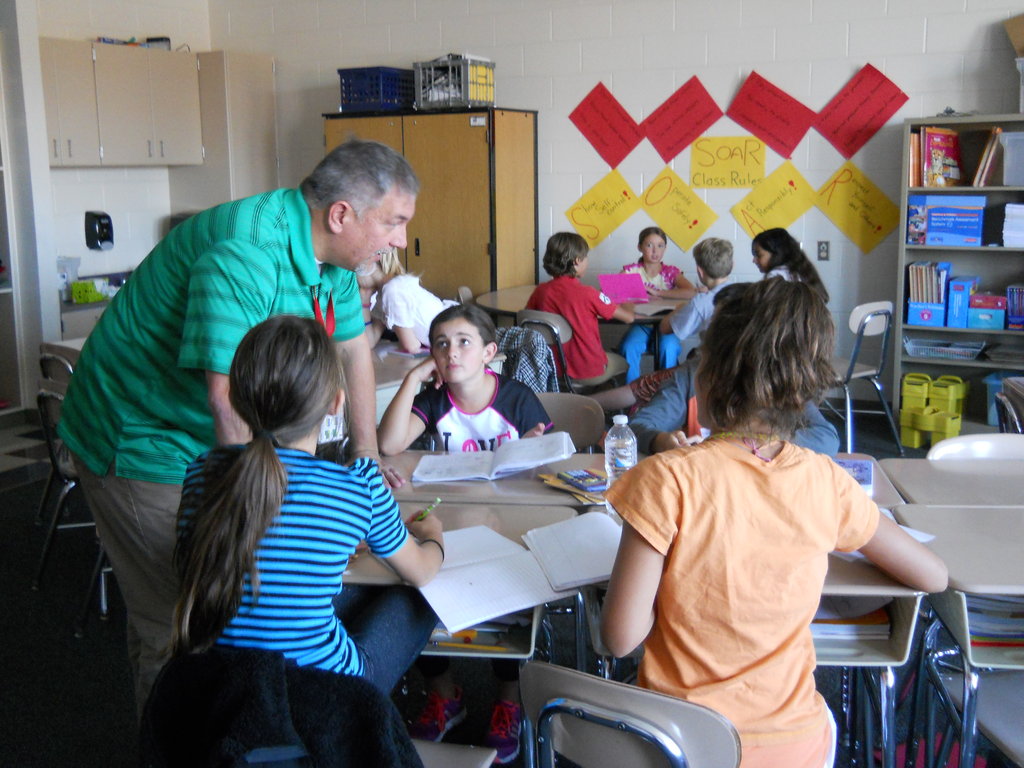
This concept is what drove us to shape our Ideal Program Model, which is to bring together schools, parents, and other adult community leaders like librarians, museum docents, seniors and others to build networks that support youth in ongoing, positive ways. When Story Tapestries connects with a community in need, we work together with that community to develop a strategy based on the following model:

Observe the community and working together to Assess what they Need
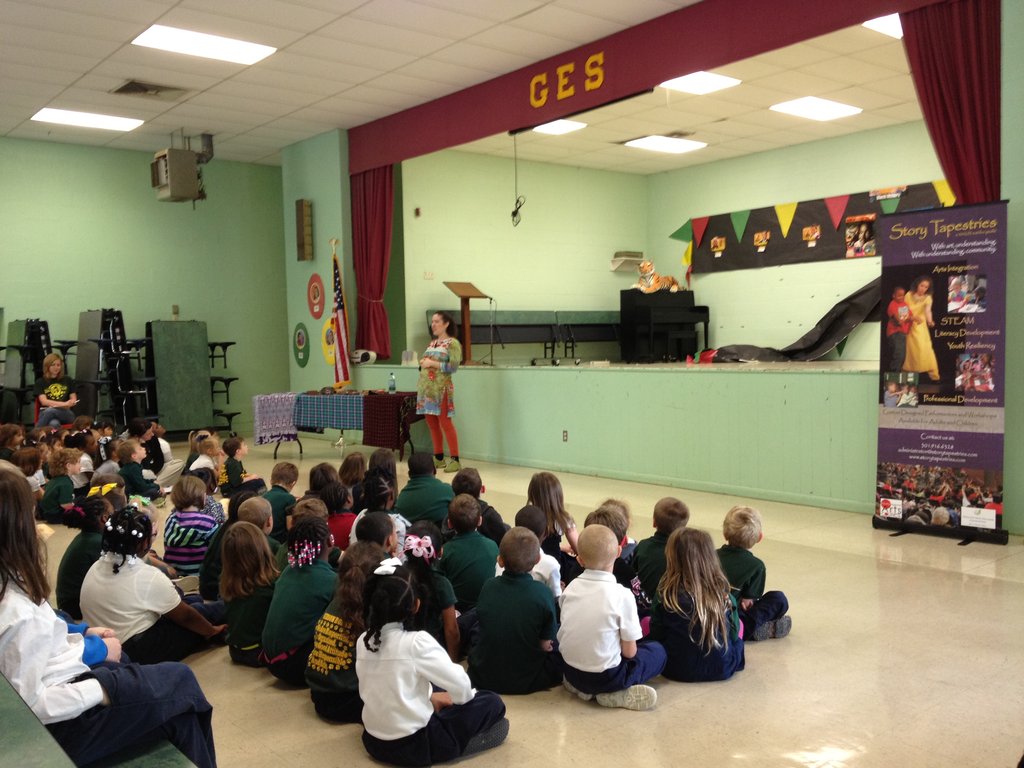
Come in to do a Series of Workshops culminating in some form of Community Event
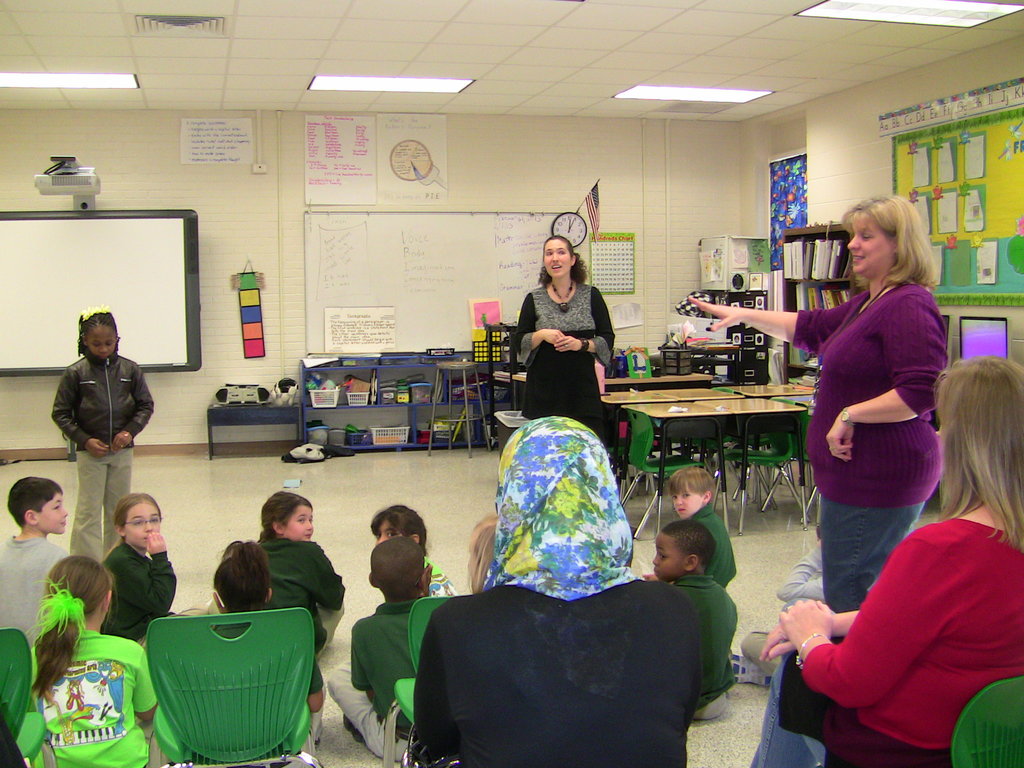
Work with educators through Professional Development workshops
Work with parents and community members through Community Engagement Events
Reflect on the success of the program by Measuring the Impact
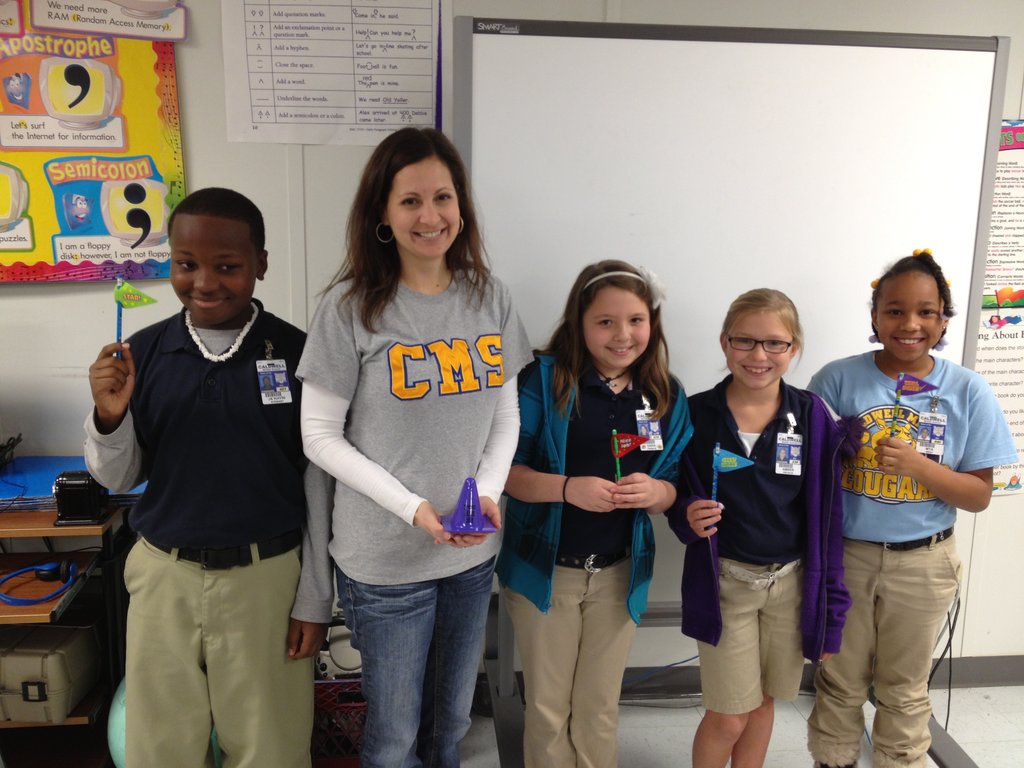
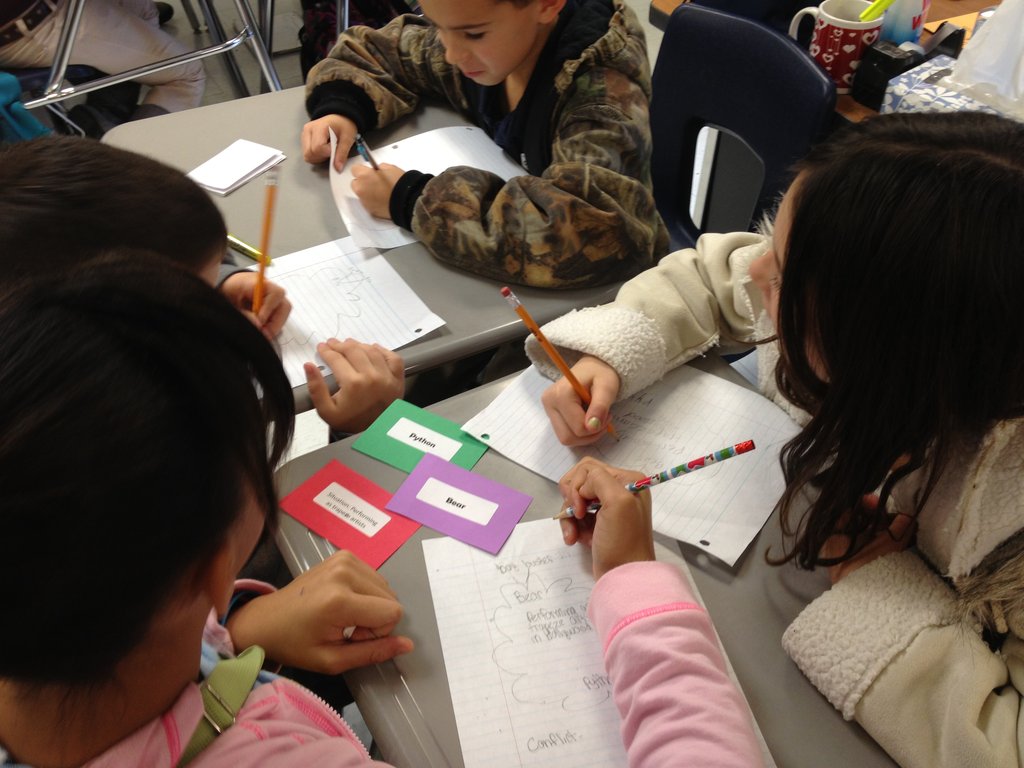
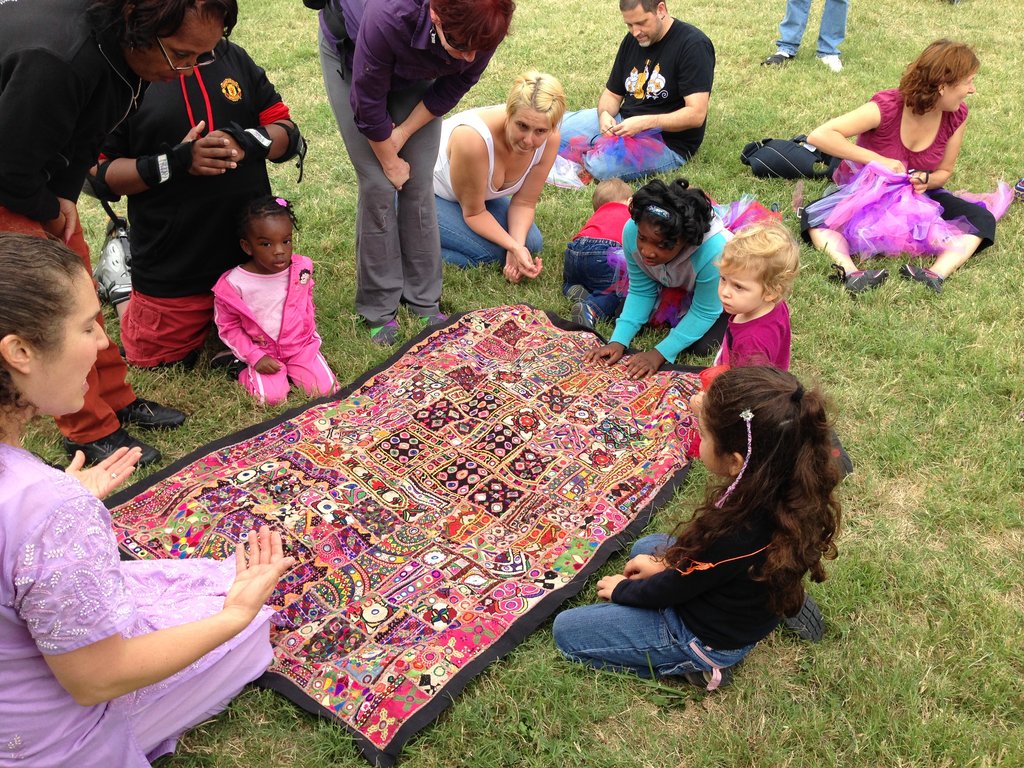
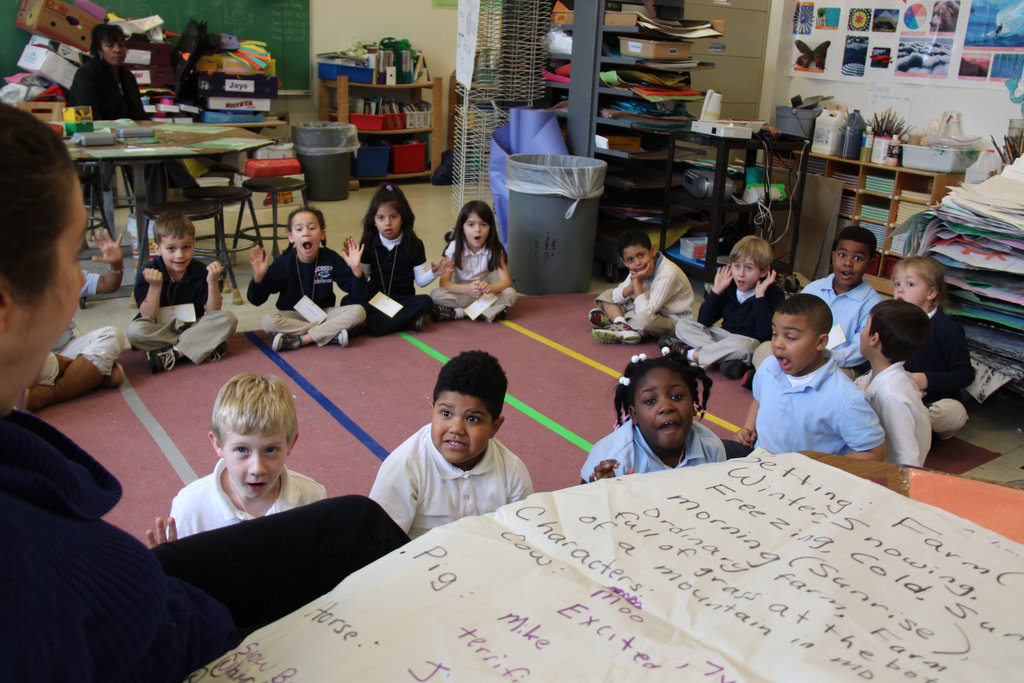
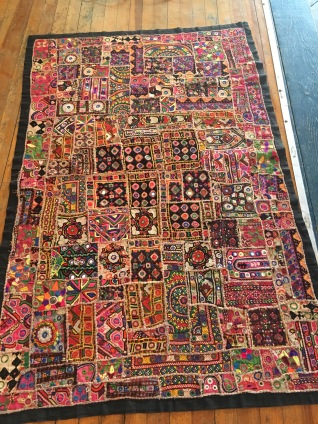
Our network of teaching artists, educators, and community leaders come together during this process to focus on literacy strategies, STEM, 21st Century Skills, and/or social development, depending on the unique needs of the school, utilizing art forms such as storytelling, hip hop/rap, poetry, theatre, dance, visual arts, and much more. We envision this collaboration forming a tapestry weaving together the needs of the community with the creativity and innovation that the arts provide.
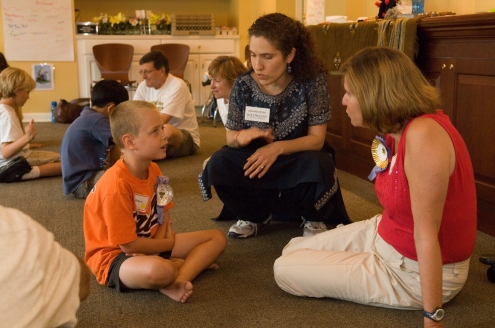
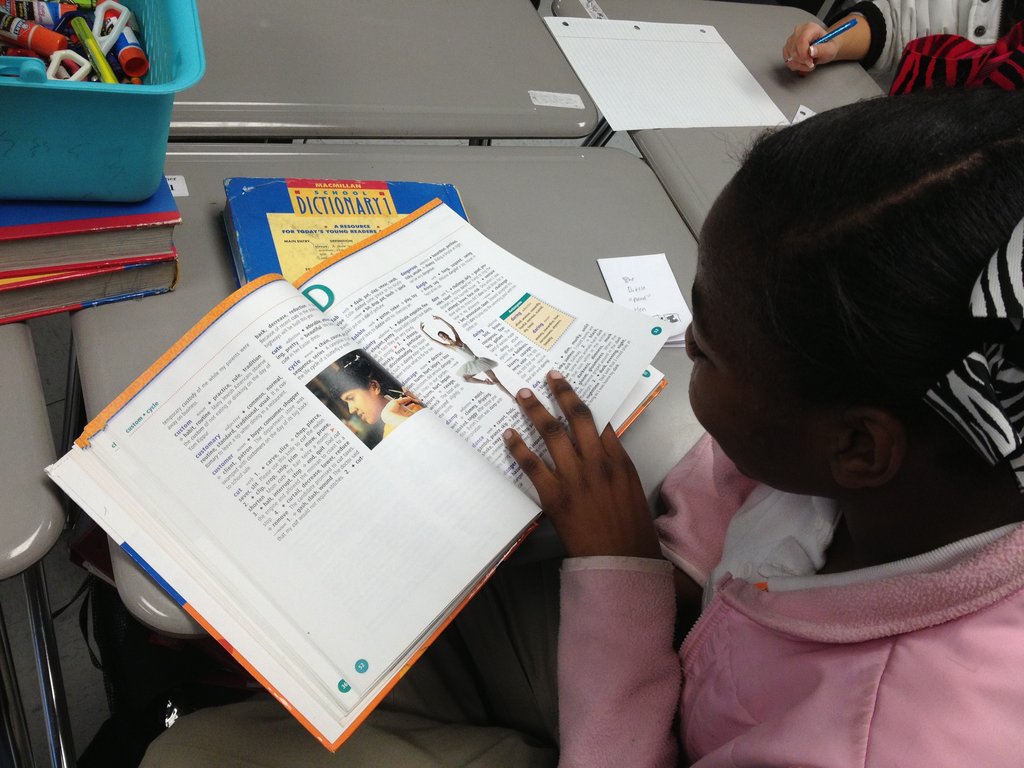
One of the ways we've seen how the ARTS can be used to weave a tapestry of support for the children we work with is through the impact on literacy. The arts are languages that all people speak – they cut across racial, cultural, social, education, and economic barriers and enhance cultural appreciation and awareness. This means the arts can be used to facilitate communication between students and teachers, between parents and schools, and between community members.

We're excited to see the Center for Promise further developing and growing this idea of youth being supported by a network of relationships with the individuals, institutions, and environment that surrounds them. The more we know about the complex environments that shape the lives of youth, the more tools we have in our toolbox to support them. Research like this informs how we are designing, planning, and implementing our Virtual Classroom.
Thank you again for continuing to bring the Arts into the lives of our communities.
If you love being part of this project please send it to a friend who can love supporting it too.
Links:
Project reports on GlobalGiving are posted directly to globalgiving.org by Project Leaders as they are completed, generally every 3-4 months. To protect the integrity of these documents, GlobalGiving does not alter them; therefore you may find some language or formatting issues.
If you donate to this project or have donated to this project, you can receive an email when this project posts a report. You can also subscribe for reports without donating.