By Keith Goldstein and Satoko Hayakawa | Storytelling Project Director and VOT Interviewer
The Great East Japan Earthquake, Tsunami, and Nuclear Disaster uprooted communities, creating one of the largest reconstruction projects ever known to this planet. Rebuilding these communities requires help from the past. By collecting the voices of individual narratives, we are preserving the communities based on the observations of those who persevere in the present- enabling local residents to pass down their memories to later generations and help shape the future. Understanding the past, present, and future vision of a community by residents is dependent on not just one version of events, but a multitude of voices from a variety of observers. The Voices of Tohoku project by means of a video archive is creating a recurrent time capsule that assists both individual families and entire communities to recover from the disaster.
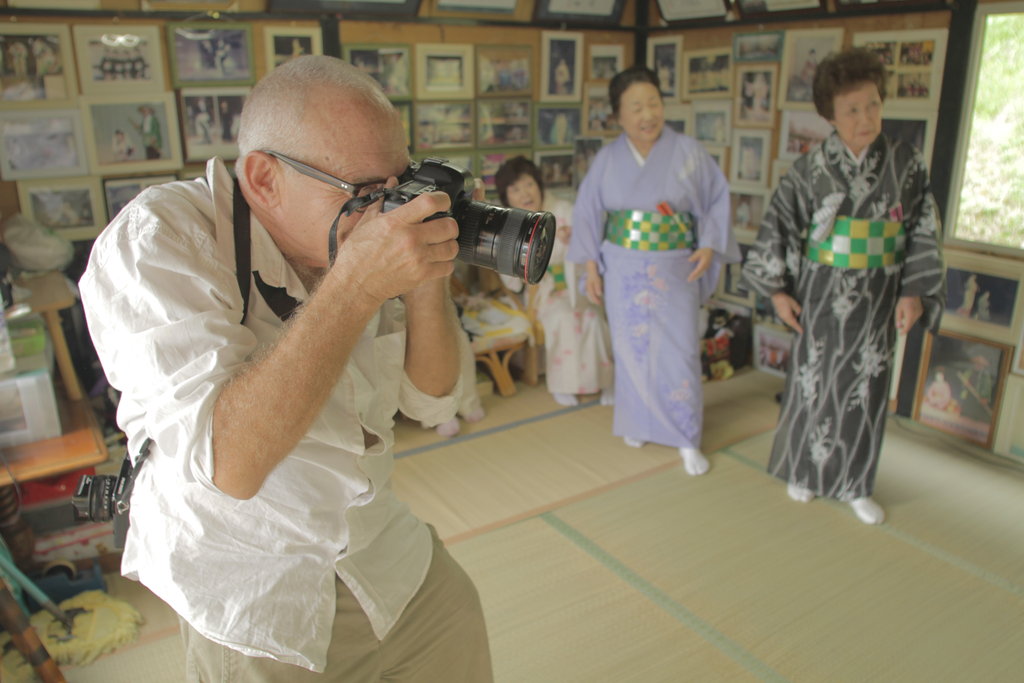
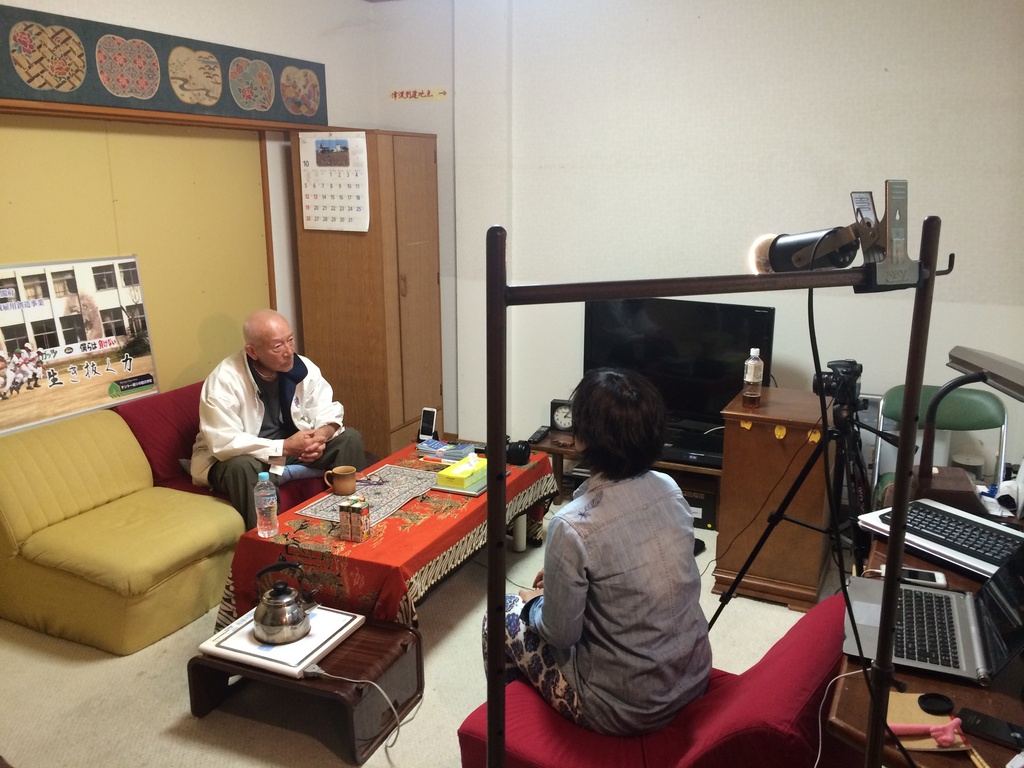
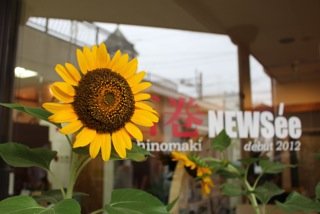
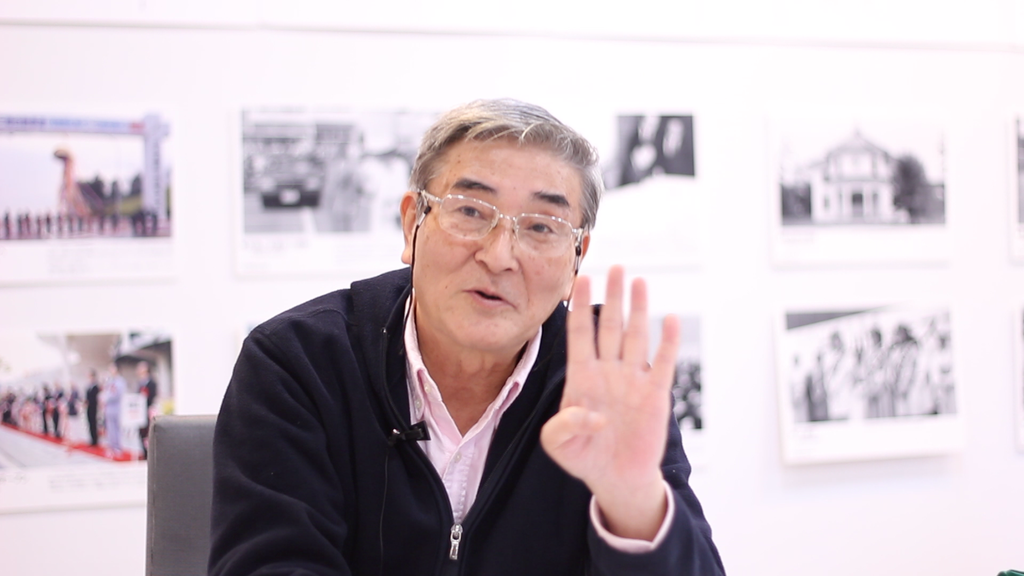
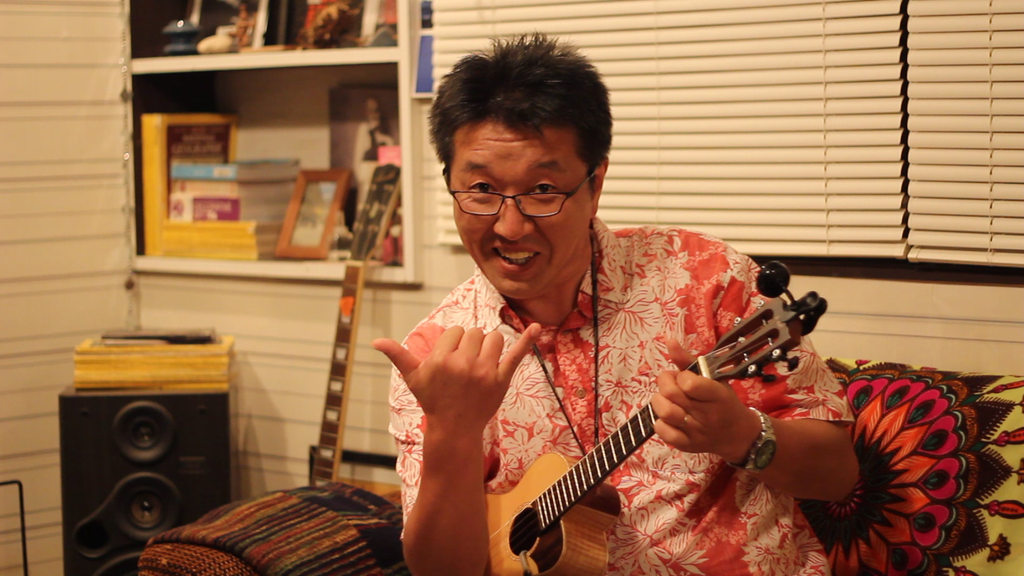
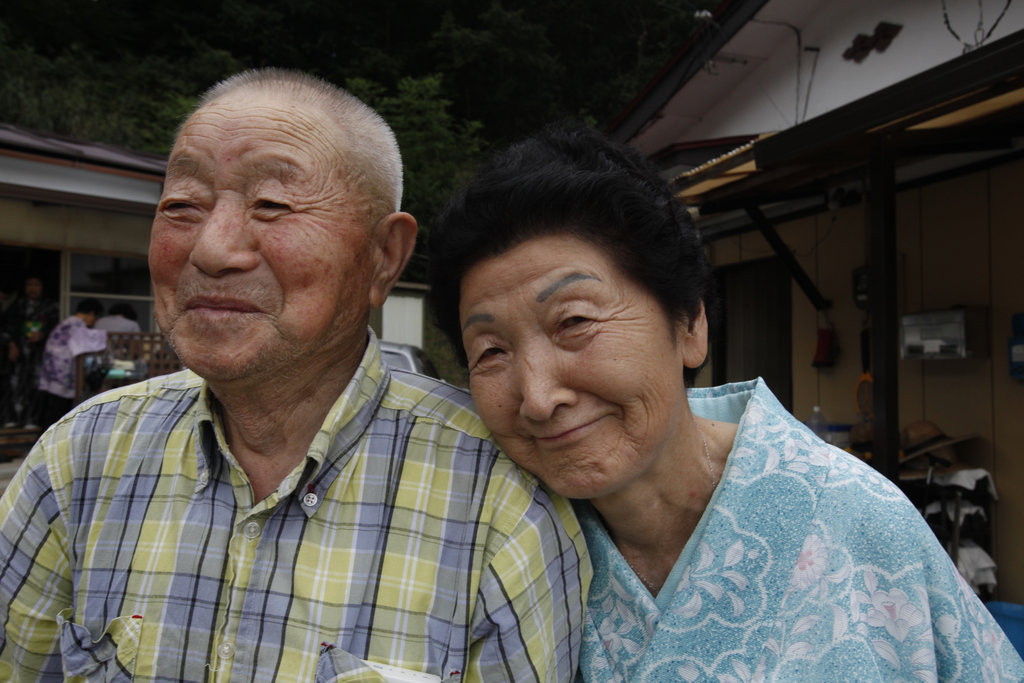
Recently we have heard some amazing stories. Mr. Kikuta (pictured below) is an Ishinomaki local, who has a great knowledge of the area and its history. He assists volunteers who come to Ishinomaki. Mr. Onodera (also pictured below) is a local of the island Oshima, which is located off the coast of Kesenuma. After the disaster Mr. Onodera took up playing the ukulele. As part of his VOT interview, he decided to treat us to a performance of his favorite song: Itsumo Nando Demo. He asked us to upload the video to YouTube for him, his first ever. Please have a look: http://youtu.be/tV8EJXFX8eQ
Over the past two years approximately 200 interviews were collected. To date two community archive projects have been completed in Yamamoto-cho and Watari-cho, two communities on the south coast of Miyagi Prefecture. Currently, we are progressing with three additional archives also in Miyagi prefecture: Tagajo, Ishinomaki, and Kesennuma. In the month of October alone 12 interviews were collected. Besides just collecting new data, we are also editing the videos and providing DVD copies to the respondents, along with a souvenir photograph book. The final videos are uploaded to the Voices of Tohoku website. Please have a look: www.voicesoftohoku.org
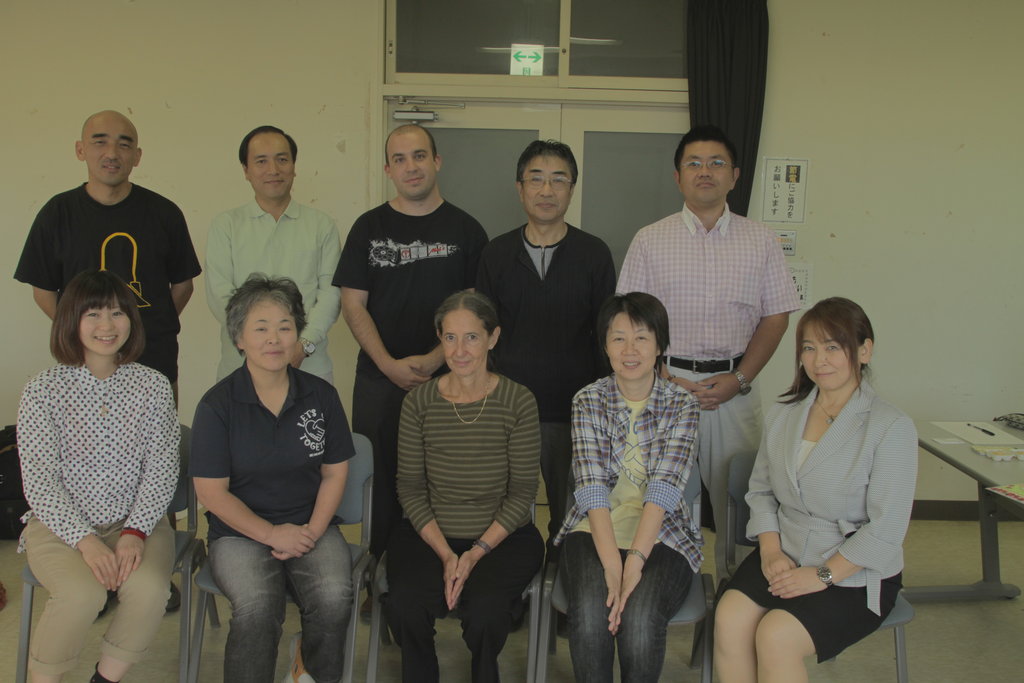
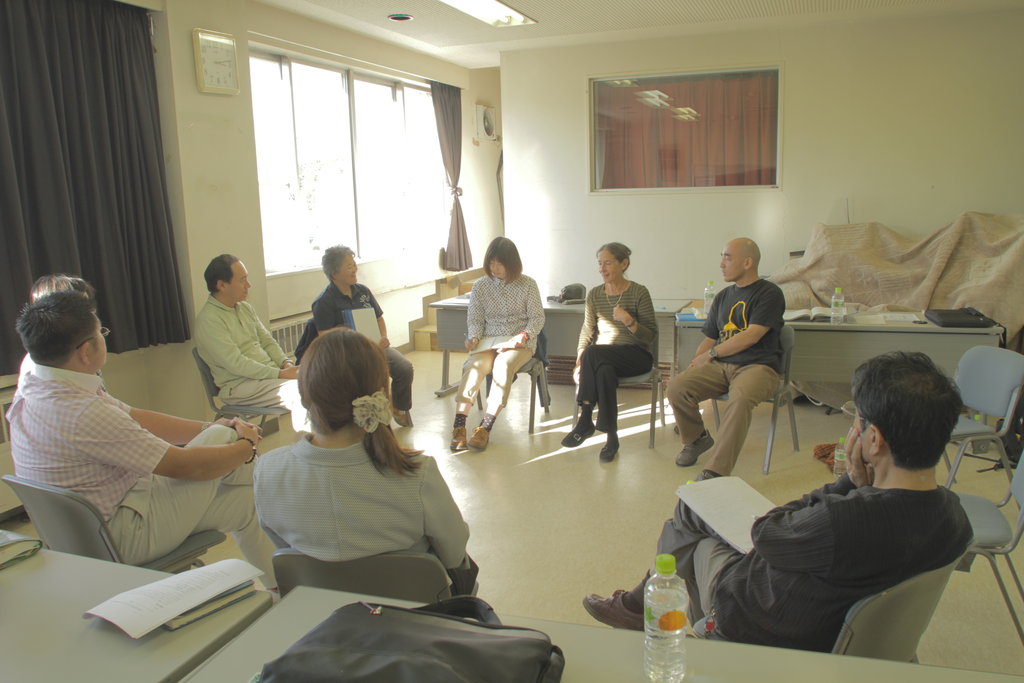
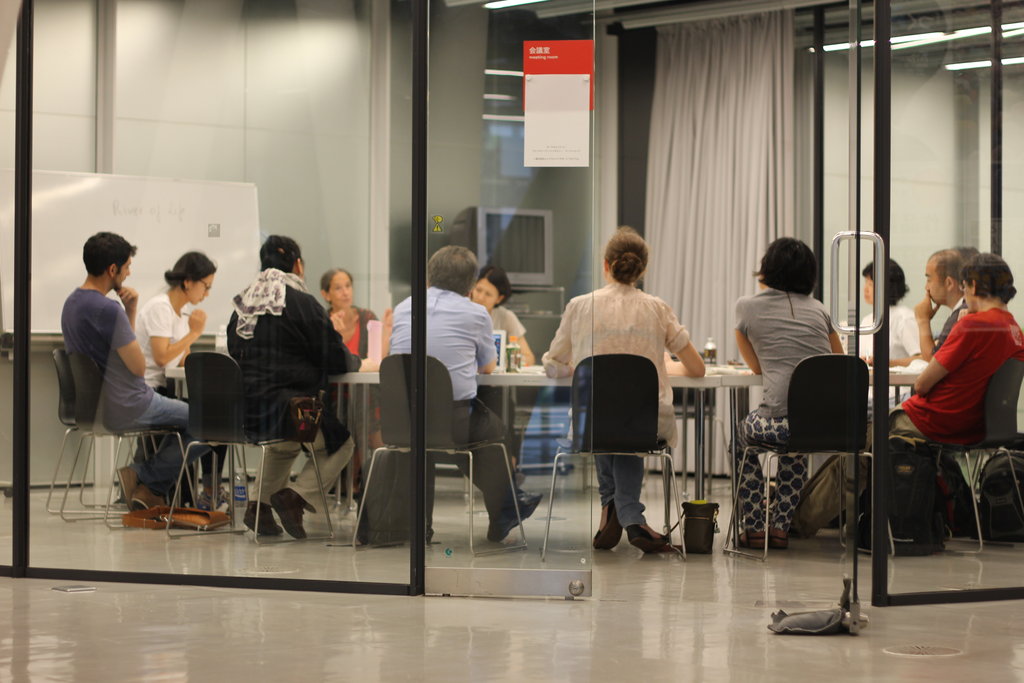
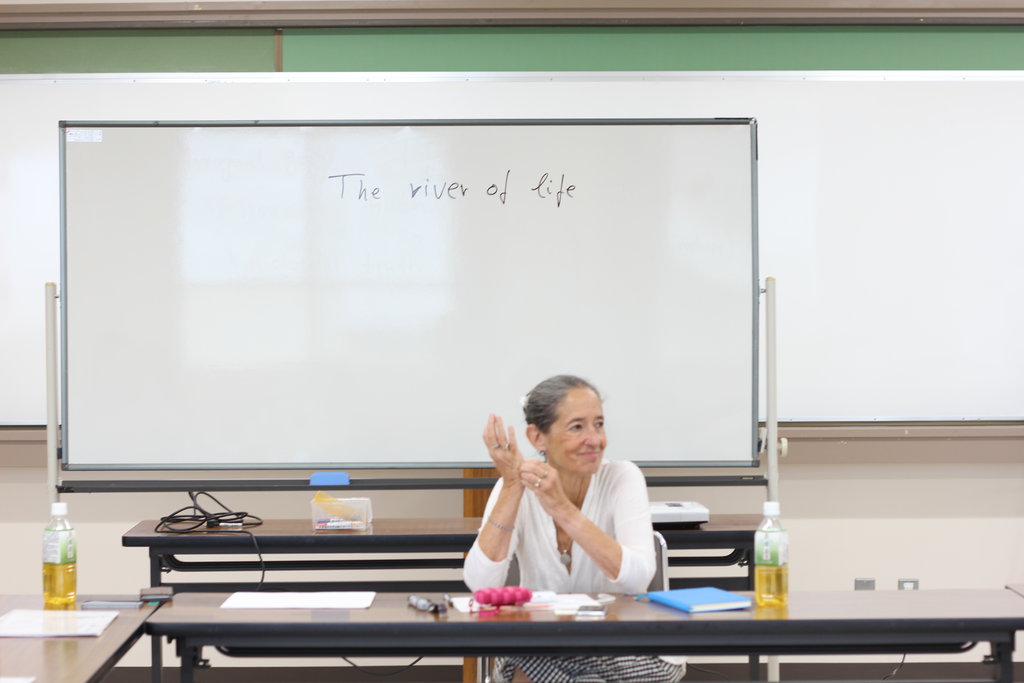
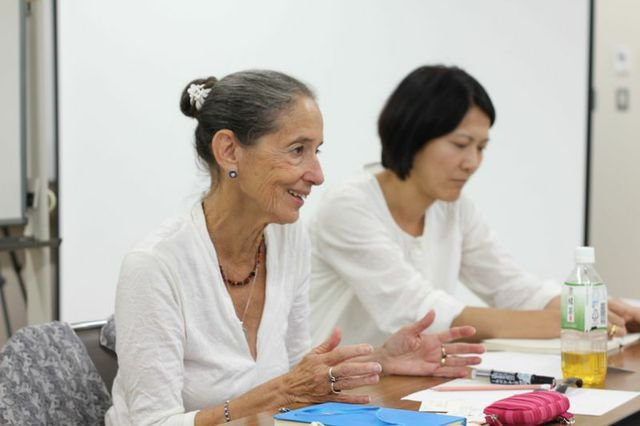
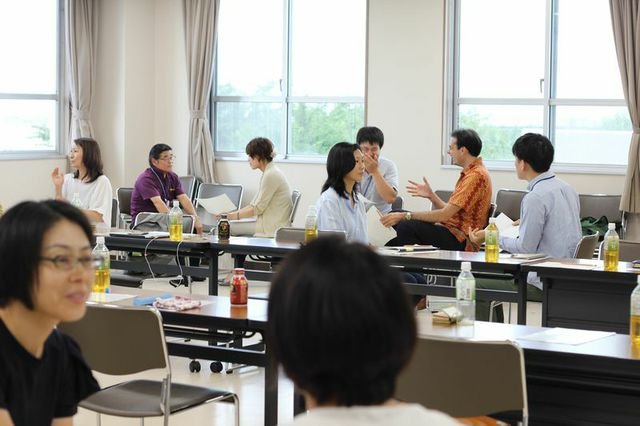
Formal collaboration with the Mediatech Library in Sendai and Tagajo City Hall is also being conducted. Workshops on conducting life story interviews were instructed in August by Amia Lieblich, professor emeritus of the Hebrew University who initiated and supervises Voices of Tohoku. Workshops were also held at universities in Tokyo and Nagoya. Participants were city hall officials, academics, psychologists, and local residents who expressed an interest in conducting life story interviews. As a result of the workshops, collaboration is being made with Tagajo City Hall to conduct interviews at new public housing units.
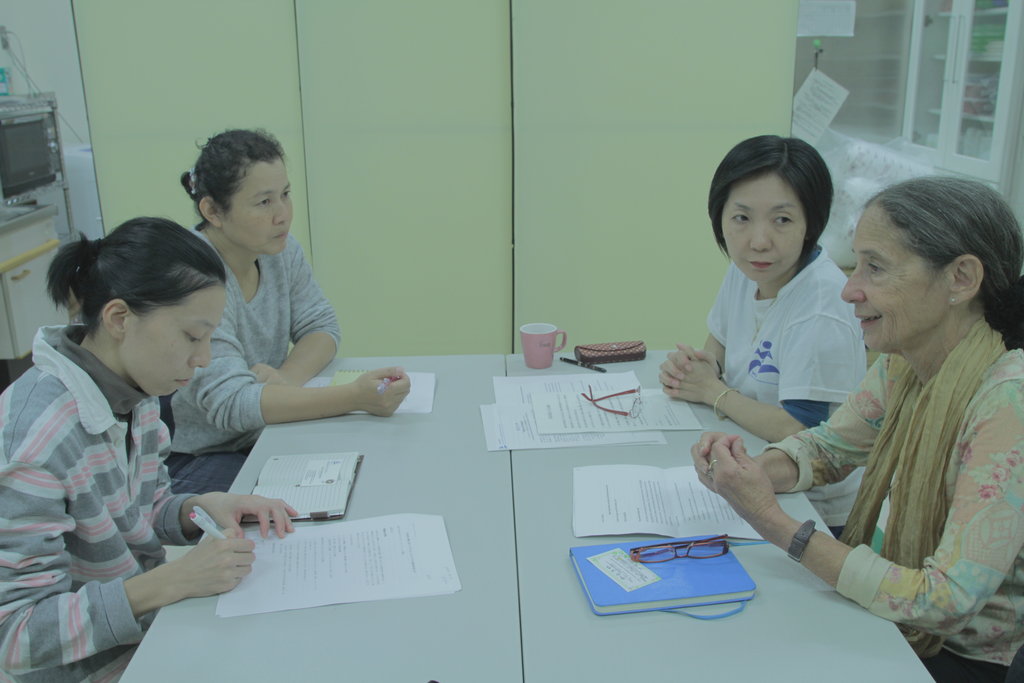
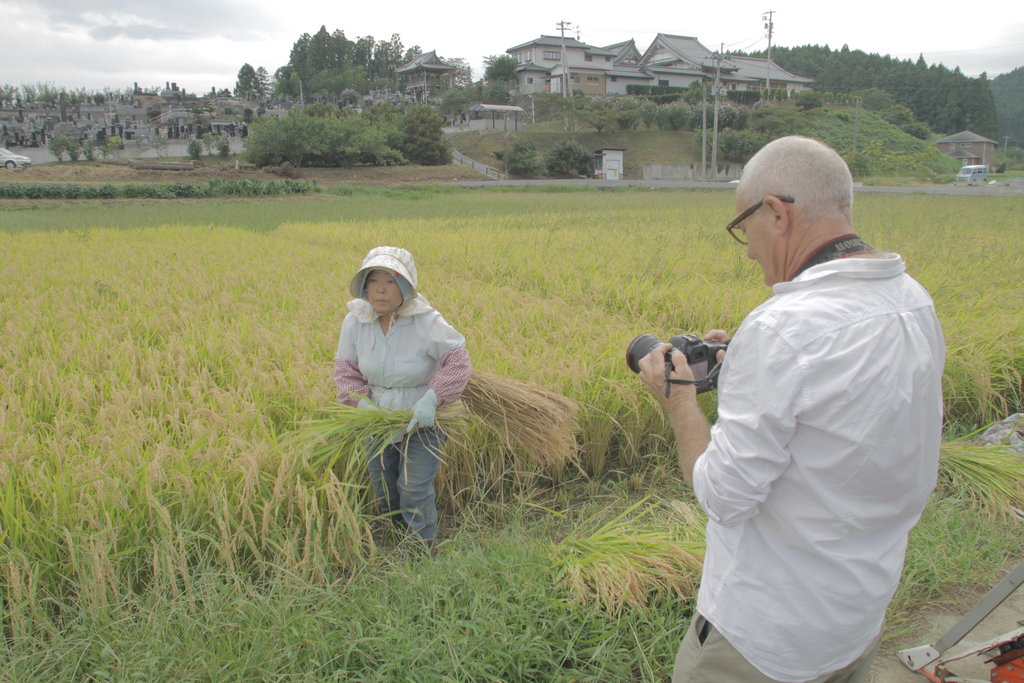
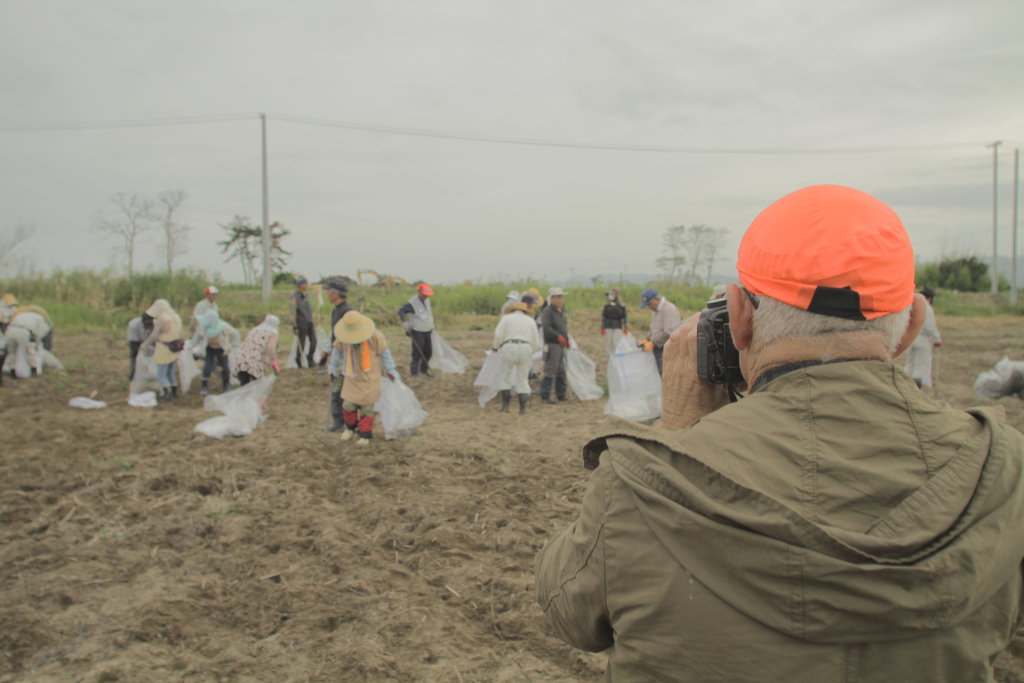
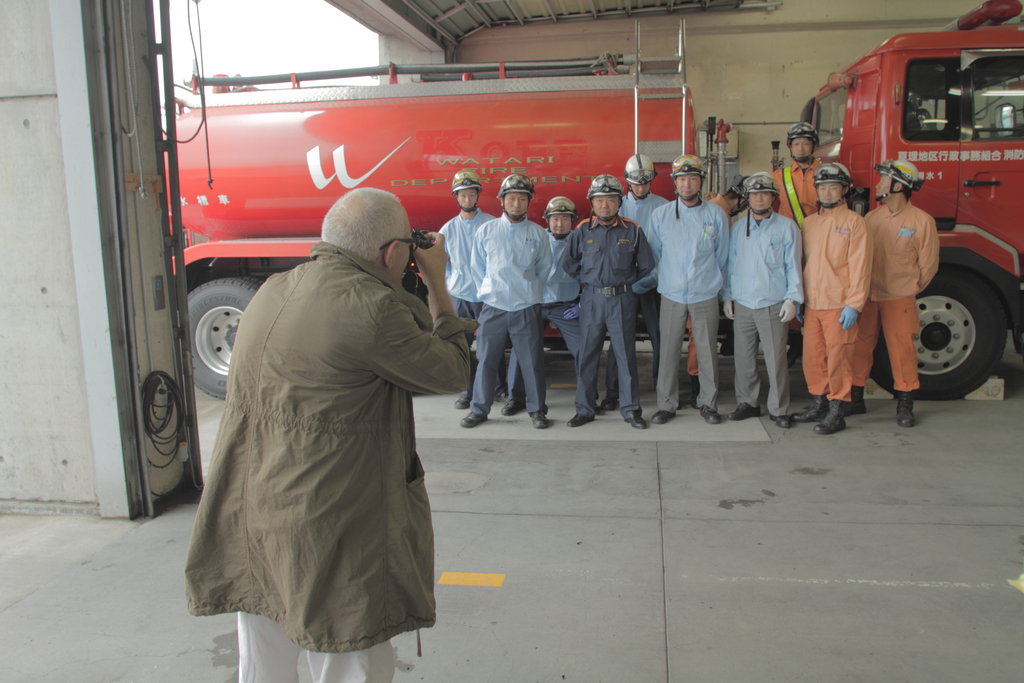
Collaboration is also being made with the GlobalGiving Storytelling Project, which collects oral narratives about disaster relief projects. We visit ongoing reconstruction projects, conduct informal interviews with locals and volunteers, and thereby introduce individuals to Voices of Tohoku. Below is a picture of events we attended in October with the storytelling. During the course of the storytelling interviews, we also were able to meet people who later conducted video interviews for Voices of Tohoku.
Until present respondents were recruited by snowball sampling, whereby one interviewee will refer others he or she knows to the project. In an effort to expand our base of respondents, a new flier and poster were created. These promotional materials are being distributed at local community centers, restaurants, and non-profit organizations.
How can you help? Besides just your financial support, we would also appreciate tactical assistance. Please share our contact and website. Do you know someone located in the disaster region who would be willing to have a video interview? Please have them contact us in Japanese or English: contact@jisp.org
Thank you for your assistance,
JISP (The Japan IsraAid Support Team)
Links:
Project reports on GlobalGiving are posted directly to globalgiving.org by Project Leaders as they are completed, generally every 3-4 months. To protect the integrity of these documents, GlobalGiving does not alter them; therefore you may find some language or formatting issues.
If you donate to this project or have donated to this project, you can receive an email when this project posts a report. You can also subscribe for reports without donating.