Project Report
| Feb 26, 2018
Findings from Women Rebuilding their Communities
![]()
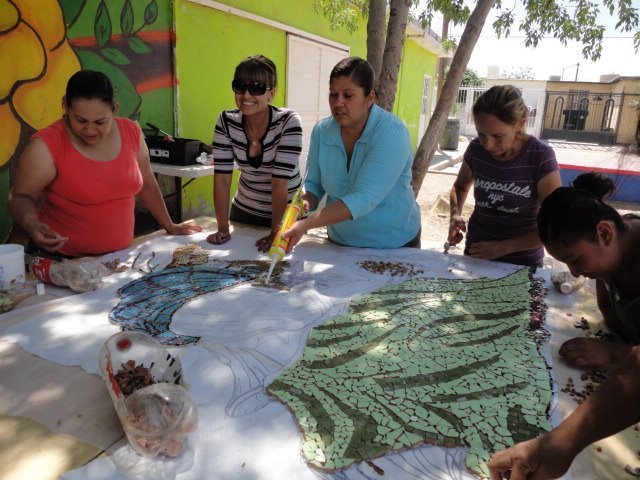
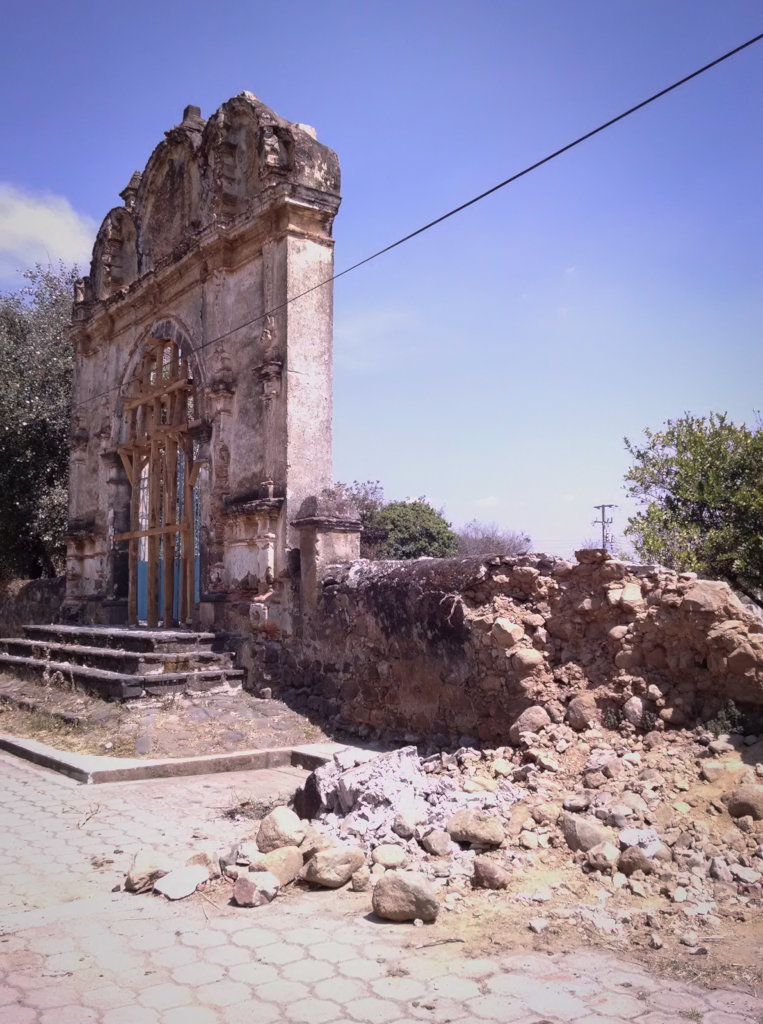
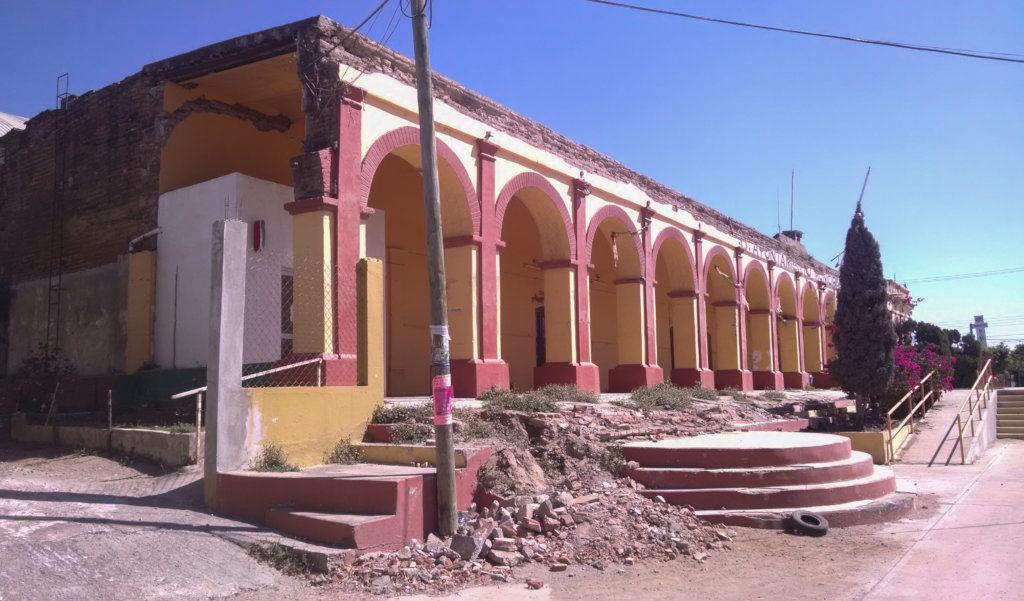
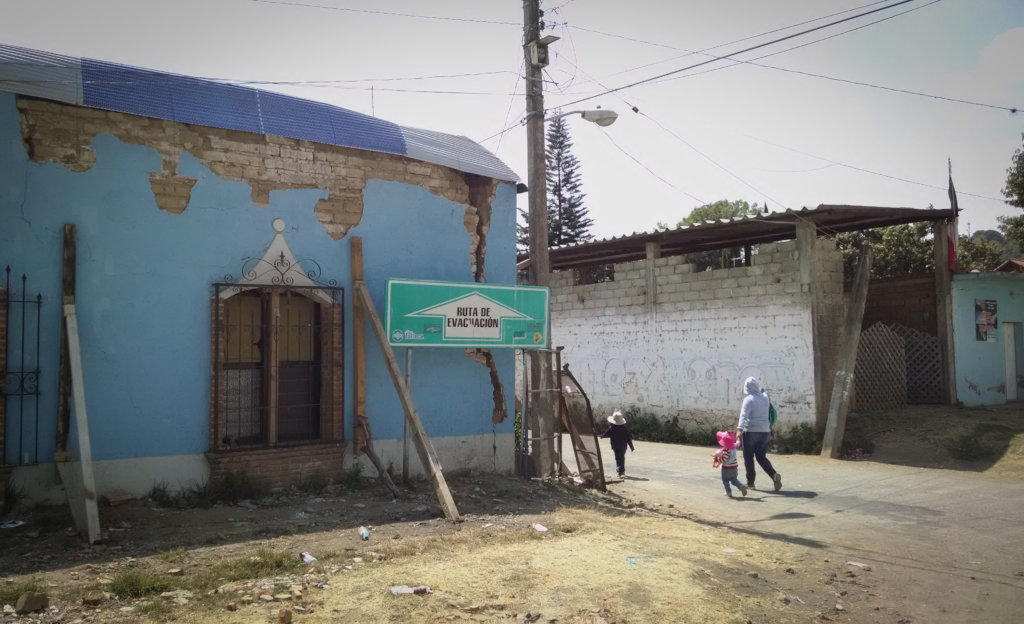
The Women Rebuilding their Communities program was designed as a long-term response to the destruction following the earthquakes that occured in southern and central Mexico in September 2017. Now after the immediate aid has ended and much of the attention has been refocused elsewhere, we are getting ready to fully implement our reconstruction program, based on a complete stakeholder mapping and needs assemssment with concrete data and information from the affected areas.
In order to understand more fully the situation in the affected states, in December 2017 we collaborated with the organization Ambulante to initiate a mapping of the stakeholders and actors that are participating in reconstruction efforts in the country, as well as a needs assessment. This information will help us to define the most strategic way to use the resources and to support the communities.
This mapping is one of the most complete pictures of the situation available in the country, and we want to share some of the principal findings. If you want to learn more about the methodology that was used and see the complete results, click here.
- More than 450 actors participating in the reconstruction have been identified, and they have been classified in accordance with their area of influence and their thematic priorities. The list as of January 26th can be downloaded here. This will continue to be updated, and the most up-to-date version can be requested by emailing: luz.rodea (@semillas.org.mx )
- 725 municipalities in nine states are in a state of disaster or emergency: Oaxaca, Chiapas, Puebla, Tlaxcala, Morelos, Guerrero, Mexico City, the State of Mexico, and Veracruz.

- Seven of those states (all but Tlaxcala and Veracruz) have been declared in a state of emergency by the government disaster relief agency (FONDEN), but there are 50 municipalities that are in the categories of emergency and extraordinary emergency that are not receiving support (all of these are in the state of Chiapas).
- According to the available information, there are 60,302 housing units that have been completely destroyed, but there is no information about the total number of people affected.
- The support for the immediate emergency is already being withdrawn from the affected communities.
- The existing reconstruction plans are limited to housing. There is not support for initiatives such as economic revitalization, food security, prevention of future natural disasters, rehabilitation of water and sanitation systems, rebuilding social cohesion, etc.
- Only a small percentage of the resources have been provided directly to grassroots groups and organizations, even though those groups have a fundamental role in ensuring that the reconstruction initiatives are successful.
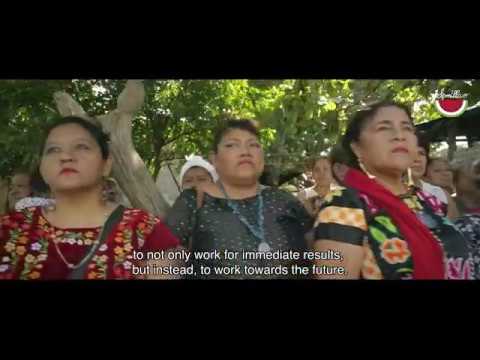
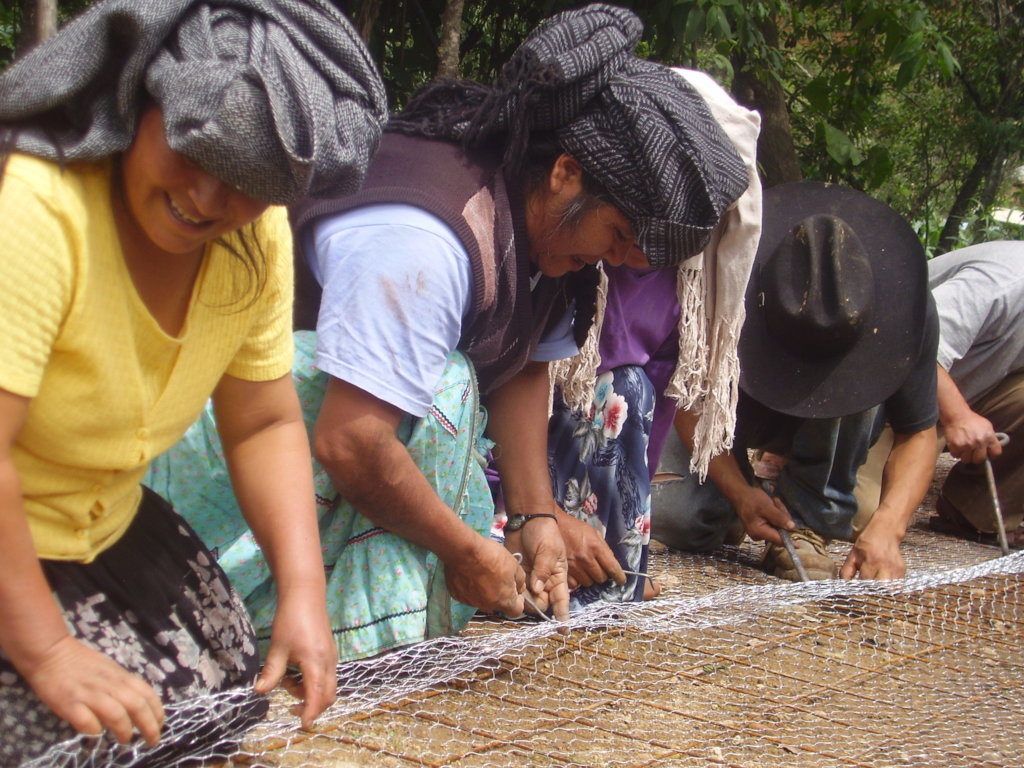
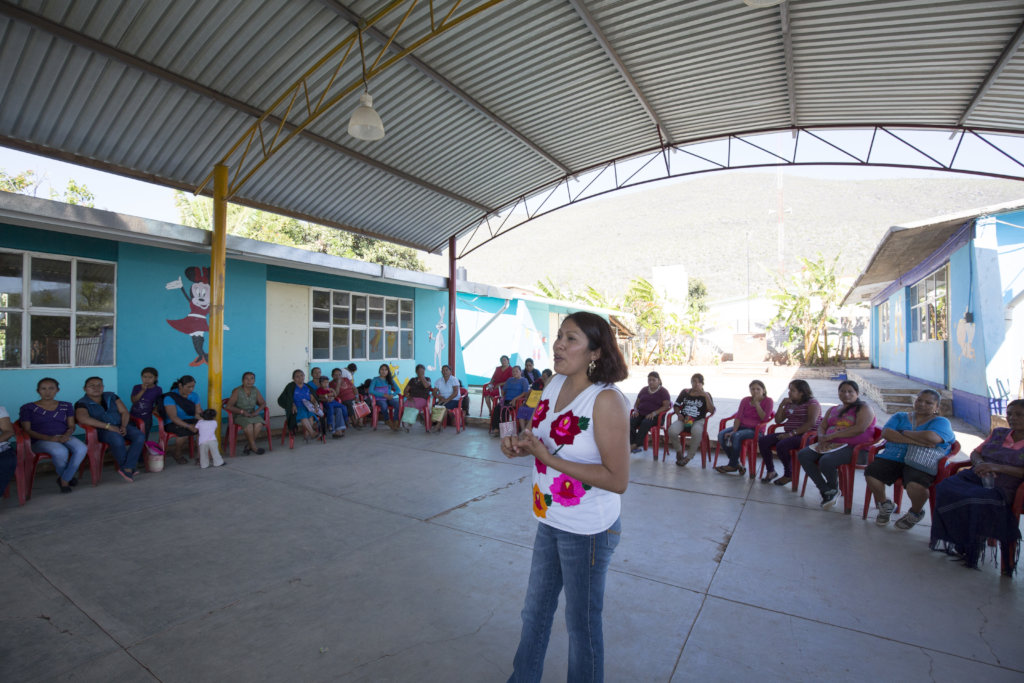
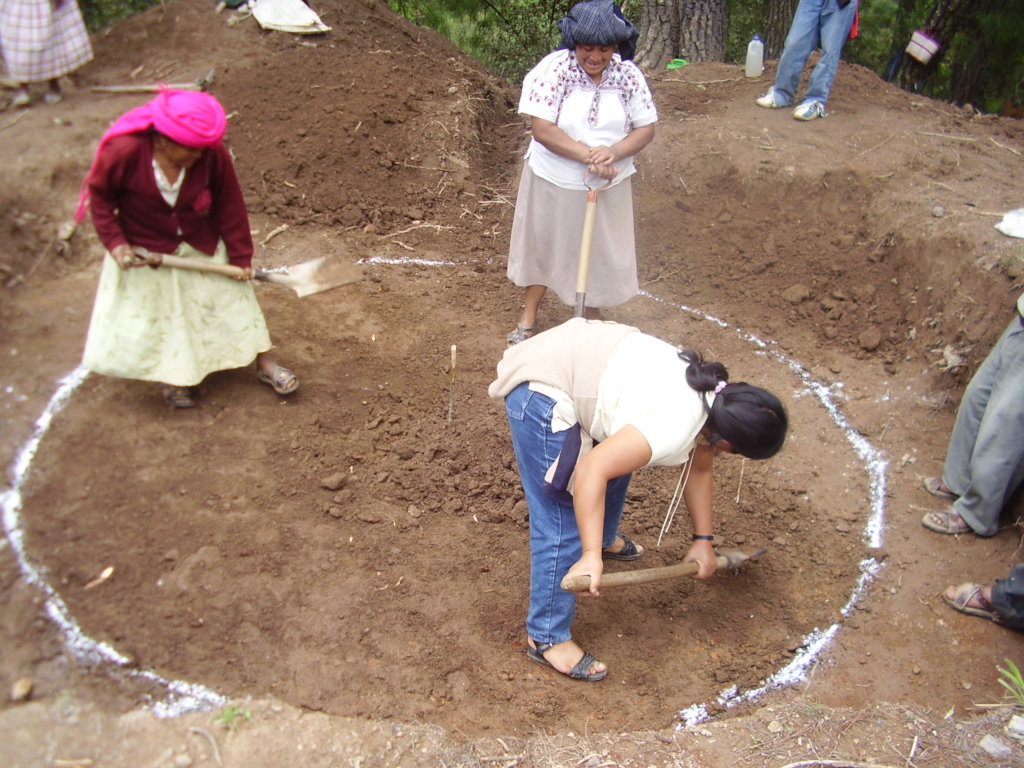
- Women are leading the reconstruction activities, whether through groups that they already belonged to before the earthquake, or because they organized themselves and started to work following the tragedy.
Next steps
Taking into account the previously mentioned findings, the call for proposals to receive grants from Fondo Semillas will be launched on Thursday, March 1, 2018, and can be found on our website. The results of this selection process will be announced on April 30.
We want to thank all of the people and institutions who contributed to carrying out this needs assessment and mapping, especially Valeria Brabata and Mercedes Caso, the UNDP, UNICEF, Oxfam Mexico, World Vision, #Epicentro, CADENA, TECHO, Fideicomiso Fuerza Mexico, and all of the groups and community organizations in the affected states.
Thank you to all who have donated, and keep an eye out for further updates as we move forward with the call for proposals and selection of women led organizations who are leading in the reconstruction of their communities.
![]()
![]()
![Share on Twitter]()
![Share on Facebook]()