By Ana Godinez | Project Leader
A fundamental part of the accompaniment provided by Fondo Semillas is the on-site visits to the organizations we support. More than supervision exercises, these visits seek to foster closer connections, strengthen bonds of trust, and share spaces in the contexts where groups carry out their work. This past July, we had the opportunity to visit two organizations: Fundación Origen and Ser Mujer.
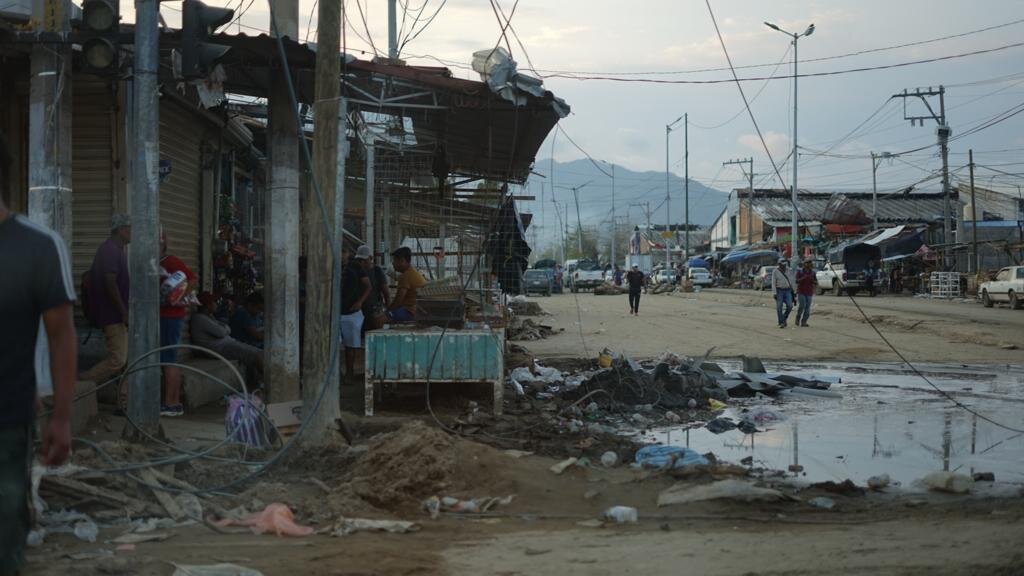
Fundación Origen works in downtown Acapulco, Guerrero, as well as in the communities of El Carrizo, El Salto, El Gallinero, and Cumbres de Llano Largo. The organization seeks to develop a comprehensive approach that combines prevention, environmental care, health brigades, and the delivery of medicines through alliances with different sectors such as health, environment, and education.
According to the staff, after more than a year of implementation, the participating women are better prepared to face emergencies; some have become companions for other women and have built solid support networks. This progress reflects the value of community training centered on autonomy and collaboration.
Their work aligns with the objectives of Women Rebuilding Guerrero by transforming assistance-based narratives that often portray women* solely through their needs. In this sense, recognizing their knowledge, organization, and community networks allows them to be portrayed as agents who generate collective responses to crises. Promoting their autonomy and effective participation is therefore key to advancing towards fairer structures that confront inequalities of gender, ethnicity, and class.
To achieve this, the organization develops activities that respect the culture, autonomy, and collective forms of organization of the communities. One example is the distribution of local seeds, accompanied by tools and knowledge that strengthen more resilient agricultural practices, with lower environmental impact and greater economic benefit for families. The selection of beneficiaries focuses on their commitment, participation, and openness to new knowledge.
From their perspective, the goal is not to change communities, but to accompany and complement their processes to grow together, in an exchange that “nurtures both sides.” As one staff member shared: “There are many needs in Acapulco, but we have already started. I love seeing women set aside their resistance. Each year, we submit proposals together so they can be supported by the government. Last year we submitted 14; this year they are even more enthusiastic.”
However, sustaining these strategies in the long term poses multiple challenges. Trust in the communities is limited due to the State’s historic neglect and the presence of drug trafficking, which requires time, patience, and a sensitive and respectful approach.
In addition, structural violence affects all levels of the state of Guerrero, which makes it essential to create safe spaces and raise awareness that living under violence is not normal. The organization has had to find strategies to address issues of violence and drug trafficking, as some participants have family members involved or have suffered losses due to these circumstances.
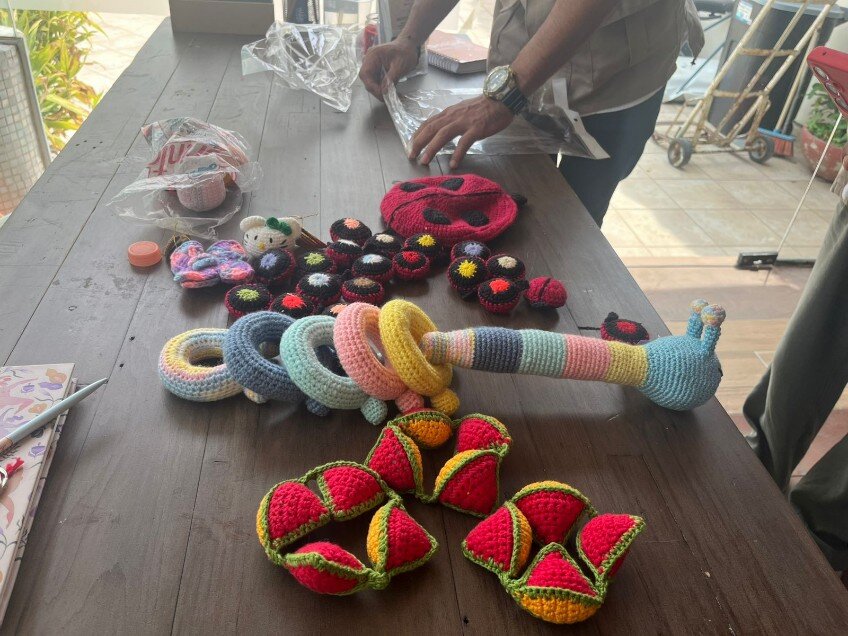
Another crucial element for the organization’s sustainability—and for grassroots groups in general—is the alliances they build. In this case, working together with laboratories, health professionals, and specialists who provide workshops on cooking, crafts, and risk education has been key to keeping activities alive within the community.
At the operational level, the organization faces significant limitations: it has only five staff members to serve all the communities, with considerable work overload; travel can take more than four hours due to a lack of transportation and internet access in remote areas. From Fondo Semillas, we provide spaces for care and healing, as well as strengthening processes in organizational management, resource mobilization, and risk management, so that grassroots groups have better tools for their own processes and can consolidate not only at the community level but also internally.
On the other hand, Ser Mujer is an organization located in the municipality of San Marcos, working directly with the community of San José, Guatemala, by strengthening women’s networks. Their work combines risk prevention with the recognition of environmental and meteorological factors, so that participants can identify their level of risk and make informed decisions in the face of emergencies.
Within the community, they create non-formal educational spaces that are essential in contexts of marginalization and violence, as they expand access to learning, generate safe environments, and strengthen community organization, fostering autonomy and new opportunities. Women* participate voluntarily, collaborate with women from other communities, and bring their children along, leaving aside daily chores to engage in new experiences of collective learning and care.
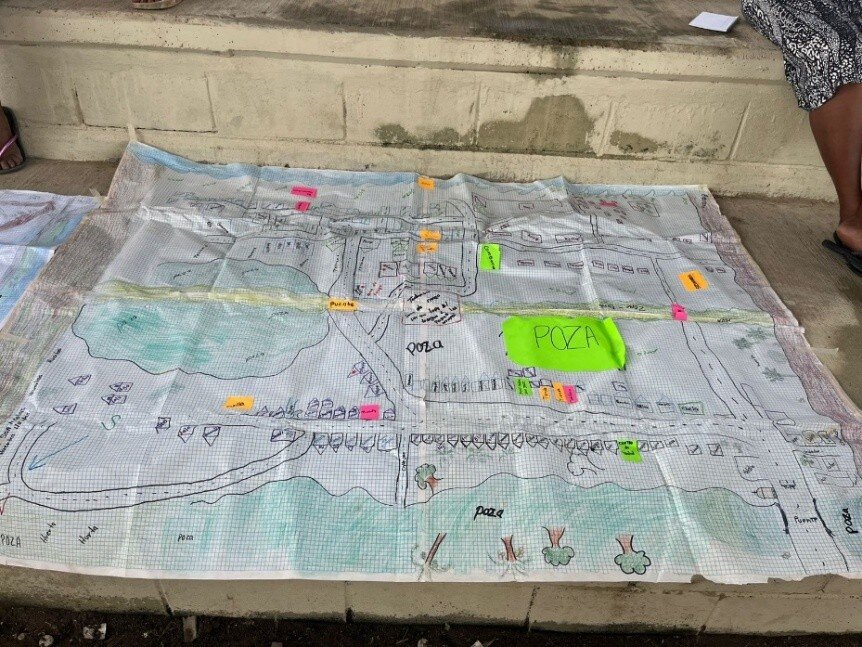
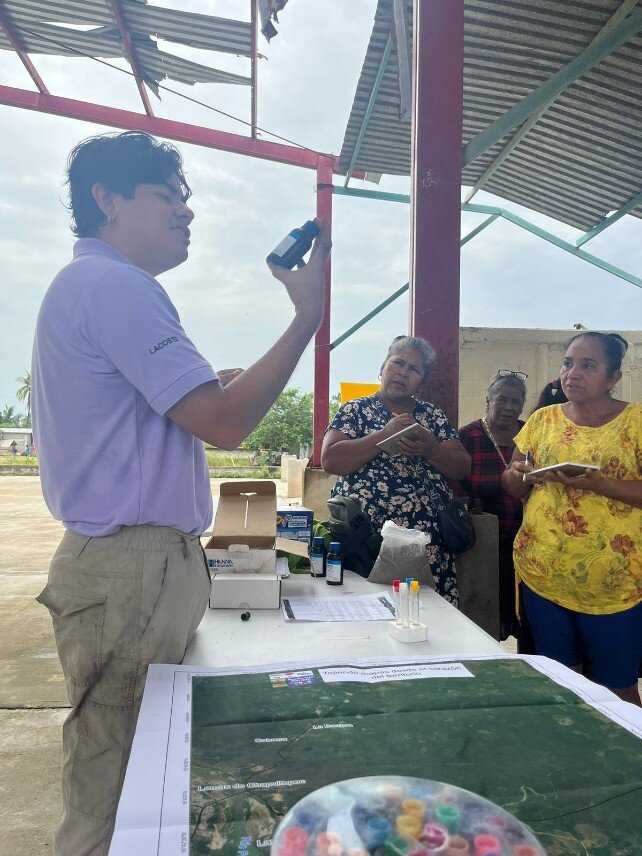
During the visit, in a practical workshop, participants identified the type of soil where their homes are located, to assess risks related to evacuations or emergencies, as well as the fertility of their land.
One particular case highlighted the importance of the workshop: a woman discovered that the soil in her home showed signs of contamination, possibly the result of floods after hurricanes. She remarked, “Now we are all chemists,” reflecting both the knowledge acquired and the empowerment that comes from reclaiming and applying this understanding in their daily lives.
Project reports on GlobalGiving are posted directly to globalgiving.org by Project Leaders as they are completed, generally every 3-4 months. To protect the integrity of these documents, GlobalGiving does not alter them; therefore you may find some language or formatting issues.
If you donate to this project or have donated to this project, you can receive an email when this project posts a report. You can also subscribe for reports without donating.



Support this important cause by creating a personalized fundraising page.
Start a Fundraiser