By Ana Godinez | Project Leader
During 2025, Fondo Semillas continued working to consolidate an emergency response with a feminist perspective, placing life and care at the center. In this first report of 2026, we want to highlight the importance of one of the key elements of our strategy: The Rapid Response Fund (RRF).
These funds serve as a mechanism for grassroots organizations to respond immediately to crises caused by climatic events, structural violence, or threats to the safety of historically excluded communities. Beyond providing immediate assistance, the RRF has strengthened local capacities, ensured the continuity of essential services, and supported processes of community autonomy and resilience.
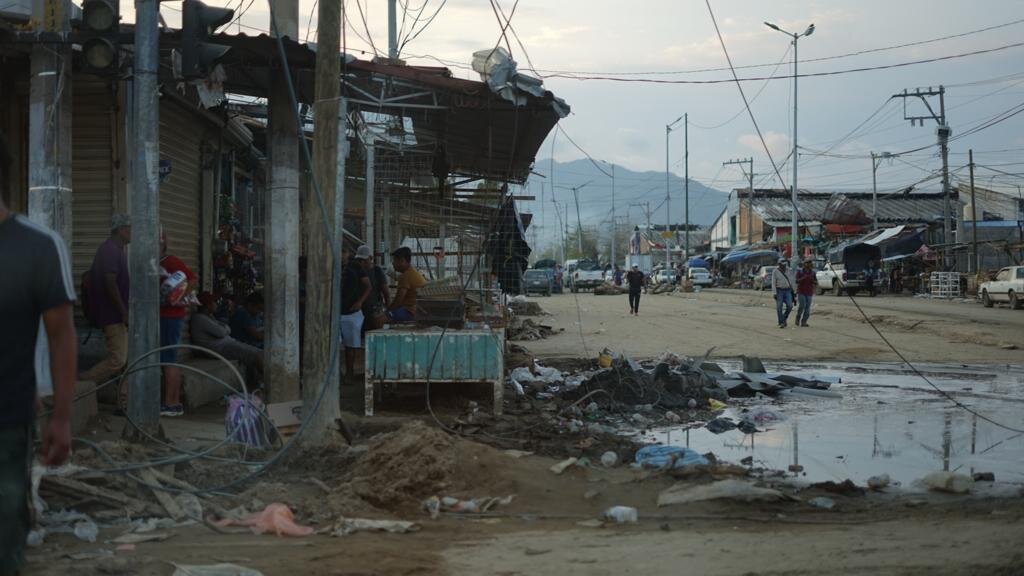
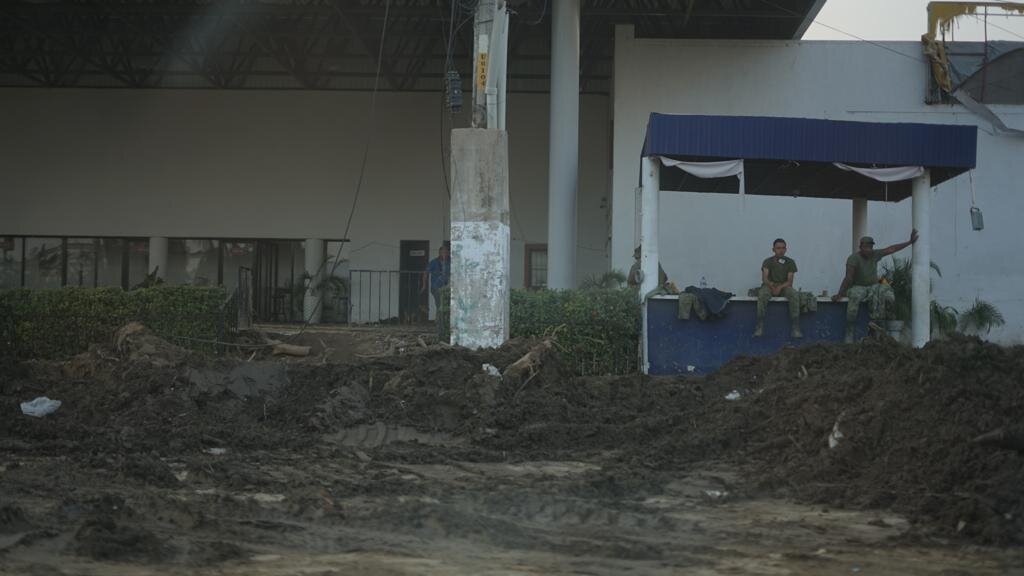
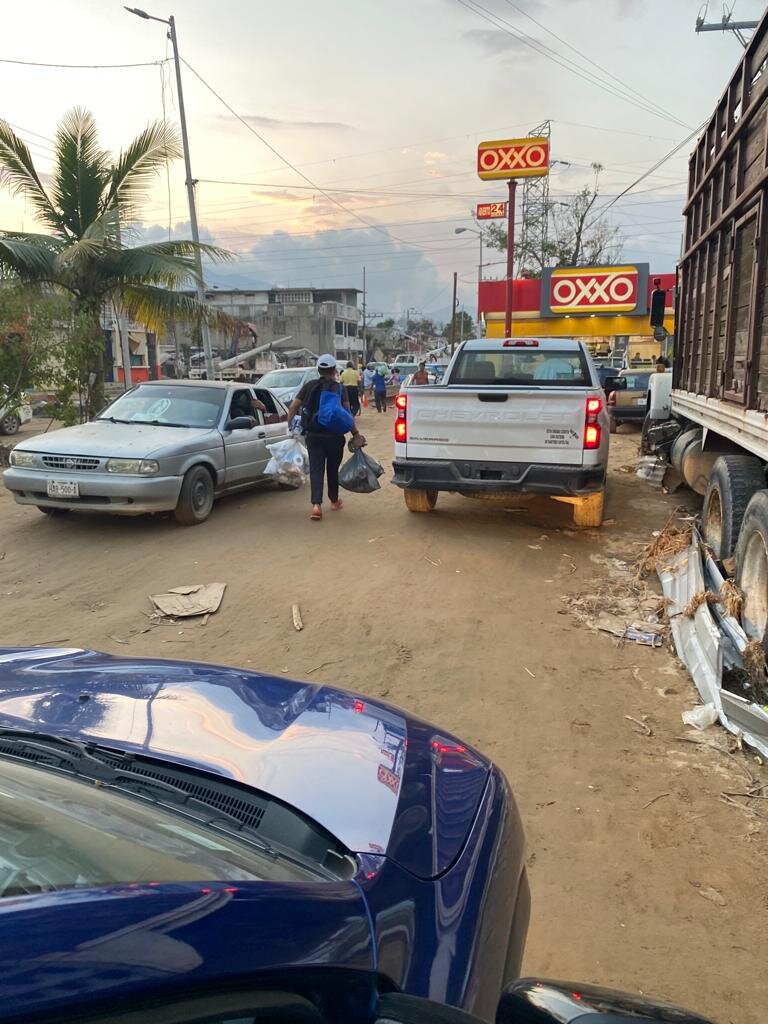
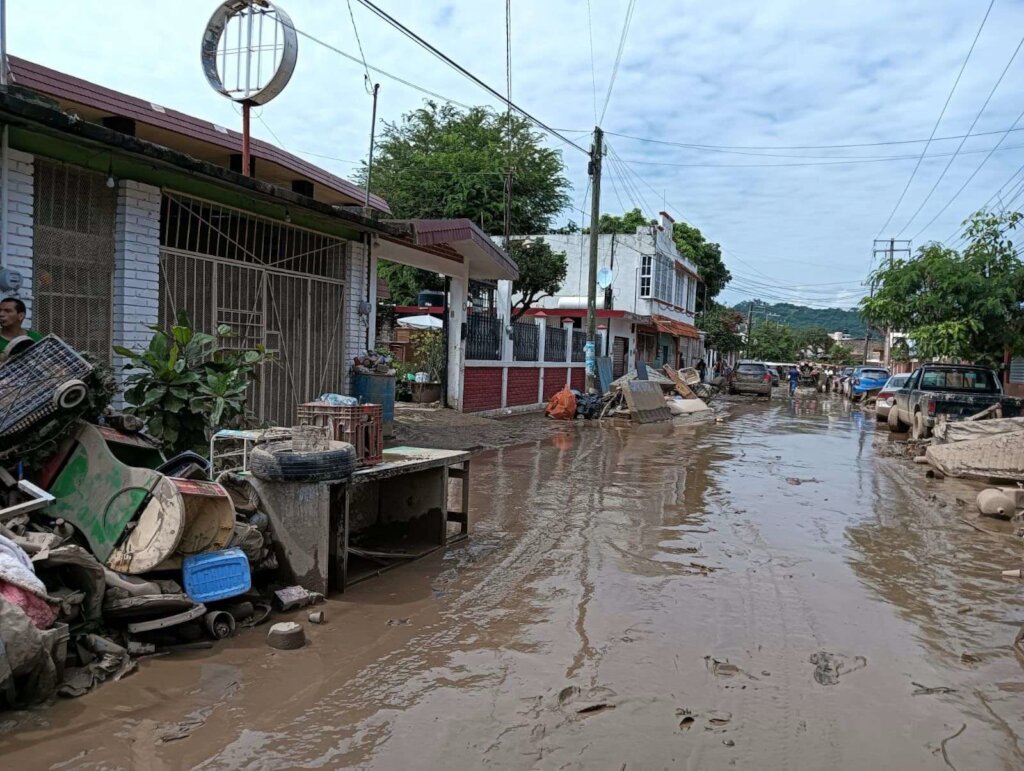
Throughout 2025, 38 RRF were provided, primarily to respond to emergencies caused by hurricanes and tropical storms, such as Erick and Raymond, in states including Guerrero, Oaxaca, Chiapas, Veracruz, and Hidalgo. They were also used to address crises arising from violence, as in the case of the Sociedad Cooperativa de Almejeras de Santa Cruz in Sinaloa.
Thanks to these funds, organizations were able to provide immediate support to women, girls, older adults, and affected communities, including transportation and medical care, distribution of food and hygiene items, replacement of essential goods, as well as legal support and urgent security measures to protect rights and territories.
In total, these resources directly impacted 1,676 people and indirectly reached 35,390, including Afro-descendant and Indigenous women, girls and adolescents, older adults, people of diverse sexual and gender identities, and people with disabilities.
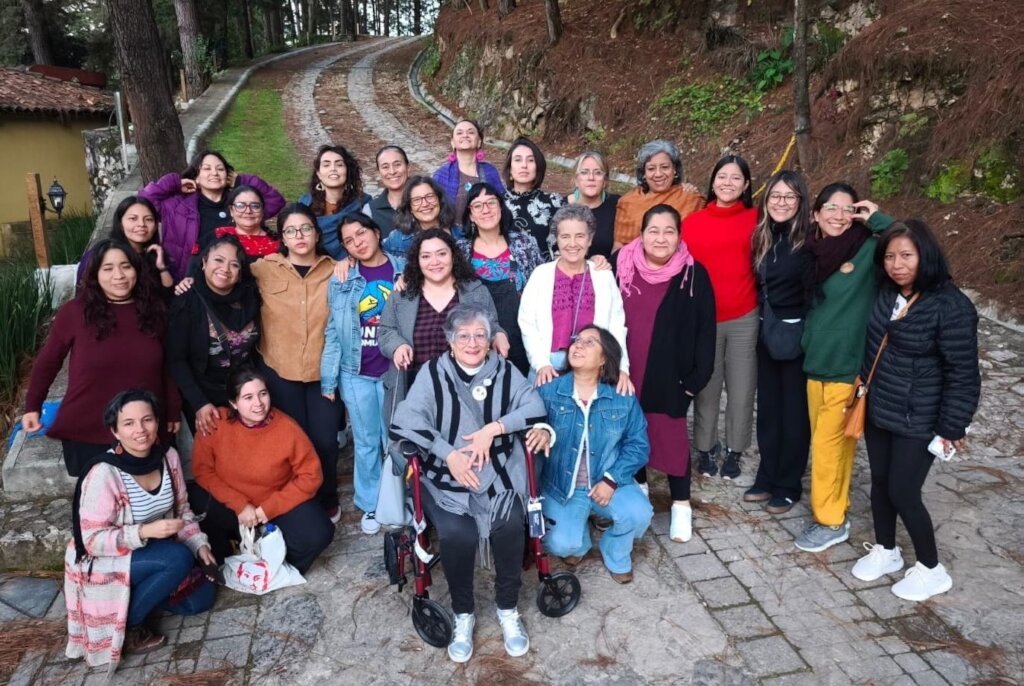
Beyond the RRF, 2025 was marked by the strengthening of community networks and long-term accompaniment programs. From October 21 to 24, the Third In-Person Meeting of the Nodes Network for Feminist Response to Socio-Environmental Emergencies took place in San Cristóbal de las Casas, Chiapas. This space enabled stronger coordination among nodes, reflection on achievements and accumulated lessons, and the renewal of the coordinating committee for 2026–2027.
The lessons learned this year confirmed that feminist responses centered on life and care not only address immediate needs but also generate deeper and more sustainable impacts in communities, strengthen social cohesion, and foster autonomy. They also highlighted the importance of maintaining strong networks and spaces for collective learning, sharing best practices, and coordinating action in the face of increasingly complex socio-environmental crises.
Thanks to your support and donations, we can continue to strengthen this Network of Nodes with a feminist perspective.
Project reports on GlobalGiving are posted directly to globalgiving.org by Project Leaders as they are completed, generally every 3-4 months. To protect the integrity of these documents, GlobalGiving does not alter them; therefore you may find some language or formatting issues.
If you donate to this project or have donated to this project, you can receive an email when this project posts a report. You can also subscribe for reports without donating.



Support this important cause by creating a personalized fundraising page.
Start a Fundraiser