Project Report
| Jan 14, 2013
Basin Expansion & Piping in the Works!
By Alexandra Stein | Country Manager
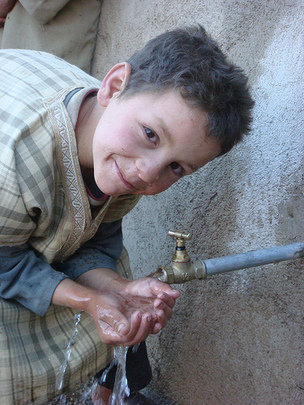
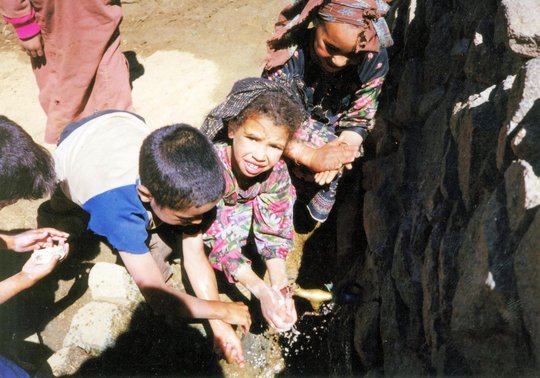
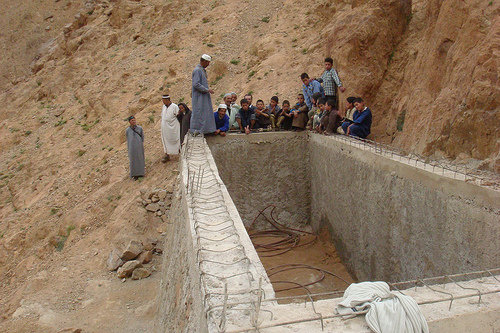
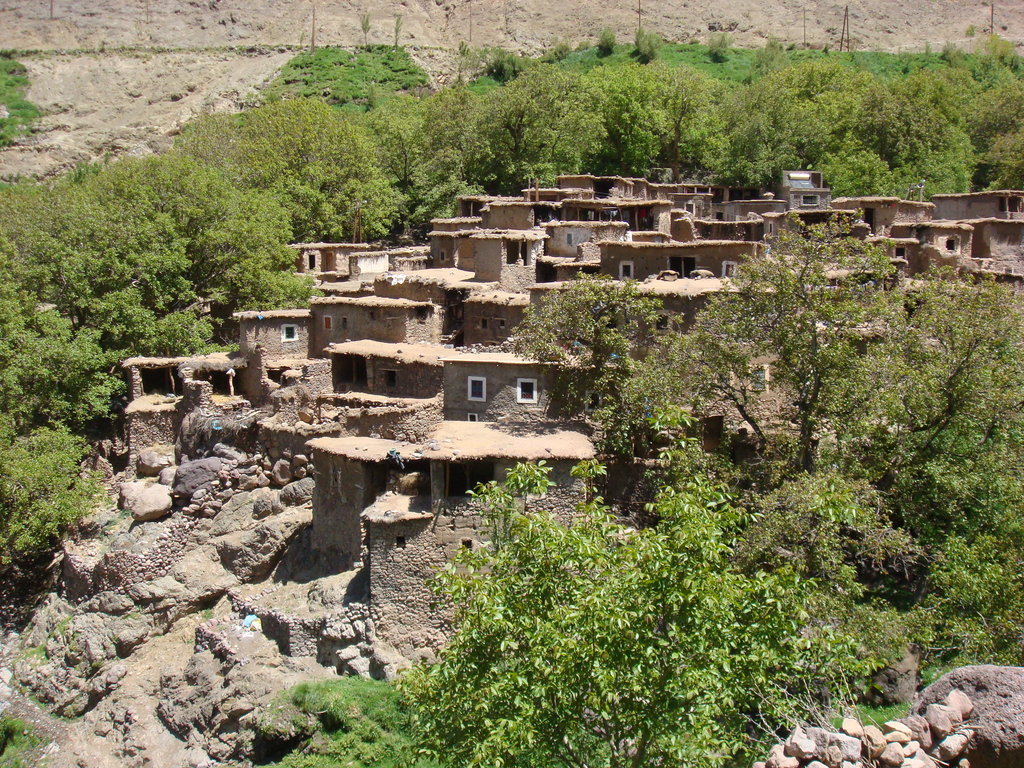
We are so pleased to report that thanks to your generous support, implementation of a clean water system has begun in Rhamna Province. We have identified the need to build a basin and to deepen this well. Local citizens are incredibly devoted to seeing this project through to completion, and as such they are offering labor in kind, which assures that the work gets done on schedule.
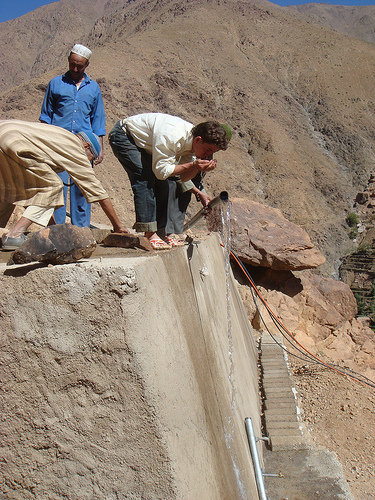
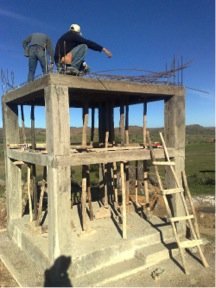
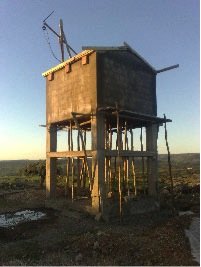
In addition, thanks to your funds, we have bought the materials for a water tower, and that is being constructed as well. Community members are working to collect piping, checking prices to make sure we can purchase enough to bring potable water to every single household in the village.
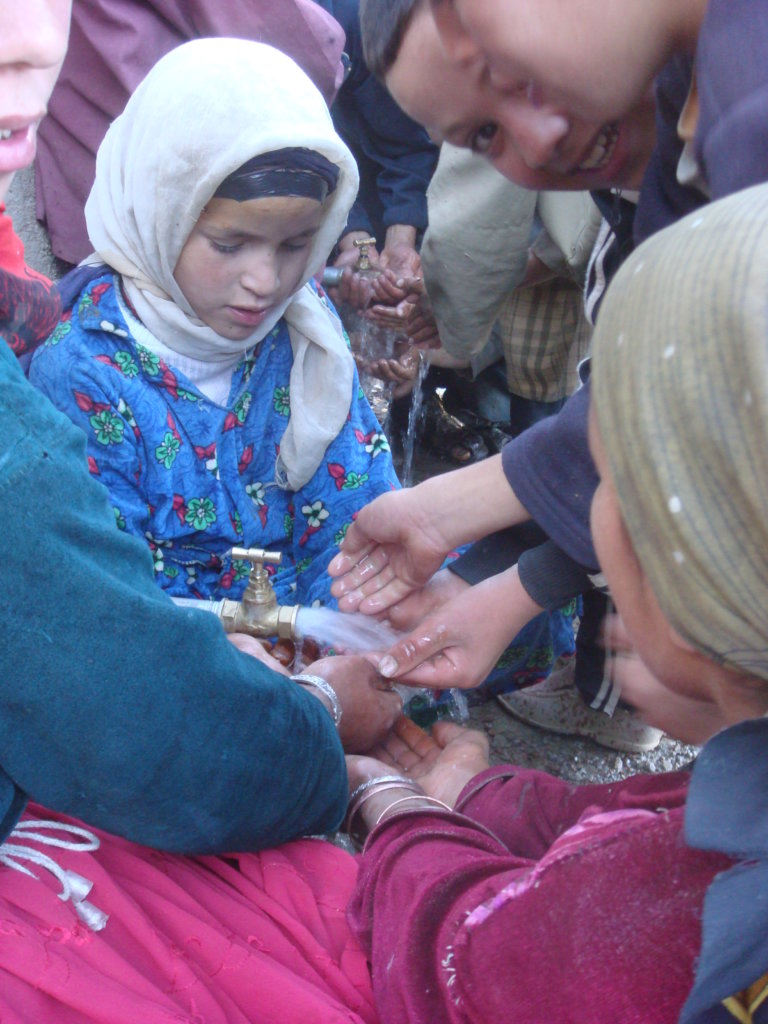
To get a sense of the full budget breakdown for clean-drinking water, check out the Budget Chart below. Your donation goes to the direct cost of this project, which is life-saving and contributes to sustainable human development, giving women and children a chance for a better life for years to come.
Attachments:
Oct 15, 2012
Clean Drinking Water Arrives in Ahl Mbarek Maassoud
By Hilary White | Grants Manager
HAF's Project Manager Abderrahim Ouarghidi reports:
- An important Clean Drinking Water project has been completed in the village of Ahl Mbarek Maassoud, Rural Commune of Aït Taleb, Ben Guerir Province:
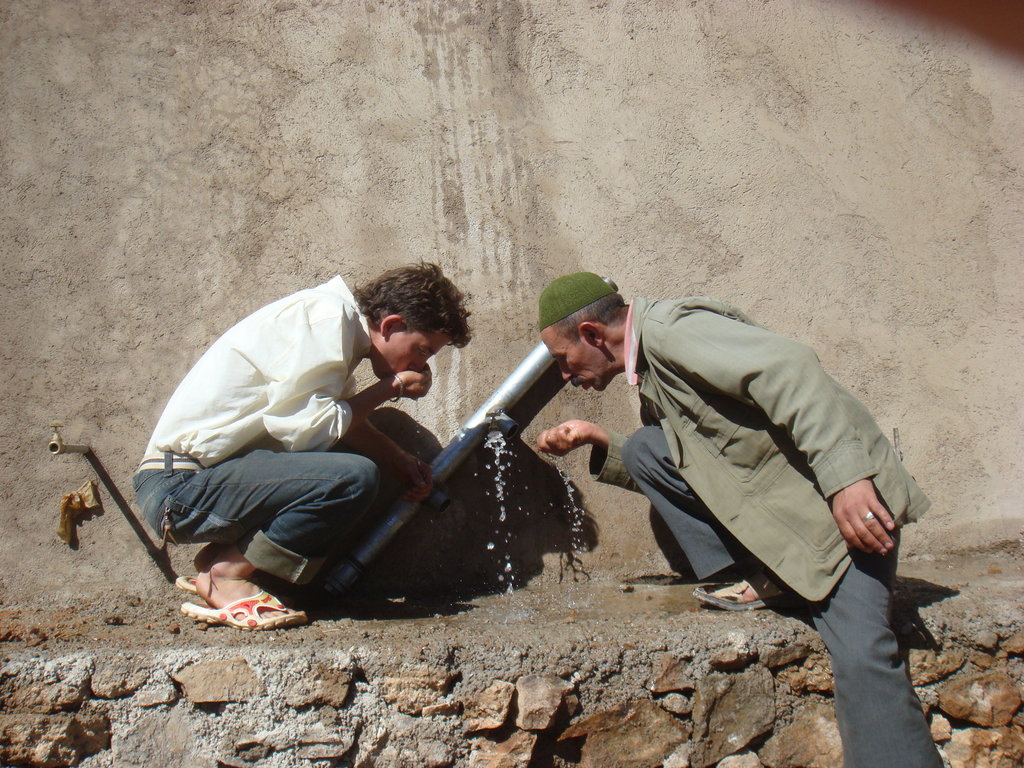
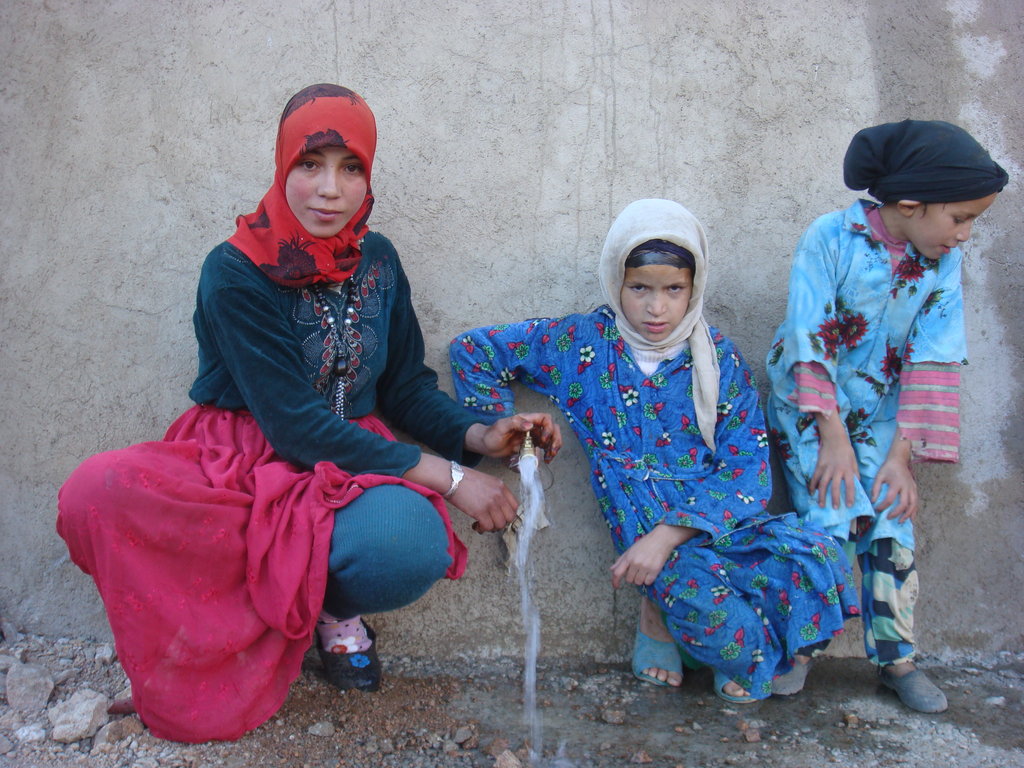
- The water tower has been built, the trenches for the pipes were dug, and pipes installed. This is a realization of a dream. Ever since 1979, this commune has requested clean drinking water, and HAF is happy that its facilitation of Participatory Planning meetings and process have enabled the community members to come together, solve the problems, and make it happen, despite the challenges mentioned in earlier reports.
Approximately 60% of rural Moroccans now have access to clean drinking water, up from 14% in 1995. During that same period, however, access to house connections and improved water sources had extremely modest gains. Clean drinking water projects remain a top project priority expressed by High Atlas Mountain communities. Nationally, infant mortality rates are 26.49 per 1,000 — more than 4 times higher than the United States — and are significantly higher in rural areas. Too often, there seems to be a disconnect, as in this case, between the national human development figures that show marked improvements, and the reality of Morocco’s mountain communities which have been left behind.
NOTE:
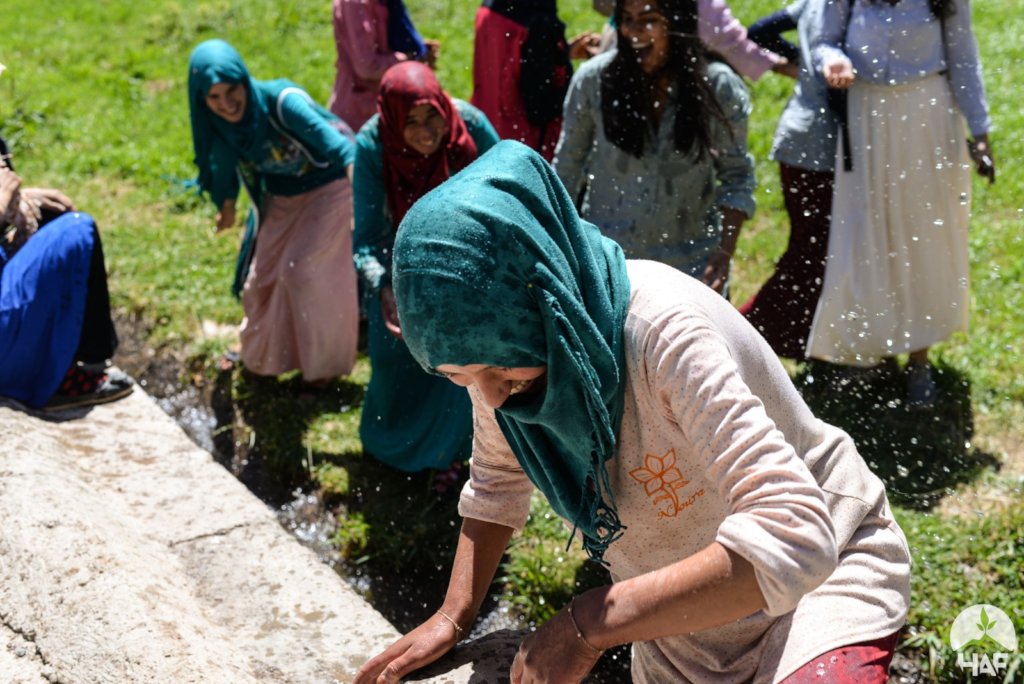
Time spent to procure what is often non-potable water (in addition to fuel wood) is a burden on women and girls — and prevents their participation in education. While a 2001 World Bank survey showed that girls’ enrollment in school increased 16% in communities that benefited from the installation of clean drinking water systems, interestingly, this project priority often does not appear among the suggested projects from the women's participatory planning meetings. One possible reason for this, as HAF has observed in a different community, is that the time spent fetching water is also an opportunity during the day for women and girls to socialize together.
Jul 2, 2012
May 2012 updates
By Hilary White | Grants Manager
May 2012 updates:
Construction of a drinking water basin in the village of Ahl Mbarek Massoud, rural commune of Ait Taleb:
During participatory planning meetings, this project has been designated as a highest priority. Once the land was identified and designated for the basin and a well was dug, an architect had topography plans drawn up and HAF recruited an engineer specializing in reinforced concrete to supervise the construction and a certificate of the structure’s strength obtained. The work is expected to take about 40 days.
Villages of Karya, Ait Taleb, Ouled Bella, Smasda require drinking water system:
Four additional villages have also expressed their desire for construction of a drinking water basin to relieve their suffering, and a partnership has been formed between HAF, the local community, and FHA-FOCP to do so. This partnership will fund constructing of the clean drinking water basins and the community will invest in digging and deepening the wells as well as the purchase and installation of a pump, the piping to serve the households with drinking water, and the community will also take charge of constructing the basins.