![]()
Pistachios have been part of the human diet since prehistoric times, valued not only for their taste but also for their nutritional and potential disease-management properties.
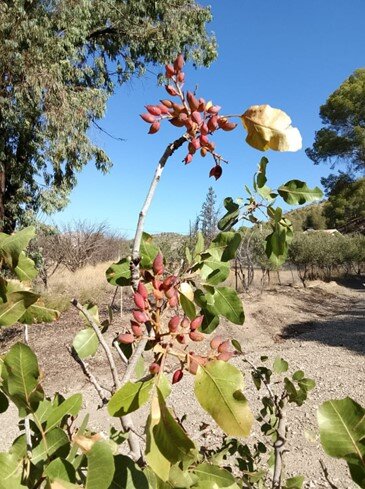
Native to the Middle East, the pistachio tree is among the oldest flowering nut trees, with archeological evidence of human consumption dating back to 7,000 B.C. in Turkey.
Over centuries, pistachios spread across the Mediterranean, where they became a prized delicacy for royalty, travelers, and commoners alike.
Their resilience in hot, arid climates allowed pistachios to flourish across empires, making them both a cultural symbol of abundance and a practical source of lightweight, nutrient-dense energy for explorers and traders.
Nowadays, the pistachio tree, long celebrated for its flavorful and nutrient-rich nuts, offers far more than a healthy addition to the diet.
In Morocco, it holds promising potential as a sustainable crop, with successful early initiatives showing its economic viability in semi-arid regions.
Beyond contributing to rural livelihoods, pistachio trees support biodiversity and land restoration, making them valuable in the fight against desertification.
Globally, rising demand and fluctuating prices highlight the opportunity for Morocco to position itself in this growing market, particularly through value-added avenues such as pistachio oil, processing for roasted and packaged products, and even innovative uses for shells in composting, biofuel, or artisanal crafts.
Together, these dimensions reveal the pistachio’s importance not only as food but as a pathway to health, economic growth, and environmental resilience.
Pistachios as a Drought-Resistant Crop
The pistachio nut is one of the most drought resistant amongst nut trees. Actually, its largest cultivation area is located in Iran, a country characterized by semi-arid and arid land, low rainfall, deficiency of fresh water, soil salinization, dust storms, and extreme heat and desertification.
Unlike many fruit trees, pistachio trees can flourish in these harsh growing conditions, making them an extremely promising crop in similar drought-prone environments such as Morocco.
Besides, as close relatives of Morocco’s native Pistacia species, they can help stabilize soils, prevent erosion, and create habitats that sustain local biodiversity.
In regions vulnerable to desertification, integrating pistachios into agroforestry systems could strengthen ecological stability while providing smallholders with a high-value product.
Nutritional Benefits: A Superfood for Modern Health
Additionally, consuming pistachios brings multiple nutritional benefits, which has made it a globally-celebrated snack for both its flavor and role in building healthy diets.
Packed with unsaturated fatty acids, protein, fiber, potassium, magnesium, and vitamin K, pistachios are far more than just a tasty snack.
Clinical studies have shown that including pistachios in the diet can support cardiovascular health and improve blood lipid profiles by lowering total cholesterol, LDL, and triglycerides, while strengthening cholesterol ratios.
Their low glycemic index makes them especially valuable for moderating blood sugar levels and reducing the risk of type 2 diabetes.
At the same time, their antioxidant and anti-inflammatory compounds help protect blood vessels and reduce stress, further strengthening heart health.
Pistachios stand out even for weight control: their combination of satiating protein and fiber, and the natural “mindful eating” effect of shelling them has been linked to healthier weight management.
Together, these qualities highlight pistachios as a nutrient-dense, functional food with wide-ranging benefits for long-term health.
Economic Potential in Morocco
In economic terms, pistachios represent an important prospect for Morocco. The country’s semi-arid climate, long tradition with drought-tolerant crops such as olives, carob, and argan, and existing networks of cooperatives and NGOs provide a solid foundation for exploring pistachio cultivation.
While commercial orchards take years to reach maturity, requiring upfront investment and patience, the long-term profitability is promising, particularly given the global rise in pistachio demand and the potential for value-added processing.
Morocco could follow the path of successful pilots elsewhere by carefully selecting cultivars suited to its climatic zones, using efficient irrigation systems, and embedding pistachios within mixed agroforestry models that support both livelihoods and ecological resilience. Local initiatives are already taking shape.
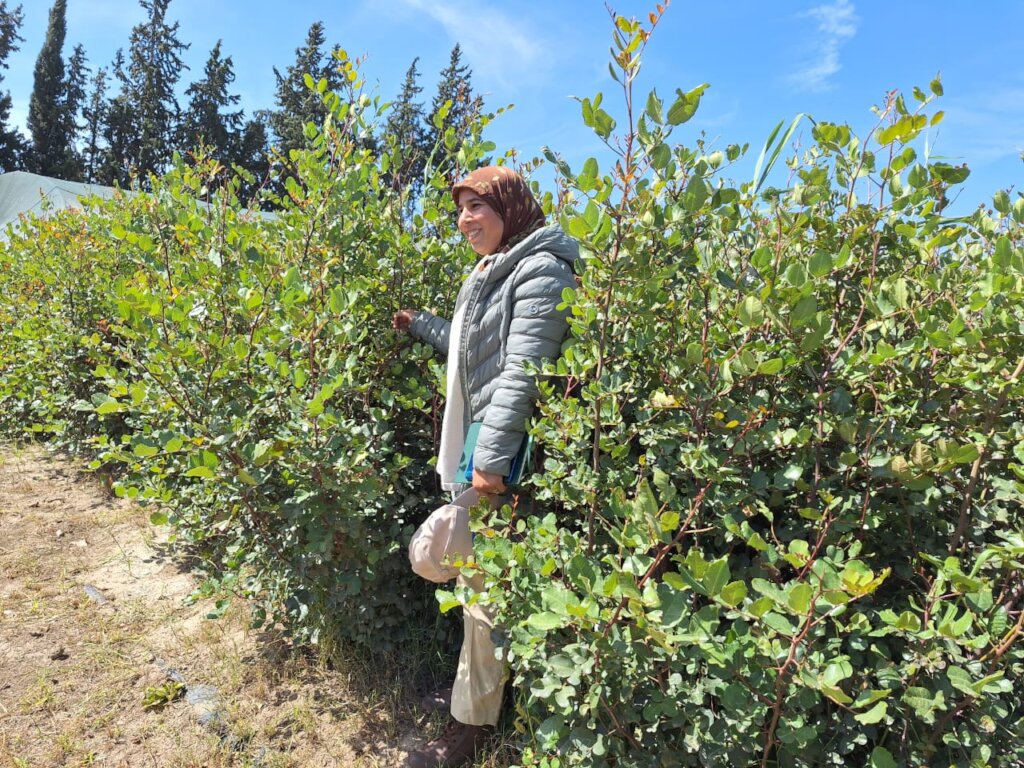
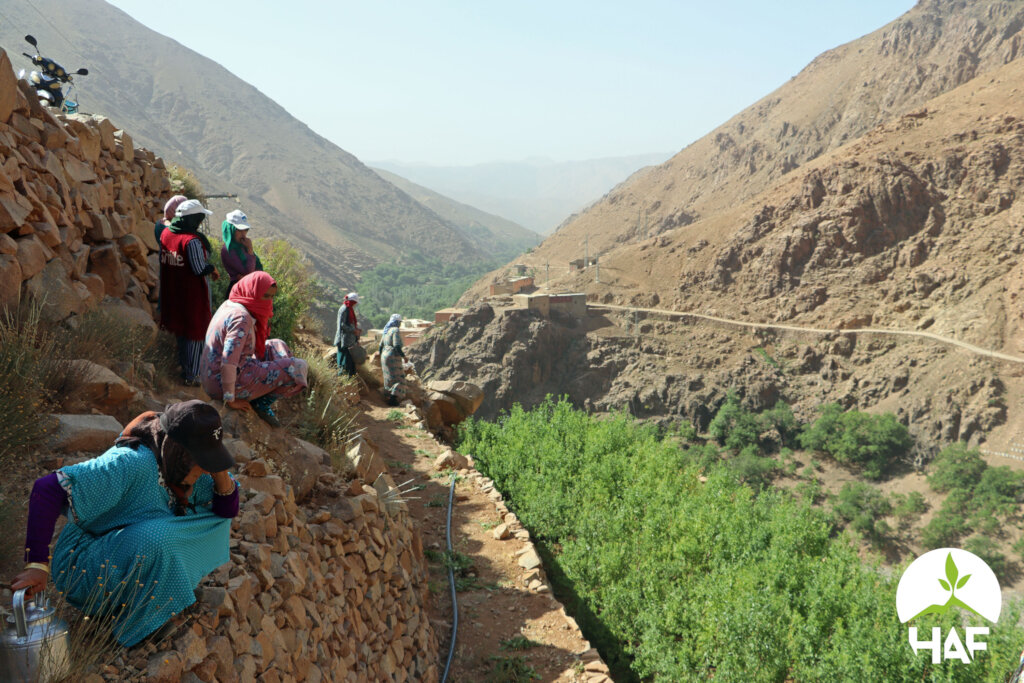
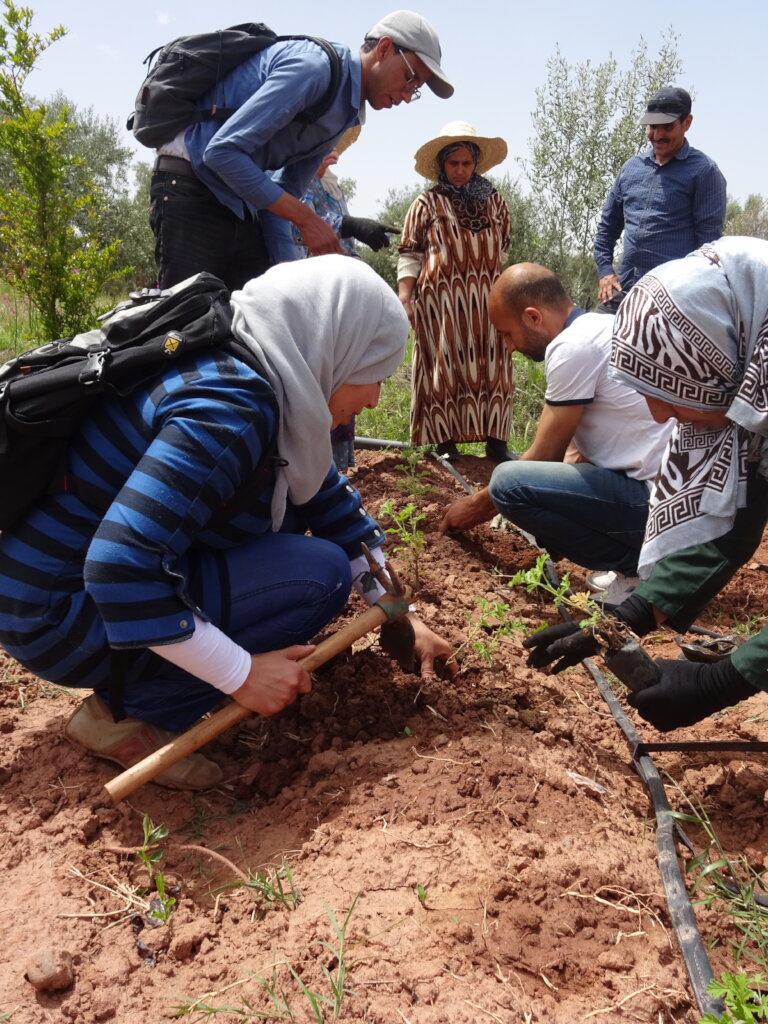
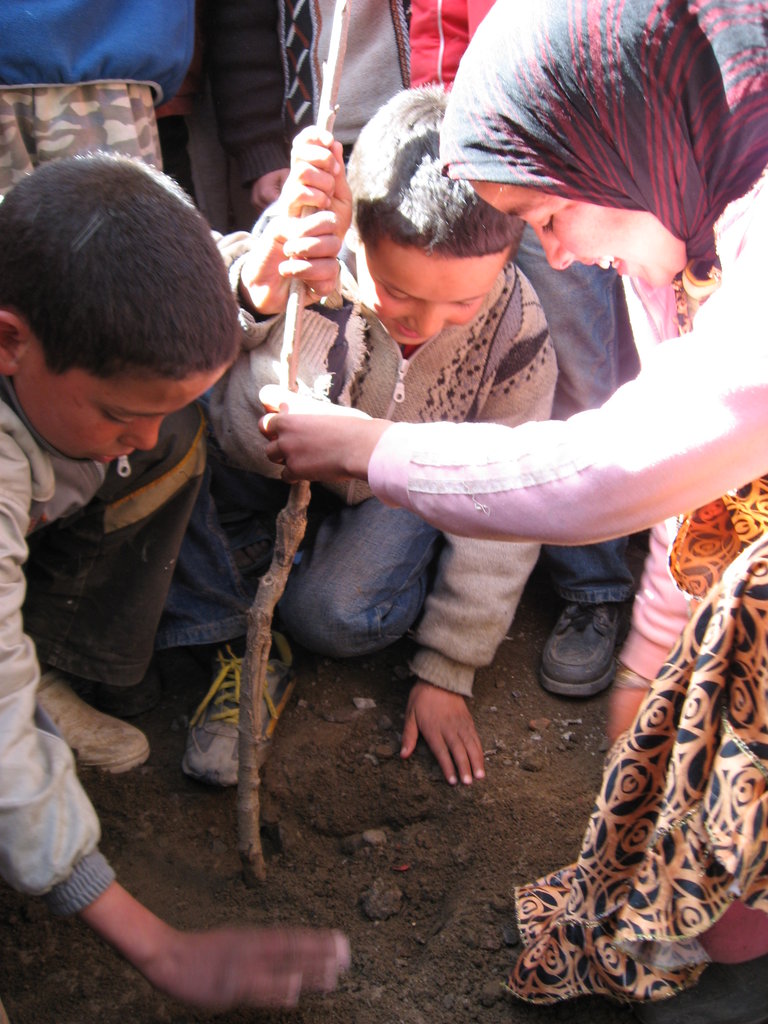
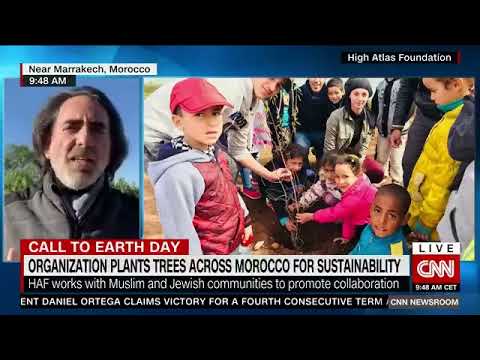
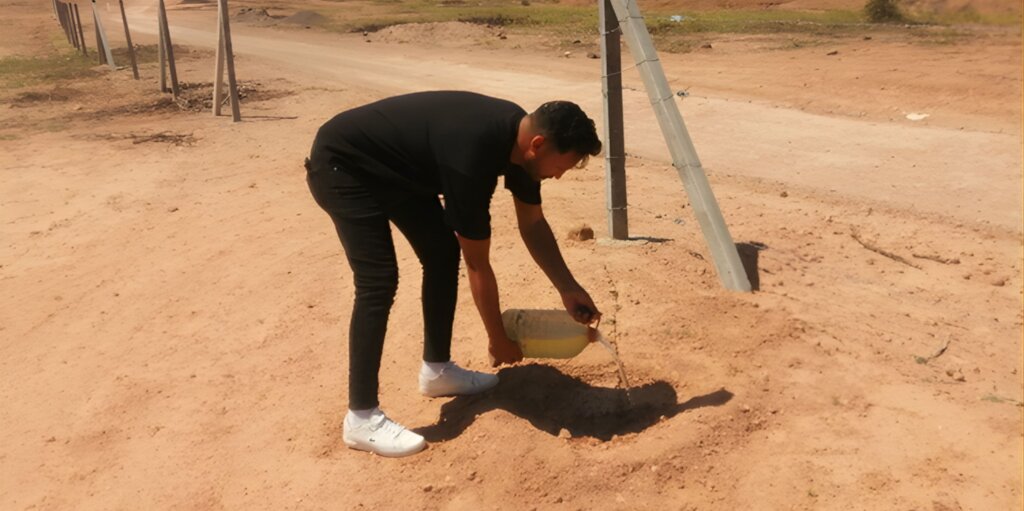
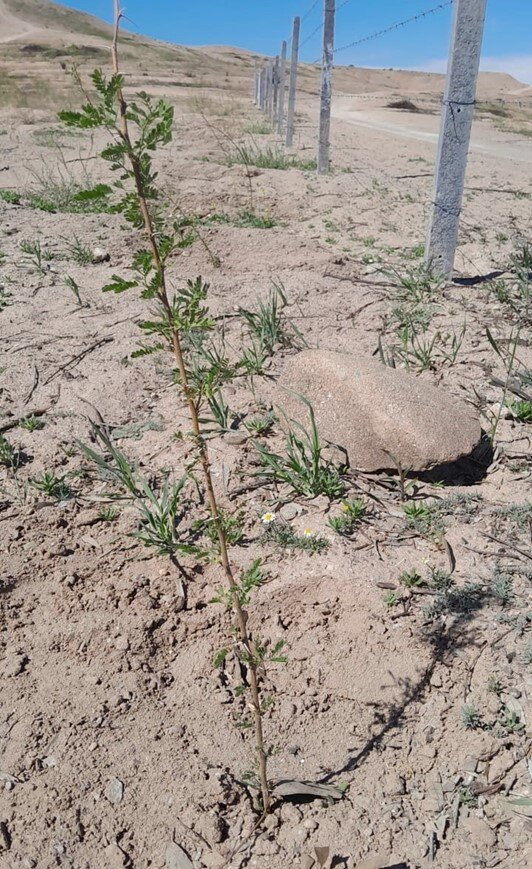
The High Atlas Foundation, for example, plans to plant 10,000 pistachio trees in the coming planting season as a pioneering project in Morocco, demonstrating the crop’s viability and building local expertise in these cultivation practices.
Pistachio prices have risen in recent years, reflecting strong demand and supply volatility caused by climatic stress in major producing countries like Iran and the United States, which are responsible for more than 70% of the global pistachio production.
While prices fluctuate, this volatility suggests that new producers can find profitable niches, especially if they diversify into processing and branding rather than exporting raw nuts alone.
Processing is particularly critical. Hulling, drying, roasting, packaging, and flavoring dramatically increase pistachio value while generating employment.
Pistachio oil, meanwhile, offers a premium product with strong appeal in both gourmet food and natural cosmetics, mirroring Morocco’s success with argan oil.
With the right quality controls and branding, Moroccan pistachio oil could become a niche export with significant added value.
Even the by-products have potential: pistachio shells can be composted, used as mulch, converted into biomass, or repurposed in artisanal crafts, supporting a low-waste, circular economy.
Building on these opportunities, pistachio by-products also open possibilities beyond food and cosmetics, extending into Morocco’s growing construction sector.
In Morocco, more than 30% of total energy consumption comes from the construction and building sector, which is consistently growing. Hence, increasing energy efficiency in the industry has become an important concern for the country.
While conventional clay bricks have been widely used for centuries in Morocco, they do not always provide adequate thermal comfort in colder regions.
This is where the pistachio tree comes in, as its recycled shell waste can be used for bioclimatic reinforcement of traditional clay bricks.
Pistachio shells, often discarded in landfills, can instead become a sustainable material that improves insulation, reduces energy consumption in households, and lowers carbon emissions.
By aligning agricultural by-products with eco-friendly construction innovations, Morocco could position pistachios not only as a profitable agricultural crop but also as a driver of green development and circular economy practices.
Conclusion: Cracking Open Opportunity
From their ancient origins in the Middle East to their modern reputation as both a superfood and a sustainable crop, pistachios illustrate the remarkable ways a single tree can bridge history, health, economy, and ecology.
For Morocco, pistachios embody an opportunity to diversify agriculture, strengthen rural livelihoods, and restore fragile landscapes threatened by desertification.
Their nutritional richness makes them allies in combating widespread diseases, while their economic potential —spanning oil, processed snacks, artisanal crafts, and even green building materials— positions them as a driver of innovation across sectors.
With thoughtful investment, quality control, and sustainable practices, Morocco can transform pistachios into more than a crop; it can turn them into a symbol of health, green growth, and resilience in the face of a changing climate.
![Share on Twitter]()
![Share on Facebook]()