![Children waiting for aid]()
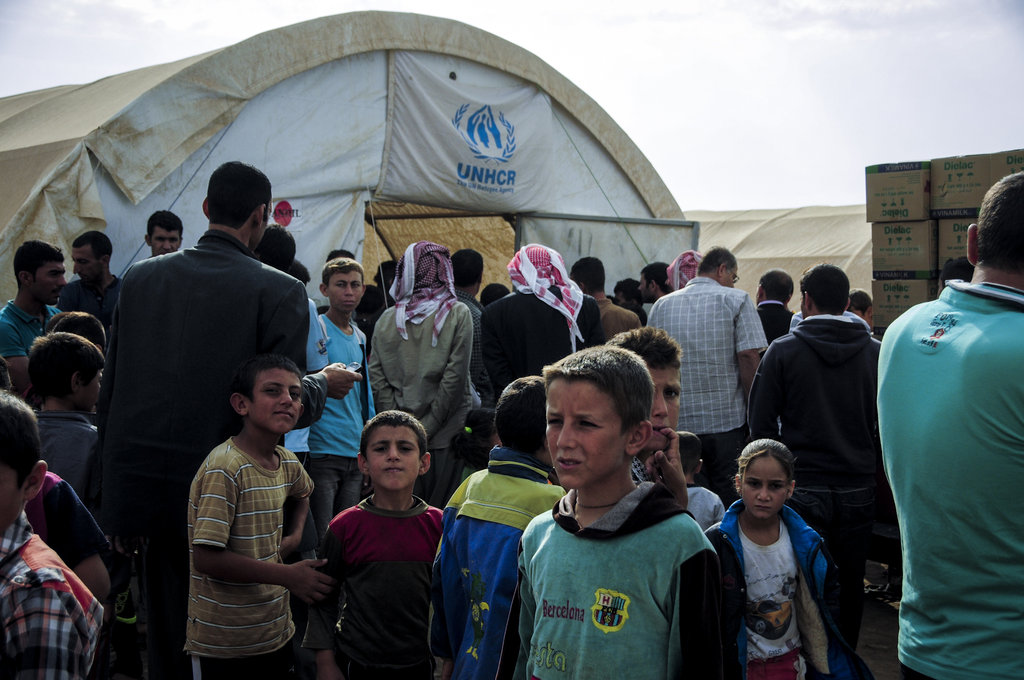
Children waiting for aid
With the military operation of liberate Mosul create a new wave of IDPs, IsraAID will respond providing NFI support as well as psychosocial support.
The rise of the Islamic State (IS) in Iraq and Syria has thrown the already weakened Iraqi government into turmoil, shattering the fragile stability of its citizens, and threatening to engulf the entire region in anarchy and Islamic extremism. Standing against this tyranny is the Kurdish Region of Iraq (KRI), offering a safe haven from IS and other extremist groups in the region. Over a million mostly Christian and Yazidi displaced persons have overwhelmed the fledging independent region, which models itself on the success of the Jewish people and Israel, and the international community and U.N. agencies have struggled to meet the huge humanitarian needs on the ground. Following successful distributions of key humanitarian aid, IsraAID has been requested to assist with additional relief aid items to help thousands of families survive the difficult conditions they are currently living in.
The Kurdish Region of Iraq (KRI) has over one million internally displaced persons (IDPs) since January 2014 fleeing grave unrest in other parts of Iraq. On-going conflict between the Kurdish Peshmergas and IS forces perpetually intensifies the humanitarian refugee crisis as resources and capacity for supporting dire needs of the community are strained beyond what the Kurdistan Regional Government (KRG) can manage, even with the support of the United Nations and greater humanitarian community. KRG efforts to meet the growing needs of the population are limited by the economic crisis created by disorganized national budget transfers from Bagdad, and increasing demands to finance and mobilize forces combatting ISIS in Iraq and Syria.
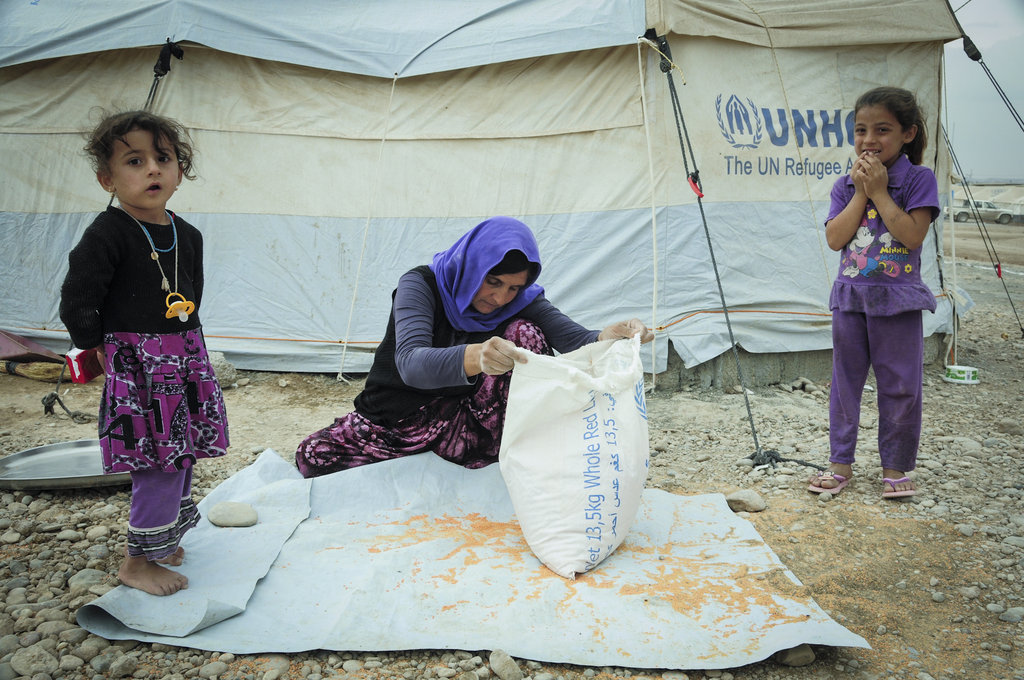
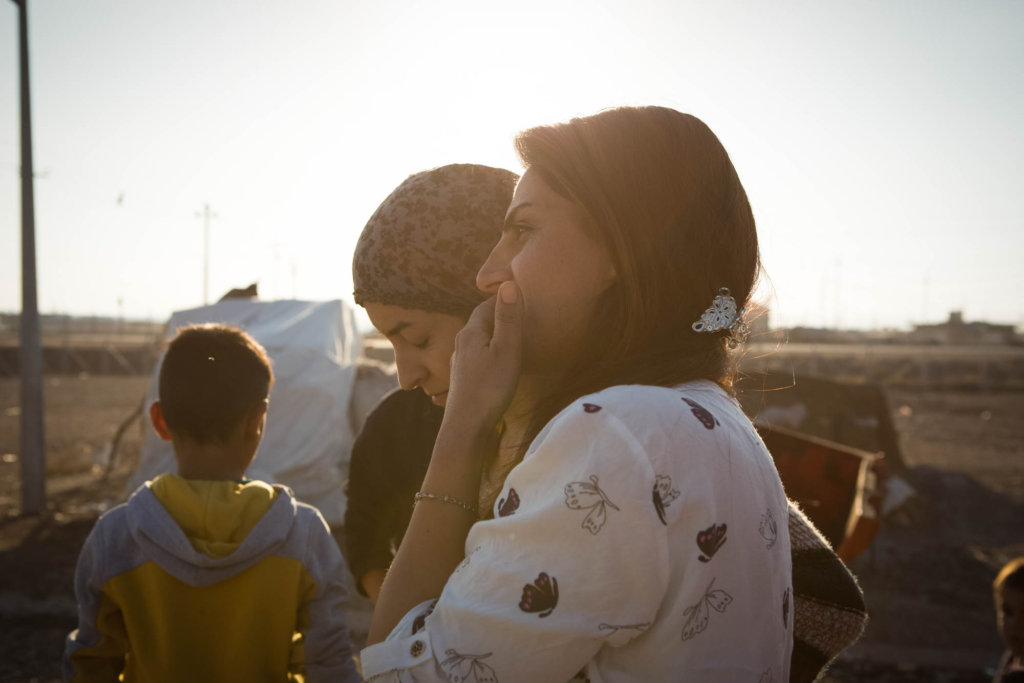
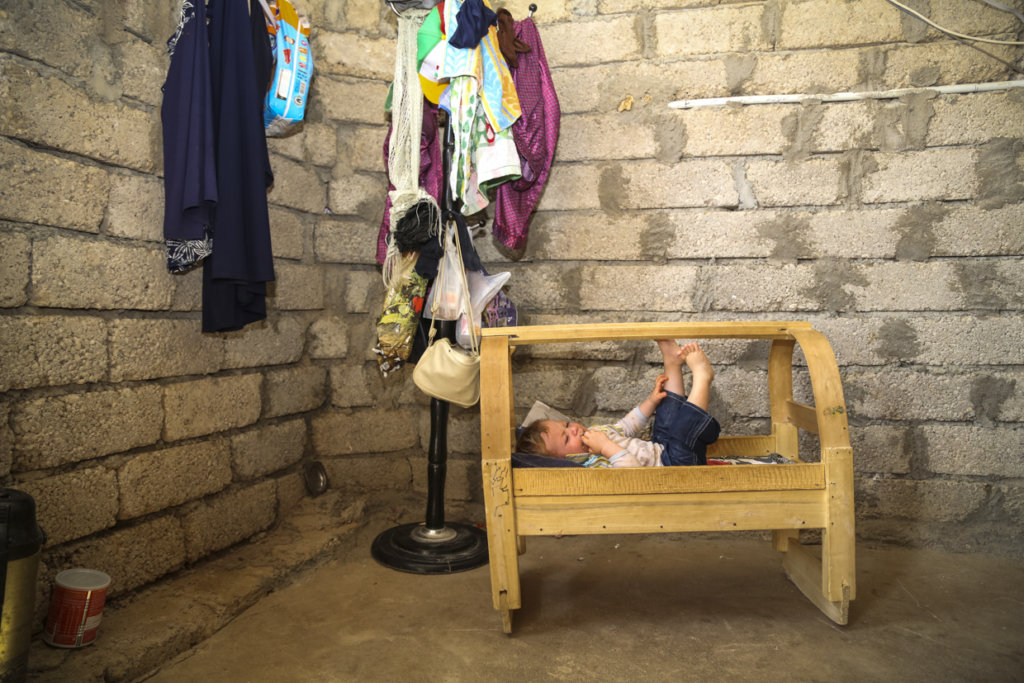
Having witnessed family members kidnapped or murdered before their eyes, IDPs often arrive with only the clothes on their backs and severe trauma in their hearts. The KRG, UN, and international and local NGOs are united in a desperate effort to accommodate Iraqi and Syrian IDPs but their resources are overstretched. Consequently, the resources available rarely provide IDPs with essentials such as tents, mattresses, blankets, food, health and education services.
During the harsh winter, temperatures can reach as low as –15°C and as high as 45°C in the blistering summer, thus the prospects for IDPs arriving in these seasons are bleak. With depleting local resources and the aid community stretched thin, there is an urgent race against the clock to meet the basic needs of the hundreds of thousands of Yazidis, Christians, Turkmens, Kakaïs and Kurds who have fled ISIS and are desperately trying to survive. Every day that the violence continues in the besieged city of Kobani and elsewhere, thousands arrive every day seeking safety and shelter.
Of special interest to IsraAID has been the Yazidi population who have been largely marginalized in the crisis. The Yazidis are ethno-religious group, originating in several countries: Northern Iraq, Syria, Turkey, Armenia, Georgia and Iran. They have their own distinct religious, believes, cultural and traditions, dating back 7,000 years, which differentiate them from other groups in the middle east, and give them characteristics of a minority group. The narrative of the Yazidi people, is one riddled with persecution and targeted for genocide throughout their history. The most recent violent attack against the Yazidi people began in August of 2014, when the Yazidi people of Northern Iraq were attacked by the Islamic State of Iraq and the Levant (ISIL) in a purification campaign to rid the region of non Sunni Islamic influences. This religious cleansing has lead to the forced conversion, massacre, expulsion, sexual exploitation, slavery, and torture of the Yazidi people. The persecution of the Yazidi people has been qualified as a genocide according to the United Nations High Commissioner for Human Rights as of March 2015, siting countless atrocities.
It has been two years since the reign of terror began for the Yazidi people of Northern Iraq. While men were forced to convert or be killed women have been subjected to torture unimaginable to most. Women have been taken as sex slaves being sold in online slave auctions and being forced to serve the men of ISIL through systemic rape and abuse near the point of death. The number of women who have been enslaved is unclear however reports range from 3,200 to 5,000 women. As of April 2016 close to 2,000 women have been rescued either through ransom or escape. After their harrowing experiences these women return to families living a dire existence in Internally Displaced Persons (IDP) camps where daily life is a struggle due to lack of basic necessities. Mental and physical scars make the atmosphere they return to paralyzing. Far reaching trauma and psychological effects compounded by lack of services, stigmatization and conservative social norms makes it nearly impossible for the women to heal. Many women have suicidal tendencies, and have expressed feelings depression and guilt.
IsraAID has been implementing Non-Food Items (NFI) distributions in refugee camps as well as Science, Technology, Engineering, and Mathematics (STEM) programs for school age children in KRI since 2014, providing an alternative to the monotony of daily life in the IDP camps. Using this program as a launching pad IsraAID would like to develop a program that’s scope and breadth reach the wider refugee population. Our current work in the camps has provided us with some new insights on what else is needed to help improve the lives of the refugees. Following a needs assessment with particular consideration for psychosocial support efforts, IsraAID is compelled to offer its expertise to support the few actors who are aiding those in need, particularly those who work with women who have experienced gender based violence.
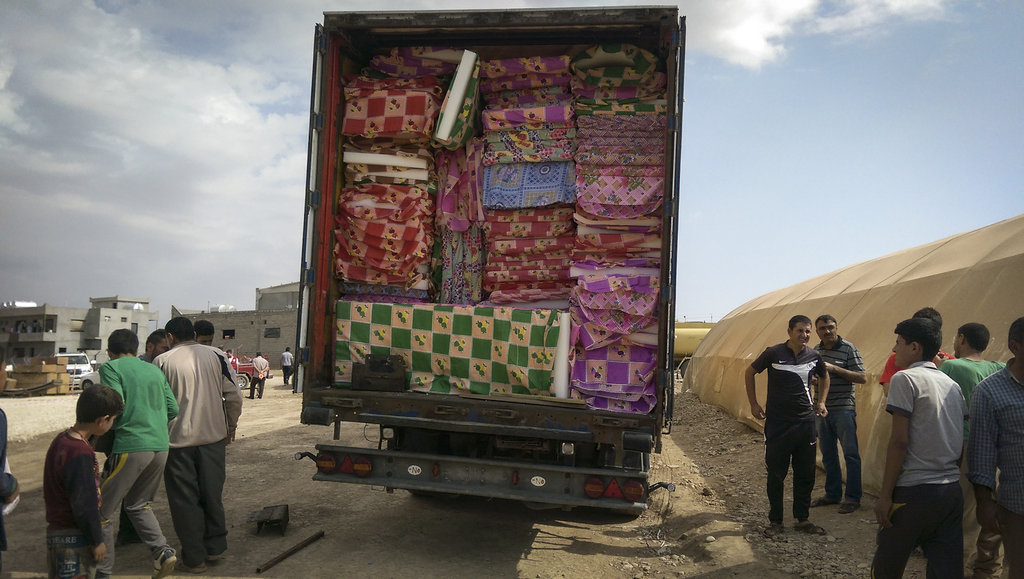
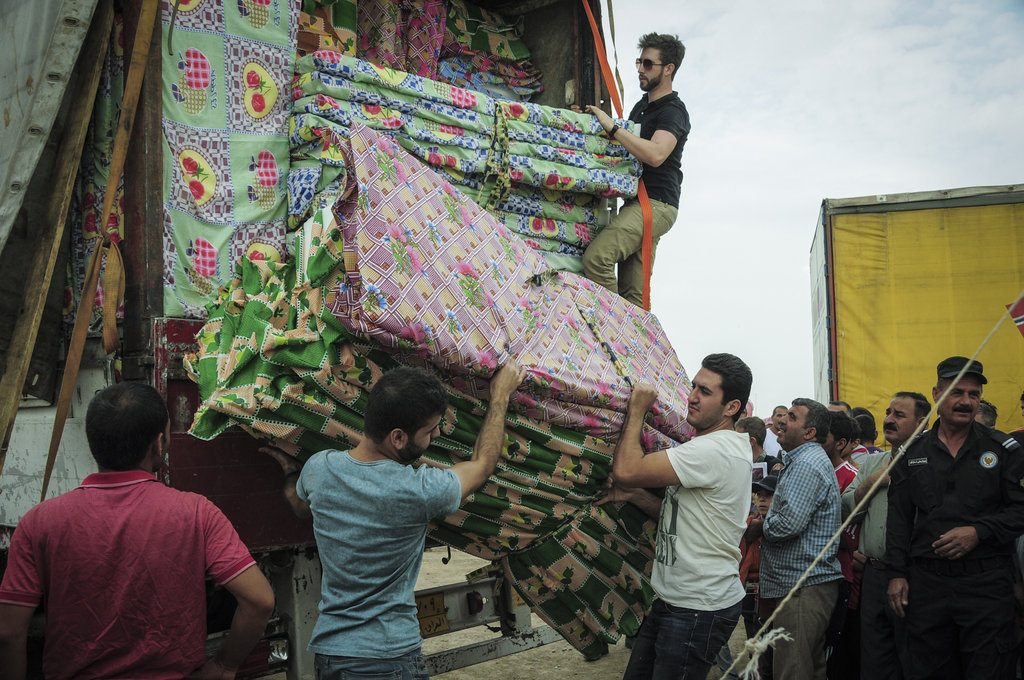
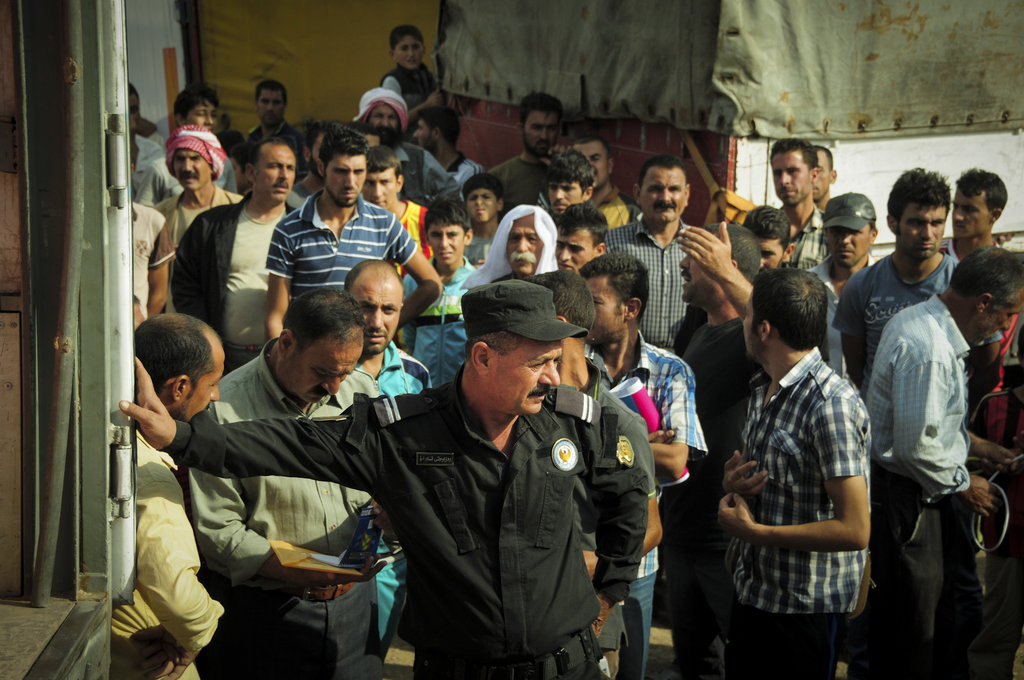
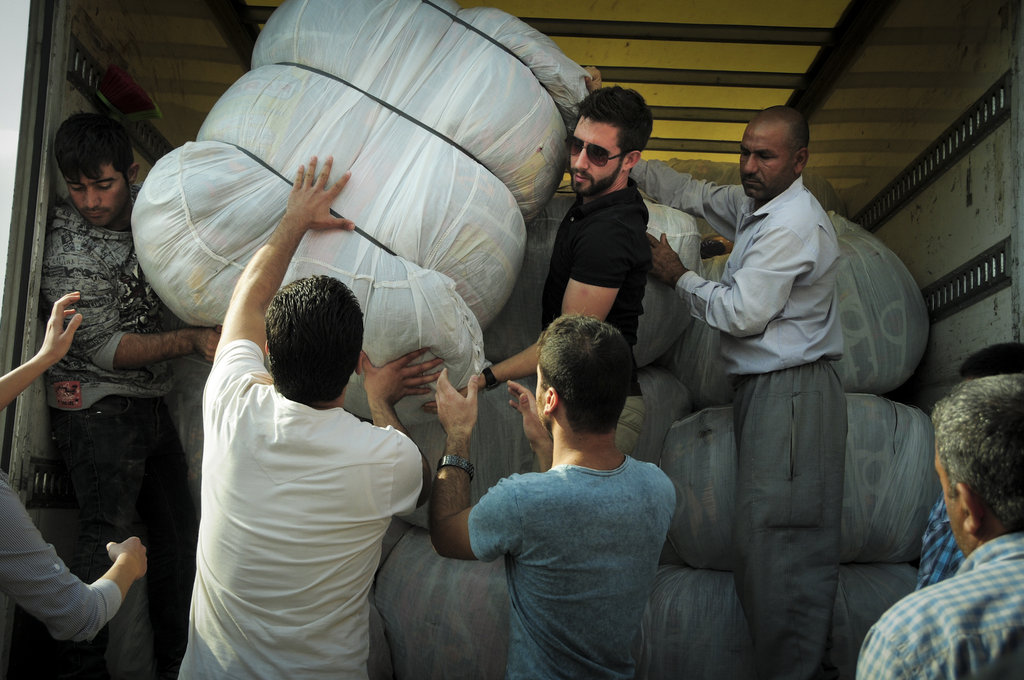
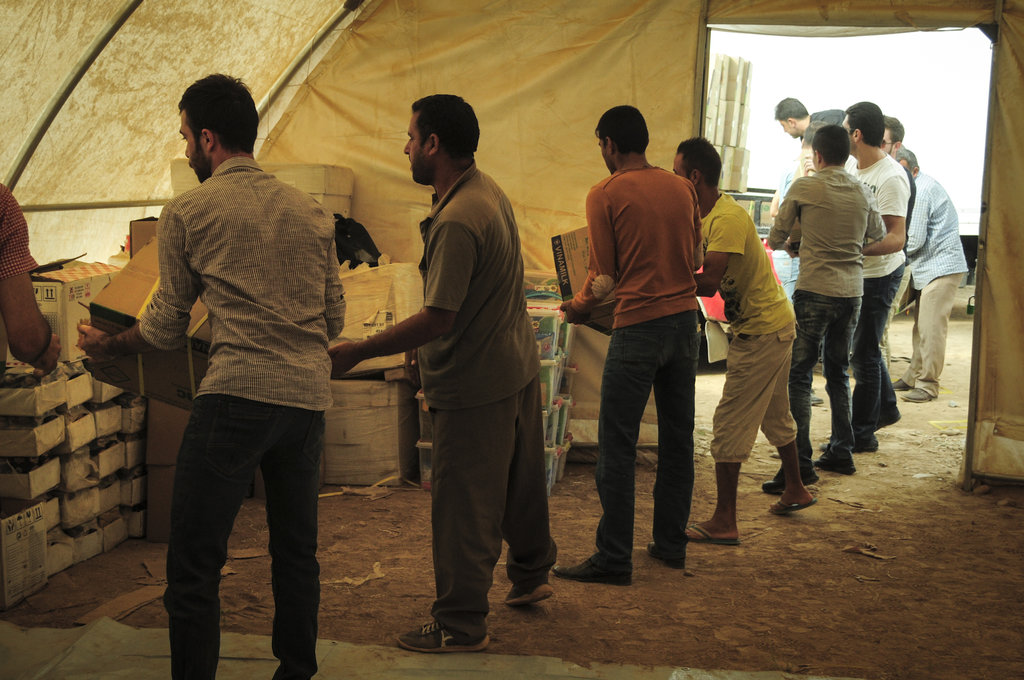
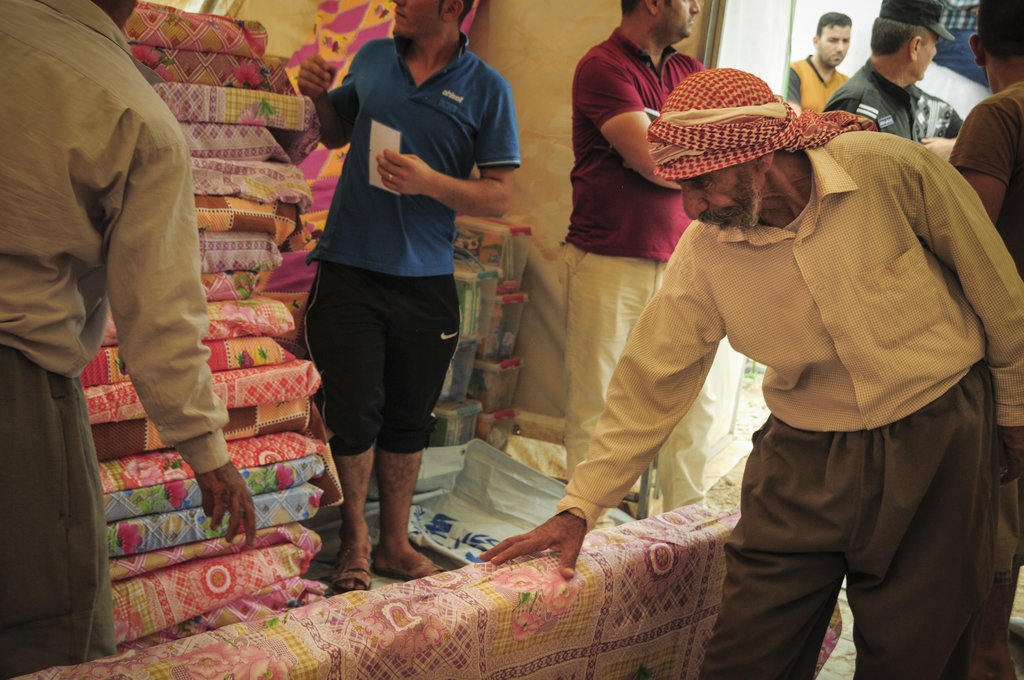
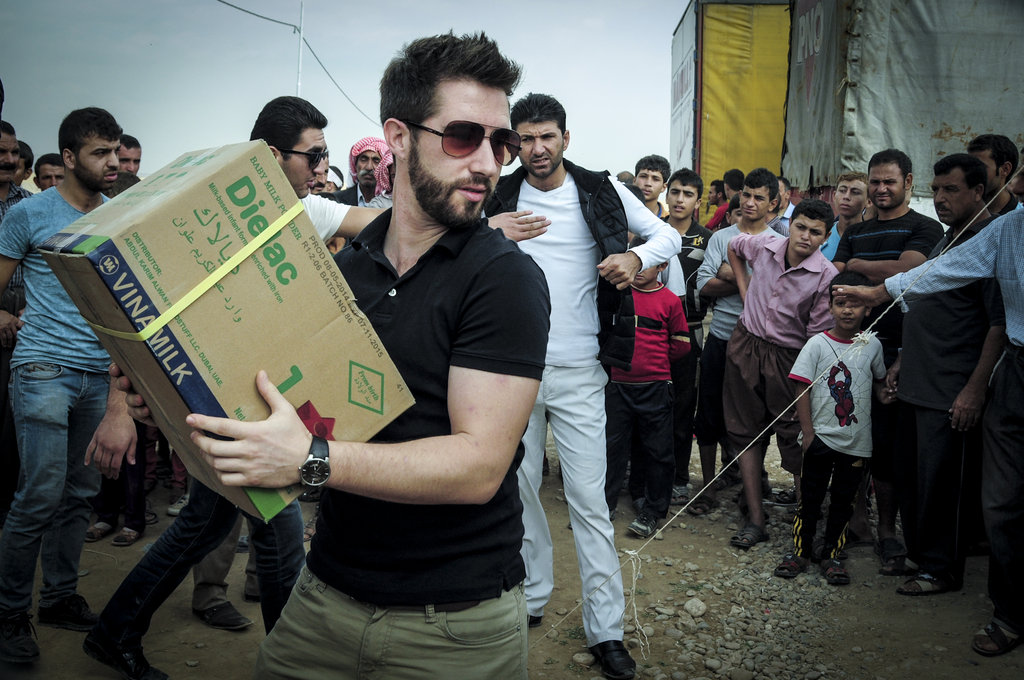
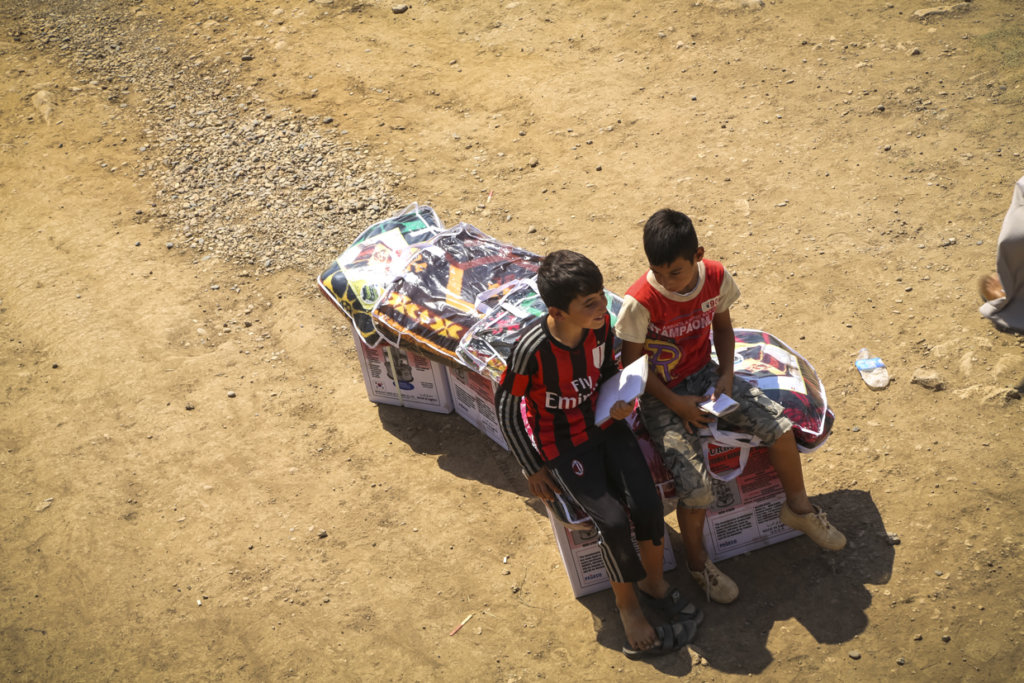
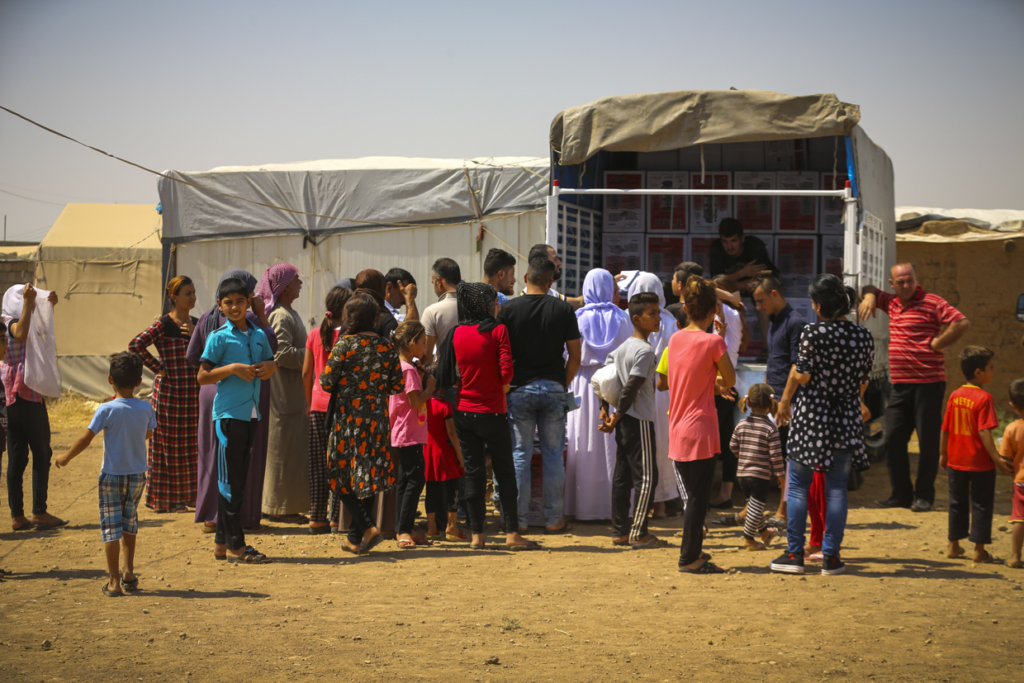
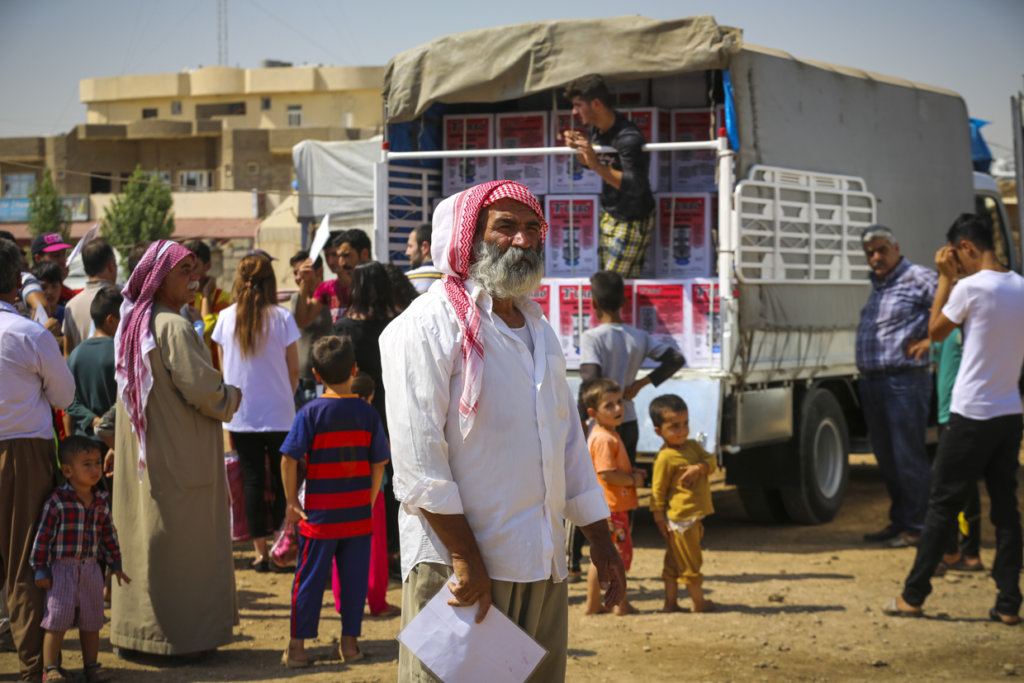
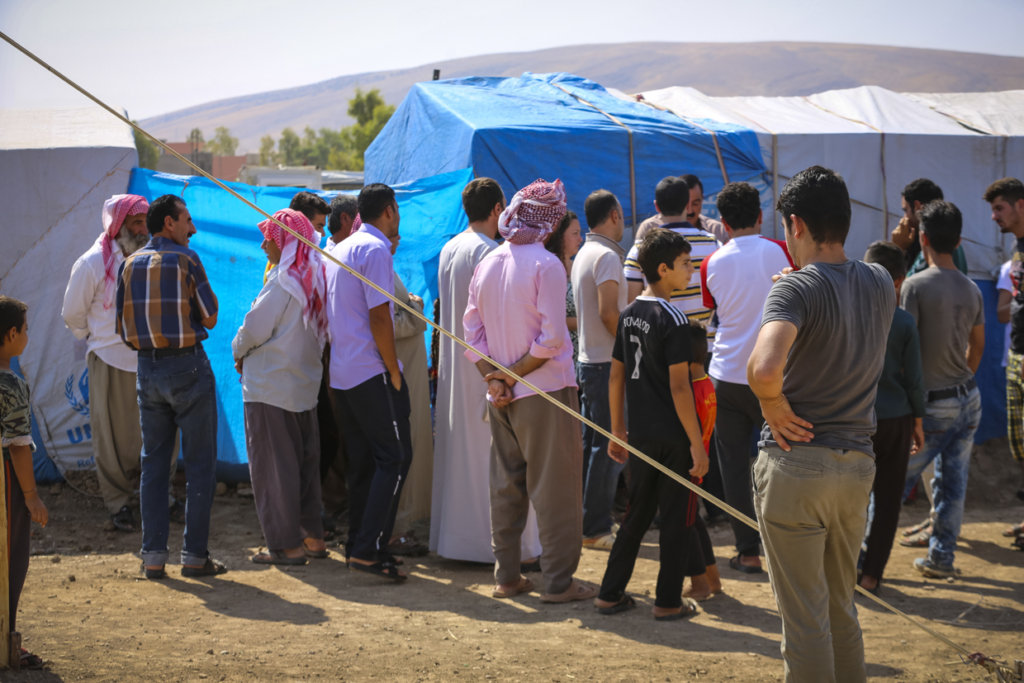
DOHUK, KURDISH REGION OF IRAQ – As the sun makes its way over the horizon, in a makeshift camp thousands of refugees and internally displace people (IDPs) are lining up to receive rare and highly prized winter supplies. Though it is still summer, the trauma of the cold and snow soon to come is fresh on their minds, and serves as a bitter reminder of yet another winter that they will have to spend in tents trying to flee torture, slavery, and unspeakable horrors at the hands of ISIS. Despite the blaring heat and sweating profusely, the heads of households all calmly line up with their ID cards, profusely thanking the IsraAID aid workers who against all odds have come all the way from Israel to help them.
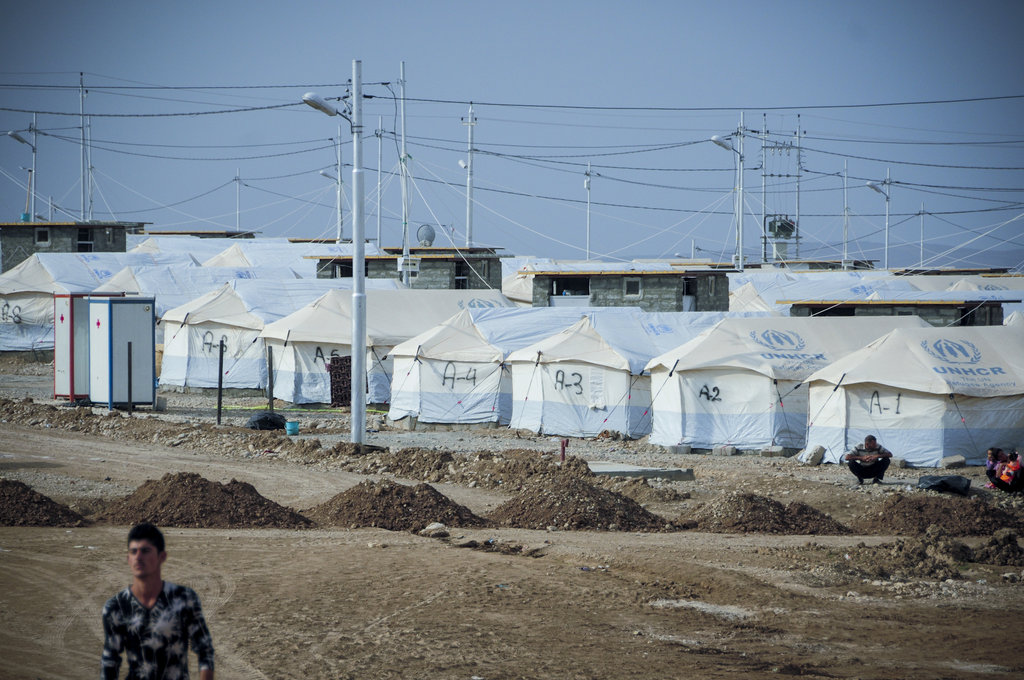
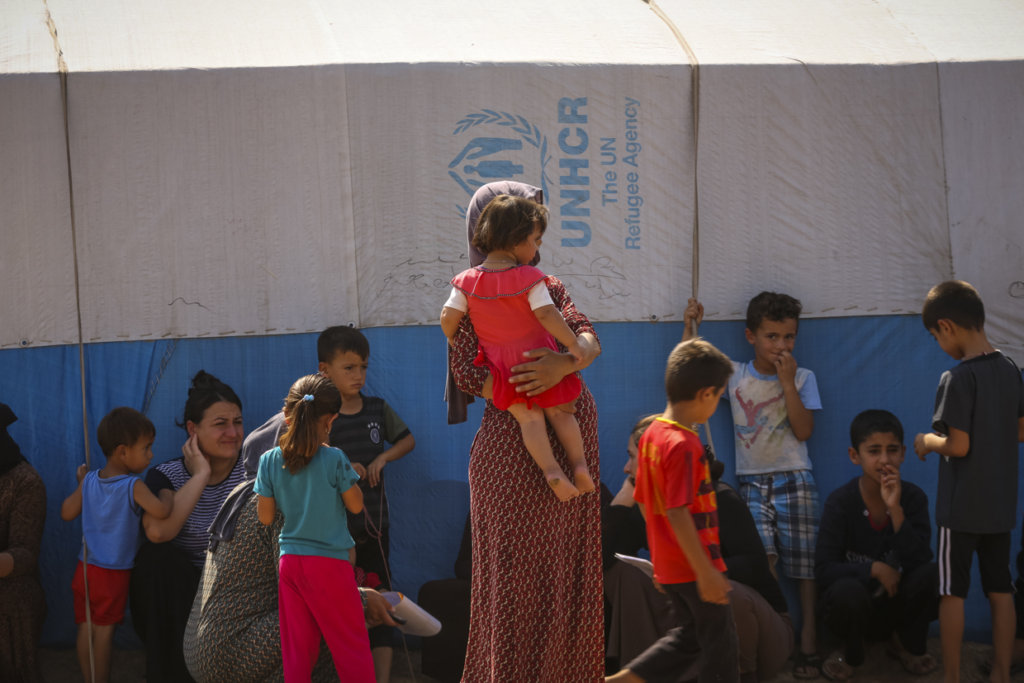
Between the hell they left behind on Sinjar Mountain and hope of returning home there is a place where the oppressive sun beats down relentlessly, a place where multiple families are crowded into a tent made for one, and a place where the only thing there is to do is wait. This is Dohuk province in the Kurdistan Region of Iraq (KRI), an area overwhelmed with camps for Internally Displaced People (IDP), boasting a total of over a million Iraqi IDPs and Syrian refugees spread out in over 20 official camps.
Yet, this morning, IsraAID’s convoy of trucks is not headed for any of these ‘tent cities’; instead they pass them by on their way to a much bleaker destination. Jane (name changed), IsraAID’s head of mission in the area, explains: “The official camps present a certain sense of order in the chaos – rows of tents with concrete bases with latrines and showers, basic needs more or less taken care of. It’s sad to say but they are the lucky ones. For those outside the camps, the situation is even more desperate”. Scraps of tarps, string, and metal are strung together to form these makeshift ‘informal camps’. Devoid of latrines and proper access to water, these shelters are a testament to the growing strain on the already dwindling resources of the Kurdish Regional Government (KRG), depleted by years of war, economic crisis, and having to care for millions of refugees and IDPs.
On this day, the two camps with several hundred families received blankets and heaters. For hours, as each name was called to ensure everyone received, fathers with small children in tow came to collect their items. Later, after finishing the distribution, the head of the informal camp invited the team to his tent for tea. As a he sipped from his glass, a former soldier in the Kurdish army started to share his story form when ISIL came to his village. Terrified and fighting panic, he, like his entire community, had to flee with barely the clothes on his backs, ending up on top of Sinjar Mountain in what has since become a tragic and horrifying emblem of the plight of the Yazidi people, and cost untold thousands their lives. He recounted the harrowing trials of those days on the mountain, struggling to fight back tears, and choking on his words: “They took everything. Over 300 women and girls are still missing taken by Daesh (ISIS)”. He himself has only two of his six children with him, his wife and the other four still missing, having been taken in 2015. As he spoke about his family his eyes kept shifting to the tent’s opening with a sense of a longing, as if to say ‘maybe they will simply walk in one day’. At the end of his story, he shared his gratitude for the supplies, saying that “you [IsraAID] are making life easier here for my children. Things are hard here, so thank you for your help”.
As instability continues in the KRI, more than one million IDPs across the region are hoping to return home. Recent victories against ISIS and plans for Operation Conquest to retake Mosul bring hope that one day soon they will maybe be able to return home. In the meantime, as the battle rage on, the KRG and the international community are straining to prepare for a yet another influx of refugees and IDPS, this time from the Nineveh Governorate. And with them, now as always, will be IsraAID, there to support those in need with emergency supplies, and always with an eye on the long term through training programs and empowerment for local authorities and organizations.
![Baby in IDP Camp]()
Baby in IDP Camp
![Distribution Near Dohuk]()
Distribution Near Dohuk
![Distribution Line]()
Distribution Line
![Gathered at the IDP Camp]()
Gathered at the IDP Camp
![Distribution]()
Distribution
![Share on Twitter]()
![Share on Facebook]()