By Navonel Glick | IsraAID Deputy Director / COO
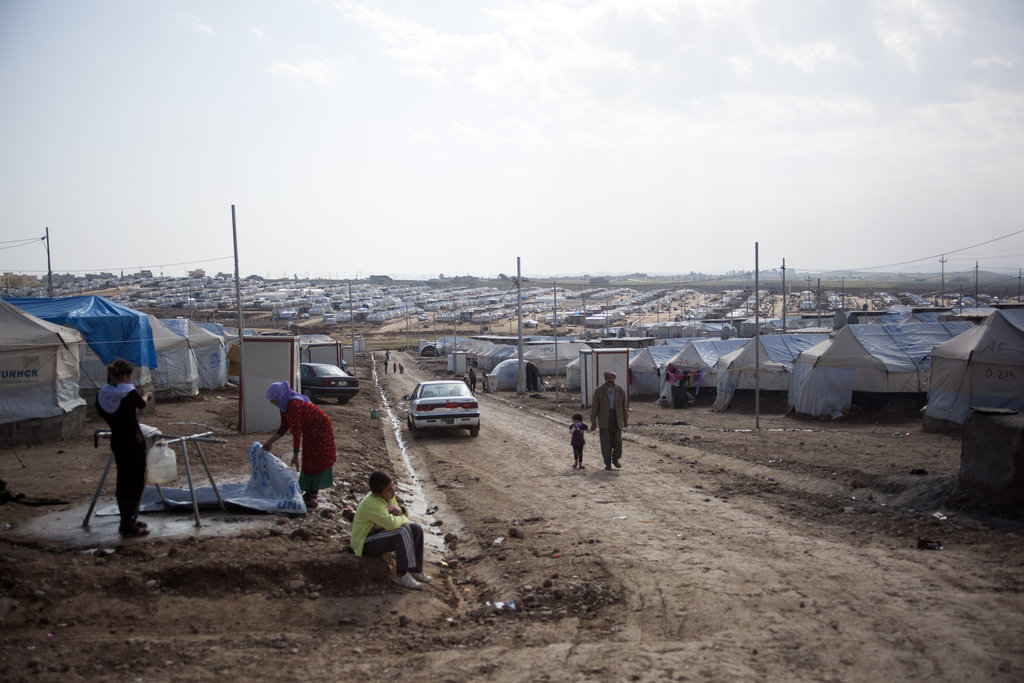
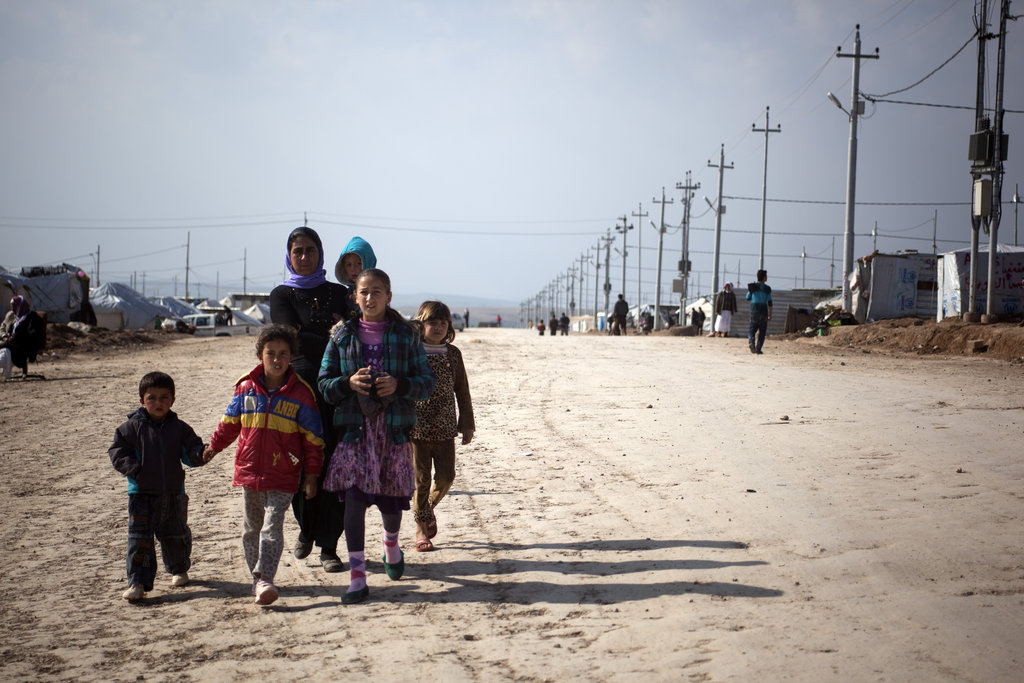
For the past few months, IsraAID has largely focused on educational programming, largely as a result of the extended periods of time that displaced people have now been in the Kurdistan Region of Iraq (KRI), and children out of safe and supportive learning environments.
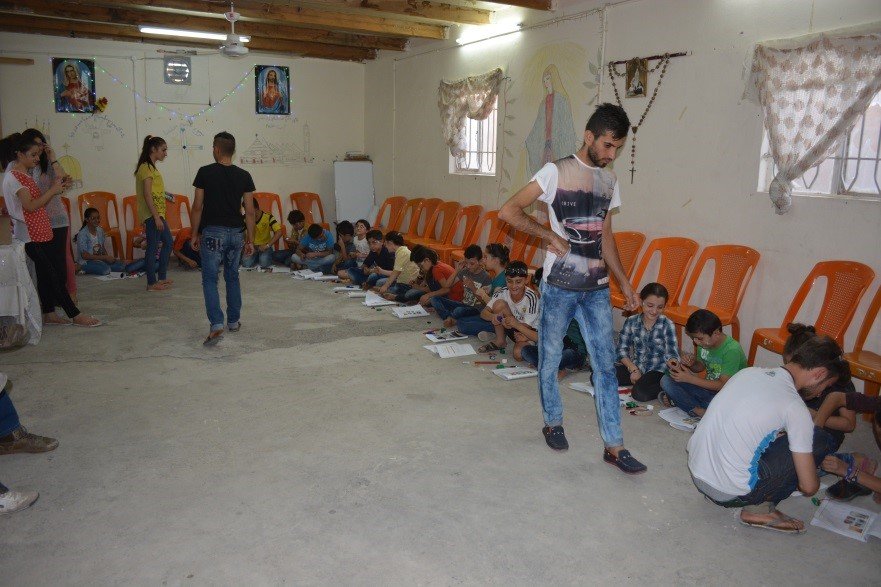
The educational initiative STEM (Science Technology Engineering and Maths) is a ground-breaking program connects between theoretical studies and their practical applications in the world. The aim of STEM is to improve student grades, increase their tangent thinking, resourcefulness, and creativity, ultimately leading to better access to livelihood opportunities in the future. It involves the introduction of additional workshops into the students’ formal or informal school system, with an emphasis on practical experiments.
To create a long-term and sustainable impact, the program also includes a training component for teachers so that they can continue imparting STEM to students long after the project is completed.
To organize the program:
This program helps to provide teachers with information and projects that give students a chance for more intensive learning, one that otherwise would not be accessible for them. The students love the chance to do some hands-on science, and their feedback has been amazing. The teachers continue to express how thrilled they are with the opportunity to work with these projects, because they generally have so little to work with. They appreciate that this is the first hand-on project of its kind in Kurdistan, Iraq, and are proud to be participants in the program.
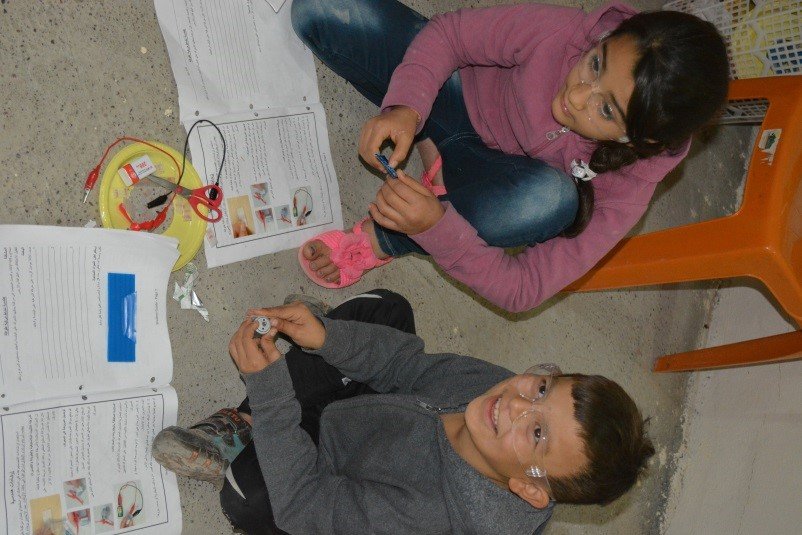
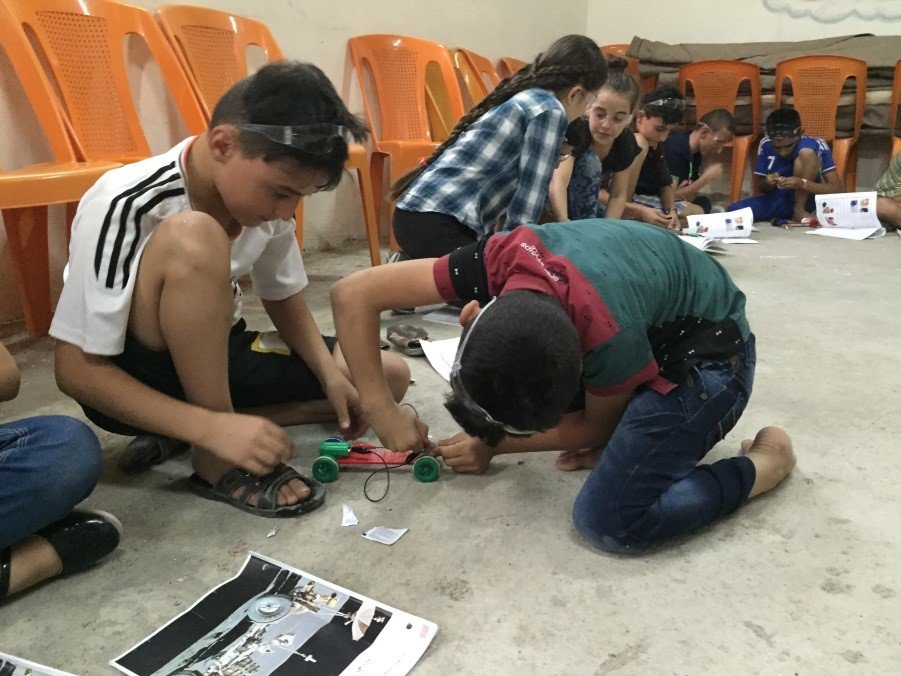
Ali, the boy in the picture (his real name is not being disclosed) above had never been to school before joining the program. Instead he spends his days working on odd jobs here and there. As a result, despite him already knowing 3 languages, the teachers were apprehensive about introducing him into a formal learning environment.
We are proud to report that the practical nature of the project really appealed to Ali, and he has excelled at every tasks and experiment that the program has to offer. Going far beyond the initial intended tasks, him and other children began to improvise other electronic gadgets from the project materials.
It is another story of how the STEM program enabled us to reach many kids who have had very little education and attention. These are the types of the at-risk students that we emphasize in these programs.
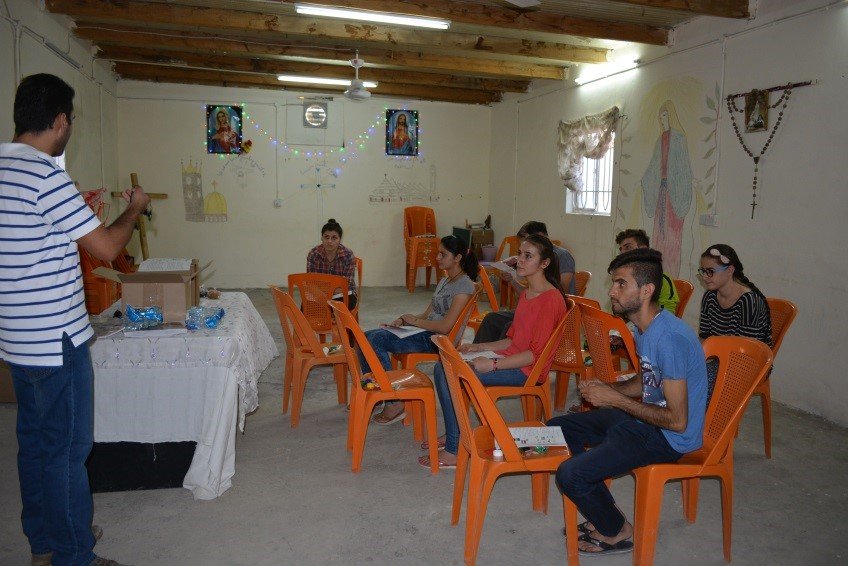
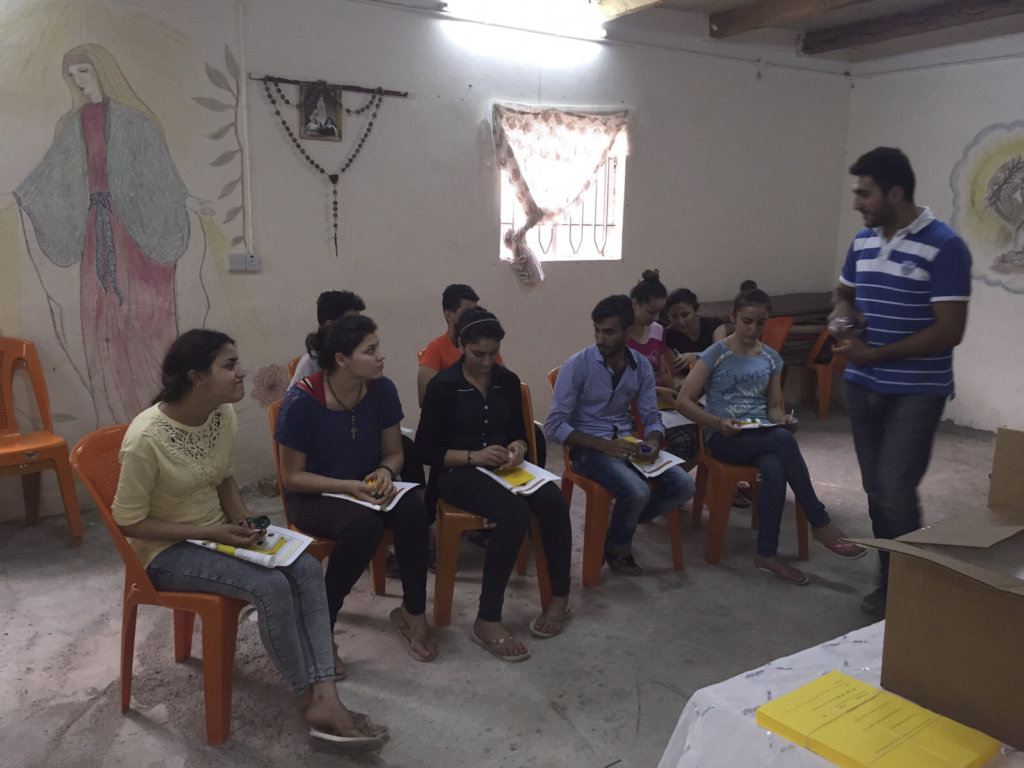
The picture above shows a teacher training session during which teachers are guided on lesson building and use of the materials that accompany each workshop. During a feedback session in one of the schools, the headmaster, Mohammed, was very honest about his early impressions of the program. "In the beginning, we didn't think this project would be very useful..." he began, but then his tone quickly changed as he added: "then as we started to facilitate the workshops with the students, all of sudden we noticed a lot of changes. Attendance went up, and children were excited to come to school everyday”.
The teachers commented on the fact that this was the first project that they participated in where students could do hands-on work. They said that these projects give the students a chance to think for themselves, and not have to depend on others to provide everything they need.
"They now know what electricity is. They understand what batteries are, and how friction works." – Habas, teacher
“the children started to create things by themselves, [...] to take the materials and see what they could build" – Ihab, teacher
Another teacher, Yassin, shared that after school his son no longer played with mud and wandered aimlessly. Instead, he now spent his free time looking for new parts to alter the models and create new electrical toys. One day a few kids built boats using styrofoam and created endless new games.
"It keeps them busy, and they are now creating instead of destroying so thank you" – Yassin, teacher
By Navonel Glick | Program Director
By Navonel Glick | Program Director
Project reports on GlobalGiving are posted directly to globalgiving.org by Project Leaders as they are completed, generally every 3-4 months. To protect the integrity of these documents, GlobalGiving does not alter them; therefore you may find some language or formatting issues.
If you donate to this project or have donated to this project, you can receive an email when this project posts a report. You can also subscribe for reports without donating.