By Kencho Tshering | Programme/Communications Officer
CSO-Media Round Table Meet
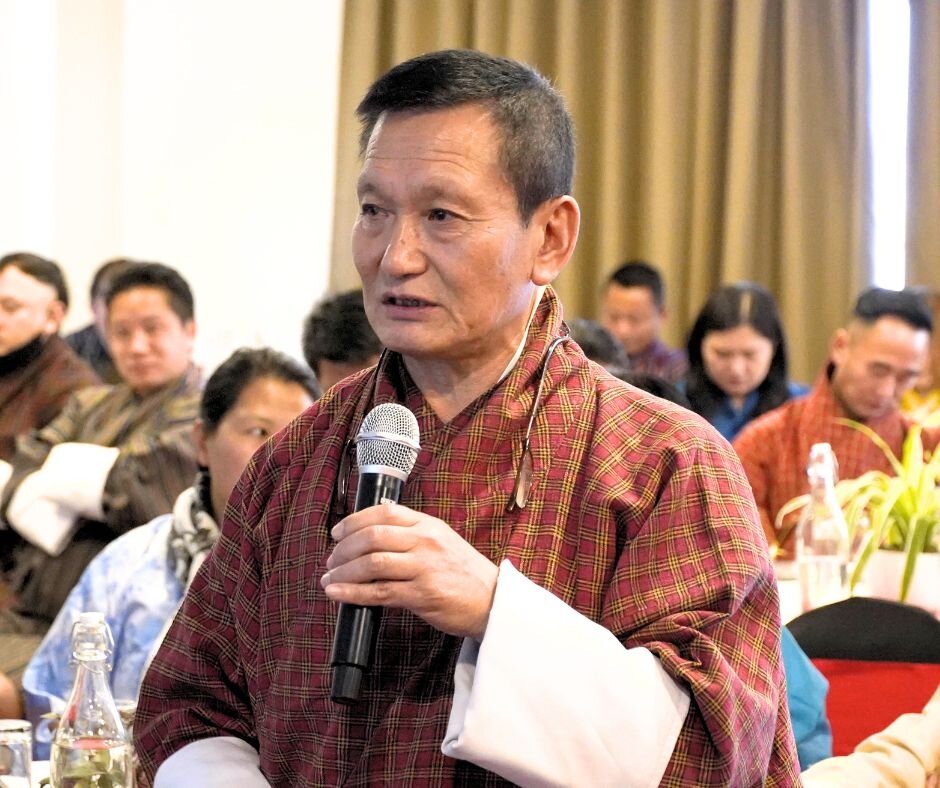
“I would like to applaud CSOs for coming up with this workshop, where you are looking for engagement with the media houses. It is very commendable, and these kinds of engagement, we are also looking forward to from every sector, because recognising the role and impact storytelling makes, and this is the first step to do it, and I am also looking forward to how the strategy comes out, how we can better engage with CSOs, and come up with beautiful stories ”, said a Journalist.
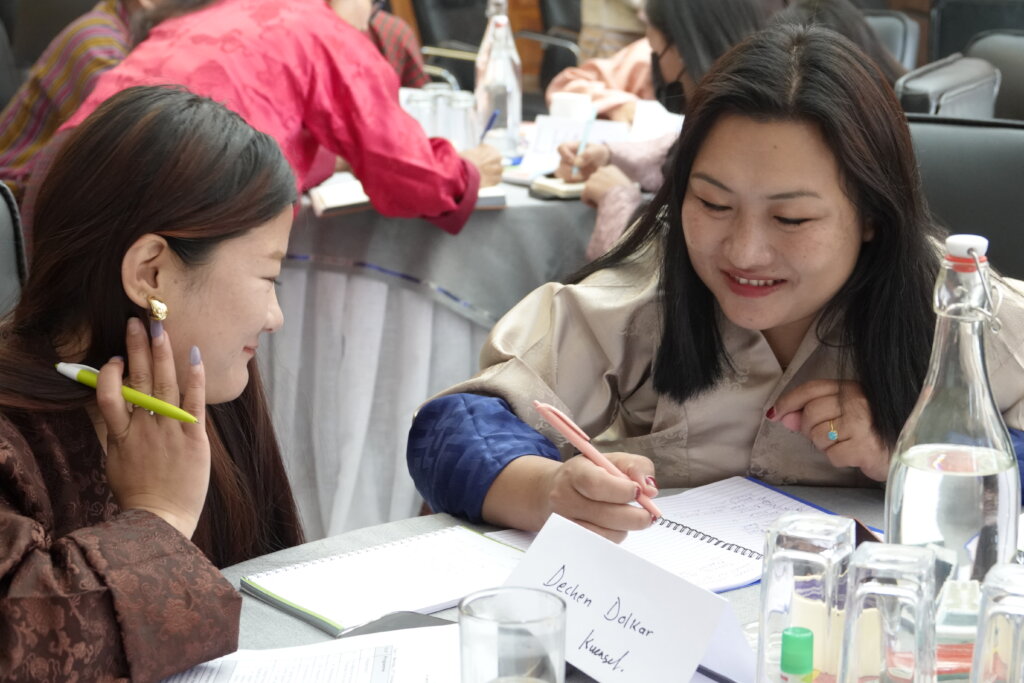
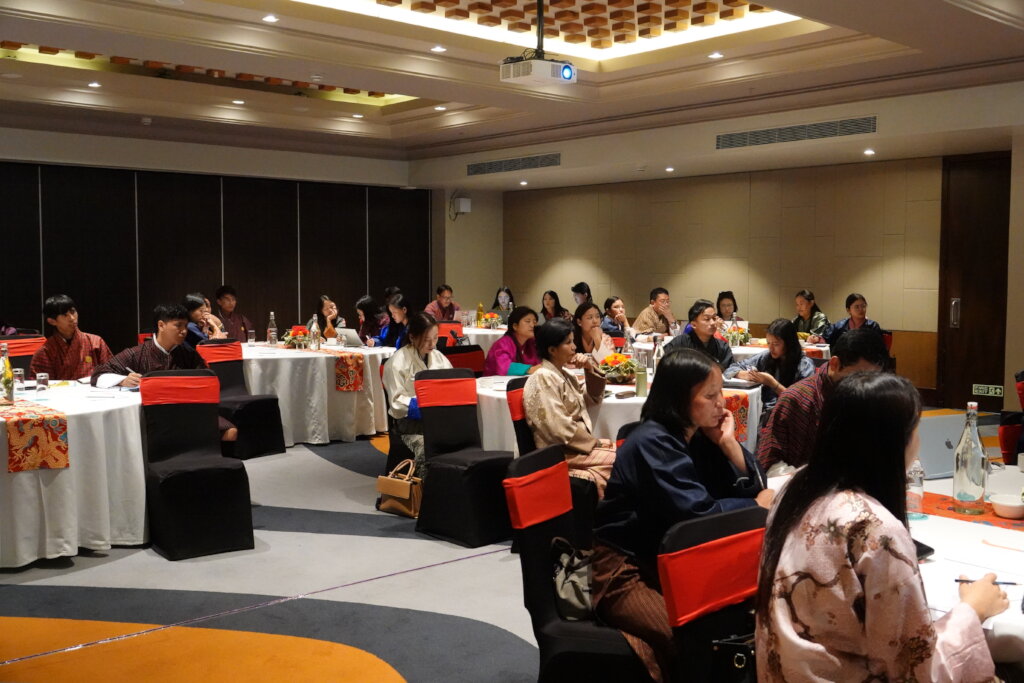
BCMD and RENEW jointly organised the CSO–Media Engagement Forum on 14 August 2025 in Thimphu. The event convened 51 participants, including representatives from civil society organisations, the media, development partners, and officials from the CSO Authority Secretariat. Centred on the theme “Fostering Media–CSO Synergy for People-Centred Development and Democratic Engagement,” the forum served as a platform for open dialogue, mutual learning, and collective reflection on the evolving engagement between the two sectors.
The Journalist Association of Bhutan (JAB) presented key findings from the two nationwide studies examining Bhutan’s media landscape and public perceptions of the press. The results underscored pressing challenges to press freedom, transparency, and media sustainability, alongside strategic recommendations to foster an inclusive, trusted, and resilient media sector. The CSO Authority (CSOA) Secretariat also provided an overview of the regulatory frameworks and institutional mechanisms currently in place to uphold accountability and integrity within the CSO sector, including an overview of the Bhutan Civil Society Accountability Standards (BCAS). Respect, Educate Nurture & Empower Women (RENEW Plus) introduced the draft CSO–Media Engagement Strategy, which aims to enhance collaboration, mutual understanding and strategic partnership between the two sectors.
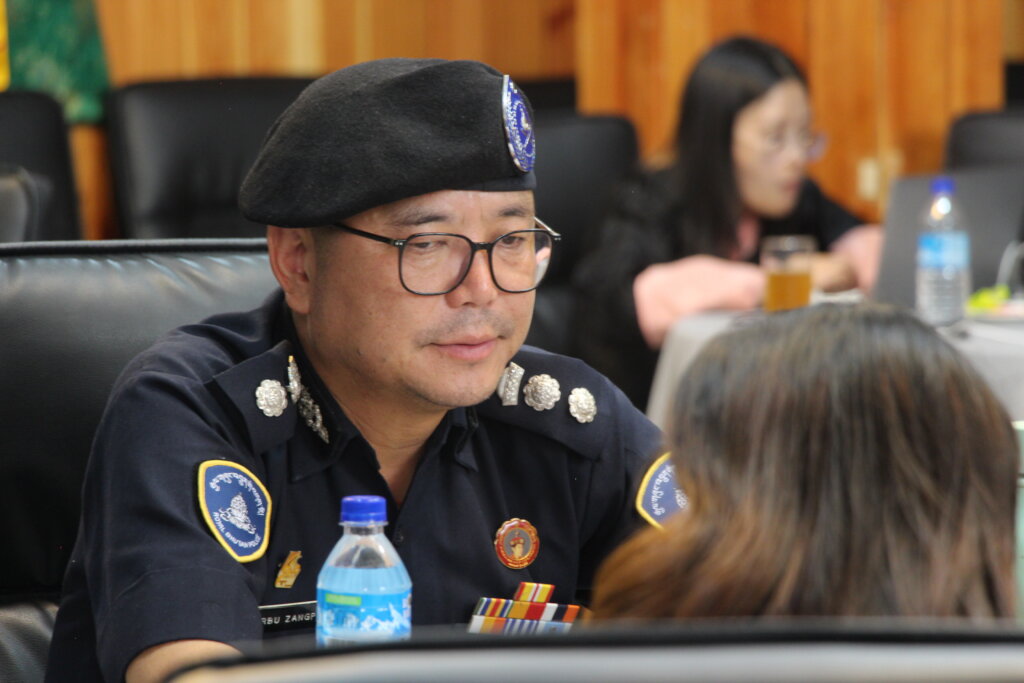
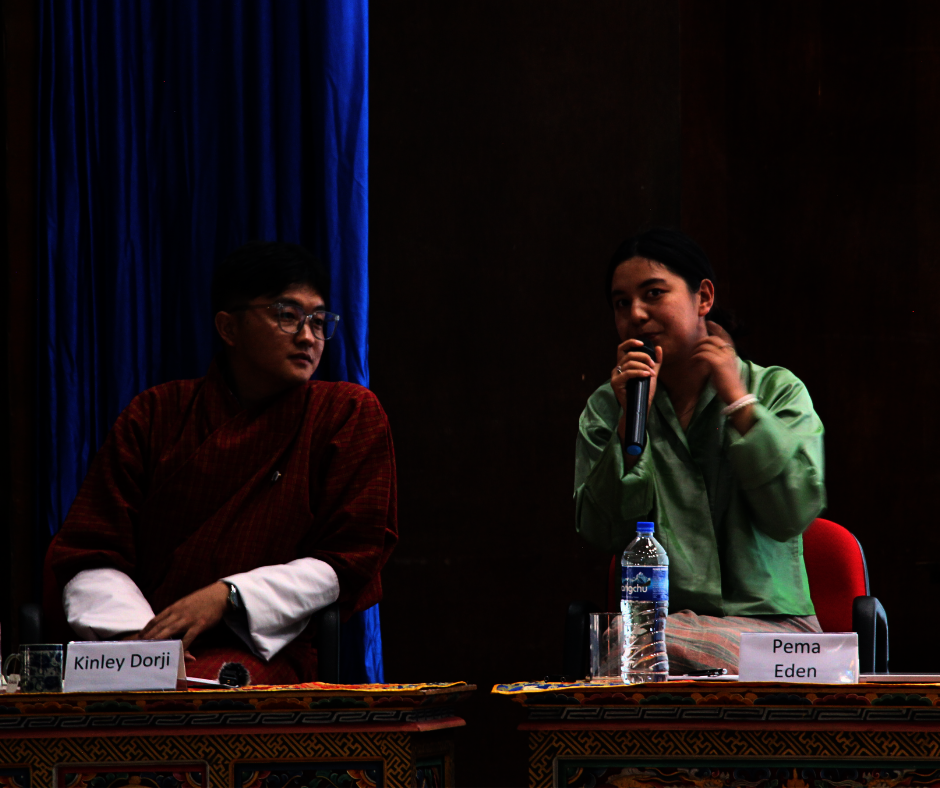
A focused round table discussion, moderated by Mr Needrup Zangpo, examined the current state and challenges of engagement between the CSOs and media. The conversation delved into strategies to advance human-centred storytelling through the work of CSOs, promote responsible advocacy, and identify opportunities for joint initiatives that support transparency, accountability, and inclusive development. Participants from both sectors reaffirmed their commitment to strengthening collaboration and open dialogue, recognising their shared role and responsibility in shaping Bhutan’s development narrative and contributing to its socio-economic progress and values-based growth within a democratic framework.
The Suja & Dzaw Conversation on Climate Change in Bhutan- Impact and Response
The second Suja and Dzaw Conversation for the 21st edition of The Druk Journal on “Climate Change in Bhutan: Impact and Responses” was held on 15th August 2025 at Sherubtse College, Kanglung. The conversation brought together over 120 participants, including former Members of Parliament, students, teachers, lecturers, and local officials, to reflect on the urgent realities of climate change in Bhutan and the country’s responses.
The dialogue was enriched by four contributors to the edition, underscoring Bhutan’s active role in global climate negotiations, while pointing out the inadequacy of climate finance and the growing risks posed by glacial melt, drying springs, and floods. Despite the abundance of rivers, the country faces mounting water insecurity, highlighting the need for stronger governance and public awareness of water as a finite resource.
Much of the conversation centred on the cryosphere and the cascading effects of glacier retreat, permafrost thaw, and glacial lake outbursts on ecosystems and livelihoods of Bhutanese, particularly the most vulnerable, including women and children. The speakers emphasised the importance of reliable scientific data and effective communication to strengthen public understanding. From an ethnographic perspective, climate change was also shown to disrupt traditions, sacred cycles, and community practices, reminding participants of the value of cultural wisdom and storytelling in shaping resilience and adaptation. As one forestry personnel in the audience reflected, “We did learn about climate change from a very young age in school, but through this conversation we learnt how spiritually local peoples are affected, and how they think of climate change. We usually think of climate change in terms of temperature rise, but here we discussed how it impacts water and glaciers. In the short term, melting glaciers may benefit hydropower, but in the long term, sustainability will be very hard. As forestry personnel, we are doing everything we can to increase forest coverage and enhance carbon sequestration to contribute positively to climate change.”
The conversation concluded with a shared understanding that Bhutan’s climate response requires stronger adaptation strategies in water management, agriculture, and disaster preparedness. Integrated resource management, improved governance, and youth education were identified as key priorities, alongside the need to cultivate mindful consumption and ethical decision-making. The discussion made clear that collaboration among scientists, policymakers, and communities is not only desirable but essential if Bhutan is to respond effectively to the profound challenges of climate change.
Stakeholder Consultation Meeting on Strengthening Child Protection Mechanisms in Bhutan
On 26th August 2025, the Bhutan Centre for Media and Democracy, in collaboration with the National Commission for Women and Children (NCWC), convened a national Stakeholder Consultation on Strengthening Child Protection Mechanisms in Bhutan. The consultation brought together a diverse group of stakeholders from government agencies, CSOs, the judiciary, law enforcement and the media, to deliberate on actionable solutions. This consultation was organised in response to the growing need for stronger, more coordinated, and preventative approaches to safeguarding children’s rights and well-being.
Building on the existing legal and institutional frameworks, the Stakeholder Consultation looked at the opportunity to further strengthen child protection by enhancing inter-agency coordination, increasing public awareness, improving resource allocation, and proactively addressing emerging risks such as online safety, grooming, and data management gaps.
Key discussions focused on:
• Reviewing existing laws, policies, and their implementation gaps
• Exploring a potential vetting and information-sharing system to strengthen institutional safeguards
• Enhancing the role of media and communication in advocacy, transparency, and public education
Participants also emphasised the need to address rural vulnerabilities, strengthen legal literacy, improve coordination among service providers, and reinforce social protection measures in the 13th Five-Year Plan. The consultation concluded with a shared commitment to enhance collaboration, improve monitoring and evaluation mechanisms, and advance civic awareness as a key tool to prevent harm and ensure every child in Bhutan grows up safe, supported, and protected.
Peer-Facilitation Workshop for LG leaders of Tsirang Dzongkhag
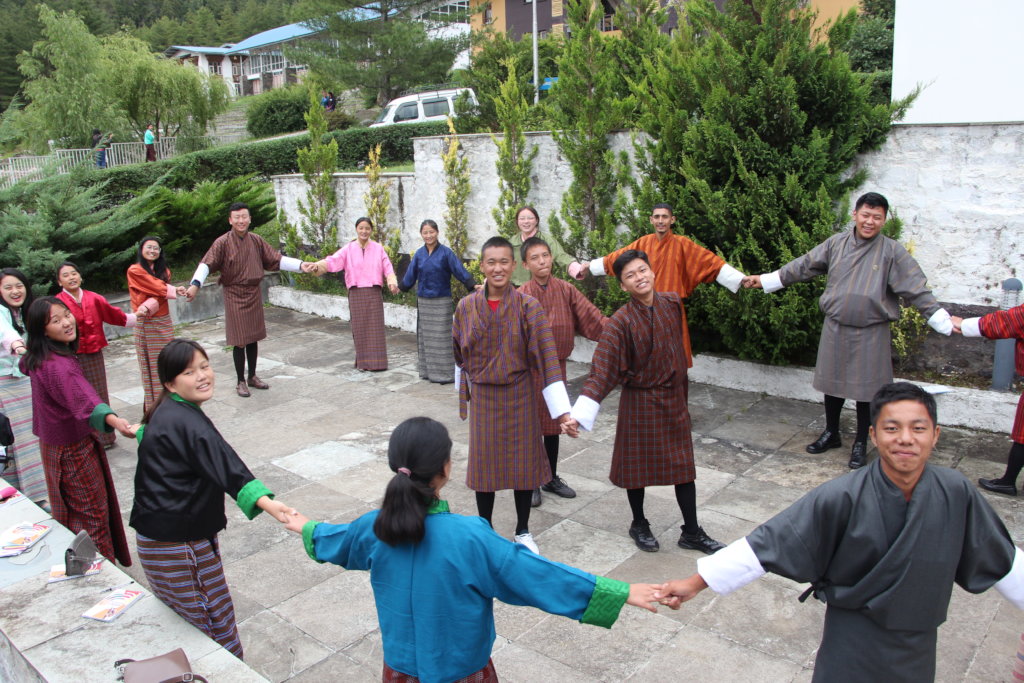
The Peer Facilitation Workshop was held in Tsirang district from 1–3 September 2025 with 13 participants, including Gewog Administrative Officers, district officials, and BCMD staff. The three-day workshop aimed to strengthen facilitation skills with a focus on inclusivity, neutrality, and participatory decision-making. Participants explored the meaning and values of facilitation, trust, openness, honesty, equality, and flexibility and the importance of creating safe spaces for open dialogue. They learned that facilitation is about guiding and encouraging discussions rather than directing them, and that all voices, including those of women and persons with disabilities, must be heard.
Participants' reflections revealed that community meetings often started without establishing a safe, inclusive tone, and that facilitation should go beyond information dissemination to genuine consultation. They also discussed the three dimensions of facilitation, process, relationship, and result, and the stages of group dynamics, which helped them understand how to manage groups effectively and inclusively. Participants realised that building trust and managing relationships are as vital as achieving results.
They further examined the differences between facilitators, trainers, and chairpersons, recognising that facilitators maintain neutrality and inclusivity. Moving from conventional to participatory decision-making was identified as essential for encouraging diverse perspectives and shared ownership of decisions. The session on active listening emphasised skills such as mirroring, paraphrasing, and maintaining eye contact, which participants found crucial in fostering understanding and respect during discussions.
The final day focused on practical facilitation tools such as summarising, stacking, creating space, balancing participation, managing group dynamics, and conducting debriefs., Participants connected these techniques to their experiences in gewog and chiwog consultations, recognising that practices like sharing agendas beforehand, using plain language, and holding debrief sessions can greatly enhance inclusivity and ownership, thereby improving the overall effectiveness of meetings.
The workshop concluded that facilitation is both a skill and a mindset developed through practice. By applying participatory methods and upholding the core values of trust, openness, honesty, equality, and flexibility, facilitators can transform community consultations into inclusive, respectful, and action-oriented spaces where diverse perspectives lead to shared decisions and stronger community outcomes. Through this workshop, the local leaders gained a deeper understanding of their roles in local governance, particularly in fostering bottom-up planning, prioritisation, and budget allocation grounded in genuine community needs identified through a consultative process.
GNH-Based Participatory Planning and Community Analysis
The Workshop on GNH-Based Participatory Planning and Community Analysis was conducted from 7-13 October 2025, with 37 Local government leaders from the 12 gewogs of Tsirang Dzongkhag. The workshop opened with a deep reflection on Bhutan’s local governance system and the realities of decentralisation in practice, from local government rules and regulations to local government planning, prioritisation and budgeting processes.
While decentralisation has empowered local governments to plan and prioritise development in their communities, participants highlighted several ongoing challenges that hinder its effectiveness., These include unclear agenda setting, poor documentation, citizen fatigue from frequent meetings, and limited capacity to support meaningful participatory planning. They also observed that many citizens continue to view governance as a government function alone, rather than a shared, collective and collaborative responsibility.
“It is difficult to get community participation during chiwog zomdu meetings. Many people attend only if there are direct benefits for them,” shared one participant, highlighting the ongoing need for civic awareness and awareness, and trust-building at the grassroots level.
Participants explored the planning and communication flow across the Dzongkhag, Gewog and Chiwog levels. As per the Local Development Planning Manual 2021, activities approved at the gewog level must be submitted to the Dzongkhag for information, while activities requiring higher budgets or support from central agencies are forwarded to the Dzongkhag as formal proposals derived from consultations with the community through the chiwog zomdu. Many participants conceded that these linkages were not fully understood before.
The session clarified roles, responsibilities, and the procedural flow in the local planning and prioritisation processes and structures, particularly the roles of the Agenda Finalisation Committee, which is responsible for reviewing and categorising agendas by constituency and subject, and also visited the Protocol for Local Government Proceedings (publication of the Department of Local Governance and Disaster Management) to understand the roles of the relevant LG actors and functions therein.
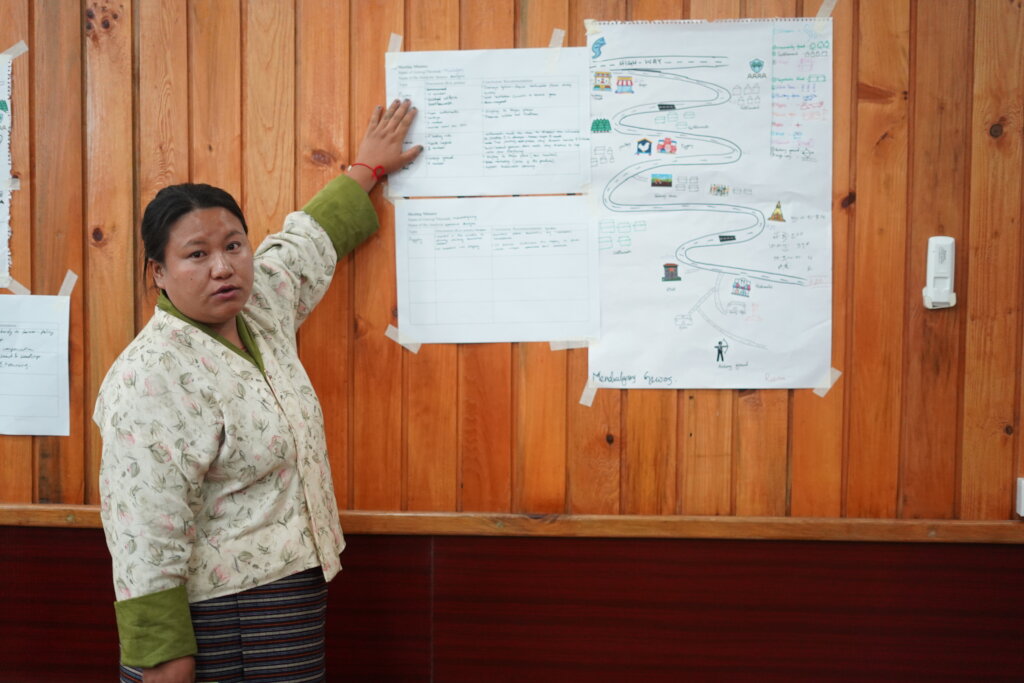
Participants were introduced to eight participatory planning tools under four GNH themes, covering key aspects such as social and economic resource mapping, gender analysis, stakeholder identification, and public service delivery analysis. Using these tools, they learnt the development of inclusive community development plans, which were presented in the plenary session. Following the training, participants will work collaboratively with community members to co-develop a comprehensive community development plan, which will be showcased during a Town Hall in January.
Citizen Empowerment Workshop
How can communities truly thrive if citizens remain silent spectators in decisions that affect their everyday lives?
For many residents, this question came alive during BCMD’s Citizen Empowerment Workshop that began on 13th to 18th October 2025. The workshop brought together farmers, youth, women, and former local government leaders from the 12 Gewogs of Tsirang to reflect on how each individual’s voice can shape and drive positive change within their communities.
Discussions revealed that while citizens are often informed, they are not always consulted on matters such as community needs, budget availability and allocations, or upcoming plans and programmes. The consultations also highlighted a pattern of procedural, rather than participatory engagements. Although formal structures for public consultation exist, many citizens still perceive these meetings as administrative requirements rather than opportunities to shape development that affect their lives. This points to a deeper need for civic empowerment where citizens recognise and embrace both their right and their responsibility to actively participate in decision-making.
The workshop encouraged citizens to move from being passive listeners to active participants, engaging constructively with local government leaders to shape priorities and decisions that impact their everyday lives. Citizens were also reminded of their civic responsibilities, about the reciprocal obligations between the State and Citizens, in problem-solving and ensuring that interventions reflect community needs and values for better ownership and sustainability.
Inclusive Journalism Practices Covering Gender and Governance
BCMD organised a two-day workshop on Inclusive Journalism Practices Covering Gender and Governance on the 27th and 28th of October 2025 in Paro. The workshop brought together 15 journalists from 7 public and private media houses and Kuzoo FM, and focused on enhancing journalists’ understanding of the intersections between gender, media, and governance. The two-day workshop facilitated in-depth discussions on women’s representation in governance and the persistent gap between Bhutan’s legal provisions for gender equality and their implementation in practice.
Participants critically examined how media narratives influence public perception and engagement in governance, policy and decision-making processes. Emphasis was placed on the principles of constructive, restorative and solution-based journalism, encouraging reporting that highlights not only challenges but also solutions, resilience, and good practices. The sessions further underscored the importance of applying a gender lens in journalistic practice, including the choice of language, framing of issues, and selection of sources.
Through group exercises and case-based learning, journalists developed story concepts around gender and governance. The participants also engaged in carrying out field-based reporting using a gender lens in news reporting. The workshop concluded with participants reflecting deeply on the importance of integrating a gender perspective within media and policy spaces. Many acknowledged a renewed understanding that gender equality is not limited to empowering women alone, but entails ensuring balanced representation and engagement of both men and women in decision-making processes.
Participants also committed to advocating for greater inclusion of women’s voices in editorial policies and newsroom practices. The sessions also served as a platform for self-reflection, where journalists recognised the need for continuous learning, collaboration with experts, and more nuanced coverage of gender issues across diverse sectors beyond politics. The workshop thus fostered a shared commitment to advancing equitable representation and strengthening the role of media in promoting inclusive governance in practice.
Druk Journal Conversation: Mindful Governance, Mindful Society
About 270 Pelsups in Gelephu attended a conversation on the theme of The Druk Journal's latest issue, “Mindful Governance, Mindful Society” on Friday, 30th October.
Rooted deeply in Bhutanese values, mindfulness was highlighted in the conversation as a lived ethic rather than a trend. For most, it is a way of being that shapes leadership, community, and collective well-being.
Global interest in mindfulness has been expanding rapidly, simultaneously diversifying its interpretation. Bhutan’s opportunity lies in preserving its spiritual roots, grounded in altruism, bodhicitta, service, and a sense of community, while building systems, institutions, and communities that embody mindful governance for the benefit of all.
Discussions centred around how to integrate mindfulness into governance, policies, and practices. And how to balance mindfulness with a sense of competitiveness. The gathering also discussed the idea of mindful prosperity, and that it also requires a sense of social awareness and greater social well-being. Participants shared some of their plans and ideas, and also expressed interest in how to popularise mindfulness in Gelephu.
"The session was truly enriching. I was inspired by the curiosity and genuine concern shown by everyone. With this level of awareness and commitment, I am confident that Pelsups will meaningfully contribute to GMC’s development," Said a participant of the Pelsung programme.
By Kencho Tshering | Programme/Communications Officer
By Tila Maya Kharka | Asst. Communications Officer
Project reports on GlobalGiving are posted directly to globalgiving.org by Project Leaders as they are completed, generally every 3-4 months. To protect the integrity of these documents, GlobalGiving does not alter them; therefore you may find some language or formatting issues.
If you donate to this project or have donated to this project, you can receive an email when this project posts a report. You can also subscribe for reports without donating.



Support this important cause by creating a personalized fundraising page.
Start a Fundraiser