By Ruth Nakalembe | Program Officer
During the quarter, our project continued to support caregivers of children with cerebral palsy by strengthening both their economic resilience and emotional wellbeing. Caregiving for a child with cerebral palsy is demanding and often leaves families isolated, financially strained, and overlooked. This quarter focused on restoring hope and stability through practical skills and community connection.
What We Did
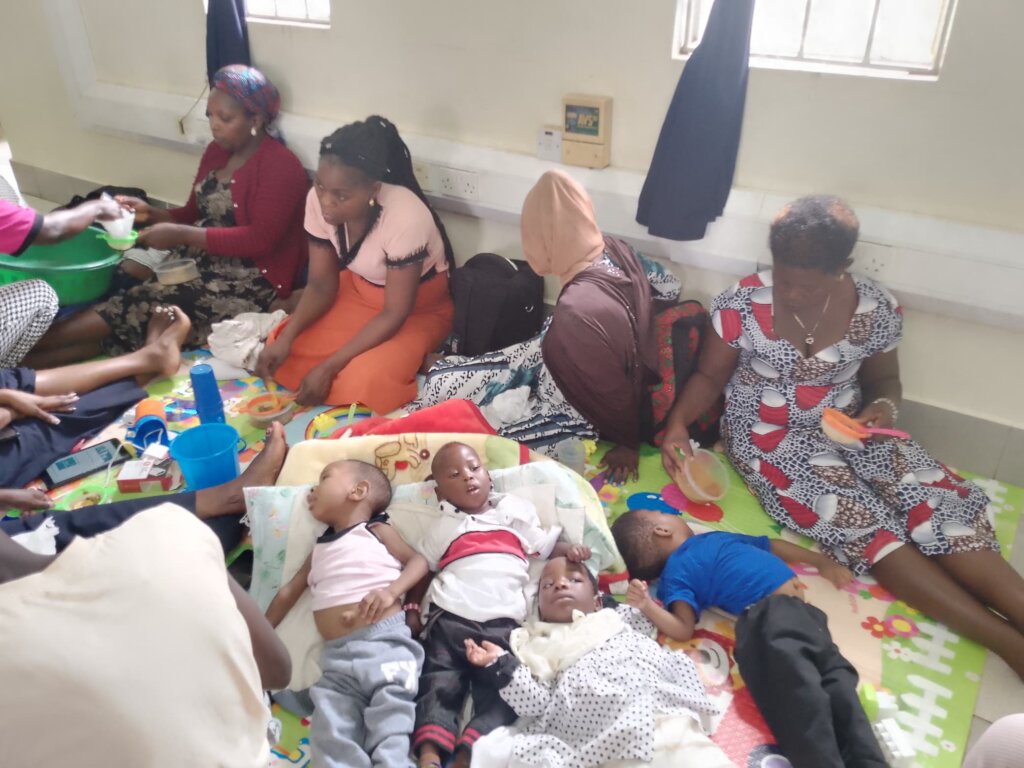
During this period, we reached over 27 caregivers through a combination of livelihood training and psychosocial support activities.
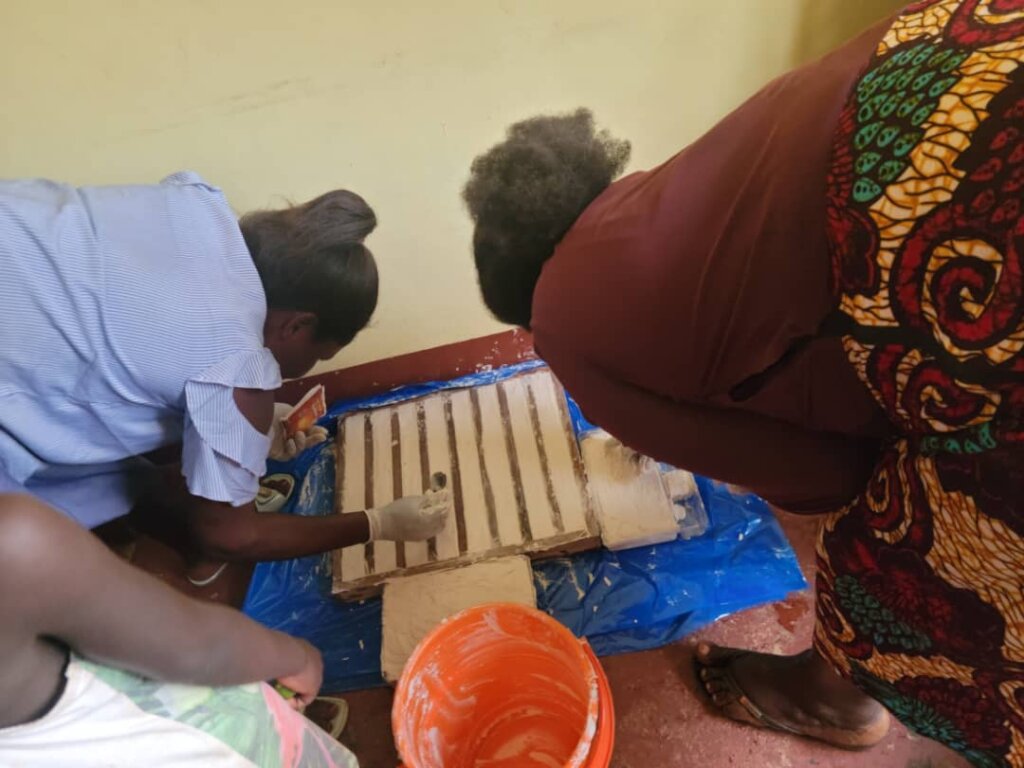
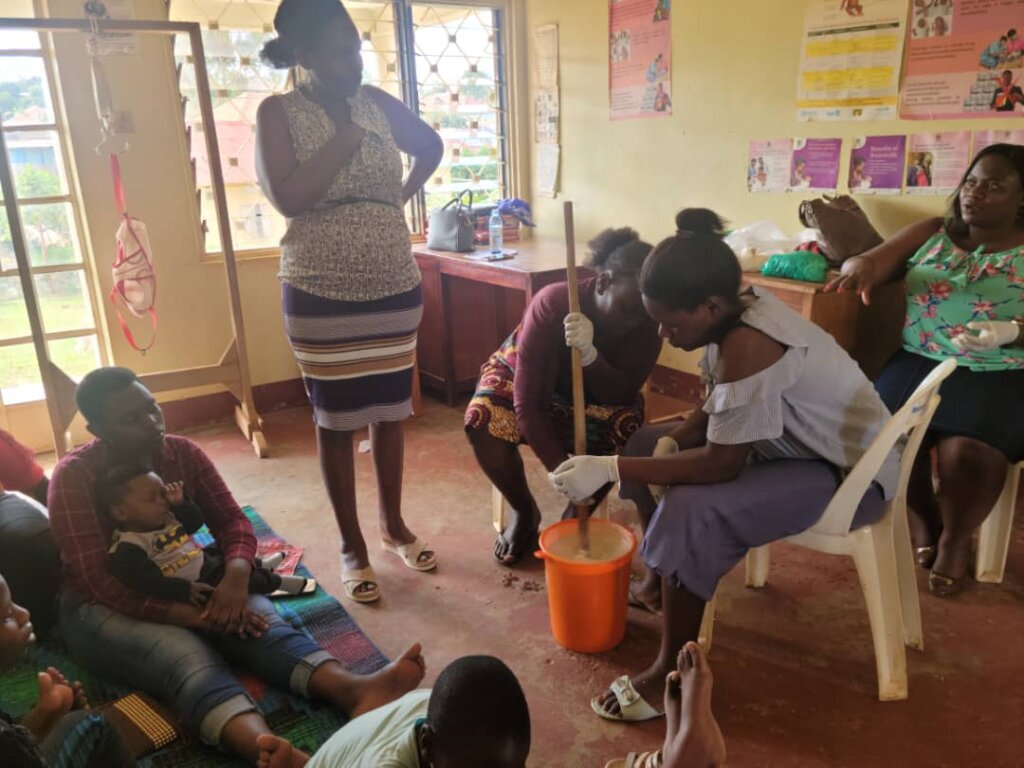
Caregivers participated in hands-on bar soap making training, learning a low-cost, home-based income-generating skill that fits within their caregiving responsibilities. The training covered soap production, safety measures, basic costing, and pricing, enabling caregivers to produce soap independently for household use or small-scale sale.
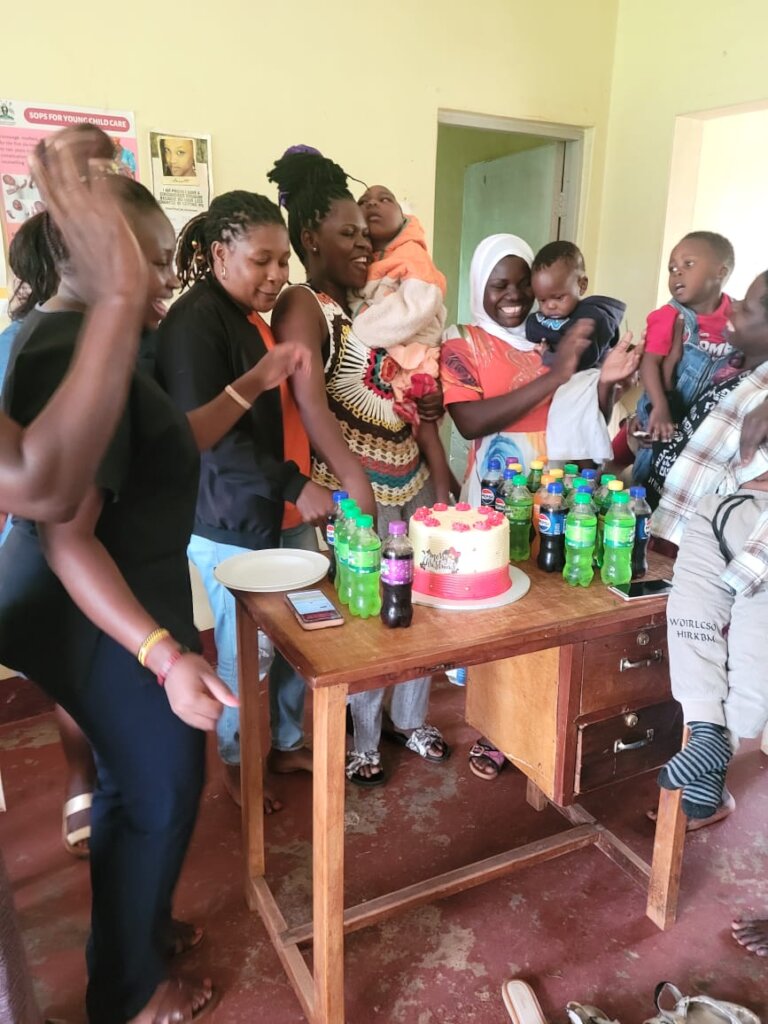
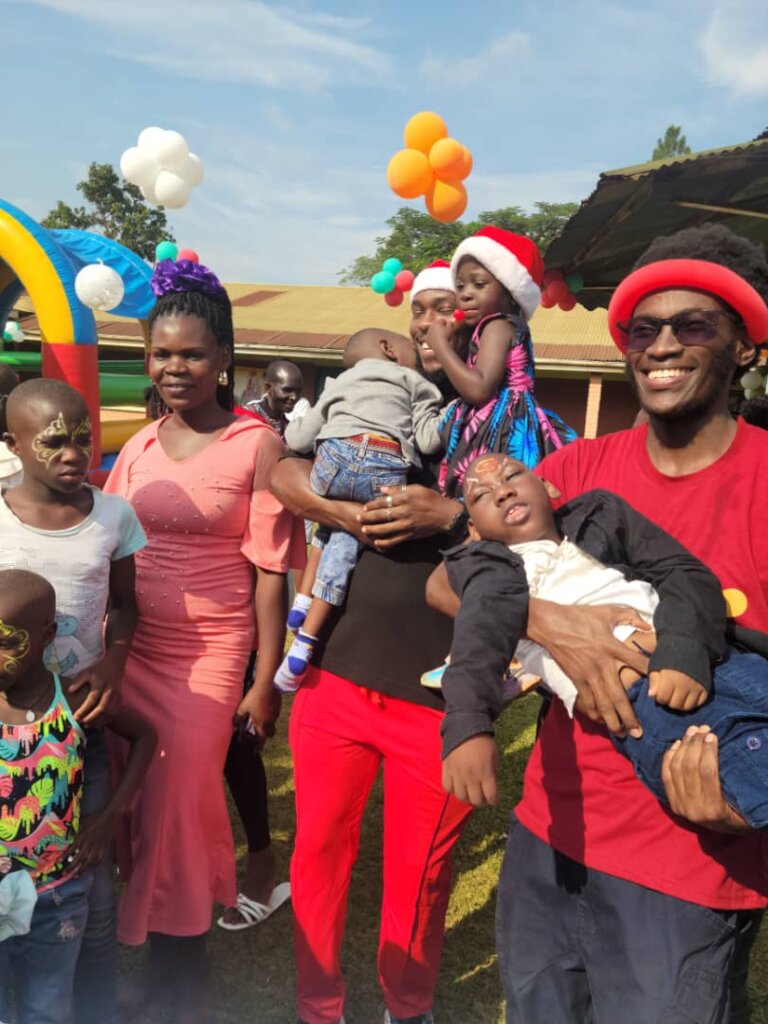
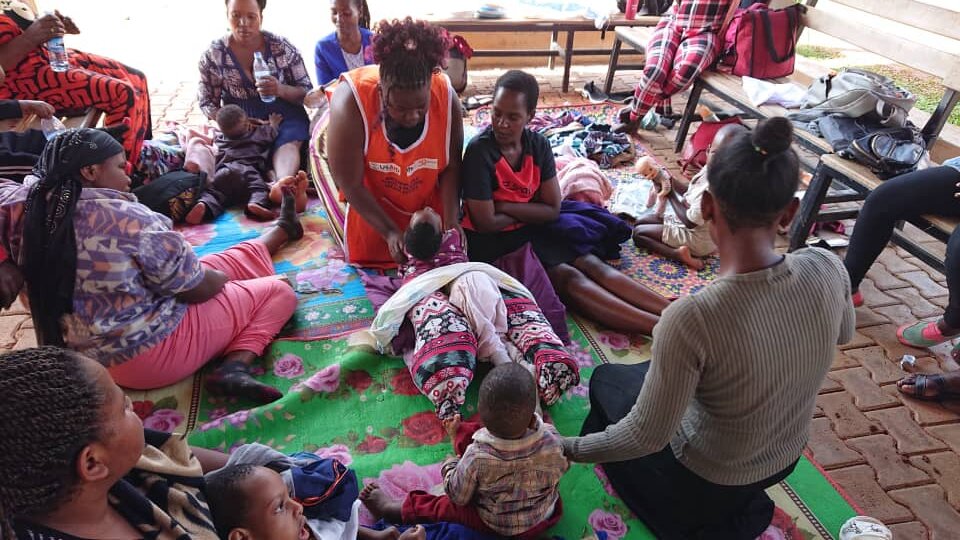
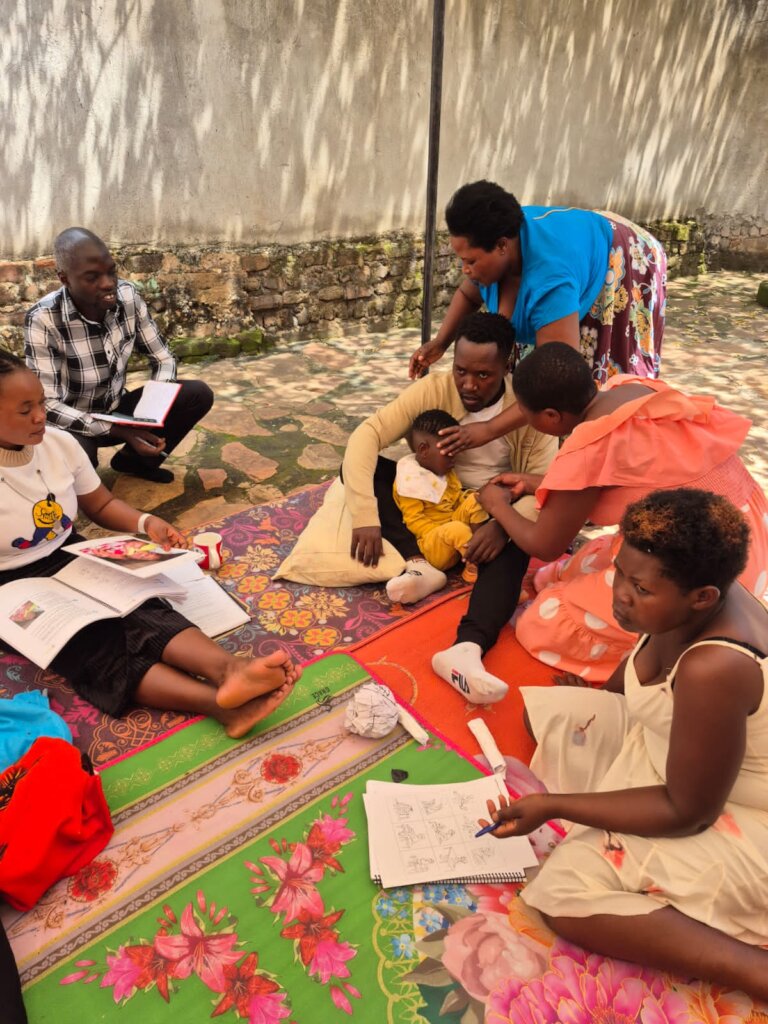
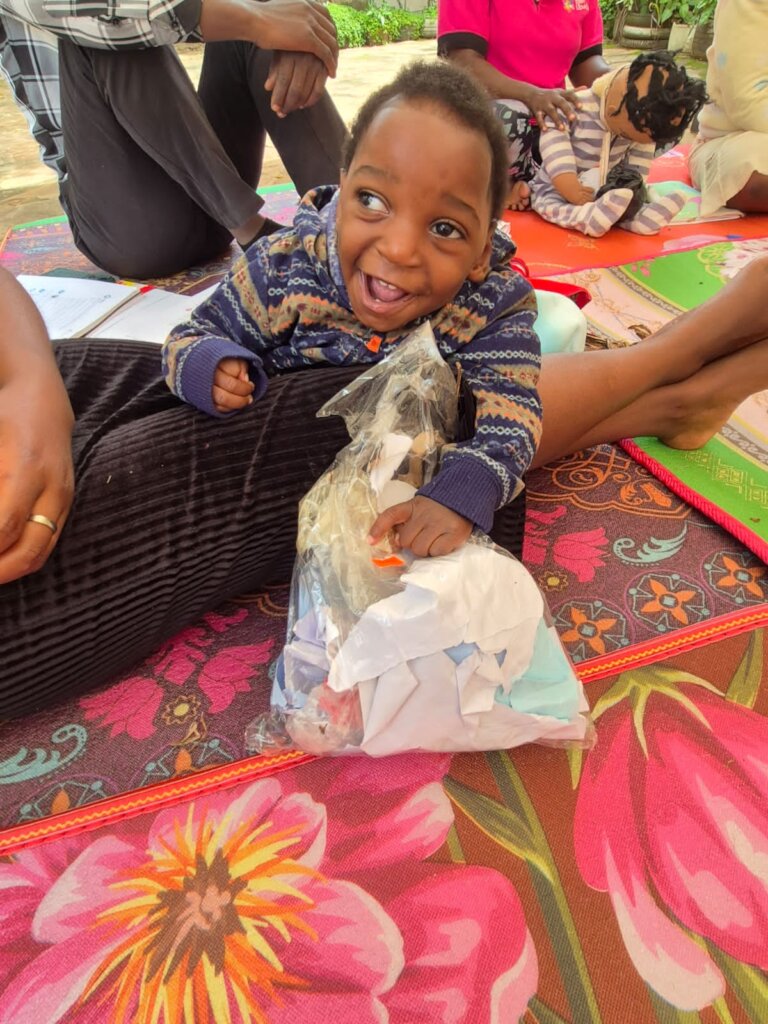
To support emotional wellbeing and social inclusion, we also organized a community Christmas celebration for caregivers and their children with cerebral palsy. The event created a safe and joyful space where families could connect, share experiences, and celebrate their children without stigma or exclusion.
What Changed
Caregivers reported increased confidence in their ability to generate income from home
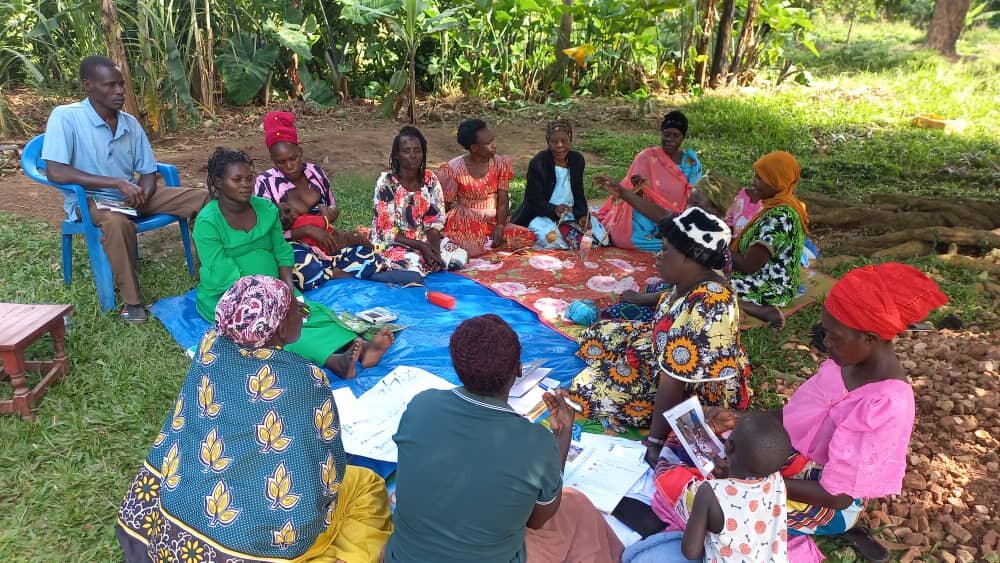
Feelings of isolation were reduced through peer interaction and shared experiences
Children with cerebral palsy experienced positive social inclusion in a community setting
Informal caregiver support networks were strengthened, encouraging mutual encouragement and collaboration
One caregiver shared that learning soap making gave her “a way to contribute to my family and feel useful again,” while another noted that the celebration made her feel “seen and accepted as a parent.”
Why This Matters
Economic stress and emotional exhaustion are closely linked for caregivers of children with disabilities. By addressing both livelihoods and psychosocial wellbeing, this project helps families move beyond survival toward dignity, stability, and resilience.
What’s Next
In the coming months, we will expand livelihood training, strengthen caregiver support groups, and continue integrating economic empowerment into community-based rehabilitation efforts. With continued donor support, more caregivers will gain the tools they need not only to care—but to thrive.
By Ruth Nakalembe | Program Officer
By Ruth Nakalembe | Program Officer
Project reports on GlobalGiving are posted directly to globalgiving.org by Project Leaders as they are completed, generally every 3-4 months. To protect the integrity of these documents, GlobalGiving does not alter them; therefore you may find some language or formatting issues.
If you donate to this project or have donated to this project, you can receive an email when this project posts a report. You can also subscribe for reports without donating.



Support this important cause by creating a personalized fundraising page.
Start a Fundraiser