By Ana Godinez | Project Leader
The 2024–2026 funding cycle is currently coming to a close. During this period, several organizations completed their accompaniment process in December 2025, while others formally concluded in January 2026. In parallel, Fondo Semillas has launched its call for proposals for the next funding cycle, which opened on Friday, January 30, and will close on Friday, February 27. It is important to note that, in addition to the open call, a portion of the funding is allocated to the renewal of selected organizations for a second cycle.
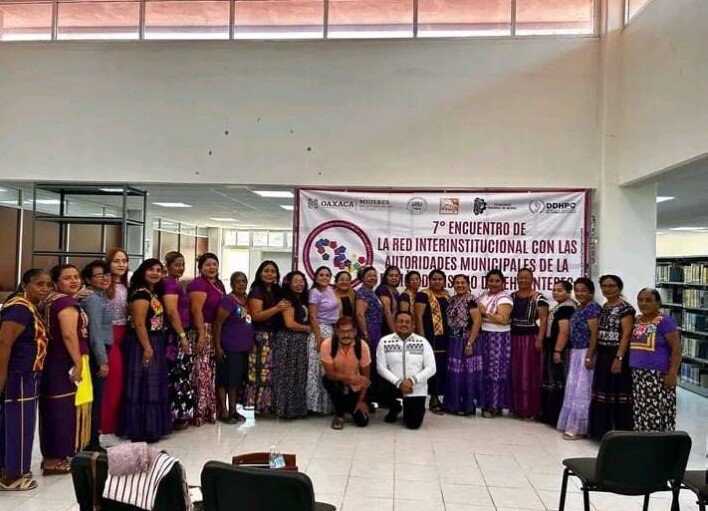
This report highlights the work of four groups that concluded their accompaniment process toward the end of last year: Círculo Profesional para la Formación con Equidad de Género Nduva Ndandi, A.C.; Centro para los Derechos de la Mujer Nääxwiin, A.C.; Formación y Capacitación, A.C., and Resistencia Feminista por la Igualdad Sustantiva, A.C. Collectively, these organizations directly benefited 3,015 people, including Indigenous women, cisgender women and men, Afro-Mexican people, lesbian women, non-binary people, bisexual people, and trans women and men. Their work reached five Mexican states: Oaxaca, Campeche, Yucatán, Chiapas, and Quintana Roo.
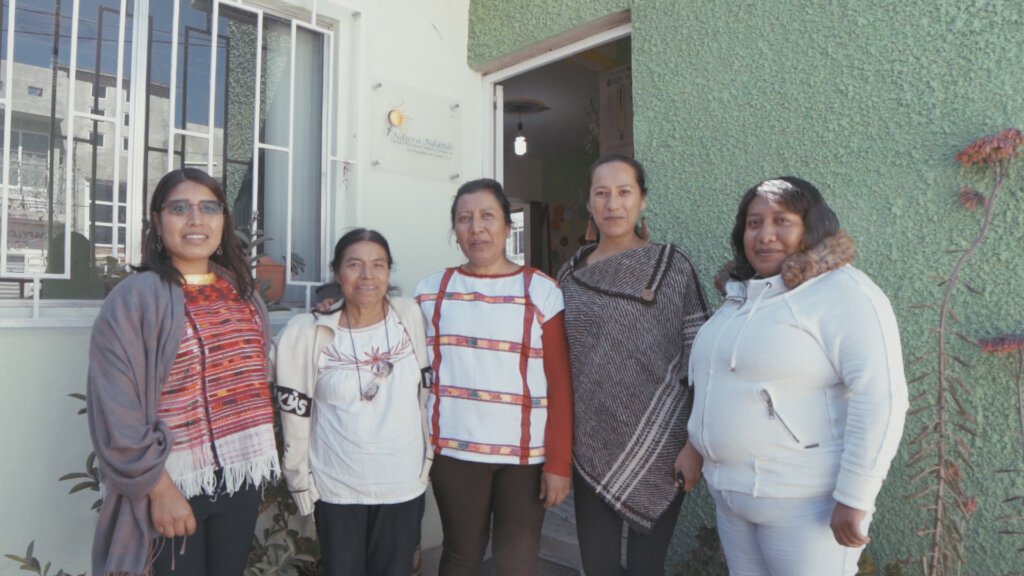
Across these territories, meaningful progress has been made in advancing women’s human rights, particularly through the strengthening of leadership among women, Indigenous women, and youth. At the same time, these advances take place within contexts marked by persistent structural violence. In the Isthmus of Tehuantepec, where Nduva Ndandi works, patriarchal violence manifests in its most extreme forms through femicides, ongoing aggression, and high levels of impunity.
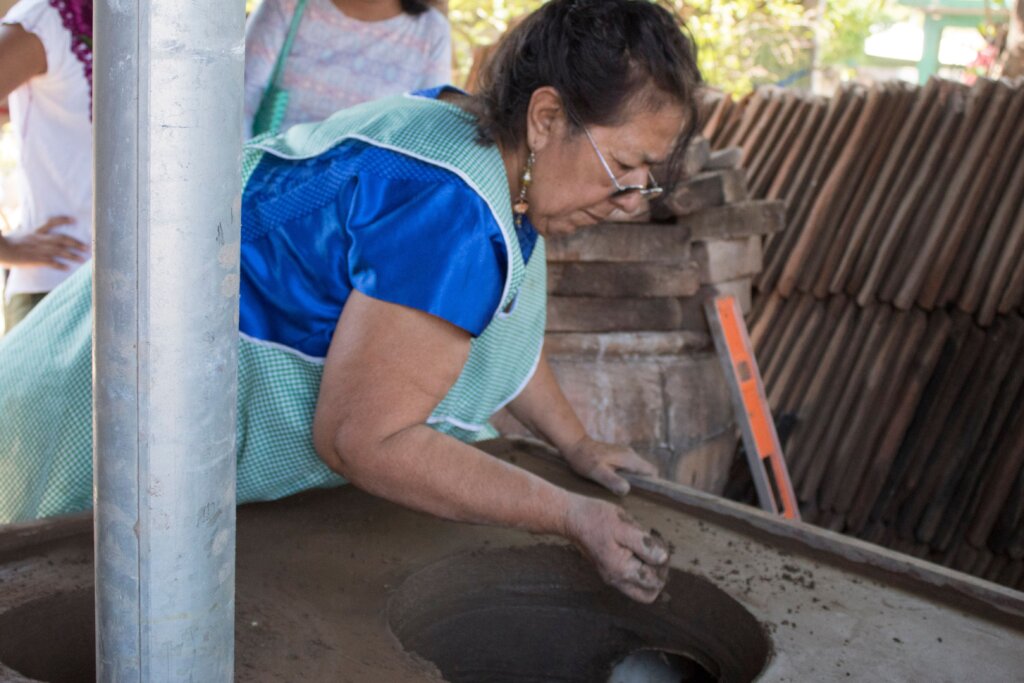
Similarly, in the field of maternal health, institutional and access barriers continue to limit the full realization of women’s rights, despite the growing recognition of midwifery and ancestral knowledge as essential components of an intercultural health model, as documented by Nääxwiin. In Yucatán, where Resistencia Feminista operates, the rapid expansion of digital violence has disproportionately affected girls, adolescents, and young women, increasing the demand for prevention, accompaniment, and institutional responses.
Despite some regulatory advances and increased public attention to these issues, significant gaps remain in policy implementation, interinstitutional coordination, and effective response capacity. These challenges underscore the urgency of consolidating comprehensive strategies for prevention, care, reparation, and education grounded in gender and intercultural perspectives.
Additional obstacles during this period included the closure of government programs that provided legal representation to women experiencing gender-based violence, the rise in attacks against human rights defenders, and growing fiscal and administrative constraints, all of which have affected the sustainability of grassroots work.
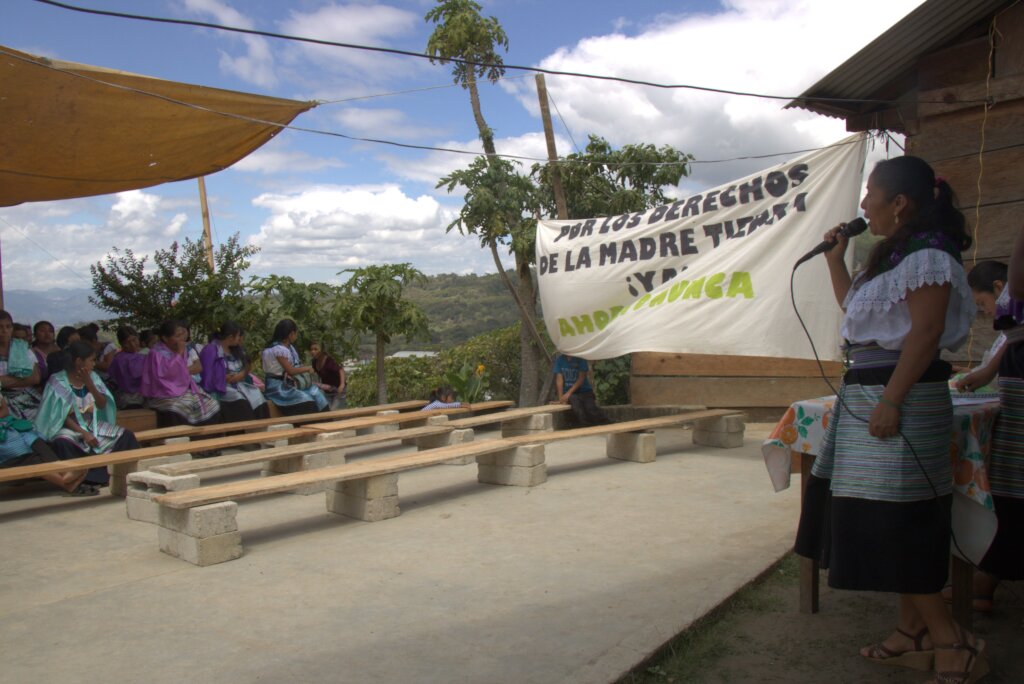
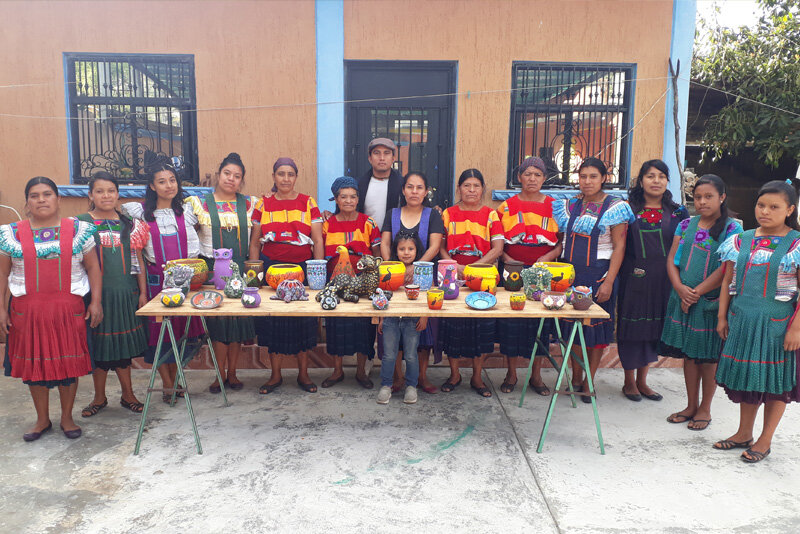
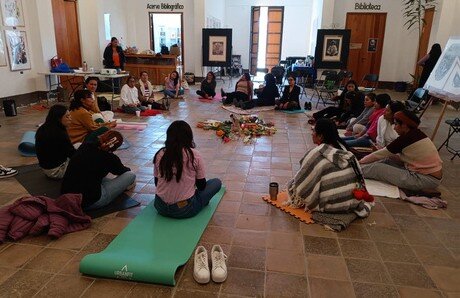
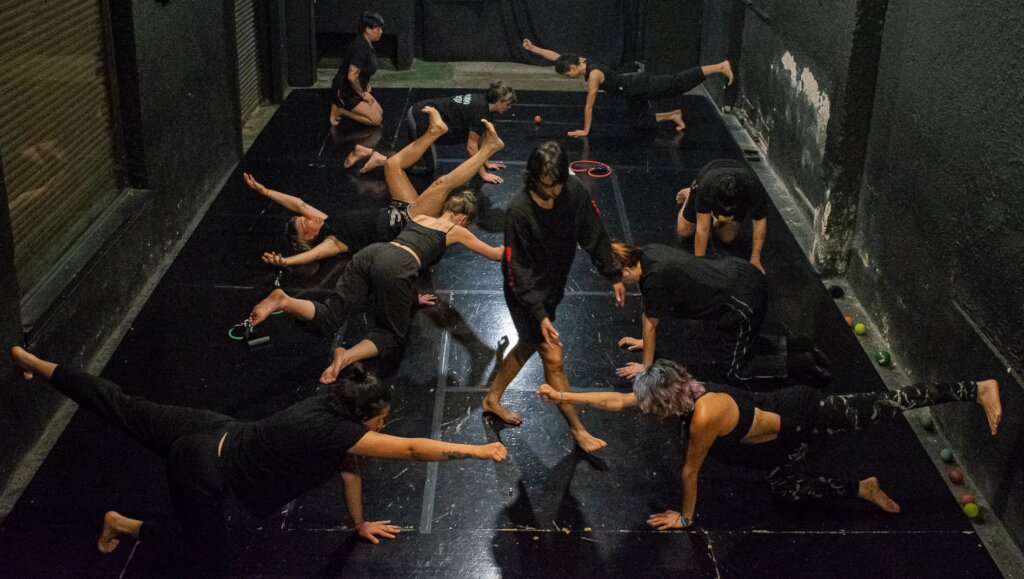
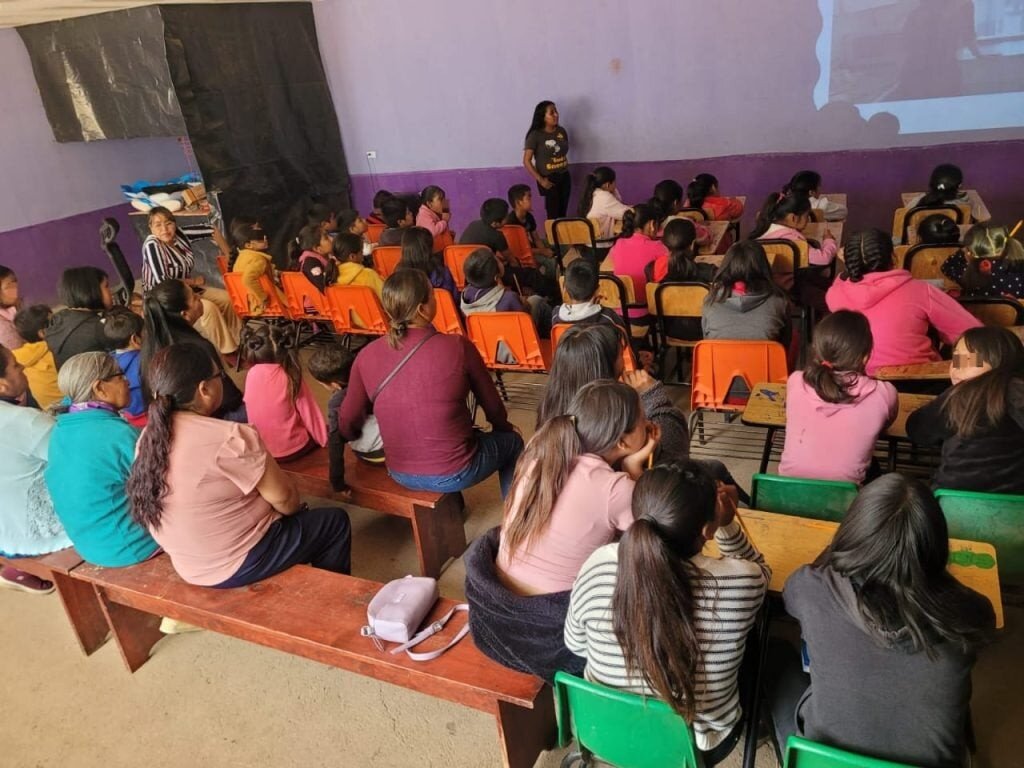
Within this challenging context, the organizations strengthened training, participation, and direct support processes for women, Indigenous women, youth, and educational communities. Through workshops, forums, dialogue spaces, and community-based activities, they promoted sexual and reproductive rights, women’s autonomy, and democratic participation, reaching 1,841 people who increased their knowledge of their rights.
Nduva Ndandi combined these efforts with comprehensive support services for women experiencing violence, including emotional, psychological, and legal accompaniment, interpretation, and institutional referral, contributing both to case resolution and to strengthened prevention capacities among families, educators, adolescents, and communities.
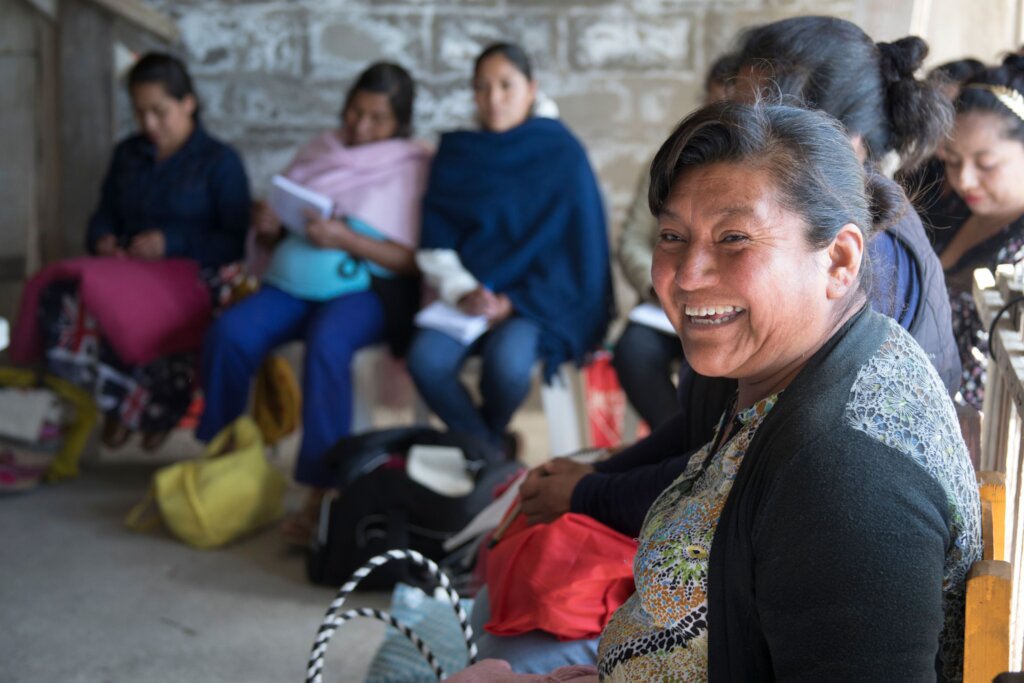
Doña L, despite the challenges and the context in which she lives, continues to accompany us, share knowledge, and replicate learnings, transmitting a strong sense of motivation to younger generations as an elder woman. She engages with youth to transform and prevent risk situations related to sexual and reproductive rights and the multiple forms of violence that have become normalized in both community and urban settings. Through her commitment, Doña L is one of the women who sustains the work of Nduva Ndandi; our paths are sustained by grandmothers like her.
- Nduva Ndandi
At the same time, specialized political and organizational training processes strengthened collective advocacy and rights-based action in specific sectors. In maternal health, training for midwives contributed to the prevention of obstetric violence and positioned traditional midwifery as a key element in intercultural maternal care, with more than 200 midwives participating in training and advocacy processes.
As a result of the advocacy processes led by FOCA and the Nich Ixim Midwives’ Movement, certificates issued by midwives are now accepted directly by the civil registry for the issuance of birth certificates, without the need to be replaced by documents issued by the health sector. This change guarantees the right to identity for children born with the assistance of midwives and formally recognizes the legitimacy of their work.
- Formación y Capacitación A.C.
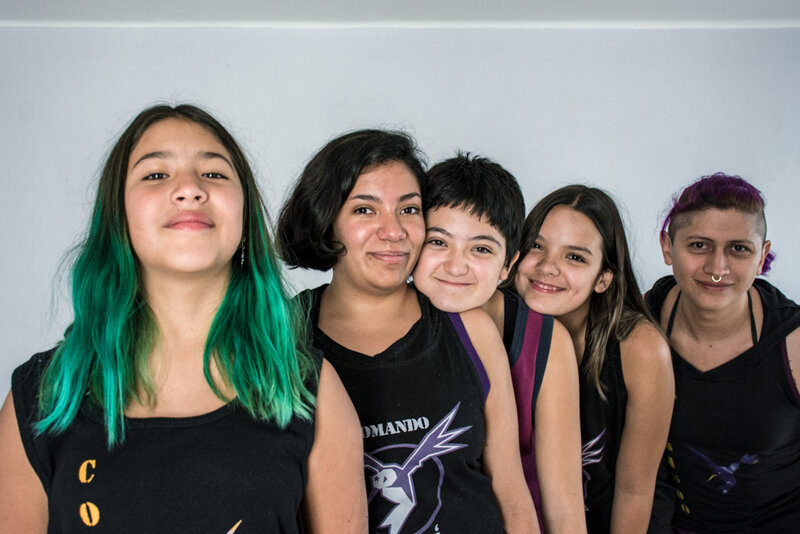
In parallel, Resistencia Feminista implemented an accessible pedagogical model to prevent digital violence and promote legal literacy and rights awareness among girls, adolescents, and young women. By combining school-based training, practical tools, community accompaniment, and youth leadership development, this approach helped build local support networks, reduce fear of reporting, and strengthen concrete capacities to recognize, exercise, and demand the right to a life free from violence.
Finally, advocacy efforts contributed to institutional change across 33 public institutions. In Oaxaca, Nduva Ndandi consolidated its recognition as a reference in human rights education and leadership development, leading to sustained collaboration with educational institutions, municipal authorities, universities, and community media.
In Yucatán, sustained advocacy opened spaces within legislative and educational institutions to address digital violence, resulting in the adoption of gender-sensitive diagnostics, protocols, referral pathways, and teacher training for the prevention of cyberbullying and grooming. These advances were made possible through an approach that bridged community-based diagnosis with technical advice and practical training, fostering institutional trust, reducing stigma, and strengthening local capacities to protect and exercise the digital rights of girls, adolescents, and youth.
By Ana Godinez | Project Leader
By Ana Godinez | Project Leader
Project reports on GlobalGiving are posted directly to globalgiving.org by Project Leaders as they are completed, generally every 3-4 months. To protect the integrity of these documents, GlobalGiving does not alter them; therefore you may find some language or formatting issues.
If you donate to this project or have donated to this project, you can receive an email when this project posts a report. You can also subscribe for reports without donating.



Support this important cause by creating a personalized fundraising page.
Start a Fundraiser