By Michele Comber | Program Manager
Dear Supporters,
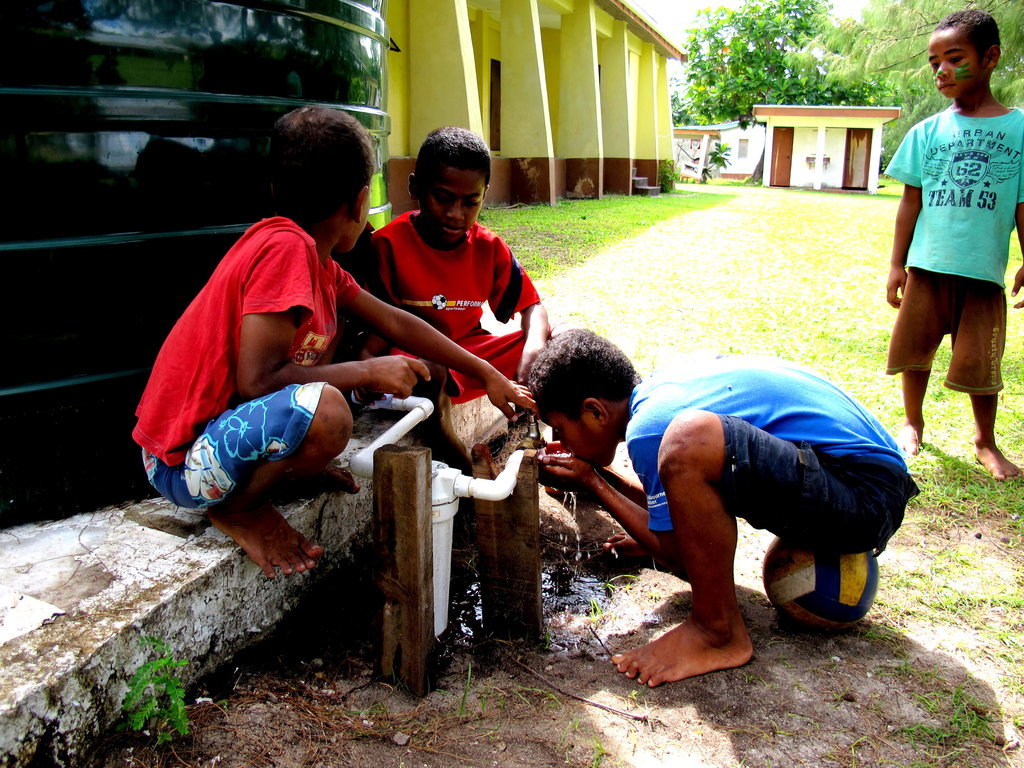
The project is aimed at addressing water security issues that many people in Fiji’s rural and remote communities face daily. ‘WAI NI BULA’ – water for life - the overall objective is to improve access to and awareness surrounding, safe drinking water in both remote communities and schools.
Many regions in Fiji have limited natural water catchment and highly variable, rainfall and dry spells. Villages rely upon several different water sources by utilizing seasonal wells, boreholes, and rainwater collection. Water shortages are not uncommon in many areas, and may become critical during a six-month dry season, from May-October. Access to high quality sanitation services is often limited, particularly in rural regions.
Since 2011, GVI have been able to dramatically increase the overall water storage capacity in many villages across several districts in Fiji , which have included the Island of Moturiki part of the Lomaiviti Group.GVI are currently working with the District of Dawasamu located in the Tailevu province on the island of Viti Levu. In this area ground water is available throughout the year to some degree yet, water quality from these sources varies considerably as heavy rain and run off frequently render water sources undrinkable due to contamination. Without secure systems separated from the open ground water source, it is impossible to manage water quality on a month to month basis. This can result in more incidents of water related illness. The collection of rainwater is a safe and reliable way
to source drinking water and through the funding of Rainwater Harvesting Systems and awareness programs, rainwater can be utilized as a long-term solution to water shortages. Better sanitation and hygiene practices can be reinforced through workshops and community education, and investing in sustainable, long term infrastructure programs.
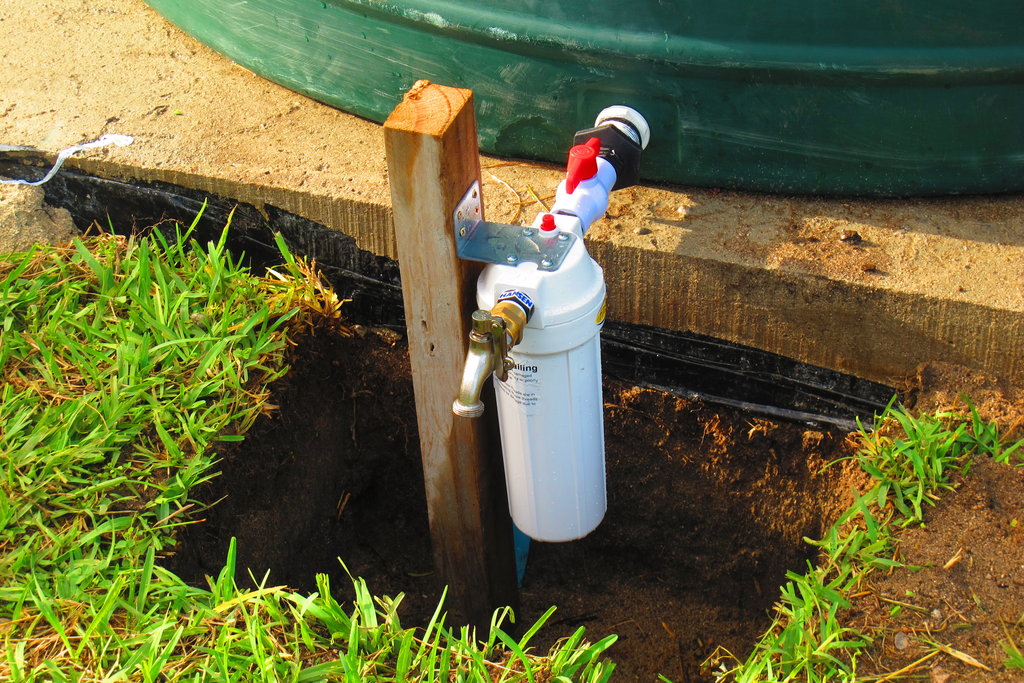
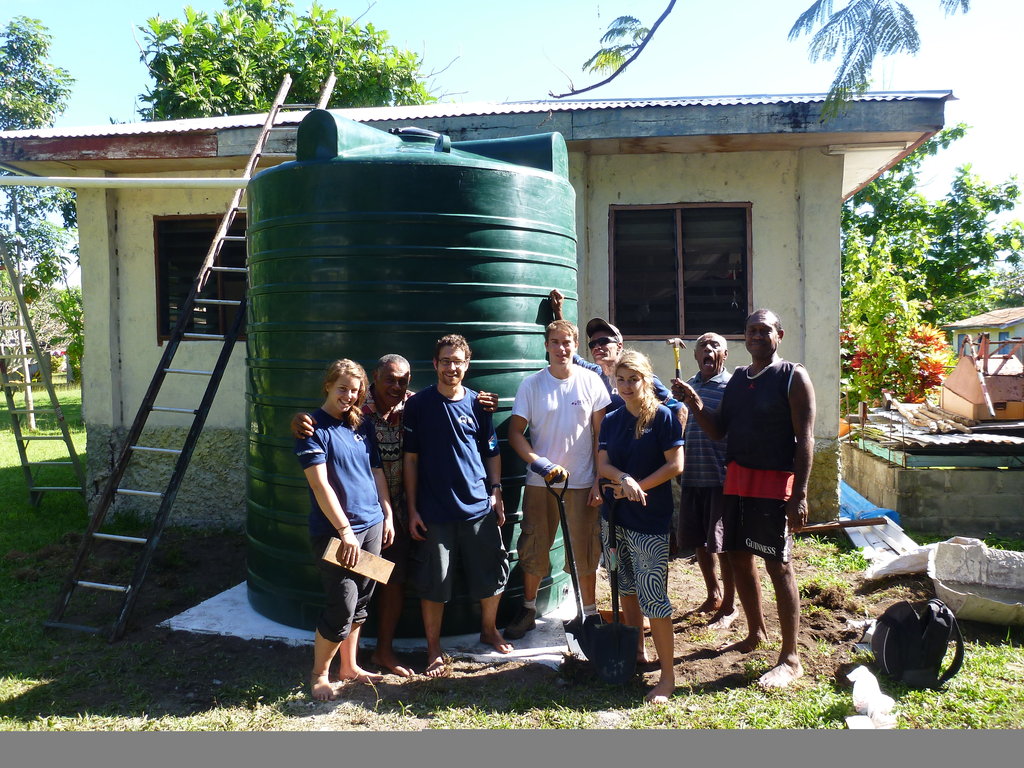
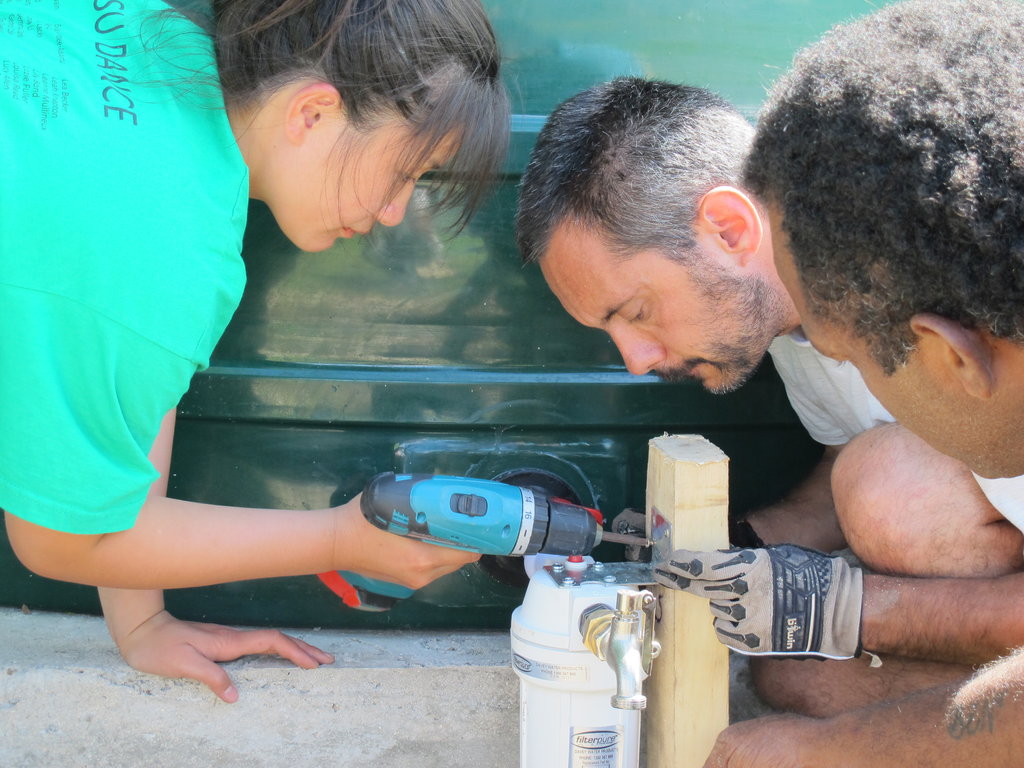
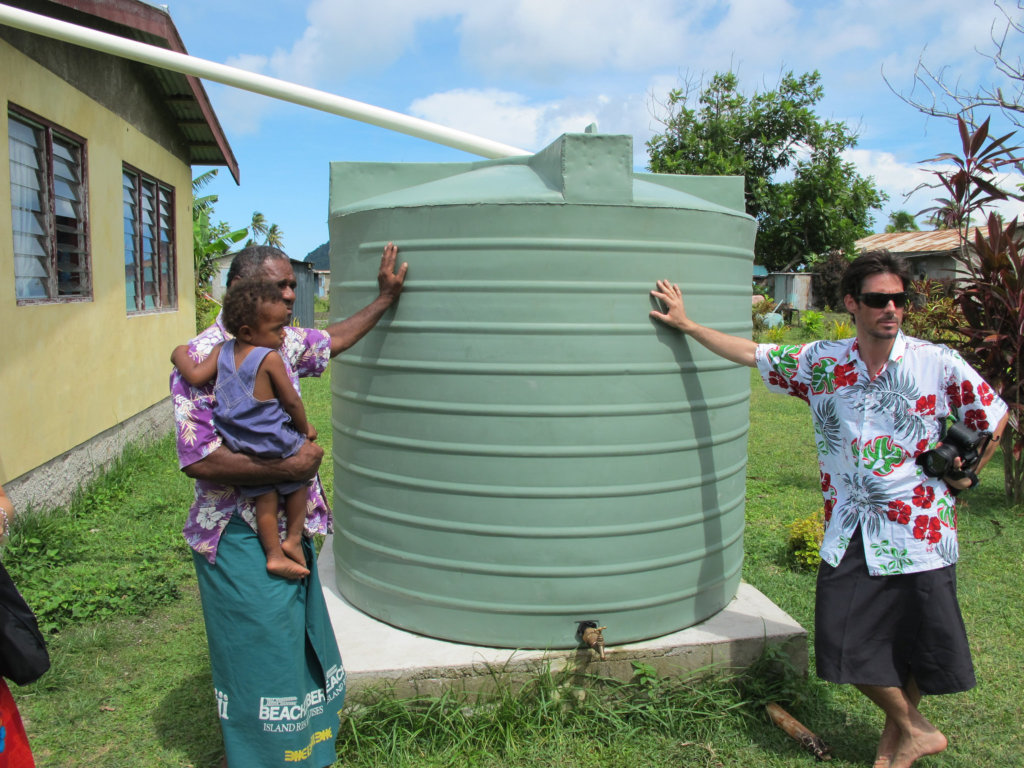
In the last quarter GVI have installed three rainwater harvesting systems in the villages of Nasinu, Lomolevu and Silana, but there are still many villages that require new systems and water infrastructure improvements to ensure that there is enough water available for daily life. Through the funds raised we will be able to install these much-needed water security systems. Access to fresh water resources also directly influences sanitation standards and practices – we have helped to address this through conducting WaSH - Water, Sanitation and Hygiene workshops in local communities and schools.
GVI ‘s Expanding Access to Fresh Water and Sanitation in Fiji is in line with UN SDG goal #6, clean water & sanitation Clean - Water scarcity, poor water quality and inadequate sanitation negatively impact food security, livelihood choices and educational opportunities for poor families across the world. Millions of people including children die every year from diseases associated with inadequate water supply, sanitation and hygiene. The two main areas GVI water project as have been focusing on are:
6.4 By 2030, substantially increase water-use efficiency across all sectors and ensure sustainable withdrawals and supply of freshwater to address water scarcity and substantially reduce the number of people suffering from water scarcity.
6.6 Support and strengthen the participation of local communities in improving water and sanitation management hygiene.
Over the last quarter (in 2018) GVI community team have installed three rain water harvesting systems in three villages of Dawasamu , our education team have also conducted WaSH workshops with the 159 children from 9 villages. and our health team have been conducting the WaSH preventive health measure workshops with four women’s groups total of 53 women.
We would like to thank all donors who have contributed to our “ Expanding Access to Fresh Water and Sanitation” in Fiji project and helping us to offer a solution to safe and reliable way to source drinking water and awareness programs, rainwater can be utilized as a long-term solution to water shortages. Better sanitation and hygiene practices can be reinforced through workshops and community education, and investing in sustainable, long term infrastructure programs.
With Regards,
Fiji Dawasamu
By David Cooper | Assistant Program Manager
By David Cooper | Assistant Base Manager
Project reports on GlobalGiving are posted directly to globalgiving.org by Project Leaders as they are completed, generally every 3-4 months. To protect the integrity of these documents, GlobalGiving does not alter them; therefore you may find some language or formatting issues.
If you donate to this project or have donated to this project, you can receive an email when this project posts a report. You can also subscribe for reports without donating.



Support this important cause by creating a personalized fundraising page.
Start a Fundraiser