By Kananu Doris | Program Director
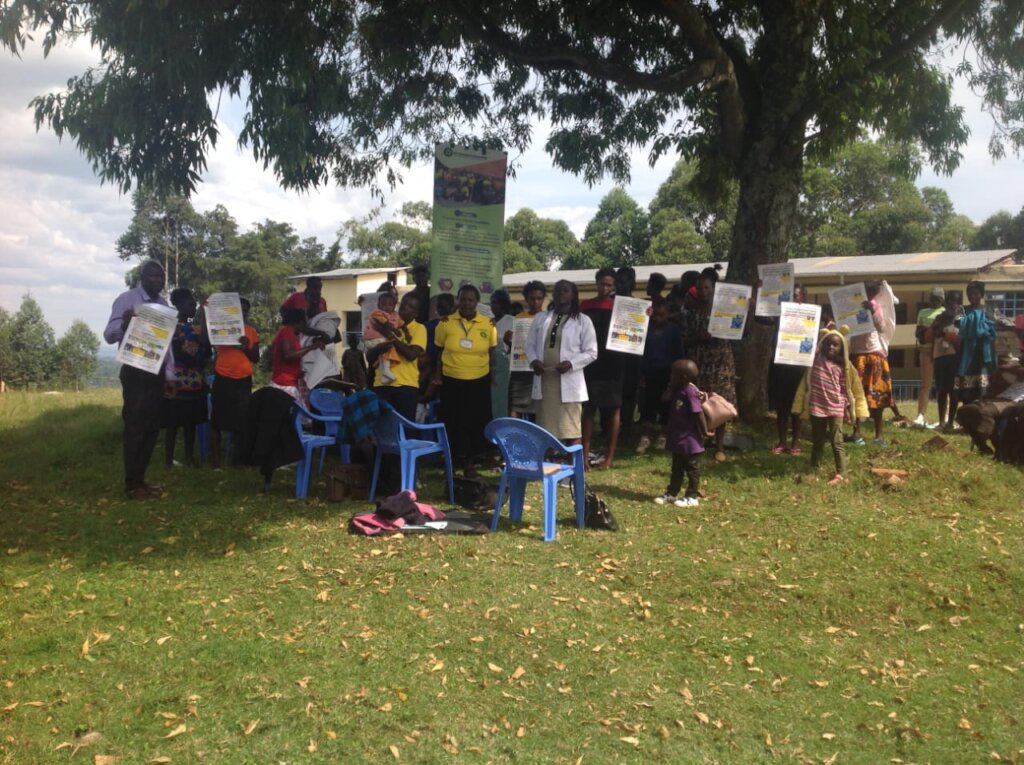
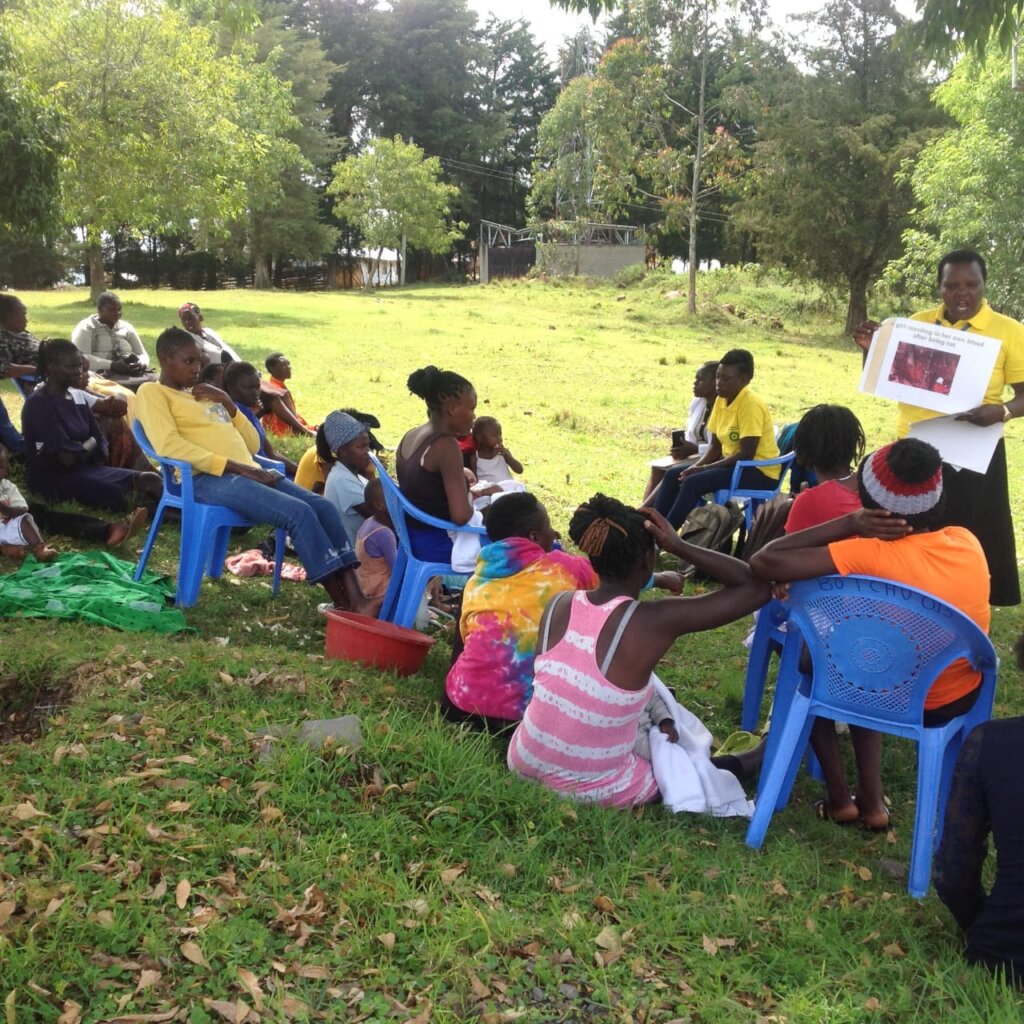
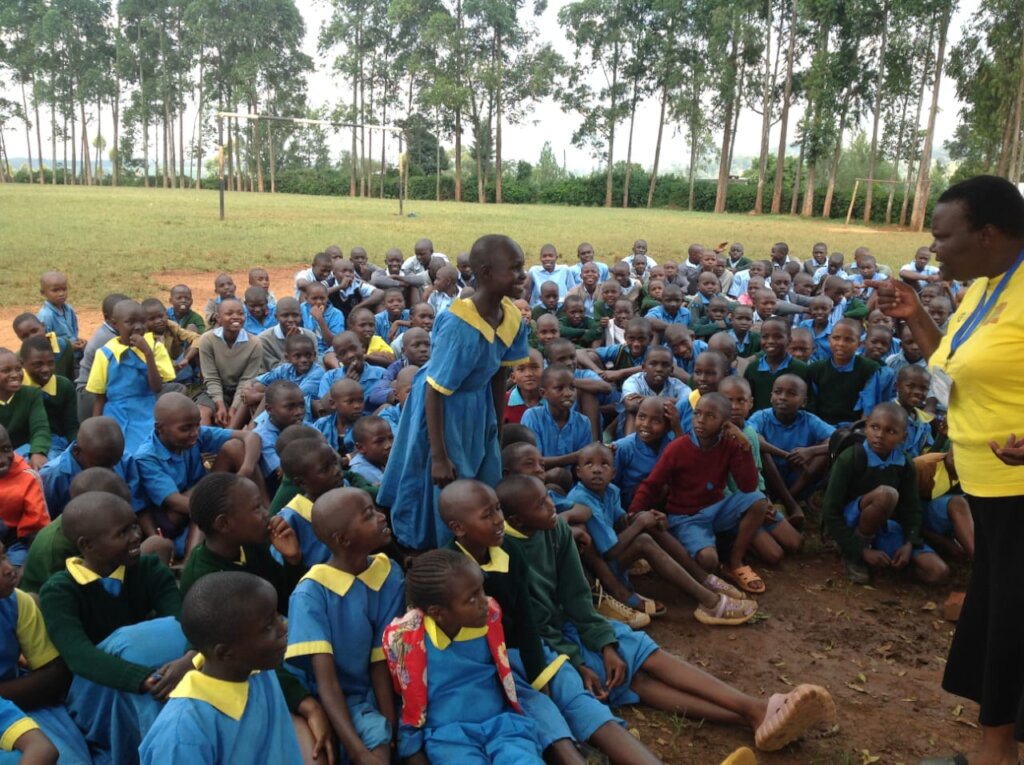
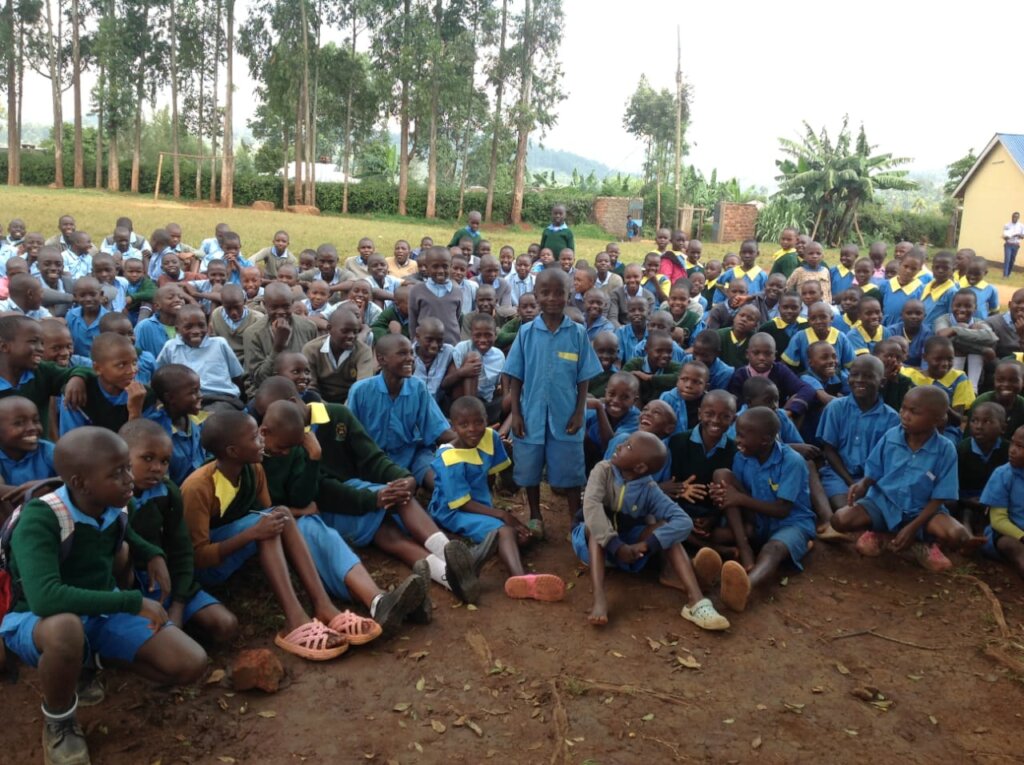
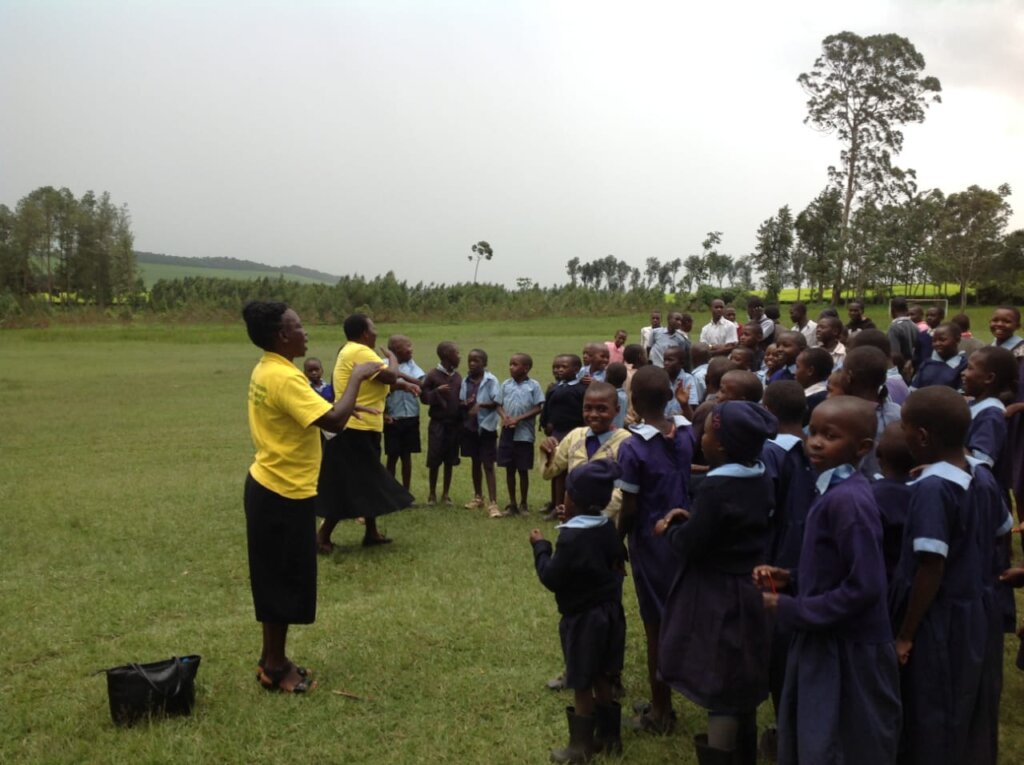
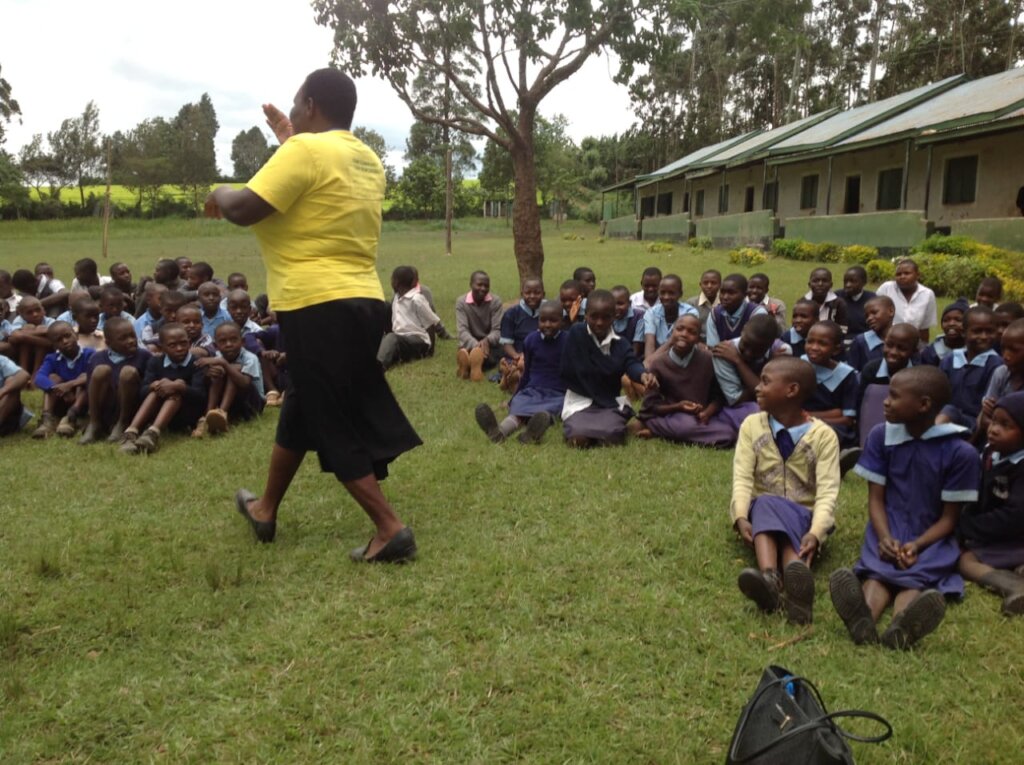
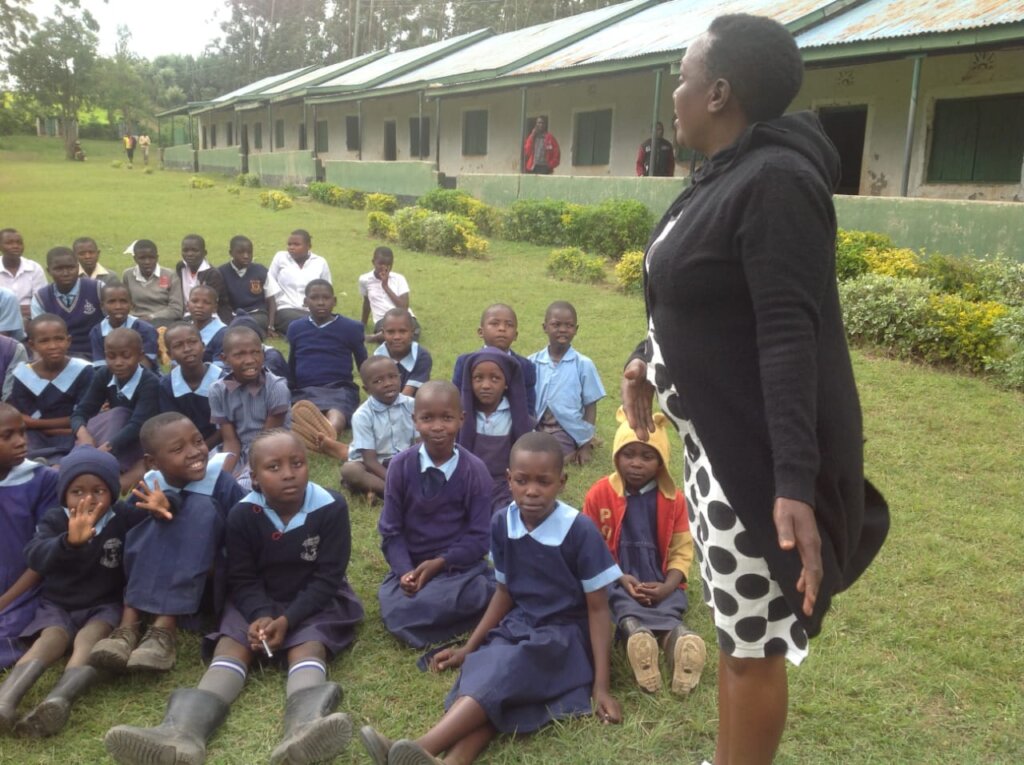
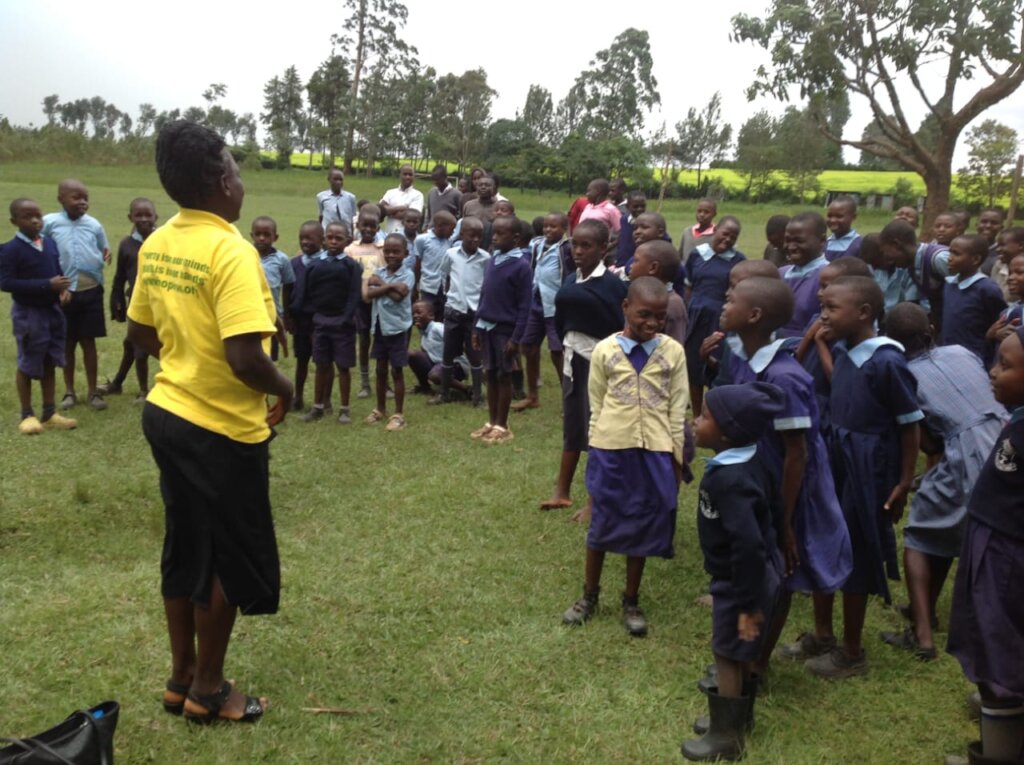
In November 2025, Hope Foundation for African Women (HFAW) conducted a targeted empowerment and protection training for teen mothers in Magwagwa, North Mogirango Constituency, Nyamira County. The outreach formed part of HFAW’s continued commitment to protect vulnerable girls and young women from harmful cultural practices and social risks, particularly Female Genital Mutilation (FGM), repeat teenage pregnancies, and Gender-Based Violence (GBV).
Teen mothers in the area face multiple and overlapping vulnerabilities, including stigma, economic hardship, school interruption, pressure from family members, and exposure to abuse. Recognizing these risks, HFAW designed a safe-space learning forum where participants could receive accurate information, share their lived experiences, and build confidence and practical life skills to protect themselves and their children.
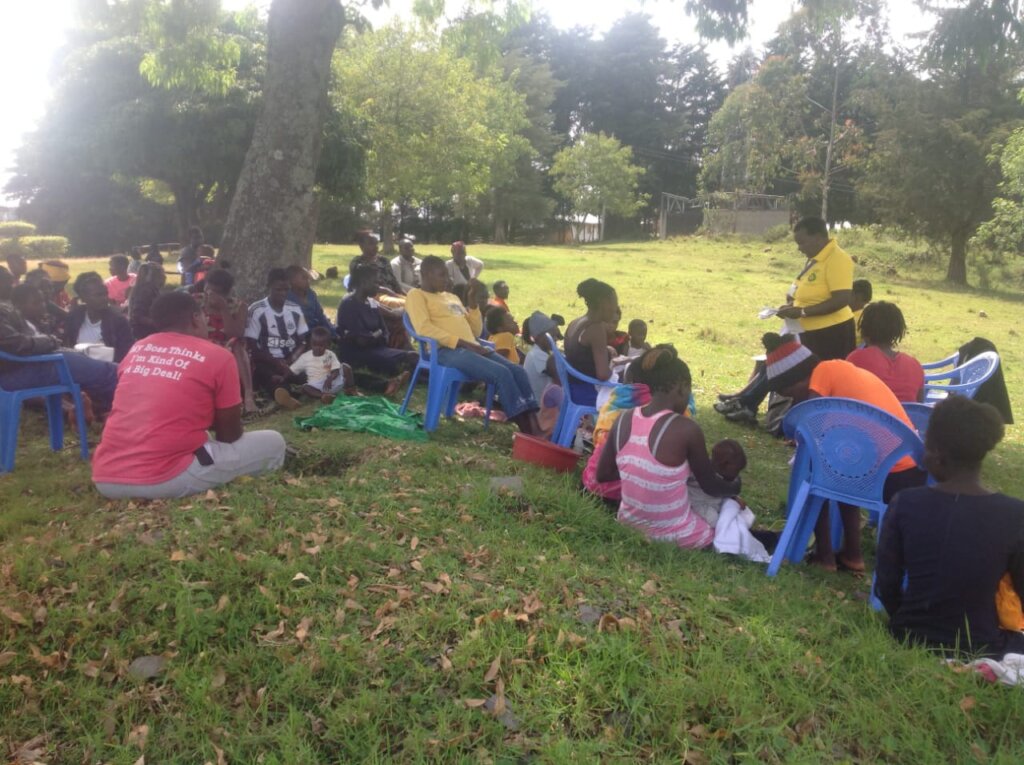
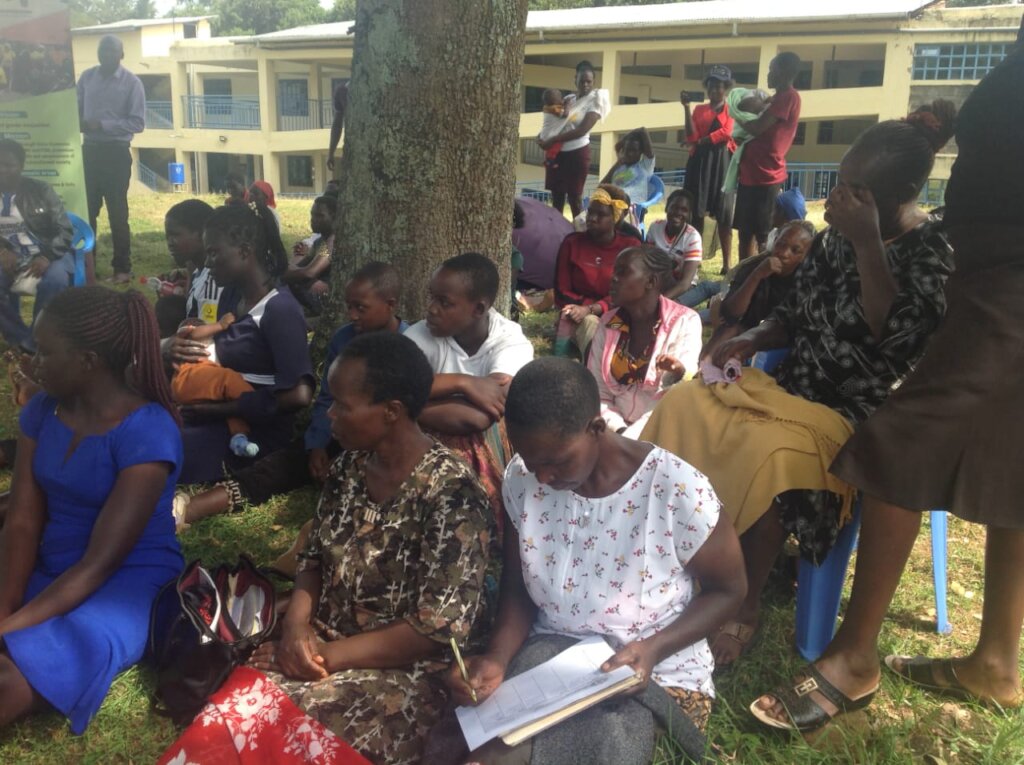
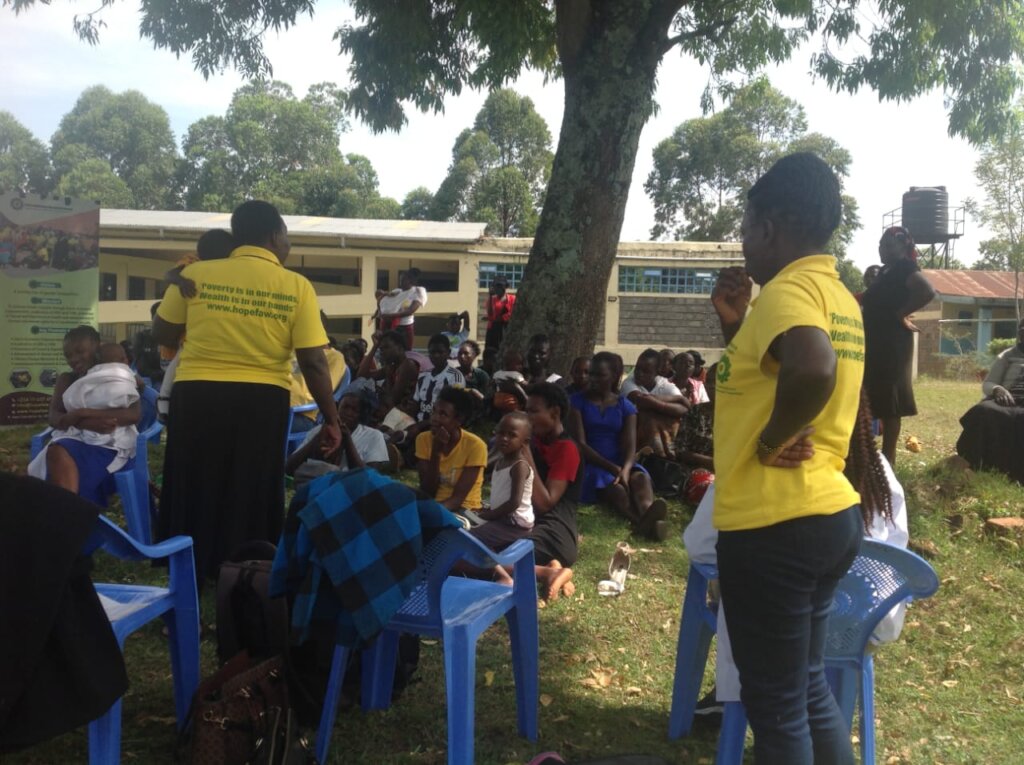
The training brought together adolescent and young mothers from Magwagwa and neighboring villages. From the start, the atmosphere was open and interactive, with participants eager to speak about the challenges they face. Many shared that they rarely get opportunities to discuss issues such as FGM, reproductive health, and violence in a supportive environment.
During the sessions, HFAW facilitators guided participants through discussions on the dangers and the illegal status of FGM, the health and social consequences of teenage pregnancy, prevention of repeat pregnancies, and the different forms of GBV and available reporting pathways. The facilitators addressed common myths and misconceptions and emphasized that every girl and young woman has the right to safety, dignity, health, and education.
One participant, not her real name, spoke quietly but firmly during the FGM session: “Even after becoming a mother, some relatives still say I should be cut so I can be accepted. I didn’t know I can say no and get help.” Another added, “They tell us it is tradition, but no one tells us about the pain and the problems that follow. Today I understand my rights.”
The conversation around repeat teenage pregnancy generated deep reflection among the participants. Several girls admitted they had limited access to correct reproductive health information before their first pregnancy. One teen mother shared, “I got pregnant again because I was afraid to ask questions at the clinic. Now I know where to go and what to ask.” Another said, “If I had this knowledge earlier, my life would be different but now I will use it to plan my future.”
When discussing GBV, participants described experiences of emotional abuse, neglect, and exploitation. The facilitators explained the different forms of violence and walked the group through practical reporting and referral options within the community. A participant remarked, “I thought violence only means being beaten. I didn’t know threats and control are also violence.” Another added, “I now know I should not keep quiet. There are people and offices where we can report.”
The life skills and confidence-building segments were especially impactful. Through guided exercises on self-esteem, decision-making, and personal safety planning, participants began expressing renewed determination. One young mother stated, “I want to go back to school and raise my child well. I will not allow pressure or fear to decide for me again.” Another said, “We should keep meeting like this. When we talk together, we become stronger.”
By the end of the training, participants demonstrated increased awareness of the risks and consequences of FGM, GBV, and repeat teenage pregnancy, and a clearer understanding of their rights and available support services. Many expressed gratitude for the respectful and non-judgmental approach used by the facilitators and requested continued mentorship and follow-up sessions.
The HFAW team noted that while harmful cultural beliefs and economic vulnerability remain significant challenges, the willingness of the teen mothers to learn, speak out, and support each other is a strong foundation for change. There is a clear need for sustained engagement that also includes parents, caregivers, and community leaders in order to shift norms and strengthen protection systems.
HFAW remains committed to continued outreach in North Mogirango Constituency and across Nyamira County to ensure that vulnerable girls and young mothers are informed, protected, and empowered. With continued partnership and support, such community-based trainings will keep building resilience and hope for one young mother at a time.
Doris Kananu
Program Director
Hope Foundation for African Women (HFAW)
By Doris Kananu | Program Director
By Doris Kananu | Program Director
Project reports on GlobalGiving are posted directly to globalgiving.org by Project Leaders as they are completed, generally every 3-4 months. To protect the integrity of these documents, GlobalGiving does not alter them; therefore you may find some language or formatting issues.
If you donate to this project or have donated to this project, you can receive an email when this project posts a report. You can also subscribe for reports without donating.



Support this important cause by creating a personalized fundraising page.
Start a Fundraiser